Language in the Southern United States is rich, colorful, and often deeply tied to history and local culture. Many common sayings take on meanings that differ from their standard interpretations elsewhere in the country. These expressions reflect the region’s unique blend of tradition, humor, and social nuance. Understanding Southern sayings offers insight into both the linguistic creativity and cultural values of the area. The following examples highlight how familiar words and phrases acquire new life in Southern speech.
Coke Means Any Soft Drink
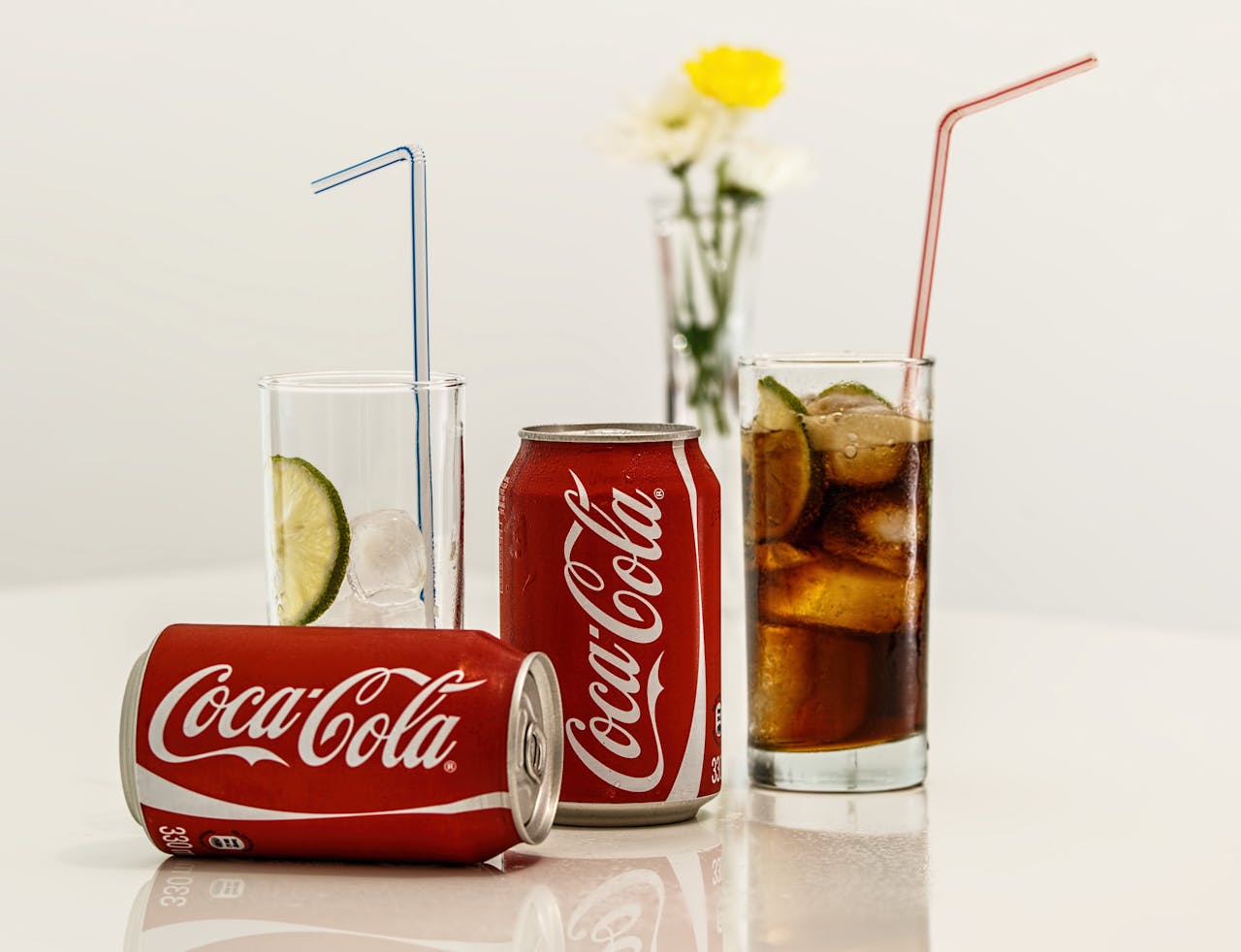
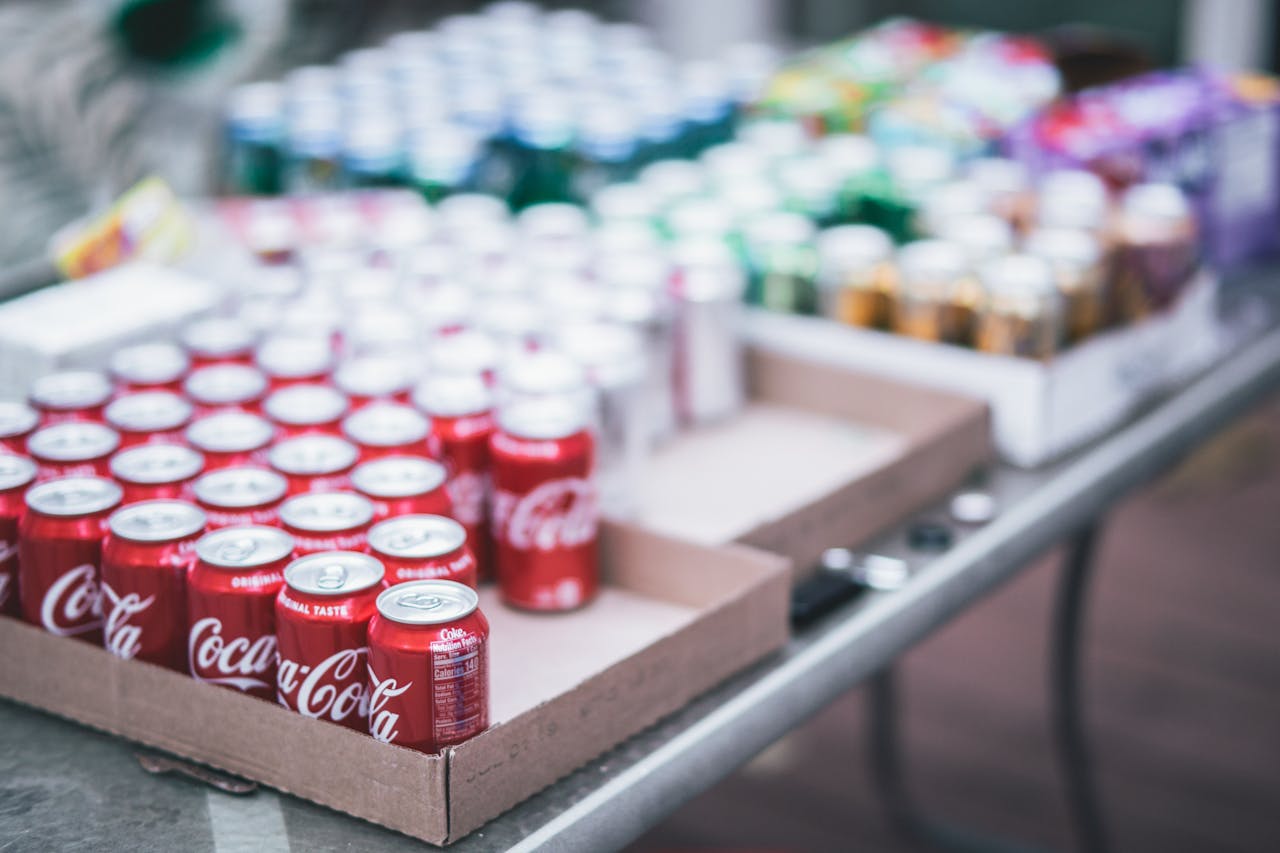
In much of the South, asking for a “Coke” does not necessarily mean Coca-Cola. It can refer to any carbonated beverage, including Pepsi or Sprite. This usage demonstrates how a brand can become synonymous with a category of products. It also reflects the cultural prominence of Coca-Cola in Southern life. Ordering a “Coke” is often understood by locals without further clarification.
Toboggan Refers to a Knit Cap
While most people associate a toboggan with a sled, in Southern vernacular it is a warm knit hat. This linguistic twist can confuse outsiders but is perfectly normal in the region. Toboggans are commonly worn in winter for practical warmth. The term reflects how everyday items can be uniquely named based on local tradition. It shows the flexibility and evolution of language.
Ugly Can Mean Unpleasant Behavior

In the South, calling someone “ugly” may not refer to appearance at all. Instead, it can describe someone behaving rudely or inappropriately. This usage emphasizes character and conduct over physical looks. It reflects the Southern value placed on manners and social etiquette. Understanding context is essential when interpreting this term.
Buggy Refers to a Shopping Cart

A “buggy” in Southern speech usually means a grocery cart, not a horse-drawn carriage. This term is widely understood in everyday conversations. In some areas, it may also refer to the insects that gather on car windshields. The dual meaning highlights regional adaptation of language. It’s an example of how ordinary words can carry locally specific interpretations.
Barbecue Is Both Food and Event
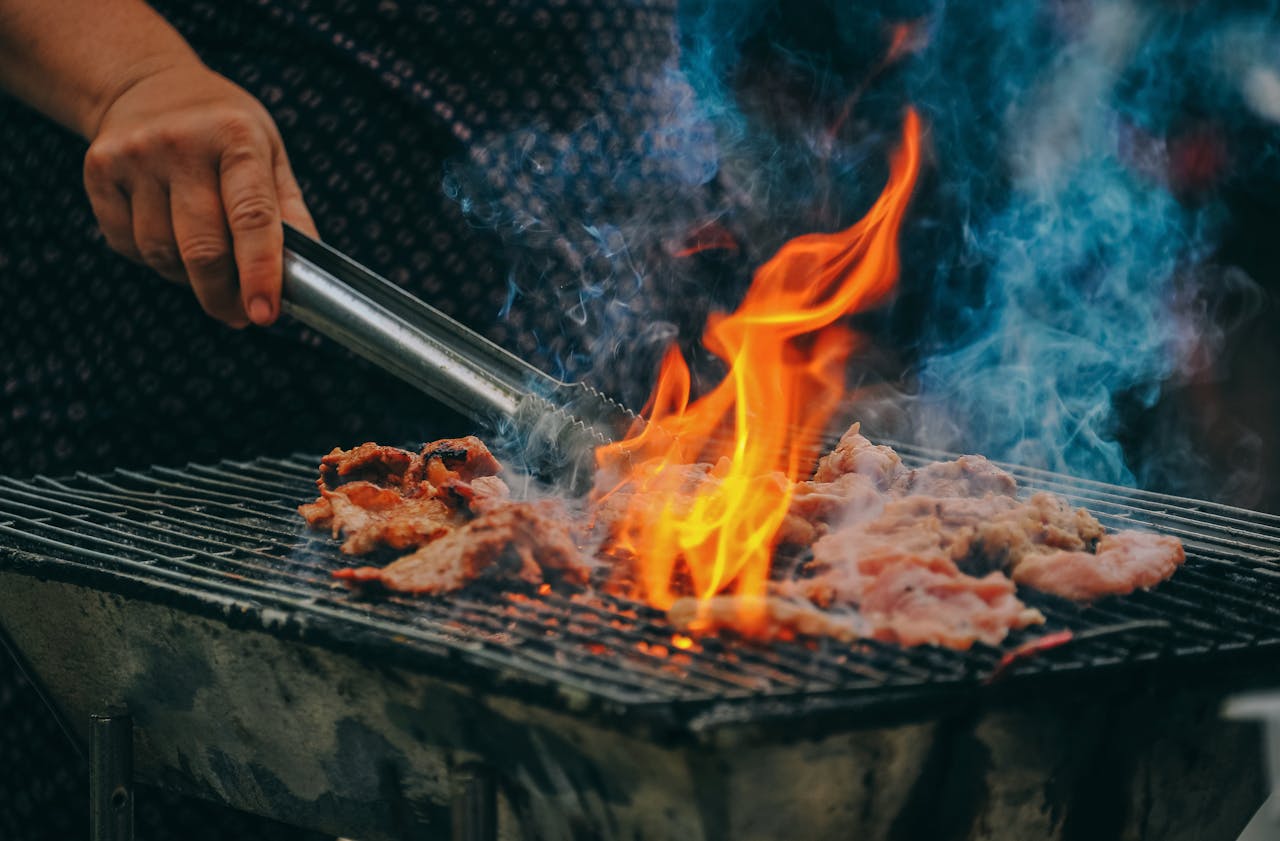
In the South, “barbecue” refers not only to grilled meat but also to the social gathering surrounding it. Barbecues are often slow-cooked, featuring pork, beef, or chicken with regional sauces. They serve as community events, combining food, music, and fellowship. The term encapsulates both culinary tradition and social culture.
Carry Someone Means Give a Ride

To “carry” someone in the South often means transporting them by vehicle. It does not imply physically lifting them. This expression highlights the practical and relational aspects of Southern communication. It is commonly used in daily life, such as giving friends or family a ride. Context ensures that the meaning is clear to listeners.
Cut Can Mean Turn Off

The verb “cut” may mean to turn off a light, appliance, or device. This differs from its standard meaning of making an incision. Phrases like “cut the lights” are typical in Southern households. This usage demonstrates how common words evolve within specific communities. It reflects a pragmatic approach to language.
Mash Refers to Pressing a Button

“Mash” is used in the South to describe pressing buttons, such as elevator controls or remote devices. This term conveys both action and urgency in a familiar context. It illustrates the region’s creative adaptation of verbs. Everyday technology is described in ways that feel natural to locals.
Fixing To Means Planning Soon

“Fixing to” indicates intent or imminent action, as in “I’m fixing to go to the store.” This phrase signals preparation rather than immediate execution. It is a staple of Southern speech patterns. The expression conveys both politeness and clarity about future plans.
Color Can Mean Apply Makeup or Tan

In Southern parlance, “color” may refer to getting a tan or applying cosmetics. The word carries a practical and aesthetic dimension. This usage highlights how a single term can serve multiple everyday needs. Context determines the intended meaning.
Spell Refers to Sitting or Feeling Faint

To “sit a spell” means to rest briefly, while feeling a “spell coming on” indicates faintness or weakness. These uses are distinct from the standard meaning of spelling words. Such expressions reflect both hospitality and descriptive creativity in language. They also convey subtle cues about time and health.
Pick Up Often Means Drive Someone
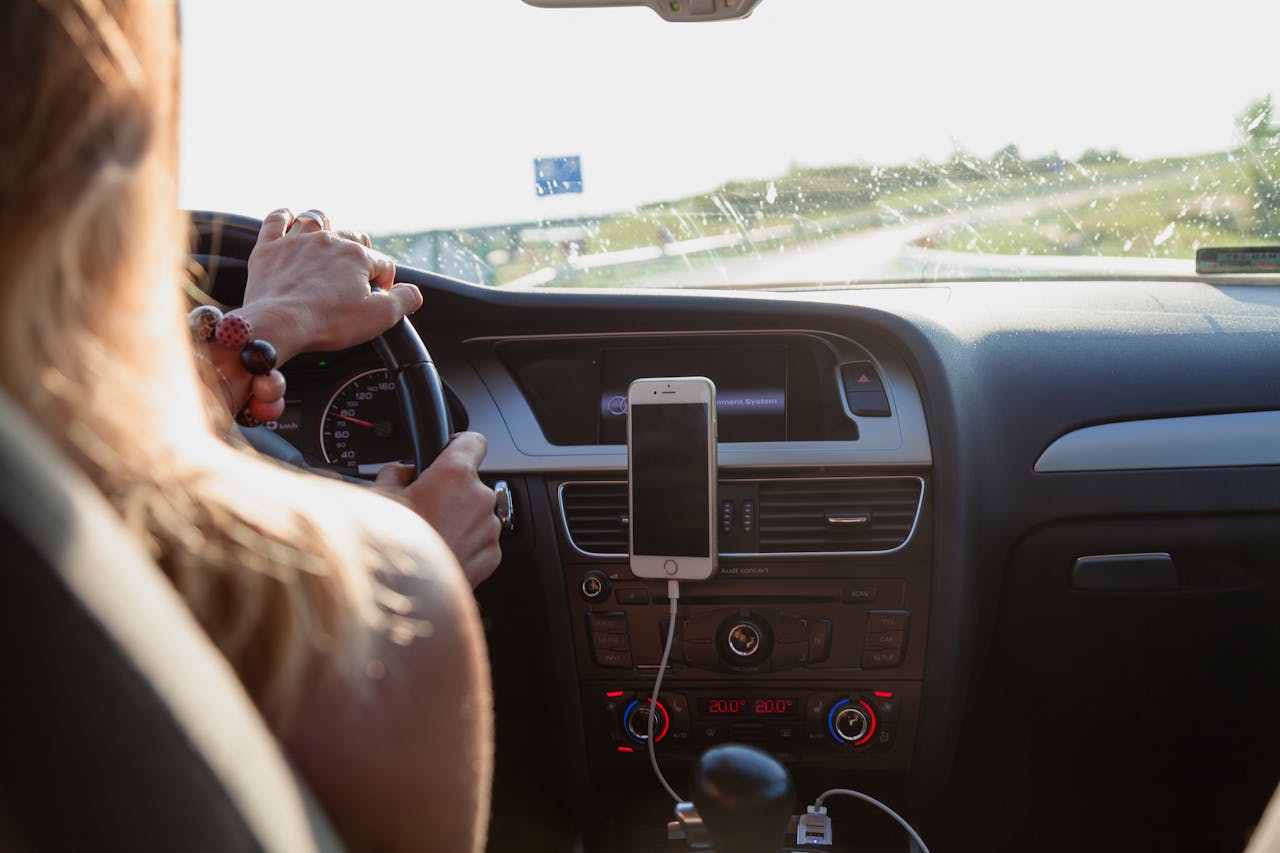
“Pick up” usually refers to giving someone a ride rather than retrieving an object. This usage is commonplace in Southern conversations. It emphasizes relational action and transportation convenience. The phrase illustrates how context shapes interpretation of familiar terms.
Directly Means Soon

Saying “I’ll be there directly” does not mean immediately in the Southern context, it means soon or shortly. This subtle shift reflects a cultural interpretation of time that values flexibility and politeness. The term reassures listeners without committing to an exact moment. It is emblematic of Southern conversational style.