Dining out has always been a cherished part of American culture, but for baby boomers, certain restaurant chains from their youth carry a special nostalgia. These places weren’t just about food—they were community gathering spots where families bonded, teenagers hung out, and special occasions felt even more memorable. While some faded due to competition or changing times, the memories they created remain strong. Here are 13 classic restaurant chains boomers wish they could revisit today.
Howard Johnson’s and Its Roadside Comfort
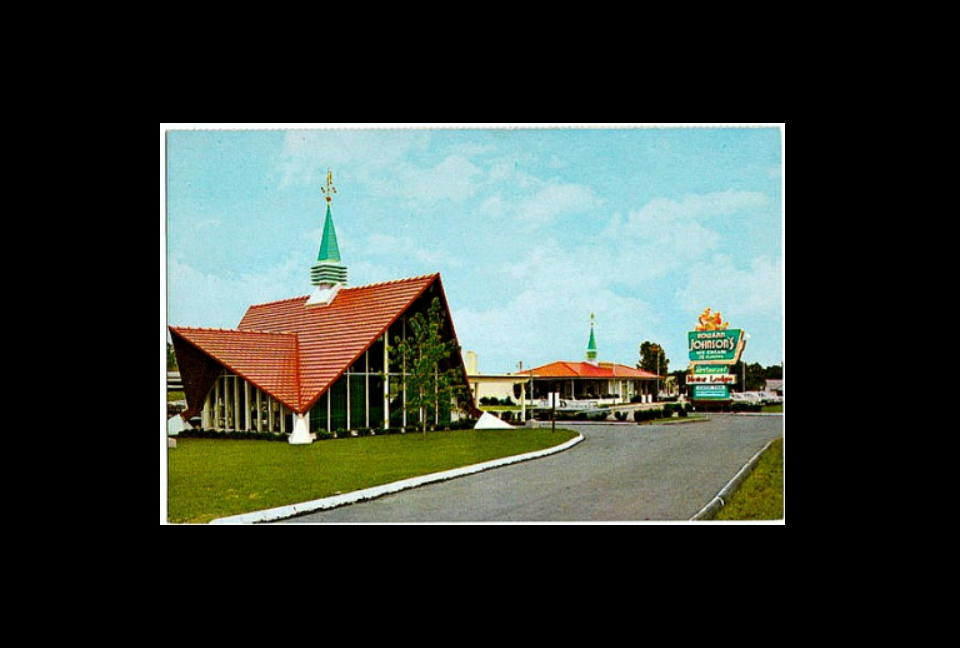
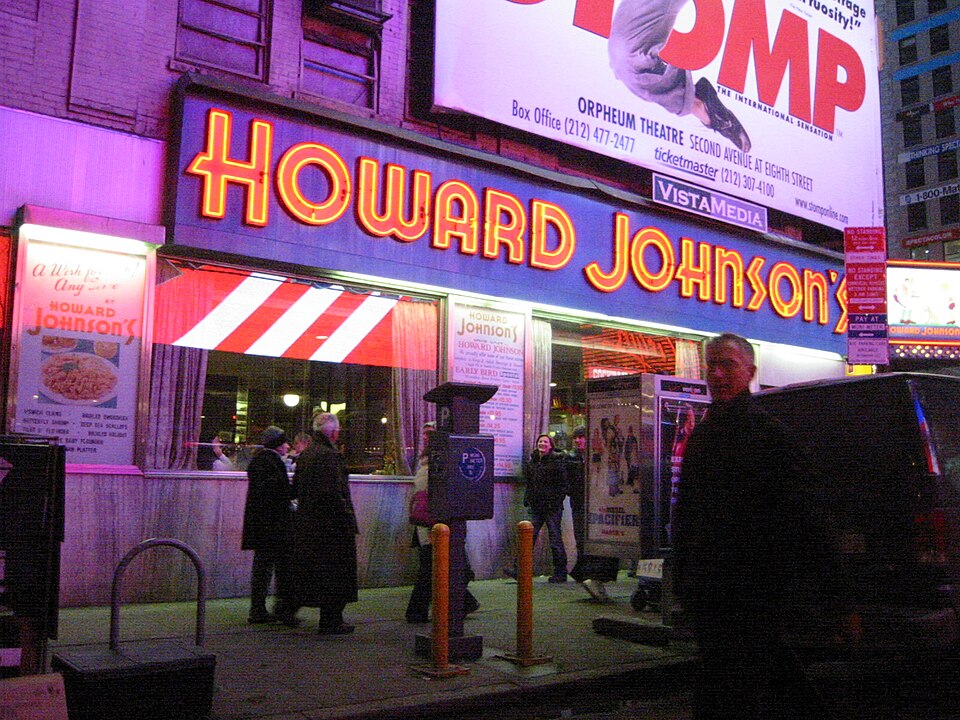
Howard Johnson’s, with its signature orange roof, was once the largest restaurant chain in America. It became a staple for families traveling the highways, offering dependable meals and famous fried clams. For many boomers, stopping at a Howard Johnson’s was part of a road trip ritual, a symbol of comfort and consistency. Its disappearance left a noticeable gap in American roadside dining.
Steak and Ale’s Affordable Elegance
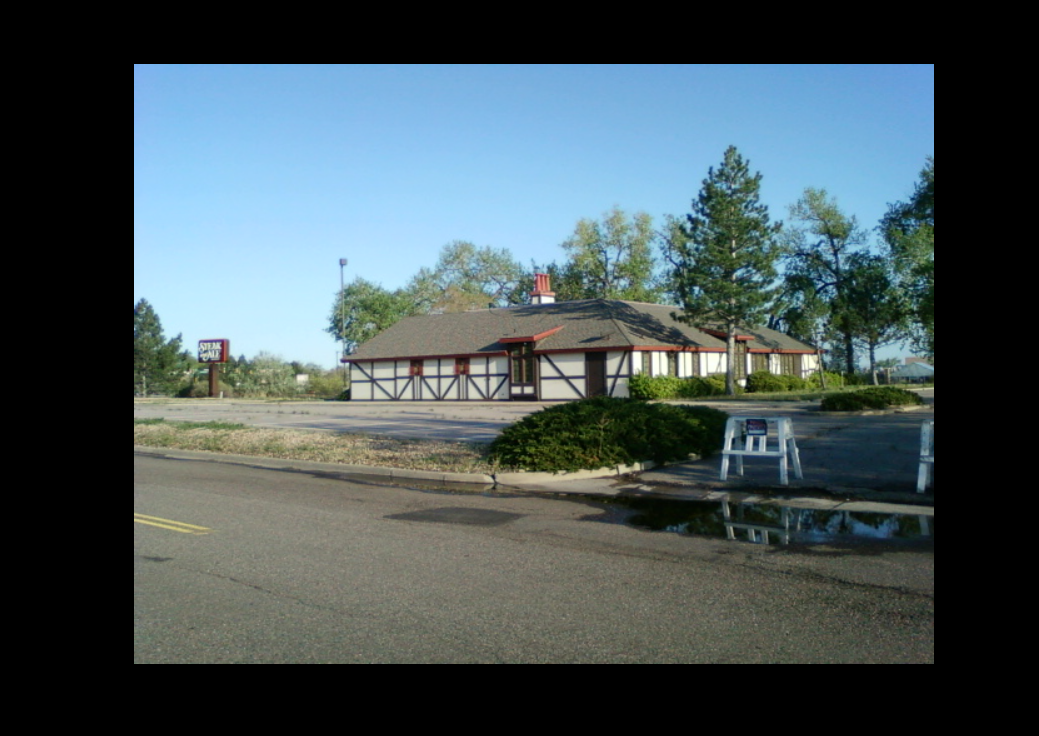
Steak and Ale pioneered the idea of bringing steakhouse dining to middle-class families at an affordable price. Known for its dimly lit interiors and salad bar, it offered a touch of sophistication without breaking the bank. Families celebrated birthdays and milestones here, making it a place of lasting memories. Today, the chain is gone, but its legacy remains in the countless steakhouses that followed.
Shakey’s Pizza and Live Entertainment
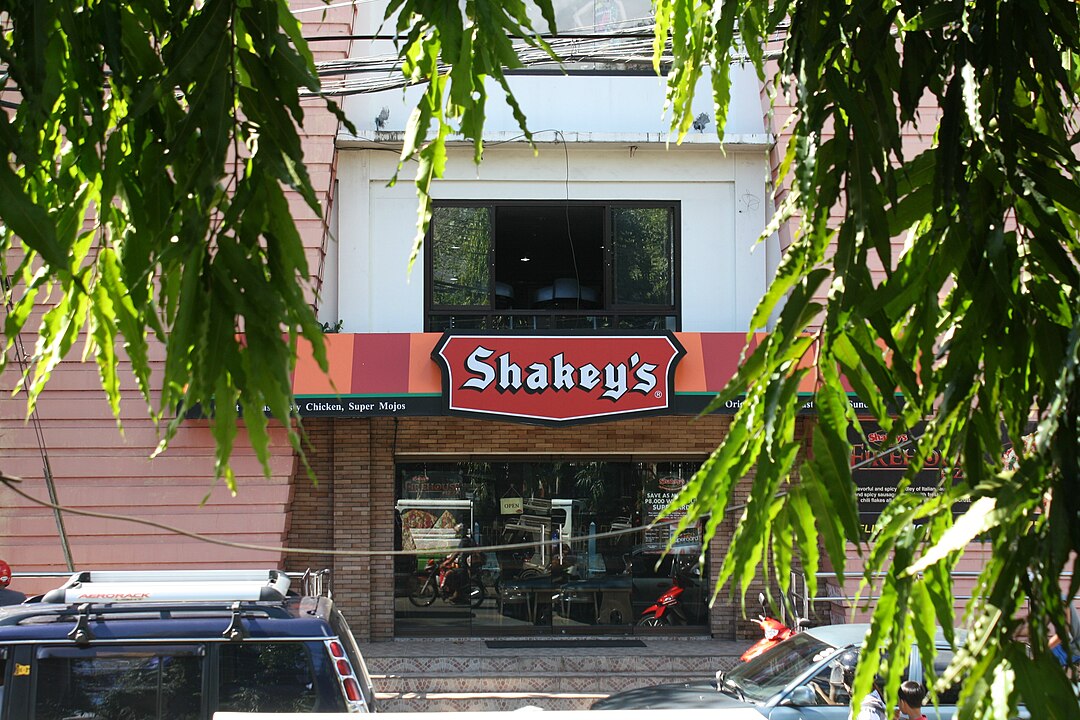
Shakey’s Pizza was more than just a place to grab a slice—it was an experience. Known for its live banjo music, old-time décor, and communal tables, it created a fun and lively atmosphere. Many boomers recall birthday parties and after-game gatherings at Shakey’s. The combination of pizza, laughter, and entertainment made it truly unforgettable.
Pop ’N Taco’s Quick Bites
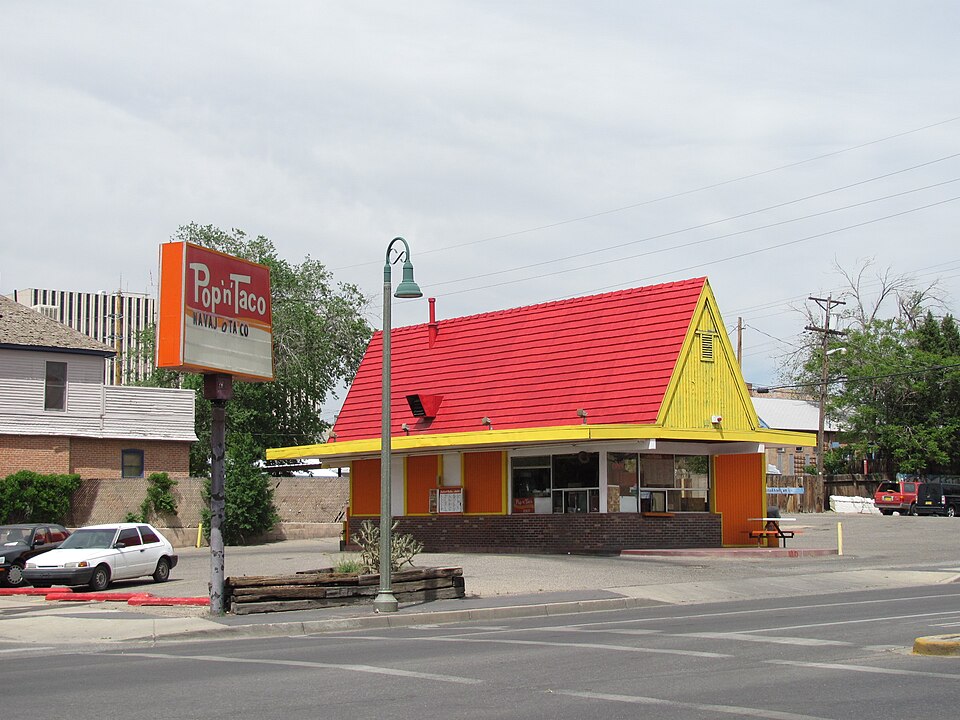
Pop ’N Taco, a fast-food chain based in California, blended American hot dogs with Mexican-inspired items like tacos and burritos. It was a quirky mix that appealed to adventurous eaters during the 1960s and ’70s. For many boomers, it was their first introduction to fast, casual Mexican food. Though Taco Bell eventually acquired many locations, Pop ’N Taco still lives on in fond memories.
Burger Chef’s Fast-Food Innovation
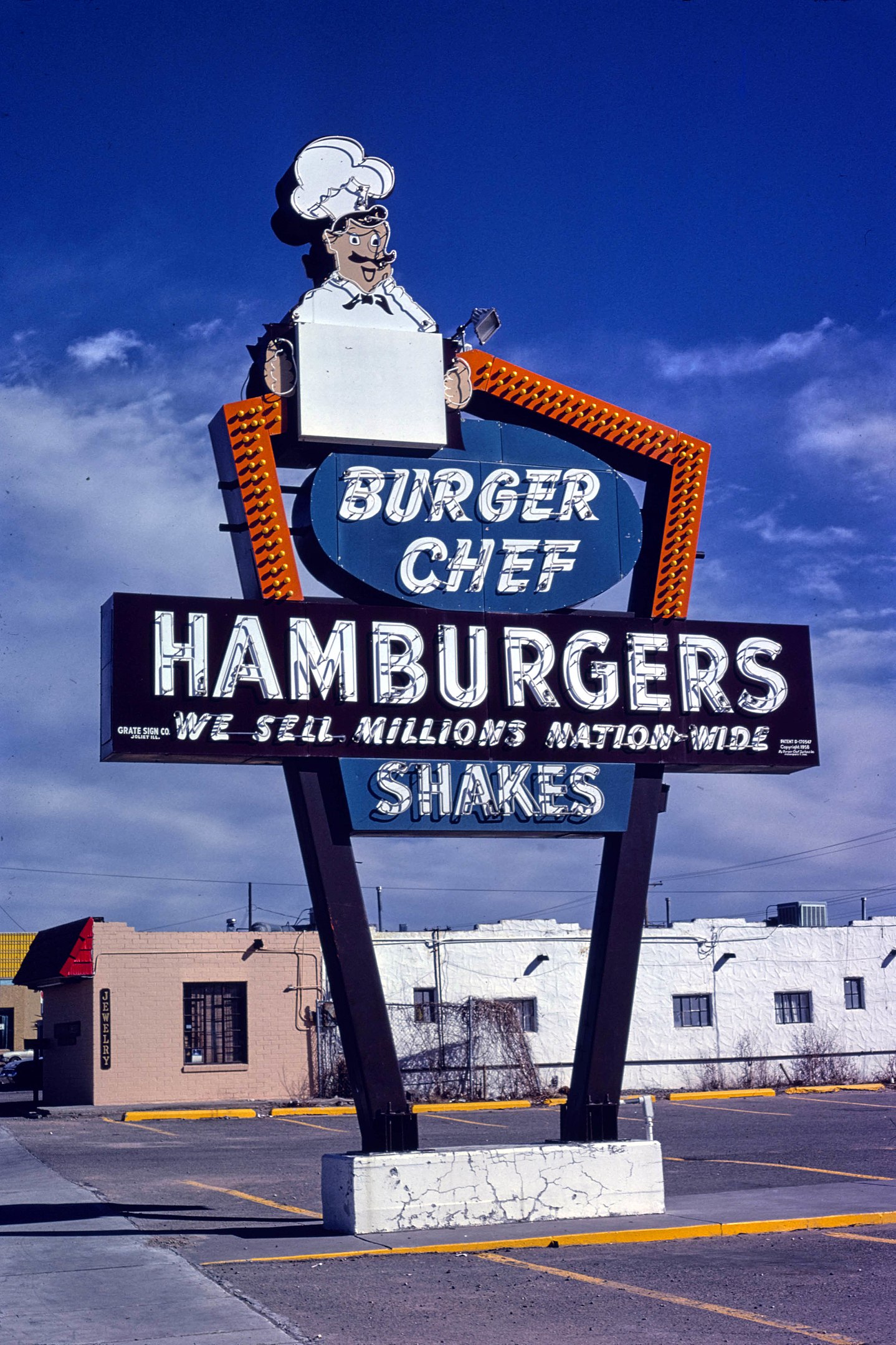
Before McDonald’s dominated the landscape, Burger Chef was a formidable competitor with thousands of locations nationwide. They introduced the concept of combo meals and the fun “Funmeal” box for kids long before Happy Meals existed. Boomers remember it as a go-to spot for affordable burgers and fries. Its influence on fast-food culture is undeniable, even though the chain no longer exists.
Lum’s and Its Beer-Steamed Hot Dogs
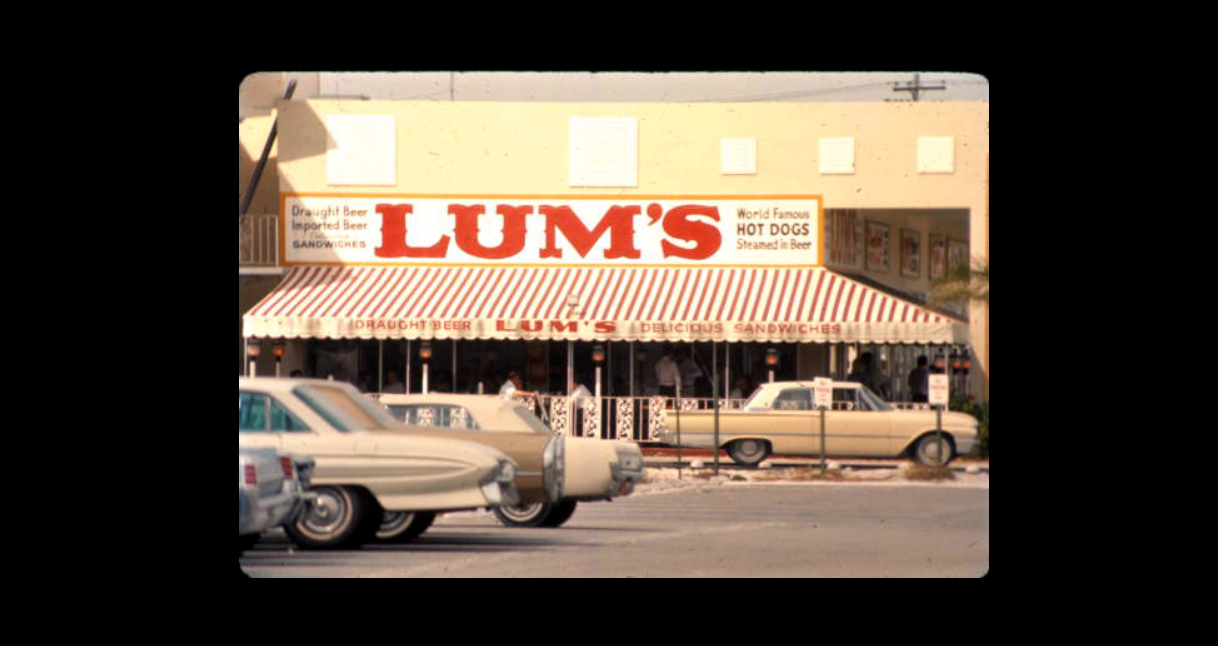
Lum’s made a name for itself with hot dogs steamed in beer, a unique twist that set it apart from typical diners. The chain also offered burgers, fried seafood, and sandwiches in a casual, family-friendly environment. For boomers, Lum’s was often a weekend treat or post-game hangout. Today, it’s remembered as a creative and fun eatery from a bygone era.
Farrell’s Ice Cream Parlour’s Whimsical Charm
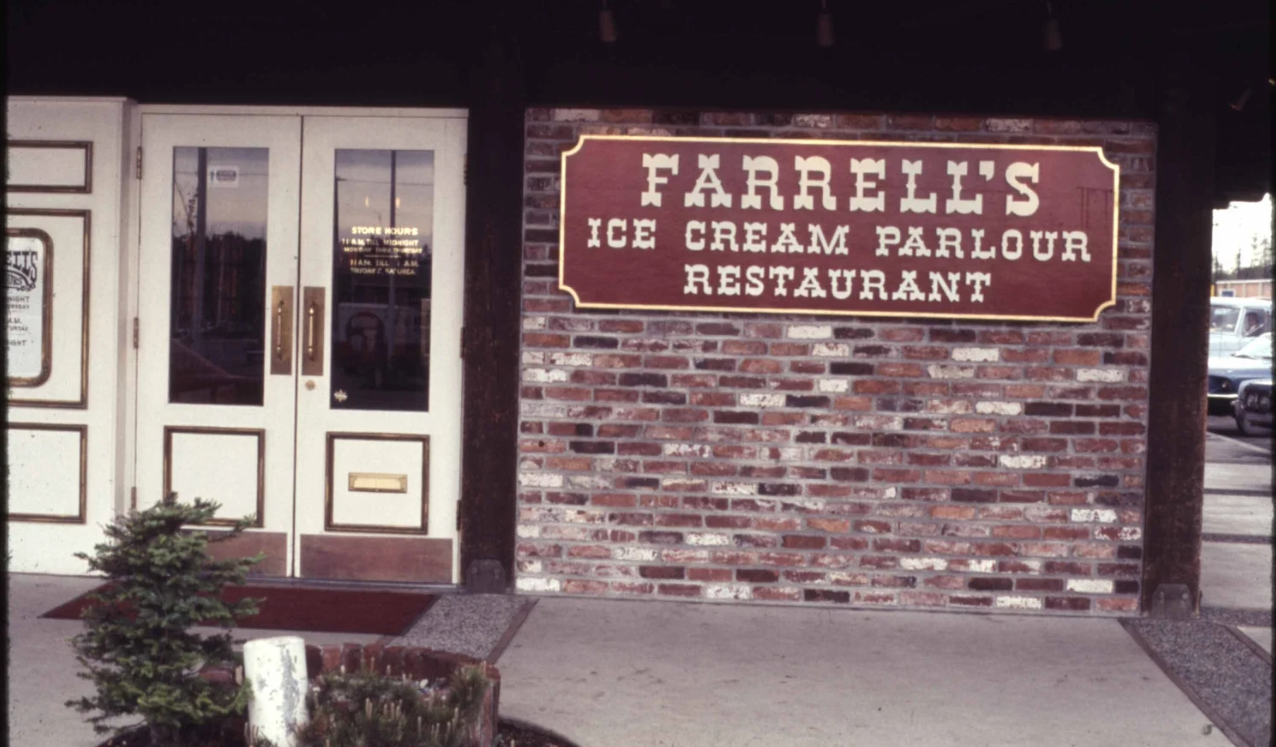
Farrell’s Ice Cream Parlour was designed for celebrations, with massive ice cream sundaes and waiters who sang and clapped during birthdays. Its over-the-top atmosphere made kids and adults feel equally special. The “Pig’s Trough” sundae challenge became legendary. For many boomers, no other dessert experience has come close to Farrell’s lively magic.
Bob’s Big Boy’s Classic Car Culture
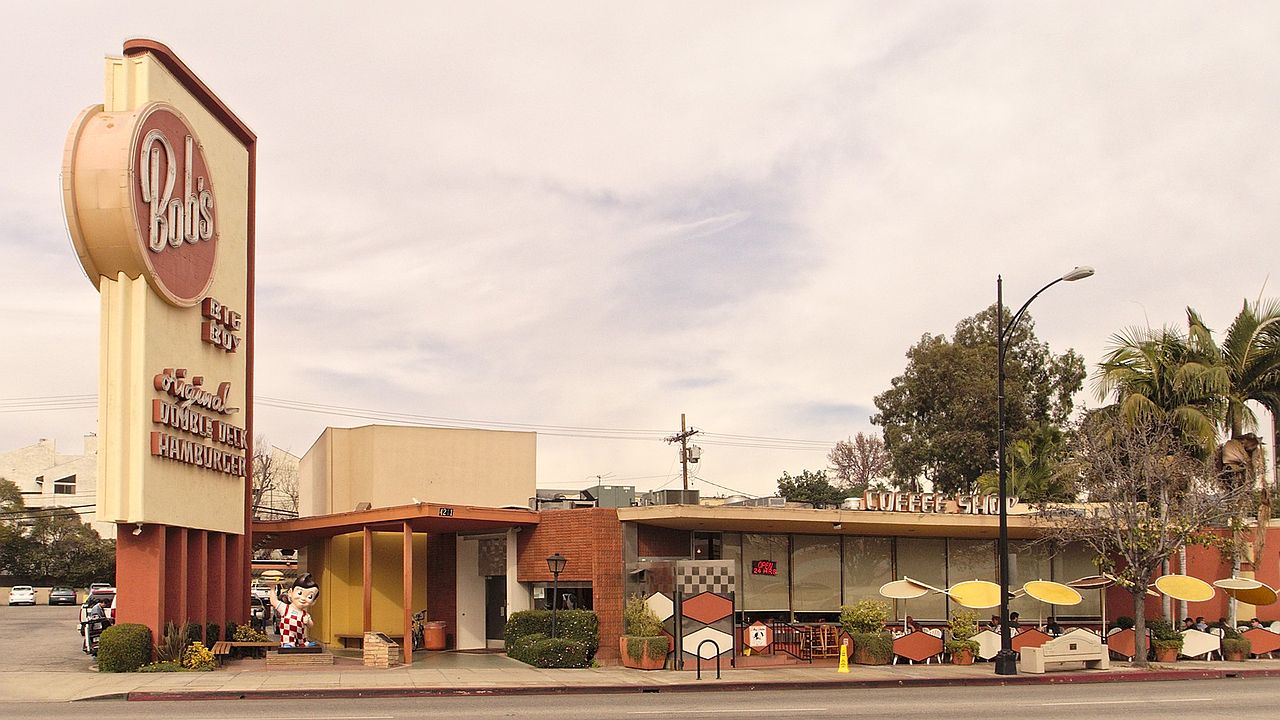
Bob’s Big Boy, with its iconic mascot, was synonymous with 1950s car culture and drive-in dining. Boomers remember pulling up in their cars, being served burgers and milkshakes, and hanging out with friends in the parking lot. The chain became a symbol of youthful freedom and Friday night fun. While a few locations still exist, the golden era of Bob’s is long gone.
Henry’s Hamburgers’ Budget-Friendly Meals
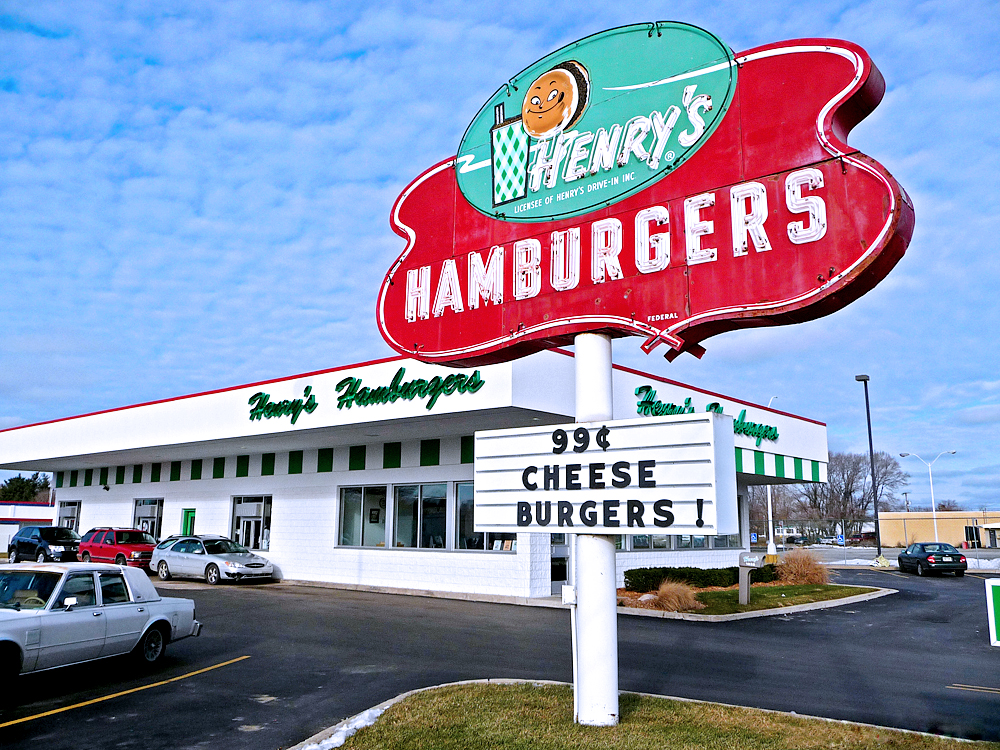
Henry’s Hamburgers was known for offering cheap burgers—sometimes as low as ten for a dollar. It was a haven for families and teenagers who wanted to grab a quick bite without spending much. At its peak, it rivaled McDonald’s in popularity. Although most locations closed by the 1970s, boomers still remember Henry’s as an affordable favorite.
Sambo’s Family Dining Tradition
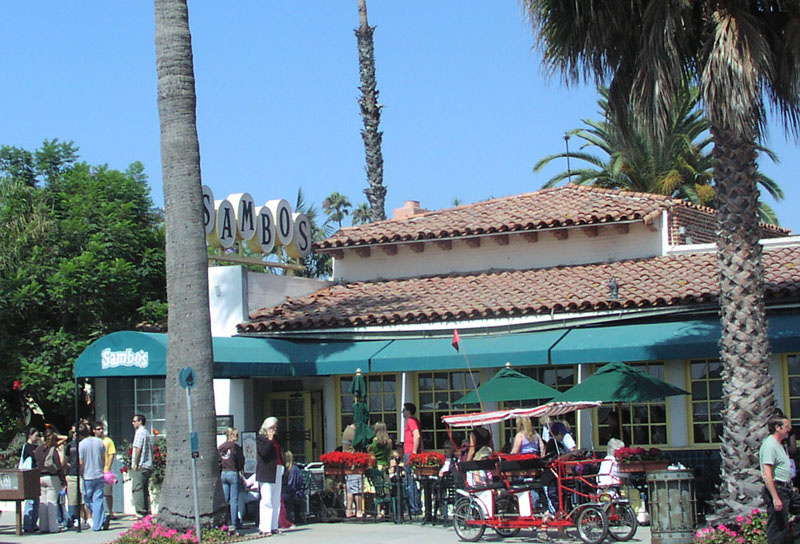
Sambo’s restaurants were known for hearty breakfasts and diner-style meals served around the clock. Despite its popularity, the chain fell victim to controversy over its name and imagery. For boomers, however, Sambo’s was a reliable spot for pancakes and coffee. Its decline marked the end of an era for many families who cherished it as a weekend ritual.
Woolworth’s Lunch Counters’ Simplicity
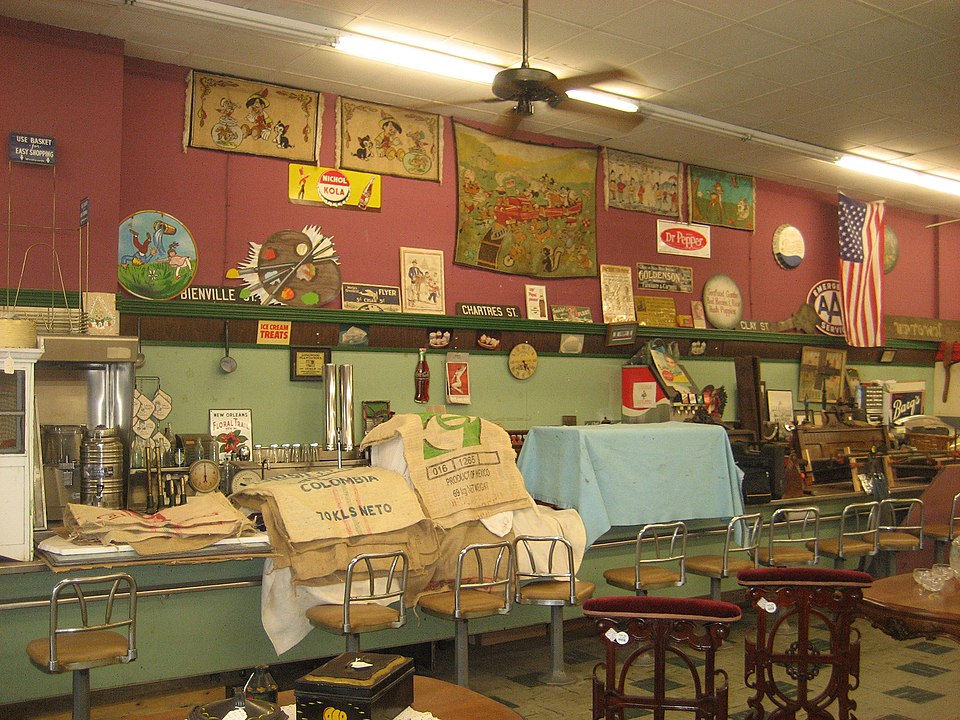
While Woolworth’s was best known as a department store, its lunch counters became iconic gathering spots. Boomers recall sitting down for simple meals like grilled cheese, milkshakes, and pie while shopping with parents. These counters weren’t just about food—they represented community and togetherness. Their disappearance marked a cultural shift in American dining.
Gino’s Hamburgers and Sports Spirit
Gino’s Hamburgers, co-founded by NFL star Gino Marchetti, brought a sports-friendly vibe to the fast-food industry. Known for its partnership with Kentucky Fried Chicken, it offered both burgers and fried chicken under one roof. For sports-loving boomers, it was a perfect match. The brand eventually faded, but it remains a fond memory for those who grew up with it.
White Tower’s Urban Diner Style
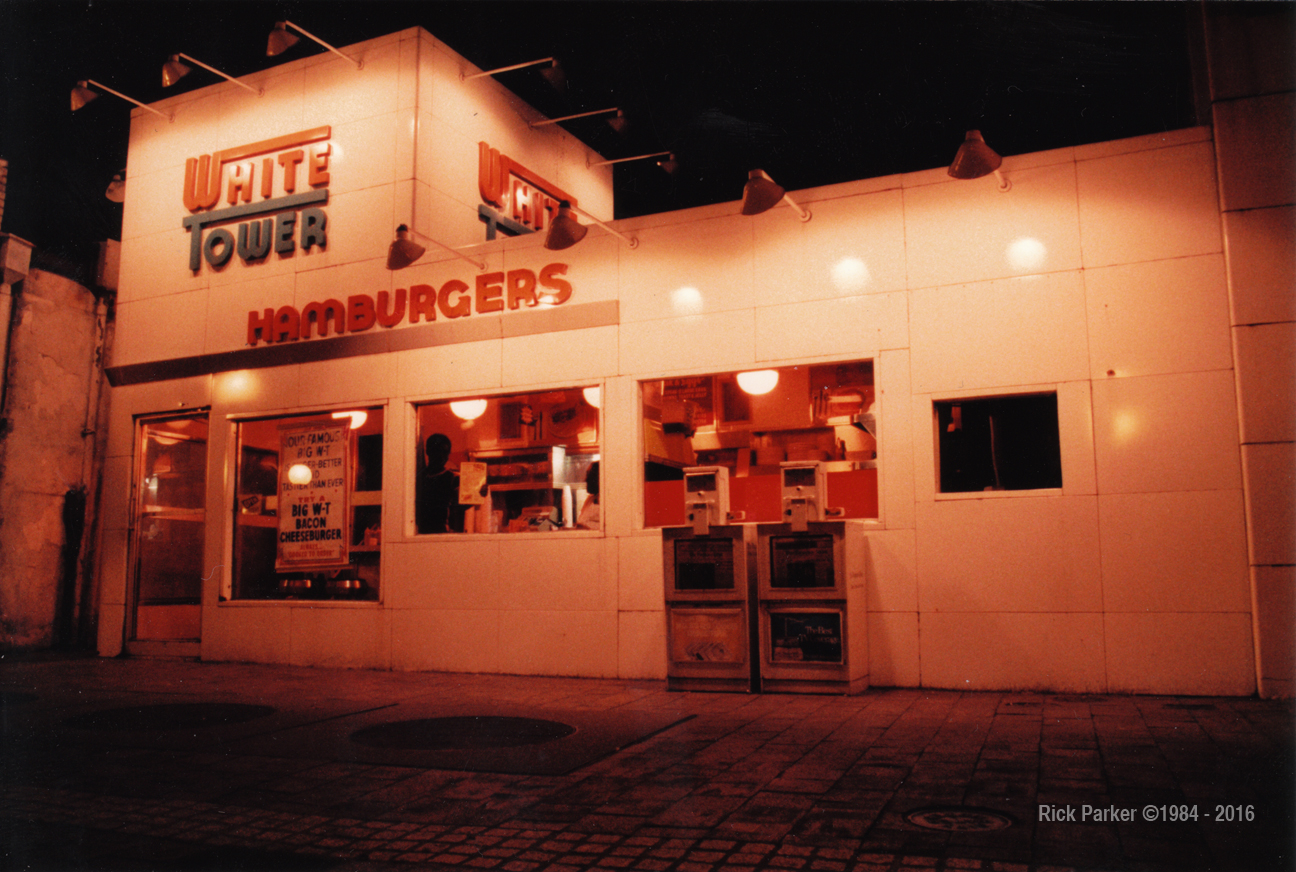
White Tower, often compared to White Castle, was known for its square burgers and streamlined architecture. It became a popular spot in cities, serving quick and affordable meals for working-class families. Boomers recall stopping in for a simple lunch during busy days. Though overshadowed by larger competitors, White Tower remains a nostalgic symbol of classic diner-style fast food.