Moving from the U.S. to the U.K. can feel like landing in a parallel world of subtle rituals, peculiar usages, and household norms that baffle Americans. The two countries share language but diverge sharply in daily life. From afternoon tea to washing machines in kitchens, British households evolve from centuries of tradition, pragmatism, and cultural habit. Here are thirteen such traditions that often puzzle Americans seeing them for the first time.
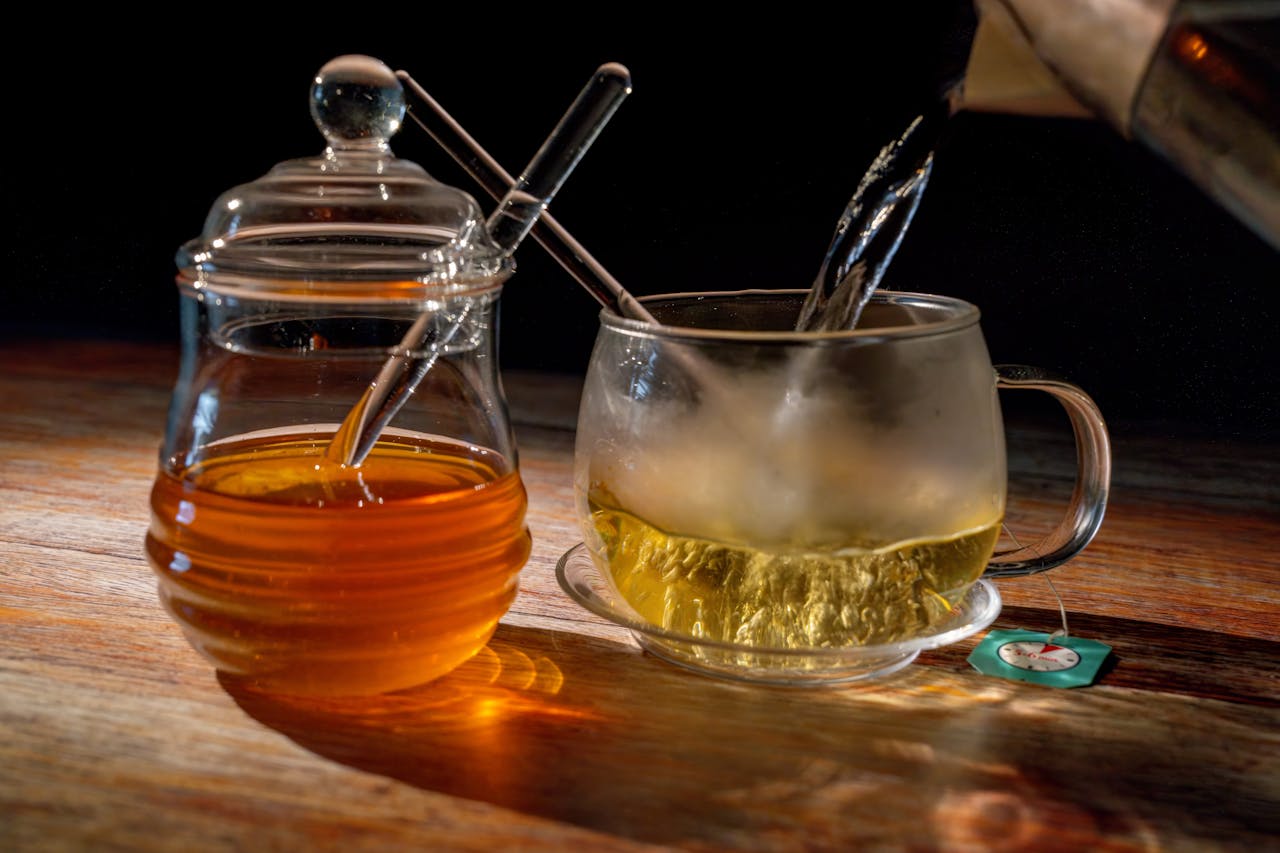
Afternoon tea and “tea time” rituals
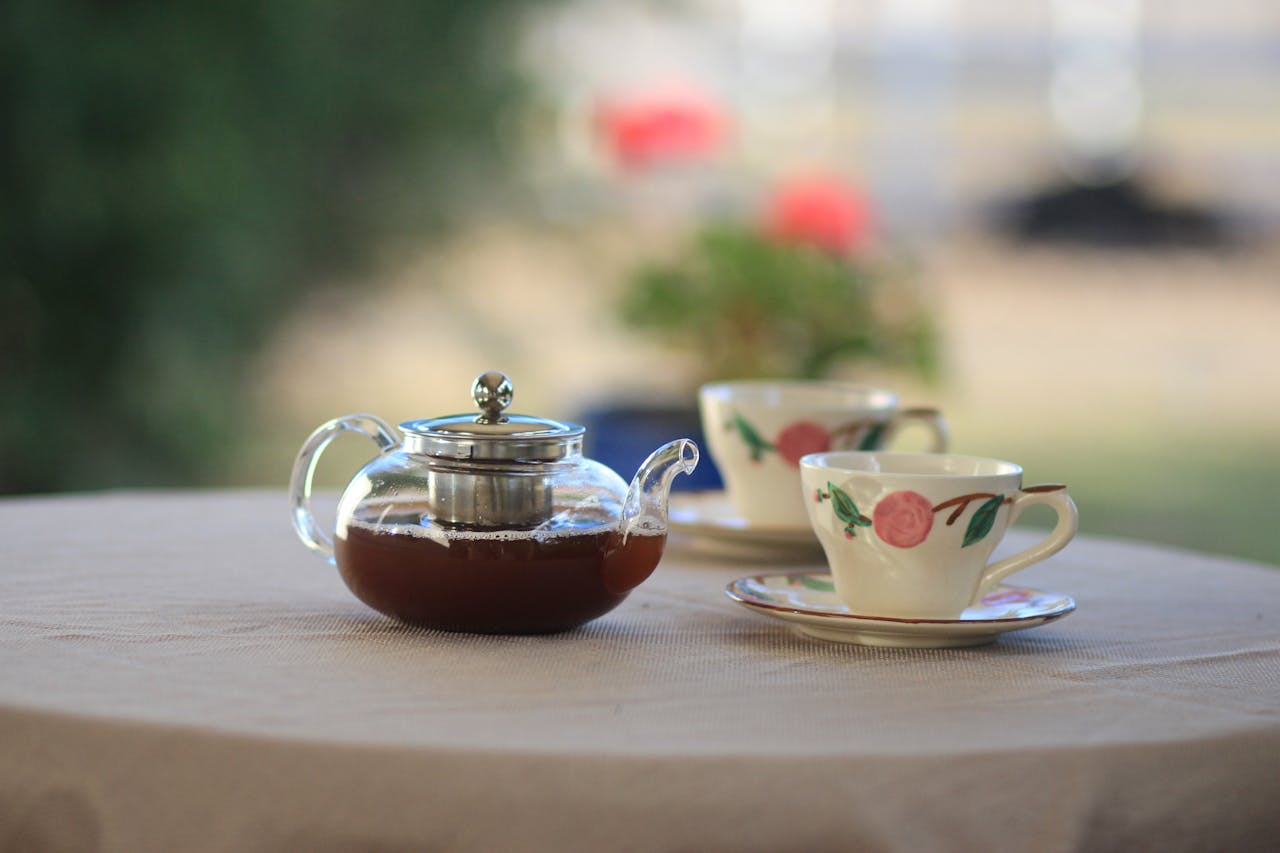
In Britain, having tea around 3:30 or 4 p.m. remains a time-honored ritual: tea with milk, sandwiches, scones, or biscuits. It’s less a meal than a pause in the day and a social moment. Americans may see it as quaint or excessively fanciful. But for many British families it’s normal: tea is a fallback drink, a comfort, and a symbol of domestic rhythm.
Washing machines in the kitchen
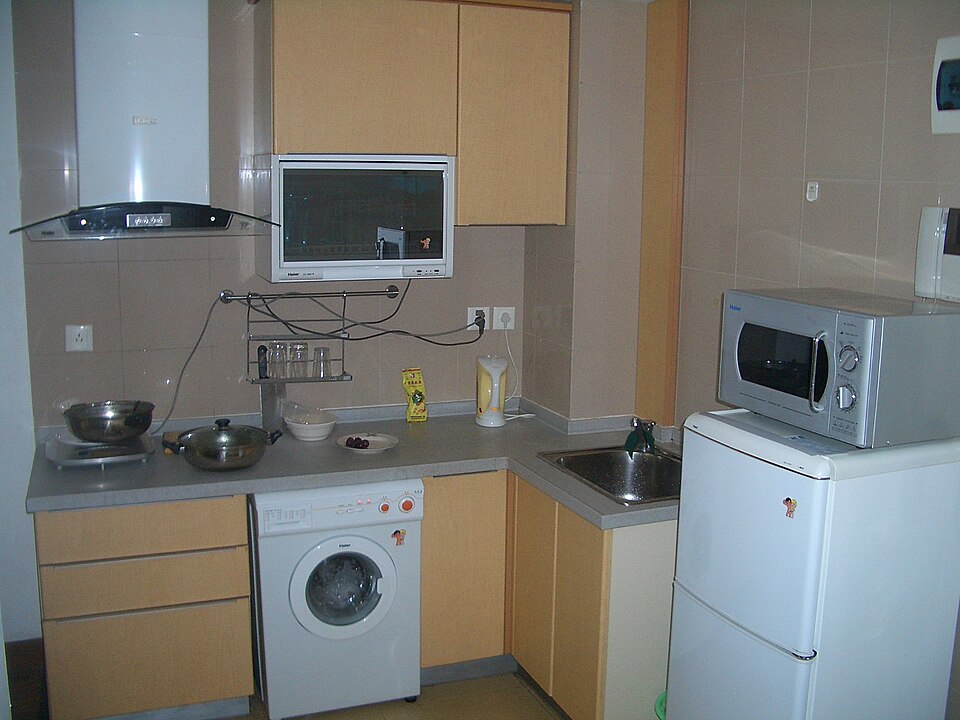
Unlike the U.S., where laundry rooms or basements are common, many British homes place the washing machine in the kitchen. Space constraints and plumbing logic make this practical. To Americans accustomed to separate laundry rooms, this seems odd, but plumbing practicality often dictates this layout. The combined function isn’t glamorous but is efficient in smaller homes.
Putting a washbowl in the sink
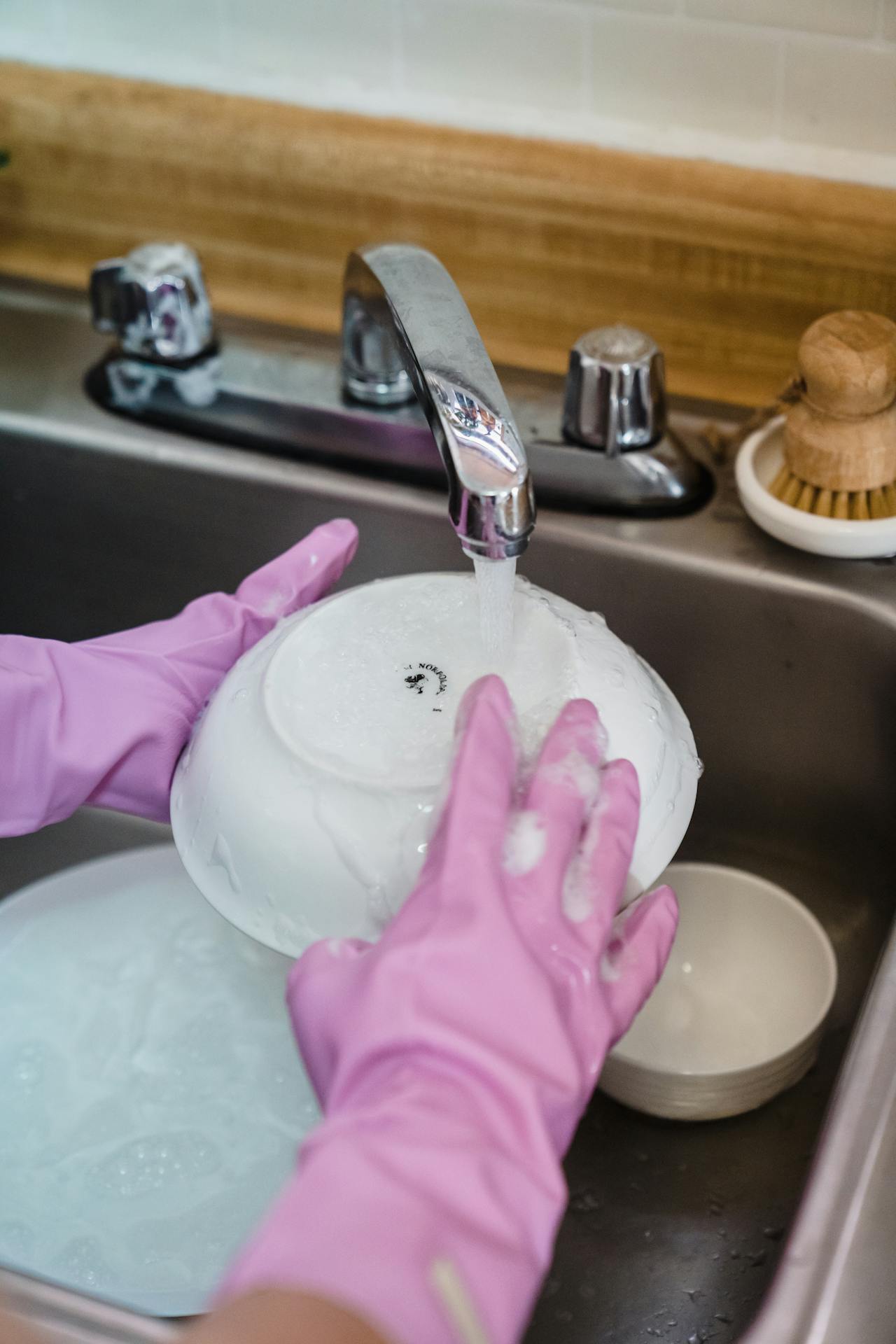
It’s common in British households to place a plastic washbowl in the sink when doing dishes, rather than running water directly. Americans accustomed to rinsing under a running tap may find this peculiar. The bowl conserves water, catches soap suds, and is often part of a habitual cleaning technique. It’s an old habit from times when water conservation was essential.
Vacuuming differently (no shoes inside)
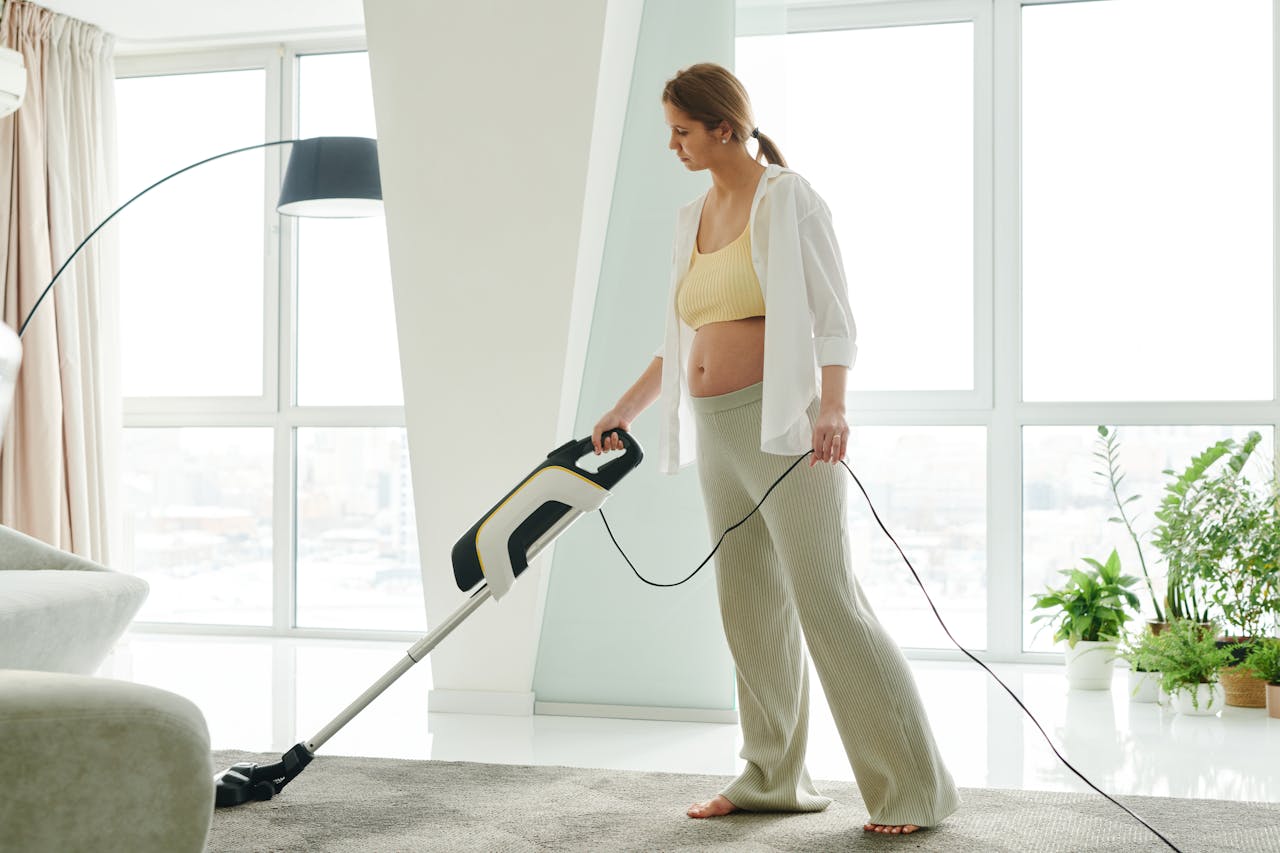
Many British households require shoes off at the door and rarely vacuum carpets to deep pile; instead they use domestic upright vacuums weekly. In contrast, Americans vacuum entire homes regularly and often keep shoes on in parts of the house. The expectation in the U.K. is that shoes carry too much outdoor grime to be worn indoors, and cleaning routines reflect that.
“Double taps” and light switches
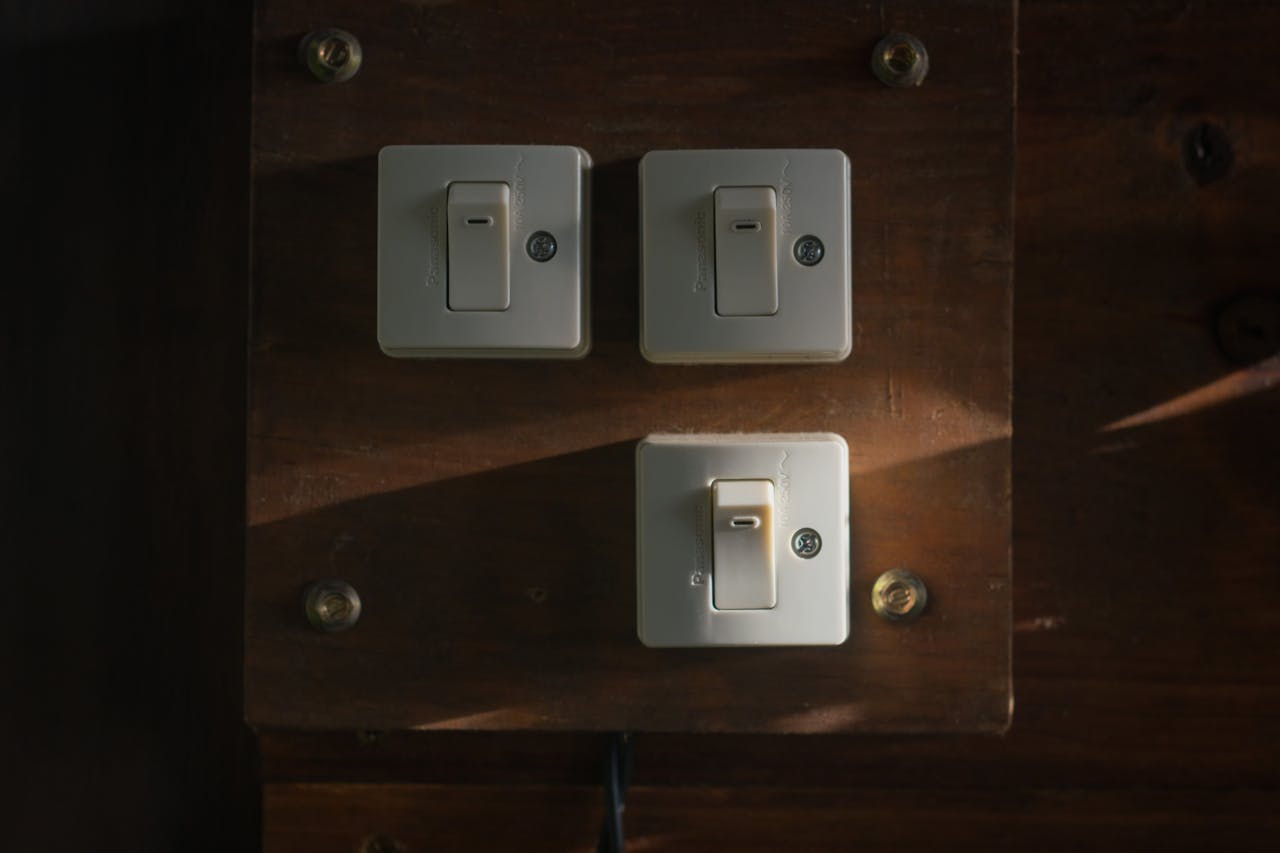
British homes often use two-gang or multi-gang light switches controlling separate zones, meaning one switch may only activate part of a room’s lights. Americans expecting a single master switch may find that puzzling. Also, many lights have separate “pull chain” or two-circuit systems (overhead and side lamps) even in new homes. The multiplicity of switching can feel over-engineered.
Not rinsing off soap bubbles

Many Brits will soap up in the bath or shower and sometimes leave a thin film of soap, trusting rinsing to handle the rest. Americans often aggressively scrub until no bubbles remain. This difference arises from trust in modern water pressure and soap design; Brits see residual bubbles as harmless.
Using “biscuits” and “digestives”
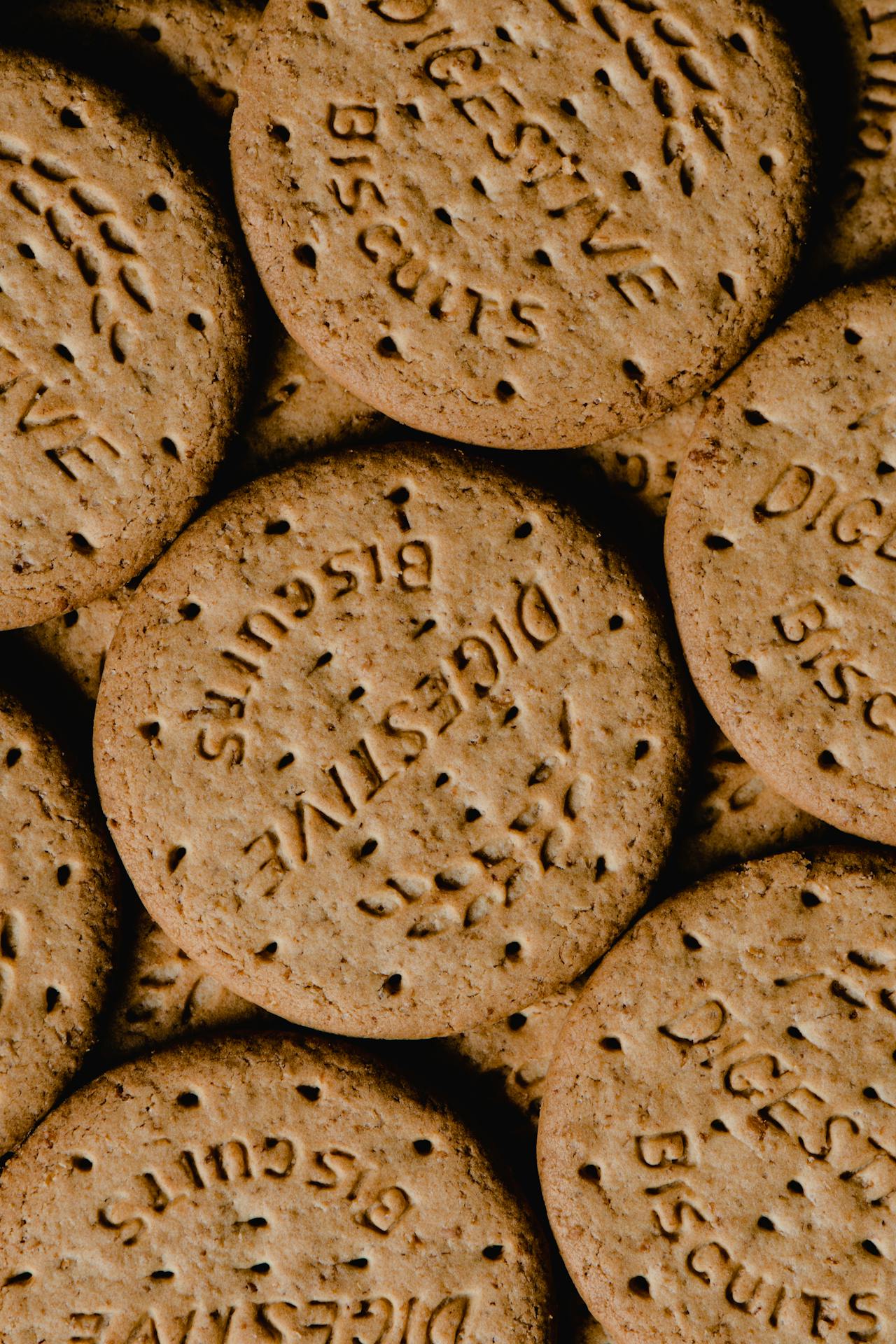
“Biscuits” in the U.K. are what Americans call cookies; “digestive biscuits” (a semi-sweet, semi-gritty round biscuit) are a national staple. Americans hearing “digestive” may imagine something health-food or medicine associated. But for Britons, it’s a go-to accompaniment to tea. The names and correspondences diverge amusingly.
Adding “gravy” to chips (fries)
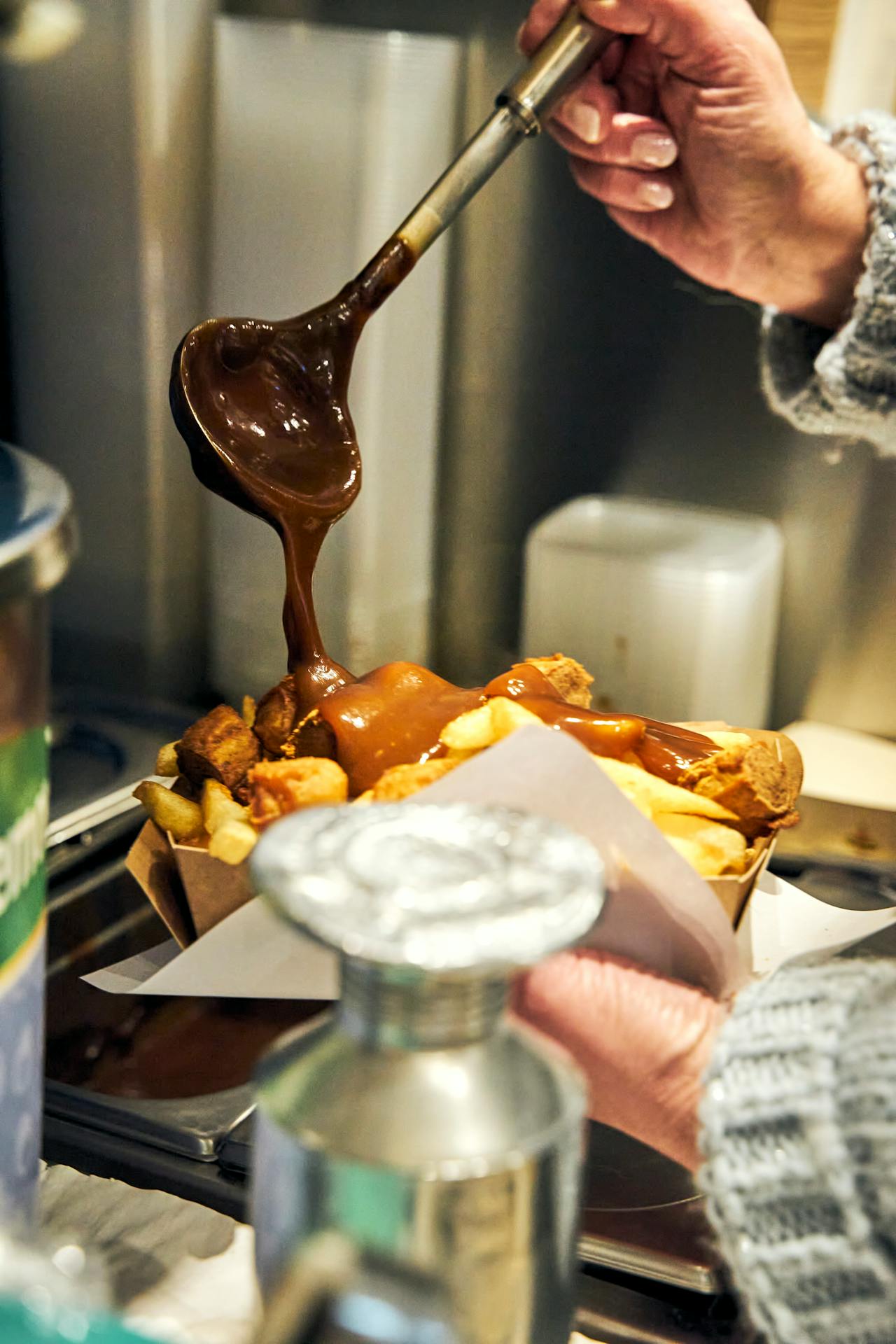
In some British households, especially in the North, people put gravy on chips (fries). Americans accustomed to ketchup or no sauce find this strange. The idea of a savory, rich sauce over fried potatoes seems counterintuitive, but in British gastronomy, combining textures and sauces is common, even in comfort food.
Christmas crackers at dinner

On Christmas Day many British households place “crackers” (cardboard tubes that pull apart with a snap) at each plate. They contain paper crowns, jokes, and small gifts. Americans, unless familiar with British tradition, may see this festive but odd. The cracker is nearly universal at British holiday tables, part of the fun and surprise.
The “Sunday roast” as a weekly ritual
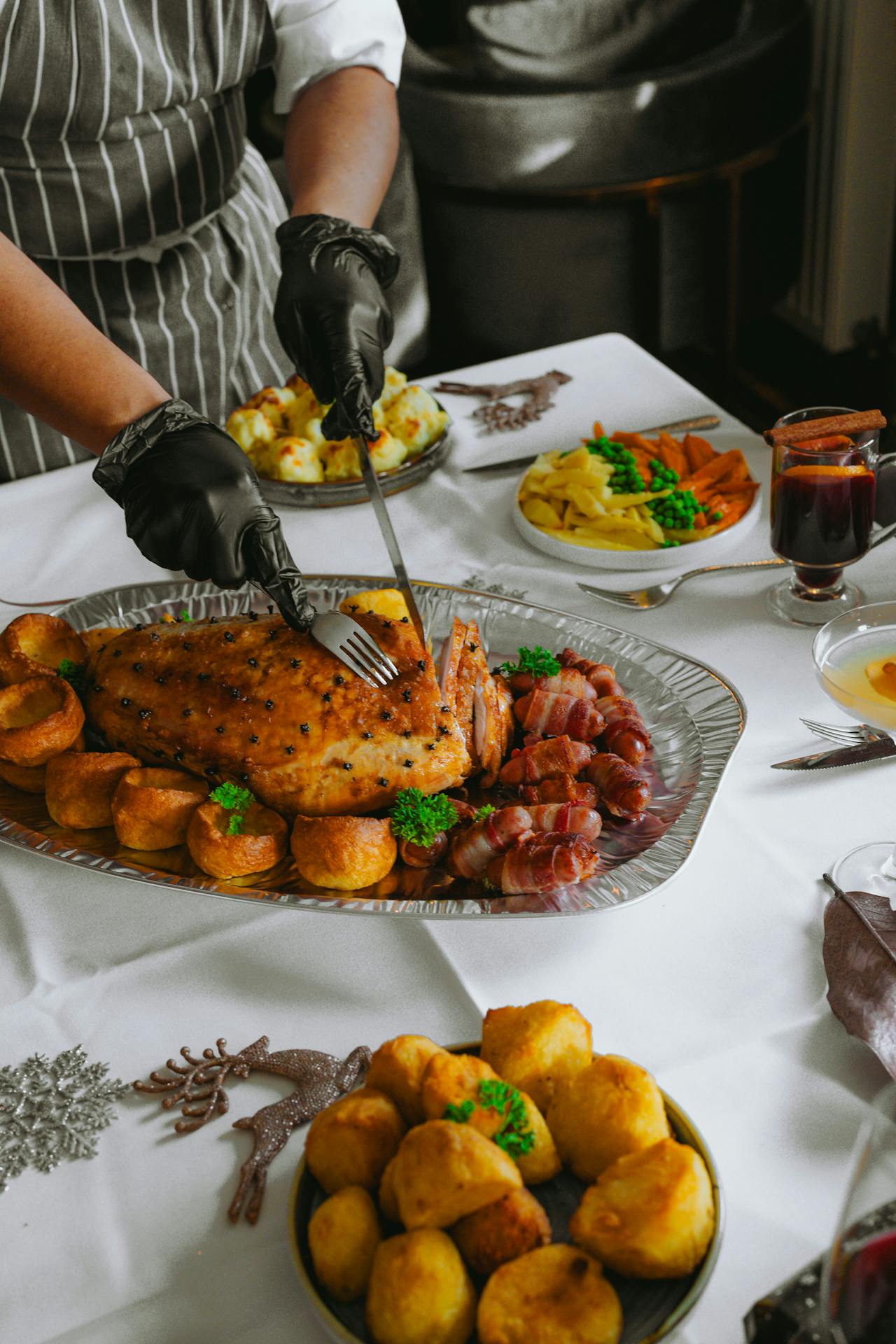
Sunday roasts, meat, roast potatoes, vegetables, Yorkshire pudding, gravy, are a weekly household ritual in many British homes. Americans may see it as holiday fare, not a routine weekly dinner. But many British families treat Sunday as time to gather and reignite home cooking traditions that weekly menus seldom displace.
The two-tap system and cold/hot taps
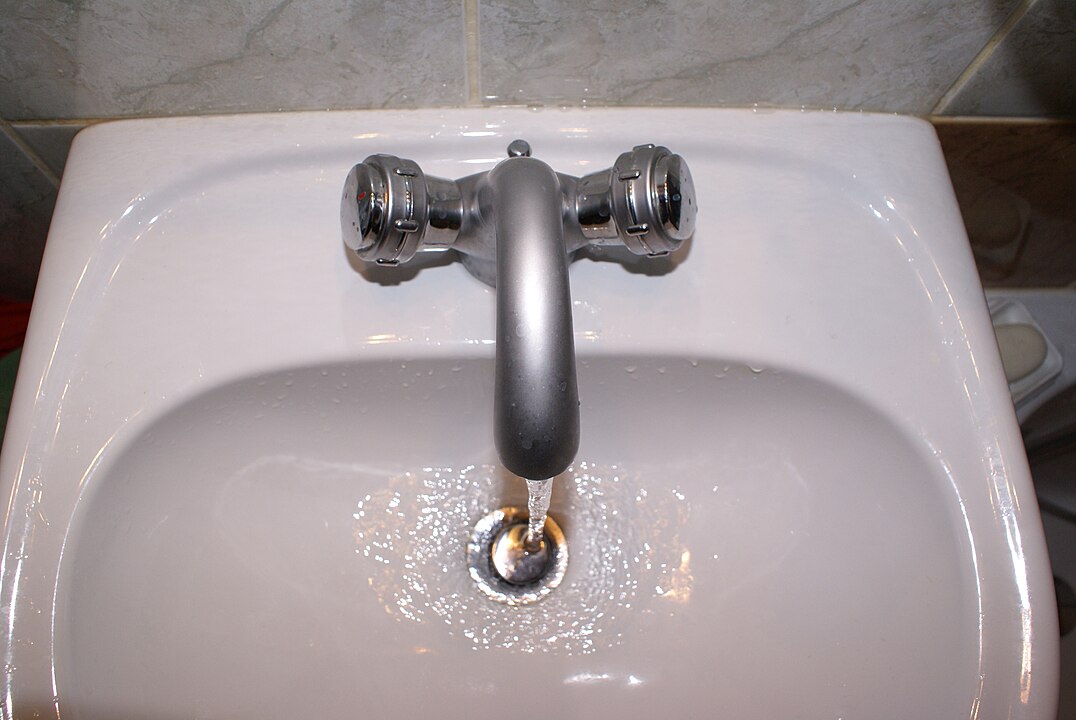
Many British sinks have separate hot and cold taps, rather than a single mixer tap. Americans used to combining hot and cold into one lever find this inconvenient. You often must adjust or balance water via a bowl or basin. It reflects older plumbing norms and slower adoption of mixer taps in refurbishing older homes.
“Cuppa” shorthand
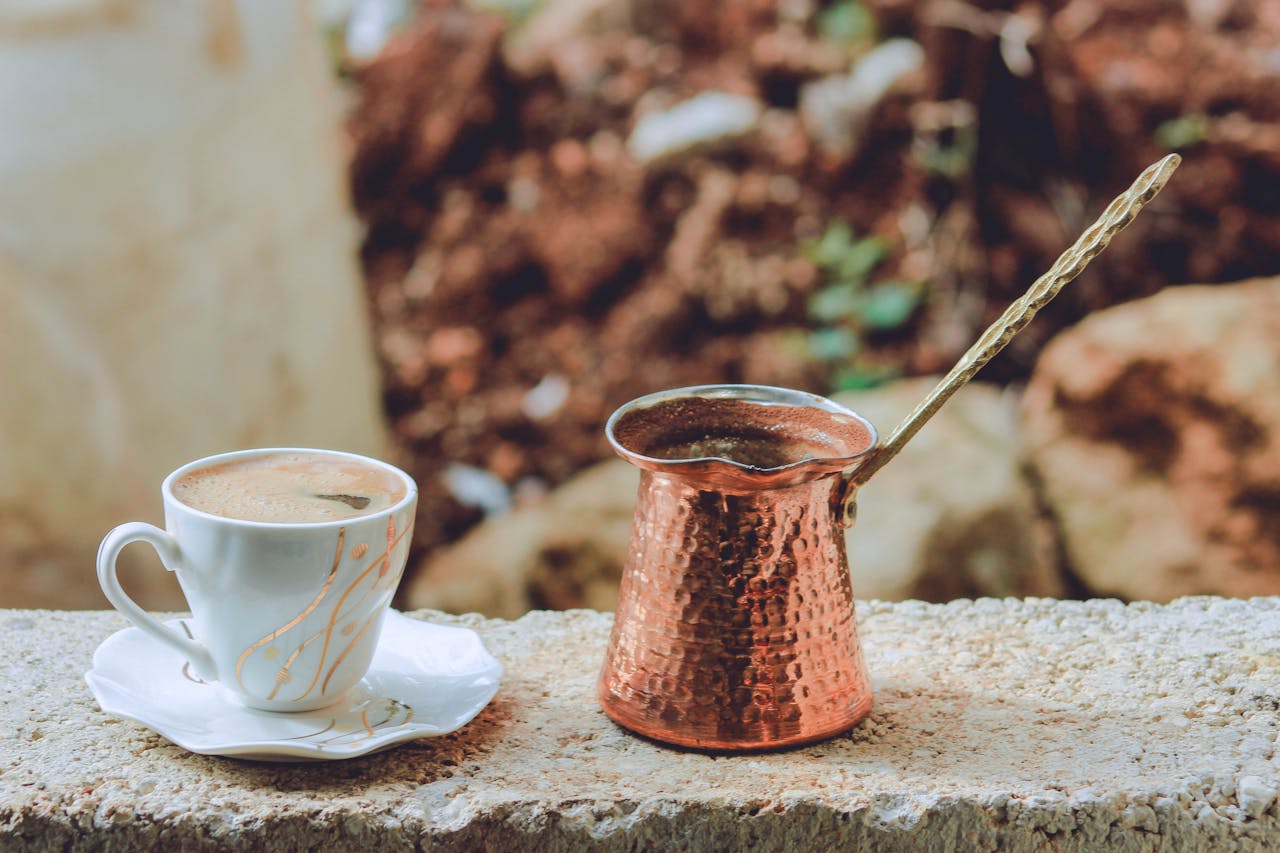
In British parlance, “have a cuppa” means “have a cup of tea” (often with milk). Americans uninitiated in this slang might not immediately know “cuppa” refers to tea, not coffee. Because tea is more entrenched in daily conversation, “cuppa” is a ubiquitous shorthand. To outsiders it sounds informal, even slangy.
The washing-up “bowl” ritual
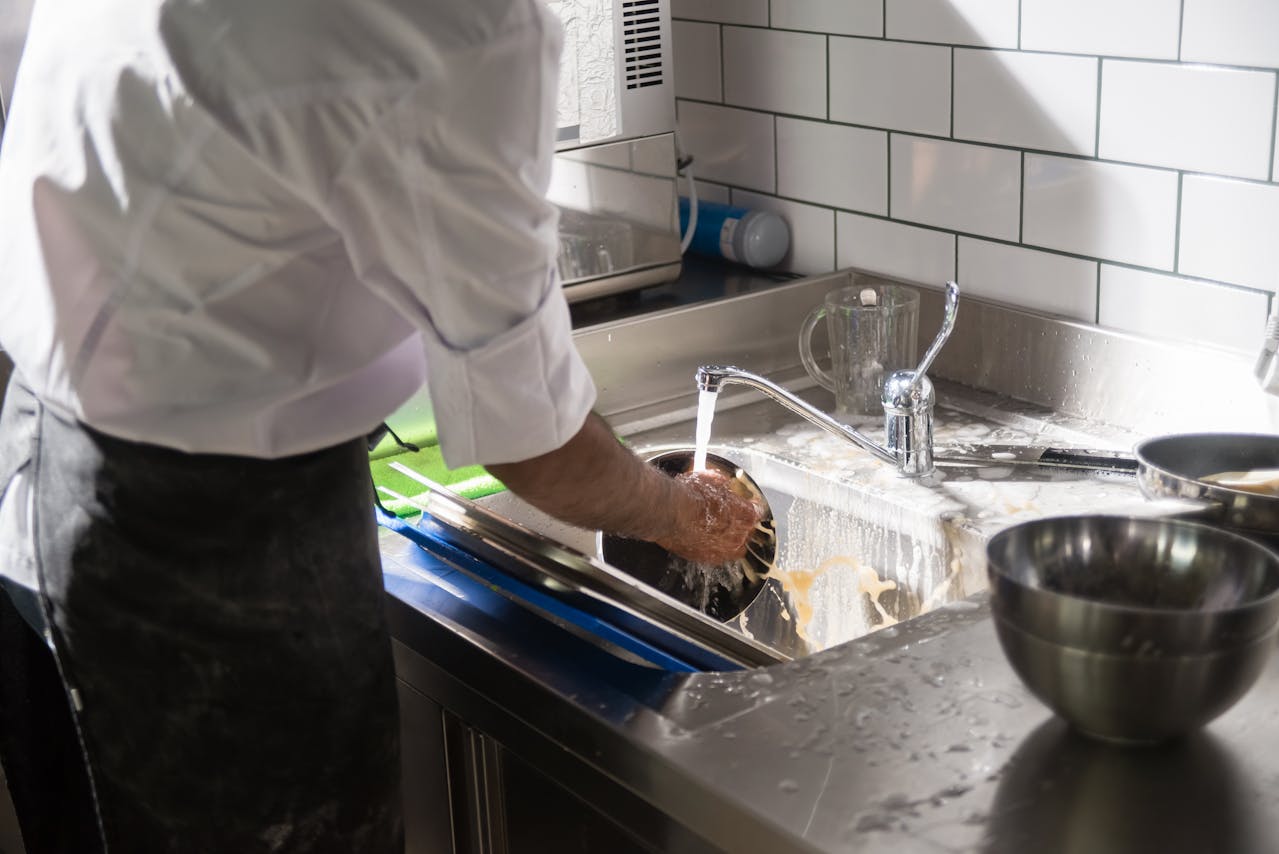
Many Brits fill a bowl or basin with warm soapy water and wash dishes there, then rinse in a smaller bowl or running water. In the U.S., dishes are often washed directly under a stream of water. The two-bowl method is more economical on water and organized in small kitchens. Americans unsurprisingly find the staged dishwashing method unfamiliar.