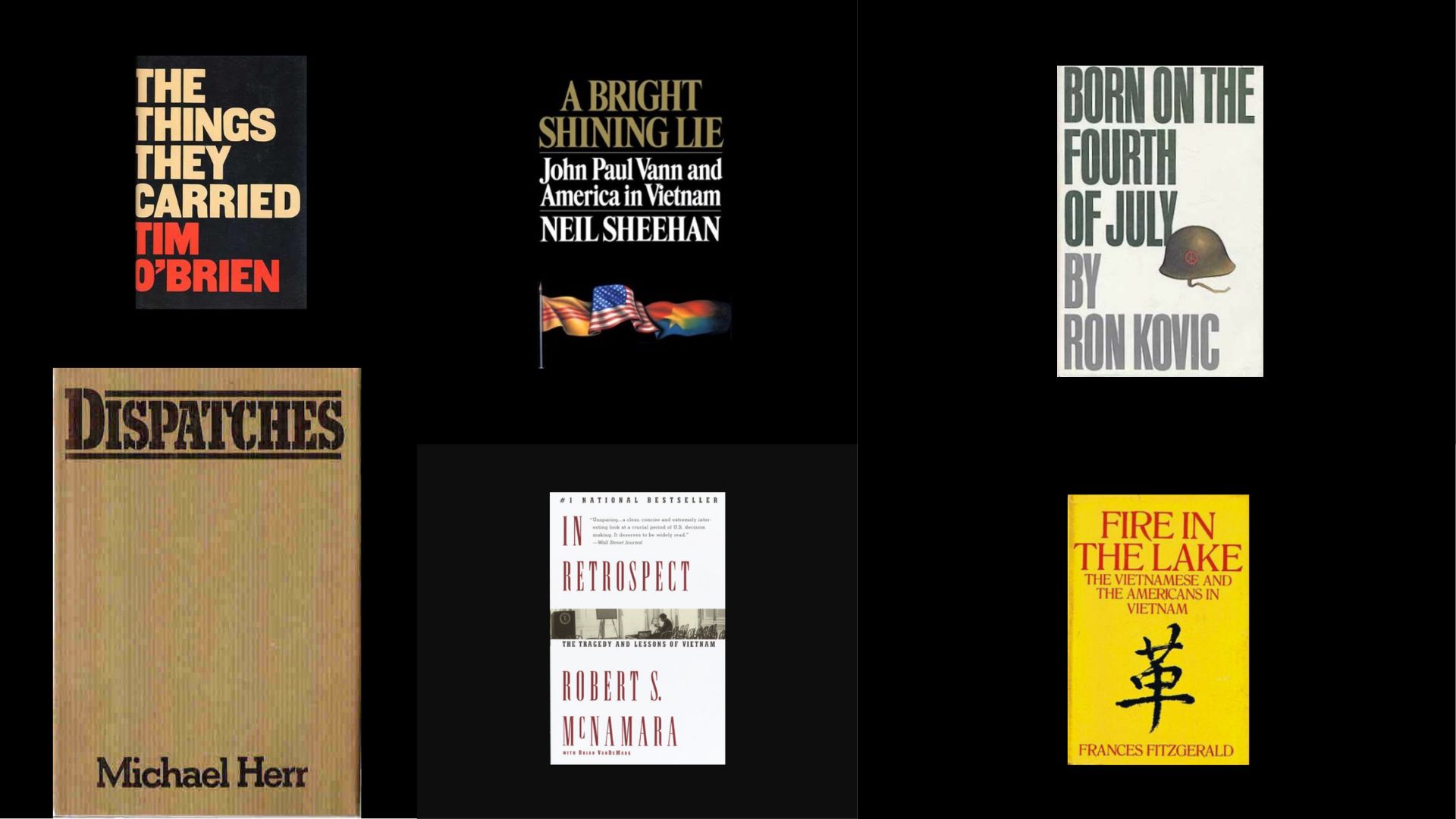
The Vietnam War remains one of the most complex, controversial, and emotionally charged conflicts in modern history. Its legacy shaped American culture, politics, and foreign policy for generations. Yet much of our understanding comes not from official documents but from the writers who chronicled it, journalists, veterans, historians, and novelists. Through their pages, we’ve come to see the war not just as a battle fought abroad, but as a haunting reflection of human endurance, morality, and identity. These thirteen books capture that journey and continue to define how we understand the Vietnam War.
“The Things They Carried” by Tim O’Brien
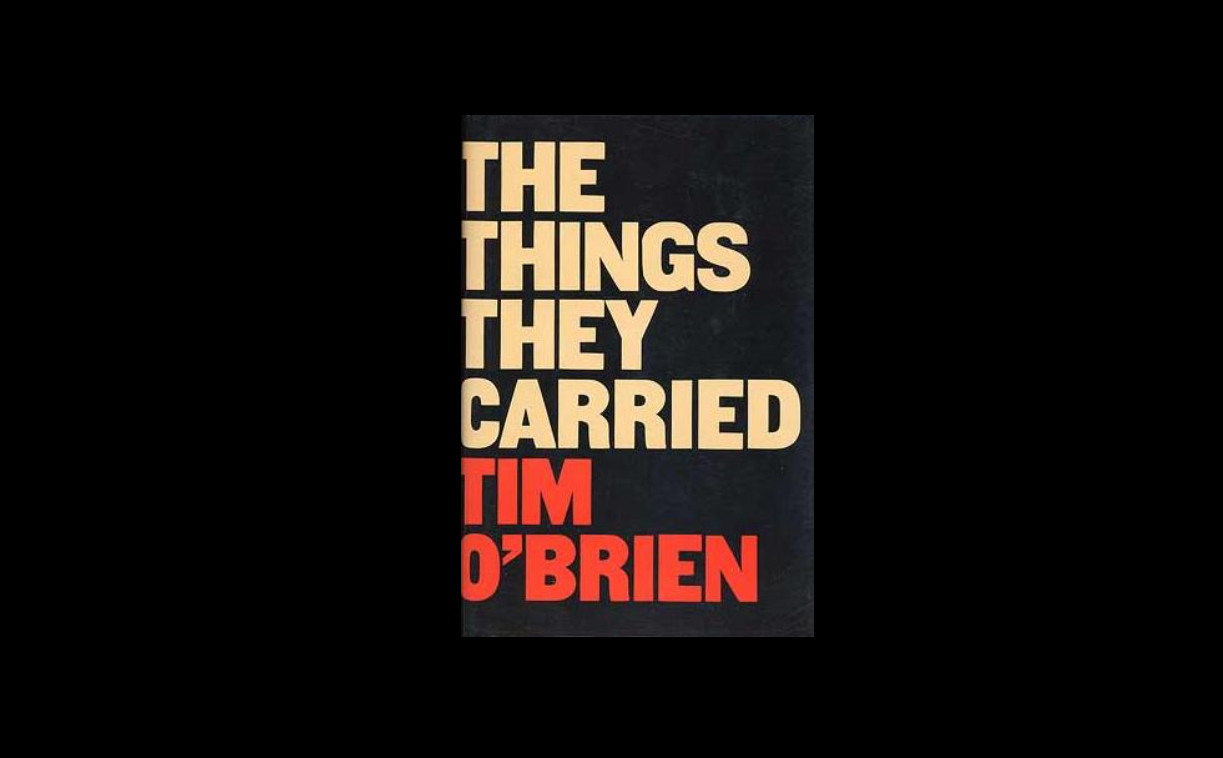
Perhaps no book has conveyed the emotional gravity of the Vietnam War better than Tim O’Brien’s blend of fiction and memoir. Through interlinked stories of soldiers and the burdens they carry, both physical and psychological, O’Brien exposes the blurred line between truth and memory. His prose balances brutal realism with haunting introspection, revealing how war reshapes human perception. It remains essential reading for understanding the soldier’s mind beyond the battlefield.
“A Bright Shining Lie” by Neil Sheehan
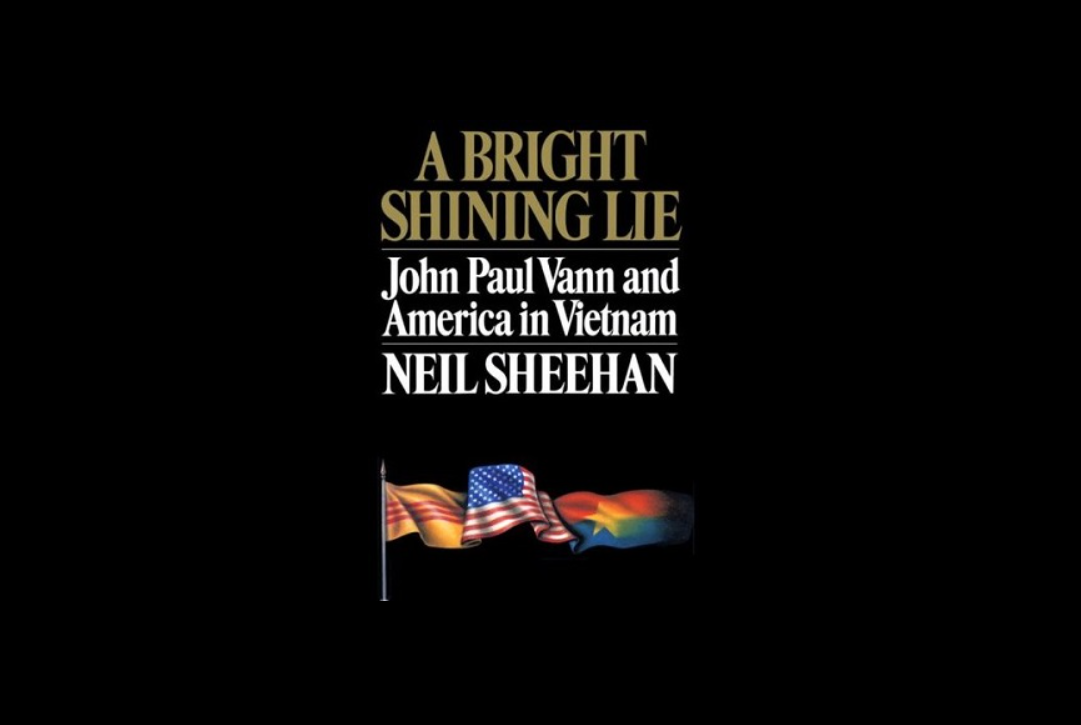
Neil Sheehan’s Pulitzer Prize, winning masterpiece tells the story of John Paul Vann, an American officer who saw the war’s flaws long before the government admitted them. Through exhaustive reporting and gripping narrative, Sheehan dismantles myths about American military superiority and moral clarity. The book shows how hubris, bureaucracy, and political blindness doomed the war from within. It is both investigative journalism and tragic epic.
“Dispatches” by Michael Herr
Michael Herr’s firsthand account as a journalist for Esquire magazine captures the chaos, surrealism, and sensory overload of Vietnam. Written in a feverish, cinematic style, “Dispatches” brought the battlefield to life for a generation that watched the war unfold on television. Herr’s work inspired films like Apocalypse Now and Full Metal Jacket, cementing its place in war literature. It remains a visceral snapshot of the American psyche in combat.
“Matterhorn” by Karl Marlantes
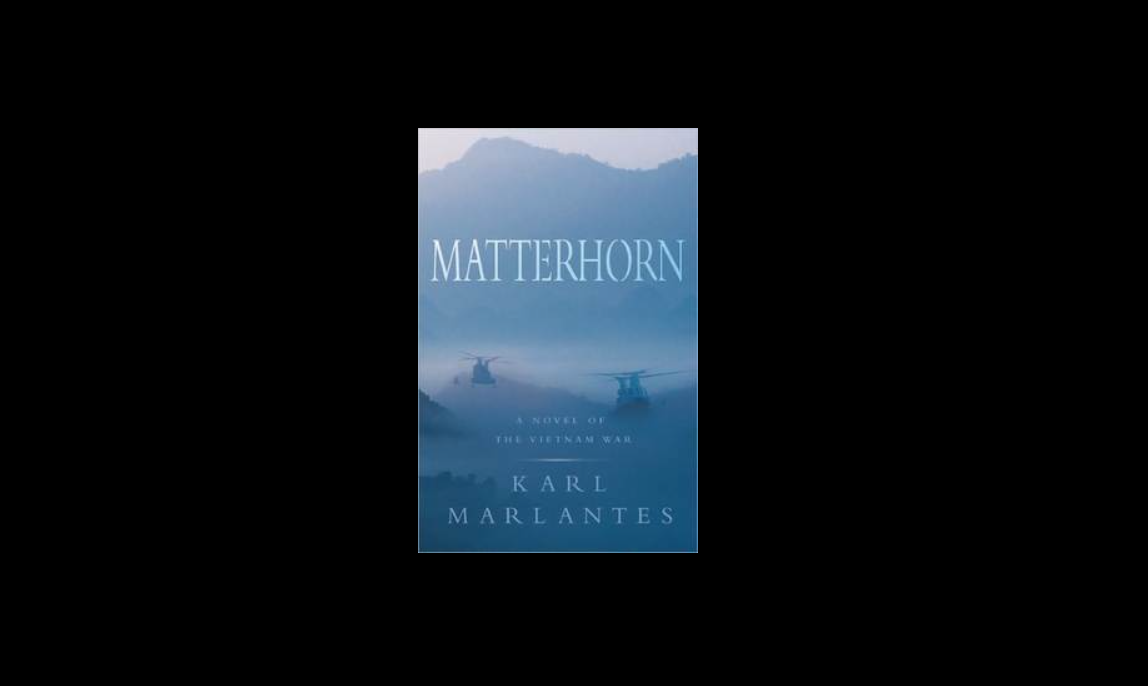
Karl Marlantes, a decorated Marine veteran, spent decades crafting this monumental novel about young soldiers holding a remote jungle outpost. Its realism is unflinching, depicting exhaustion, fear, and camaraderie with painful precision. Marlantes exposes the absurdities of command decisions and the brutal indifference of nature itself. “Matterhorn” stands as a modern classic that bridges literature and lived experience.
“In Retrospect” by Robert S. McNamara
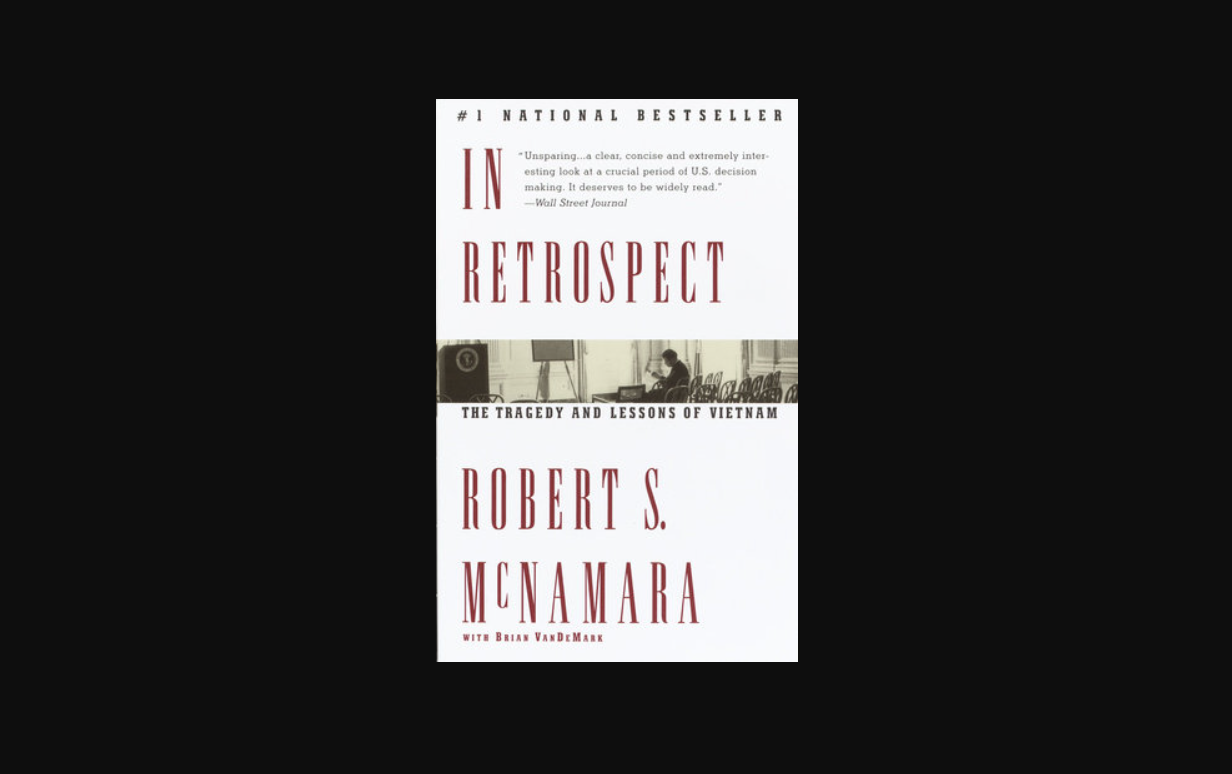
When former U.S. Secretary of Defense Robert McNamara published his 1995 memoir, it shocked the public with its candor and regret. McNamara admitted grave misjudgments in the war’s planning and continuation, calling it “terribly wrong.” His confessions humanized the policymakers behind the decisions and ignited debates about accountability and historical hindsight. The book remains vital for understanding the moral reckoning of American leadership.
“Fire in the Lake” by Frances FitzGerald
Frances FitzGerald’s groundbreaking work reframed the Vietnam War by focusing on Vietnamese culture, politics, and history — not just American involvement. Her Pulitzer-winning analysis revealed how U.S. policymakers failed to grasp the deep cultural divide between Western ideals and Vietnamese nationalism. “Fire in the Lake” remains one of the most important studies of how misunderstanding another society can lead to catastrophe.
“Born on the Fourth of July” by Ron Kovic
Ron Kovic’s autobiography traces his transformation from patriotic Marine to anti-war activist after being paralyzed in combat. His story personalizes the disillusionment many veterans faced upon returning home. The raw honesty and moral outrage of his writing fueled the anti-war movement and inspired the Oscar-winning film adaptation. It remains one of the most heartfelt testaments to personal cost and political awakening.
“Fields of Fire” by James Webb
James Webb, a Marine officer turned novelist, offers a soldier’s-eye view of combat in “Fields of Fire.” His novel captures the exhaustion, confusion, and camaraderie of small-unit warfare. Unlike polemical accounts, Webb focuses on the intimate bonds between men and the moral ambiguity they endure. It’s a deeply human portrayal of courage under conditions that defy understanding.
“If I Die in a Combat Zone” by Tim O’Brien
Before “The Things They Carried,” O’Brien published this earlier memoir chronicling his journey from Minnesota to the war’s front lines. His reflections on fear, duty, and conscience illuminate the inner conflict many draftees faced. The book offers a candid look at the emotional turmoil of serving in a war one doubts. It’s a remarkable companion to his later, more literary work.
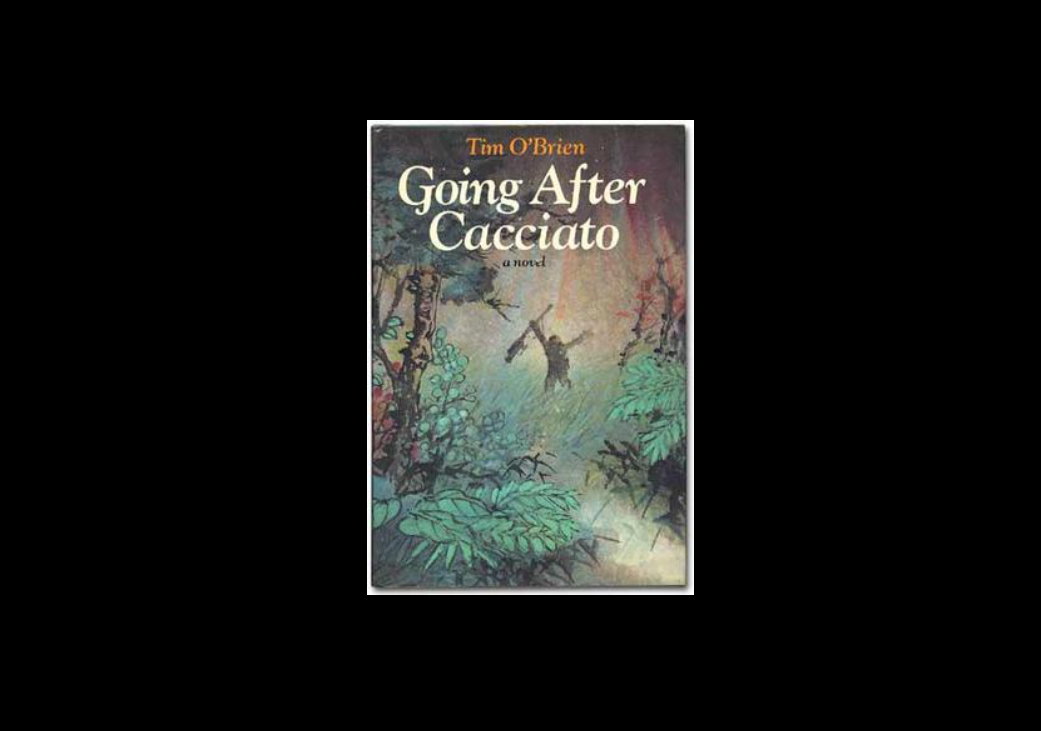
“Going After Cacciato” by Tim O’Brien
Another O’Brien classic, this surreal novel follows a soldier’s imagined pursuit of a comrade who deserts and walks to Paris. Blending dream and reality, it questions sanity, morality, and the very nature of escape. O’Brien transforms the war into a landscape of psychological survival. Its inventive structure captures how soldiers’ minds fragmented under relentless stress.
“The Quiet American” by Graham Greene
Although written before the height of U.S. involvement, Graham Greene’s novel foresaw the moral quagmire that would later engulf Vietnam. Set in the early 1950s, it follows a British journalist observing the naive interventions of an American idealist. Greene’s insight into cultural arrogance and unintended consequences remains eerily prophetic. His work offers a literary warning history failed to heed.
“Hue 1968” by Mark Bowden
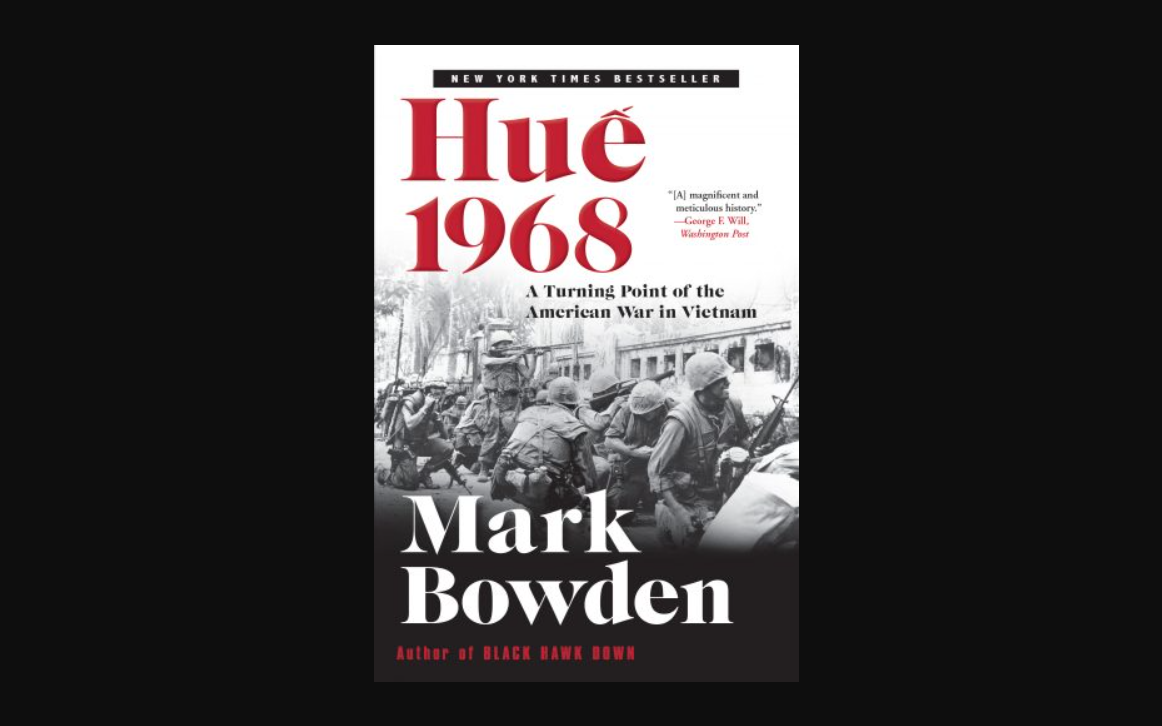
Mark Bowden’s meticulously researched chronicle of the Tet Offensive’s most pivotal battle combines interviews, military reports, and vivid storytelling. “Hue 1968” captures the shock, courage, and chaos that defined the turning point of the war. Bowden balances soldier testimonies from both sides, giving readers a full picture of strategy and suffering. The book redefines modern war reportage with clarity and compassion.
“The Sorrow of War” by Bao Ninh
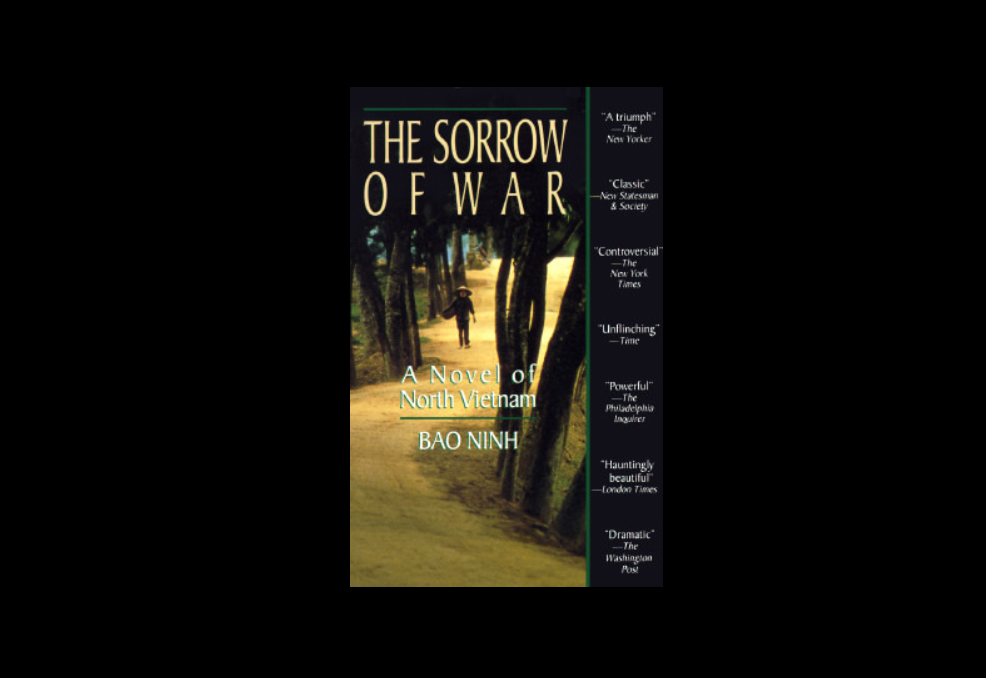
Written from the North Vietnamese perspective, Bao Ninh’s novel shatters Western preconceptions. A former soldier himself, Ninh presents war not as glory or ideology, but as trauma that reshapes memory and love. His poetic, nonlinear narrative reveals the universal toll of violence. It’s one of the few works that allow readers to feel Vietnam’s agony from within.
Together, these thirteen books form a mosaic of truth, historical, emotional, and moral. They reveal the Vietnam War not as a single story, but as a collision of perspectives: soldier and civilian, American and Vietnamese, realist and dreamer. Through them, the war’s enduring lessons remain painfully alive.