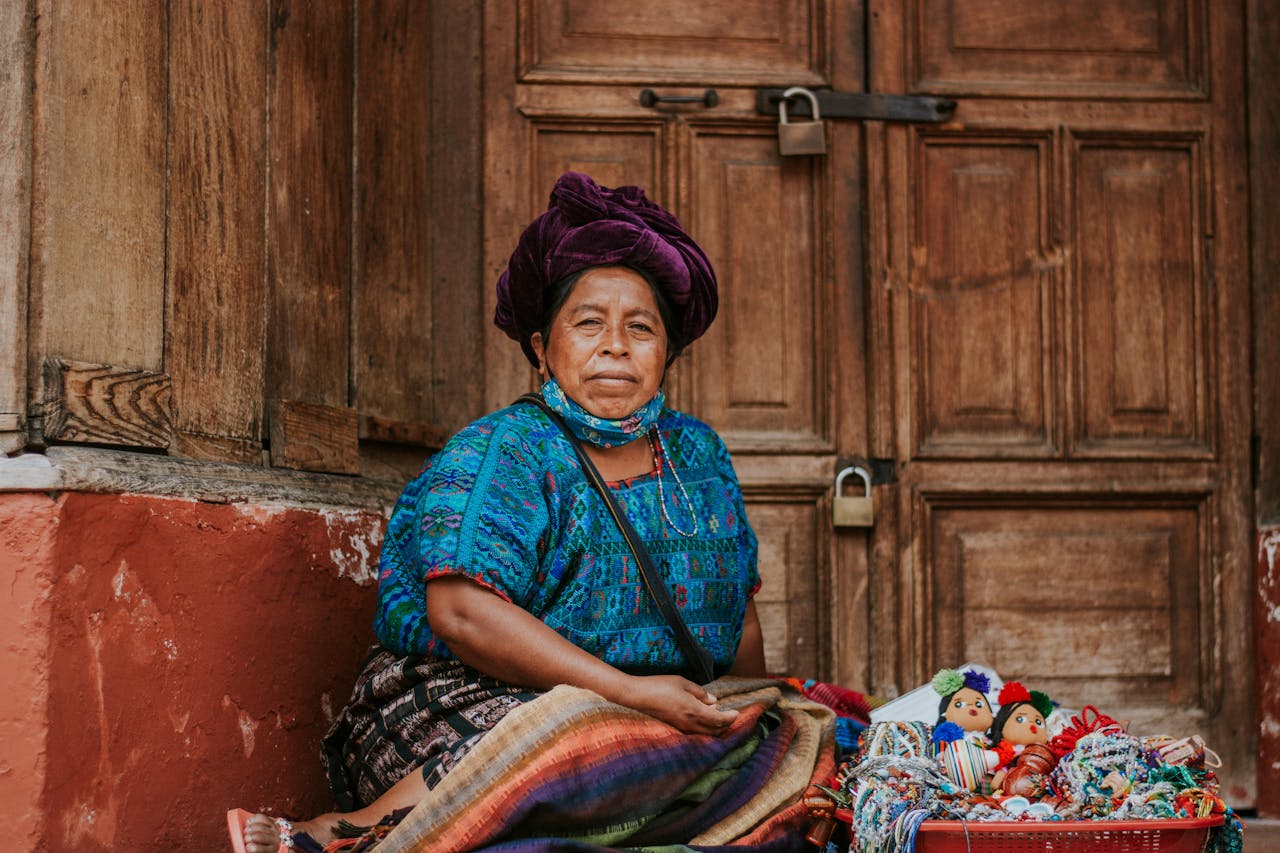

In every culture, myths and legends shape how we view the world. While some of these myths are rooted in folklore or historical events, others have been perpetuated over time through media, education, and family traditions. Many of the myths that kids learn growing up in America aren’t necessarily harmful, but they can be misleading or incomplete. Often, they present an idealized version of the country, history, or certain values that don’t always reflect reality. It’s important for parents to be aware of these myths, as they may shape their children’s worldview without them even realizing it.
The Founding Fathers Were Flawless Heroes
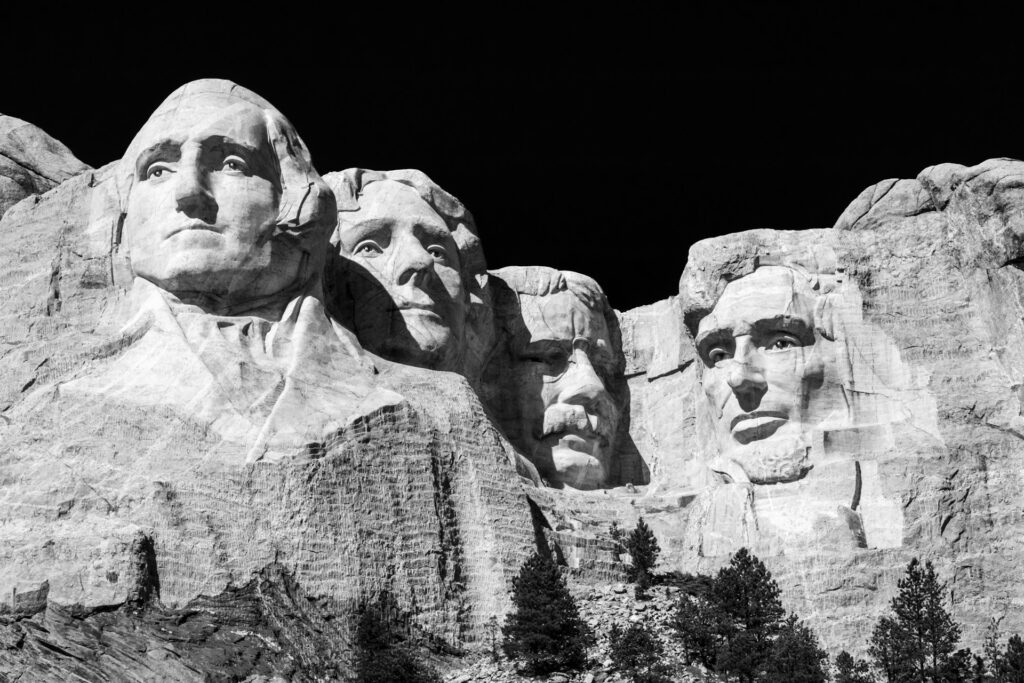
The Founding Fathers of the United States are often celebrated as brilliant visionaries who created a new nation built on the principles of liberty, democracy, and justice. While they played pivotal roles in establishing a democratic government and shaping the nation’s future, they were also individuals with complex personalities and views. The circumstances of their time influenced many of their decisions, and not all of their actions fully aligned with the ideals they championed. Understanding that they were not flawless, but rather multi-dimensional figures, helps provide a fuller, more realistic picture of America’s founding.
Christopher Columbus Discovered America
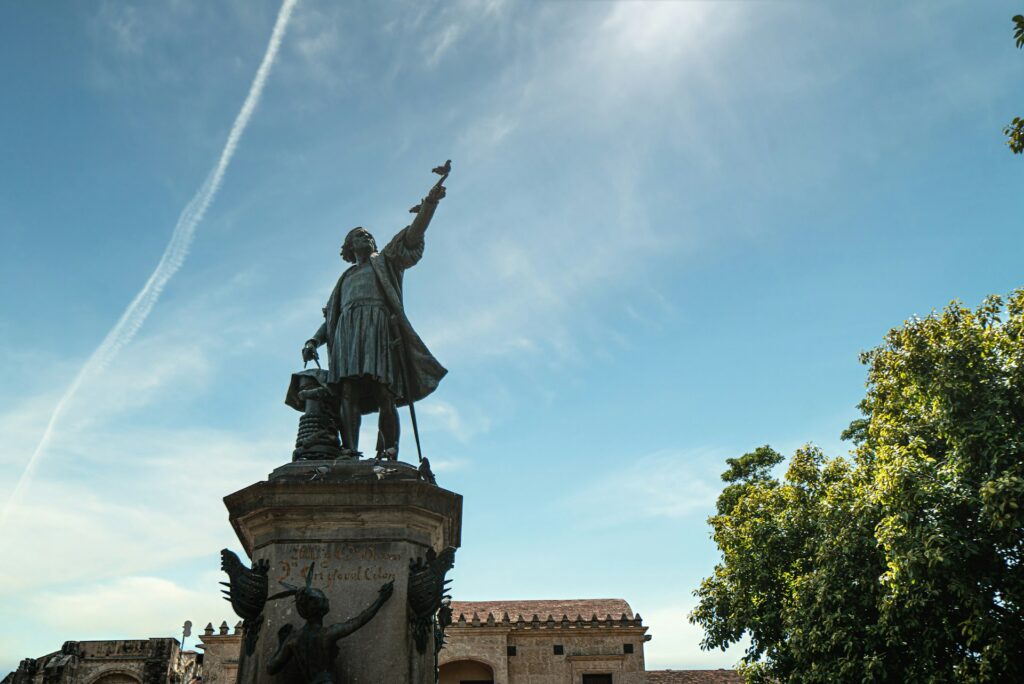
One of the most common myths children learn is that Christopher Columbus “discovered” America in 1492. The reality is that Indigenous peoples had been living on the American continent for thousands of years before Columbus arrived. Moreover, Columbus never actually set foot on the land that is now the United States; his voyages primarily took him to the Caribbean and parts of South America. The myth of Columbus as the “discoverer” overlooks the rich cultures and civilizations that already existed long before Europeans arrived.
The Wild West Was Just Like the Movies

Hollywood has romanticized the American Wild West, portraying it as a time of rugged cowboys, lawless outlaws, and dramatic shootouts. While the reality of life on the frontier was difficult and dangerous, it was not nearly as glamorous or heroic as Western movies suggest. In truth, the West was far more diverse than is often depicted, with Native Americans, Mexican Americans, African Americans, and women playing key roles in shaping the frontier experience. The Wild West was also a place of violence, displacement, and systemic injustice, much of which is glossed over in popular media.
The U.S. Is a “Melting Pot”

The idea that the United States is a “melting pot” where all cultures and nationalities blend together into one unified whole is an oversimplified myth. While the country is diverse and made up of people from various backgrounds, the idea of assimilation often ignores the struggles that immigrants face in maintaining their cultural identities. Many communities experience discrimination and marginalization, rather than harmonious integration. A more accurate metaphor might be the “salad bowl,” where different cultures coexist and retain their distinctiveness while contributing to the whole.
The American Dream Is Accessible to Everyone
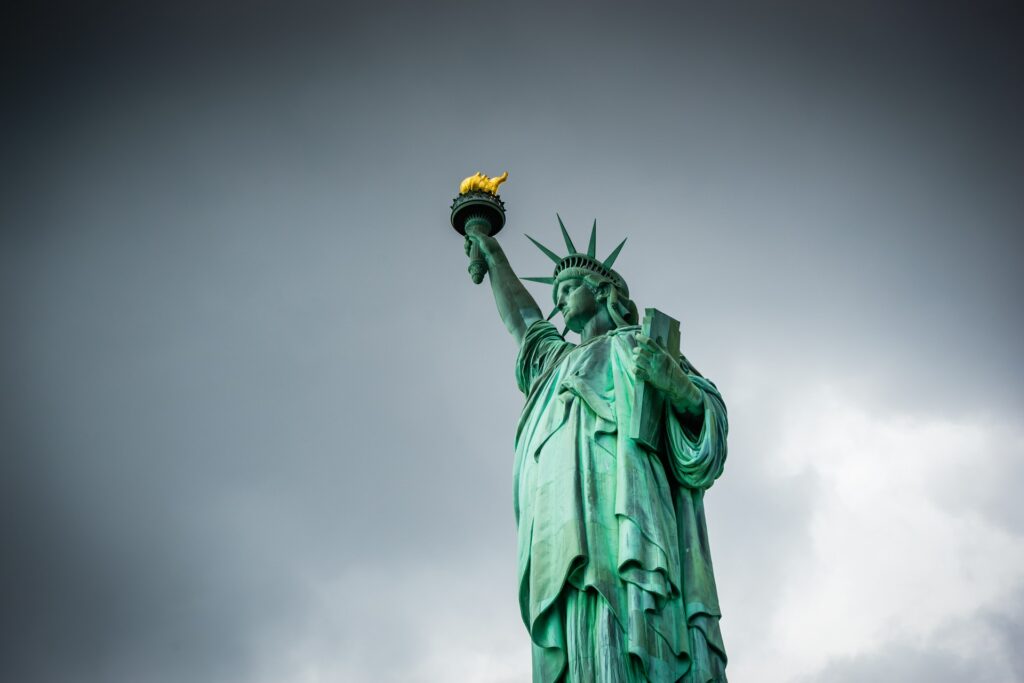
The concept of the “American Dream” suggests that anyone, regardless of their background, can achieve success through hard work and determination. While this idea is inspiring, it does not take into account the many systemic barriers that exist, such as poverty, racism, and unequal access to education and healthcare. The myth of the American Dream can be harmful if it leads to the belief that those who struggle are simply not trying hard enough, rather than acknowledging the broader structural inequalities that make upward mobility difficult for many.
Abraham Lincoln Freed the Slaves with a Single Stroke of His Pen
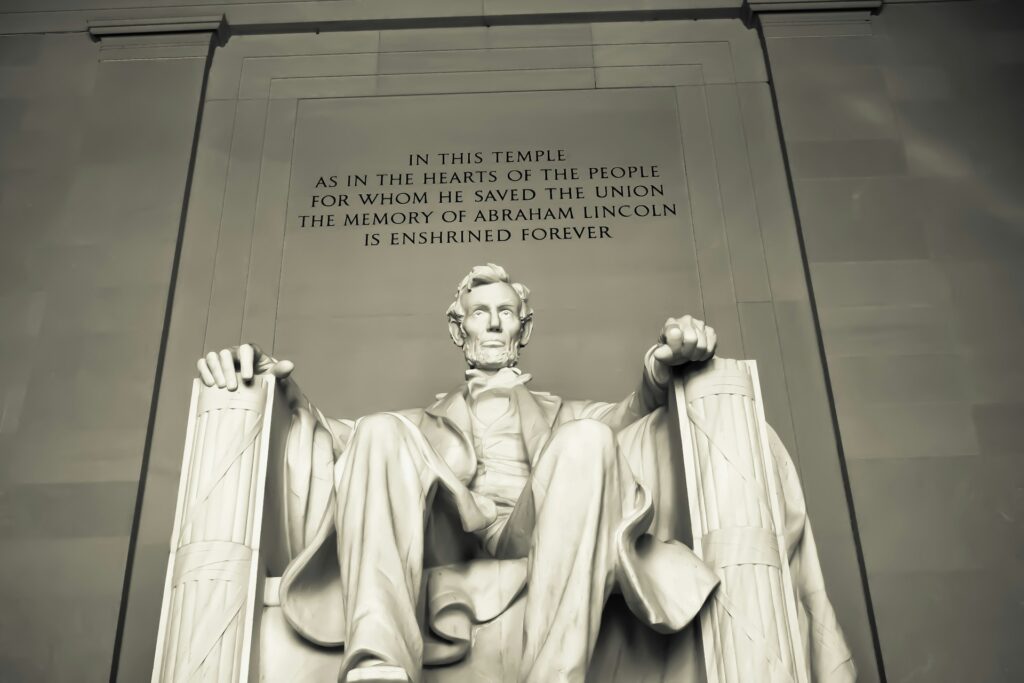
Abraham Lincoln’s Emancipation Proclamation is often presented as the moment when all enslaved people in the U.S. were immediately freed. While the proclamation was a crucial step in the abolition of slavery, it did not free all enslaved people right away. The proclamation applied only to the Confederate states in rebellion and did not affect slave-holding states that remained in the Union. The full abolition of slavery came with the 13th Amendment, which was passed after Lincoln’s assassination. It is important for children to understand that the fight for freedom was long, complex, and involved countless individuals beyond just Lincoln.
Religious Freedom Is Always Guaranteed
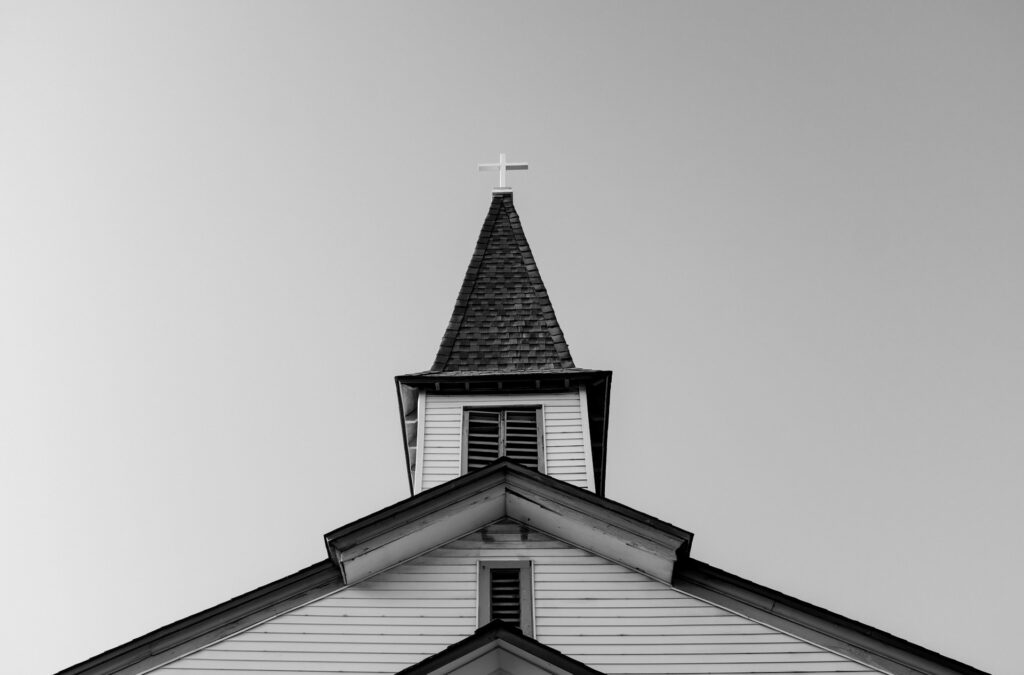
While the U.S. Constitution guarantees freedom of religion, the reality is more complex. While many Americans enjoy the right to practice their faith freely, challenges such as discrimination and debates over the separation of church and state continue to affect certain religious communities. Religious freedom is a cornerstone of American values, but it doesn’t always function as seamlessly in practice as it does in theory. Addressing these issues helps to provide a more complete view of religious expression in the U.S.
The U.S. Won Every War It Entered

The United States has often been portrayed as a victorious force in international conflicts. While the country has won many wars, there are several instances where the U.S. either lost or faced significant setbacks. The Vietnam War, for instance, is considered by many to be a failure for the U.S., despite the large resources invested in the conflict. Similarly, the Korean War ended in a stalemate, and the War on Drugs has not led to a significant reduction in drug use or trafficking. Understanding these complexities gives a more honest view of American military history.
Thanksgiving Was a Peaceful Feast Between Pilgrims and Native Americans

The traditional story of Thanksgiving depicts a harmonious meal between the Pilgrims and the Native Americans, symbolizing peace and cooperation. In reality, this event was more likely a temporary truce during a difficult period. Over the following years, European settlers expanded their territories, leading to the forced displacement and violent treatment of Native Americans. The myth of Thanksgiving oversimplifies the history of colonization and ignores the long-lasting negative impact it had on indigenous communities.
The U.S. Is the Greatest Country in the World

Patriotism is a powerful force in American culture, but the myth that the U.S. is inherently superior to other nations can be problematic. While America has made significant contributions to the world in areas such as technology, science, and human rights, it also has many flaws that should not be overlooked. From racial inequality to environmental issues and gaps in healthcare, the idea of American exceptionalism can prevent people from acknowledging the country’s shortcomings and working towards improvement.
The Civil Rights Movement Was a Thing of the Past
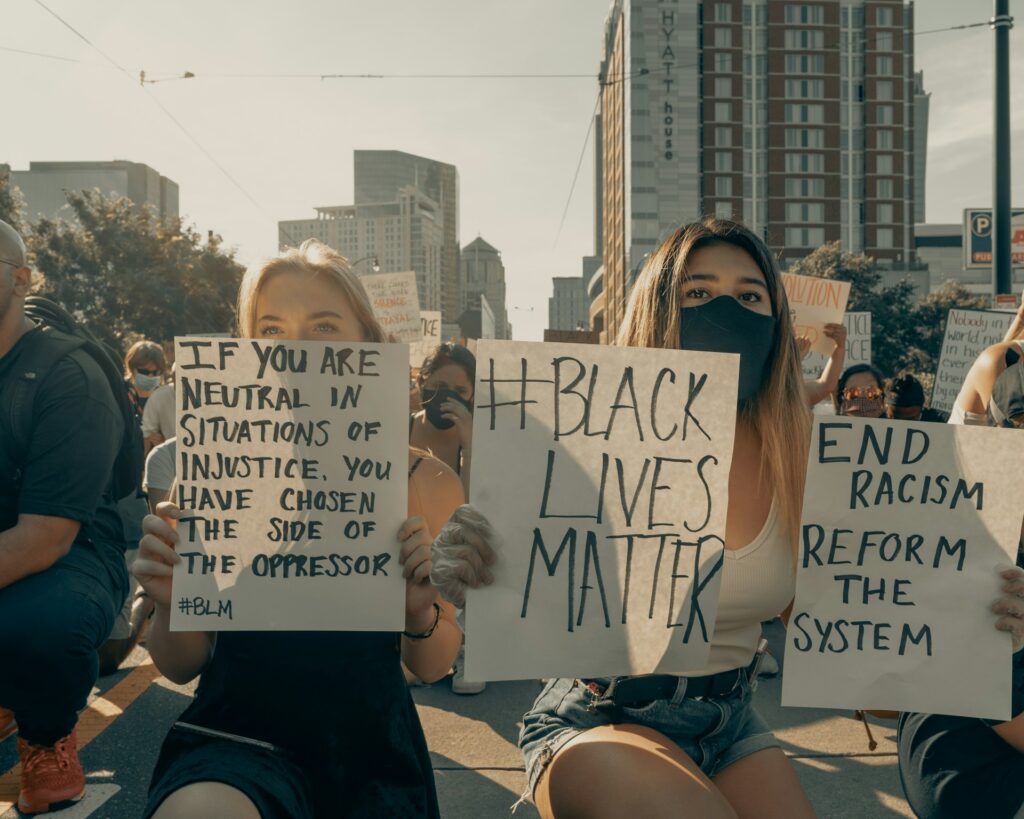
While the Civil Rights Movement of the 1960s brought about significant legal changes in the U.S., it does not mean that racism and discrimination have been fully eradicated. Many children may learn that racism was defeated with the Civil Rights Act and the Voting Rights Act, but systemic racism continues to impact communities of color in various forms. Issues such as police brutality, voter suppression, and unequal access to resources show that the fight for racial justice is ongoing.
Everyone Has Equal Access to Education

The myth that everyone in the U.S. has equal access to a high-quality education ignores the deep disparities in the education system. Children from low-income families or communities of color often attend underfunded schools with fewer resources, larger class sizes, and lower graduation rates. Additionally, access to higher education is heavily influenced by socioeconomic status, making it more difficult for some students to attend college or university. Addressing these inequities is essential to ensuring that all students truly have equal opportunities to succeed.
The U.S. Is a Land of Opportunity for Immigrants
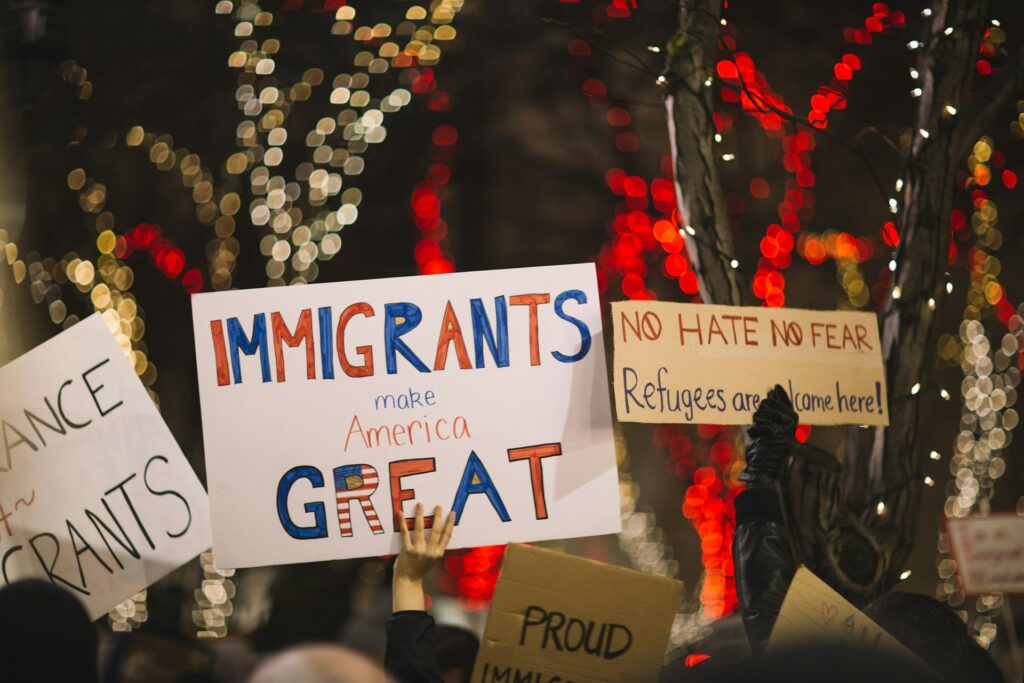
While the U.S. is often viewed as a land of opportunity for immigrants, the reality is far more complex. Immigrants face many challenges, from navigating a complicated and often hostile immigration system to dealing with discrimination and exploitation in the workforce. Many immigrants struggle to secure legal status, and even those who do may find it difficult to access healthcare, education, or other essential services. The myth of boundless opportunity for all immigrants overlooks the difficulties and obstacles that many newcomers face in their pursuit of the American Dream.
Many myths about American history, culture, and values are taught to children in various forms. These myths are often oversimplified or incomplete, missing key complexities that form the true fabric of American society. As parents and educators, it’s essential to provide children with a more balanced, accurate understanding of these issues to promote critical thinking and a more inclusive perspective.