
Many WWII veterans returned home with discipline, leadership, and technical expertise that helped them succeed in business. The skills they honed during wartime, strategic thinking, problem-solving, and teamwork, became the foundation for entrepreneurial ventures. From small startups to national companies, these veterans turned military experience into civilian success, demonstrating how lessons learned in battle could translate into thriving businesses. Here are 12 inspiring stories of WWII veterans who leveraged their military skills to create lasting legacies.
Colonel Sanders – KFC
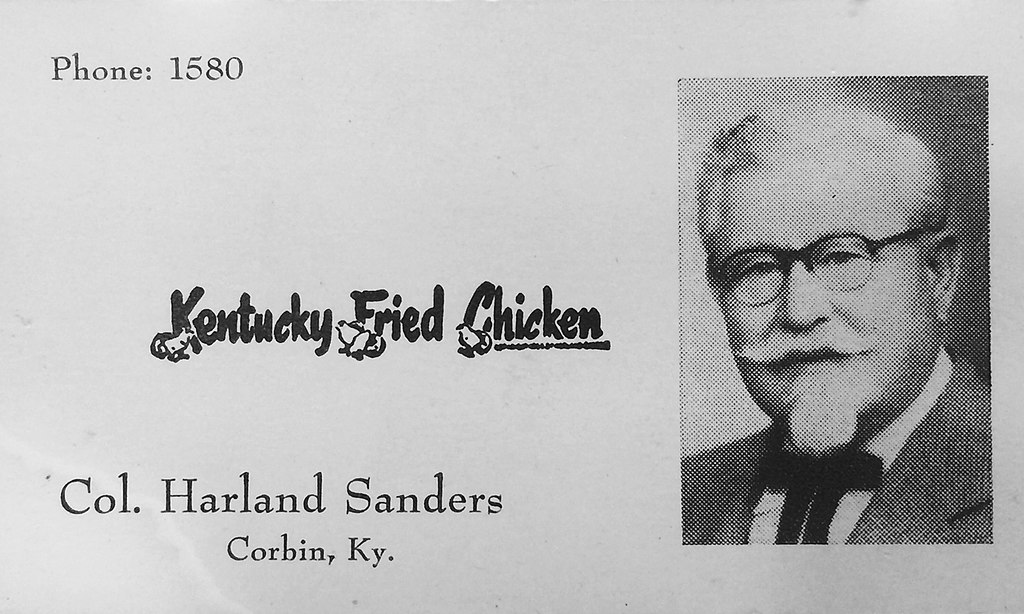
Harland “Colonel” Sanders served briefly in the Army and drew on his discipline and perseverance when building Kentucky Fried Chicken. After years of failed ventures, he perfected his fried chicken recipe and franchising model. His ability to organize, delegate, and market his brand reflected the leadership skills he valued. Sanders’ journey from veteran to global business icon shows how military experience can inform determination, resilience, and entrepreneurial success.
David Packard – Hewlett-Packard
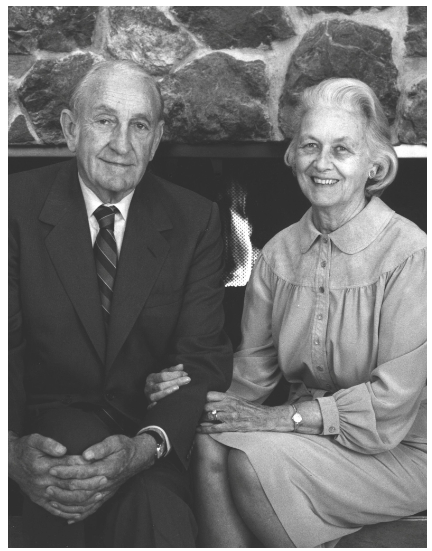
Although David Packard was not enlisted overseas, his engineering background and leadership were deeply influenced by wartime research projects. Packard applied principles of organization, innovation, and technical precision from defense contracts to build Hewlett-Packard into a tech powerhouse. His story illustrates how military-inspired skills in problem-solving and teamwork can scale small ventures into globally recognized companies, shaping the modern technology landscape.
Sam Walton – Walmart
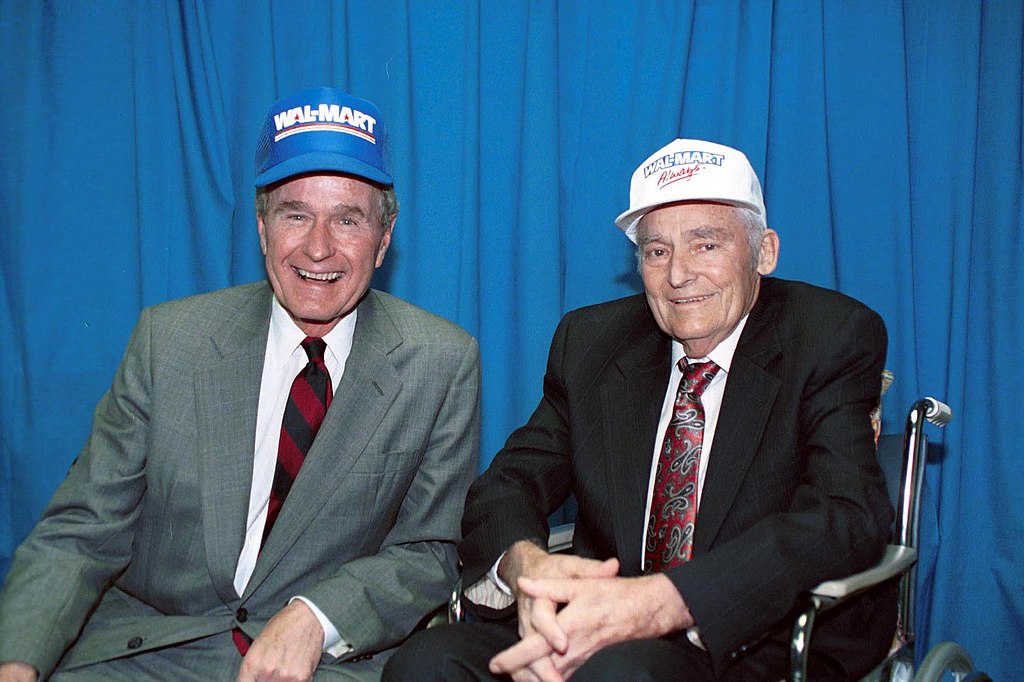
Sam Walton served in the Army during WWII, gaining logistical and management experience. These lessons influenced how he structured Walmart, focusing on efficiency, supply chain management, and cost control. Walton’s ability to strategize and lead teams can be traced to his military service, helping him transform a single store into a retail empire. His career demonstrates how operational and leadership skills acquired during service can drive business growth and innovation.
George Foreman – Foreman Grill & Business Ventures
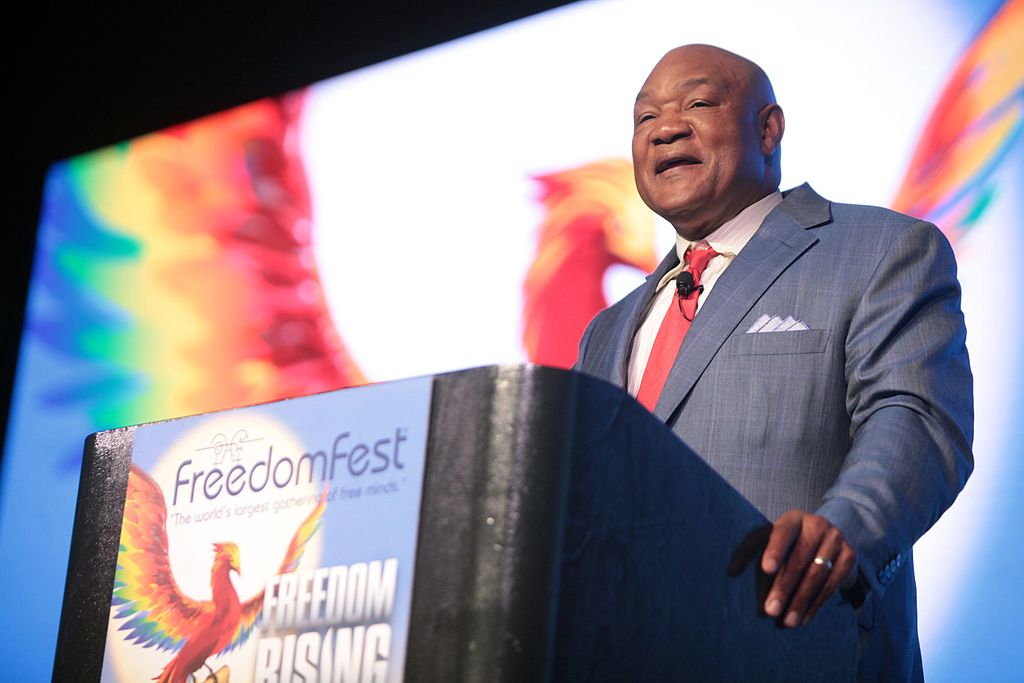
Boxer and Army veteran George Foreman parlayed discipline and public presence from his service into a range of successful ventures. His boxing career taught him marketing, endurance, and personal branding, which he later applied to the hugely successful George Foreman Grill. Foreman’s story illustrates how veterans can combine their service-acquired traits with industry-specific knowledge to create household-name products and profitable businesses.
Walt Disney – Disney Studios Expansion
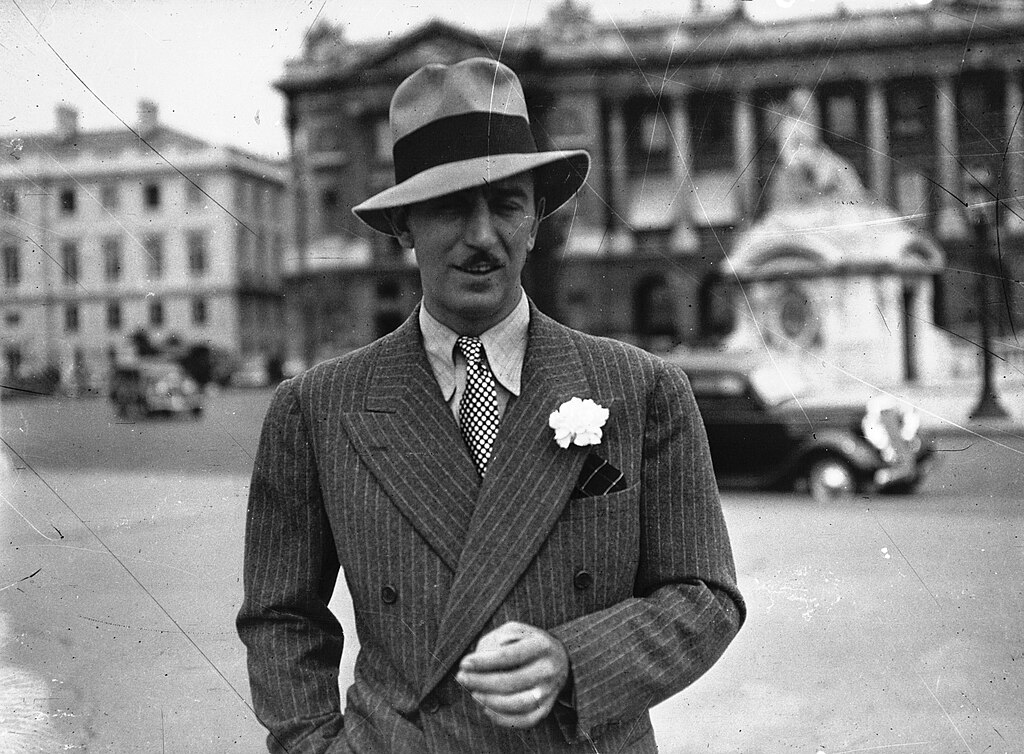
While Walt Disney did not fight overseas, he contributed to wartime efforts through propaganda and training films, which required precision, innovation, and leadership. Disney leveraged these skills to expand his studio and theme parks post-war, demonstrating how military-adjacent experience in project management and team coordination can translate to large-scale business success. His ability to mobilize creative talent mirrors military-style strategic planning.
George Heilmeier – Technology Entrepreneur

George Heilmeier, who served in the Navy, used his engineering background and wartime problem-solving experience to invent and commercialize innovations in display technologies. His leadership in founding tech ventures stemmed from discipline and project management skills honed during service. Heilmeier’s career shows that technical expertise combined with structured approaches can turn military knowledge into marketable and profitable businesses.
Henry Ford II – Ford Motor Company Leadership
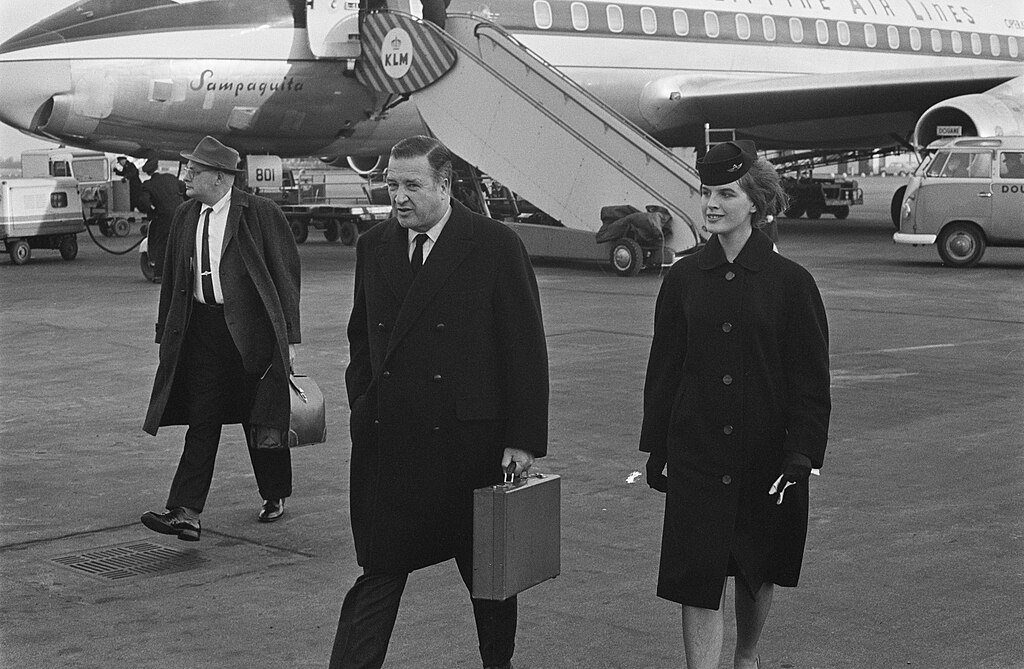
Henry Ford II, influenced by his exposure to WWII production techniques and logistics, applied military-style operational efficiency to Ford Motor Company. Streamlined processes, strategic planning, and hierarchical management approaches reflected principles observed in wartime production. Ford II’s ability to modernize and scale the family business demonstrates how insights from military logistics can transform corporate management.
Bill Lear – Learjet
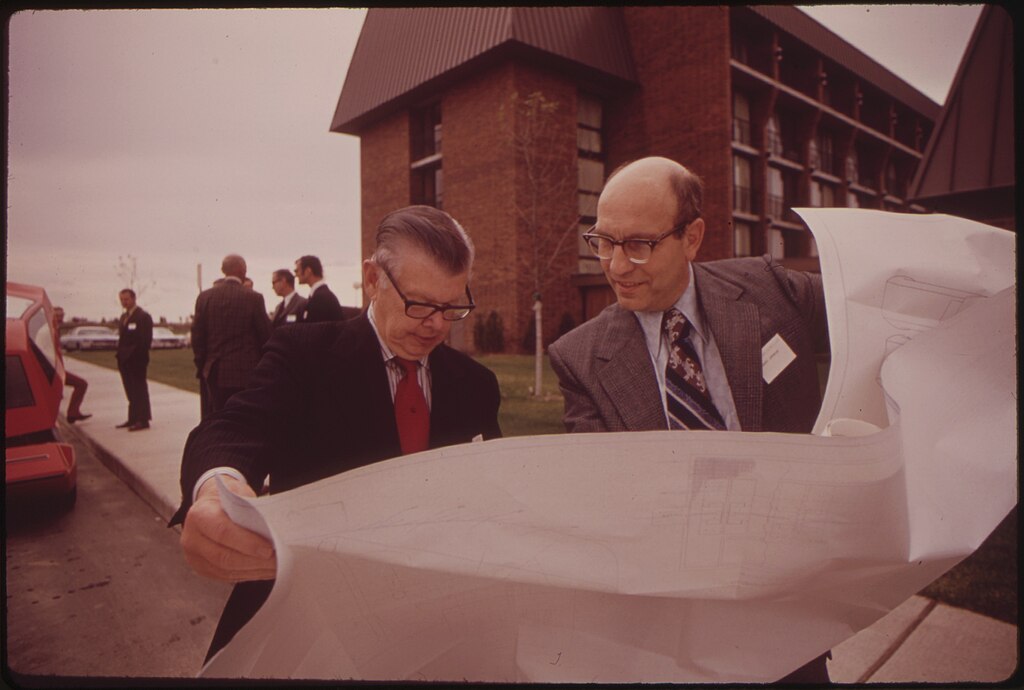
Bill Lear, a veteran engineer during WWII, applied aeronautical and technical skills to post-war aircraft innovation. His understanding of precision, teamwork, and technological problem-solving enabled the creation of Learjet, a revolutionary small jet. Lear’s story shows how military experience can provide both technical and organizational foundations for pioneering ventures in highly specialized industries.
James Cash Penney – J.C. Penney Expansion
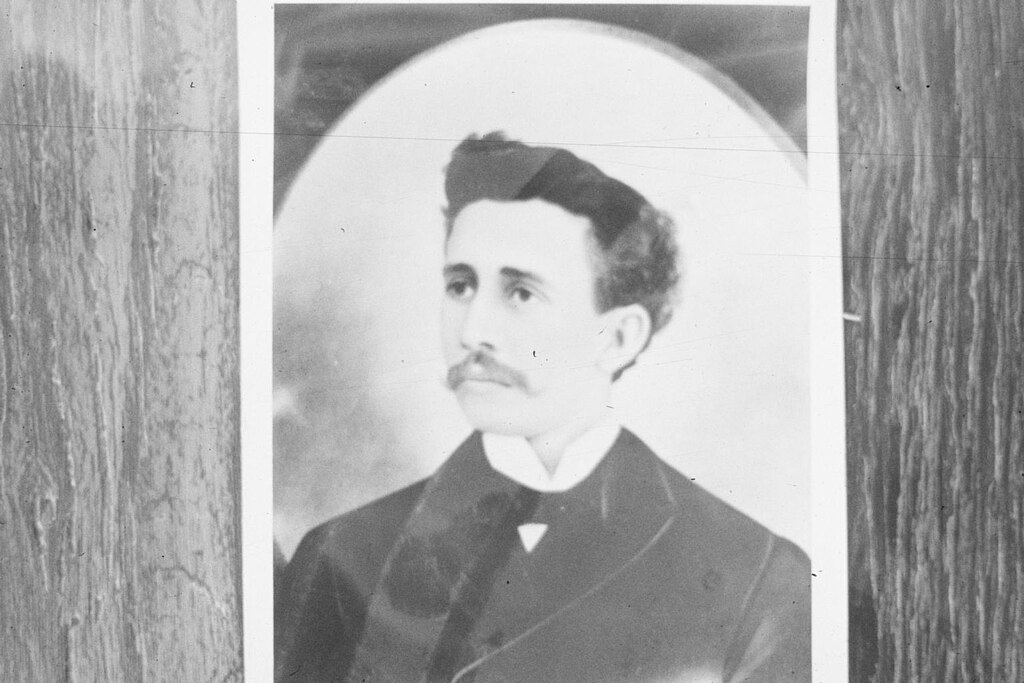
James Cash Penney, though older during WWII, applied lessons from his support roles in wartime logistics and coordination to grow his retail empire. Focused on systematic management and disciplined store operations, Penney leveraged wartime efficiency concepts to expand his brand. His career illustrates how exposure to organized, large-scale operations can inspire business practices that endure beyond the battlefield.
Norman Schwarzkopf Sr. – Defense-Linked Business
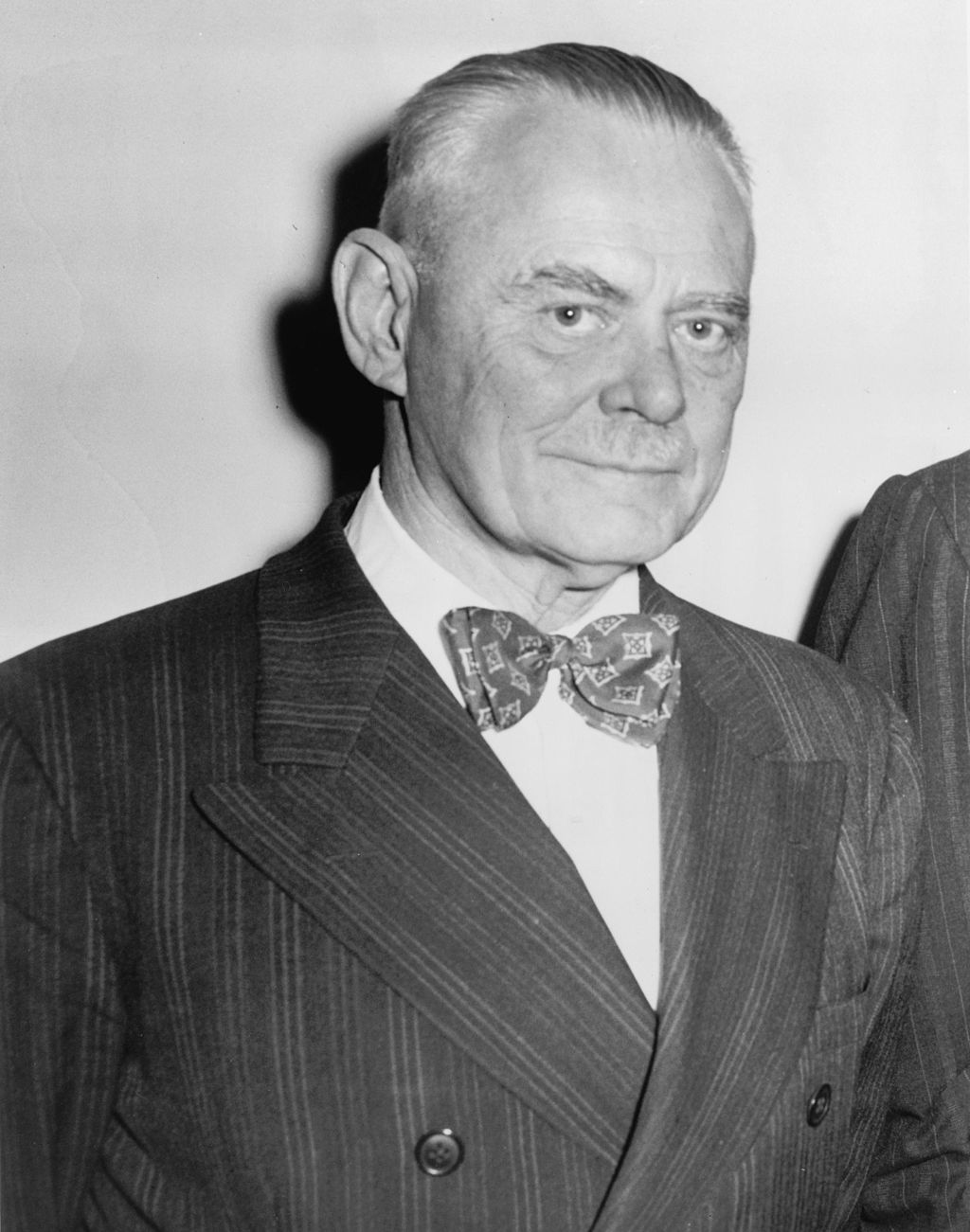
General Norman Schwarzkopf Sr., though primarily a military figure, applied leadership and organizational skills to consulting and defense-related enterprises post-service. Strategic planning, logistics management, and disciplined team coordination learned during WWII became valuable assets in civilian ventures. His ability to translate military command experience into practical business solutions demonstrates the versatility of wartime skill sets.
Fred Smith – FedEx
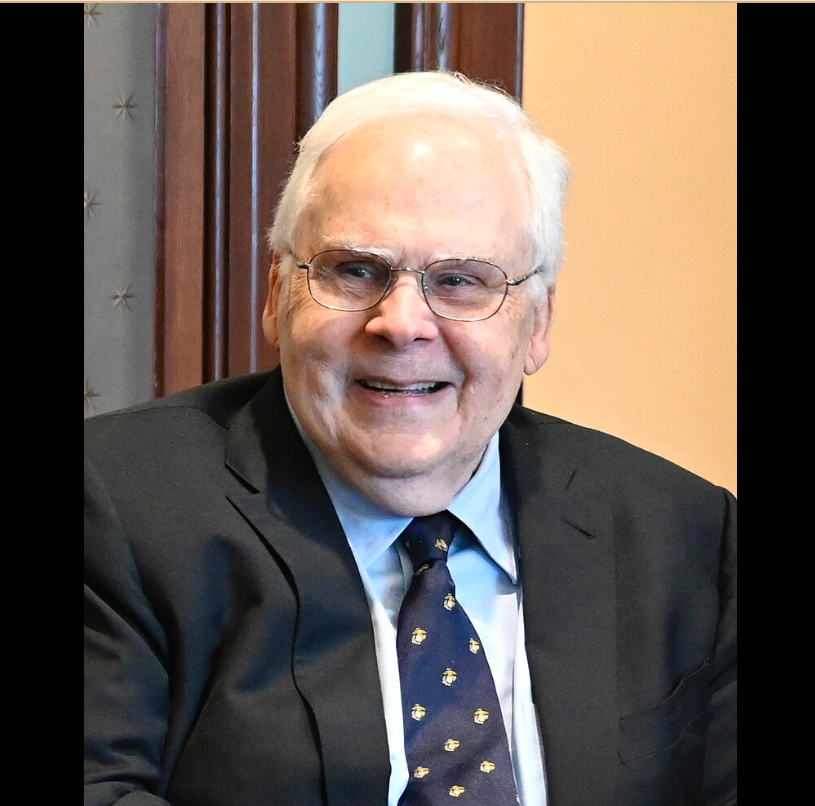
Fred Smith, a Marine veteran, used principles from military logistics and air transport to design and launch FedEx. Strategic routing, operational discipline, and problem-solving approaches learned in service informed the company’s global delivery model. Smith’s story is a prime example of how veterans can convert military experience into innovative business solutions that revolutionize an industry.
Ray Kroc – McDonald’s
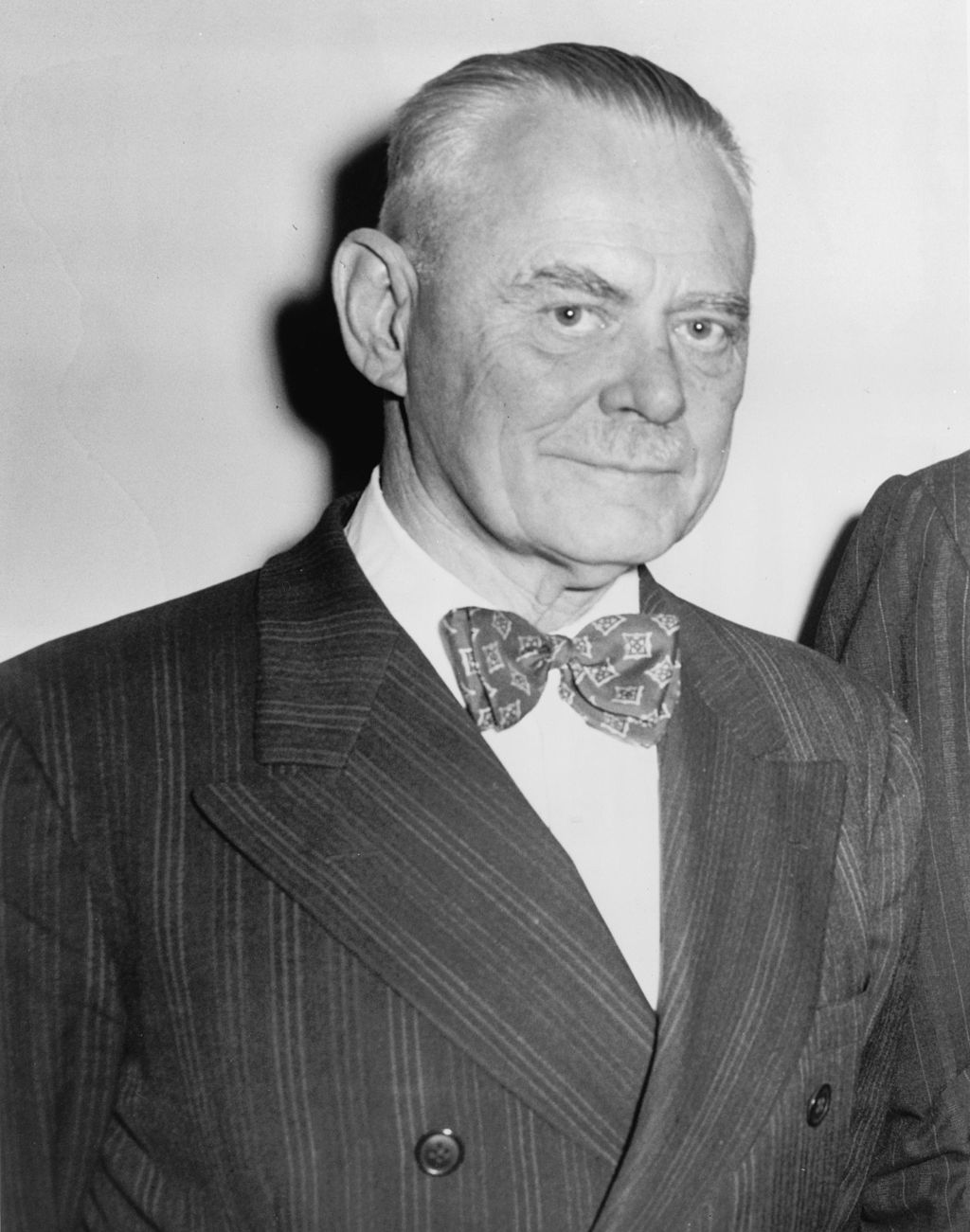
Ray Kroc, though not a combat veteran, served in the Army during WWII-era activities, learning management, discipline, and operational efficiency. These lessons influenced his expansion of McDonald’s into a global franchise. Kroc’s success demonstrates how structured, strategic approaches reminiscent of military training can help scale small businesses into international powerhouses, leveraging process control and team management.
These 12 WWII veterans illustrate how discipline, problem-solving, and leadership from military service can translate into thriving businesses. Their legacies show that wartime skills often become the foundation for civilian innovation and enduring entrepreneurship.