Many women who shaped American history remain little known, even though their courage and intelligence changed the course of the nation. They spoke up when silence was easier, fought when others hesitated, and dreamed of equality before it was accepted. These twelve women deserve far more recognition for the ways they pushed boundaries and opened doors for the generations that followed.
Ida B. Wells
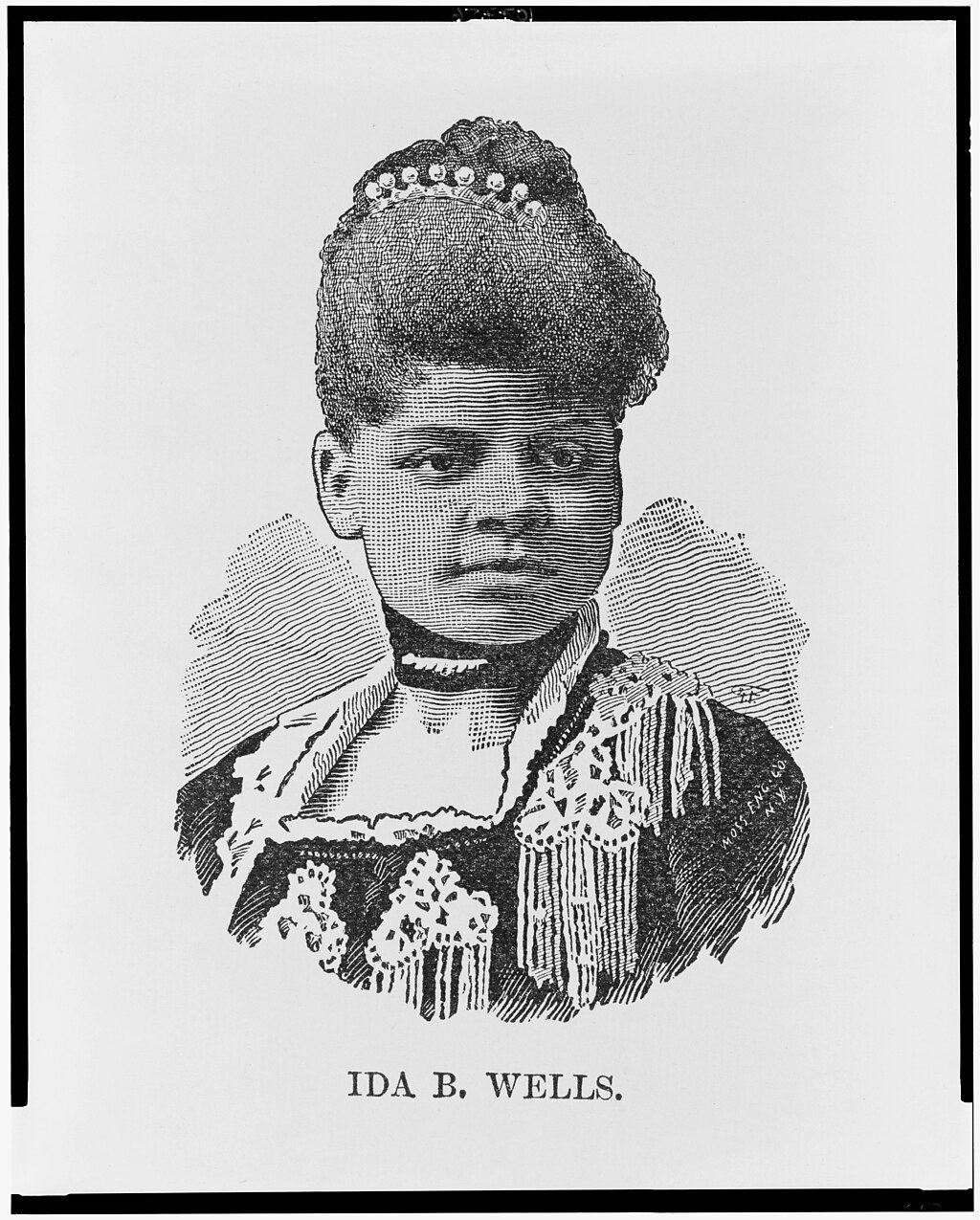
Ida B. Wells was one of the first investigative journalists in the United States. Born into slavery, she became a fearless crusader against lynching, writing powerful articles that exposed racial violence. She co-founded the NAACP and traveled the country calling for justice. Despite the constant threats she faced, Wells never stopped using her words to challenge systems of oppression and inspire future generations of activists.
Claudette Colvin
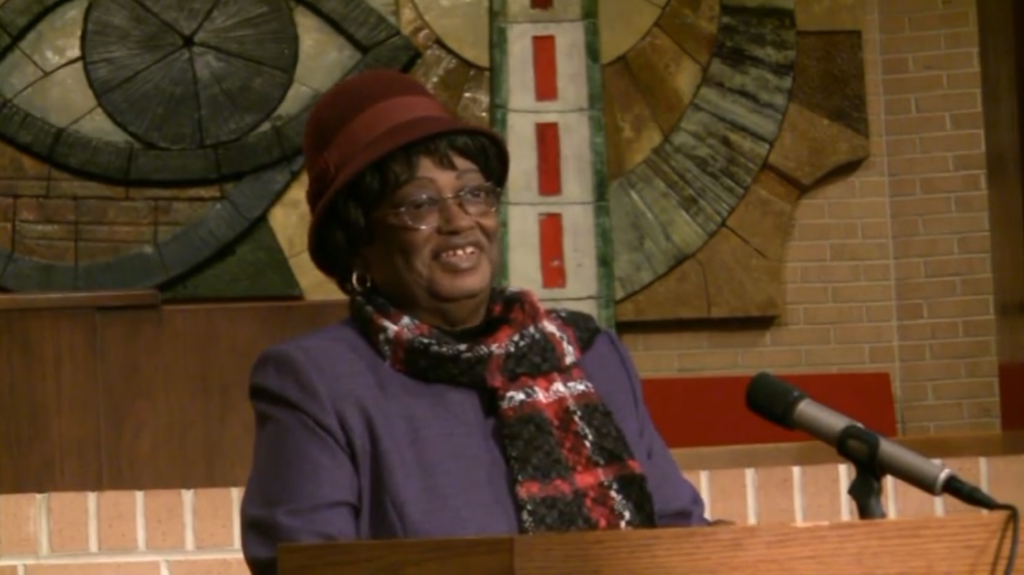
Before Rosa Parks made history, 15-year-old Claudette Colvin refused to give up her seat on a segregated bus in Montgomery, Alabama. Her act of defiance came months earlier and sparked quiet conversations that led to the famous boycott. Colvin was a brave teenager who stood her ground against injustice, even when society ignored her courage. Her story reminds us that change often begins with ordinary people who dare to act.
Sybil Ludington
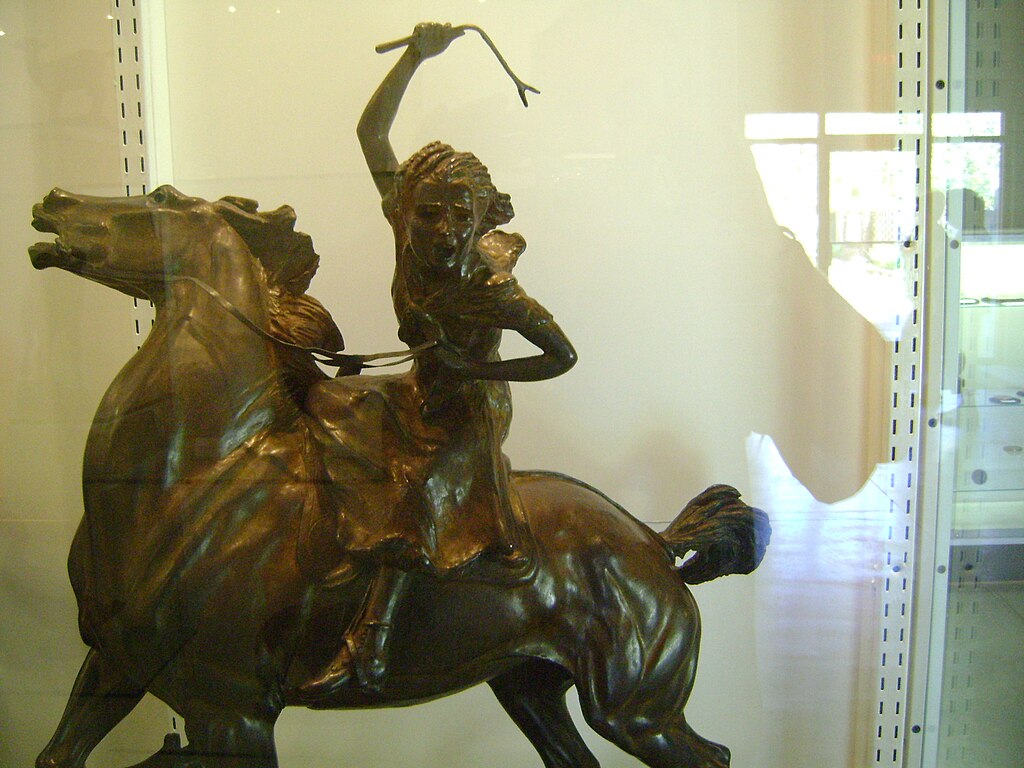
During the American Revolution, 16-year-old Sybil Ludington rode through the night to warn colonial troops of a British attack. She covered twice the distance of Paul Revere, rallying hundreds of soldiers to defend their land. Despite her heroic efforts, she was largely left out of history books. Her story shows that women have been defending freedom and demonstrating leadership since the very birth of the nation.
Fannie Lou Hamer
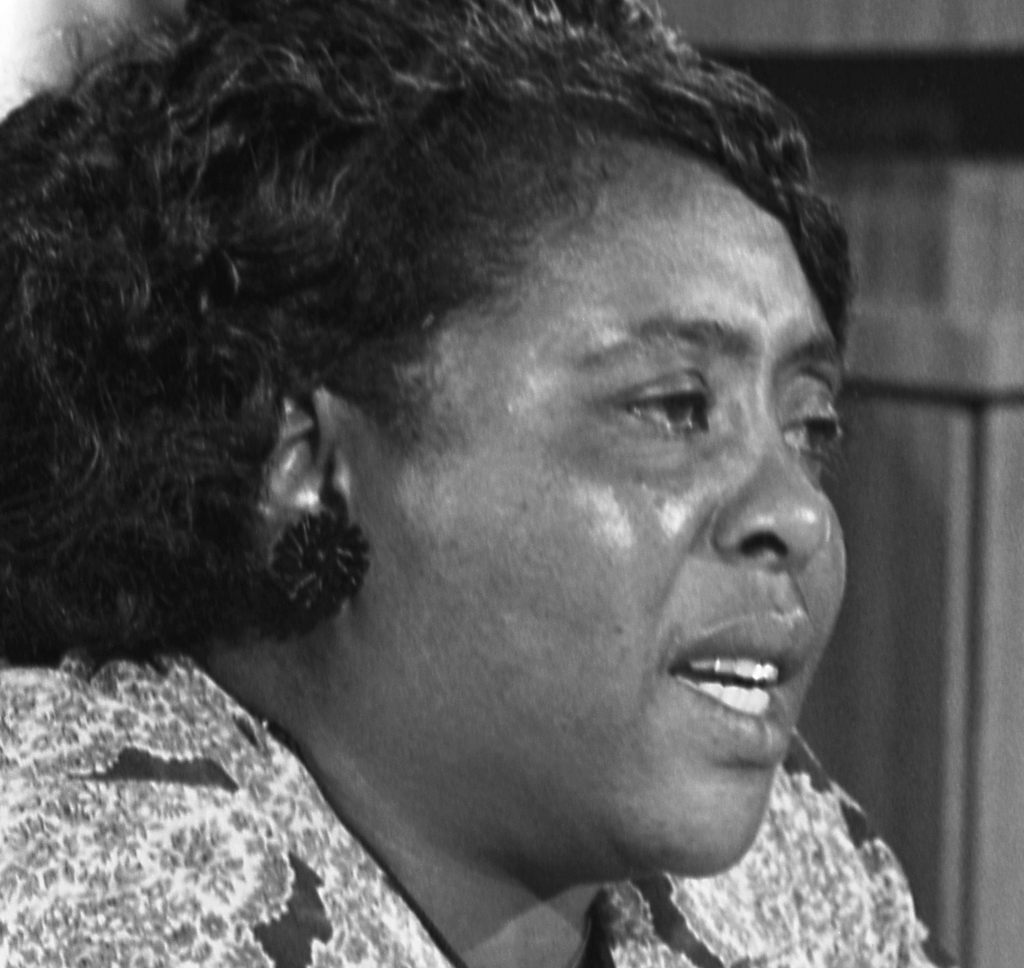
Fannie Lou Hamer rose from humble beginnings as a sharecropper to become one of the most influential voices of the civil rights era. Her emotional testimony at the 1964 Democratic National Convention exposed the cruelty of racial injustice to millions of Americans. Hamer’s bravery and relentless fight for voting rights helped change the political landscape and inspired others to keep pushing for equality across the country.
Grace Hopper
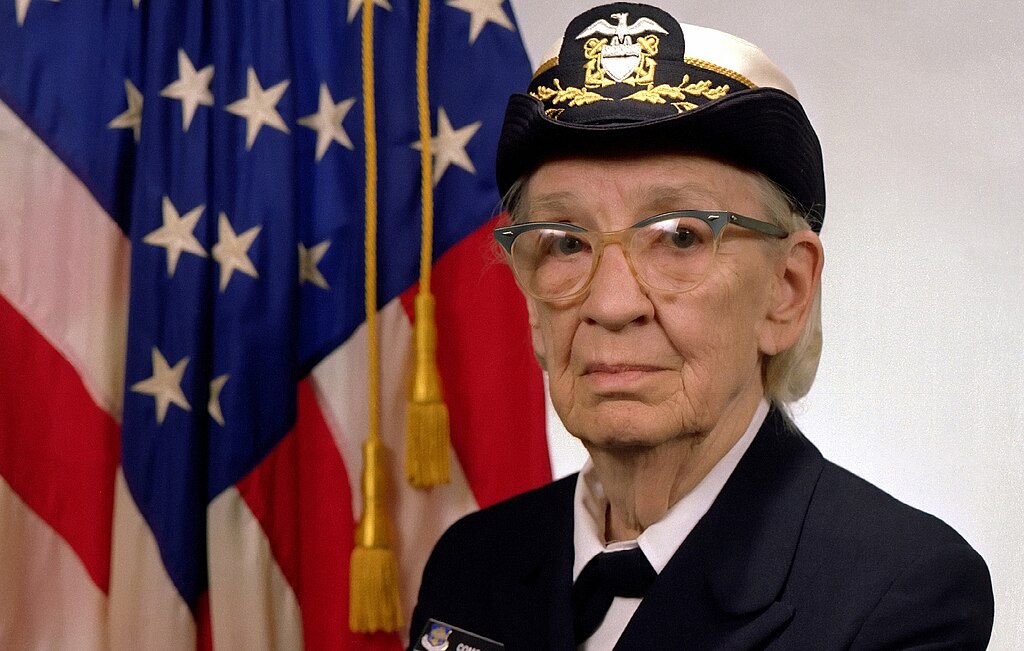
Grace Hopper was a computer scientist and Navy rear admiral whose work changed technology forever. She developed early programming languages that shaped modern computing and even coined the term “debugging.” Hopper’s practical thinking made computers easier to use and paved the way for the digital revolution. She proved that innovation thrives when creativity and logic come together to solve real-world problems.
Dorothy Height
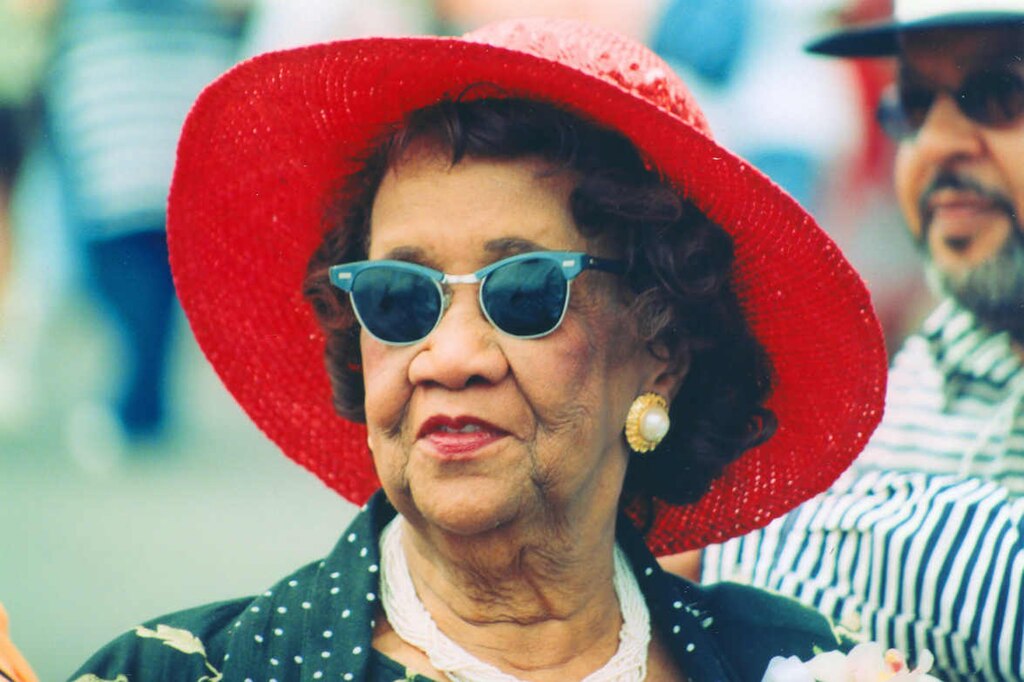
Dorothy Height was one of the most influential yet often overlooked leaders of the civil rights movement. She helped organize the 1963 March on Washington and advised multiple U.S. presidents on equality and women’s rights. Her diplomacy and strength kept major movements united. While her name is not as well known as others, her lifelong dedication helped advance justice and equal opportunity for millions of Americans.
Pauli Murray
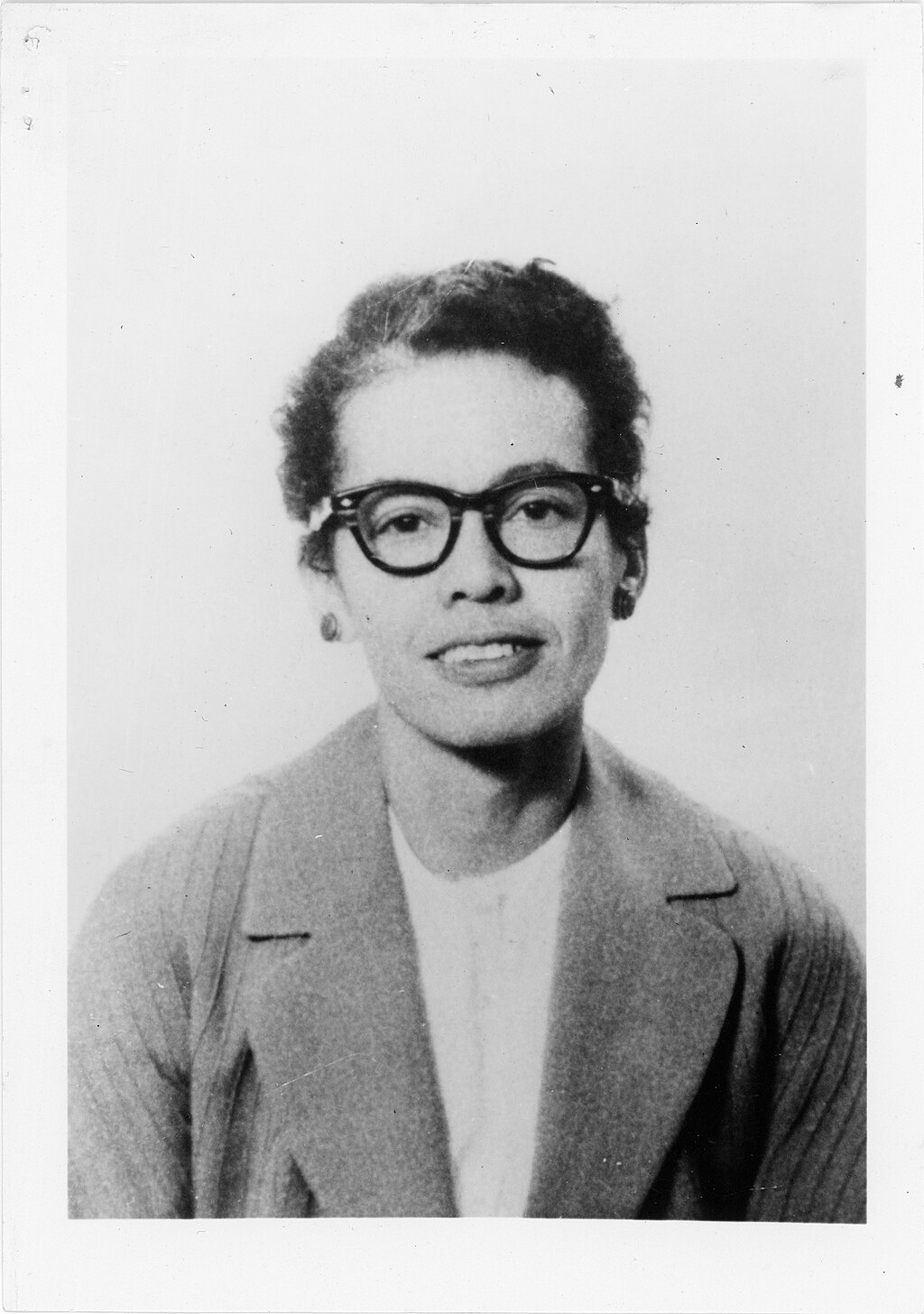
Pauli Murray was a lawyer, activist, and writer whose legal arguments shaped the fight for both racial and gender equality. Her work influenced landmark Supreme Court cases and inspired future icons like Ruth Bader Ginsburg. Murray believed that all forms of discrimination were connected and must be fought together. Her vision of inclusion was years ahead of its time and continues to guide equality movements today.
Jeannette Rankin
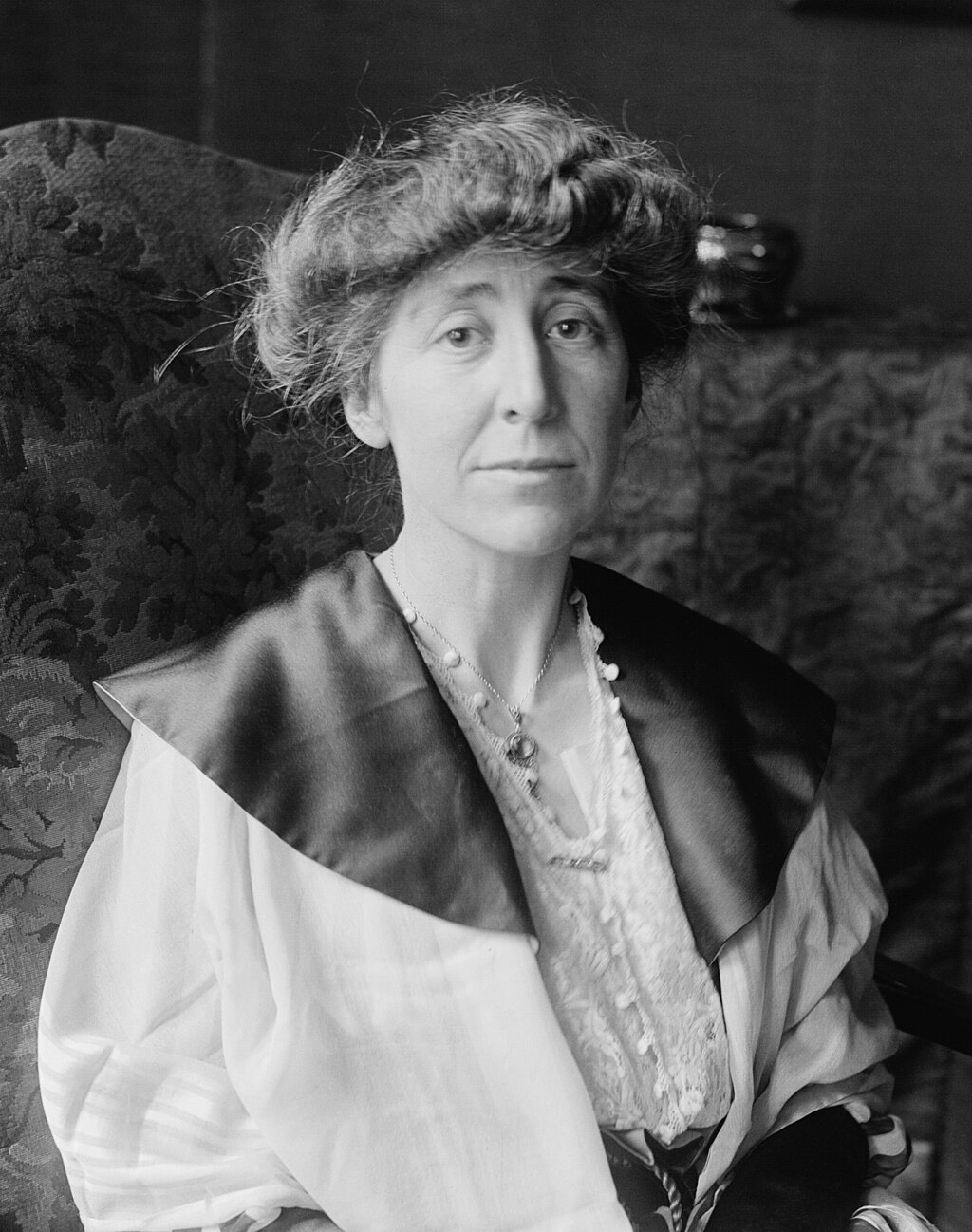
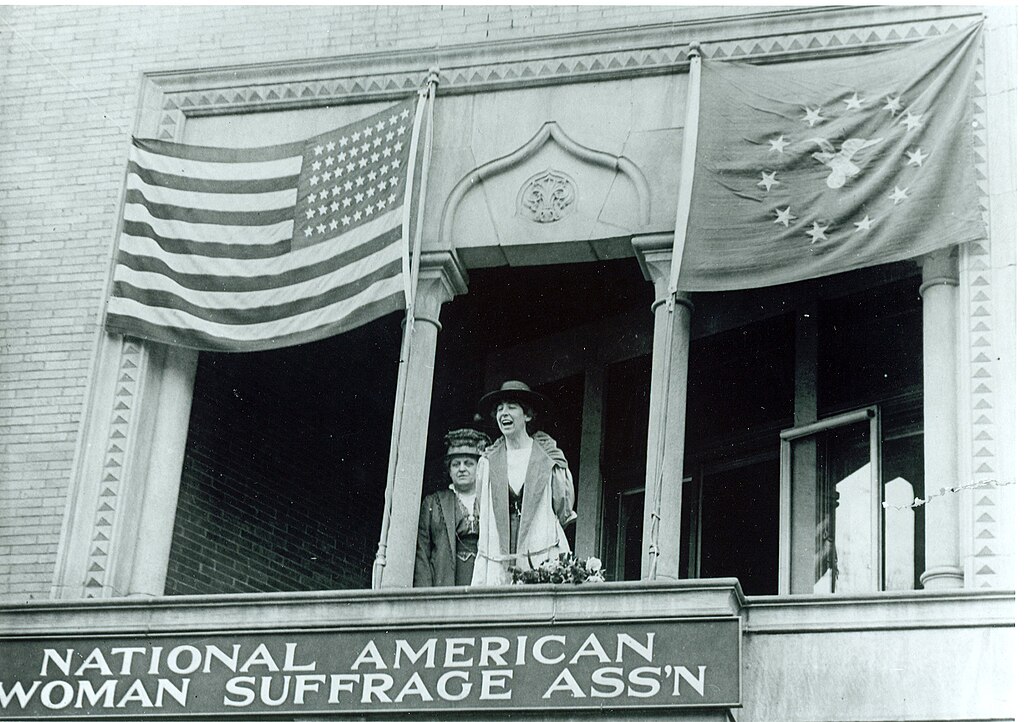
Jeannette Rankin became the first woman elected to the U.S. Congress in 1916, four years before women won the right to vote nationwide. She was a tireless advocate for peace and social reform. Rankin’s willingness to vote against war, even when unpopular, showed her deep moral conviction. Her career proved that women could lead with strength, compassion, and an independent voice in national politics.
Maggie Lena Walker
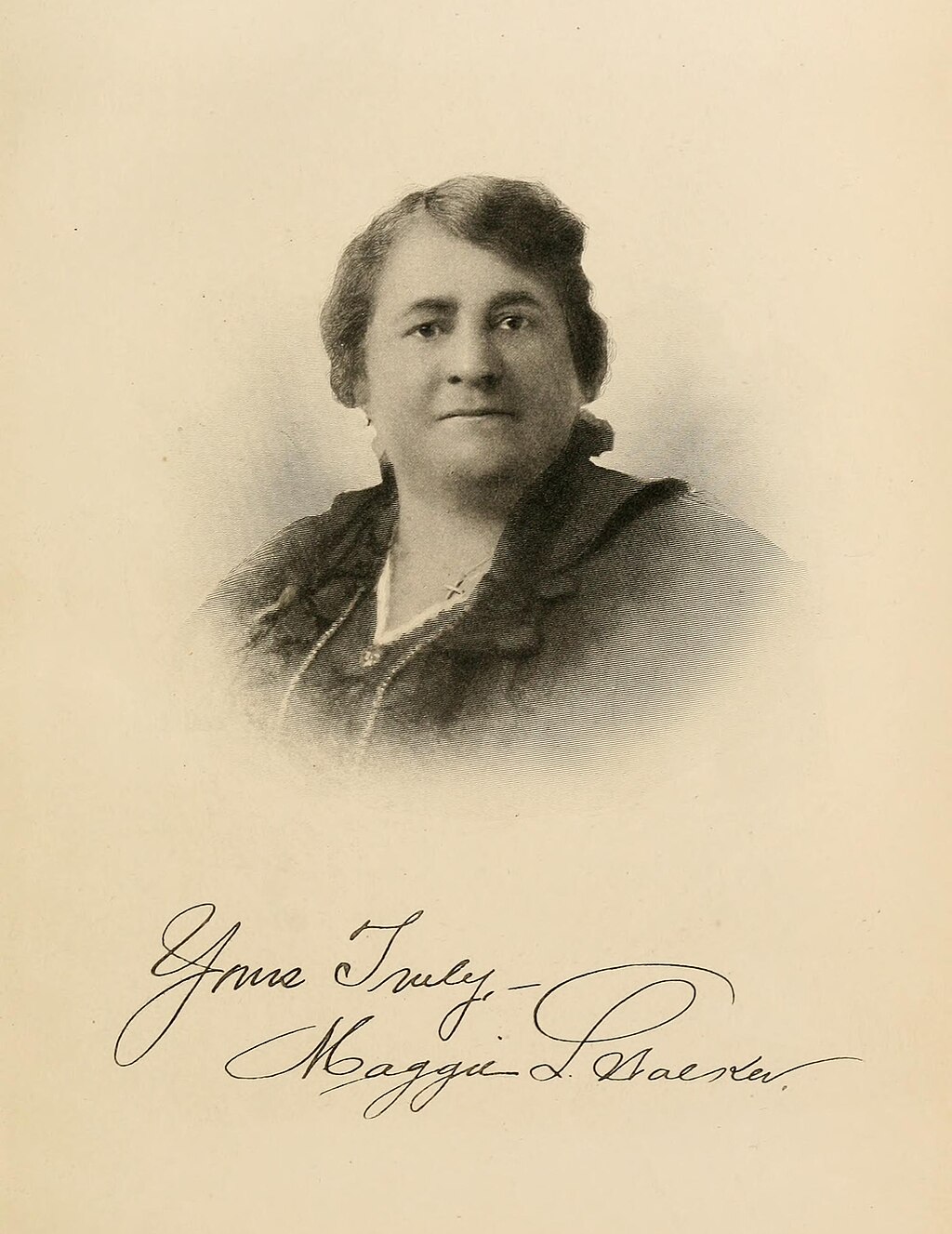
Maggie Lena Walker was a business pioneer who became the first African American woman to found and run a bank in the United States. Through her leadership, she encouraged Black communities to save, invest, and build financial independence during segregation. Walker believed that true progress began with economic empowerment, and her success story continues to inspire women and entrepreneurs across generations.
Mary Church Terrell
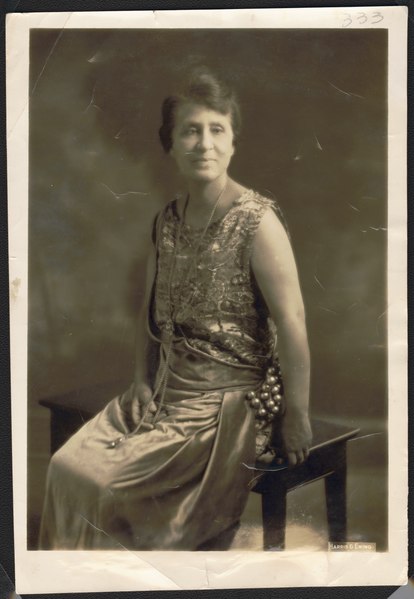
Mary Church Terrell was one of the first African American women to earn a college degree and used her education to fight for justice. She co-founded the National Association of Colored Women and worked for both racial and gender equality. Terrell believed in peaceful persistence and the power of education to dismantle prejudice. Her words and actions helped redefine what it meant to be a woman and an American leader.
Frances Perkins
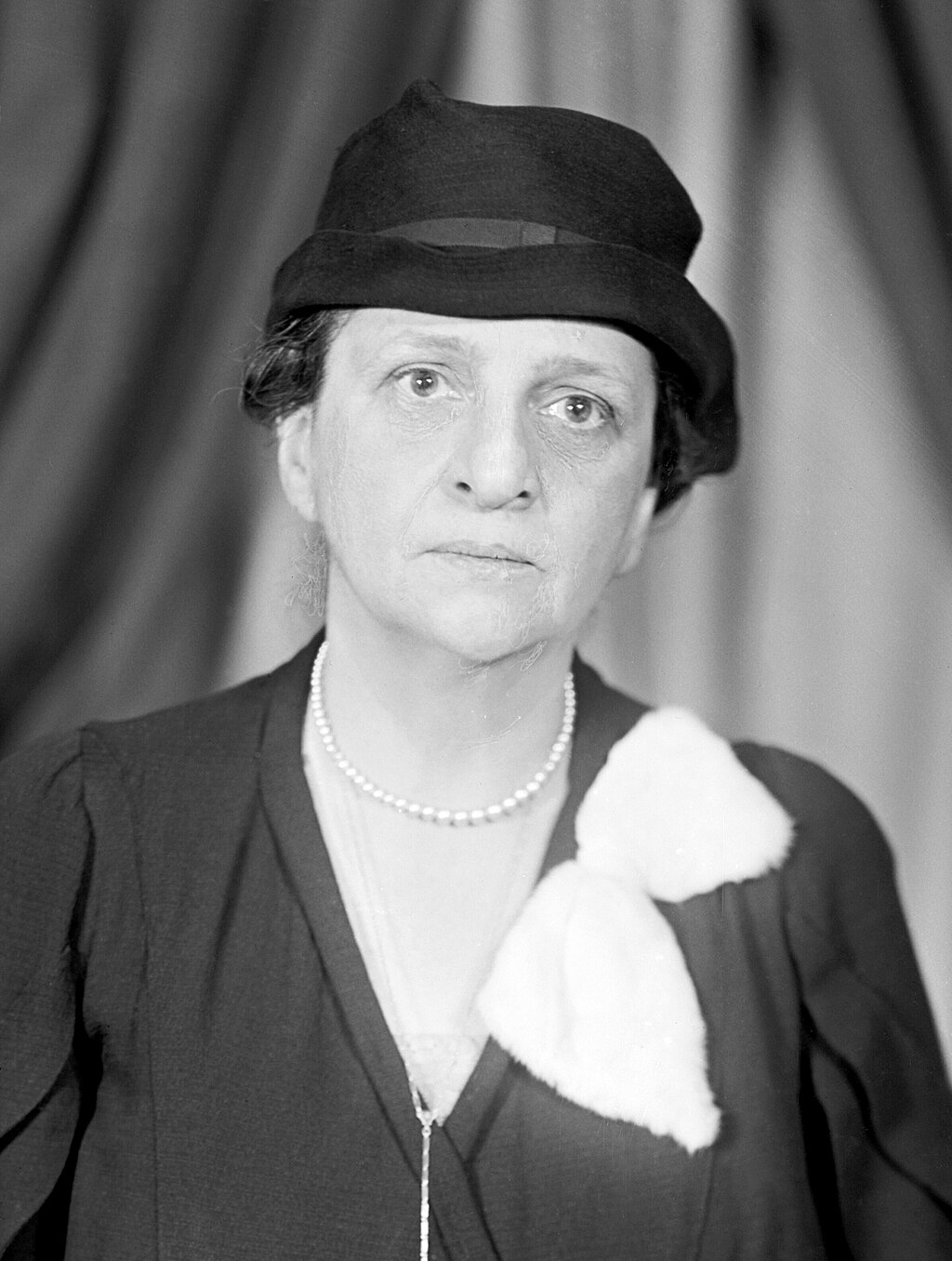
Frances Perkins served as the first woman in a U.S. Cabinet position and was the driving force behind many New Deal reforms. She helped create Social Security, unemployment benefits, and fair labor standards. Perkins worked tirelessly to protect American workers and families during the Great Depression. Her quiet determination built safety nets that still support millions today, proving the strength of leadership grounded in compassion.
Bessie Coleman
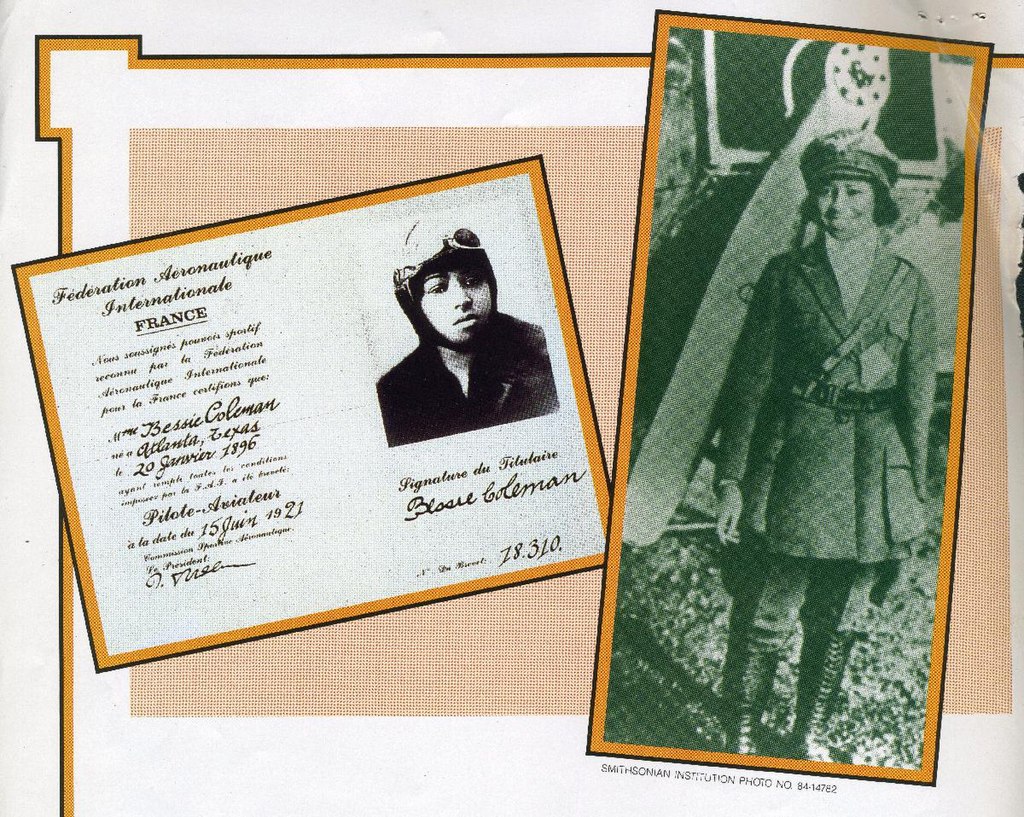
Bessie Coleman made history as the first Black woman to earn a pilot’s license at a time when no American flight school would admit her. She trained in France and returned to the U.S. as a fearless stunt pilot, inspiring others to dream bigger. Coleman’s courage broke both racial and gender barriers in aviation. Her legacy reminds us that determination can lift us to heights once thought impossible.
These women changed the nation not by seeking fame but by daring to act when it mattered most. They fought for justice, equality, and progress with persistence that outlasted the times they lived in. Their stories show that true leadership often comes from those who are overlooked. Remembering them ensures their courage continues to inspire every new generation to build a better and fairer world.