Wellness hasn’t always been framed the way it is today. Many habits once dismissed or misunderstood have proven to be essential for a balanced, healthy life. For parents, these moments offer a perfect chance to teach kids not only the value of good practices but also the importance of questioning old assumptions. Here are twelve wellness habits that turned out to be far wiser than once believed; and how they can inspire the next generation.
1. Drinking Enough Water
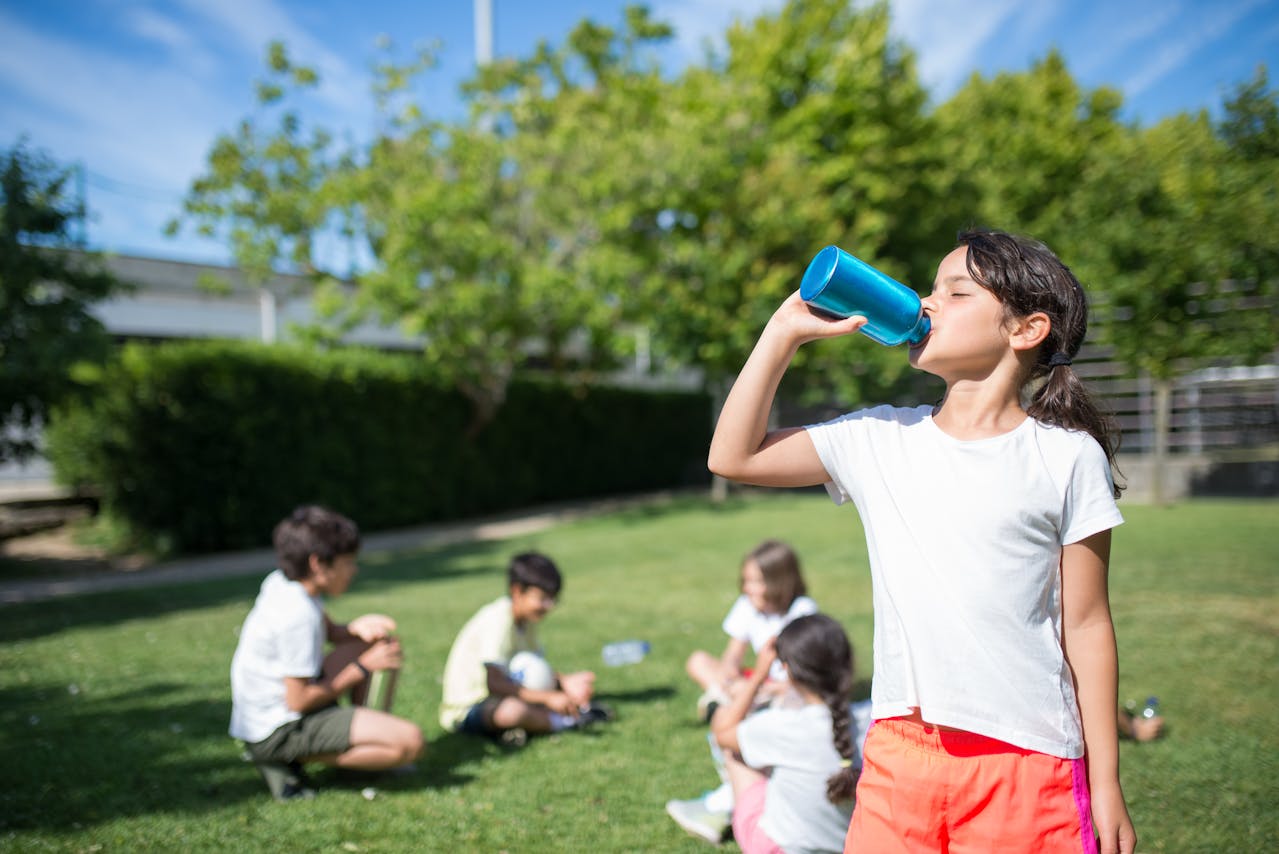
For many years, drinking water was seen as something you only did when you felt thirsty, but now we know thirst often signals dehydration that has already begun. Hydration keeps the brain sharp, the skin healthy, and the body working at its best, making it one of the simplest yet most powerful wellness tools. Teaching children to sip water throughout the day, not just during sports or hot weather, helps them build lifelong respect for their health. It shows them that small, steady habits carry immense benefits over time.
2. Prioritizing Sleep

Sleep was once misunderstood as laziness, or even wasted time, but science proves it’s essential for growth, emotional balance, and memory. While adults once praised late nights as signs of hard work, kids now can be taught that true strength is found in rest. Developing consistent routines like bedtime rituals and unplugging from screens prepares their minds and bodies to recharge fully. When children learn that rest isn’t weakness but a superpower, they grow up valuing balance over constant busyness and perform better in every part of life.
3. Walking as Exercise
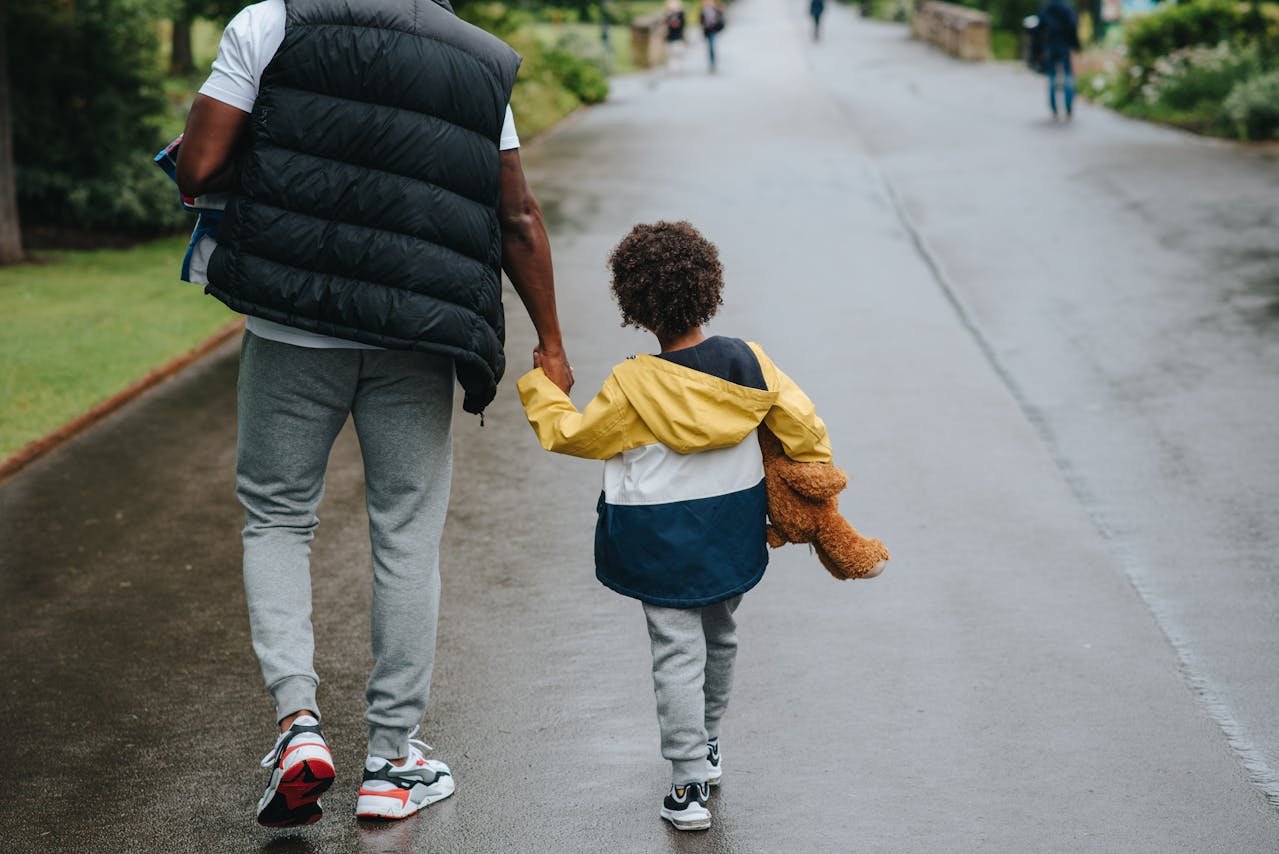
Walking was once overlooked as too simple to count as real exercise, but its benefits stretch far beyond moving from place to place. Today, studies show walking lowers stress, boosts creativity, and strengthens the heart, making it one of the most versatile activities available. Teaching kids that walking counts as meaningful movement helps them see that fitness isn’t about expensive equipment or punishing routines. Instead, it’s about weaving small, consistent habits into everyday life, encouraging them to embrace a form of wellness they can maintain anywhere, anytime.
4. Mindful Breathing
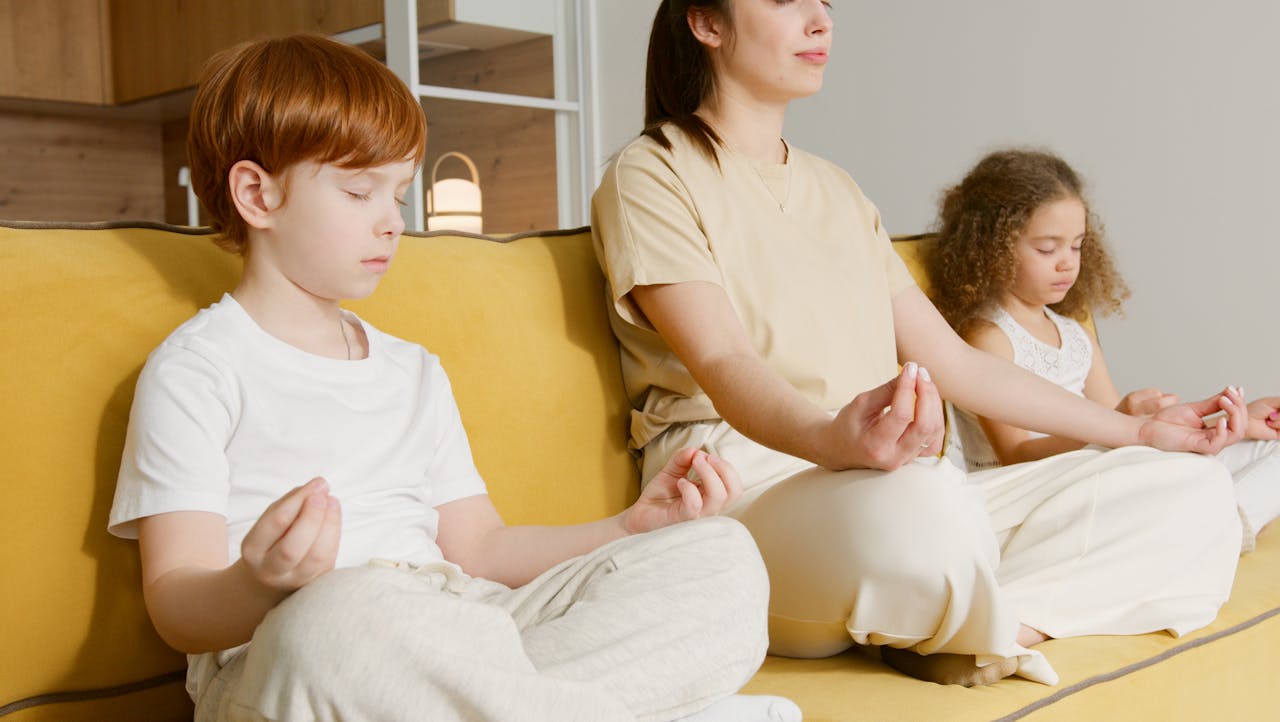
Breathing exercises were once considered something reserved for yogis or meditation gurus, but science now proves their value in calming the mind and body. Teaching children to slow down, inhale deeply, and exhale with focus gives them a tool they can use in moments of stress or anger. Instead of reacting impulsively, they gain a sense of control over their emotions. Breathing becomes a reminder that their body already holds the key to balance, offering them peace in school, at home, or anywhere life feels overwhelming.
5. Eating Vegetables Daily
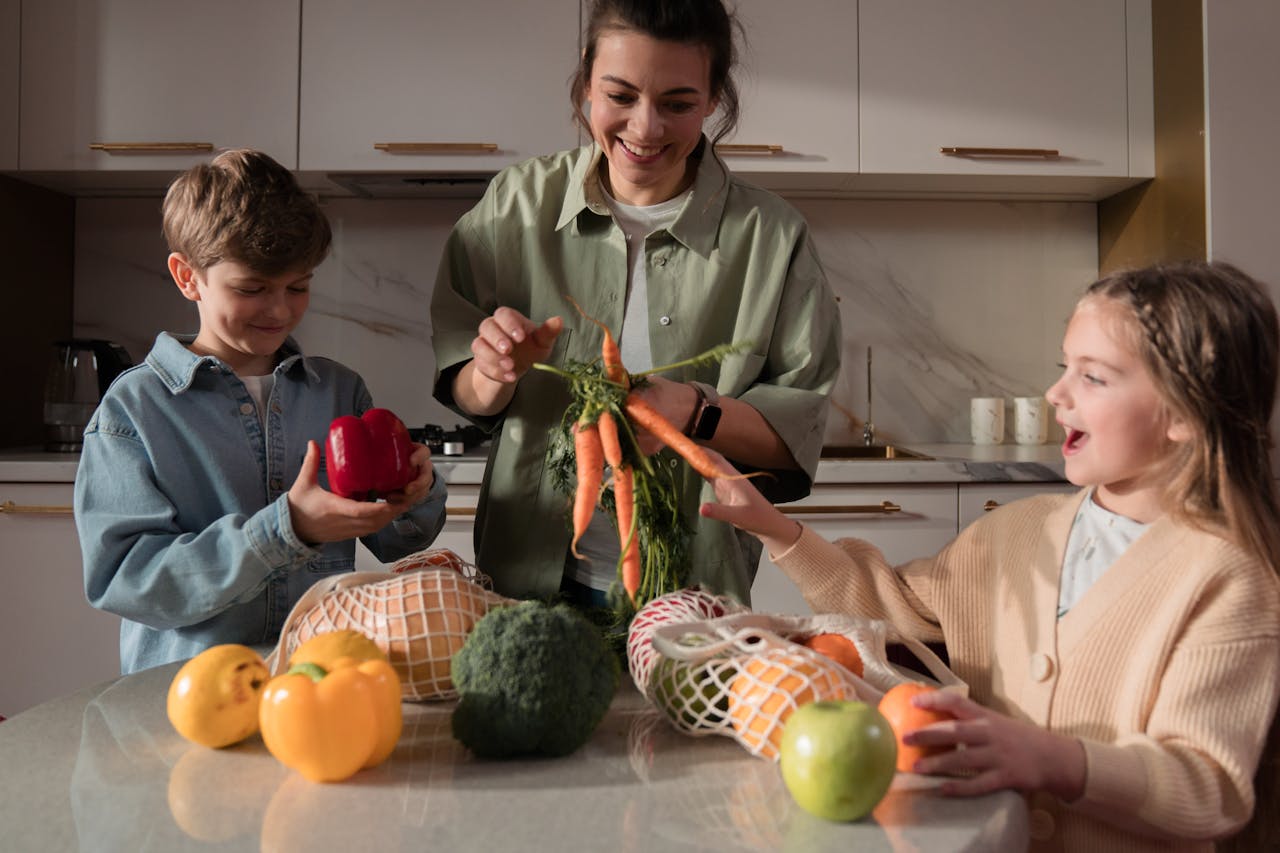
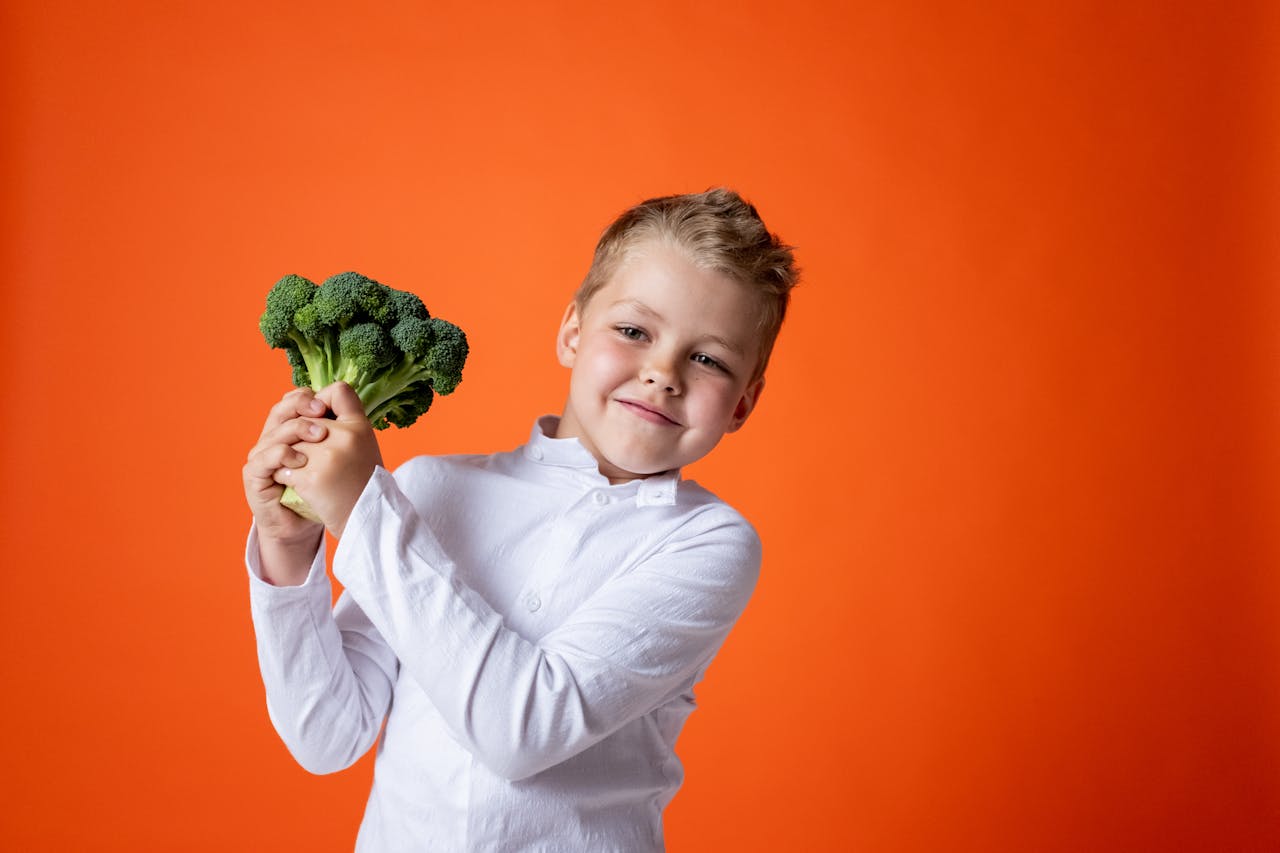
Vegetables were once dismissed as boring side dishes, often pushed aside for meat or bread, but now we know they provide essential nutrients that protect long-term health. Bright colors on the plate translate into antioxidants, vitamins, and strength that fuel both mind and body. Teaching kids that vegetables aren’t punishment but nature’s medicine helps them connect food choices with energy and resilience. By making meals a colorful adventure instead of a negotiation, parents can turn once dreaded bites into daily lessons in vitality and self-care.
6. Taking Breaks

Breaks were once misjudged as slacking off, with productivity linked only to constant effort. Today, neuroscience reveals that pausing helps restore creativity, focus, and stamina, making breaks essential for real achievement. Helping children understand that stepping away from homework or play doesn’t mean giving up; it means coming back stronger. They learn that wellness thrives in rhythms of effort and recovery, not endless pushing. It reframes rest as an act of wisdom, showing them that resilience is built through balance, not burnout, and creating healthier patterns for adulthood.
7. Practicing Gratitude

Gratitude was long dismissed as simple politeness, but research now proves it strengthens emotional health, resilience, and optimism. Acknowledging small blessings shifts focus away from scarcity toward abundance, creating a deeper sense of satisfaction with life. Teaching kids to write down a few things they’re grateful for or share them at dinner creates rituals that nurture mental strength. Instead of focusing only on achievements or possessions, they learn that joy grows from perspective. Gratitude turns everyday moments into lessons on finding richness in what already surrounds them.
8. Protecting Skin from the Sun
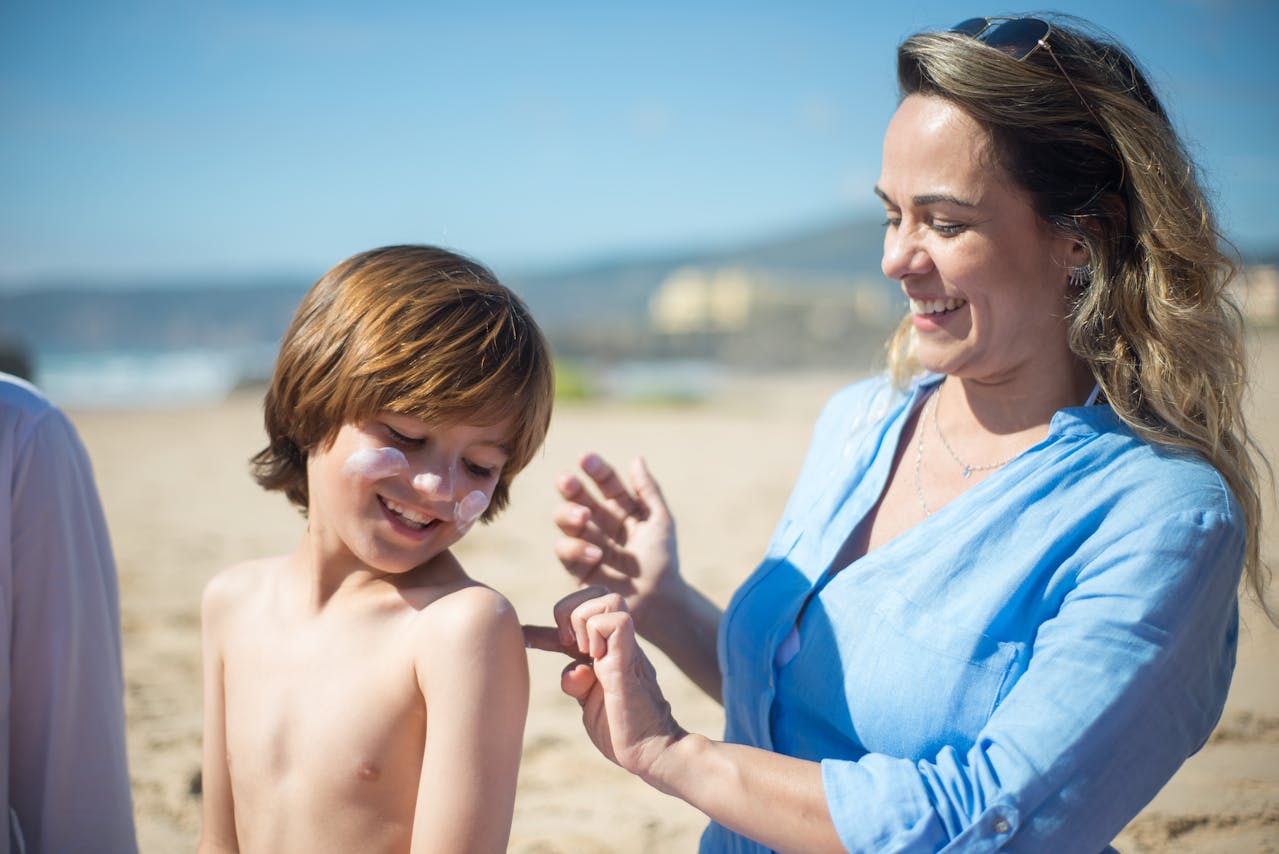
Sun protection was once brushed off as unnecessary unless you were at the beach, but dermatology has proven the lasting damage of ultraviolet rays. Sunscreen, hats, and shade aren’t inconveniences; they’re shields against premature aging and disease. Teaching kids to care for their skin daily frames self-care as responsibility rather than annoyance. It reminds them that what feels optional now pays dividends later. By practicing sun safety early, children learn that prevention is part of wellness, showing them that wise choices today protect their health for decades to come.
9. Talking About Feelings

Expressing emotions was once seen as weakness, especially for boys, but mental health research has redefined openness as a strength. Encouraging children to name and share their feelings teaches them emotional literacy, resilience, and empathy. Bottled-up anger or sadness often turns into bigger struggles, while open conversations build trust and understanding. Parents who model vulnerability show kids that talking is not a flaw but a healthy way of coping. Over time, children grow into adults who are more balanced, communicative, and compassionate toward themselves and others.
10. Washing Hands Regularly
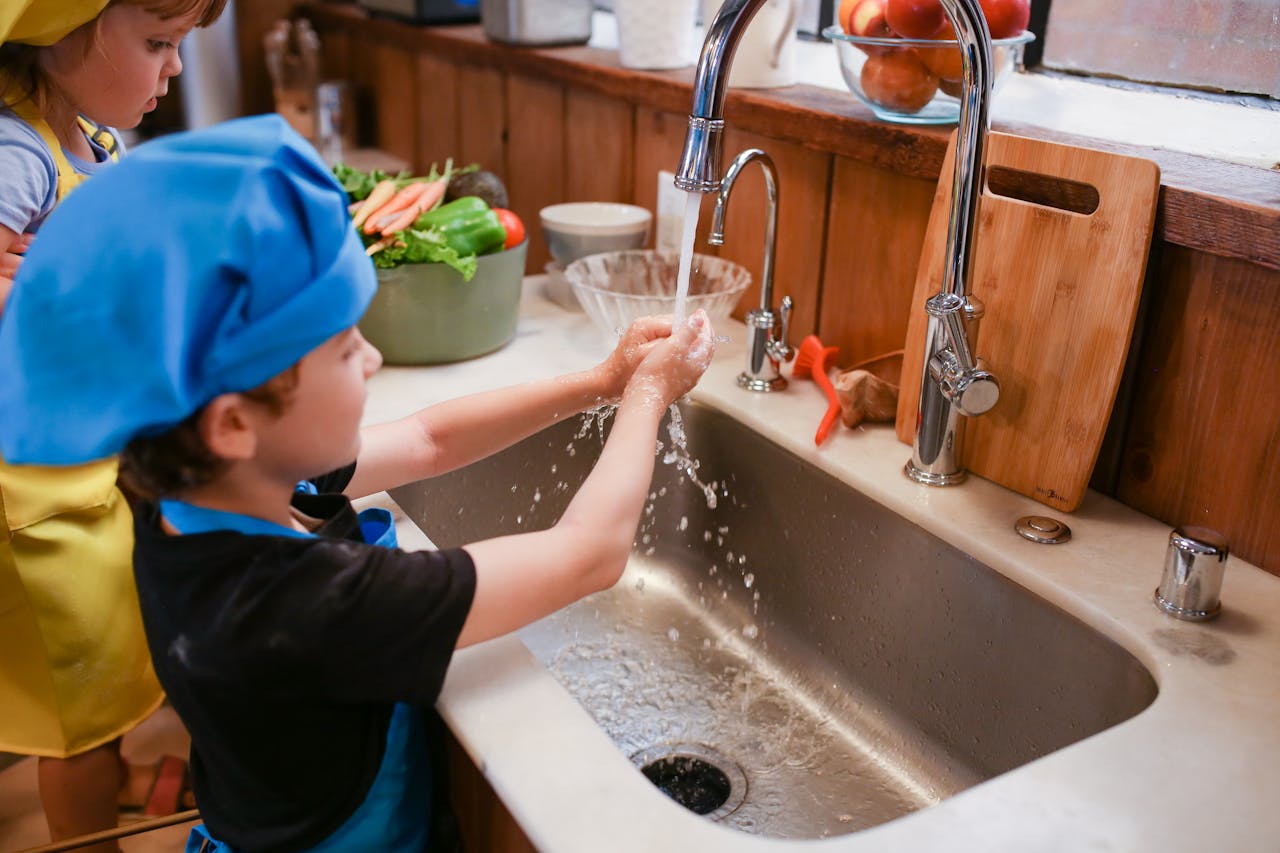
Handwashing was once treated as a formality before meals, but now we know it’s a frontline defense against illness and infection. Teaching children that clean hands protect not just themselves but also friends and family makes hygiene meaningful instead of mechanical. By showing them germs are invisible but powerful, parents turn this routine into an empowering habit. Handwashing becomes more than a chore; it’s a small act of kindness to others. Over time, this simple wellness practice instills responsibility, reminding kids that little actions can have a big impact on health.
11. Spending Time Outdoors

Outdoor play was once dismissed as unproductive compared to studying indoors, but research shows nature restores focus, creativity, and emotional balance. Sunlight provides vitamin D, movement strengthens the body, and greenery reduces stress; all while kids simply play. Teaching children that the outdoors is as important for learning as books reframes fresh air as a necessity, not a luxury. It reminds them that health is tied to both mind and body, and that joy can be found in the simplest places. Nature becomes their lifelong teacher in balance and renewal.
12. Saying “No” When Overwhelmed

Saying no was once viewed as impolite or selfish, but healthy boundaries are now recognized as key to emotional and mental wellness. Teaching kids it’s okay to decline invitations, extra tasks, or activities when they’re overwhelmed helps them respect their limits. They learn that true kindness includes caring for themselves as well as others. This lesson empowers children to build stronger relationships, as boundaries prevent resentment and fatigue. Saying no is reframed as courage, showing them that self-respect is the foundation of a balanced, fulfilling life.
Wellness has always been about more than just the absence of illness; it’s about thriving. By reframing old misconceptions, we can teach kids habits that nurture both their bodies and minds. These once misunderstood lessons now stand as timeless truths that prepare children for a healthier, more balanced life.