

As parents, it’s natural to want to support and protect our children at all costs. However, constantly stepping in to solve their problems or complete their tasks can sometimes hinder their growth instead of helping. When kids don’t get the chance to face challenges independently, they miss out on valuable lessons that build resilience, confidence, and problem-solving skills. Here are 12 ways over-helping your kids can unintentionally do more harm than good.
1. Undermines Their Independence

When parents take over tasks for their children, kids don’t learn how to do things on their own. This lack of practice can make them overly reliant on adults and hesitant to try new things independently. Over time, they may struggle with decision-making and self-care skills. Encouraging kids to handle age-appropriate responsibilities fosters independence and builds their self-confidence.
2. Prevents Learning from Mistakes
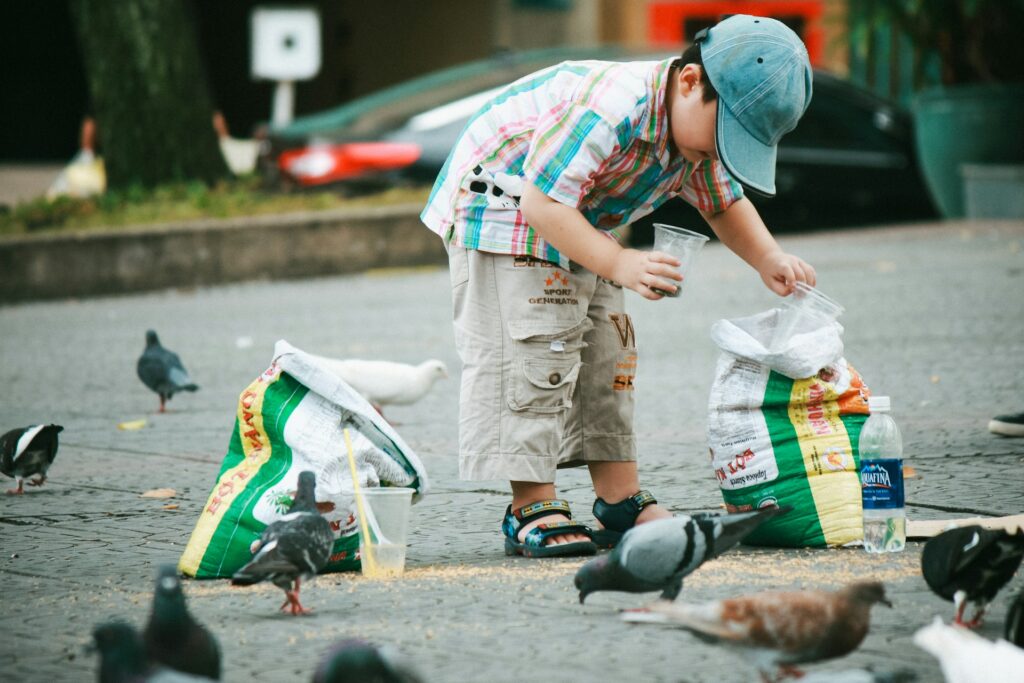
Mistakes are essential for growth and learning. When you constantly rescue your child from failure, they miss opportunities to understand consequences and develop problem-solving abilities. Allowing kids to experience setbacks teaches resilience and perseverance. By stepping back, you help them develop a healthier relationship with failure as a natural part of learning.
3. Lowers Their Confidence

Helping too much can unintentionally send the message that you don’t believe your child can succeed alone. This can cause them to doubt their own abilities and shy away from challenges. On the other hand, when children accomplish tasks by themselves, it boosts their confidence and motivates them to take on more. Confidence gained through effort and success is lasting and empowering.
4. Creates Anxiety and Fear of Failure
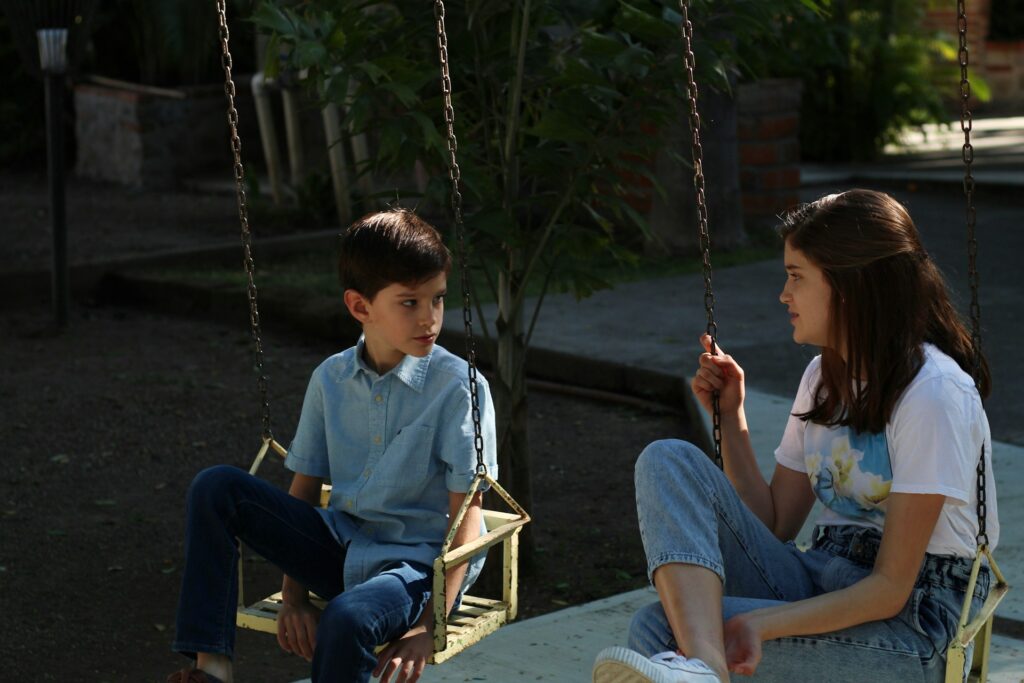
If kids are used to constant parental intervention, they may become anxious about handling situations on their own. They might fear making mistakes or disappointing others, which can lead to avoidance behaviors. Teaching children to face difficulties helps them build emotional strength and reduces anxiety. It’s important to support them without taking over so they learn to manage their fears.
5. Limits Problem-Solving Skills

Children develop critical thinking and problem-solving skills by figuring things out for themselves. Over-helping deprives them of the chance to analyze situations and come up with solutions. When kids solve problems independently, they become more resourceful and adaptable. Giving them space to think fosters creativity and confidence in their own judgment.
6. Reduces Motivation and Effort

If kids know someone else will always fix things, they may put in less effort or lose motivation to try. This can lead to a habit of passivity and dependency. Encouraging children to work through challenges teaches perseverance and the value of hard work. Effort and persistence are key to developing a growth mindset and long-term success.
7. Interferes with Social Development

Kids need to navigate social situations and conflicts on their own to develop healthy interpersonal skills. Constant parental involvement can prevent them from learning negotiation, compromise, and empathy. Allowing children to handle friendships and disagreements helps build emotional intelligence. These skills are crucial for forming strong, lasting relationships.
8. Teaches Entitlement

Over-helping can unintentionally foster a sense of entitlement, where kids expect others to always solve their problems. This mindset can hinder their ability to take responsibility for their actions. Teaching children accountability and self-reliance helps them understand the importance of contributing and working for what they want. It also prepares them for adult responsibilities.
9. Increases Parental Stress

Taking on too much can be exhausting and overwhelming for parents. Constantly managing your child’s challenges leaves less time and energy for your own needs. Letting kids take charge of appropriate tasks can reduce stress for everyone. It also helps parents model healthy boundaries and self-care.
10. Delays Developmental Milestones
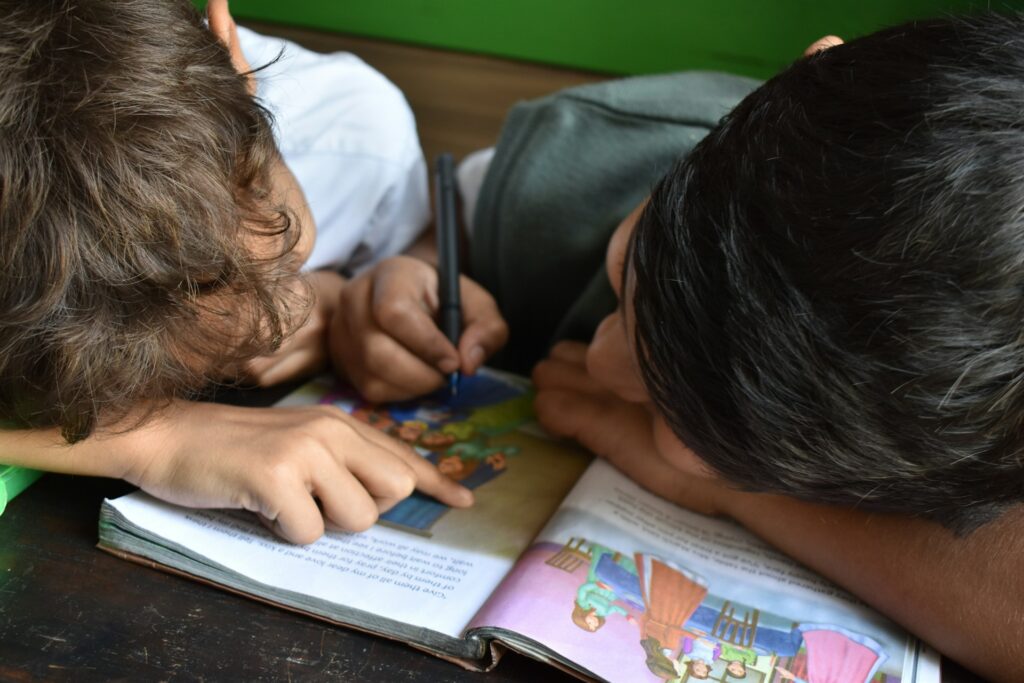
Children develop new skills by practicing and mastering tasks appropriate for their age. When parents do things for them prematurely or too often, kids might lag behind expected developmental milestones. Encouraging kids to try and succeed at their own pace supports healthy growth. It also builds a sense of achievement and progress.
11. Makes Transitions Harder

Over-helping can make big life transitions—like starting school or moving to a new environment—more difficult for kids. Without experience in handling challenges, they may feel less prepared and more dependent on adults. Allowing children to practice coping strategies early builds resilience and confidence for future changes. This makes transitions smoother and less stressful.
12. Limits Their Sense of Ownership

When kids don’t have to take responsibility for tasks or decisions, they miss out on feeling ownership and pride in their accomplishments. This sense of ownership motivates engagement and a positive attitude toward learning. Encouraging children to take charge of their activities, chores, and learning empowers them. It creates a stronger connection to their successes and builds lasting self-esteem.