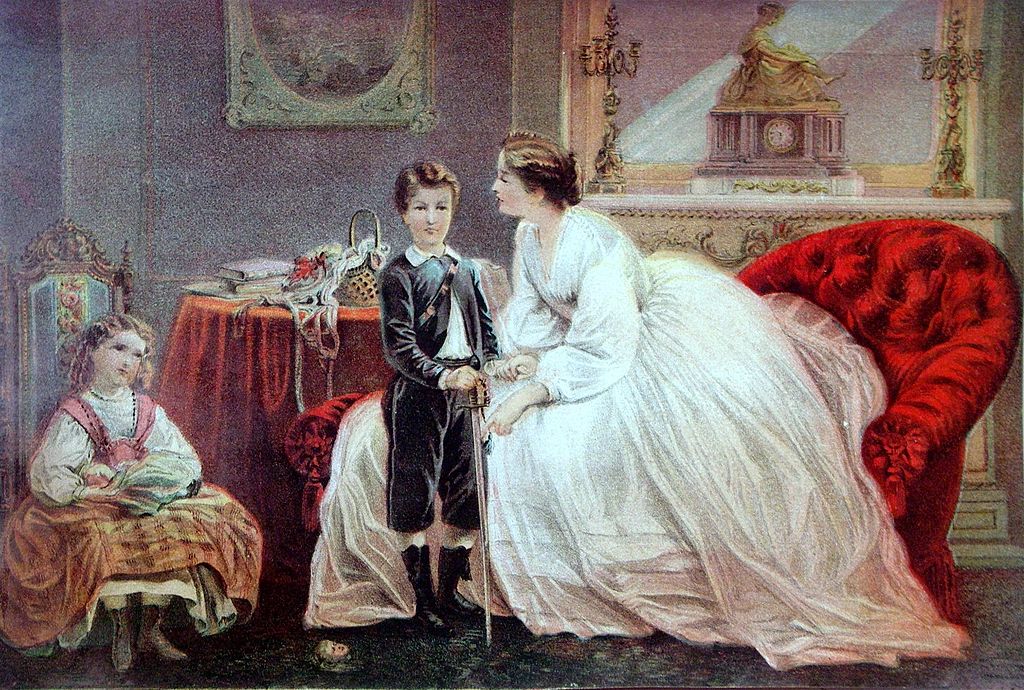
Life in early America was often challenging, with long workdays and limited resources, yet colonists found creative and engaging ways to enjoy themselves. Leisure was deeply connected to community, seasonal cycles, and resourcefulness. Entertainment often relied on simple materials, ingenuity, and the joy of shared experiences. Understanding how early Americans spent their free time provides insight into their culture, values, and resilience. These activities, though humble by modern standards, offered connection, relaxation, and celebration amidst the demands of colonial life.
Outdoor Games
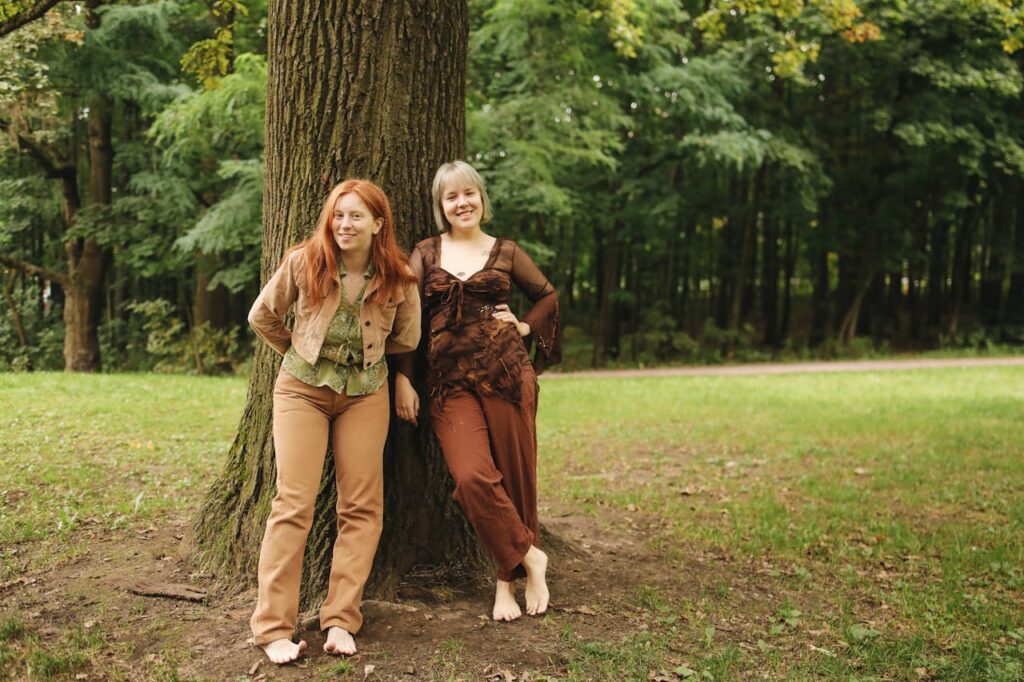
Children and adults alike spent significant time outdoors. Games such as tag, hopscotch, and marbles were popular because they required minimal equipment. These activities encouraged physical activity, coordination, and social interaction. Colonists often played in open fields, village greens, or near waterways, making the outdoors a central part of daily life. These games not only entertained but also helped children develop skills essential for survival and work.
Swimming and Fishing
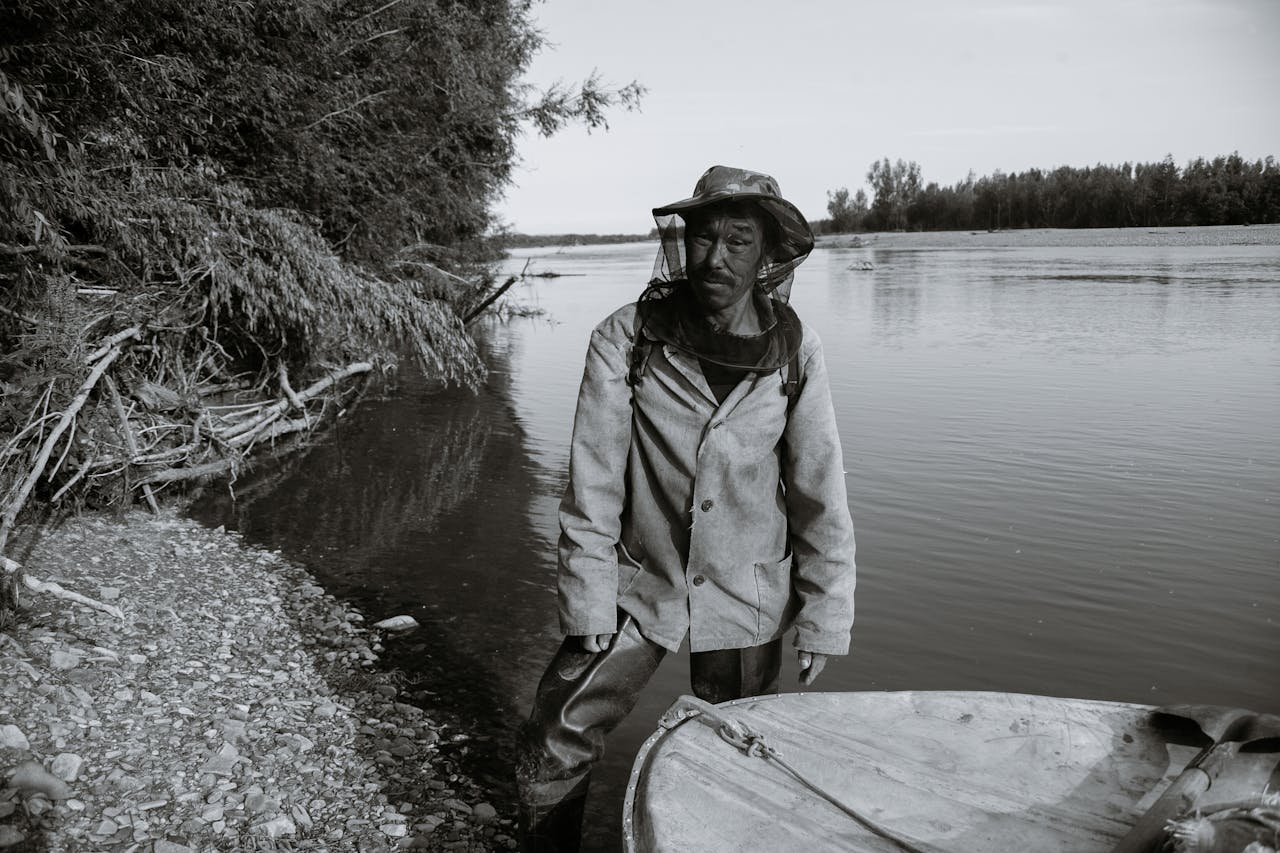
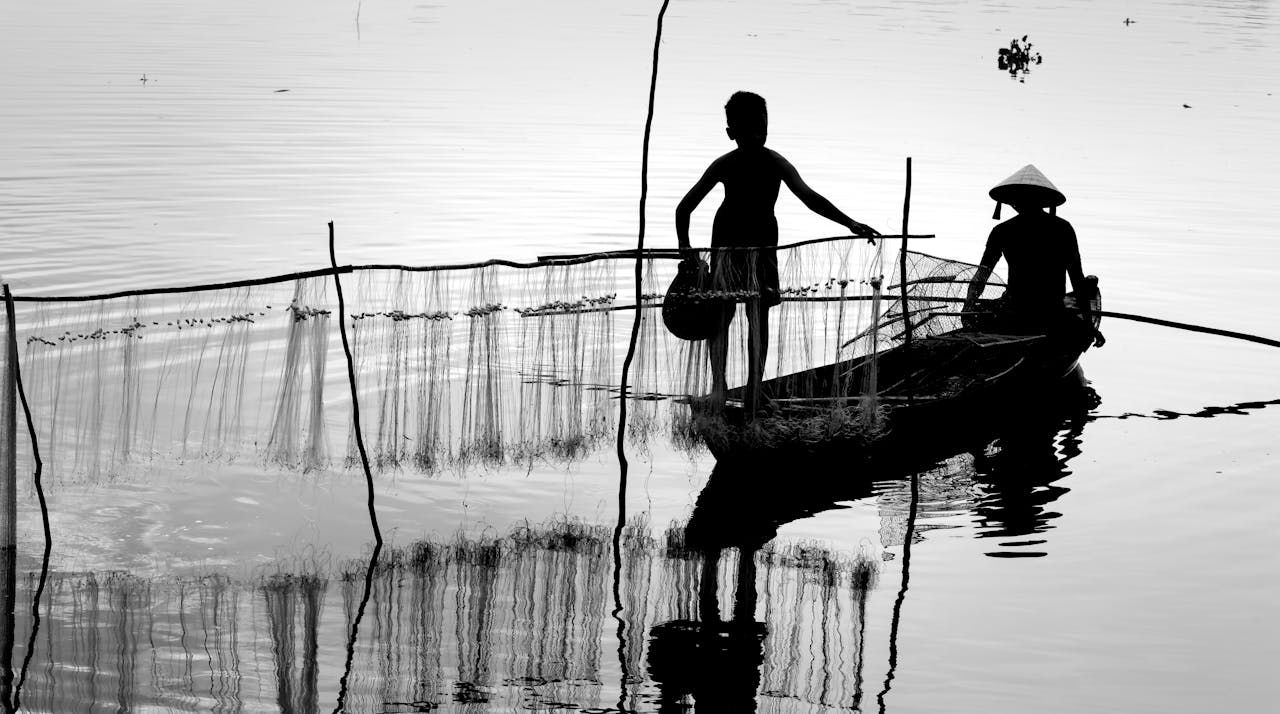
Water-based activities were both practical and recreational. Swimming in rivers, ponds, or streams provided fun and cooling relief during warm months. Fishing served as a source of food and a leisurely pastime, combining relaxation with productivity. Families often spent hours near water, bonding while catching fish or teaching children essential skills. These activities reflect the colonists’ close relationship with their natural surroundings.
Kite Flying
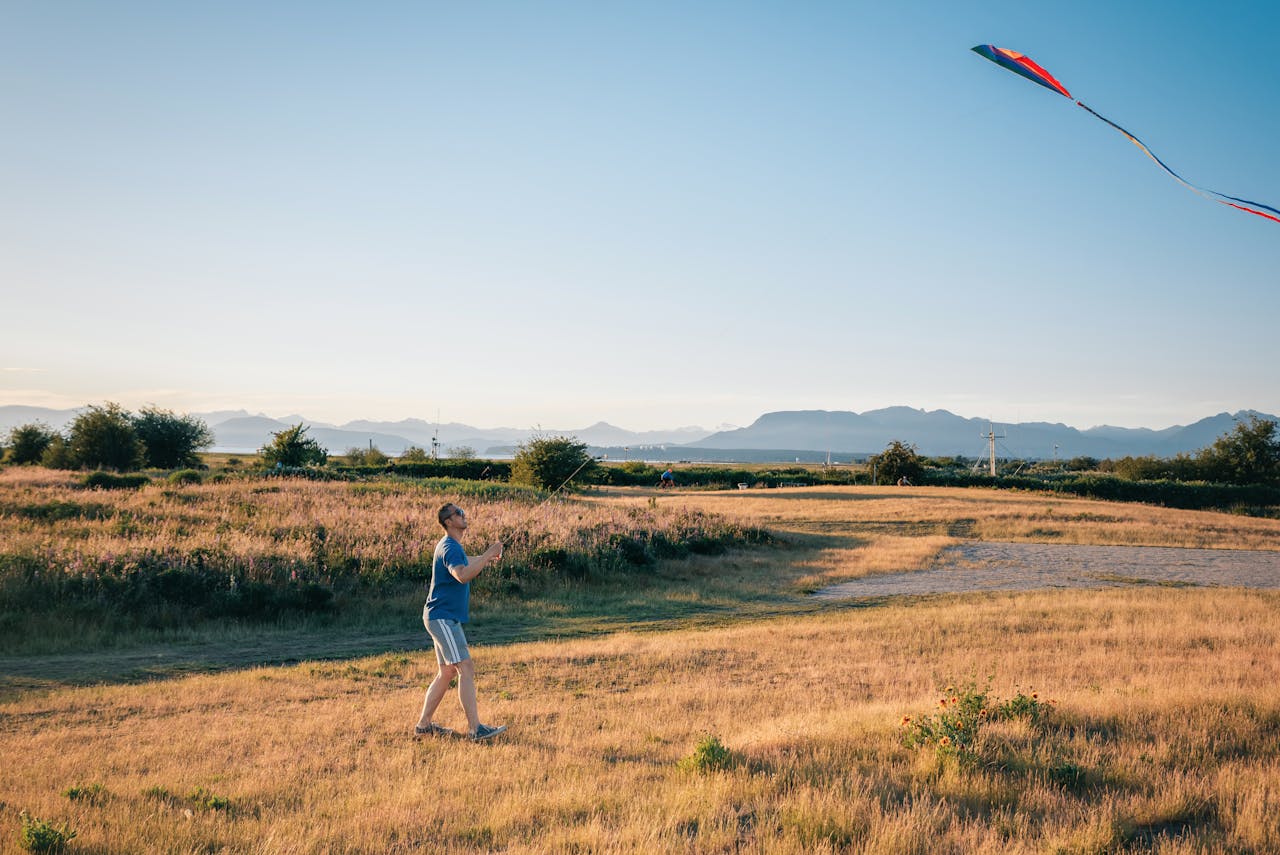
Simple pastimes like kite flying were popular among colonial children. Using materials such as paper, sticks, and string, children crafted their own kites. This activity promoted creativity and technical skill while providing hours of entertainment. Flying kites also became a social event when children competed to see whose kite could soar highest. Even without modern toys, colonists found ways to spark imagination and play outdoors.
Card Games and Board Games
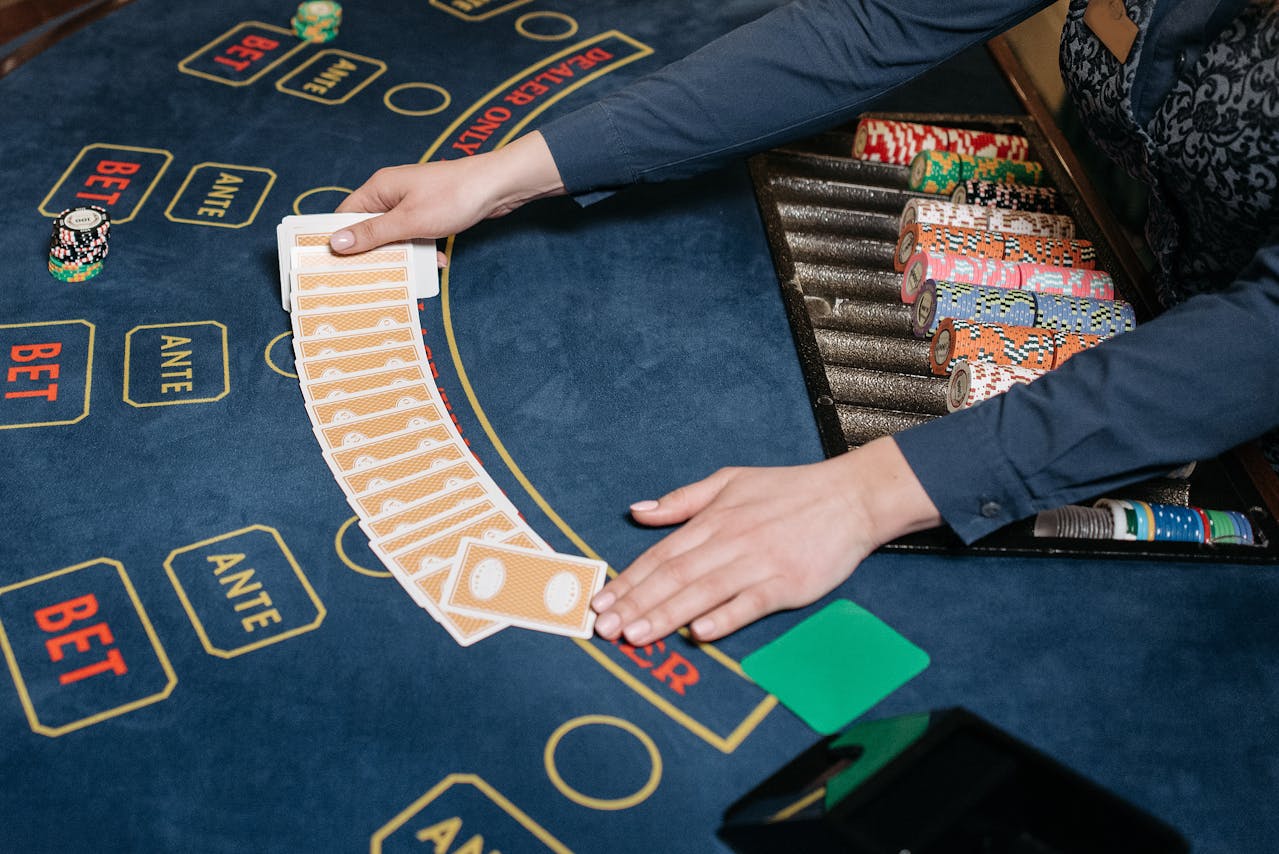
Adults frequently gathered for card games, chess, checkers, and other board games. These activities were a source of entertainment and social interaction, particularly during long winter months. Games often involved strategy and skill, reflecting the value placed on intelligence and wit. They also provided an opportunity for storytelling and conversation. Such gatherings strengthened bonds within communities and families.
Dancing and Music

Music and dance were integral to social life. Colonists often held dances at community halls or private homes, celebrating special occasions and festivals. Instruments like fiddles, flutes, and drums accompanied lively dances, which allowed people to unwind and socialize. Dance also served as a way to pass down traditions and cultural practices. The combination of music and movement was both recreational and expressive, enriching the communal life of early America.
Storytelling

Storytelling was a cornerstone of colonial leisure. Adults and children gathered to share folktales, family stories, and news from distant places. Oral storytelling preserved history, culture, and moral lessons. It also stimulated imagination and provided entertainment during long evenings. This practice reinforced social bonds and encouraged literacy and memory skills among young listeners.
Crafting and Hobbies
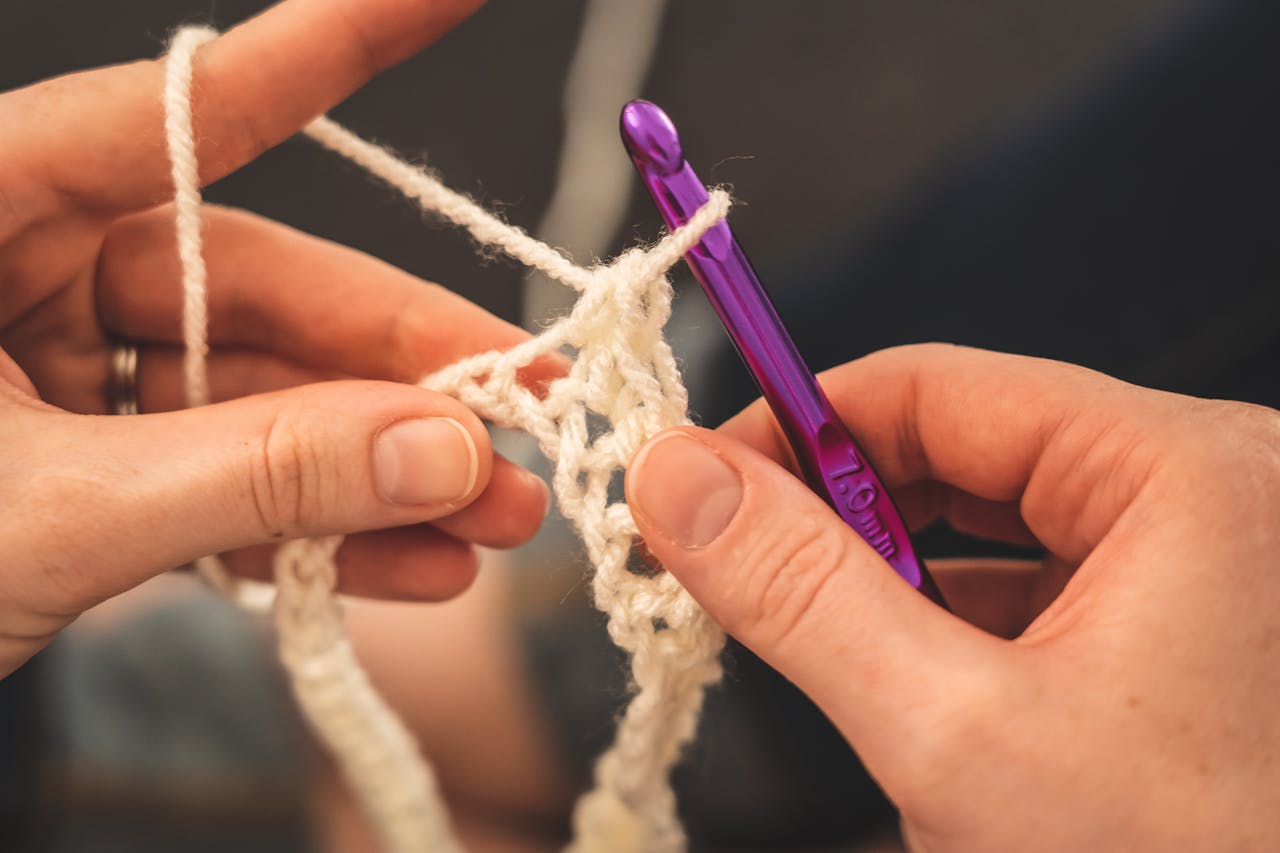
Colonists engaged in practical hobbies such as woodworking, weaving, and needlework. These activities were productive yet enjoyable, blending creativity with necessity. Children often made toys from scraps, while adults created functional household items. Crafting encouraged ingenuity and a sense of accomplishment. These hobbies also helped communities maintain a self-sufficient lifestyle.
Community Festivals
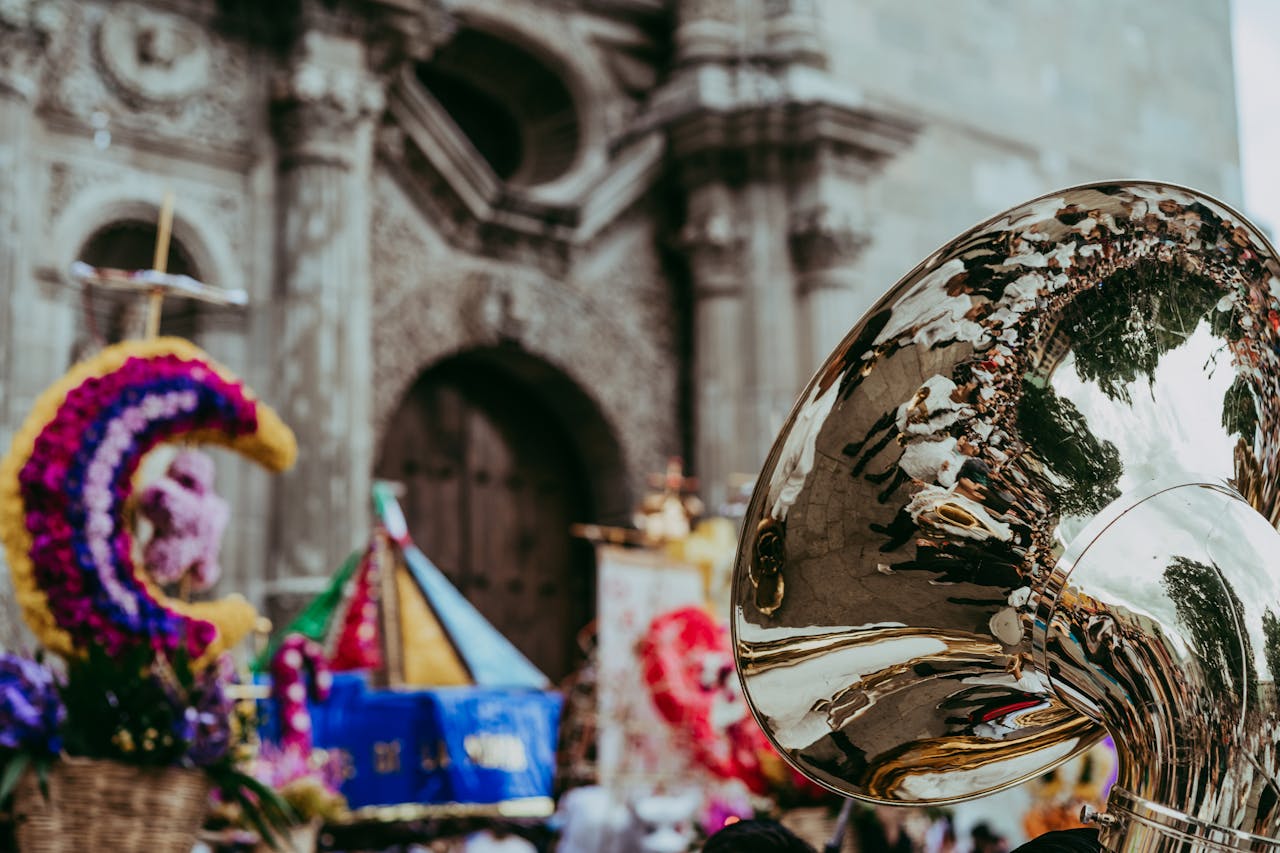
Festivals, fairs, and seasonal gatherings were important social events. Celebrations such as harvest festivals or religious holidays featured games, food, music, and dancing. Community members came together to share resources, trade goods, and enjoy entertainment. These events strengthened social cohesion and provided relief from the hard work of daily life. Festivals allowed colonists to celebrate together, fostering a sense of belonging.
Hunting and Archery
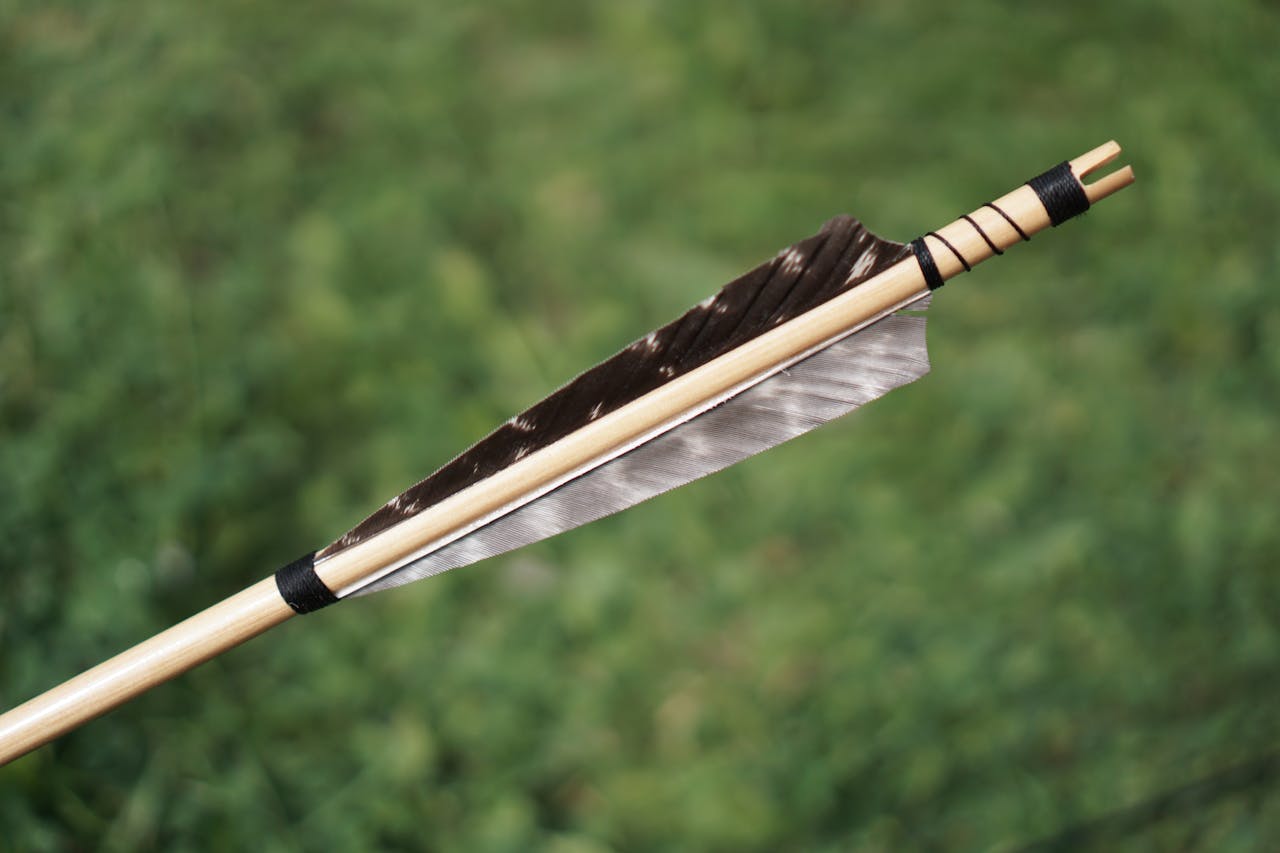
Hunting was both practical and recreational. While primarily a source of food, hunting trips also provided opportunities for camaraderie and skill development. Archery contests were common in some communities, testing accuracy and precision. These activities combined physical exercise, strategy, and social engagement. They reflected the integration of necessity and enjoyment in colonial life.
Sewing and Quilting Bees
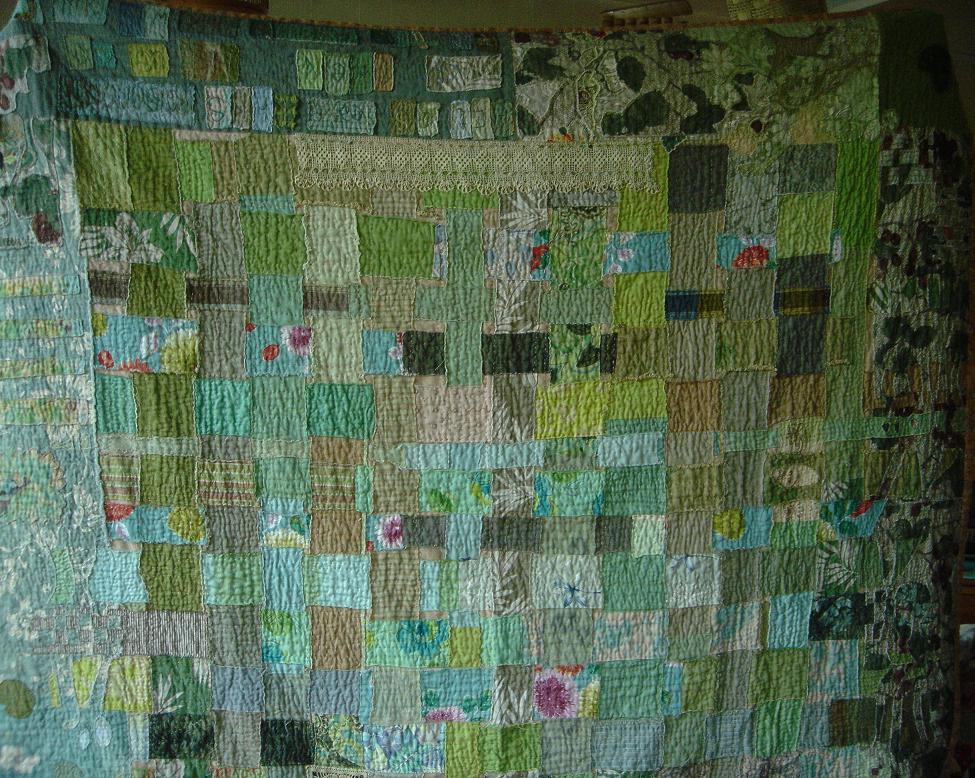
Women often gathered for sewing circles or quilting bees, blending work with social interaction. These gatherings allowed participants to complete household tasks while sharing conversation, stories, and advice. Quilting projects, in particular, could be large communal efforts, resulting in practical and artistic creations. These activities promoted cooperation, creativity, and friendship.
Theatrical Performances

Although less common, small-scale plays and performances were staged within communities. These could range from humorous skits to reenactments of historical events. Performances provided entertainment, moral instruction, and an opportunity to showcase talent. They also fostered creativity and collaboration among participants. Theatre allowed colonists to enjoy storytelling in a lively and communal way.
Religious and Social Gatherings
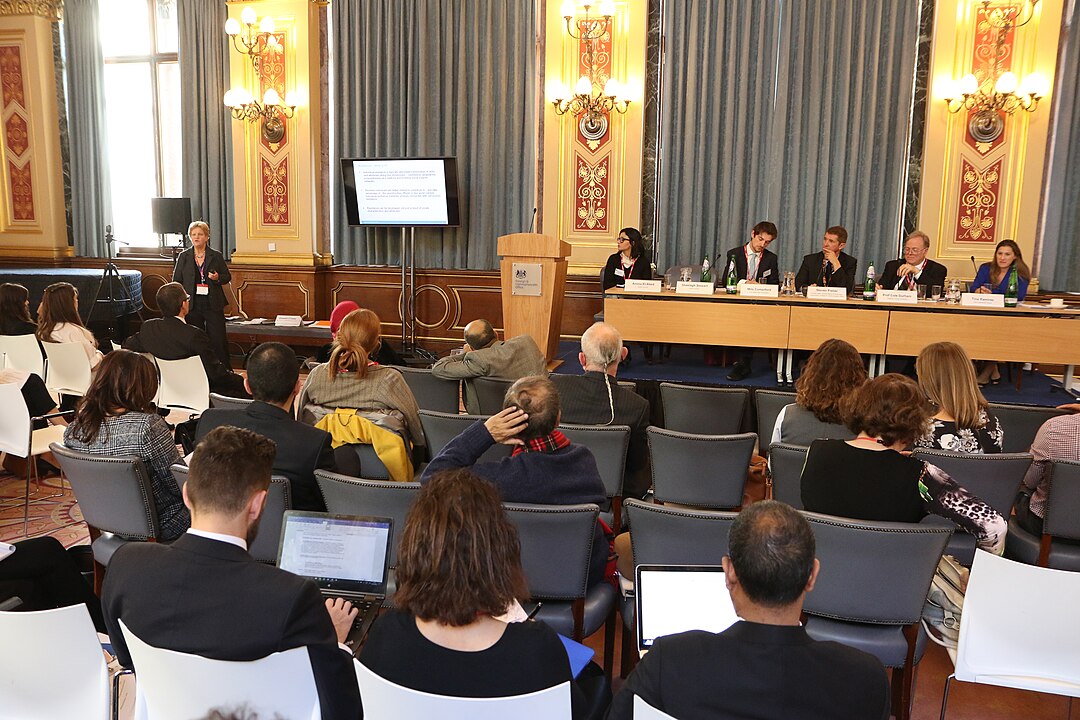
Church services and community meetings were central to social life. While primarily spiritual or civic in purpose, these gatherings also offered informal entertainment and interaction. Singing hymns, listening to sermons, and participating in communal discussions strengthened social ties. Such gatherings were essential to maintaining cultural norms and shared values. Even in serious contexts, they provided a break from routine work.