As climate change reshapes weather patterns across the United States, homeowners are rethinking what comfort and safety mean inside their living spaces. Rising temperatures, stronger storms, and shifting seasons have inspired new design priorities rooted in resilience rather than aesthetics alone. More Americans are embracing home features that protect against long-term environmental stress, and the trend is accelerating in both new construction and renovations. These changes reflect a growing awareness that climate adaptation must happen not only at community levels but also within individual homes. From smarter materials to redesigned outdoor areas, climate-conscious home transformation is becoming the new norm.
Expanding Shade and Cooling Structures
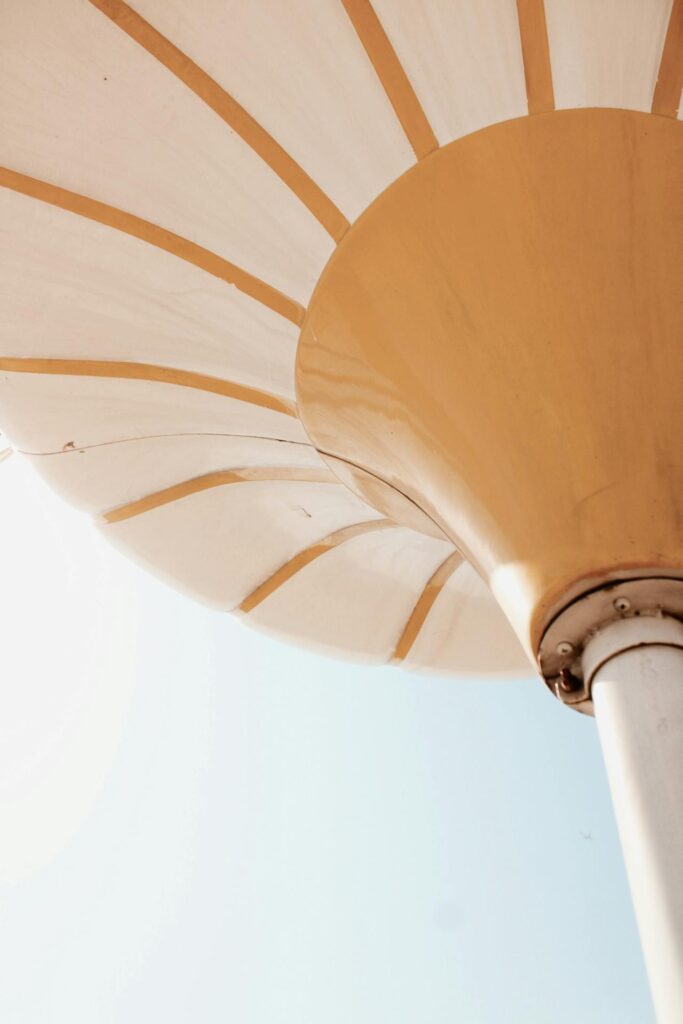
Many homeowners are investing in ways to minimize heat exposure as summer temperatures grow hotter and last longer. Shade sails, pergolas, and covered patios are becoming popular additions that create comfortable outdoor spaces while reducing direct sun on windows and walls. These structures help regulate a home’s overall temperature by shielding areas most affected by heat absorption. Some homeowners are also planting shade trees strategically to naturally cool their property over time. This combination of built and natural shade is increasingly seen as essential rather than optional.
Installing Heat Pumps for All-Season Comfort
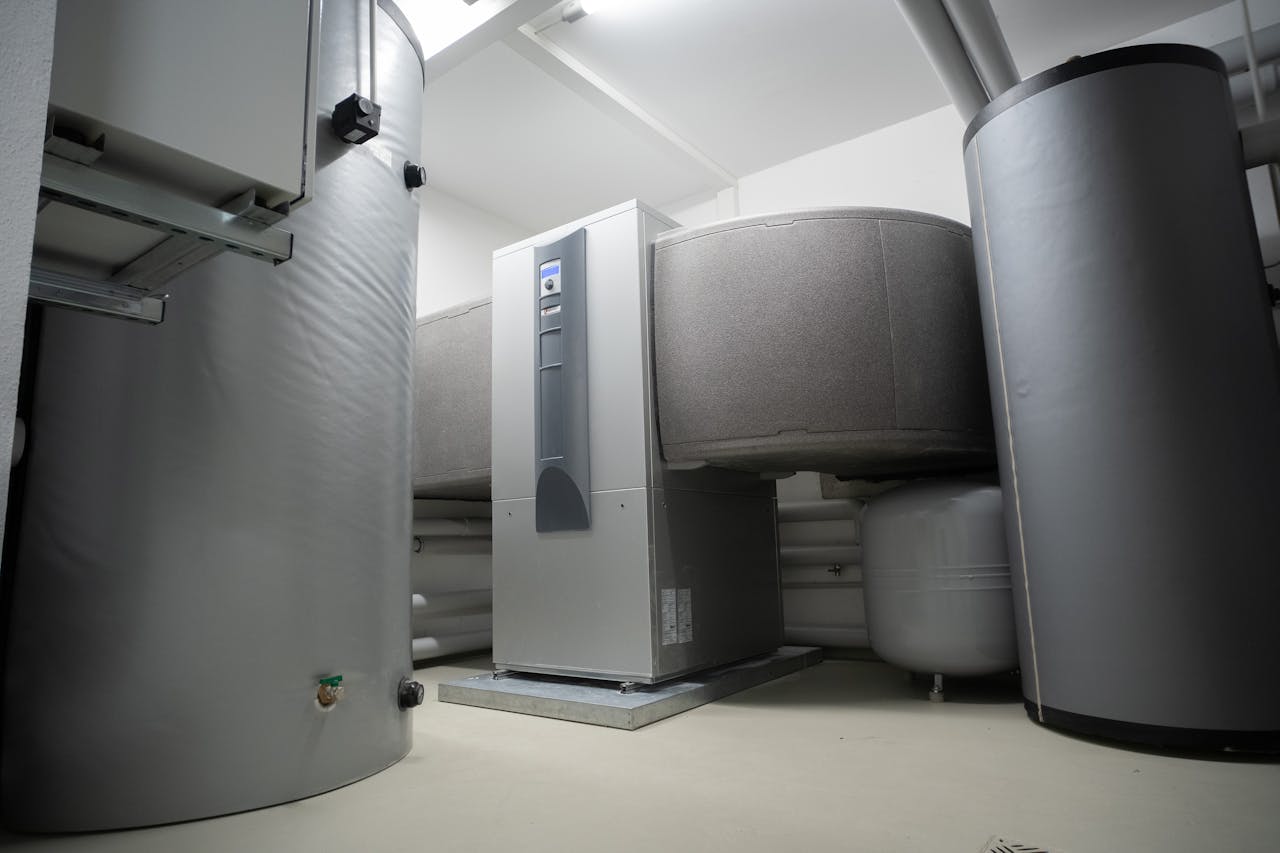
Heat pumps are gaining traction as one of the most efficient ways to maintain indoor comfort in fluctuating climates. They provide both heating and cooling, making them a versatile replacement for traditional HVAC systems that are strained by extreme weather. Advances in cold-climate heat pump technology have made them viable in northern states that previously relied exclusively on gas furnaces. Homeowners appreciate the long-term cost savings and reduced carbon footprint they offer. As energy costs rise unpredictably, heat pumps provide a stable, future-ready solution.
Upgrading Insulation for Temperature Resilience
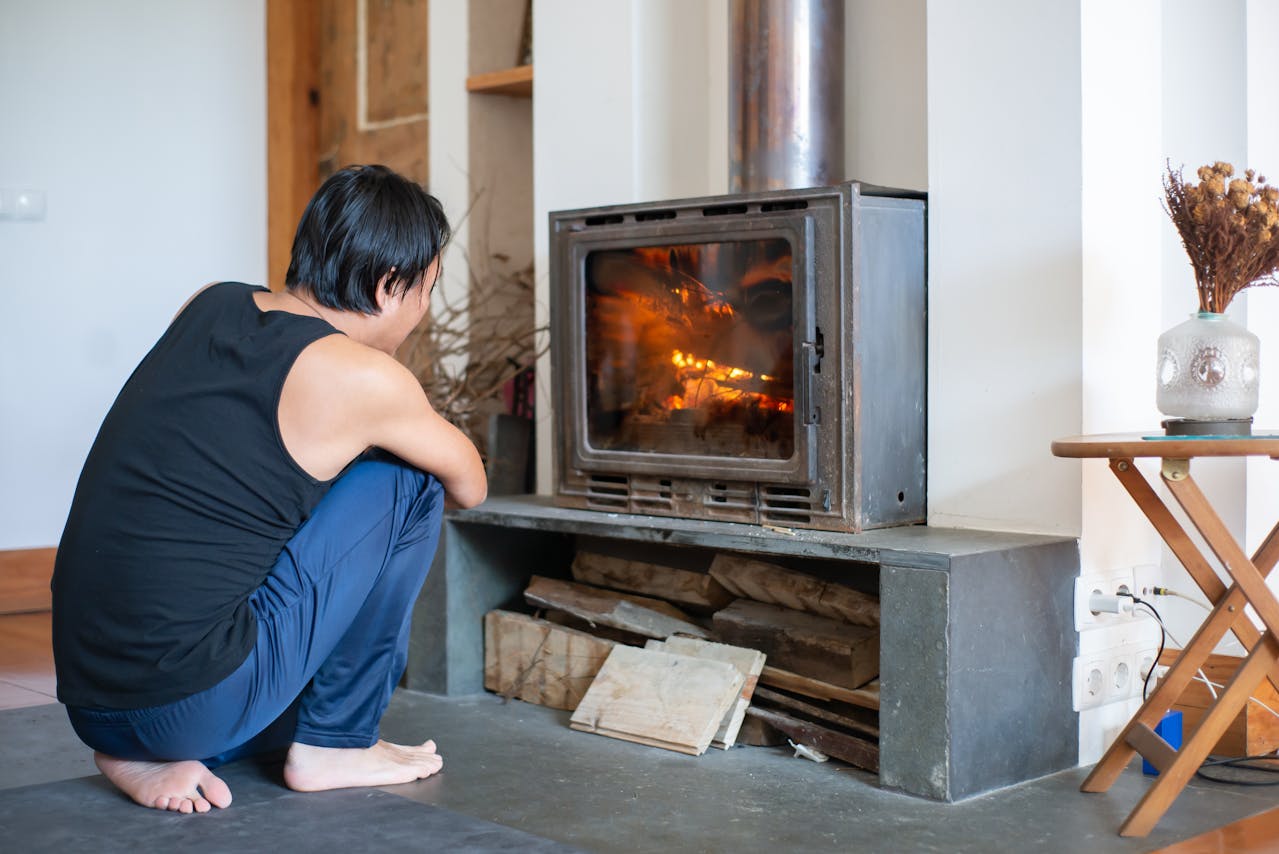
Better insulation is becoming a priority as homeowners recognize its long-term role in energy efficiency and climate protection. Modern insulation materials help stabilize indoor temperatures during both heat waves and winter storms. Many older homes lose significant energy through gaps in walls, attics, and basements, prompting a surge in retrofitting projects. Improved insulation also reduces stress on climate-control systems, helping them last longer and operate more efficiently. This shift highlights a growing preference for upgrades that combine comfort and sustainability.
Reinforcing Roofs Against Extreme Weather
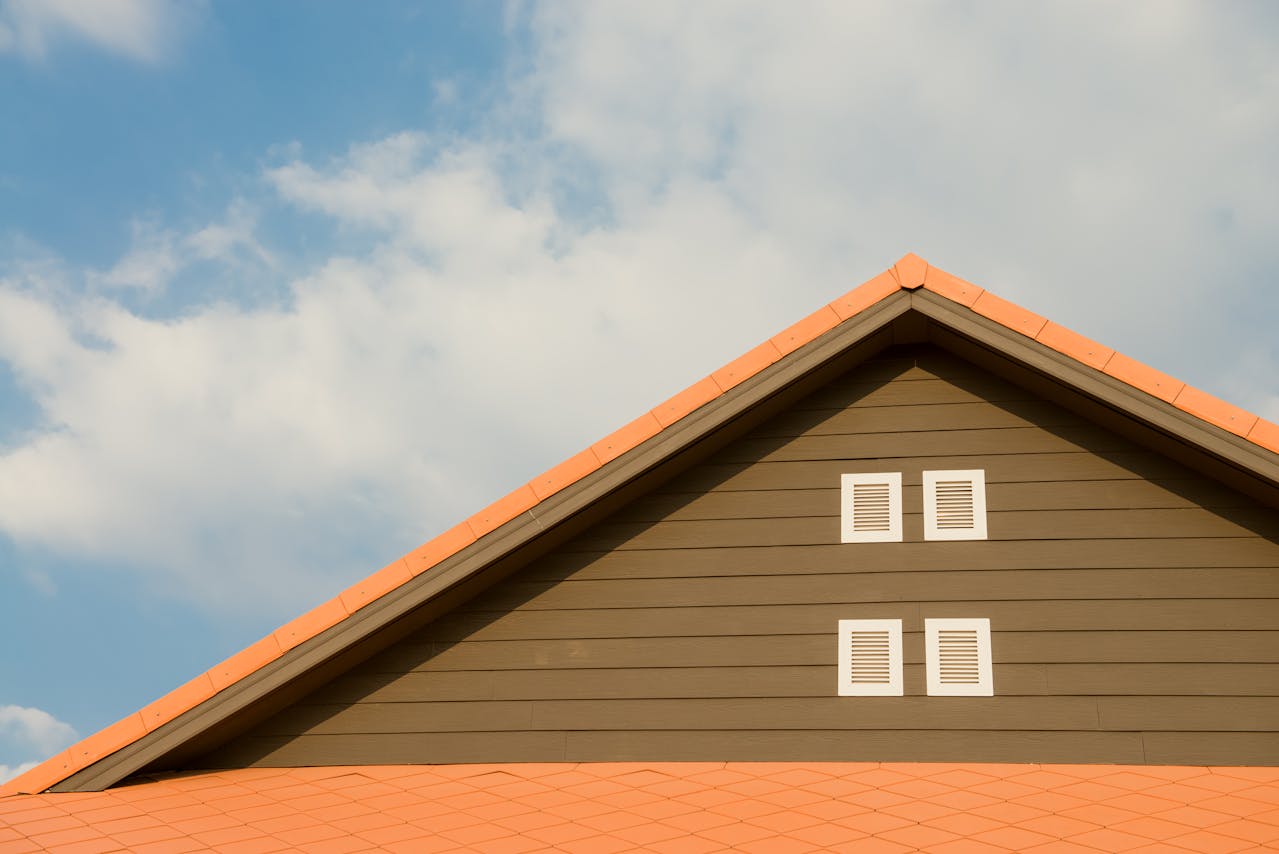
Roofs are receiving more attention as storms grow stronger and more frequent. Homeowners are upgrading to impact-resistant shingles, metal roofing, and reinforced underlayment to withstand high winds and hail. These changes not only reduce storm damage but also help lower insurance premiums in some regions. Areas prone to wildfires are adopting fire-resistant roofing materials that offer better protection during emergencies. This focus on roof resilience is becoming a defining feature of climate-adapted homes.
Creating Storm-Proof Windows and Doors
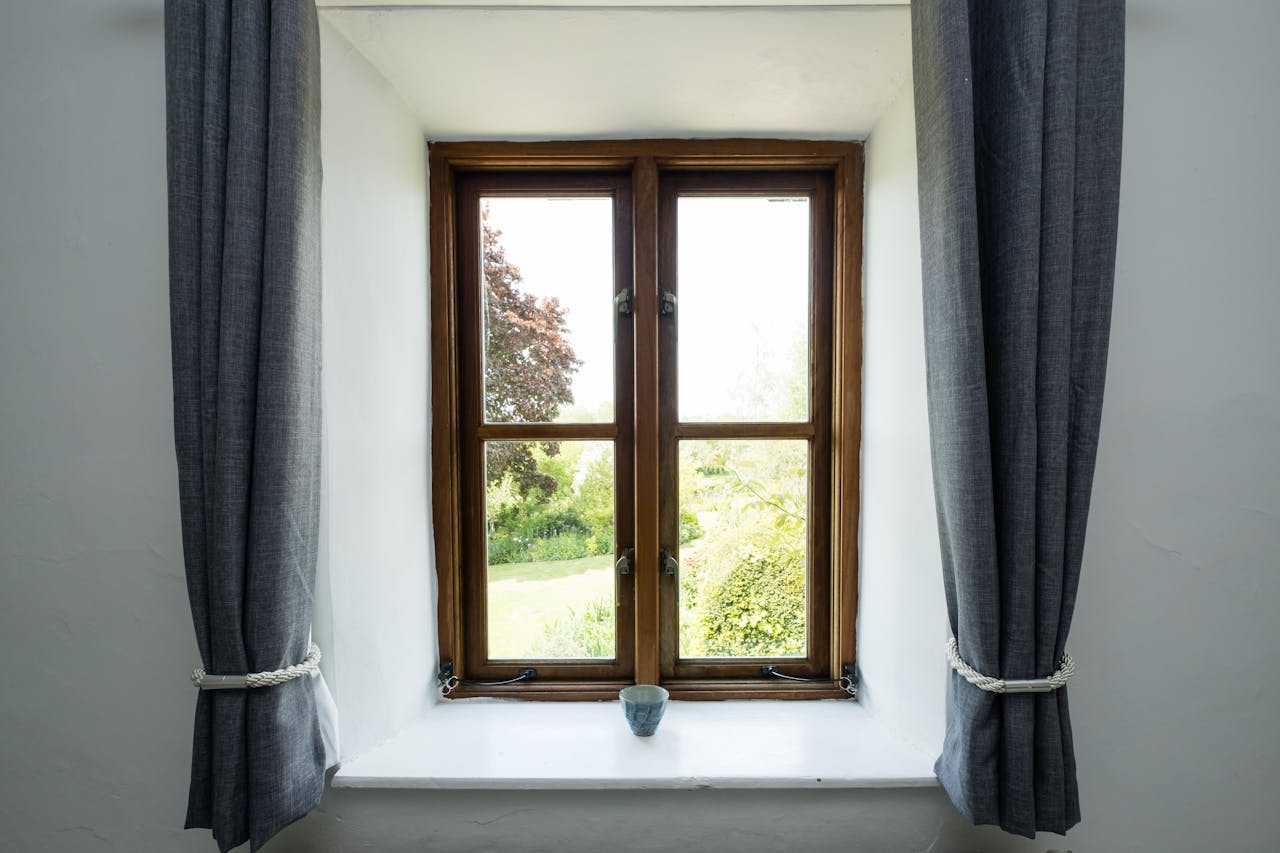
Windows and doors represent some of the most vulnerable points during severe weather events. Impact-rated glass, steel-framed doors, and storm shutters are increasingly being installed in both coastal and inland regions. These features provide essential protection against flying debris, hurricane-force winds, and sudden pressure changes. Beyond safety, energy-efficient window designs help block heat in the summer and retain warmth in the winter. Homeowners are choosing durability paired with long-term savings, making these upgrades highly practical.
Designing Homes for Better Natural Ventilation
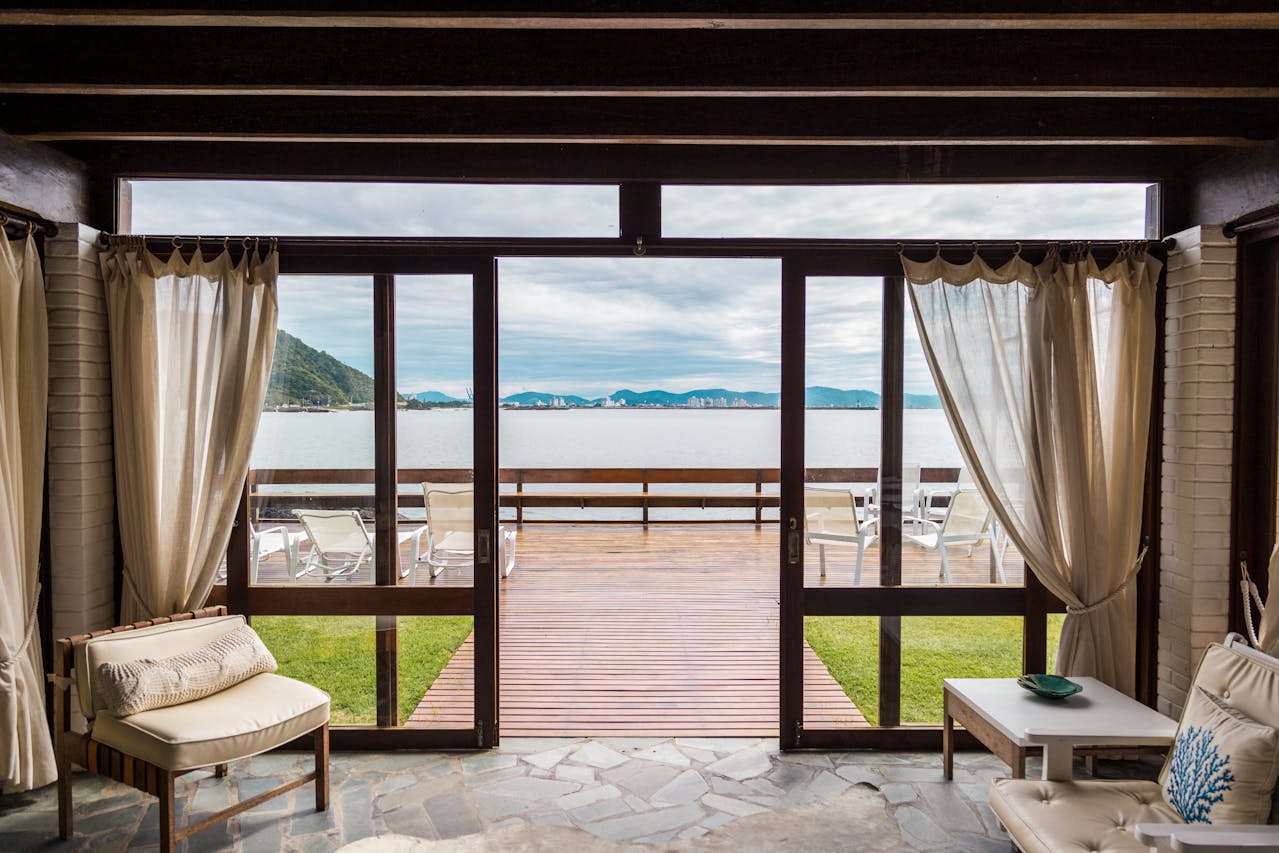
As electricity grids become more vulnerable to heat-related strain and outages, natural airflow has become a key architectural priority. Homeowners are installing larger windows, cross-breeze layouts, and vented skylights to maintain cooling without full reliance on air conditioning. These passive ventilation strategies reduce energy use and improve indoor air quality. In some regions, screened outdoor living spaces are making a comeback to encourage fresh-air living. This shift reflects a growing appreciation for low-tech cooling solutions that support resilience.
Building Rainwater Capture Systems
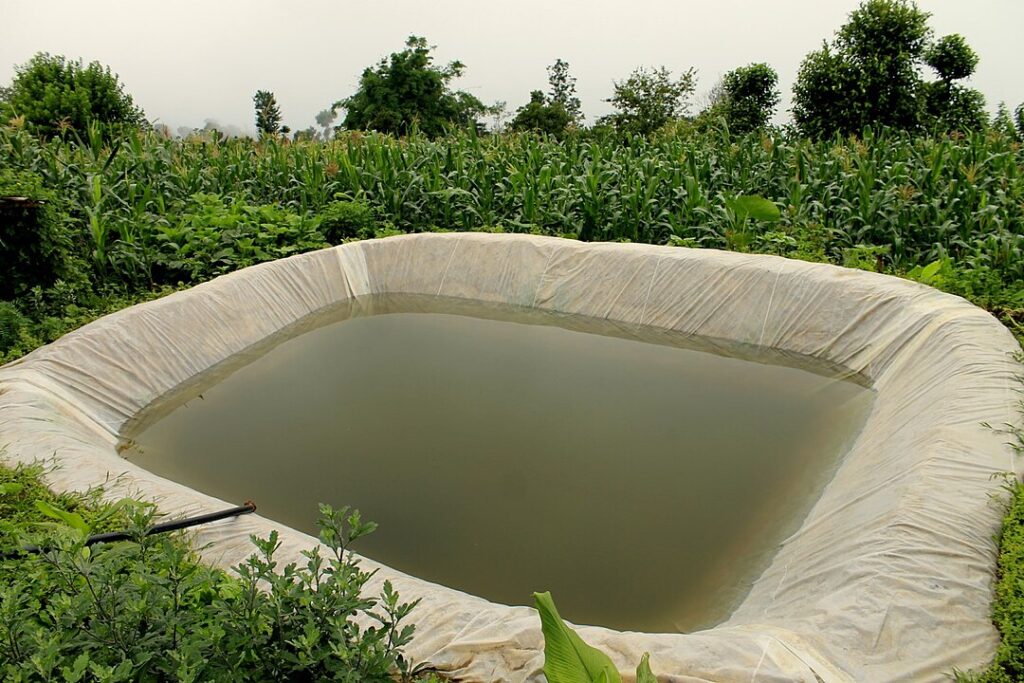
Droughts and unpredictable rainfall patterns have encouraged homeowners to rethink water use. Rain barrels, rooftop collection systems, and permeable landscaping are now common features in climate-adapted homes. These systems reduce dependence on municipal water and help manage stormwater runoff during heavy rains. Collected water can be used for irrigation, reducing the strain on local water supplies. This practical approach supports both sustainability and long-term household self-reliance.
Replacing Lawns With Drought-Resistant Landscaping

Traditional lawns are losing favor as water scarcity intensifies in many parts of the country. Homeowners are turning to xeriscaping, native plants, and low-water ground cover that thrive in hotter, drier conditions. These landscapes require less maintenance while supporting local biodiversity. Rock gardens, succulents, and prairie grasses are replacing thirsty turf to reduce monthly watering costs. This trend reflects a growing shift toward eco-friendly outdoor design.
Adding Backup Power Sources
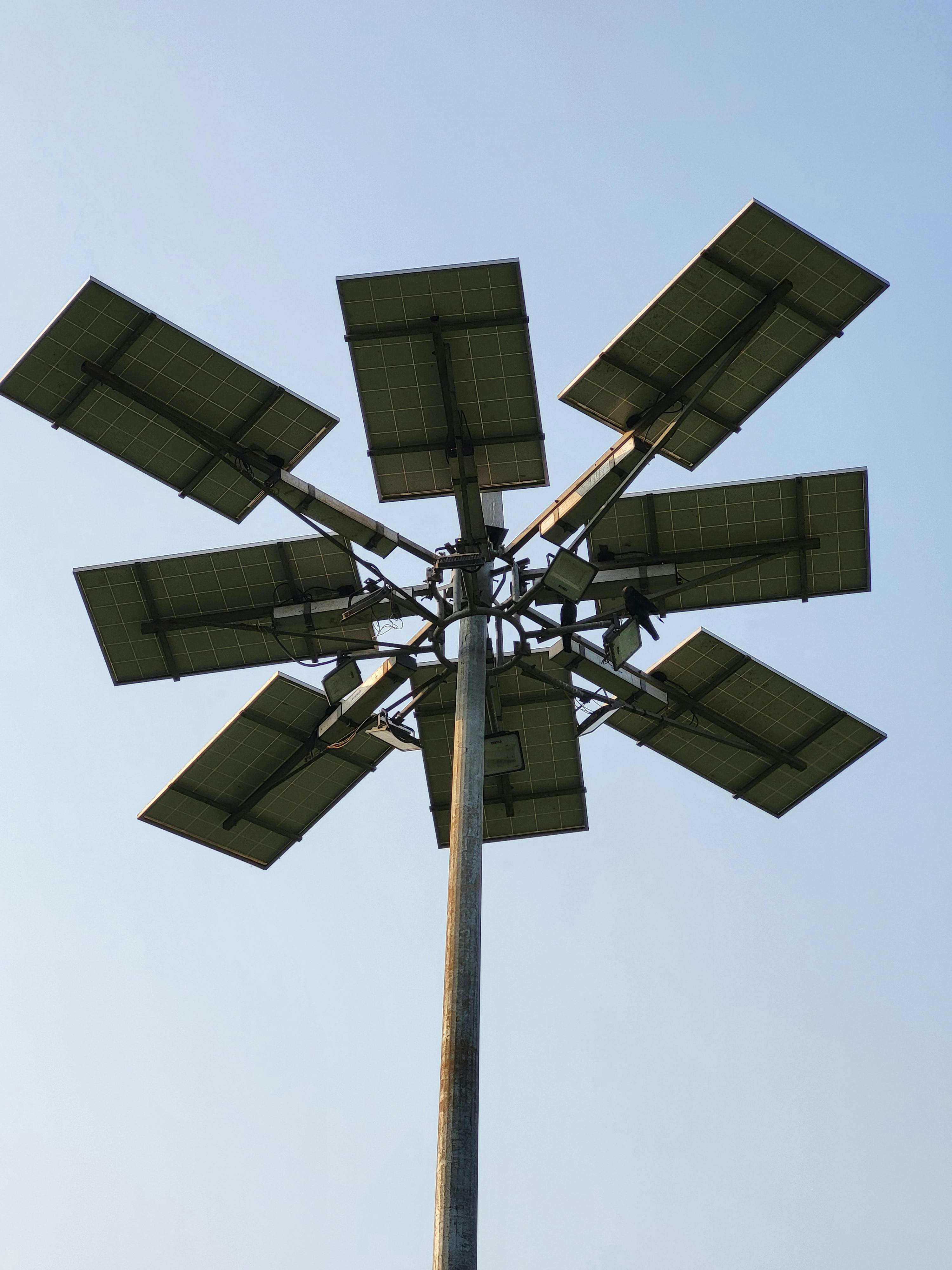
Unpredictable outages caused by heat waves, storms, and grid disruptions have led more homeowners to install backup generators and solar-powered battery systems. These systems ensure that essential devices and appliances stay operational during emergencies. Solar batteries, in particular, provide a sustainable way to store power without relying on fossil fuels. Homeowners also appreciate the independence these systems offer during prolonged outages. As energy reliability becomes uncertain, backup power is transitioning from luxury to necessity.
Building Safer Indoor Air Systems
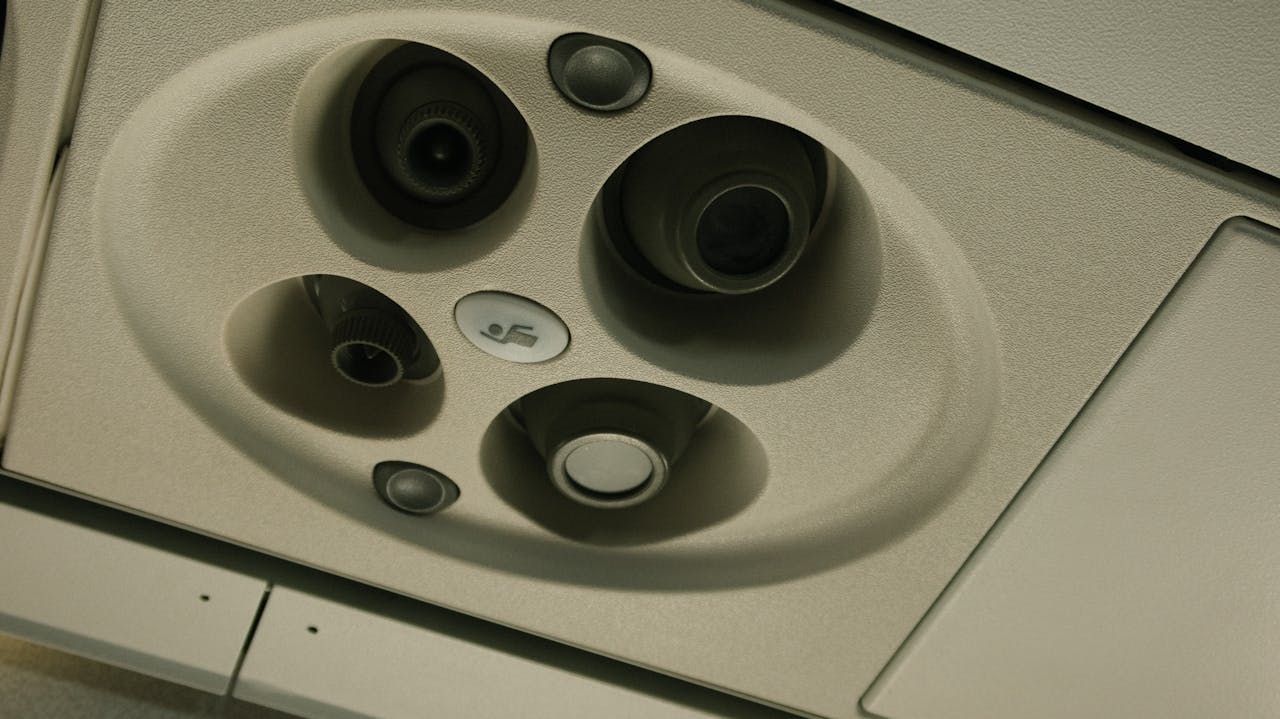
Poor air quality from wildfires, pollution, and extreme heat has made indoor air purification an emerging priority. Homeowners are installing whole-house filtration systems that capture fine particles, smoke, and allergens. Heat pump systems often integrate advanced filters, making them even more appealing. Some homeowners are also adding sealed entryways to limit outdoor air intrusion during high-smoke days. This shift emphasizes the importance of breathing-safe spaces in a changing climate.
Redesigning Kitchens for Energy-Efficient Cooking
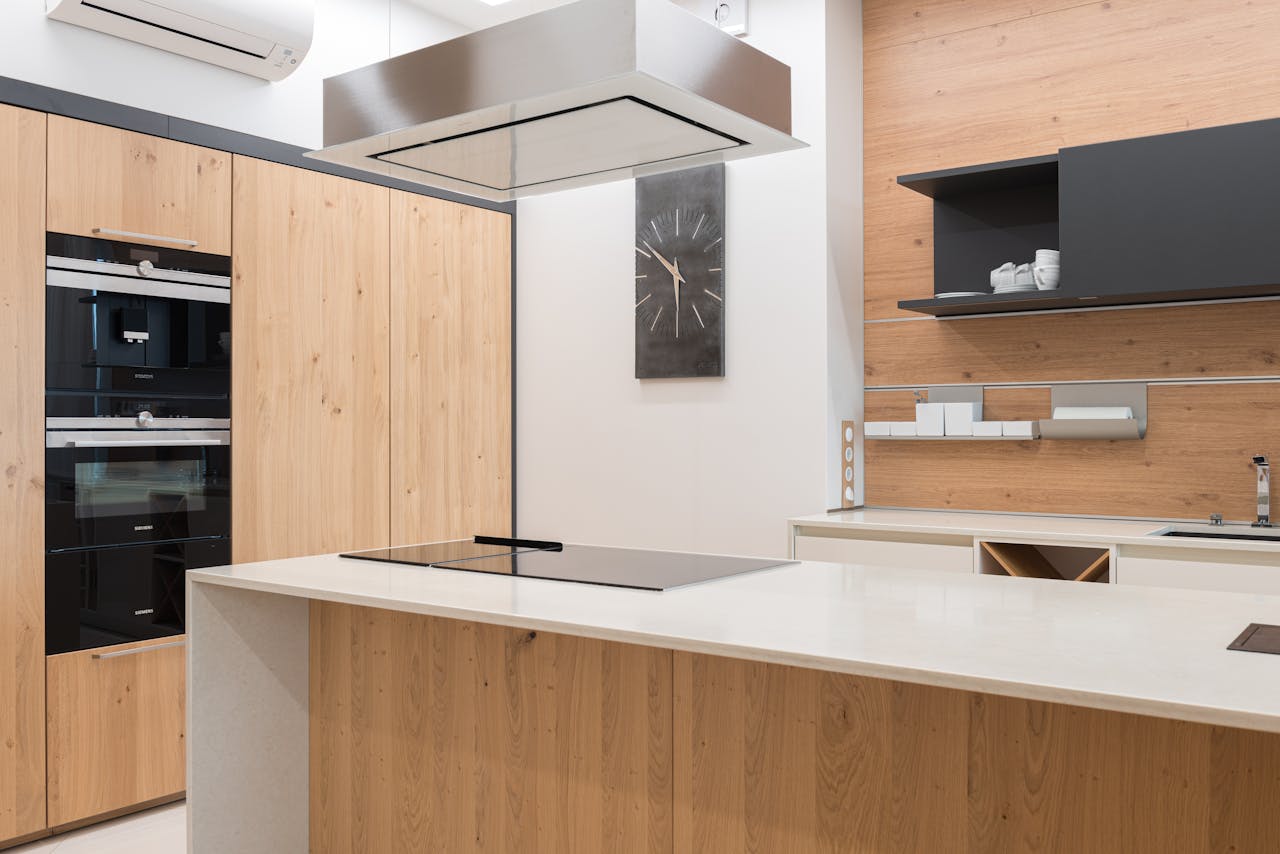
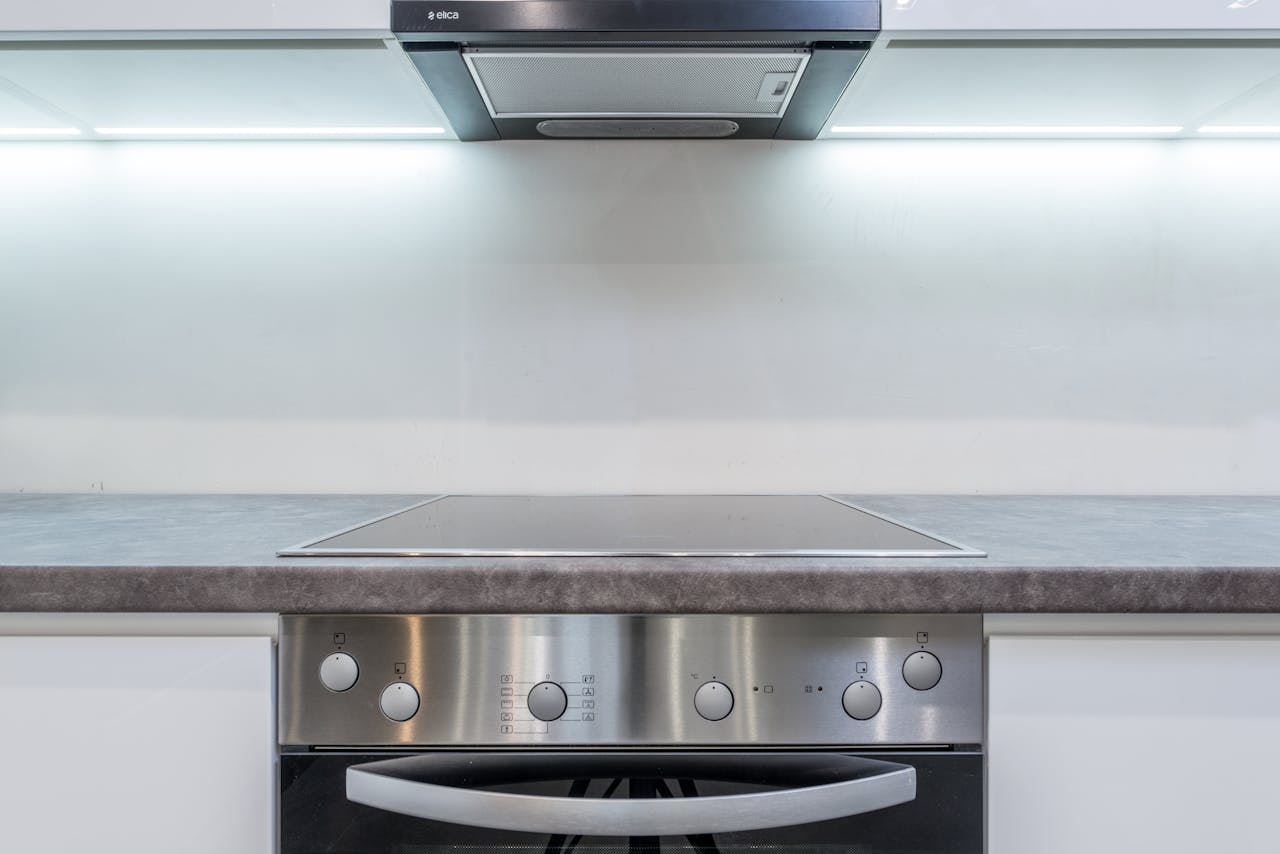
Induction cooktops and efficient appliances are becoming standard as homeowners move away from gas-powered systems. These technologies reduce indoor air pollution and perform better in well-sealed homes. Energy-efficient appliances help lower monthly utility bills, especially during periods of extreme temperature. Ventilation improvements also support healthier indoor environments while cooking. This shift toward cleaner kitchen technology mirrors broader concerns about energy sustainability.
Converting Garages Into Climate-Controlled Storage
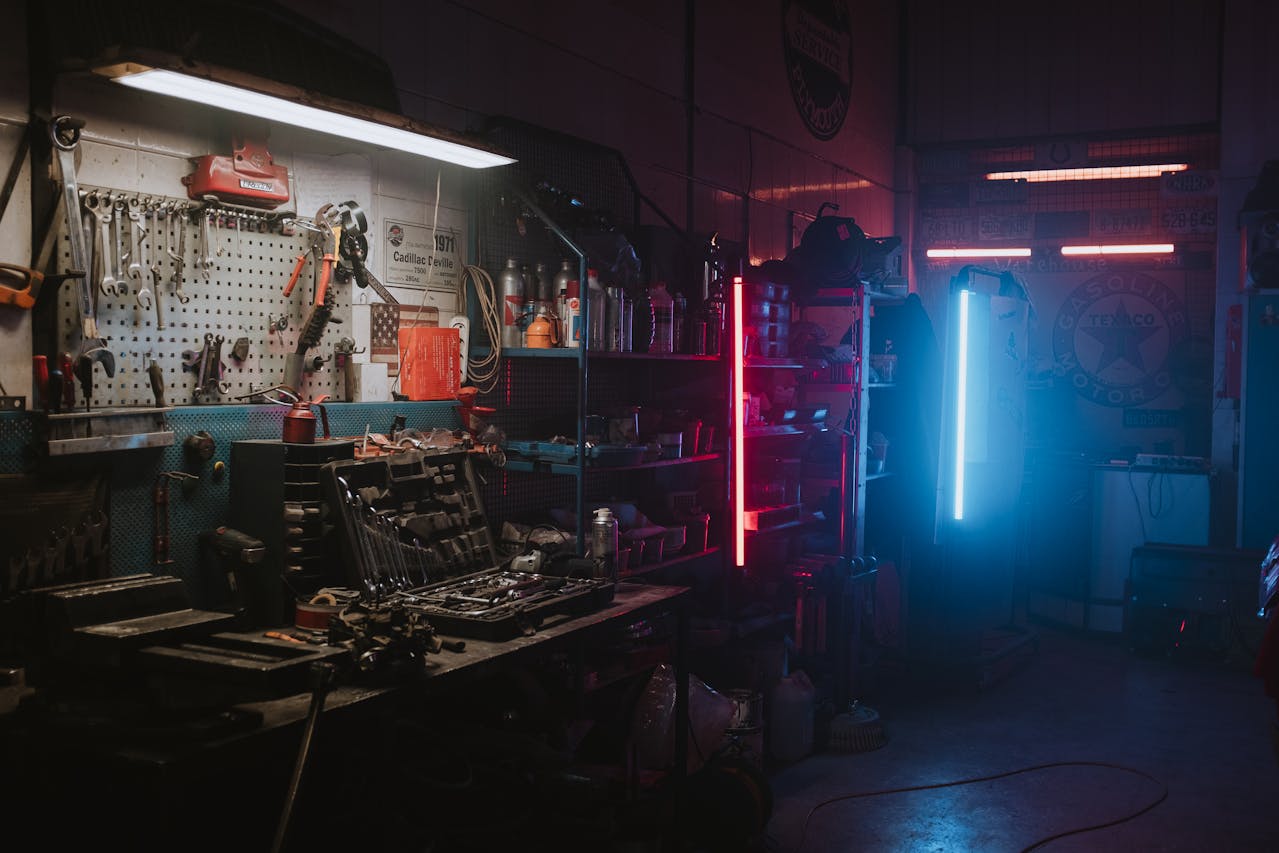
Homeowners are rethinking garages as temperatures fluctuate dramatically throughout the year. Many are adding insulation, ventilation, or climate-control systems to protect valuables, tools, and household supplies. These upgrades help maintain stable temperatures during heat waves and winter freezes. Some homeowners also convert garages into multipurpose rooms designed for work, hobbies, or emergency shelter. This reflects the trend of using every square foot of the home more efficiently and safely.