Food traditions recognized by UNESCO are not just about taste. They reflect history, community, and cultural survival. Many American families already enjoy global cuisines without realizing some are officially protected as Intangible Cultural Heritage. According to UNESCO’s cultural heritage framework established in 2003, these traditions are preserved because they represent shared identity passed across generations. Trying these foods offers more than flavor. It provides context, storytelling, and connection. For families seeking meaningful food experiences, UNESCO recognized traditions offer a way to explore global culture through everyday meals.
Neapolitan pizza from Italy
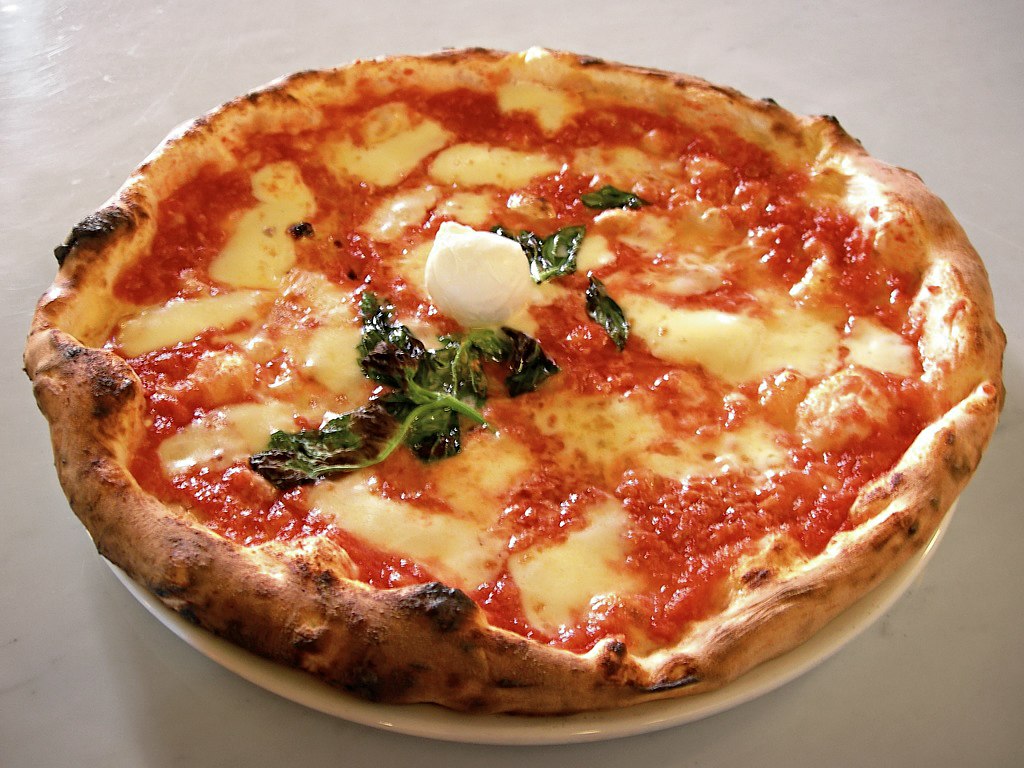
Neapolitan pizza was added to UNESCO’s Intangible Cultural Heritage list in 2017, recognizing the traditional art of Neapolitan pizzaiuoli. This pizza is defined by hand kneading, simple ingredients, and wood fired cooking. Families trying it experience more than a meal. They taste a method refined over centuries in Naples. The focus is on balance, technique, and community sharing. For American families used to modern pizza styles, this tradition offers a lesson in simplicity, craftsmanship, and why food preparation itself can be cultural heritage.
Washoku traditional cuisine of Japan
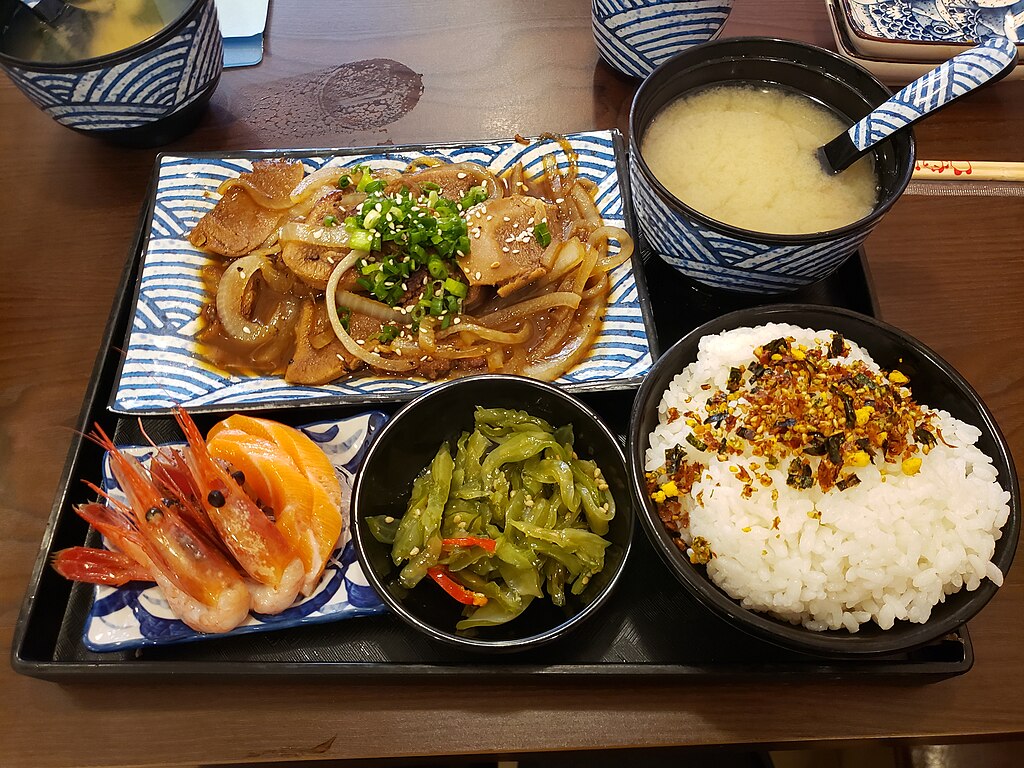
Washoku was recognized by UNESCO in 2013 as a traditional dietary culture of the Japanese, emphasizing seasonal ingredients and balance. Meals reflect respect for nature and harmony between flavors. Families exploring Washoku encounter dishes designed around nutrition and presentation rather than excess. According to Japanese cultural studies published after its recognition, Washoku also supports intergenerational teaching through food. For American families, trying Washoku encourages mindful eating and appreciation for meals structured around seasonality and respect.
Mexican traditional cuisine
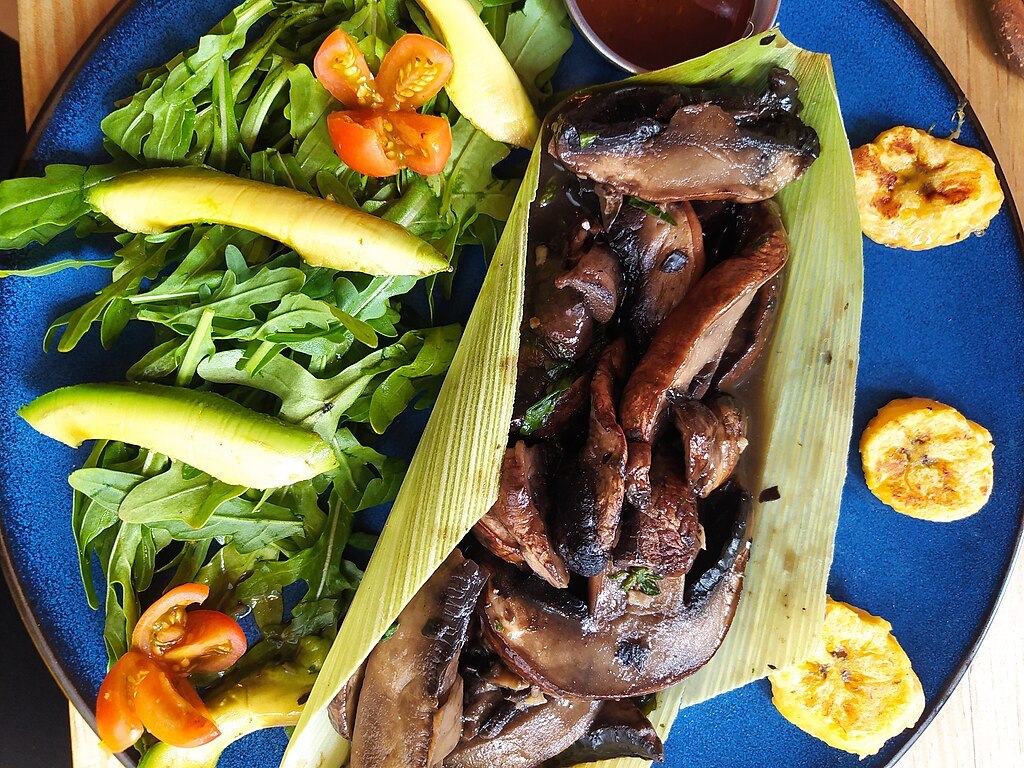
Traditional Mexican cuisine was inscribed by UNESCO in 2010, highlighting practices rooted in Indigenous farming systems like maize cultivation. This recognition emphasizes techniques such as nixtamalization and communal preparation. Families trying authentic regional dishes experience flavors built on history rather than trend. According to UNESCO documentation, the cuisine represents community identity and shared responsibility. For American families, this tradition reframes familiar Mexican food as cultural storytelling expressed through ingredients, preparation, and family participation.
Mediterranean diet
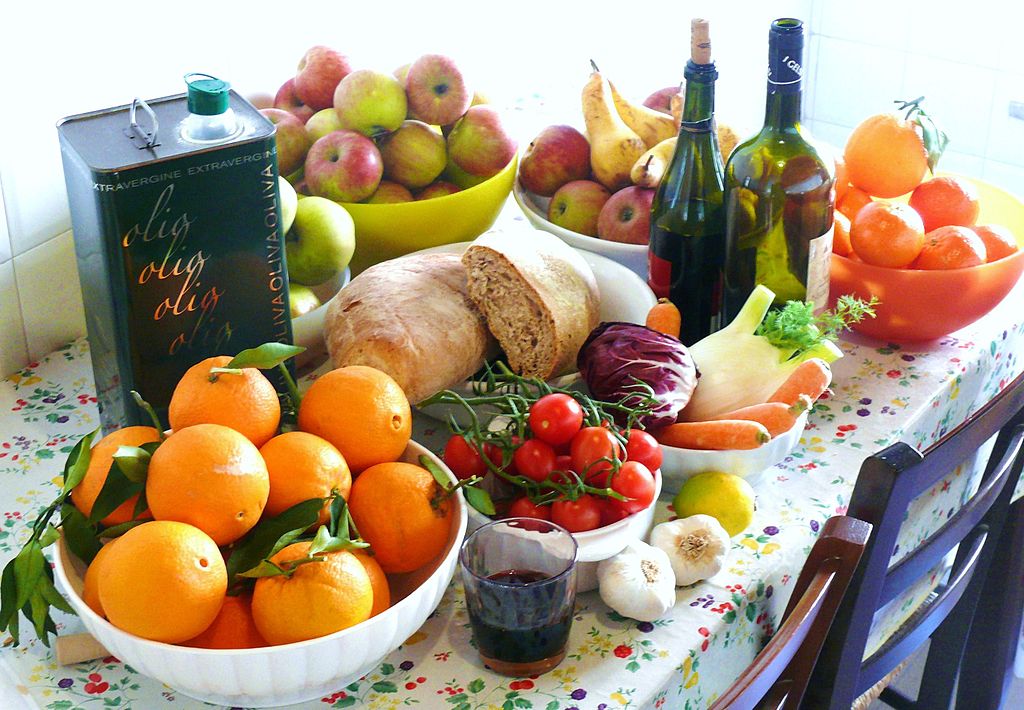
The Mediterranean diet was recognized by UNESCO in 2013, not as a single cuisine but as a shared food culture across several countries. It emphasizes olive oil, grains, vegetables, and communal meals. UNESCO notes its role in strengthening social bonds through shared eating. Families trying this tradition experience food as a social event rather than individual consumption. For American households, the Mediterranean diet offers a cultural approach to meals focused on connection, routine, and balance rooted in long standing regional practices.
Traditional Turkish coffee culture
Turkish coffee culture was added to UNESCO’s heritage list in 2013, recognizing preparation rituals and social meaning. The coffee is finely ground, slowly brewed, and served as part of conversation and hospitality. According to cultural studies cited by UNESCO, the practice strengthens relationships and community bonds. Families trying Turkish coffee experience a slower, intentional approach to drinking and gathering. It introduces the idea that even small rituals can carry cultural depth and shared meaning.
Kimjang Korean kimchi making
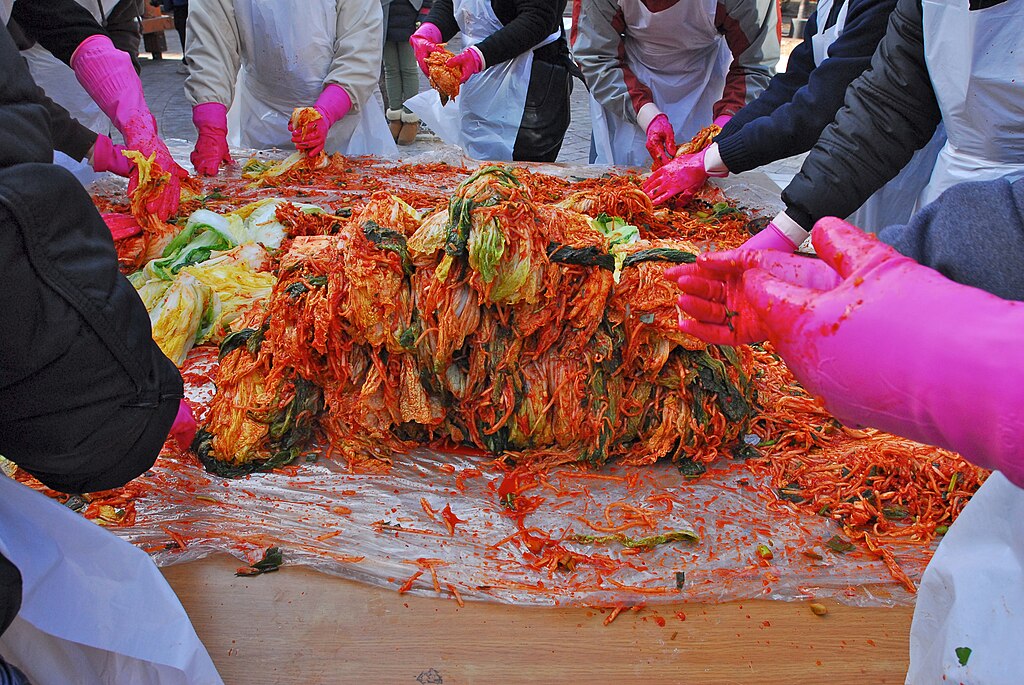
Kimjang, the communal preparation of kimchi, was recognized by UNESCO in 2013 as a tradition of collective effort and sharing. Families and neighbors prepare large batches together, reinforcing cooperation and seasonal awareness. UNESCO highlights its role in strengthening social unity. American families trying kimchi making at home experience food as collaboration rather than convenience. This tradition teaches patience, participation, and how preservation methods carry cultural memory across generations.
French gastronomic meal
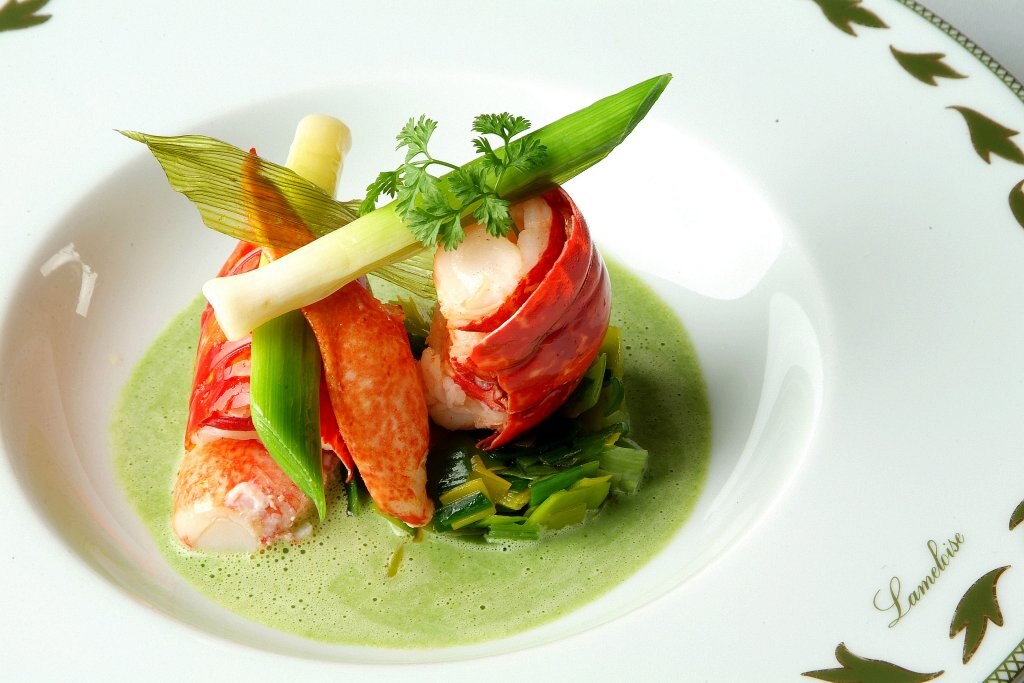
The French gastronomic meal was added to UNESCO’s Intangible Cultural Heritage list in 2010, recognizing the ritual of structured dining rather than specific dishes. The tradition includes careful table setting, multiple courses, and shared appreciation of food and wine. According to UNESCO’s description, the focus is on togetherness, celebration, and transmission of knowledge. American families trying this tradition experience meals as intentional events rather than rushed routines. It encourages slowing down, engaging in conversation, and treating shared meals as moments of connection and cultural continuity.
Traditional flatbread making in Armenia
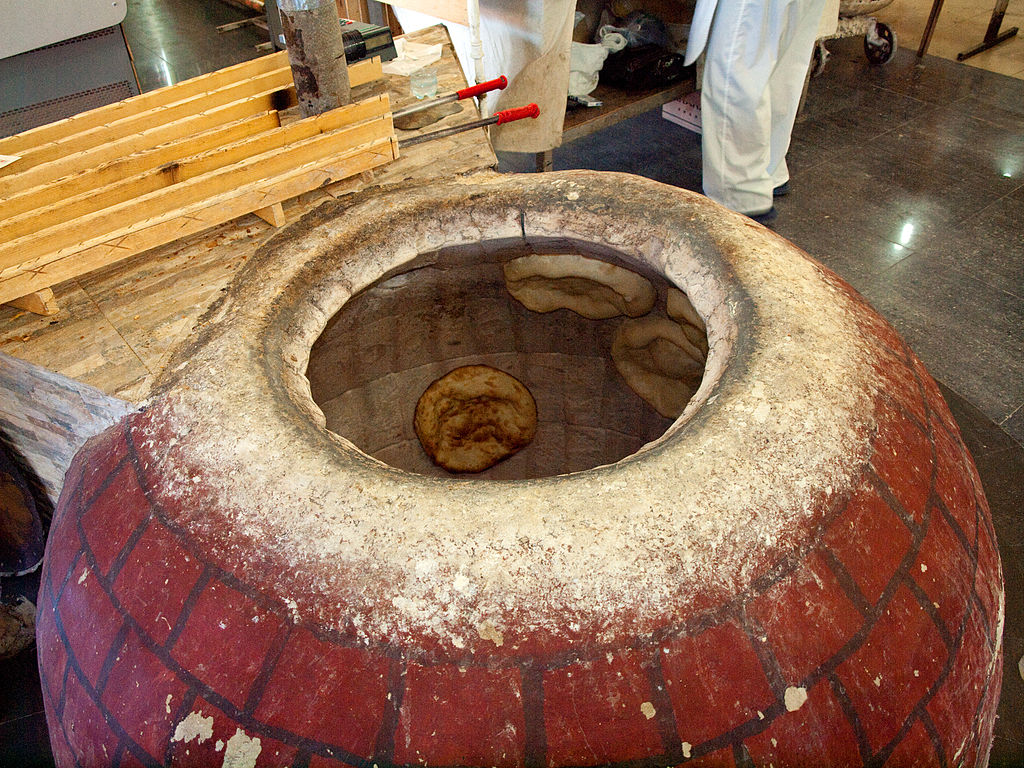
Armenian lavash, a traditional flatbread, was recognized by UNESCO in 2014 for its cultural role in family and community life. Lavash is baked in clay ovens and used in ceremonies and daily meals. UNESCO notes that the bread symbolizes prosperity and continuity. Families trying lavash experience food as both nourishment and tradition. For American households, this practice highlights how simple ingredients and shared preparation can carry symbolic meaning passed down through generations.
Couscous traditions of North Africa
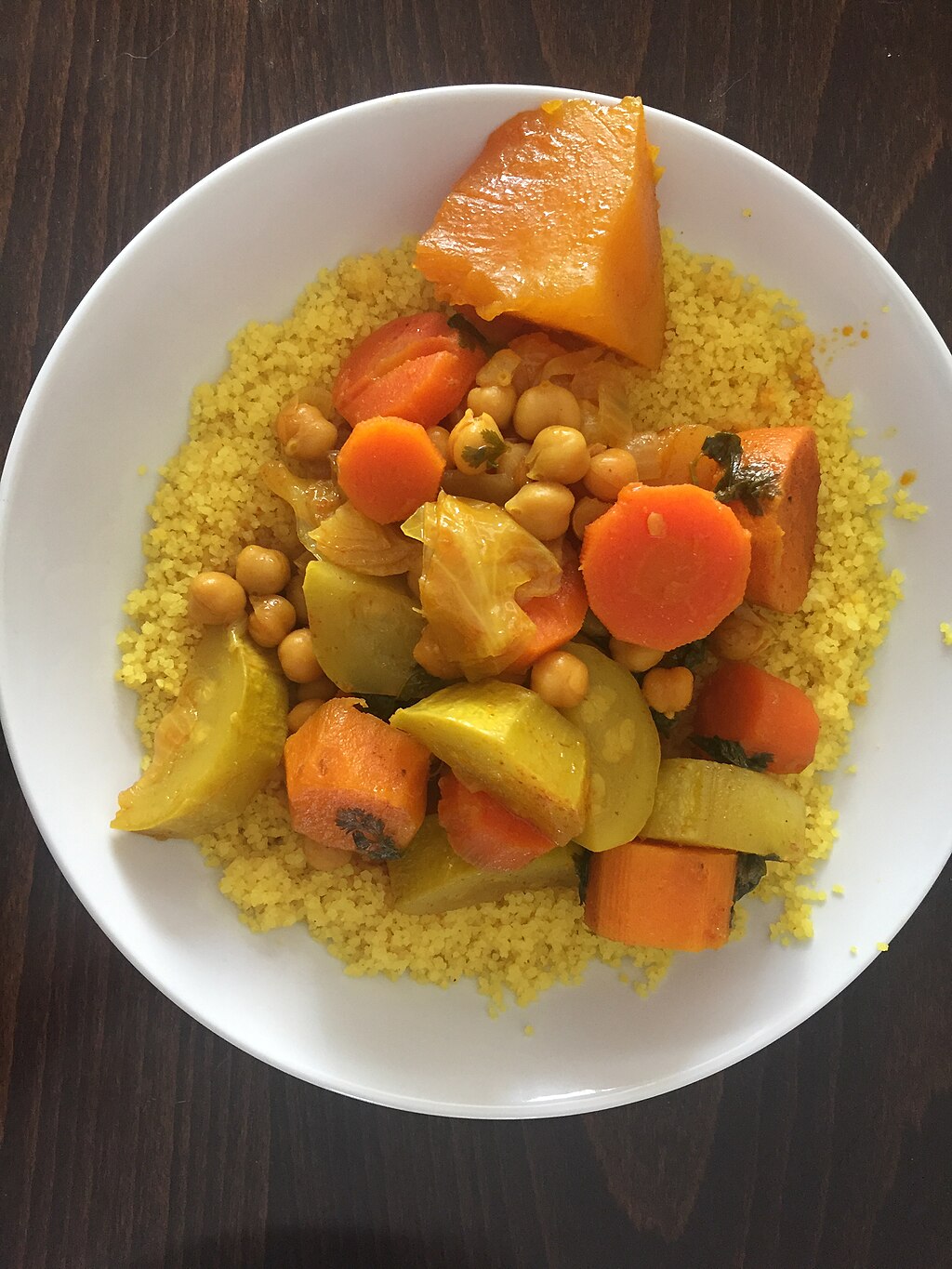
Couscous was added to UNESCO’s heritage list in 2020, representing shared food traditions across several North African countries. The recognition emphasizes communal preparation and family gathering. According to UNESCO records, couscous plays a role in celebrations and social bonds. American families trying couscous experience a meal designed for sharing rather than individual portions. The tradition reinforces patience, cooperation, and the idea that food can be a centerpiece for collective time and cultural storytelling.
Beer brewing culture in Belgium

Belgian beer culture was recognized by UNESCO in 2016, highlighting brewing knowledge passed through generations. The tradition includes regional styles, craftsmanship, and pairing beer with meals. UNESCO emphasizes its role in social life and local identity. Families exploring this tradition can focus on non alcoholic styles or the cultural history behind brewing. It offers American households insight into how food and drink traditions preserve regional pride, skill, and shared heritage beyond consumption.
Chinese traditional tea processing and drinking

Chinese tea processing and drinking practices were added to UNESCO’s heritage list in 2022, recognizing rituals surrounding preparation and hospitality. The tradition emphasizes mindfulness, respect, and balance. According to UNESCO documentation, tea culture supports social harmony and reflection. American families trying traditional tea practices experience a slower pace and intentional gathering. This tradition introduces children to the idea that everyday drinks can carry history, etiquette, and cultural meaning.
Traditional bread culture in Germany
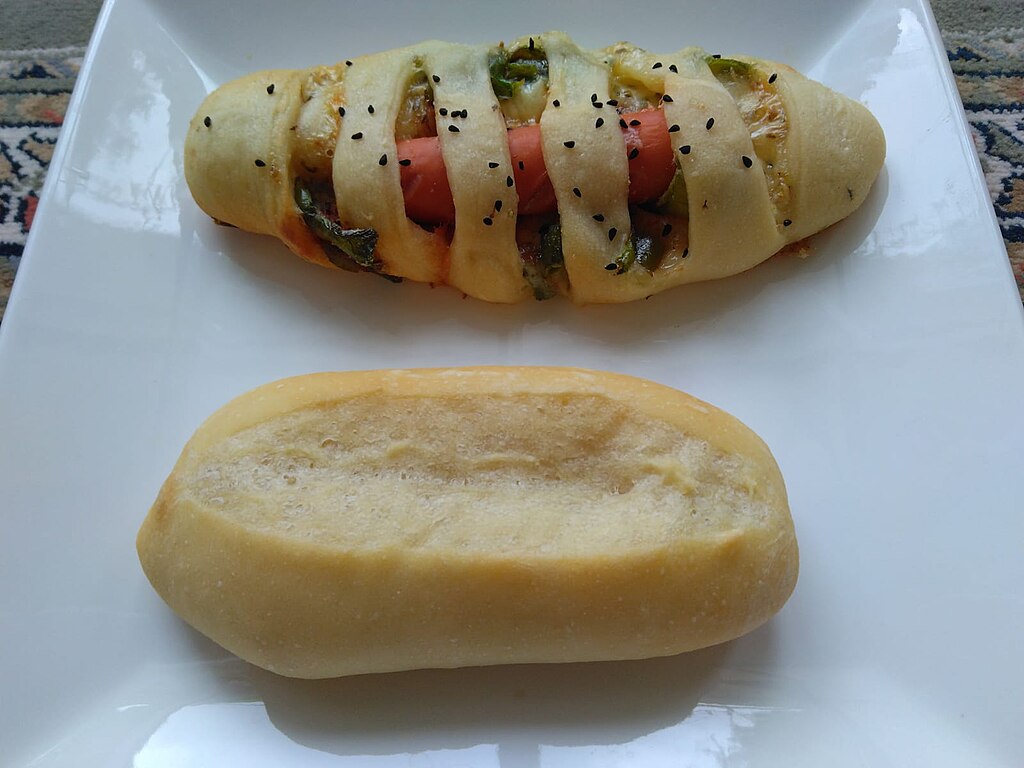
German bread culture was recognized by UNESCO in 2014, reflecting centuries of baking techniques and regional varieties. The tradition emphasizes craftsmanship and daily reliance on bread as a staple. UNESCO highlights its role in community identity and apprenticeship. American families trying traditional German breads experience how staple foods can represent cultural pride. It reinforces the idea that everyday items, when prepared with care, can carry historical significance. UNESCO food traditions offer families more than new flavors. They provide context, history, and shared experience. Trying these traditions helps children understand how food connects people across time and place. These meals encourage curiosity, respect, and conversation. For American families, exploring UNESCO recognized foods is a meaningful way to bring global culture into everyday life through cooking, sharing, and learning together.