
Many long-standing American traditions are shifting as digital life becomes central to how people communicate, shop, celebrate, and stay connected. While these traditions once shaped family routines and community culture, modern tools are changing how they’re practiced. Some customs are fading entirely, while others have evolved into digital alternatives. This transformation highlights both technological convenience and the loss of certain personal touches.
Handwritten Letters
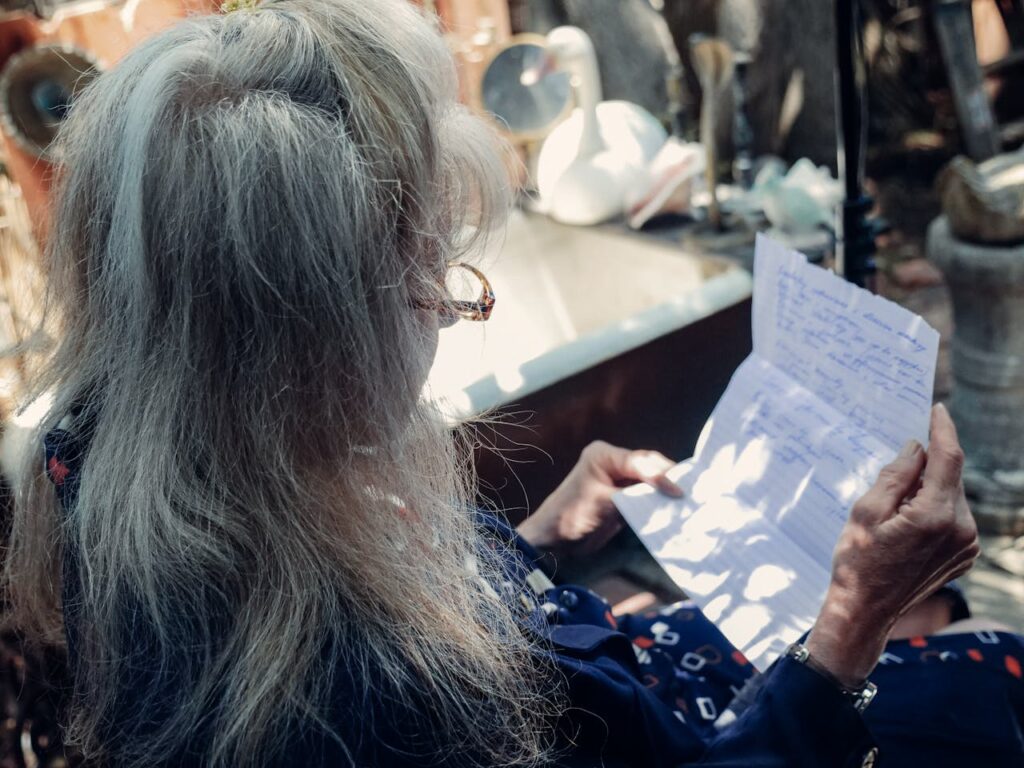
Writing letters by hand was once a primary way Americans communicated over long distances. Today, digital messaging has largely replaced this heartfelt practice. Instant communication is more efficient, but lacks the emotional weight of handwritten notes. As emails and texts dominate, letter writing continues to fade.
Printed Photo Albums
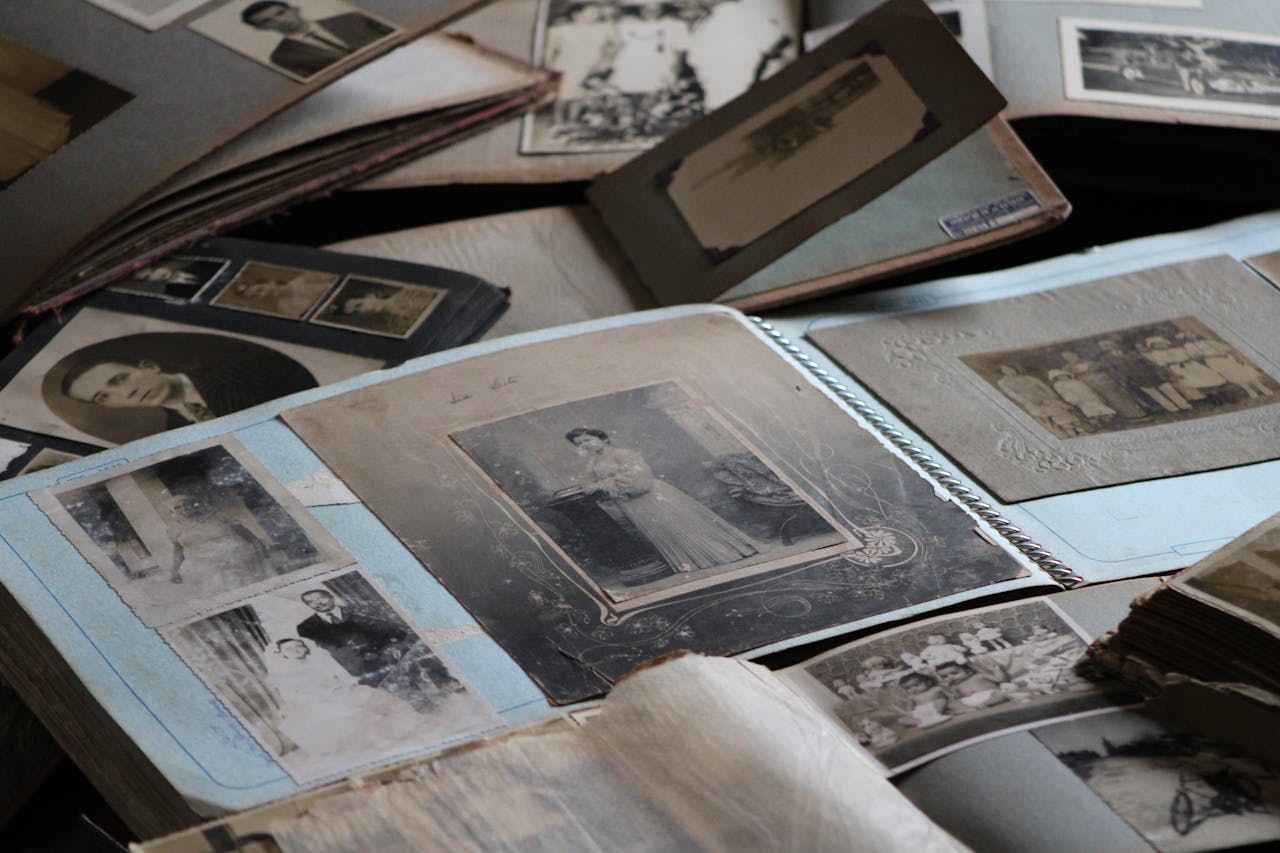
Families once gathered around printed photo albums to relive memories. Now, most photos live in cloud storage or social media galleries. While digital albums are convenient, they lack the tactile nostalgia of flipping through printed pages. This shift shows how memory preservation has become both easier and less tangible.
Traditional Shopping Trips

Weekend shopping trips to local malls were once a common American pastime. Online shopping has made it possible to browse and buy without leaving home. Many malls have declined as e-commerce continues to dominate the retail landscape. The change reflects shifting consumer expectations around convenience and variety.
Home Phone Lines

Landline phones were once a household staple in nearly every American home. Smartphones have made them largely obsolete. Families now rely on mobile devices for daily communication. The disappearance of home phones symbolizes the broader transition toward portable technology.
Newspaper Delivery
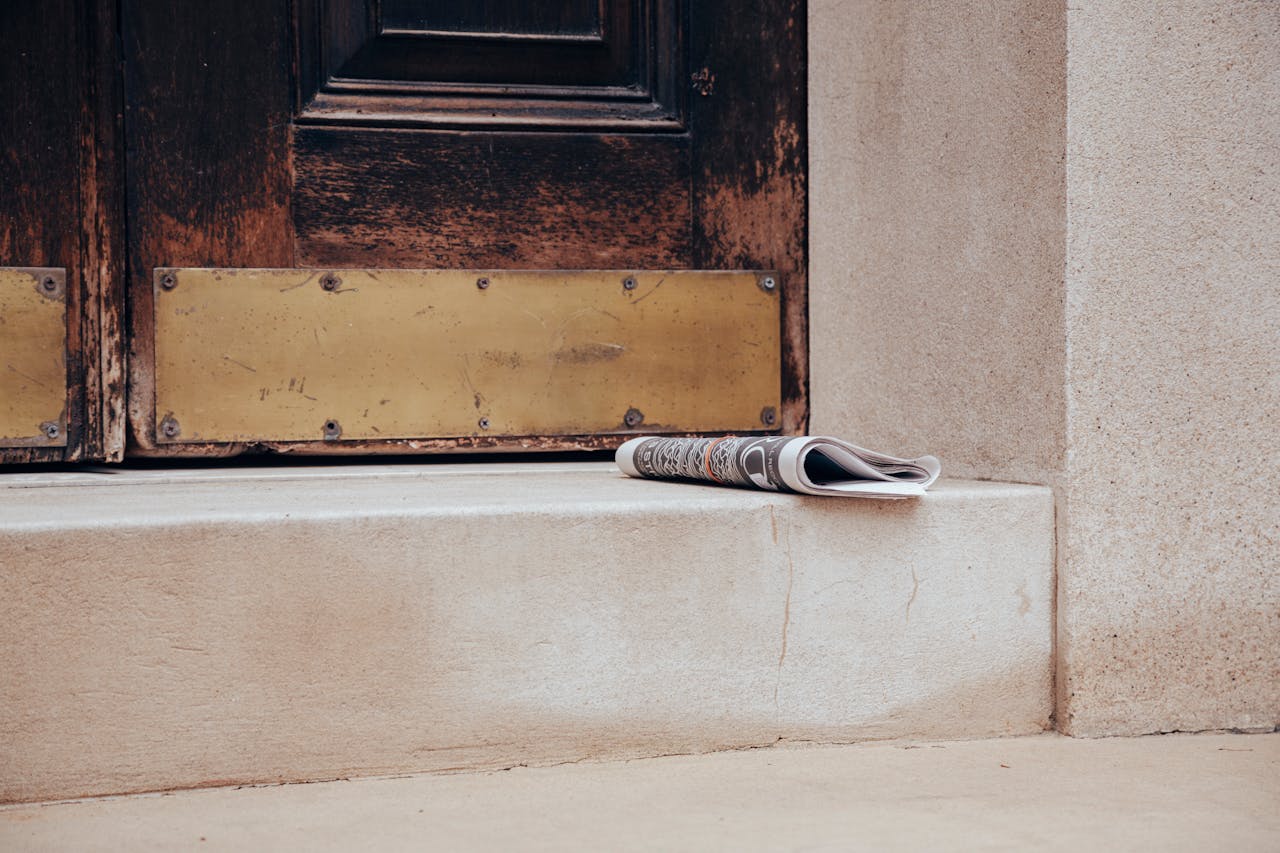
Printed newspapers delivered each morning used to be part of the American routine. Today, most people read news through apps, websites, or social media. Digital outlets offer real-time updates but reduce the ritual of morning newspaper reading. The decline of print reflects a major shift in information consumption.
In-Person Banking

Visiting a local bank branch once played a regular role in managing finances. With mobile banking apps, most transactions can be completed digitally. Younger generations seldom step inside a physical branch. The tradition of face-to-face banking continues to shrink.
Blockbuster Movie Nights

Renting physical movies was a major weekend tradition for many American families. Streaming services have since replaced video stores entirely. While the convenience is unmatched, the shared experience of browsing aisles is lost. This shift represents the broader digitization of entertainment.
Sending Holiday Cards
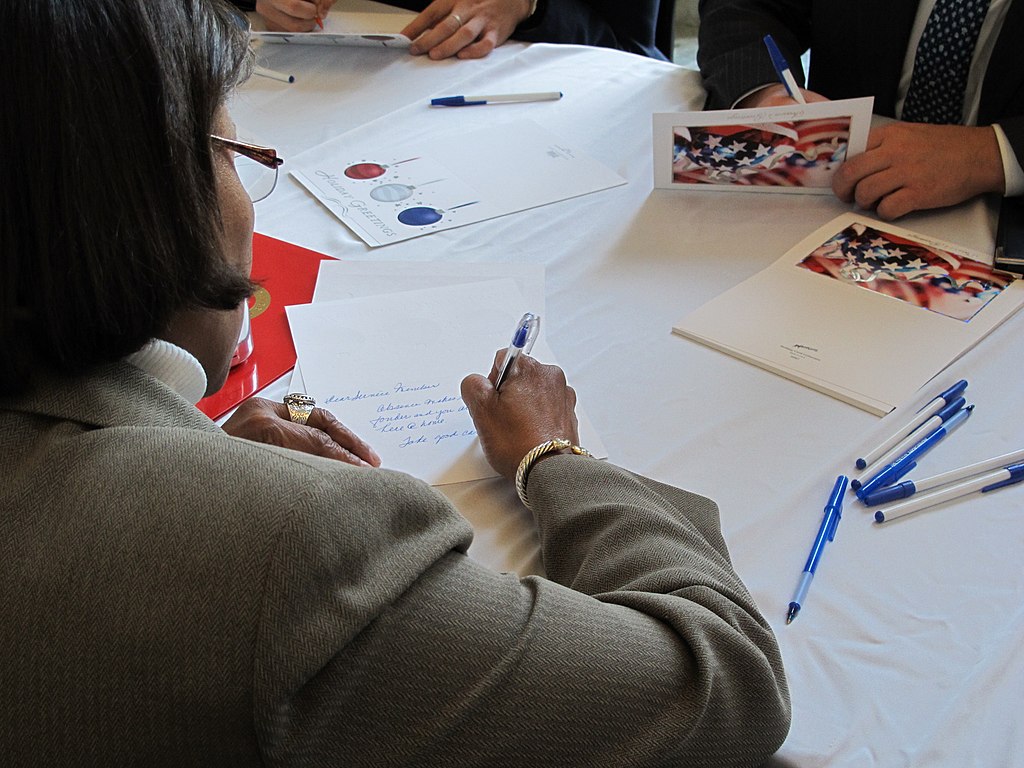
Holiday cards were once a widely practiced custom that connected families during festive seasons. Digital greetings and social media posts have replaced many of these mailed cards. The convenience of online messages has made traditional cards less common. Many feel the personal touch is fading as a result.
Printed Maps

Paper maps used to guide American families on road trips and commutes. GPS and navigation apps have made map-reading a rare skill. The ease of digital navigation has largely eliminated the need for printed maps. This change reflects the deeper integration of technology in everyday travel.
Physical College Applications

Applying to college once required thick envelopes, paper forms, and carefully prepared packets. Today, most applications are submitted through online platforms. Digital submissions speed up the process but remove the formality of mailing physical documents. The transformation mirrors broader changes in academic systems.
Community Bulletin Boards
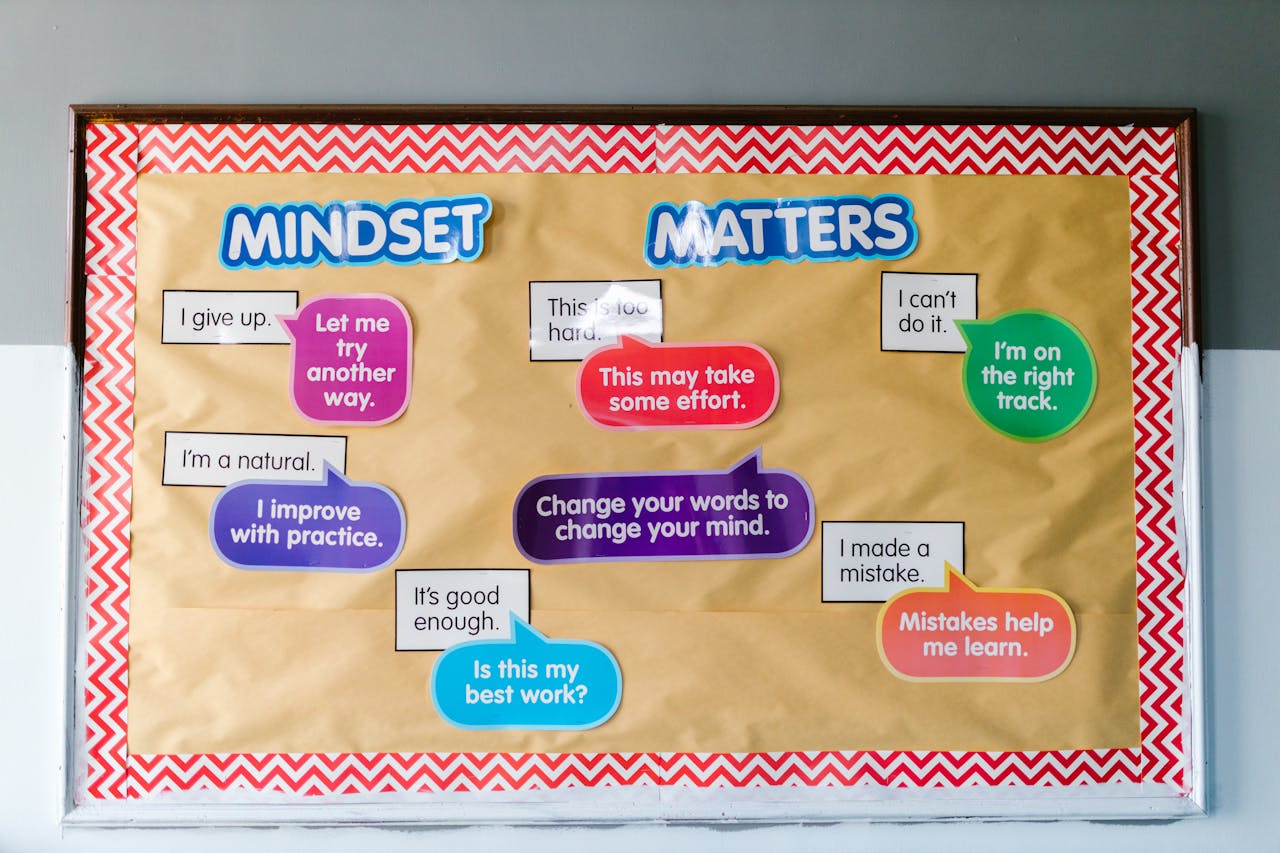
Community gatherings were often organized through physical bulletin boards at libraries, coffee shops, and community centers. Online forums and social media have replaced many of these local hubs. While digital tools expand reach, the sense of neighborhood connection has shifted. The change illustrates how communities communicate in modern life.
Cash Payments

Cash was once the most common method of payment in everyday American life. Digital wallets, cards, and mobile payments now dominate transactions. Younger generations often carry little or no cash at all. The shift reflects increased reliance on convenience and technology.