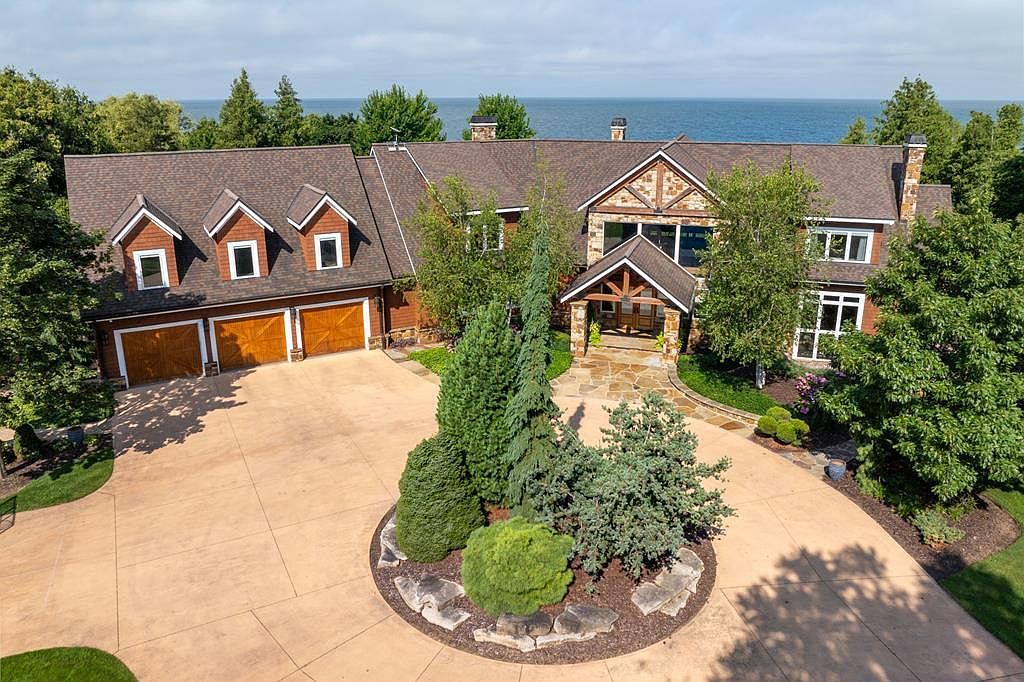
Housing trends across the United States are shifting quickly as buyers adjust to higher interest rates rising costs and changes in work and lifestyle. Some cities are gaining momentum thanks to job growth affordability and strong migration while others are slowing as inventory rises or buyers hesitate. These twelve markets give a clear picture of where activity is building and where demand is cooling as 2025 approaches. Each location reflects the forces shaping today’s market from tech expansion to population shifts. Together they show how regional strengths and weaknesses create very different housing stories across the country.
1. Huntsville, Alabama: Heating Up – Tech Job Growth

Huntsville continues gaining momentum as tech aerospace and research employers expand and attract new residents from pricier metros. Its blend of affordability and high wage opportunities appeals to young workers and retirees seeking value which keeps buyer activity strong. New construction supports growth but demand often outpaces supply especially in desirable neighborhoods. This steady flow of newcomers adds pressure to available homes and helps maintain upward price movement. With major projects underway and continued job creation Huntsville stands out as a southern market poised for additional growth through 2025.
2. Raleigh, North Carolina: Heating Up – Tech And Research
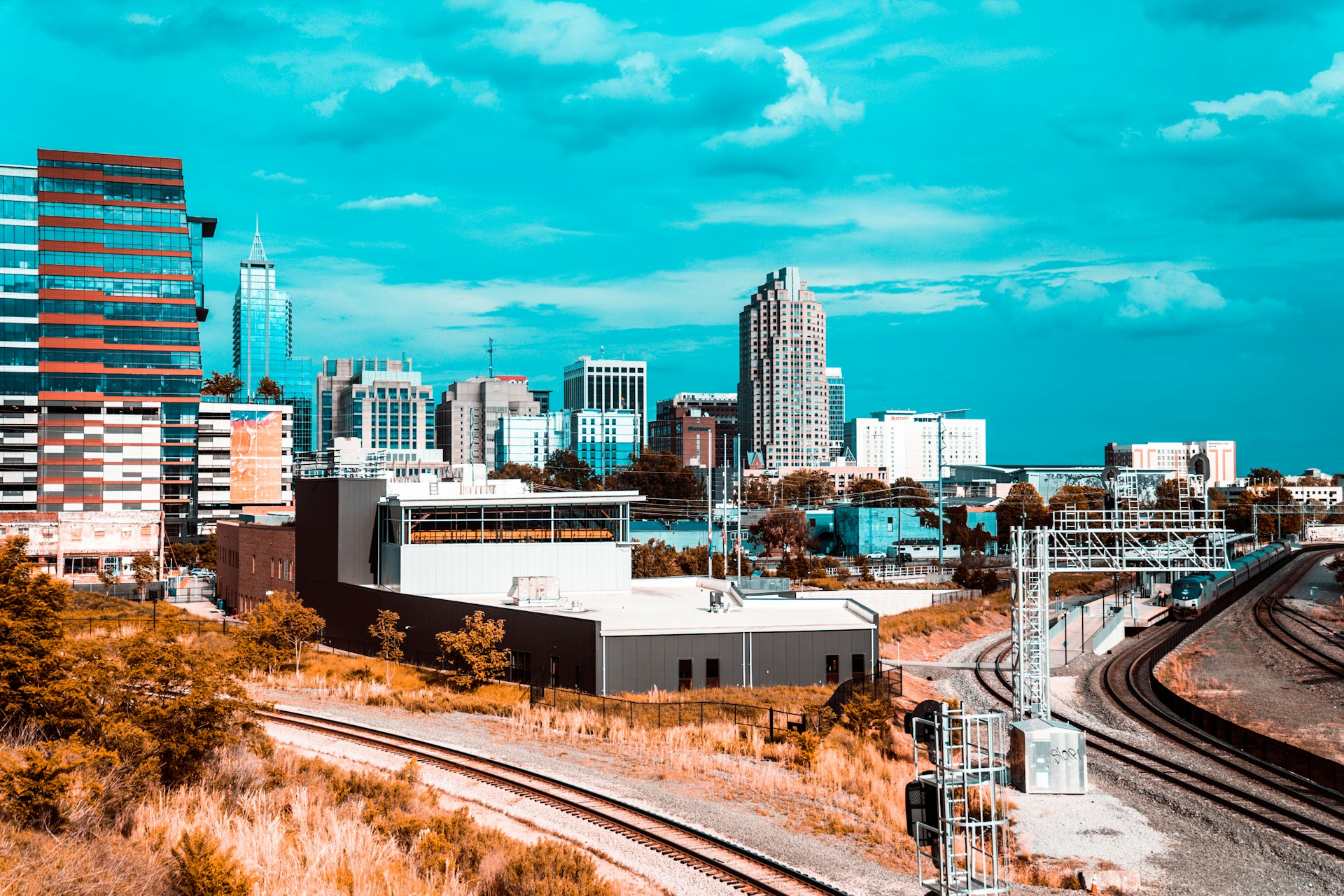
Raleigh benefits from a deep employment base driven by the Research Triangle where universities and medical centers keep the local economy stable. Families and remote workers appreciate its mix of suburban comfort and urban convenience while new arrivals continue to search for long term housing options. Even with rising mortgage rates the region’s relative affordability keeps demand healthy. Development across surrounding communities helps absorb growth though desirable areas still see competition. As job opportunities expand Raleigh remains a reliable market with strong momentum heading into the next year.
3. Tampa Bay, Florida: Heating Up – Retiree Remote Influx

Tampa Bay continues to draw retirees and remote workers seeking warm weather a slower lifestyle and access to coastal amenities. This steady inflow keeps demand elevated across both suburbs and established neighborhoods even as home prices rise. Florida’s tax advantages appeal to buyers leaving higher cost states which adds competition to the market. Inventory remains tight in many areas encouraging quicker sales and continued interest from investors. With population growth showing no signs of slowing Tampa Bay maintains a clear upward trend as 2025 approaches.
4. Boise Suburbs, Idaho: Heating Up – Exurban Migration
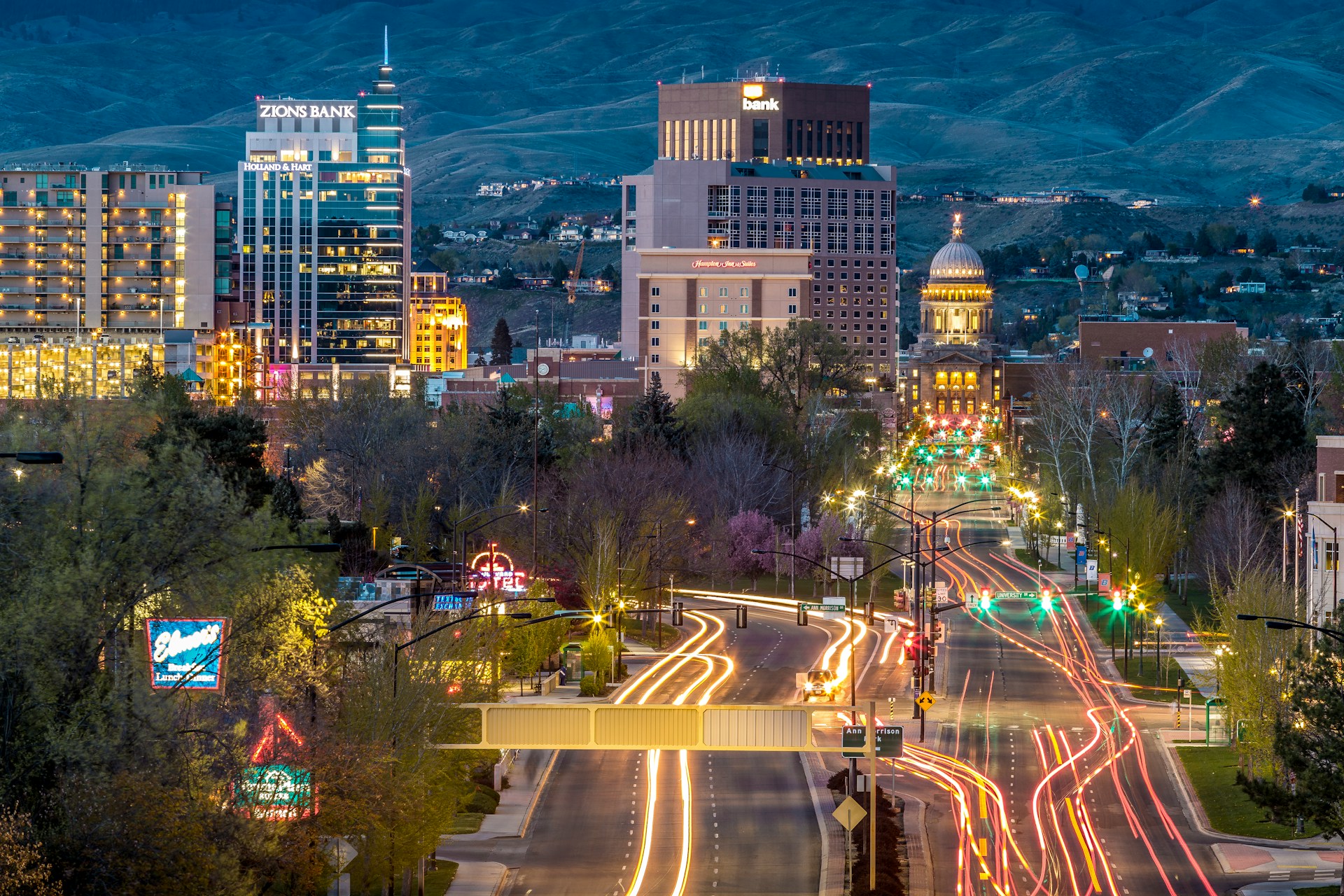
Boise’s suburban areas remain popular with buyers searching for space calmer neighborhoods and a lower cost alternative to crowded metro regions. After several years of national attention demand continues as families and remote workers choose Idaho for its lifestyle and outdoor access. Although price growth has moderated the market still shows signs of renewed interest as new arrivals target surrounding towns. Limited inventory in popular suburbs creates competition that gradually lifts prices. These factors position Boise’s outer communities for continued strength in the coming year.
5. Greenville, South Carolina: Heating Up – Job Growth Momentum

Greenville has become a standout midsize market thanks to ongoing job growth light industry expansion and a lively downtown that appeals to newcomers. The area balances affordability with cultural amenities which draws both relocating families and retirees. Inventory remains manageable yet active enough to keep buyers engaged without overwhelming competition. As more companies invest in the region interest in housing grows across suburbs and central neighborhoods. This consistent demand suggests Greenville will remain one of the Southeast’s more stable rising markets through 2025.
6. Knoxville, Tennessee: Heating Up – Affordability Draw
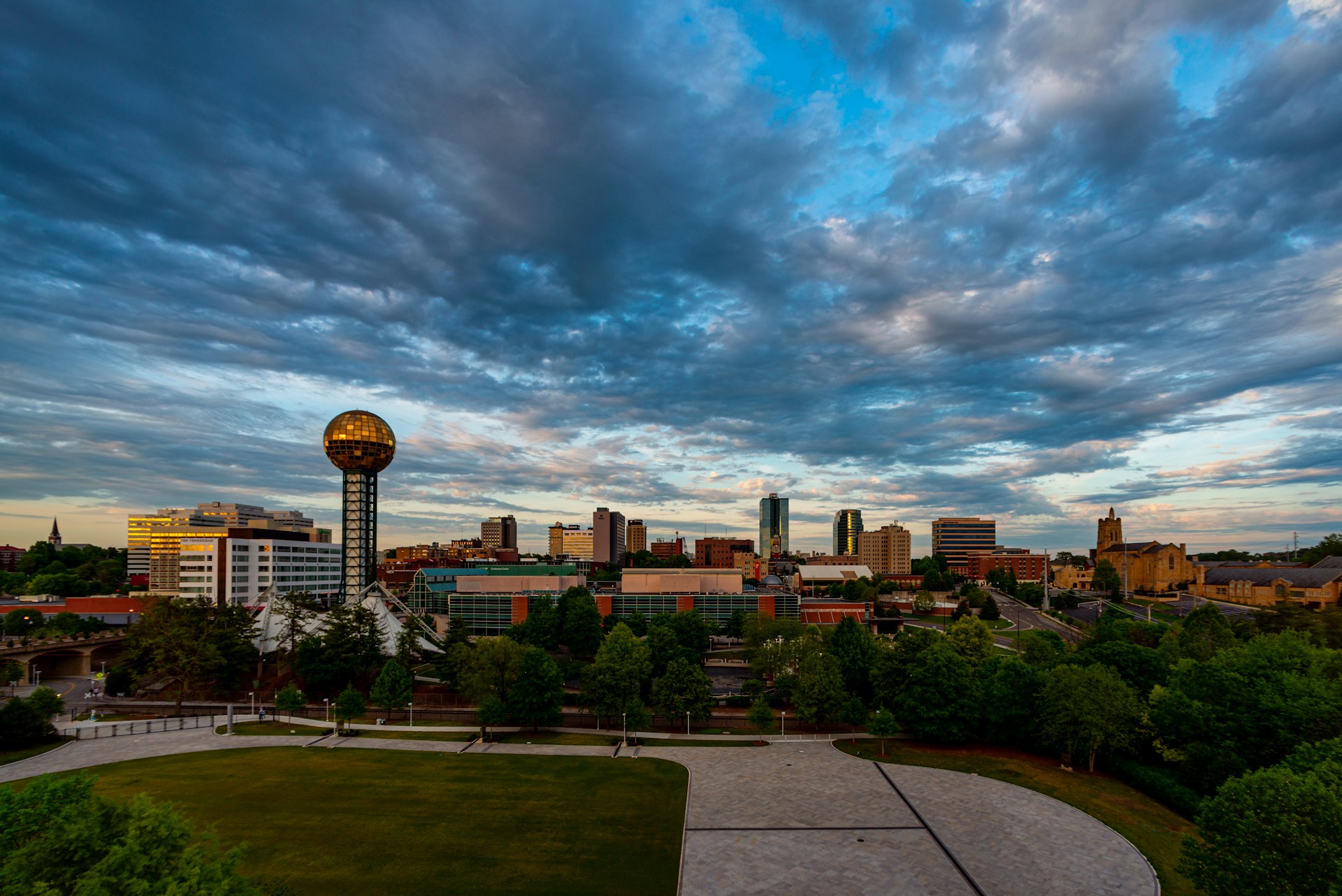
Knoxville gains attention for its mix of mountain access lower housing costs and strong regional healthcare systems which appeal to retirees and families alike. Prices remain more reasonable than other Tennessee metros making it a top choice for value focused buyers. Population growth and steady in migration maintain demand while new developments help meet incoming interest. With outdoor recreation and a friendly cost of living Knoxville strengthens its reputation as a rising southern market. These advantages give it noticeable momentum heading into 2025.
7. Austin, Texas: Cooling Fast – Rising Inventory

Austin’s rapid surge in construction and new listings is beginning to outpace buyer demand which cools competition across many neighborhoods. Higher mortgage rates and steeper price points reduce urgency for new arrivals while investors pull back after peak years. Although job growth remains strong buyers now have more options and more time to make decisions. This shift slows bidding activity and eases pressure on prices compared to the city’s frenzied period. As 2025 approaches Austin stands as a clear example of a market adjusting after years of intense expansion.
8. San Francisco, California: Cooling Fast – Continued Outmigration

San Francisco continues experiencing softer housing activity as remote and hybrid work reduce the need for many workers to live in the city. Outmigration toward more affordable metros across the West keeps buyer demand lower while listings stay higher than pre pandemic times. Although the region still holds economic strength overall affordability concerns temper interest from potential newcomers. This creates a slower market with fewer bidding wars and longer listing periods. With rising costs and shifting work patterns San Francisco remains firmly in the cooling category.
9. Phoenix, Arizona: Cooling Fast – Price Stabilizing

Phoenix saw years of rapid price growth but 2025 begins with a more balanced market where buyers face less urgency. Inventory has improved enough to create steadier conditions and sellers adjust expectations accordingly. Population growth continues but at a slower pace than peak pandemic years when relocation fueled fast appreciation. This moderation brings calmer negotiations and steadier listing times across most neighborhoods. Phoenix remains desirable but no longer moves with the speed that once defined its competitive market.
10. Las Vegas, Nevada: Cooling Fast – Investor Slowdown

Las Vegas feels the impact of declining investor activity which once played a major role in driving demand. Higher borrowing costs reduce investor interest in short term rentals and flips which leaves more homes available for traditional buyers. As a result sales slow and price growth stabilizes especially in areas previously driven by speculation. Local buyers still participate but at a more cautious pace shaped by rising living costs. These conditions move Las Vegas into the cooling category as 2025 unfolds.
11. Denver, Colorado: Cooling Fast – Listings Rising

Denver faces an increase in new listings and slower buyer traffic as affordability challenges lead many households to consider nearby communities instead. Higher mortgage rates place pressure on first time buyers which reduces the competitive energy seen in earlier years. Homes now stay on the market longer giving buyers more room to negotiate. These shifts create a softer environment compared to the city’s previously high demand cycles. With these adjustments Denver heads into 2025 as a cooling but still fundamentally healthy market.
12. Portland, Oregon: Cooling Fast – Weak Buyer Demand
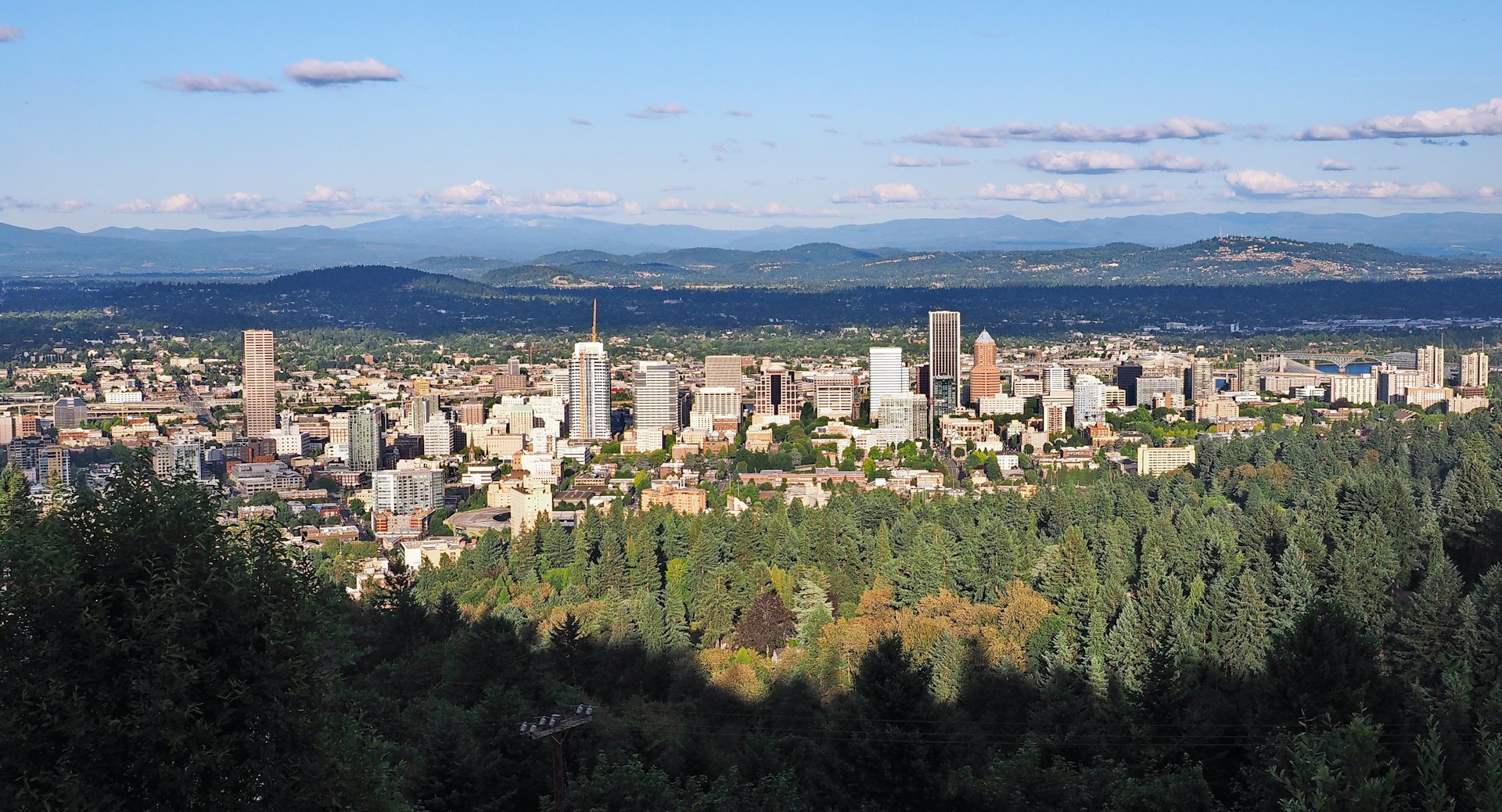
Portland continues to see slower activity as buyer demand softens and affordability issues keep many from entering the market. Listings remain available longer while population growth stabilizes after years of steady inflow. Economic changes and shifting lifestyle preferences also reduce urgency among potential buyers. These combined factors create a cooler market where price appreciation remains mild. Portland’s housing environment moves steadily toward balance as 2025 approaches with fewer competitive pressures than before.
The housing landscape in 2025 shows how quickly different parts of the country can change as buyers seek value comfort and new opportunities. Some cities continue to grow with strong momentum while others slow as inventory rises and demand shifts. These trends help families and investors understand where competition still feels strong and where choices begin to open up. As people rethink work lifestyle and long term plans these markets reveal how regional strengths continue to shape the future of home buying in the United States.