By 2040, the question of livability in American cities will be shaped less by popularity and more by resilience. Climate change, aging infrastructure, housing shortages, and rising costs are beginning to converge in ways that affect daily life rather than distant forecasts. This does not mean these cities are doomed or unworthy of investment, but it does suggest that residents may face increasing friction in areas such as affordability, health, mobility, and basic comfort. Many of these challenges are already visible in early forms today. Looking ahead helps clarify where pressures may intensify if long term systems do not adapt at the same pace as population and environmental change.
1. Phoenix, Arizona
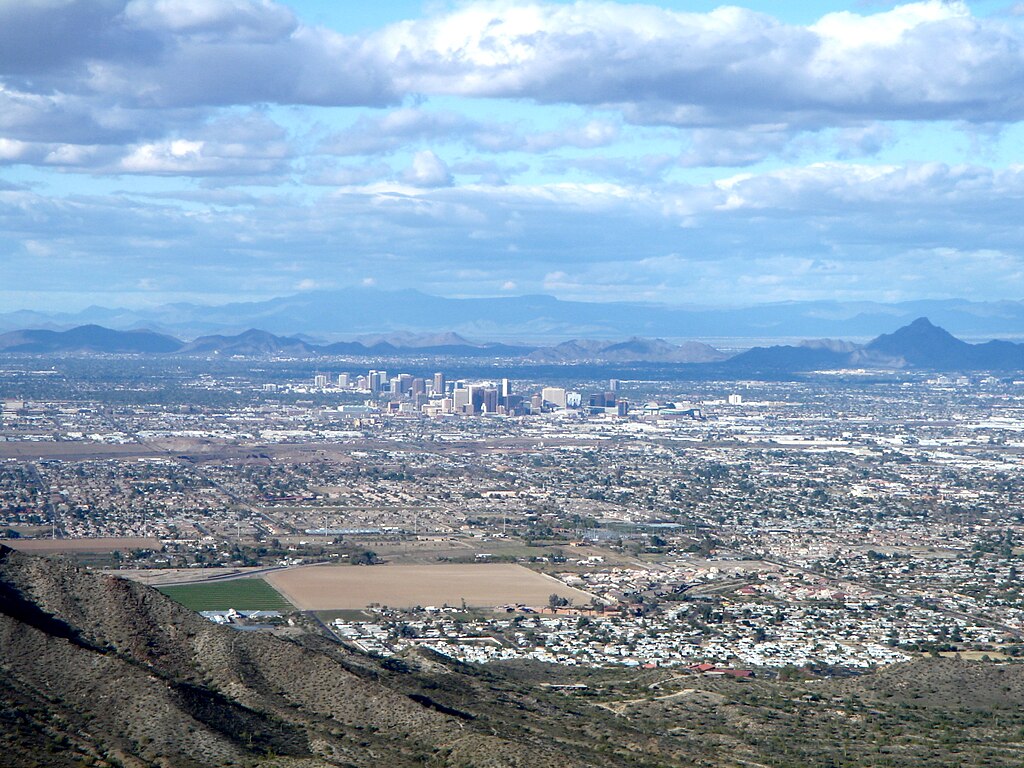
Phoenix is already one of the hottest major cities in the United States, and by 2040, extreme heat is expected to shape nearly every aspect of daily life. Longer heat seasons place sustained pressure on power grids as air conditioning becomes essential rather than optional. Outdoor work, recreation, and even routine errands may require careful timing to avoid health risks. Water scarcity remains an ongoing concern as the city continues to grow within a desert environment. While innovation and planning offer mitigation strategies, living comfortably in Phoenix may become increasingly expensive and physically demanding over time.
2. Miami, Florida
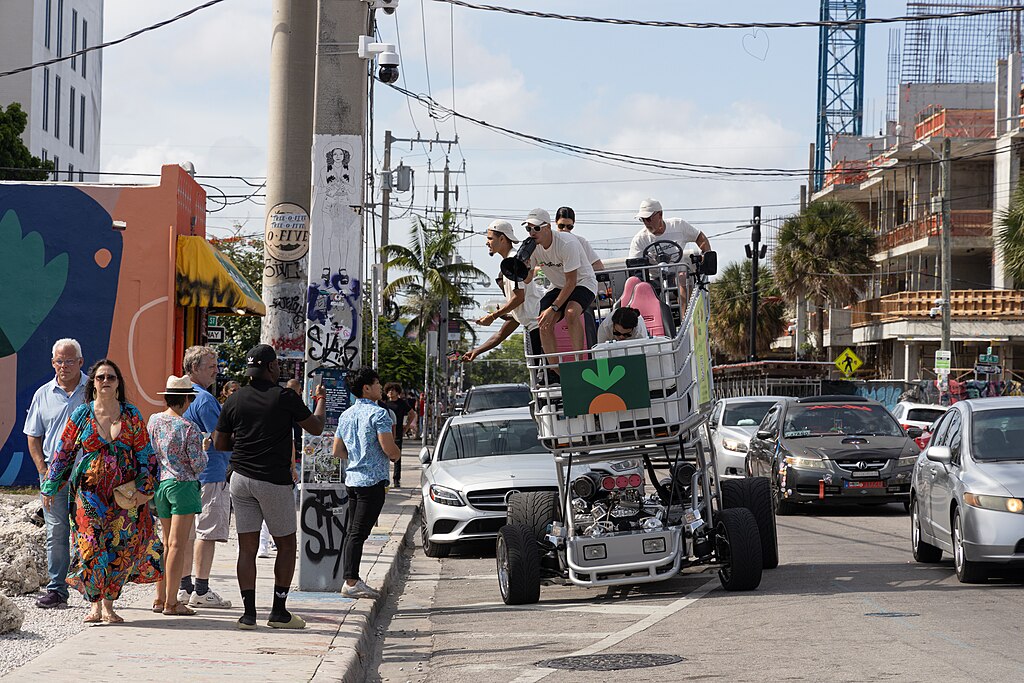
Miami faces a unique combination of climate and financial challenges that are likely to intensify by 2040. Sea level rise and frequent flooding already affect roads, neighborhoods, and infrastructure, even on sunny days. Saltwater intrusion threatens freshwater supplies, adding long term risk to water reliability. Insurance costs continue to rise, quietly increasing the cost of living for homeowners and renters alike. Although large investments are being made in mitigation, daily life may increasingly involve adapting to environmental uncertainty and higher ongoing expenses.
3. New Orleans, Louisiana
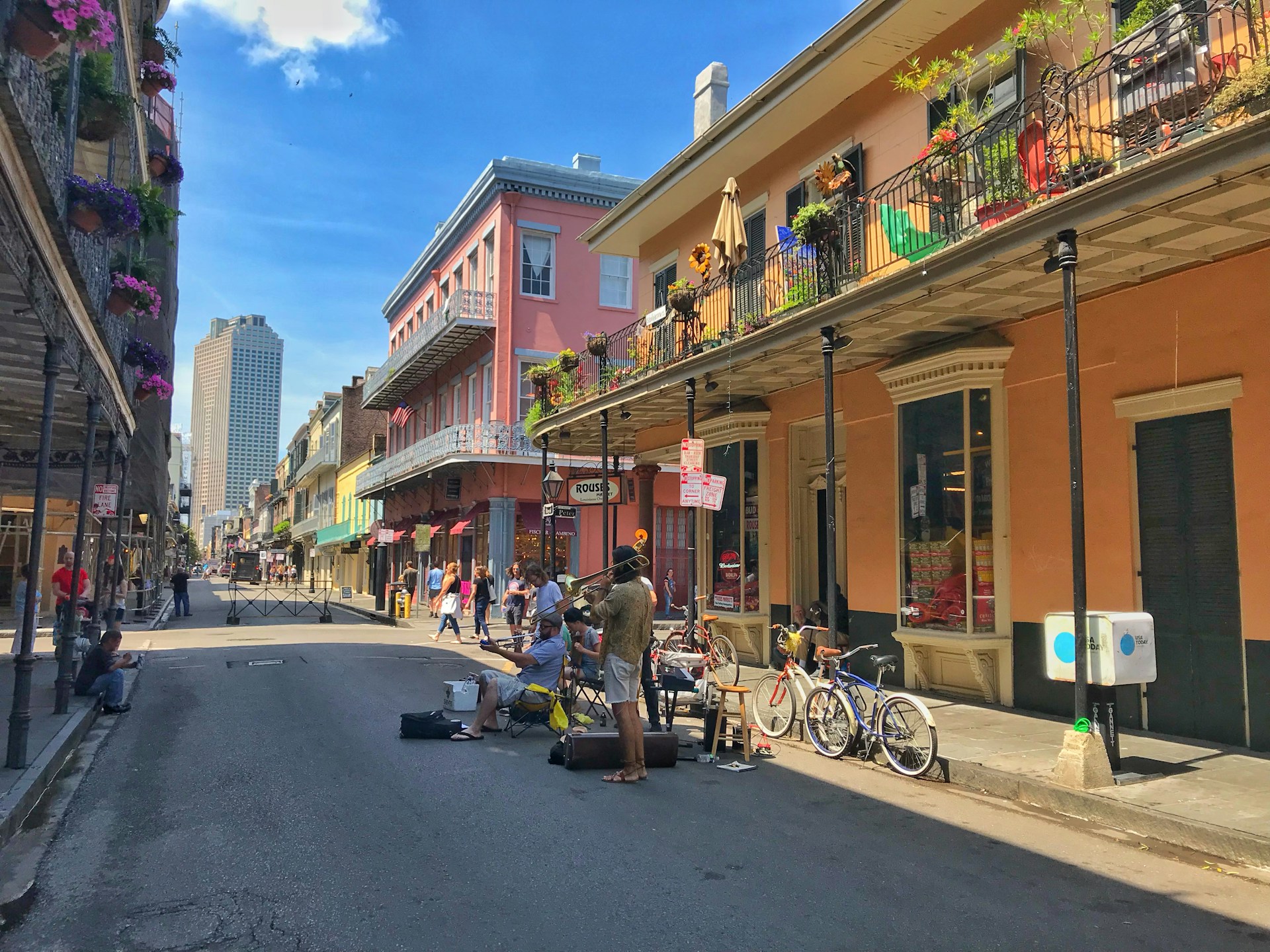
New Orleans remains culturally rich and deeply rooted in history, but its physical vulnerability presents growing challenges for long term livability. Much of the city sits below sea level, relying on complex systems of levees, pumps, and flood defenses that require constant maintenance. As storms become more intense and recovery cycles more frequent, residents may face repeated disruptions to housing, transportation, and essential services. Emotional and financial strain can accumulate over time, especially for those without strong safety nets. By 2040, living in New Orleans may demand a high degree of personal resilience alongside continued public investment.
4. Las Vegas, Nevada
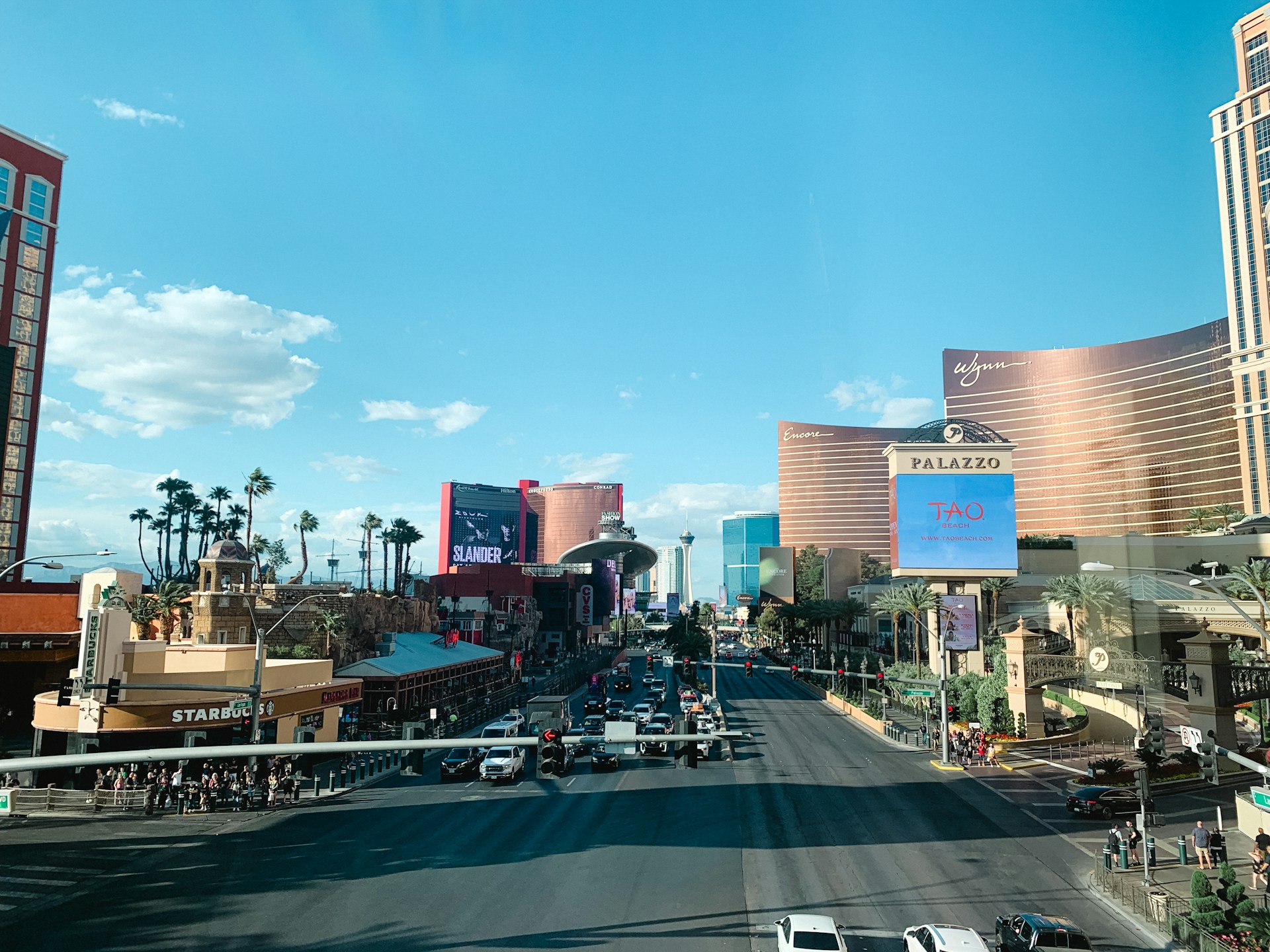
Las Vegas depends heavily on limited water resources while supporting a growing population and a tourism driven economy. Long term drought conditions affecting the Colorado River continue to narrow the margin for sustainable growth. Extreme heat also places increasing strain on energy systems and public infrastructure. While the city has made significant advances in water conservation, those systems operate within environmental limits that cannot be ignored. By 2040, everyday life in Las Vegas may involve stricter usage controls and higher costs tied directly to environmental constraints.
5. Houston, Texas
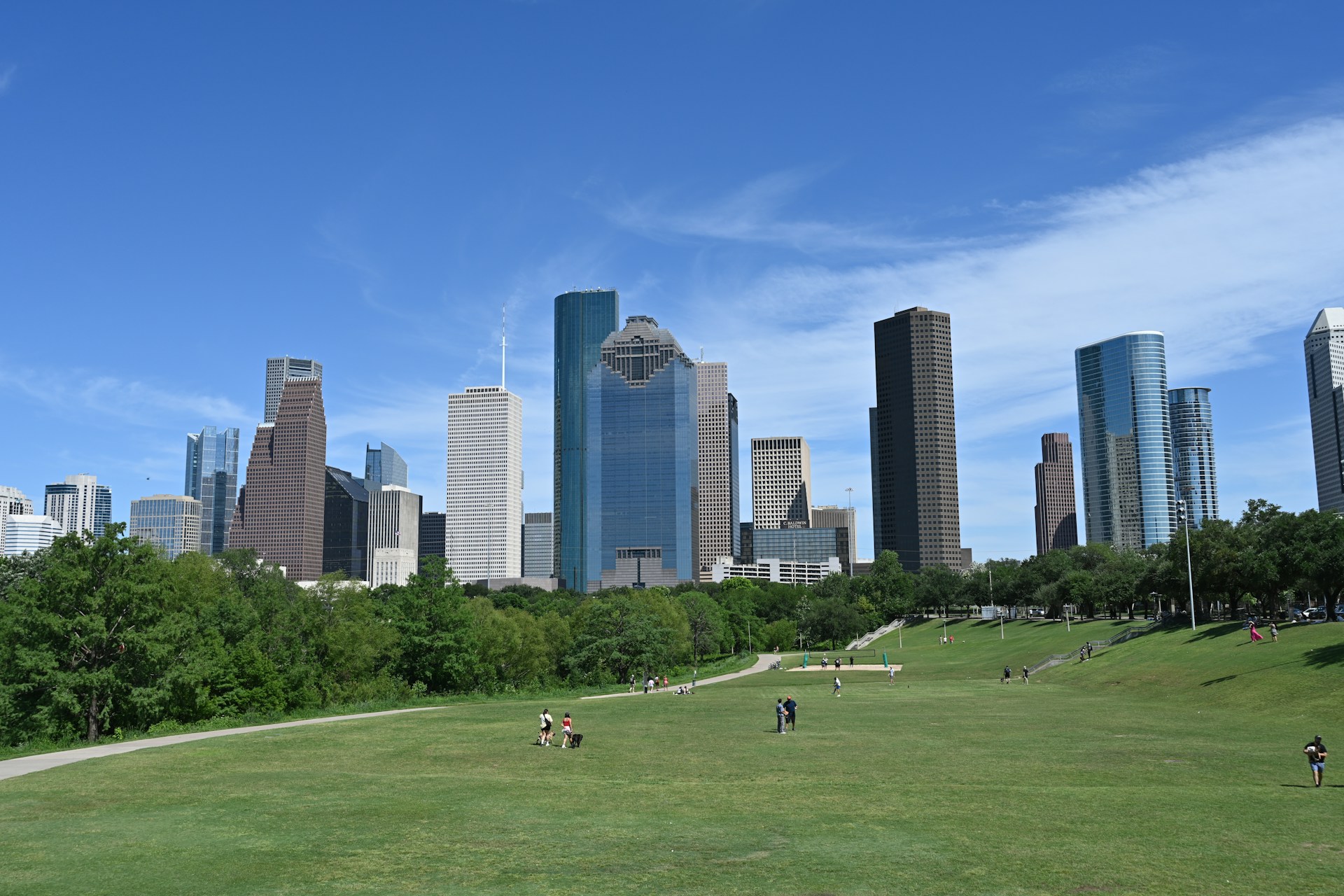
Houston’s rapid expansion has brought economic opportunity alongside growing environmental risk. Heavy rainfall events and flooding have exposed weaknesses in drainage systems and development patterns. Areas once considered low risk have experienced repeated flood damage, creating uncertainty around housing security. Rising insurance premiums and repair costs add financial pressure for many residents. As storms become more intense, living in Houston by 2040 may involve constant adaptation to weather related disruptions and uneven infrastructure resilience.
6. Los Angeles, California
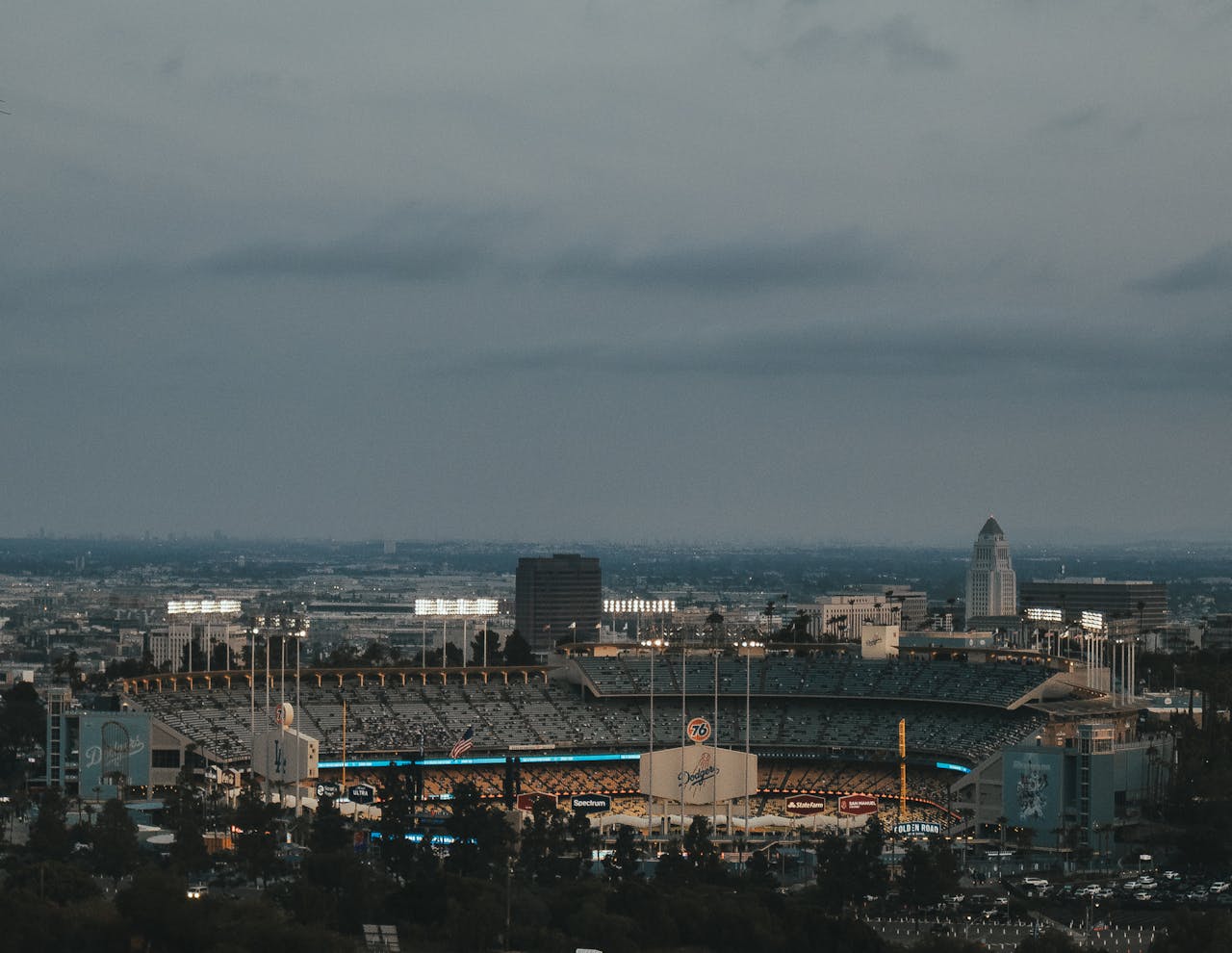
Los Angeles faces a complex mix of environmental stress and social pressure that could make daily life more difficult over time. Wildfire risk, prolonged drought, and rising temperatures intersect with severe housing affordability challenges. Infrastructure upgrades often struggle to keep pace with population needs, especially in transportation and water systems. While opportunity and innovation remain strong, the cost of maintaining quality of life continues to rise. By 2040, everyday living may require navigating layered challenges rather than isolated ones.
7. San Francisco, California
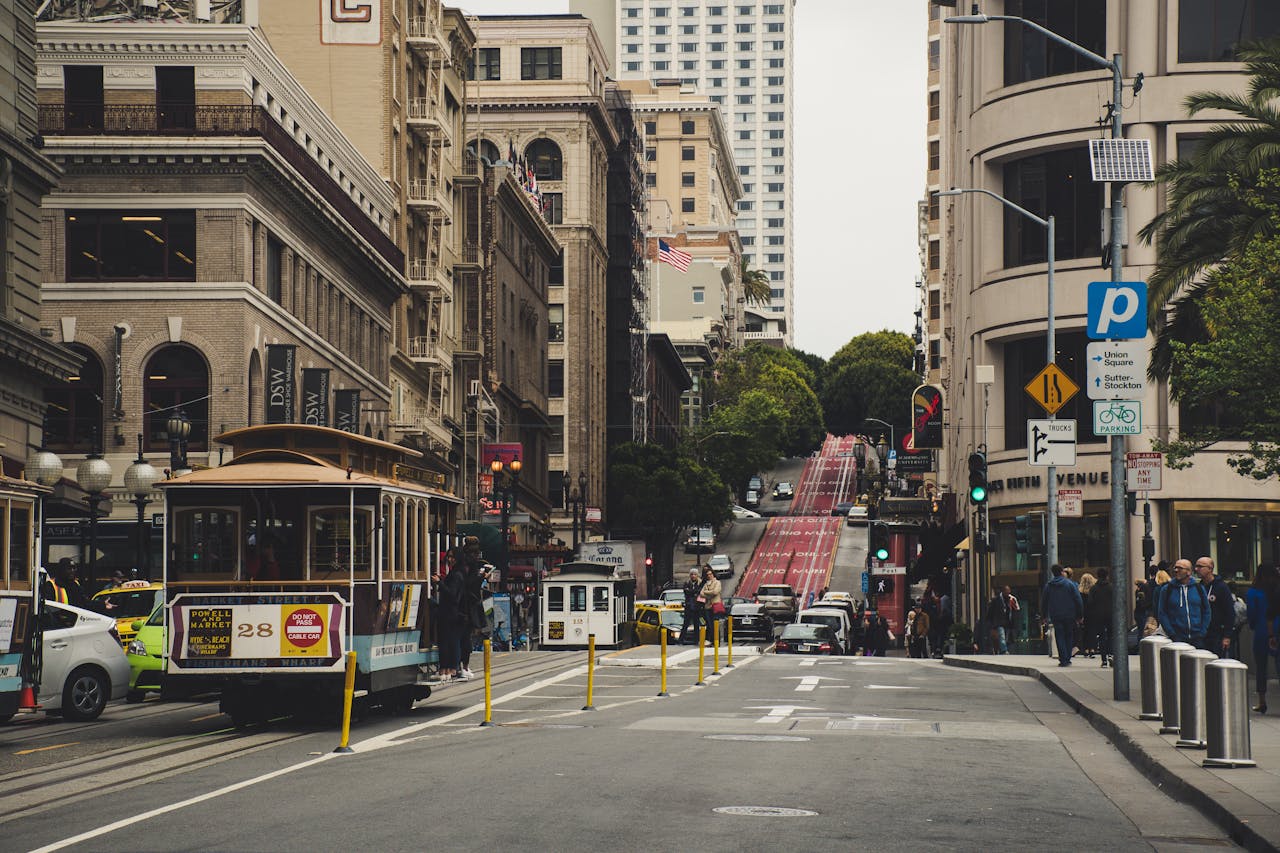
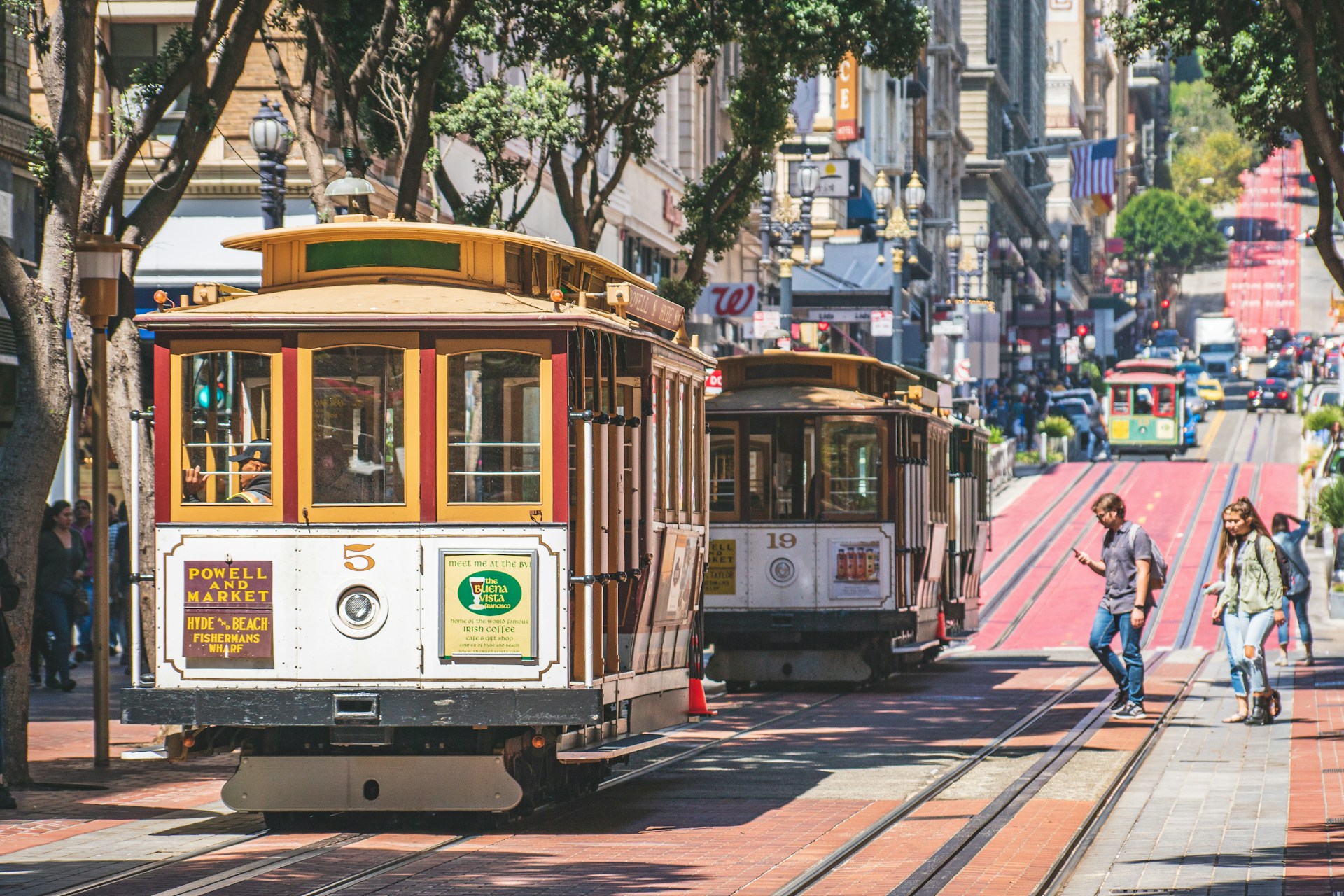
San Francisco’s long standing housing affordability crisis continues to shape who can realistically live in the city. High costs push many middle income residents into long commutes or unstable housing situations. Aging infrastructure and earthquake risk add another layer of long term concern. While wealth and innovation drive solutions, the uneven distribution of resources can make daily life stressful for many households. By 2040, maintaining balance between opportunity and livability may become increasingly difficult.
8. New York City, New York
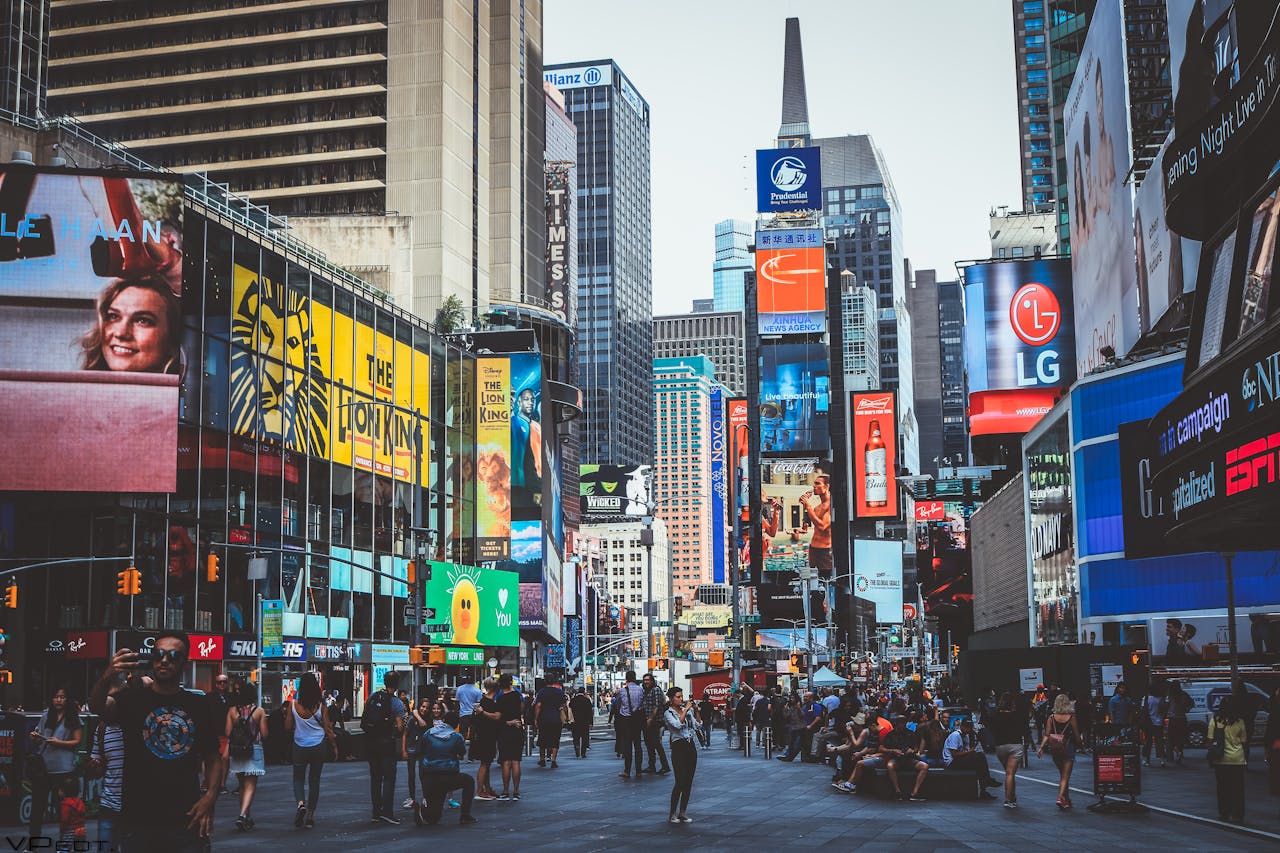
New York City’s density amplifies both its strengths and its vulnerabilities. Rising sea levels threaten coastal neighborhoods, while heat waves place strain on aging buildings and public transit systems. Housing affordability remains a persistent challenge across boroughs. Although the city continuously adapts, the financial and emotional cost of adaptation often falls on residents. By 2040, everyday living may require greater resilience simply to maintain stability.
9. Tucson, Arizona
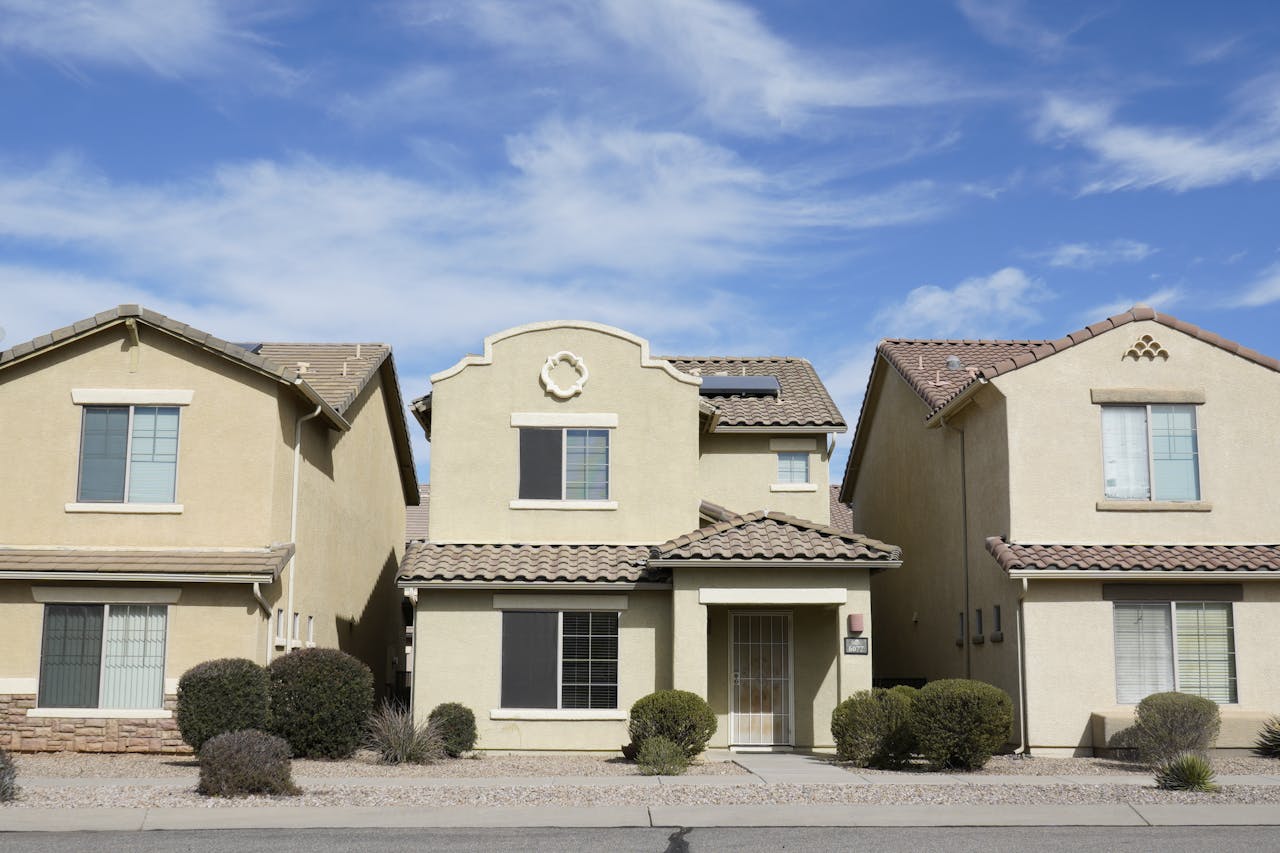
Tucson shares many of Phoenix’s environmental challenges but with fewer economic buffers. Rising temperatures increase health risks, especially for older residents and outdoor workers. Water conservation will remain critical as population demands grow within a fragile desert ecosystem. Infrastructure improvements help reduce risk but cannot eliminate environmental limits. By 2040, comfort and affordability may depend heavily on personal adaptation rather than systemic ease.
10. Baton Rouge, Louisiana
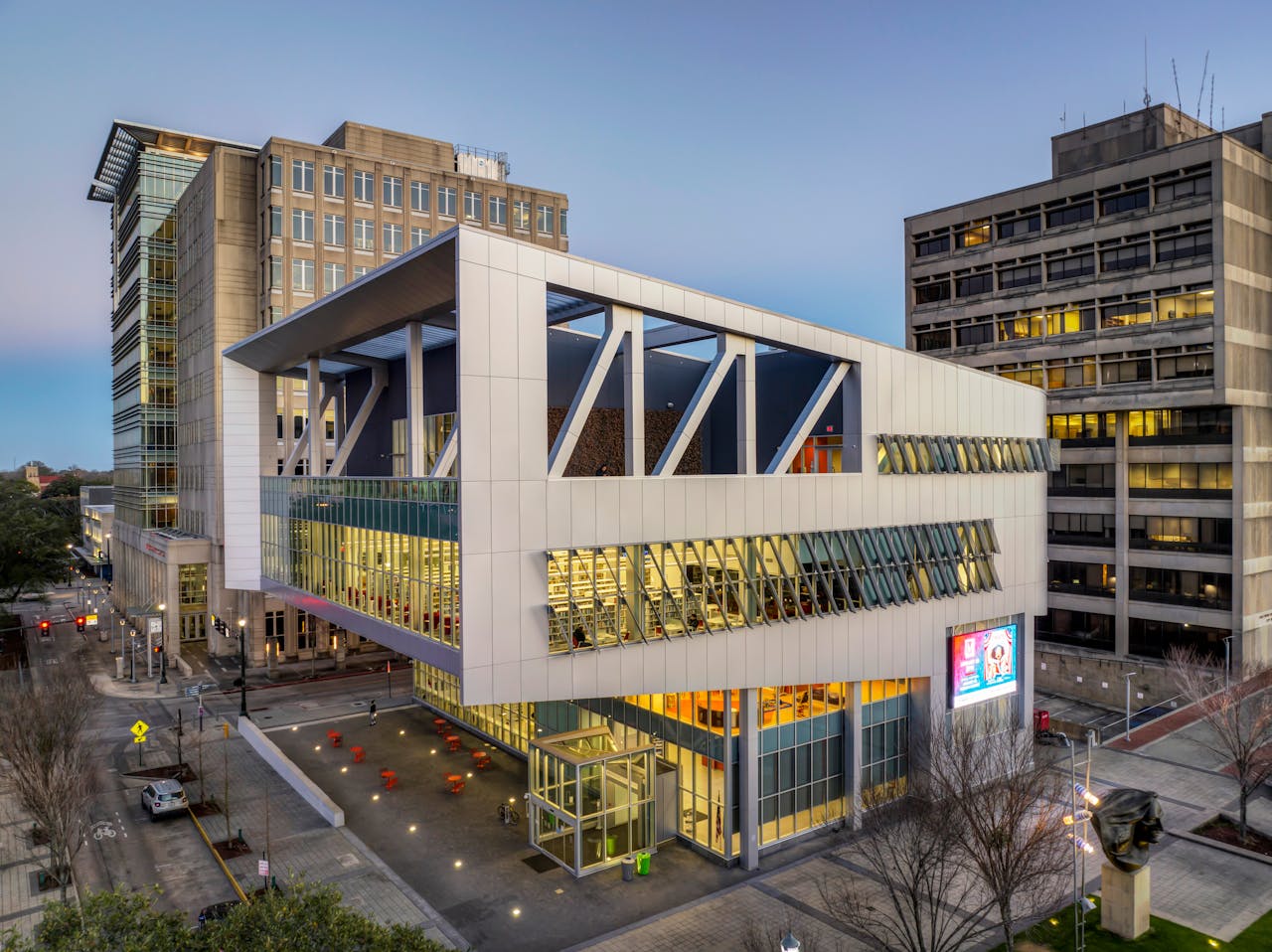
Baton Rouge faces a combination of flood risk, heat stress, and industrial exposure that affects long term livability. Storm events can disrupt neighborhoods, schools, and essential services, sometimes with little warning. Environmental and health concerns may grow as pressures increase unevenly across communities. Economic resilience varies widely, influencing how residents experience these challenges. By 2040, stability may depend on significant investment in infrastructure and environmental protection.
11. Fresno, California
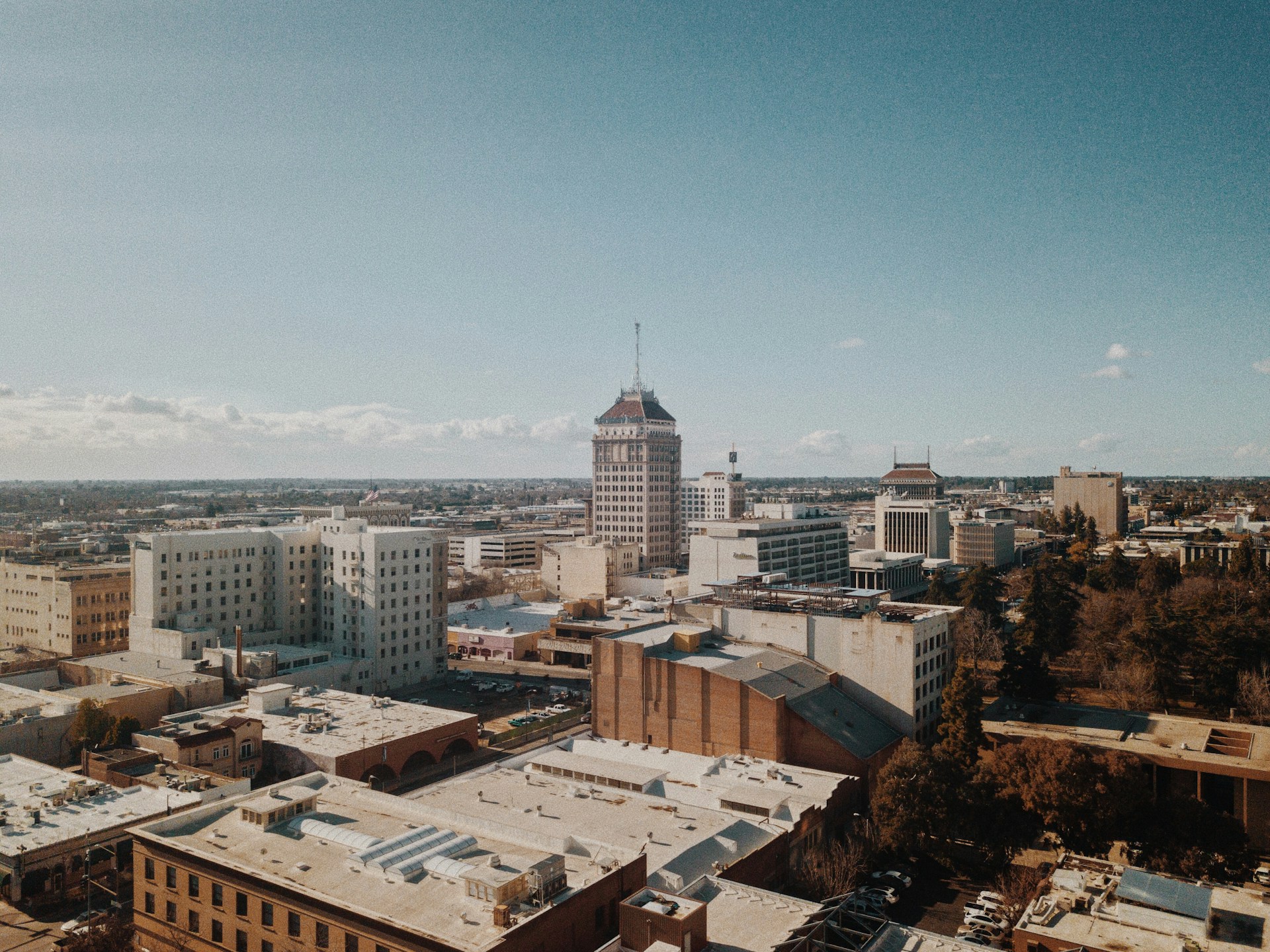
Fresno experiences extreme summer heat, persistent air quality issues, and ongoing water uncertainty tied to both climate and agricultural demand. Rising temperatures increase energy usage and health risks, particularly during prolonged heat waves. While the region offers affordability compared to coastal California, environmental stress adds daily friction to life. By 2040, balancing cost of living with health and comfort may become increasingly difficult for residents.
12. When Growth Outpaces Resilience
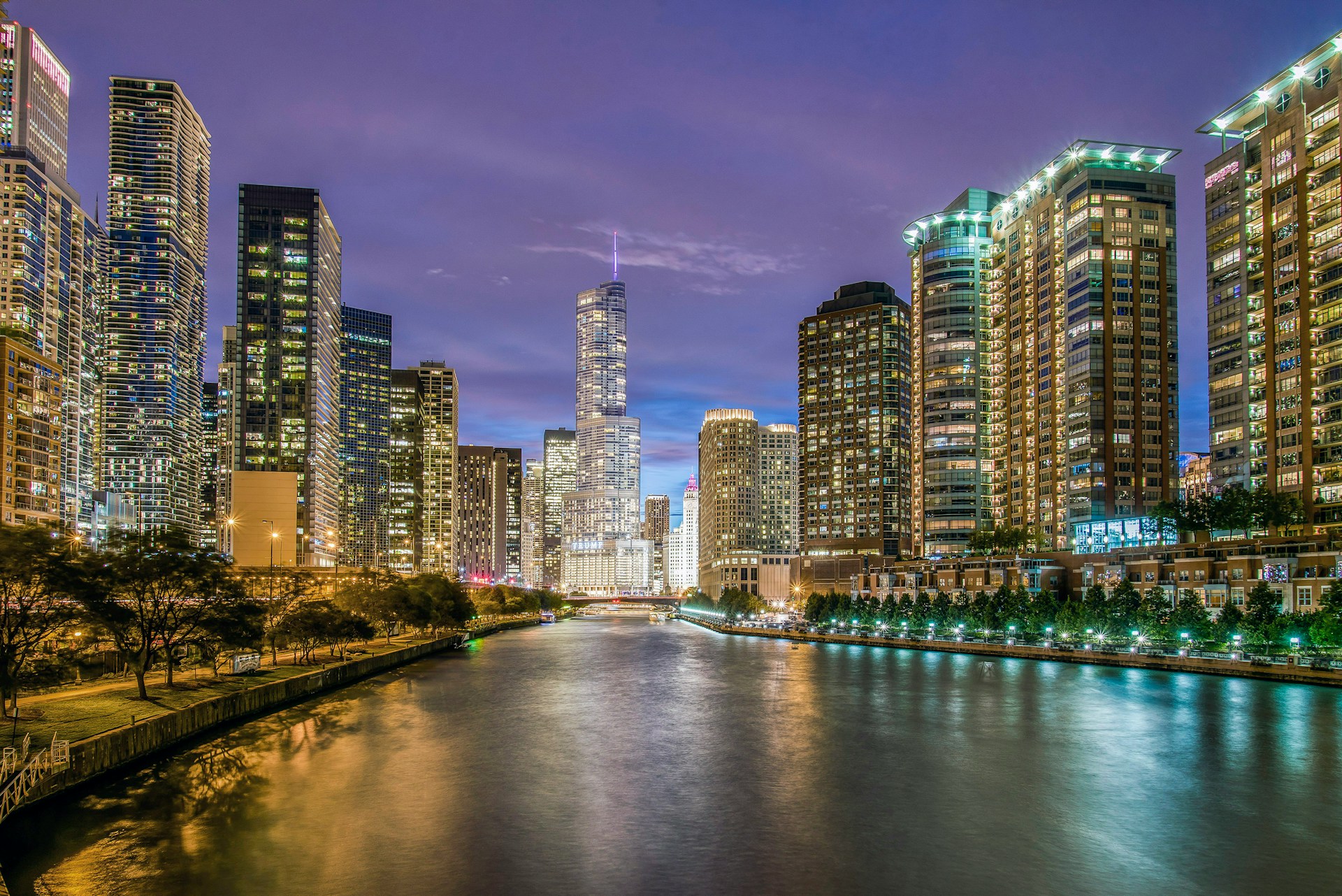
Looking across these cities, the challenge is not collapse but cumulative pressure. Many of these places grew rapidly under conditions that are now shifting. Climate stress, infrastructure strain, and rising costs are converging in ways that affect everyday routines rather than distant futures. By 2040, living in these cities may require more planning, flexibility, and financial resilience than before. The question is not whether these cities endure, but how livable daily life remains if adaptation does not keep pace with change.