Jazz is one of America’s most iconic musical genres, blending rhythm, improvisation, and cultural storytelling. Its roots stretch across the country, with different cities playing pivotal roles in shaping its sound. From birthplace cities to hubs of innovation, each location contributed to the evolution of jazz. Exploring these twelve cities offers a journey through the rhythms, clubs, and legends that defined jazz history in the United States.
New Orleans, Louisiana
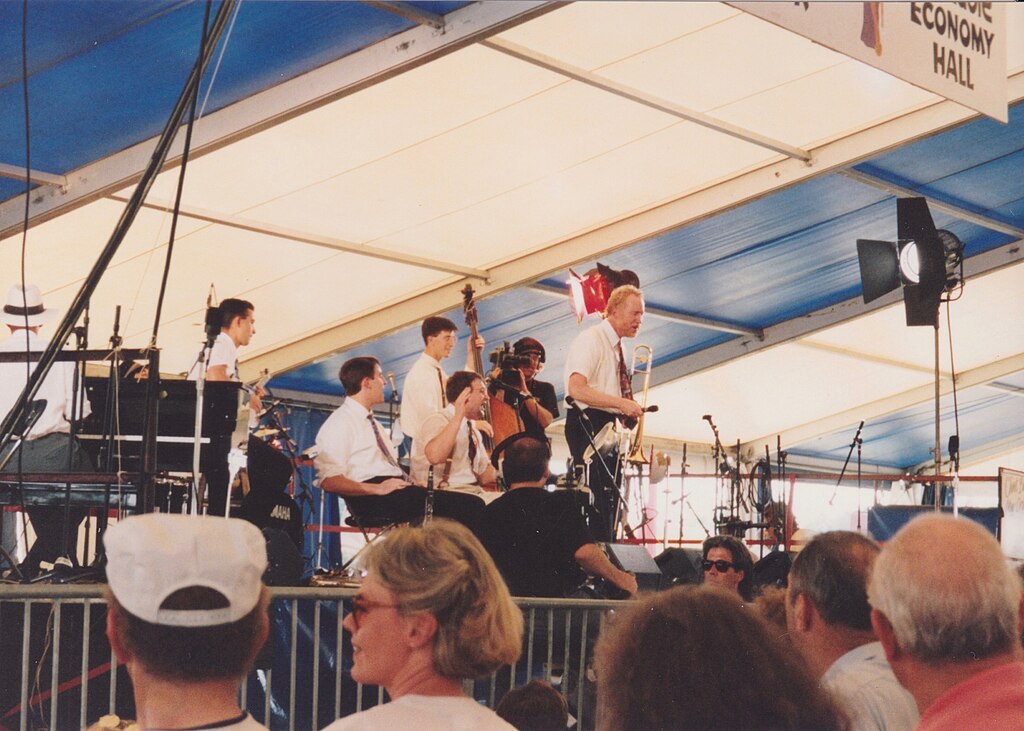
Often called the birthplace of jazz, New Orleans is where ragtime, blues, and brass bands converged to create a distinct sound. The city’s vibrant culture, street parades, and clubs nurtured early jazz legends like Louis Armstrong. French, African, and Caribbean influences blended into a musical melting pot that still pulses through the French Quarter. Visitors can explore historic venues, hear live street music, and feel the lively spirit that made jazz an American treasure.
Chicago, Illinois
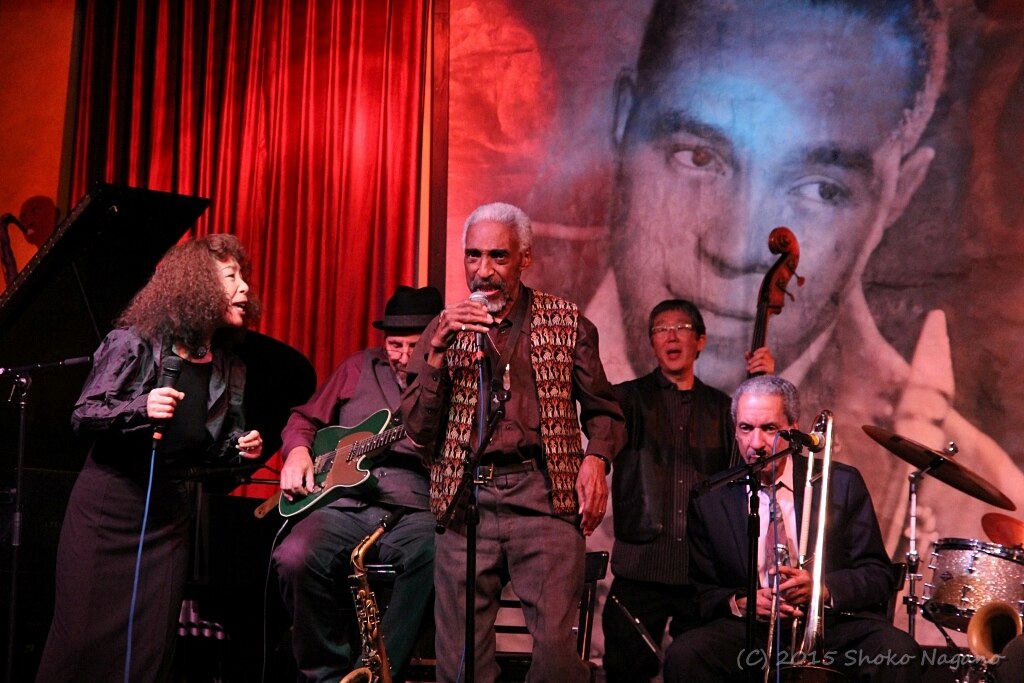
In the 1920s, Chicago became a magnet for jazz musicians from New Orleans seeking new audiences. The city’s bustling nightlife and speakeasies fostered innovation, with artists like Jelly Roll Morton and King Oliver shaping the Chicago jazz style. Saxophones, trumpets, and improvisation thrived in vibrant clubs along the South Side. Chicago’s jazz scene helped popularize the genre nationally, turning it into a major cultural movement during the Roaring Twenties and beyond.
New York City, New York
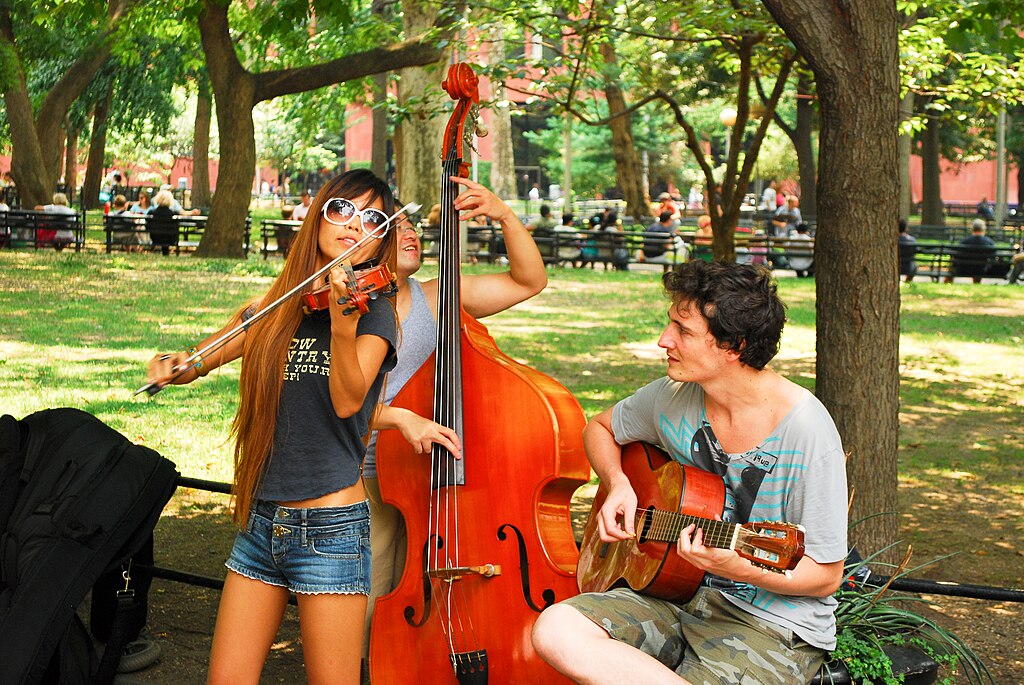
New York City became a hub for jazz innovation, especially in Harlem during the Harlem Renaissance. Venues like the Cotton Club and Apollo Theater showcased talents like Duke Ellington and Billie Holiday. The city’s diverse population and artistic energy encouraged experimentation, from big bands to bebop. NYC’s influence on jazz extended globally, making it a critical city for performance, recording, and cultural exchange. Today, the city still pulses with jazz clubs and festivals.
Kansas City, Missouri
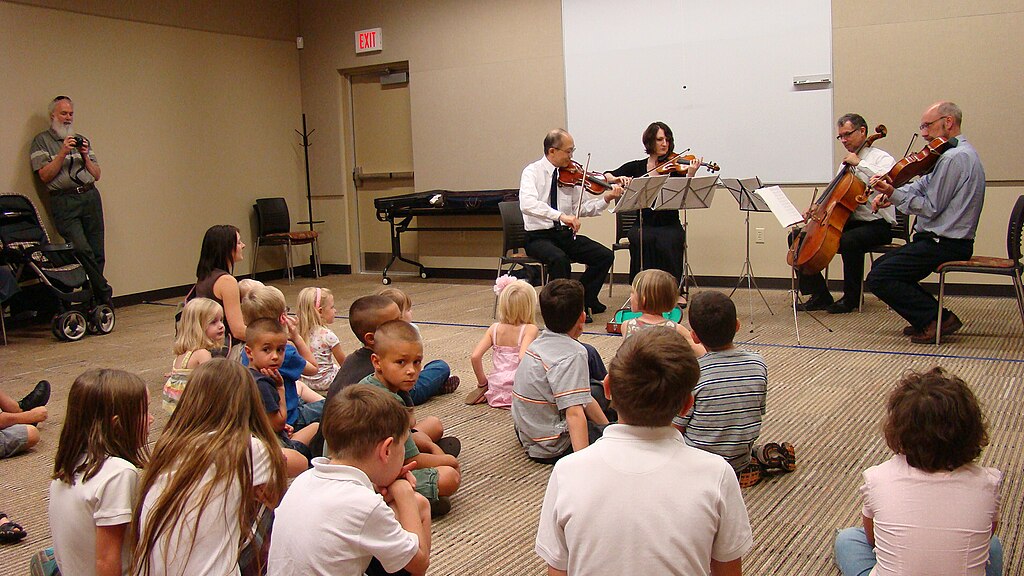
Kansas City developed a unique jazz style characterized by blues influences and extended improvisation. During the 1920s and 30s, clubs along 18th and Vine Street thrived, attracting legends like Count Basie and Charlie Parker. The city’s relaxed atmosphere encouraged late-night jam sessions and innovation. Kansas City’s approach to rhythm, swing, and solo performance left an indelible mark on jazz, influencing musicians across the nation and shaping the genre’s evolution in significant ways.
Detroit, Michigan
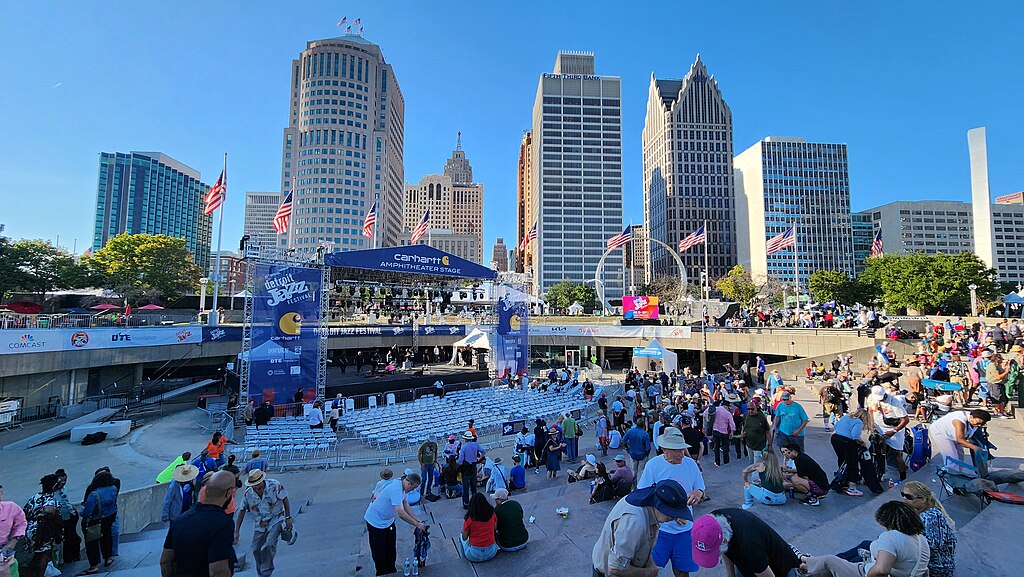
Detroit’s jazz scene blossomed in the early 20th century, fueled by migration and industrial growth. The city became a hub for talented musicians like Milt Buckner and Elvin Jones. Jazz thrived alongside the rise of Motown, and clubs in Detroit offered spaces for experimentation with swing and bebop. The city’s cultural diversity and industrial prosperity created fertile ground for music innovation, making Detroit a key stop on the map of American jazz history.
Los Angeles, California
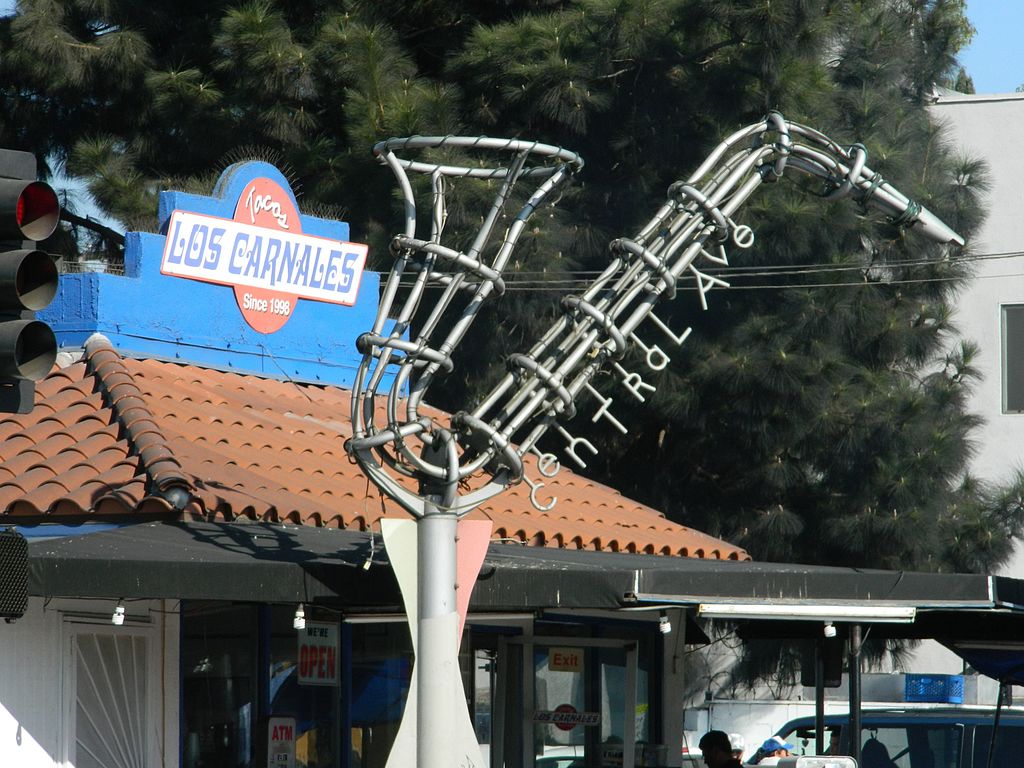
Los Angeles developed a vibrant jazz scene in neighborhoods like Central Avenue. West Coast jazz, characterized by cool tones and intricate arrangements, emerged here with musicians like Dexter Gordon and Art Pepper. The film and entertainment industry also provided opportunities for jazz recording and performance. LA’s jazz history blends street culture, club life, and Hollywood glamour, making it a city where jazz evolved in both sound and style while reaching new audiences across the country.
San Francisco, California
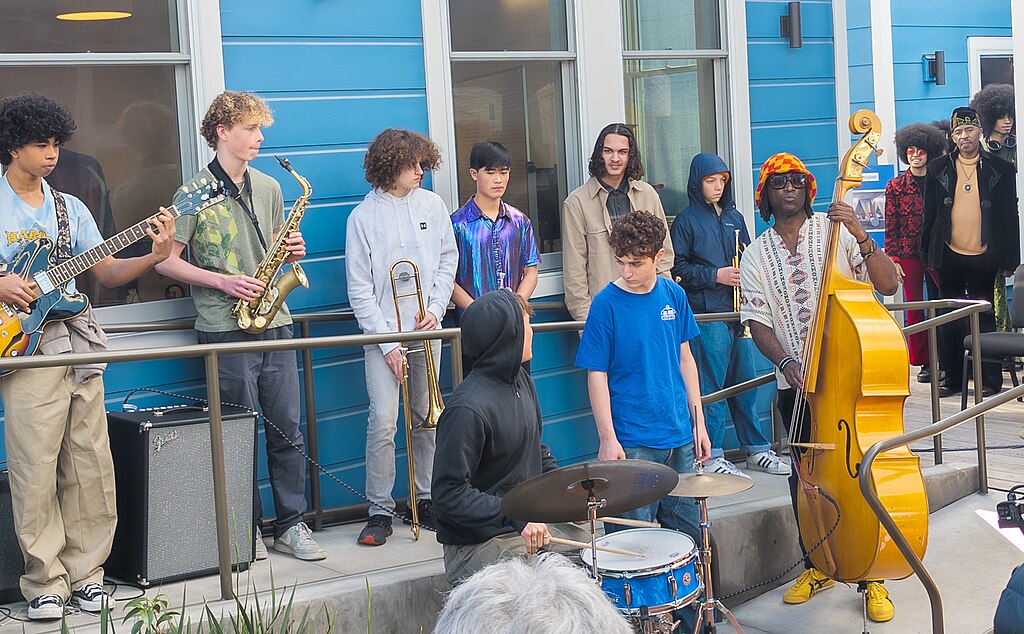
San Francisco’s jazz history is closely tied to its thriving nightlife and clubs like the Black Hawk. The city attracted artists such as Dave Brubeck and Cal Tjader, who shaped West Coast jazz. Diverse cultural influences and bohemian communities encouraged experimentation and collaboration. San Francisco became a gathering place for improvisation and jazz festivals, helping the genre flourish on the West Coast. Today, live music venues continue to celebrate this rich jazz tradition.
Newark, New Jersey
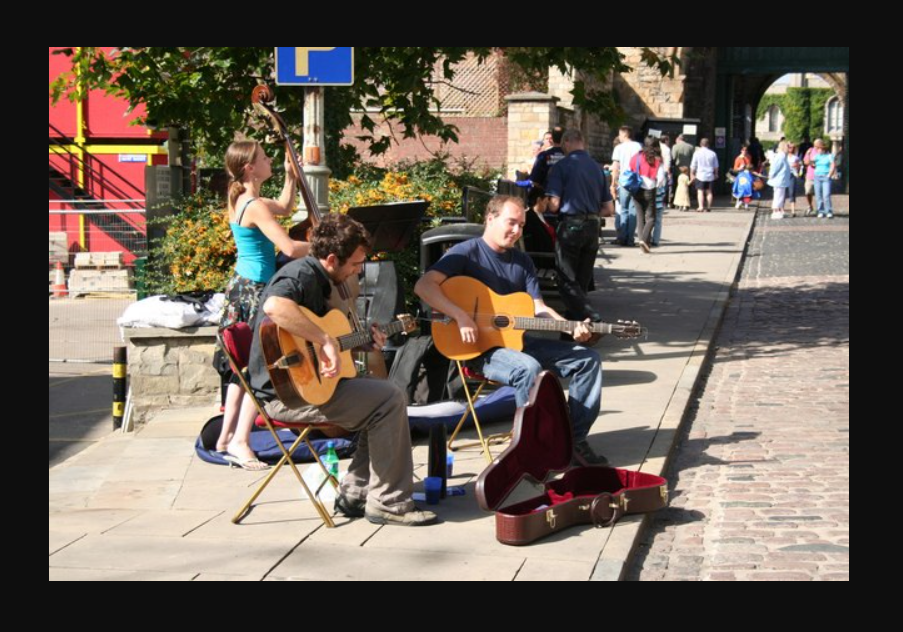
Newark played a crucial role in nurturing jazz talent, especially during the 1930s and 40s. Clubs along Broad Street and in the Ironbound district hosted legendary performers, and the city produced notable musicians like Sarah Vaughan and Wayne Shorter. Its proximity to New York allowed artists to collaborate and tour while maintaining a vibrant local scene. Newark’s contributions helped spread jazz styles and influence the national jazz movement, making it an essential stop on the map of jazz history.
Philadelphia, Pennsylvania
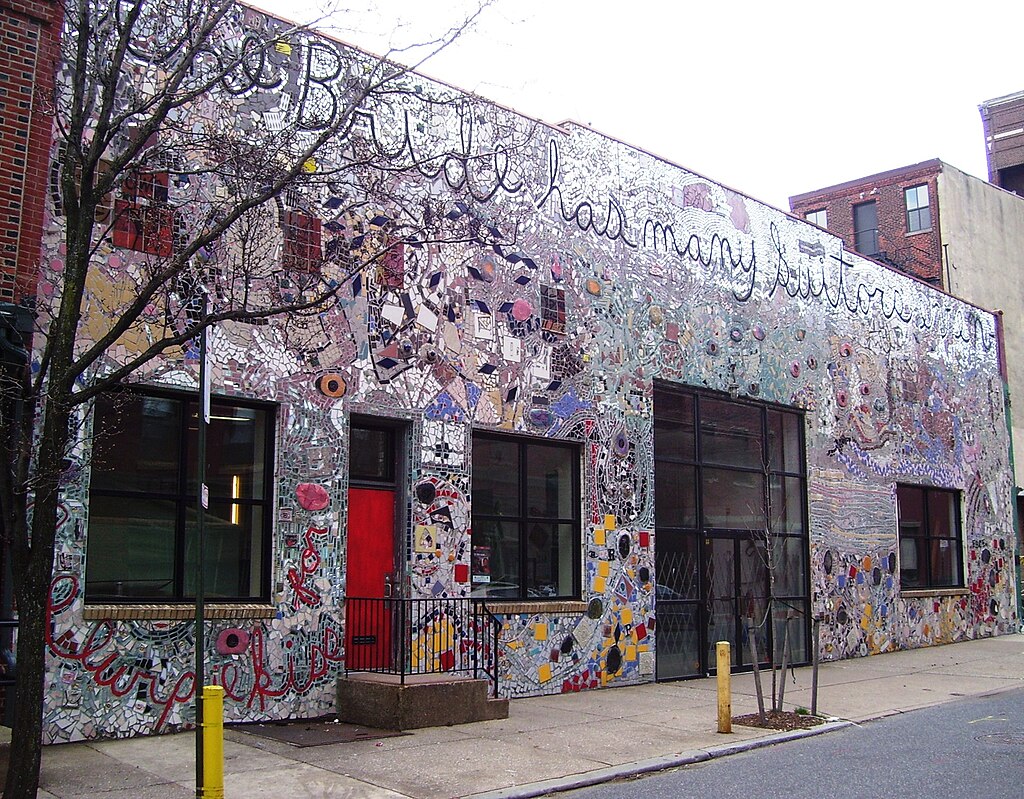
Philadelphia’s jazz scene nurtured artists like John Coltrane and Benny Golson. Clubs and ballrooms offered spaces for swing, bebop, and experimental jazz. The city became a center for jazz education, fostering new generations of musicians. Philadelphia’s rich cultural fabric allowed for collaborations and performances that advanced the genre, making it an important city for both historical and modern jazz scenes. Its contributions continue to influence jazz musicians worldwide.
Boston, Massachusetts
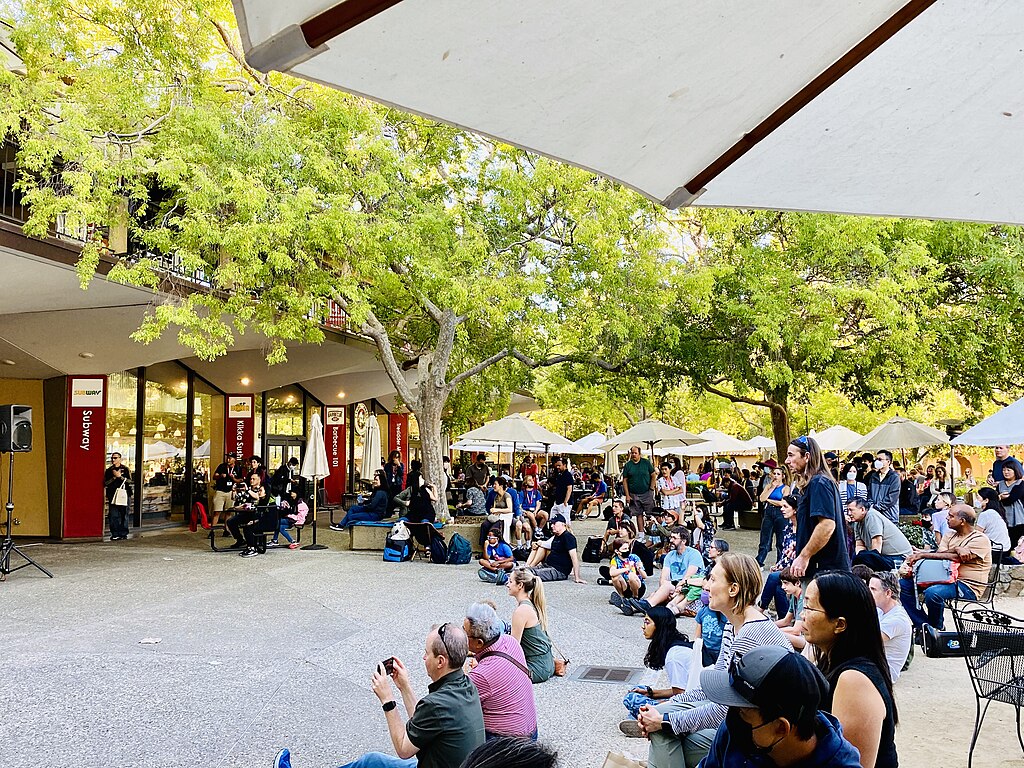
Boston’s jazz history is tied to its educational institutions and vibrant club scene. Berklee College of Music became a breeding ground for jazz innovation and talent, producing some of the most skilled musicians in the world. Clubs in the city allowed for live performances that shaped local and national styles. Boston combined academic rigor with creative expression, making it a unique city where jazz was both preserved and pushed forward, blending tradition with innovation.
New Orleans Suburbs (Metairie & Kenner), Louisiana
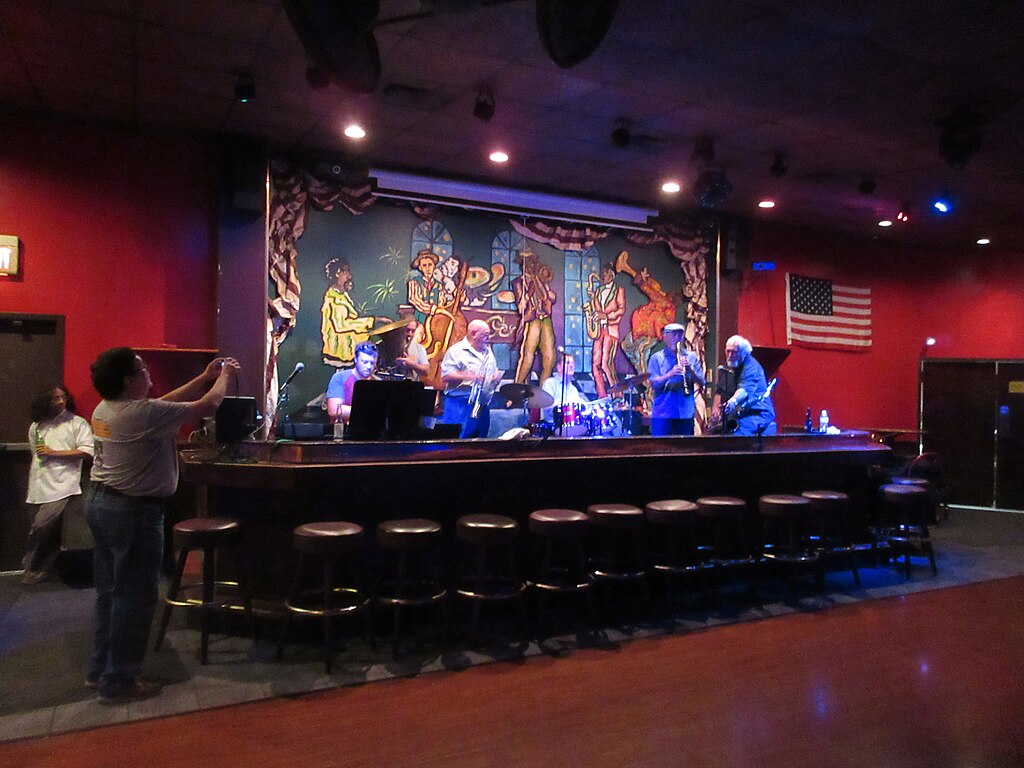
The surrounding suburbs of New Orleans also contributed to jazz culture, hosting festivals and nurturing local talent. These areas supported community jazz bands, school programs, and smaller venues that allowed young musicians to grow. The suburbs helped expand the reach of jazz beyond the French Quarter, ensuring the music remained vibrant across generations. Today, these communities continue to celebrate jazz with festivals and educational initiatives, sustaining the city’s musical legacy.
Washington, D.C.
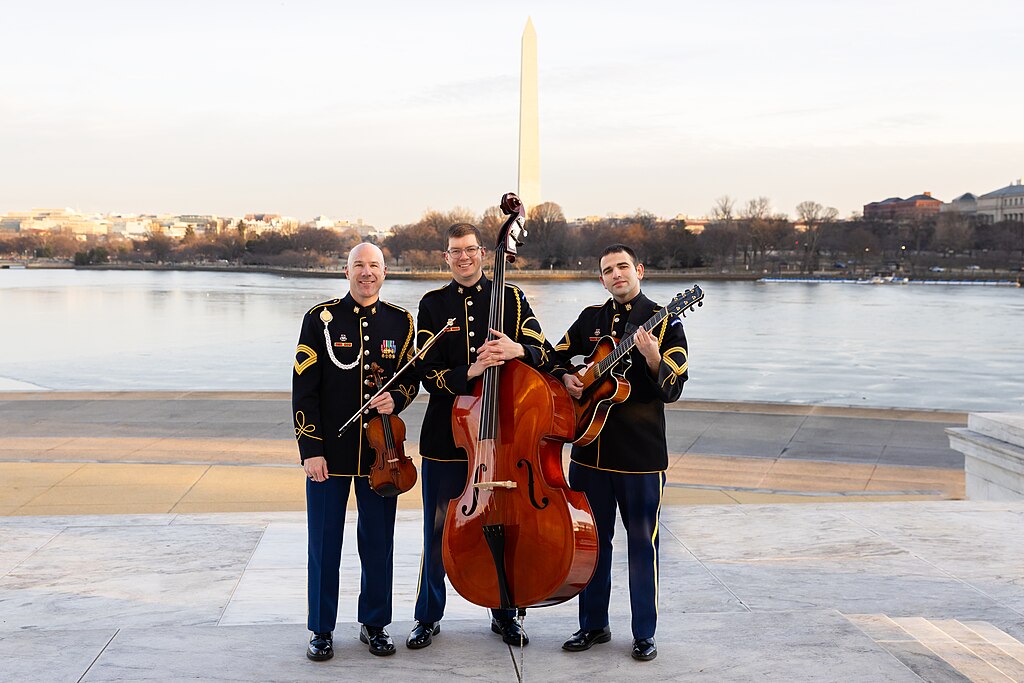
Washington, D.C., developed a unique jazz culture, influenced by its political and social environment. The city produced talented musicians like Duke Ellington and Shirley Horn. Clubs along U Street offered spaces for innovation and performance, fostering the rise of swing and big band jazz. D.C.’s jazz scene thrived on community support and cultural pride, making it a vital city in shaping the sound and spread of jazz. Today, U Street remains a historic and lively hub for jazz enthusiasts.
These twelve cities played defining roles in the evolution of jazz, shaping its sound, style, and cultural significance. From New Orleans’ birthplace roots to New York’s global influence, each city contributed to a rich, complex history. Exploring these cities allows music lovers to follow the rhythms, visit historic venues, and celebrate the legacy of jazz across the United States.