Animation and cartoons have had a profound impact on American culture, shaping childhoods, entertainment, and even social commentary. From the earliest pioneers to modern innovators, animators and cartoonists introduced characters, stories, and visual styles that became cultural touchstones. Their work not only entertained but also reflected societal values, challenged norms, and inspired generations of artists. Here are twelve trailblazers whose creativity left an indelible mark on American culture.
Walt Disney

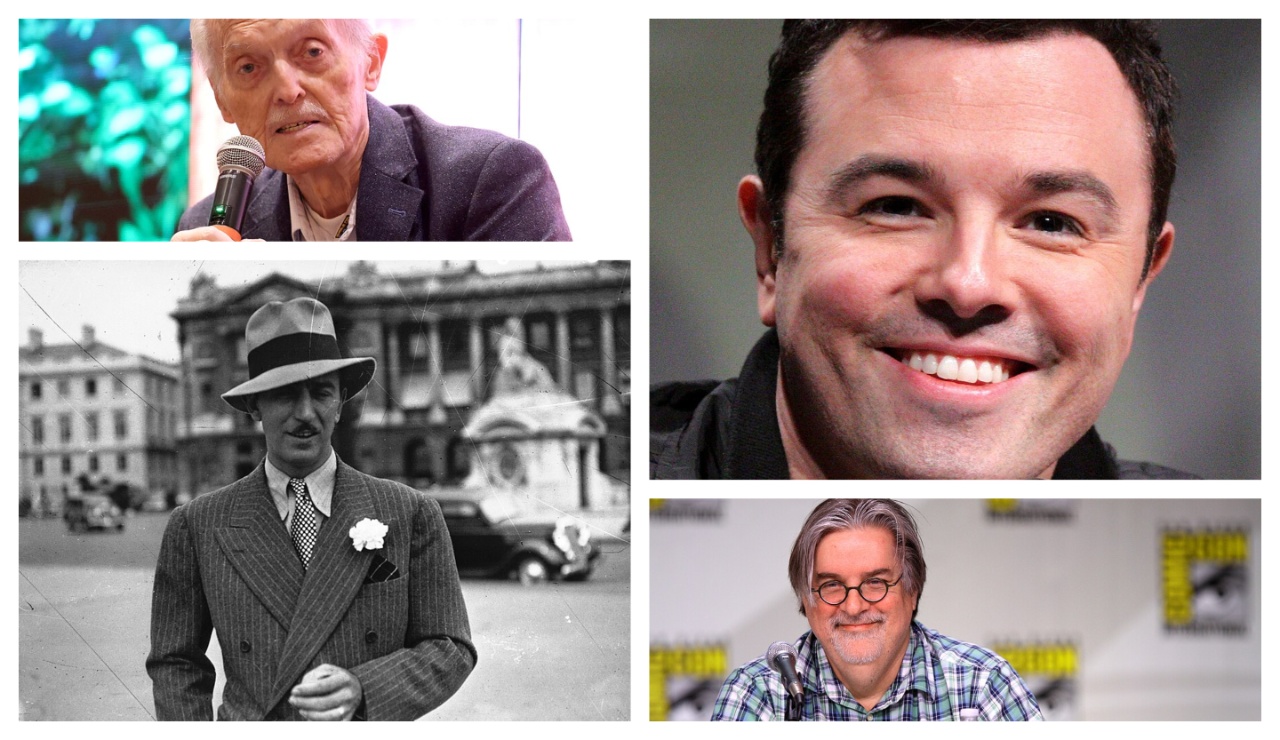
Walt Disney is arguably the most influential animator in American history. He pioneered full-length animated films, with “Snow White and the Seven Dwarfs” becoming the first feature-length animated movie in 1937. Disney’s innovations in storytelling, character design, and theme park experiences revolutionized entertainment. His work set the standard for family-friendly storytelling and global animation influence. Even today, Disney’s legacy continues to inspire filmmakers and artists worldwide.
Tex Avery

Tex Avery was a key figure in shaping comedic animation, especially at Warner Bros. and MGM. Known for his zany, fast-paced cartoons, Avery pushed the boundaries of visual gags and exaggerated expressions. Characters like Droopy and Screwy Squirrel became icons of slapstick humor. His inventive timing and bold style influenced countless animators and defined American cartoon humor. Avery’s work remains a benchmark for comedic animation techniques.
Chuck Jones
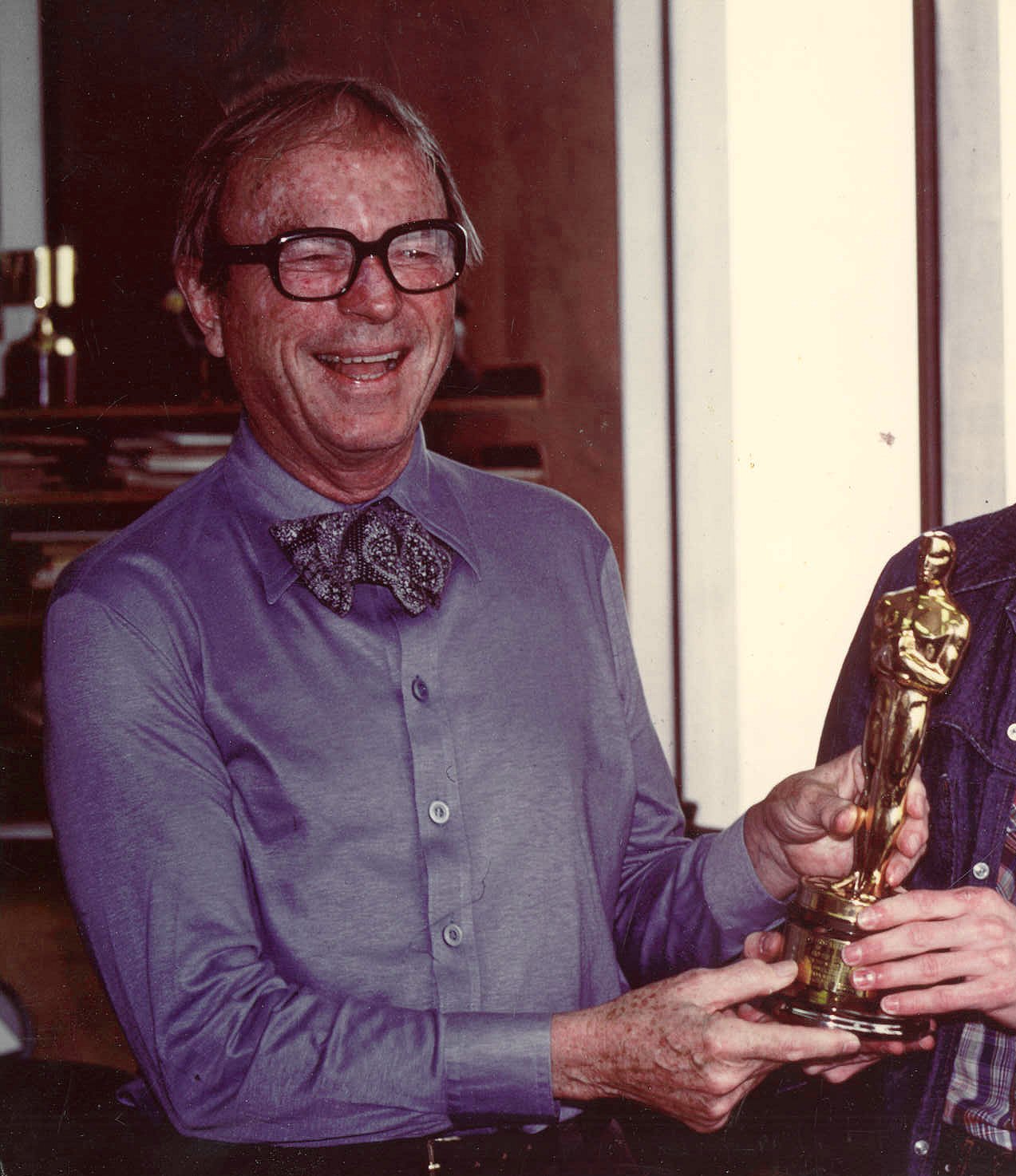
Chuck Jones was a legendary animator and director at Warner Bros., best known for his work on Looney Tunes. He developed memorable characters like Wile E. Coyote, the Road Runner, and Pepe Le Pew. Jones combined visual wit with clever dialogue, making cartoons appealing to both children and adults. His innovative storytelling and expressive animation earned him multiple Academy Awards. Jones’ contributions helped elevate animation as a respected art form.
Hanna-Barbera
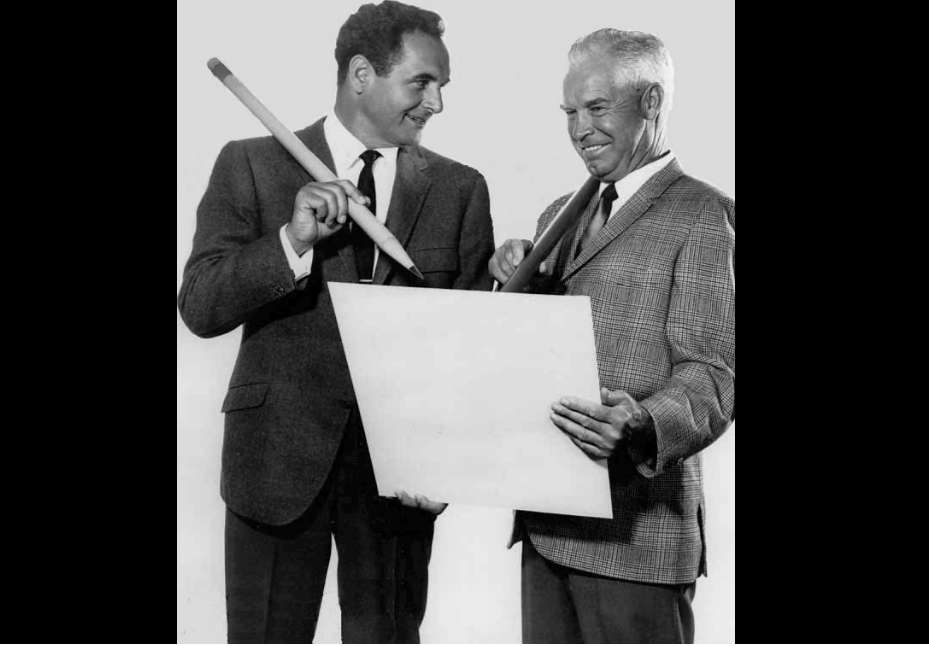
William Hanna and Joseph Barbera co-founded Hanna-Barbera, creating iconic television cartoons like The Flintstones, The Jetsons, and Scooby-Doo. They revolutionized TV animation by producing content suitable for serialized weekly episodes. Their work emphasized accessible humor, memorable characters, and efficient production methods. Hanna-Barbera’s cartoons became a staple of American households and influenced generations of television animators.
Max Fleischer

Max Fleischer was an innovator known for creating Betty Boop and bringing Popeye to life. He introduced the rotoscope technique, allowing more fluid and realistic animation. Fleischer’s work often pushed boundaries with adult themes and surreal imagery. His studios helped bridge early theatrical animation and the evolving entertainment industry. Fleischer’s influence remains evident in animation’s artistic and technical possibilities.
Bill Melendez

Bill Melendez was the animator behind the beloved Peanuts specials, including “A Charlie Brown Christmas.” He successfully translated Charles Schulz’s comic strip into animation, preserving its charm and humor. Melendez’s subtle animation style emphasized character expression and timing. His work brought Peanuts into American living rooms, shaping holiday traditions and family entertainment. Melendez’s contribution demonstrated animation’s potential for emotional storytelling.
John Kricfalusi

John Kricfalusi, creator of The Ren & Stimpy Show, challenged conventional cartoon norms in the 1990s. His exaggerated style, dark humor, and irreverent storytelling broke from family-oriented animation. Kricfalusi’s work influenced a generation of animators exploring adult themes, unconventional narratives, and extreme visual styles. His creativity highlighted animation as a medium for diverse artistic expression.
Don Bluth

Don Bluth, a former Disney animator, left the studio to create films like The Land Before Time and An American Tail. His work combined rich animation, emotional depth, and darker storytelling elements. Bluth revived the potential of feature animation outside Disney’s influence. His films demonstrated that animated stories could tackle complex themes and resonate with audiences emotionally.
Hayao Miyazaki (influential globally)

Though Japanese, Hayao Miyazaki’s influence on American animators is profound. Studio Ghibli films introduced detailed animation, environmental themes, and strong female protagonists to international audiences. Many American animators cite Miyazaki as an inspiration for storytelling, character development, and artistic style. His global impact highlights the cross-cultural nature of animation’s evolution.
Matt Groening

Matt Groening created The Simpsons, the longest-running animated TV show in history. His work introduced satire, social commentary, and multi-generational appeal to mainstream audiences. Groening’s characters and storylines reflect contemporary culture, politics, and family dynamics. The Simpsons set the stage for adult-oriented animated programming in America.
Seth MacFarlane

Seth MacFarlane, creator of Family Guy and American Dad, pushed the boundaries of adult animation with irreverent humor and pop culture references. His work blends satire, parody, and musical elements, appealing to a mature audience. MacFarlane’s influence helped establish adult animation as a commercially viable and culturally significant medium.
Bill Watterson

Bill Watterson, creator of Calvin and Hobbes, changed the landscape of newspaper comics. His strip combined humor, philosophy, and social critique, resonating with both children and adults. Watterson resisted commercialization, focusing on the artistic integrity of his work. His influence extends to modern cartoonists who prioritize storytelling and creativity over merchandise and branding.