
Toddlers can seem messy, loud, and chaotic, but their little quirks often teach important skills for life. From asking nonstop questions to exploring the world, toddlers are learning problem-solving, independence, social skills, and resilience. What seems like mischief is often preparation for adulthood. Encouraging these habits helps children build confidence, creativity, and practical abilities, all while keeping parenting fun and giving kids a head start in life.
1. Ask All the Questions

Those endless “why” and “how” questions may drive adults crazy, but toddlers are learning curiosity, observation, and problem-solving. Each repetitive question helps practice independent thinking, reasoning, and exploring the world. Encouraging this habit sets the foundation for lifelong learning. Toddlers develop a natural drive to seek answers, explore ideas, and think creatively, which are essential skills for school, work, and adult decision-making later in life.
2. Stack Everything
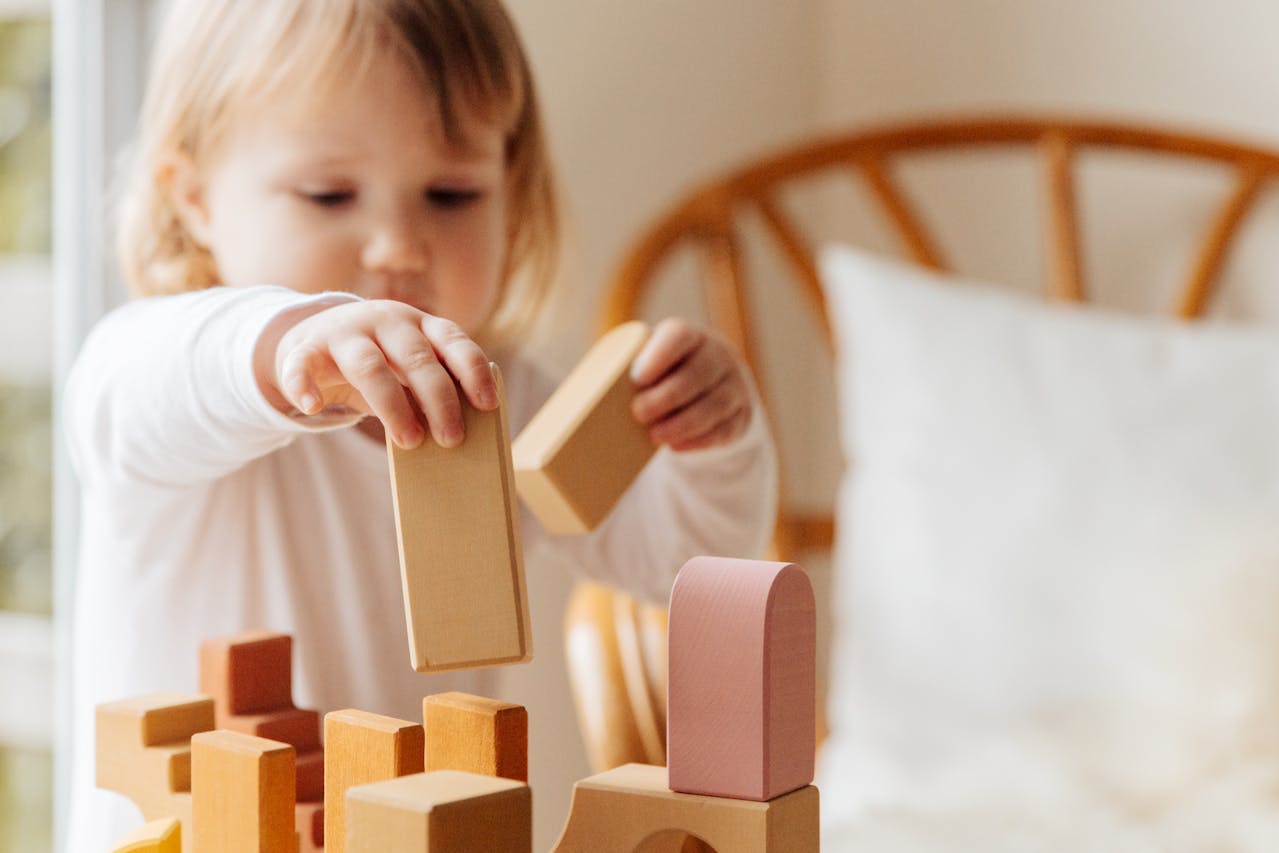
Building towers, lining up toys, or repeating simple tasks teaches toddlers focus, patience, and persistence. These activities develop fine motor skills and a sense of achievement when structures don’t fall. Repetition fosters problem-solving, experimentation, and resilience. Toddlers learn that mistakes are part of learning and that practice leads to improvement. These early experiences help children tackle challenges with confidence and determination as they grow into capable adults.
3. Push Boundaries

Pushing limits may feel frustrating, but toddlers are learning rules, consequences, and self-control. By testing what is allowed and what is not, children practice decision-making and learn accountability. Understanding boundaries teaches frustration management and critical thinking. This habit helps toddlers navigate social expectations, school rules, and later workplace norms. Learning to push and then respect limits develops confidence and prepares them to handle challenges effectively in adulthood.
4. Copy Everything

Mimicking adults, siblings, or teachers teaches observation, empathy, and practical skills. Pretending to cook, clean, or work helps toddlers understand daily routines and problem-solving. Imitation builds confidence, creativity, and social awareness. Playful copying also encourages imaginative thinking. By observing and practicing adult behaviors safely, toddlers develop early skills that help them succeed in school, collaborate with peers, and manage responsibilities as they grow into independent, capable adults.
5. Explore Everywhere
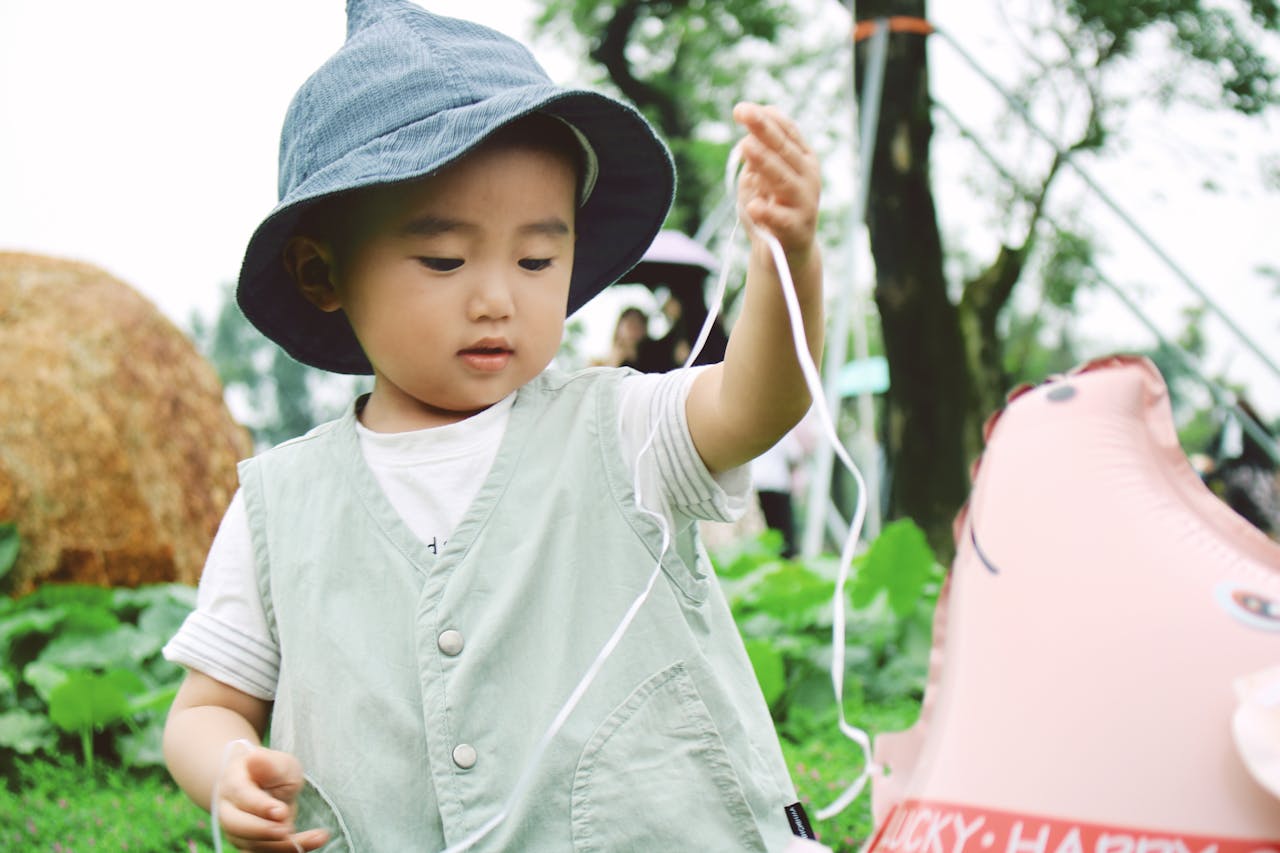
Running, climbing, and investigating teach toddlers how to assess risks, make decisions, and solve problems. Independent exploration builds confidence, curiosity, and adaptability. Trying new experiences safely helps them understand the world around them. Encouraging exploration strengthens problem-solving, decision-making, and creative thinking. This habit prepares children to face challenges confidently, develop independence, and approach new situations with curiosity and resourcefulness as they move into adulthood.
6. Negotiate Like a Boss
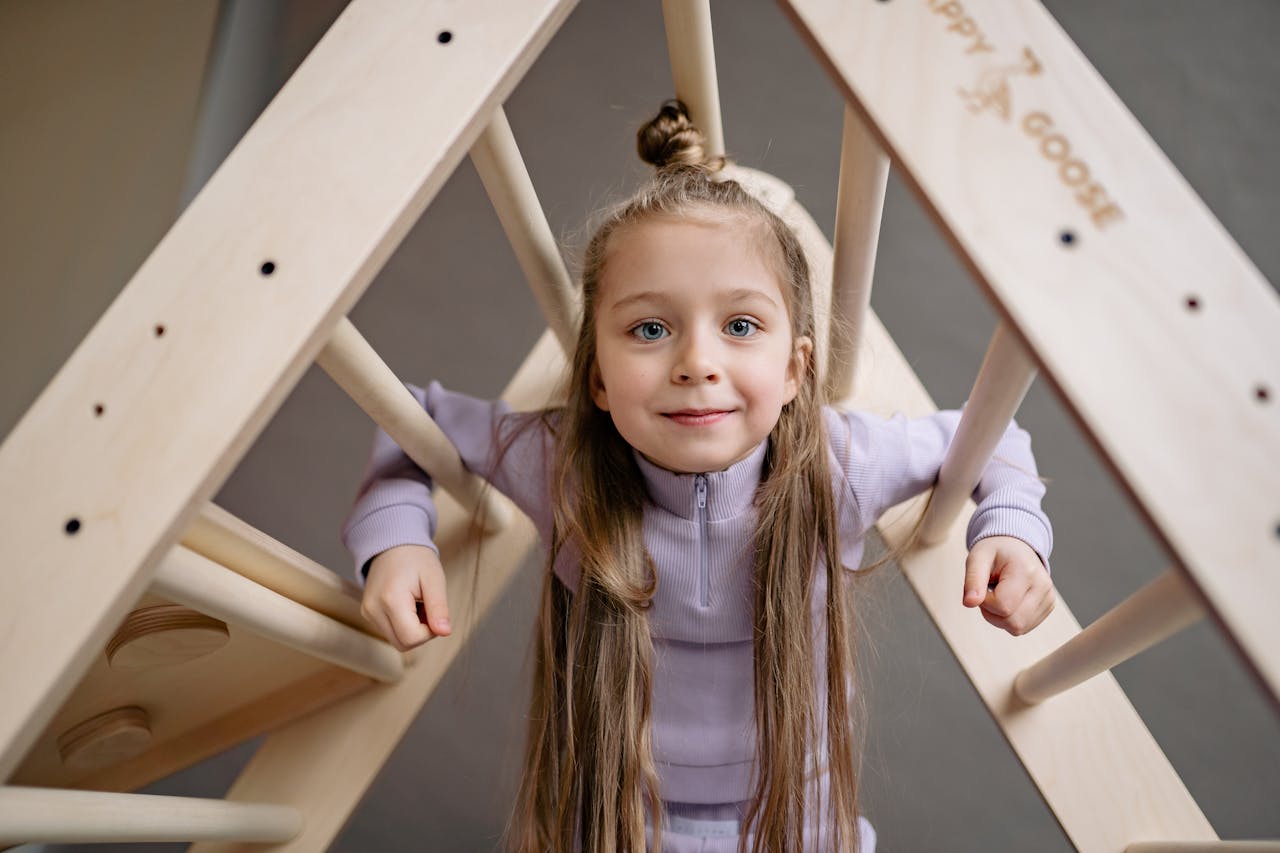
Asking repeatedly, offering trades, or negotiating simple deals teaches toddlers early communication and persuasion skills. They learn how to express wants, read responses, and compromise. Practicing negotiation fosters patience, reasoning, and problem-solving. These early interactions prepare children for teamwork, conflict resolution, and advocacy in school and work. Learning how to negotiate safely helps toddlers grow into adults who can communicate clearly, make fair agreements, and advocate effectively for themselves.
7. Throw Big Emotions
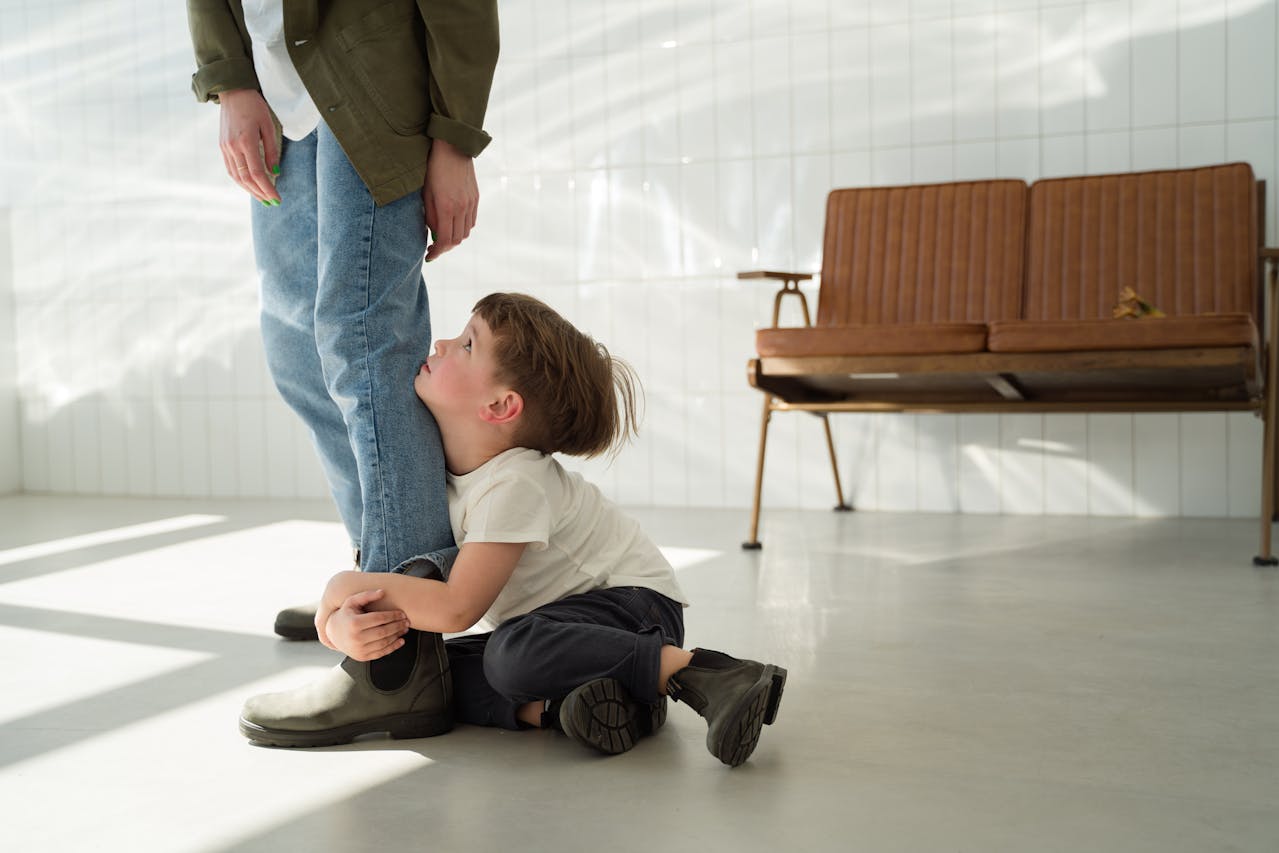
Tantrums, laughter, and excitement may be overwhelming, but toddlers are learning to recognize, express, and manage emotions. Handling feelings builds self-awareness, empathy, and resilience. Children practice understanding their own emotions and those of others, strengthening social skills. Encouraging emotional expression teaches coping strategies and communication skills. This habit prepares toddlers to manage stress, interact positively with others, and navigate adult relationships while maintaining confidence and emotional intelligence.
8. Share or Cry
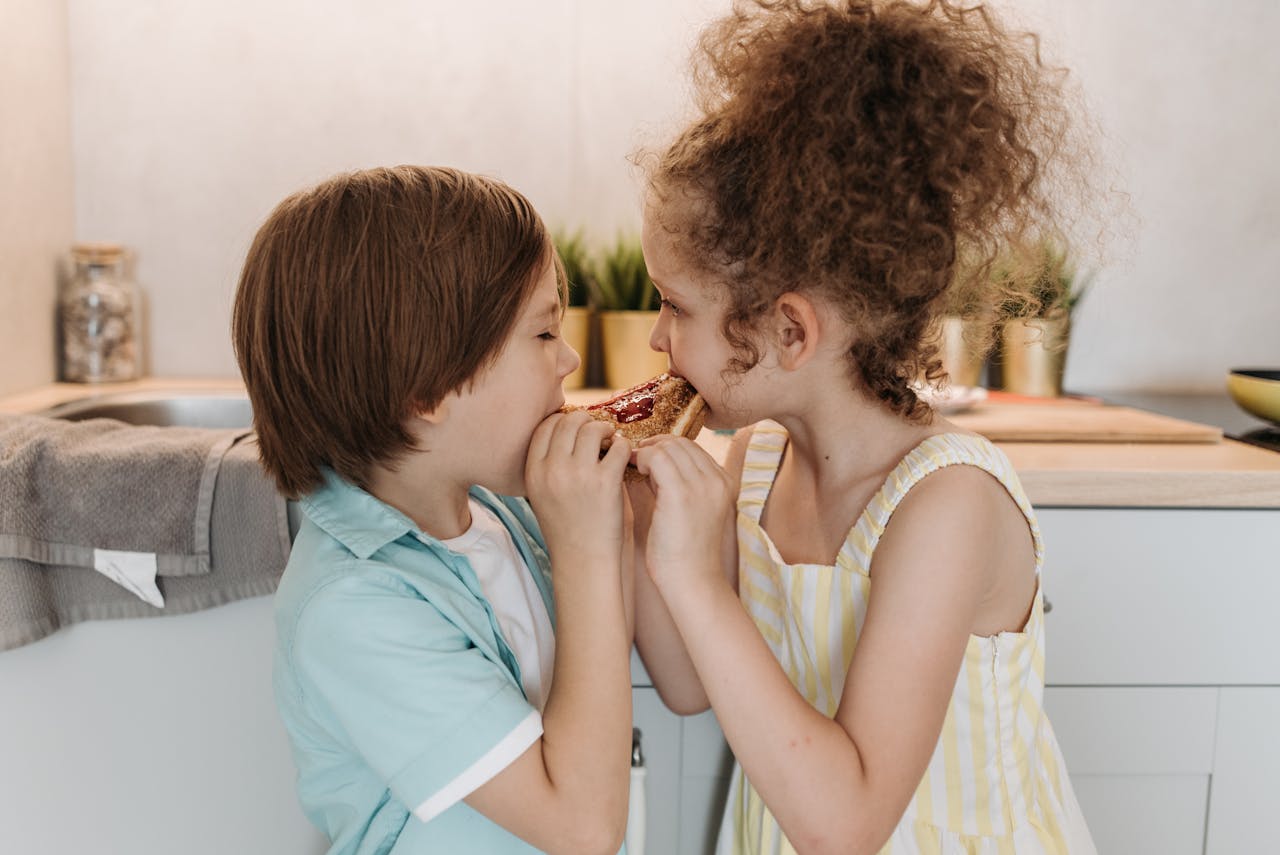
Cooperative play and sharing teach toddlers patience, empathy, and teamwork. Taking turns, trading toys, or negotiating playtime builds early social skills. Toddlers learn conflict resolution, compromise, and collaboration through these interactions. Practicing sharing helps them understand fairness, respect, and cooperation. These lessons form the foundation for adult friendships, workplace teamwork, and family relationships, while making social learning enjoyable and reinforcing the value of giving and receiving.
9. Fail and Try Again
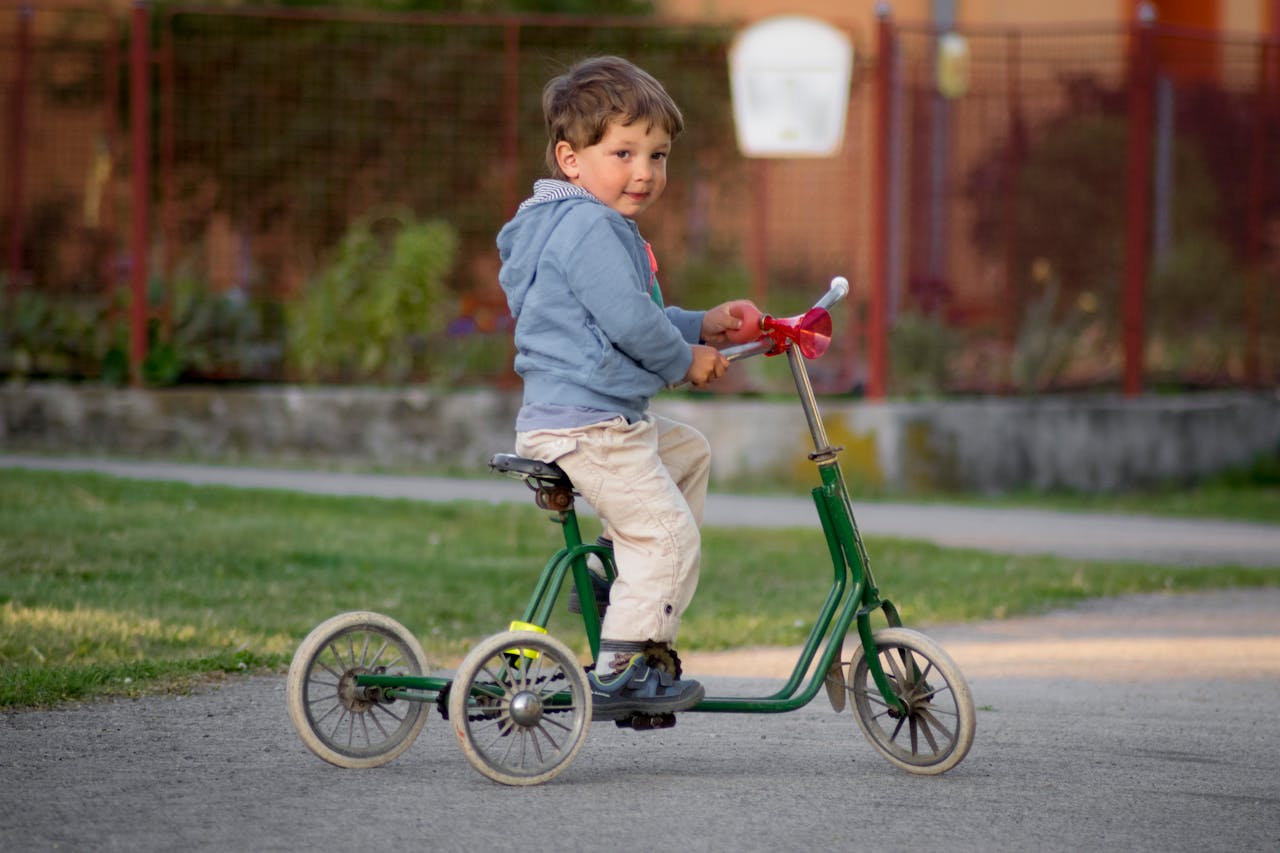
Experimenting with puzzles, building blocks, or new skills teaches toddlers resilience, perseverance, and problem-solving. They learn that mistakes are natural and that trying again leads to improvement. Repeated attempts foster determination, creative thinking, and confidence. Practicing failure safely prepares children to handle setbacks and challenges with a positive attitude. This habit helps toddlers develop the mindset to approach obstacles strategically and persistently throughout school, work, and adult life.
10. Hoard Everything
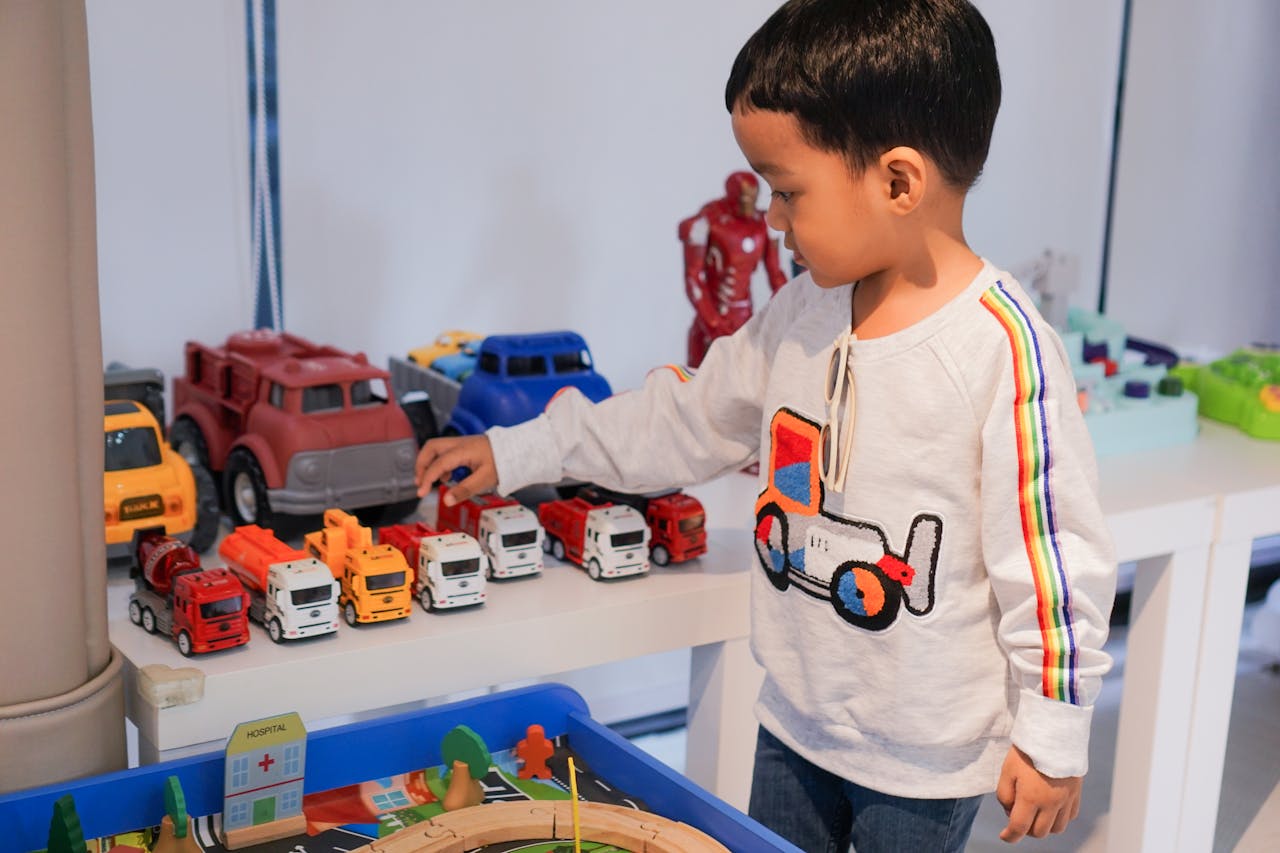
Collecting toys, rocks, or small objects teaches toddlers organization, prioritization, and decision-making. They practice deciding what is important and how to keep track of belongings. This habit develops responsibility, attention to detail, and planning skills. Early experiences with organizing and sorting objects prepare children to handle tasks, resources, and responsibilities efficiently. These habits lay the foundation for capable adults who can stay organized, make thoughtful decisions, and manage their environment effectively.
11. Ask for Help
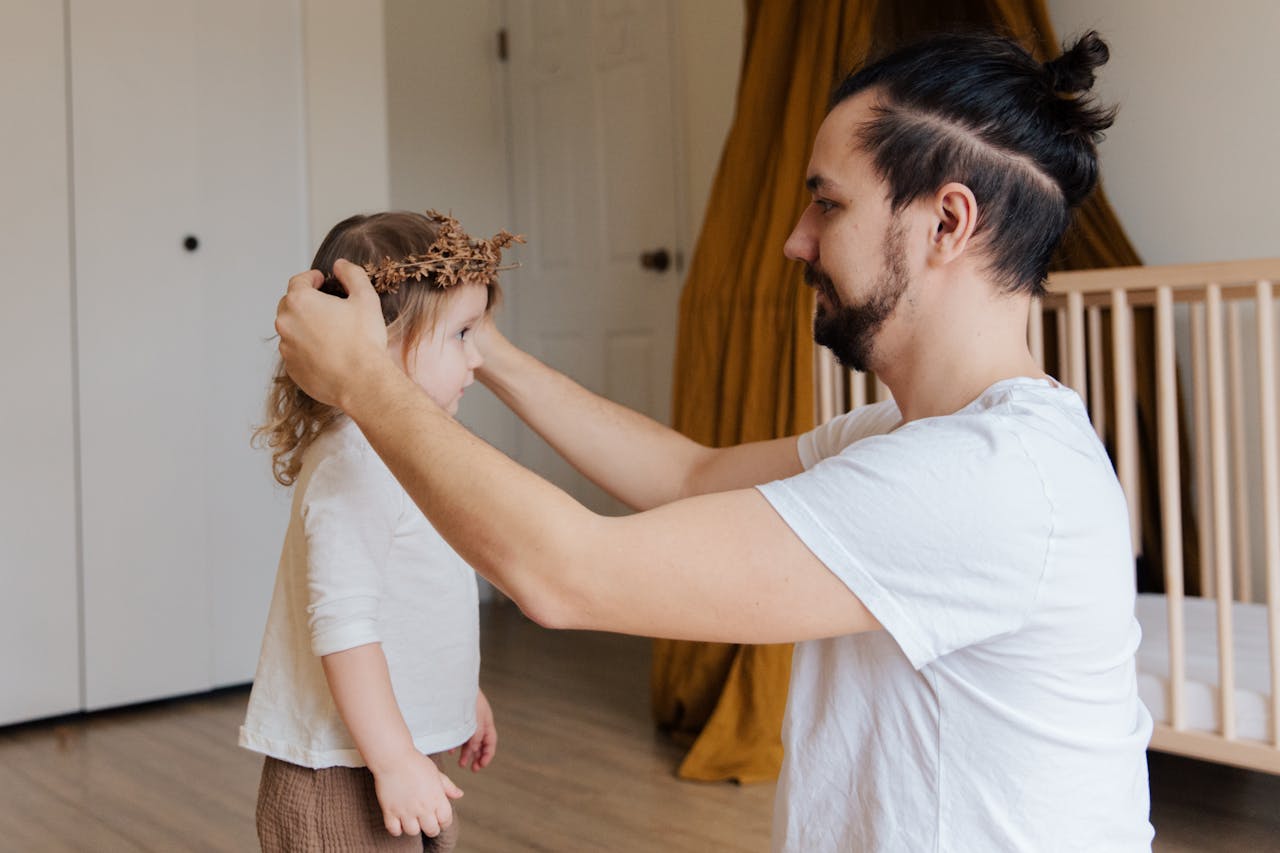
Seeking assistance when needed teaches toddlers the balance between independence and collaboration. Children practice communication, problem-solving, and teamwork by learning when and how to ask for help. Encouraging this habit develops self-advocacy and confidence while fostering social and cooperative skills. Toddlers who learn to seek support safely are better prepared for adult environments, school projects, and workplace collaborations, gaining the ability to navigate challenges without losing independence.
12. Bang and Drop
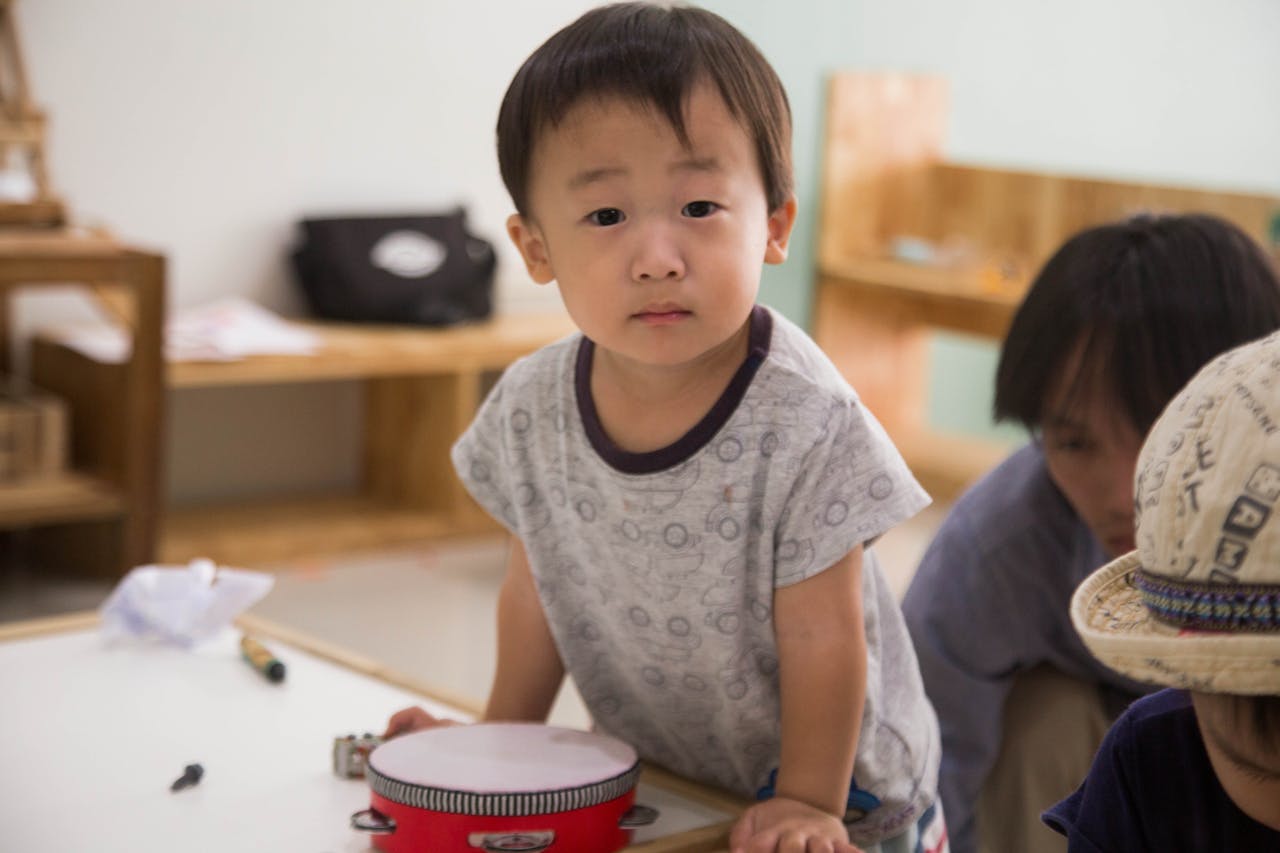
Dropping, pushing, or banging objects helps toddlers explore cause and effect, consequences, and problem-solving. Experimenting safely teaches reasoning, prediction, and analytical thinking. Children observe outcomes, test hypotheses, and develop early scientific curiosity. Understanding cause and effect lays the groundwork for critical thinking, decision-making, and problem-solving skills. This playful habit allows toddlers to explore the world, prepare for real-life challenges, and gain confidence in learning through experience.
Toddlers’ playful, curious, and sometimes chaotic habits are secretly shaping them into capable adults. By encouraging curiosity, exploration, problem-solving, emotional expression, and social skills, parents help children develop resilience, confidence, and practical abilities that last a lifetime. These small, everyday actions prepare toddlers for adulthood while keeping parenting entertaining, memorable, and full of joy.