
Home improvement stores are packed with tools, materials, and décor items designed to make projects easier. While they offer convenience, not every product on the shelves is worth buying. Some items are overpriced, lower in quality, or better sourced elsewhere. Knowing what to avoid can save you money and help you achieve better results in your projects.
Paint Brushes and Rollers

Home improvement stores often mark up the price of basic paint supplies, especially brushes and rollers. Many of these items are no different in quality than those found at hardware stores or online retailers for a fraction of the cost. In some cases, the brushes available at large chains shed bristles easily, leading to streaky finishes. By purchasing professional-grade brushes from specialty paint suppliers, you’ll often get tools that last longer and deliver smoother results.
Extension Cords

Extension cords are often priced higher at home improvement chains compared to general retailers. The selection may also lean toward lightweight cords that wear out quickly under heavy use. Buying industrial or heavy-duty cords from an electrical supply store or even a warehouse club ensures better durability and safety. Since extension cords are long-term tools, investing in quality outside the big-box environment is often the smarter choice.
Light Fixtures

While the display walls of home improvement stores are filled with shiny light fixtures, most of them are mass-produced with limited style options. These fixtures can be expensive despite being made from low-cost materials. Shopping at specialty lighting stores or online retailers opens the door to higher-quality and more unique designs. The extra effort can result in better aesthetics and longer-lasting fixtures for your home.
Cabinet Hardware
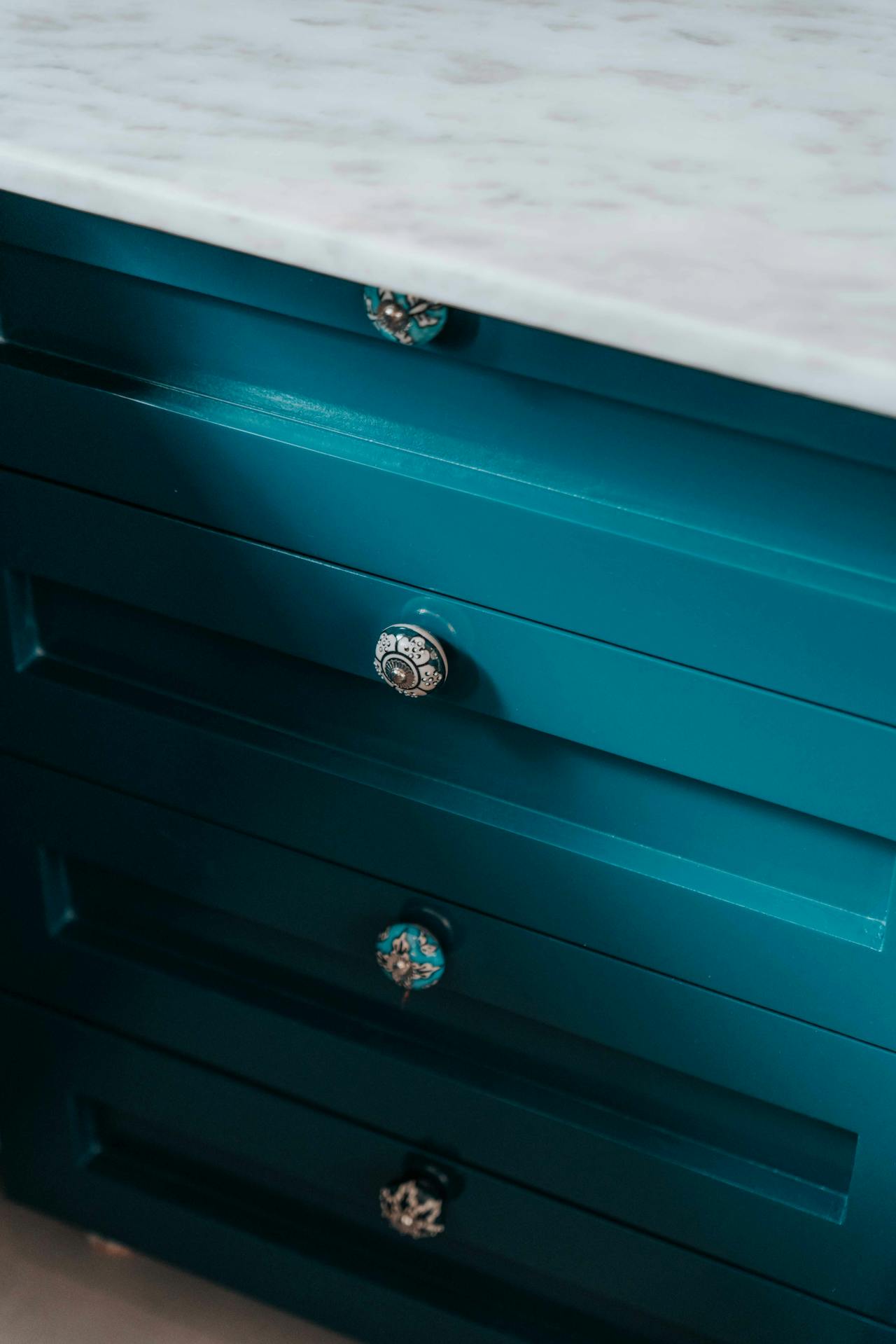
Knobs, pulls, and hinges may look appealing in neatly arranged store displays, but they often carry significant markups. Many home improvement chains sell the same designs available online for half the price. Beyond cost, the variety is often limited to generic styles. Homeowners seeking distinctive looks or higher durability should browse specialty hardware shops where options are broader and prices more competitive.
Lumber for Small Projects

While home improvement stores stock large amounts of lumber, the quality can be inconsistent. Boards are often warped, split, or poorly cut, making them unsuitable for detailed work. Local lumberyards generally offer straighter, sturdier wood at comparable or even lower prices. For projects where precision matters, buying wood from a dedicated supplier is a wise investment.
Plants and Gardening Supplies
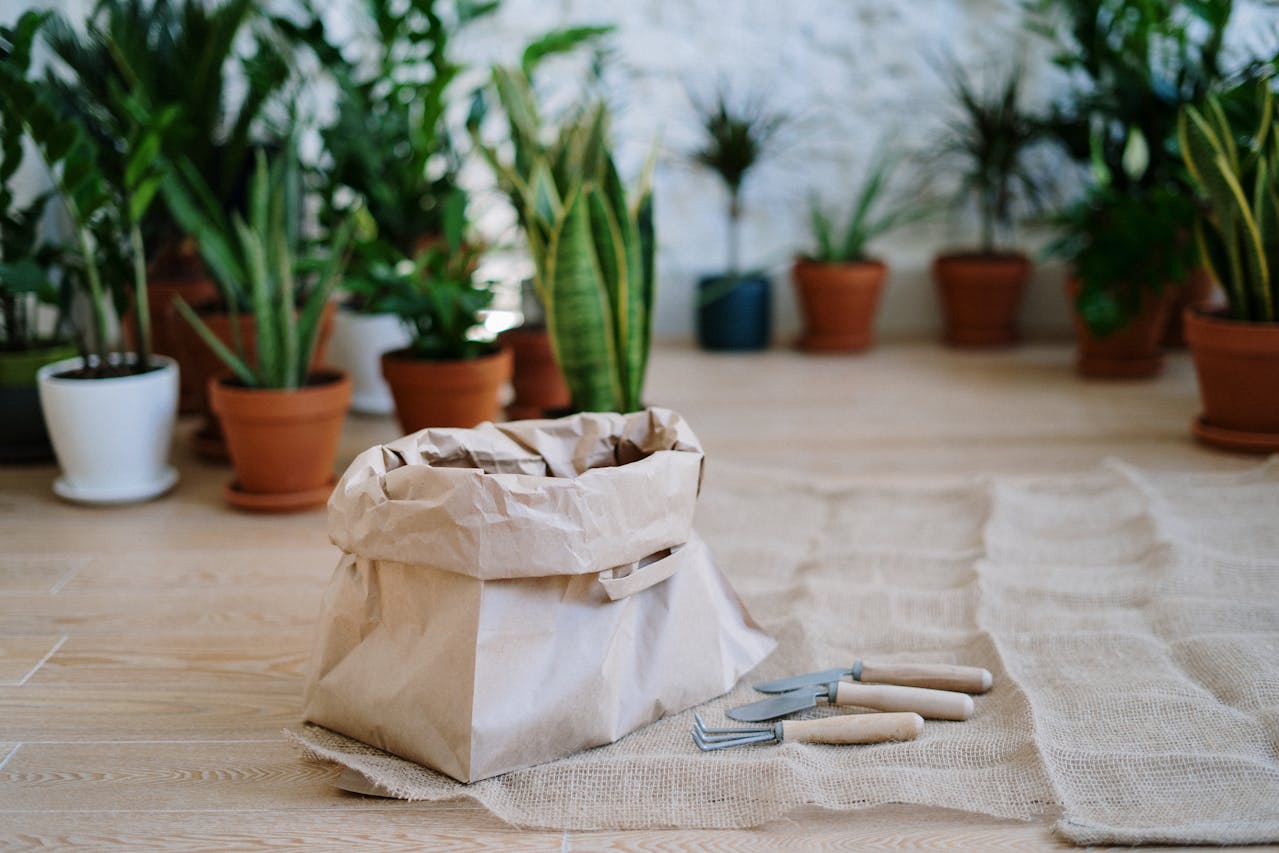
Garden centers attached to home improvement stores may look convenient, but plants often come from mass suppliers and are less resilient. Fertilizers, soils, and seeds are also typically more expensive than those from local nurseries or co-ops. Local sources not only provide healthier plants but also expert advice tailored to your climate. Supporting smaller nurseries often results in gardens that thrive rather than struggle.
Plumbing Parts
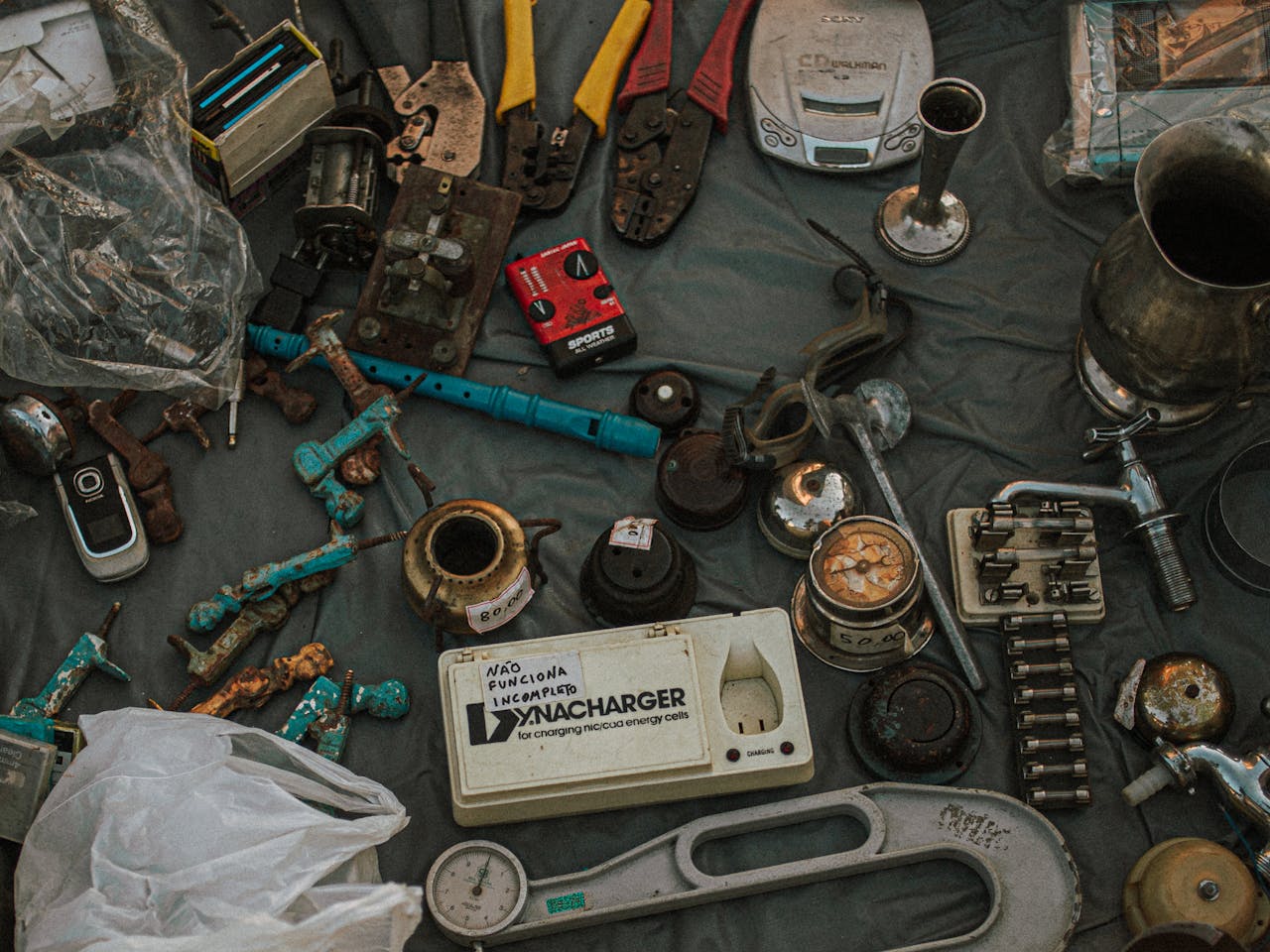
While it may be tempting to grab plumbing fittings from a home improvement aisle, these parts are often of lower grade. Professional plumbers frequently note that the fittings sold at chain stores don’t hold up as well as those from plumbing supply houses. For something as critical as plumbing, using subpar parts can lead to leaks or costly repairs. Visiting a plumbing supplier ensures you get parts that professionals trust.
Tools for Specialized Work
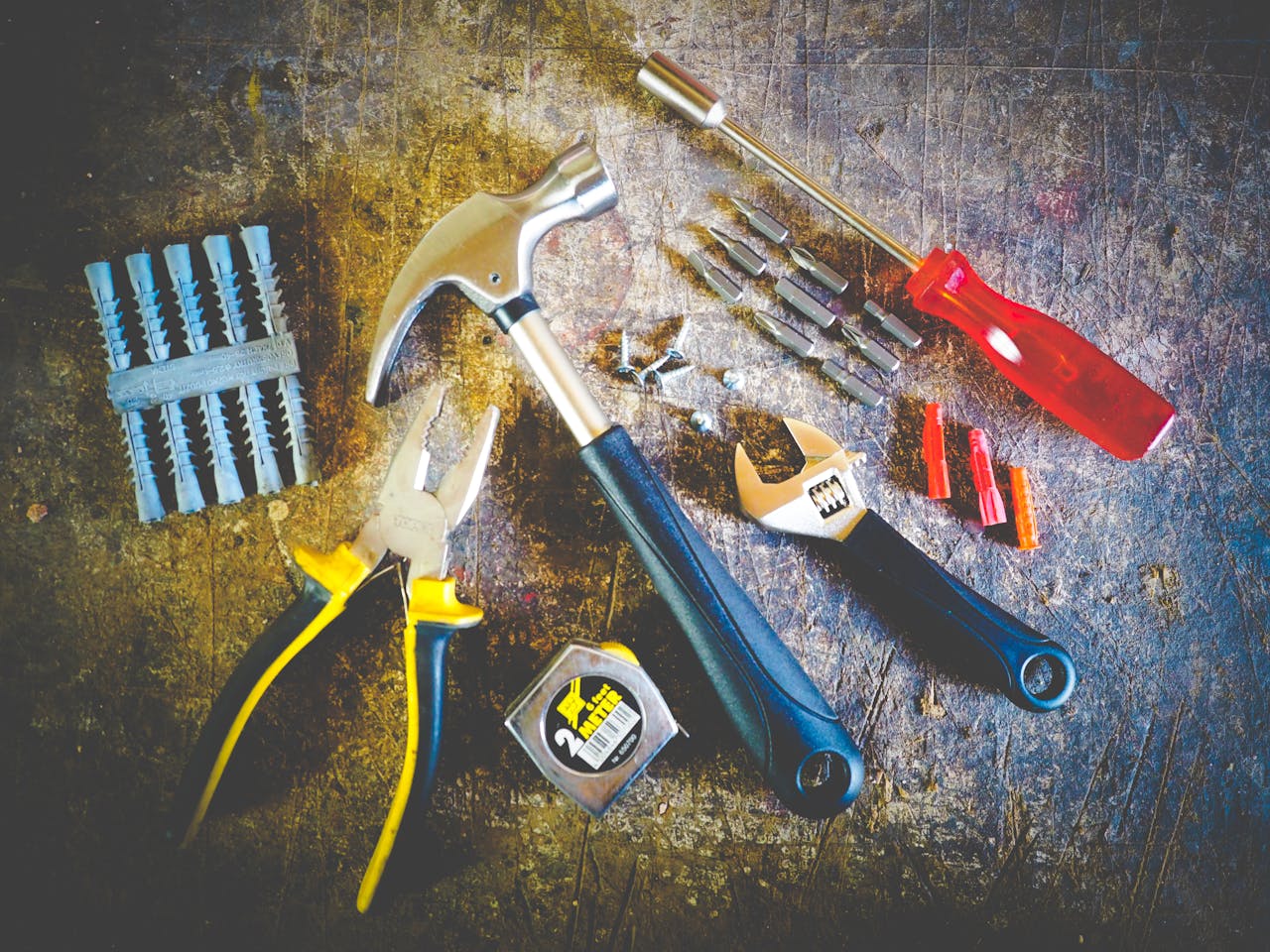
General tools like hammers and screwdrivers are fine to buy at home improvement stores, but specialty tools can be a poor choice. Many stores stock lower-end versions of niche tools that won’t stand up to frequent use. For woodworking, electrical, or mechanical tools, dedicated suppliers often provide better warranties and higher performance. A cheap tool that breaks quickly ends up costing more in the long run.
Flooring Materials
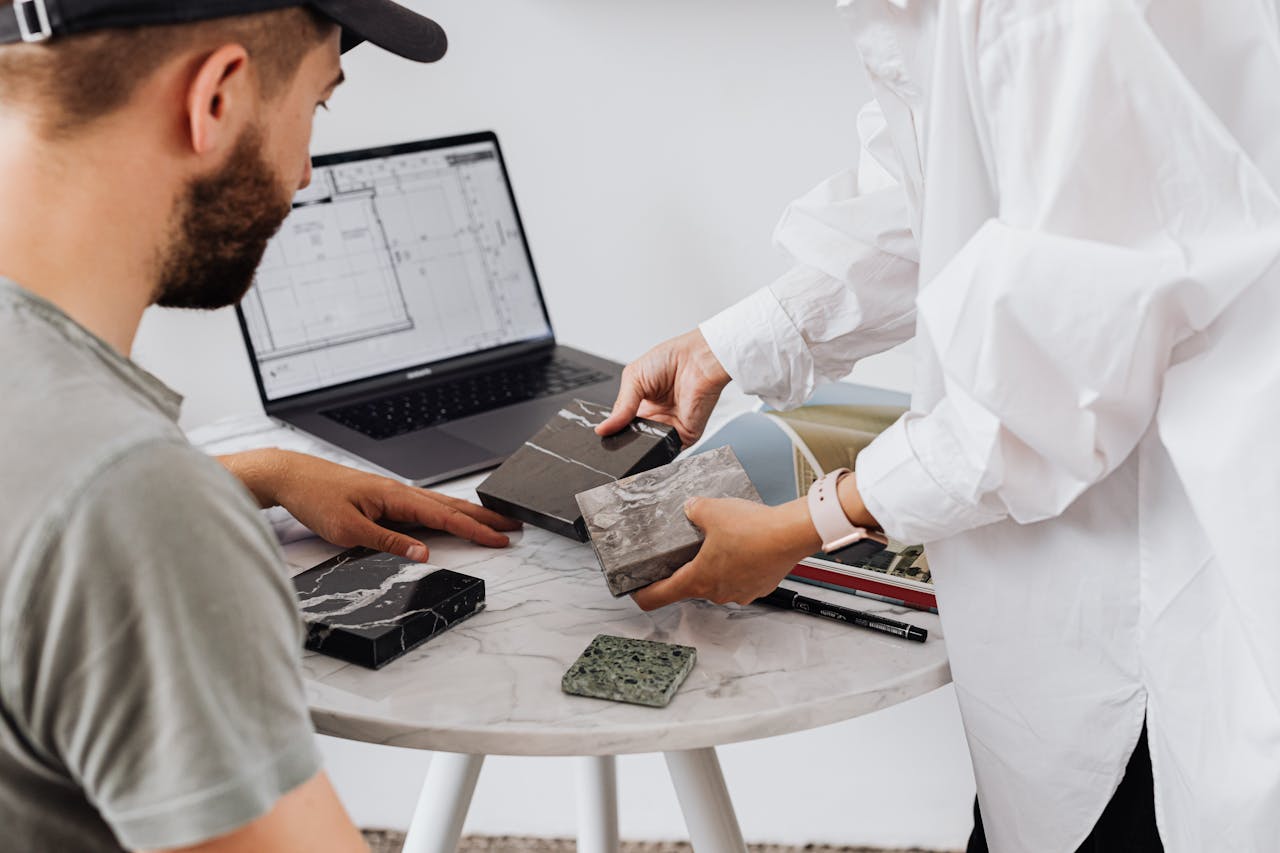
Large retailers often promote laminate, vinyl, or hardwood flooring at attractive prices, but the quality can be inconsistent. Thin planks, weak finishes, or outdated styles can result in floors that wear out quickly. Specialty flooring stores typically offer more durable products and expert installation advice. While the upfront cost may be slightly higher, the long-term durability is usually worth it.
Cleaning Supplies

Basic cleaning supplies like sprays, sponges, or paper towels are often overpriced at home improvement stores. Grocery chains, discount retailers, or bulk warehouses sell the exact same products at lower costs. Since cleaning products are recurring purchases, buying them from a more economical source adds up to significant savings over time. Sticking to supermarkets or wholesale clubs ensures you don’t overpay for everyday items.
Outdoor Furniture
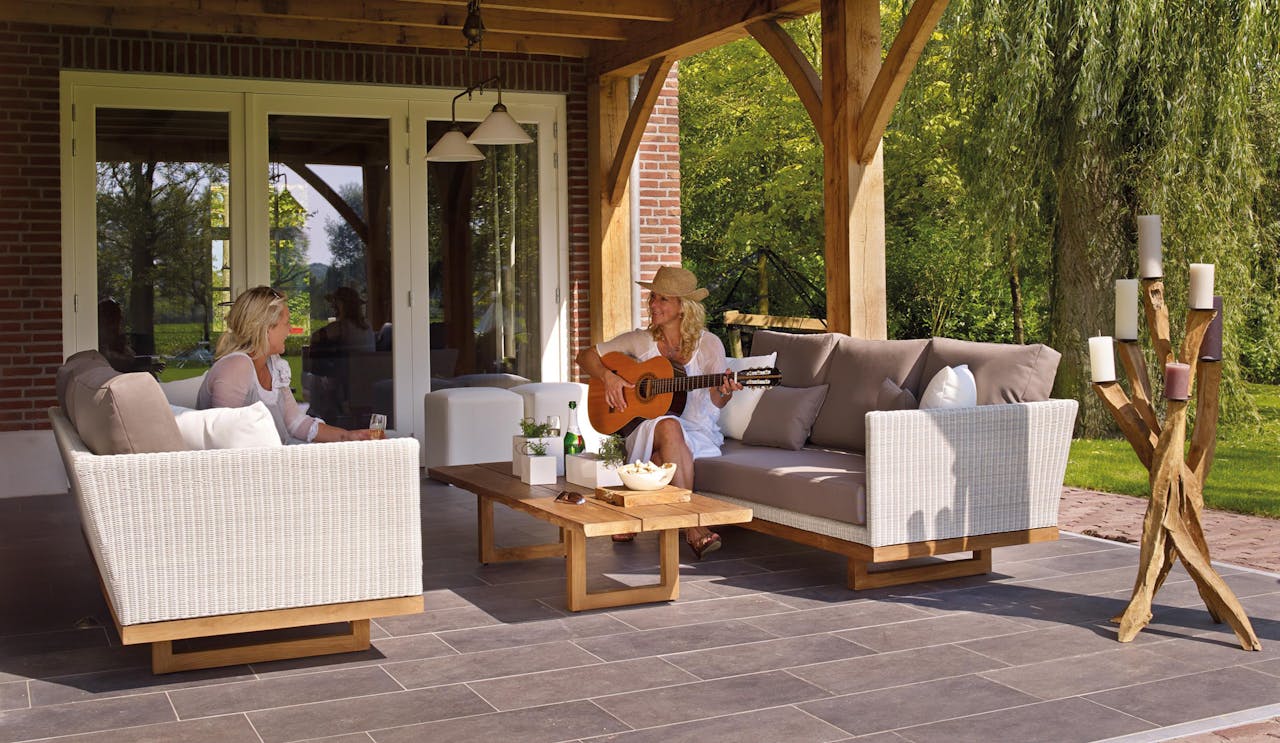
The patio sets at home improvement stores may look appealing, but they are often made from lightweight materials that wear quickly under weather exposure. Cushions fade, frames rust, and the overall build quality tends to decline after a season or two. Buying from outdoor specialty retailers or furniture stores ensures sturdier construction designed to last. Investing once in higher quality furniture saves money compared to replacing cheap sets every few years.
Small Home Décor Items

Throw pillows, picture frames, and other small décor pieces are often overpriced at big-box home improvement stores. The variety is usually limited to mass-produced designs that lack uniqueness. Discount retailers, online shops, or local artisans offer more affordable and distinctive options. Decorating your home with character doesn’t require paying inflated prices for generic items.
Smarter Shopping for Better Results

Shopping at a home improvement store doesn’t mean you should avoid everything, it just means knowing what not to buy. Items like paint, appliances, and major tools can be worthwhile, but everyday supplies, décor, and specialty products are often cheaper and better elsewhere. By being selective, homeowners save money while ensuring projects are completed with higher quality materials.