American history is taught from a wide range of perspectives, but textbooks are often the go-to resource for students. These books, however, sometimes present a version of history that is oversimplified, biased, or just plain incorrect. In the following points, we explore some of the most common misunderstandings, omissions, or misrepresentations that textbooks make about the history of the United States. Understanding these flaws can help students, teachers, and anyone interested in history see a more accurate and nuanced picture of the past.
The Myth of the “Founding Fathers” as Perfect Leaders
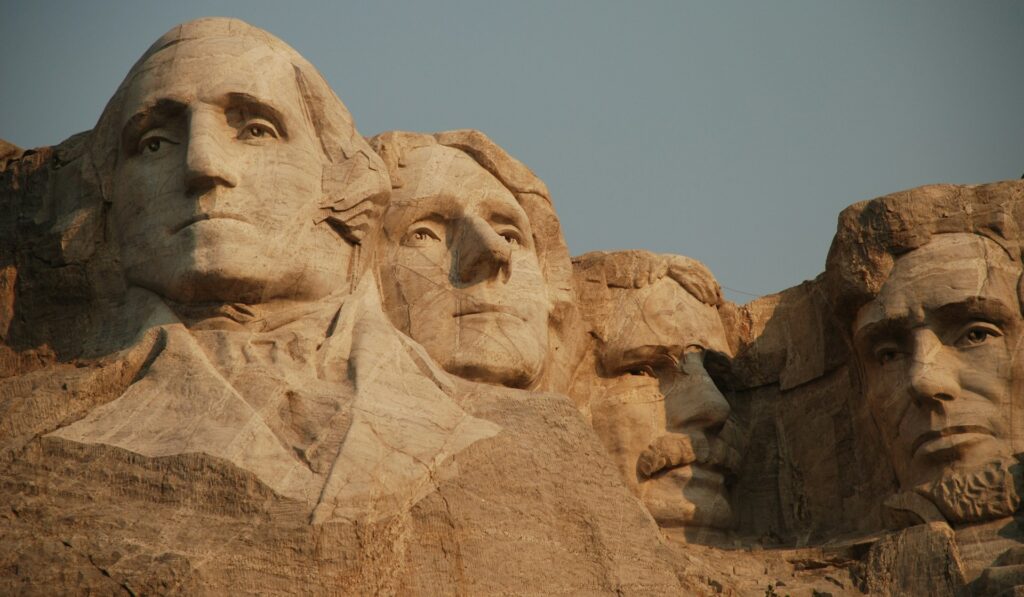
Textbooks often portray the Founding Fathers as almost infallible figures—heroes who flawlessly shaped the nation with their wisdom. In reality, many of these men had complex, and at times, contradictory personal beliefs and actions. For instance, Thomas Jefferson, one of the key architects of American freedom, was also a slave owner. The contradictions between the ideals of liberty and the practice of slavery highlight deep moral conflicts that are often glossed over in textbooks. Additionally, these men were not always in agreement with each other, and their personal agendas sometimes conflicted with the lofty goals of the revolution.
The Overemphasis on European Colonization

While European colonization undeniably shaped American history, textbooks often downplay or overlook the rich, complex history of indigenous peoples that existed long before Europeans arrived. Native American tribes had established cultures, technologies, and systems of governance, and their presence predates the arrival of Europeans by thousands of years. Textbooks frequently present Native American history in terms of “discovery” or “conquest,” reinforcing a colonial narrative. This erasure of native perspectives not only ignores a vital part of American history but also perpetuates the myth of empty land waiting to be claimed by European settlers.
Slavery and Its Aftermath Are Often Simplified
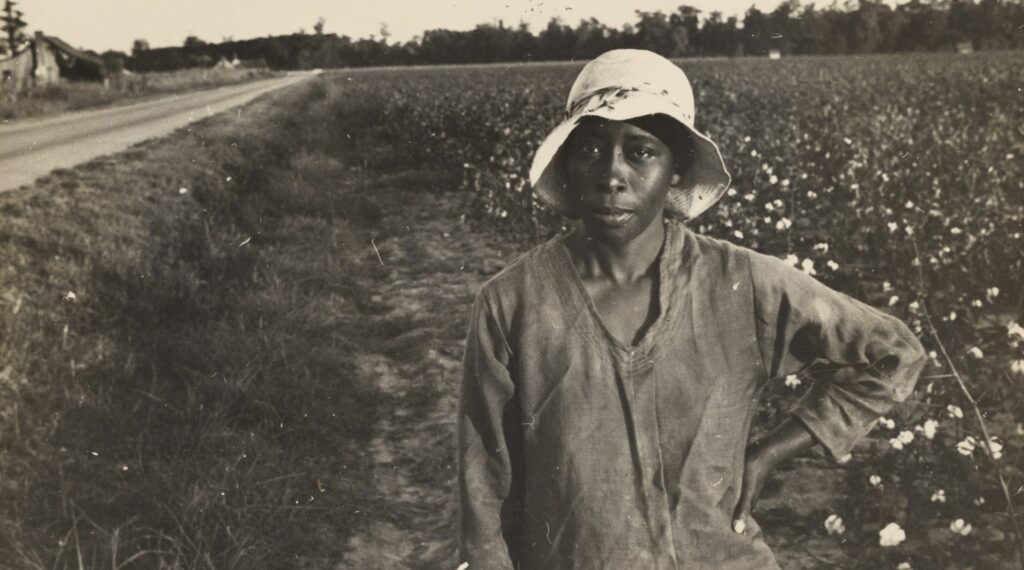
Textbooks tend to oversimplify the legacy of slavery, portraying the Civil War as the definitive turning point that ended slavery and led to equality. While the Emancipation Proclamation abolished slavery, it did not immediately grant former slaves full civil rights or end racial discrimination. The textbook portrayal often skips over the long, difficult struggle of African Americans during the Reconstruction period, where promises of equality were repeatedly undermined. The continuing challenges faced by Black Americans, including the rise of segregation, disenfranchisement, and the long fight for civil rights, are often brushed aside in favor of an overly optimistic narrative.
The Industrial Revolution is Presented as an Unmitigated Success

Textbooks often depict the Industrial Revolution as a time of unqualified progress and prosperity. While the Industrial Revolution did lead to technological innovation, it also brought about significant social and economic inequalities. Workers, including children, were subjected to grueling conditions in factories, with little regard for their safety or well-being. The rise of monopolistic corporations concentrated wealth in the hands of a few, creating vast disparities between the rich and the poor. These darker aspects of industrialization are frequently glossed over in favor of celebrating America’s newfound economic power.
The Civil Rights Movement is Often Reduced to a Single Moment
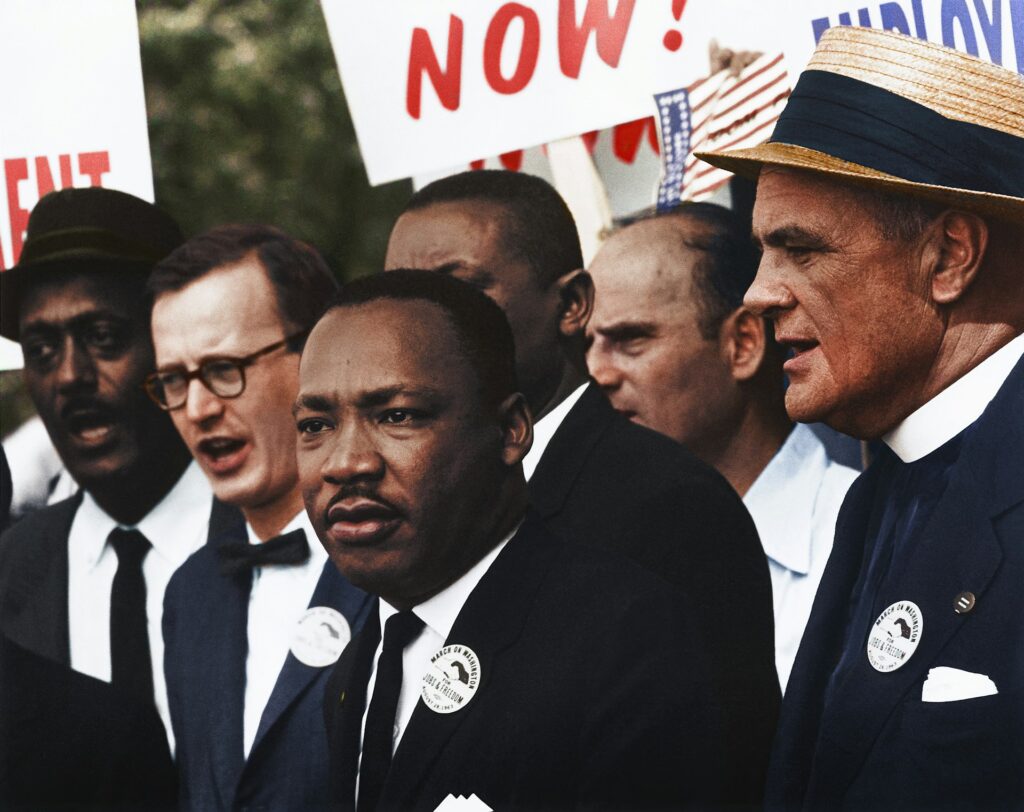
The Civil Rights Movement is often condensed in textbooks to a few key events, most notably the March on Washington in 1963, with Dr. Martin Luther King Jr.’s famous “I Have a Dream” speech. While this moment was undeniably significant, textbooks often fail to capture the long and diverse history of activism that contributed to the movement. The Civil Rights Movement spanned many decades and was the result of countless efforts by individuals and organizations, each with their unique approaches. By reducing it to a single event or a handful of key figures, textbooks minimize the broader scope of the struggle for racial equality.
The Role of Women in History is Often Underplayed
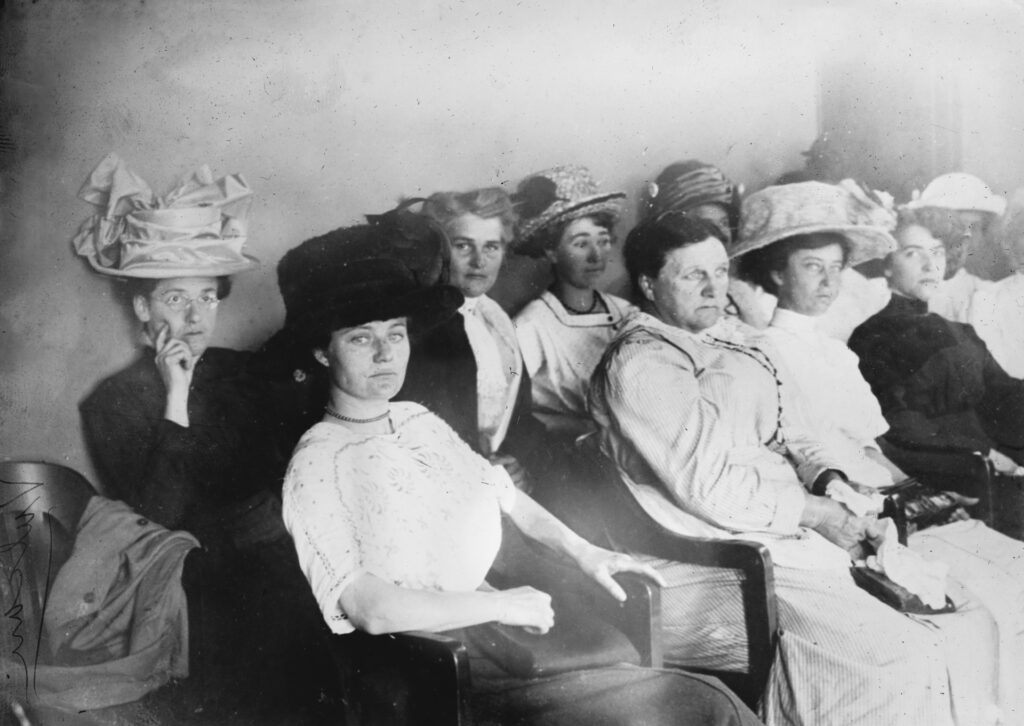
Textbooks frequently provide a male-dominated view of American history, giving only brief mention to the significant contributions of women. While figures like Susan B. Anthony, Harriet Tubman, and Eleanor Roosevelt are occasionally highlighted, many women’s contributions—especially women of color—are largely overlooked. Women’s labor during wartime, their influence in the early feminist movements, and their roles in social and political movements are often relegated to a few short paragraphs, or omitted entirely. This not only limits our understanding of history but also marginalizes the experiences and contributions of half the population.
The Native American Removal Act is Often Presented as a “Solution”
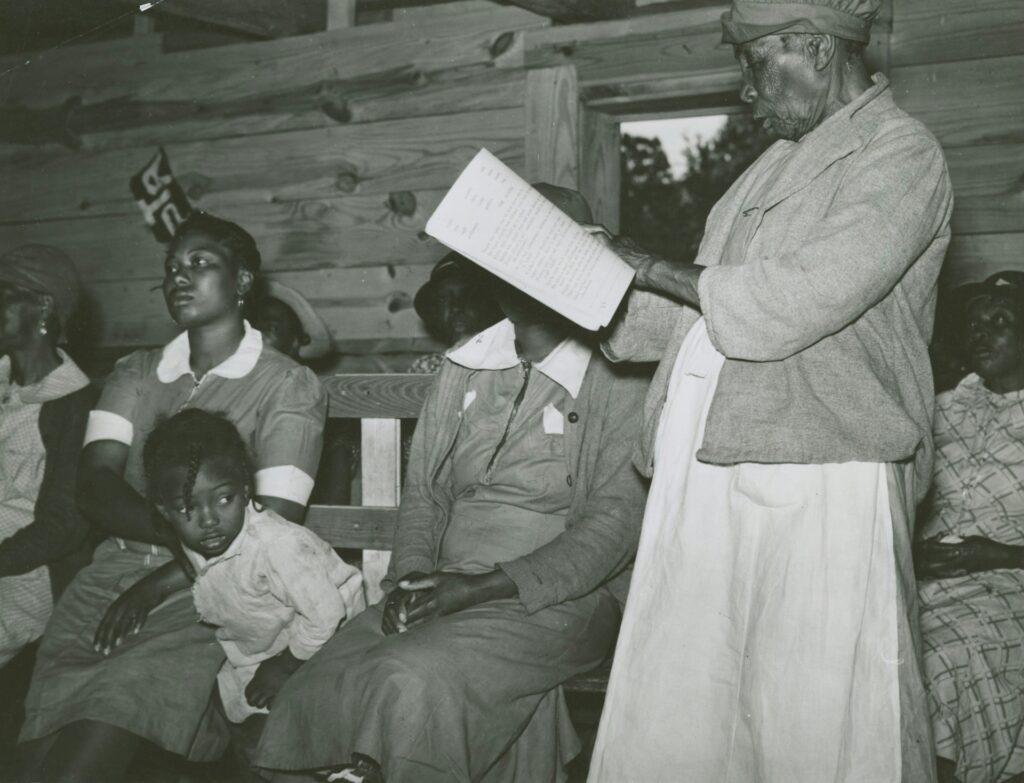
The forced removal of Native American tribes from their ancestral lands, often called the Trail of Tears, is presented in textbooks as a necessary “solution” to the so-called “Indian problem.” This view omits the brutality and injustice of the policy. Native Americans did not voluntarily agree to relocate; they were forcibly moved, and many died during the journey. This event is often framed as a government policy to promote “progress” and “civilization,” but it was, in reality, a deeply harmful act of dispossession, trauma, and cultural destruction.
The Vietnam War is Often Oversimplified as a War of Good vs. Evil
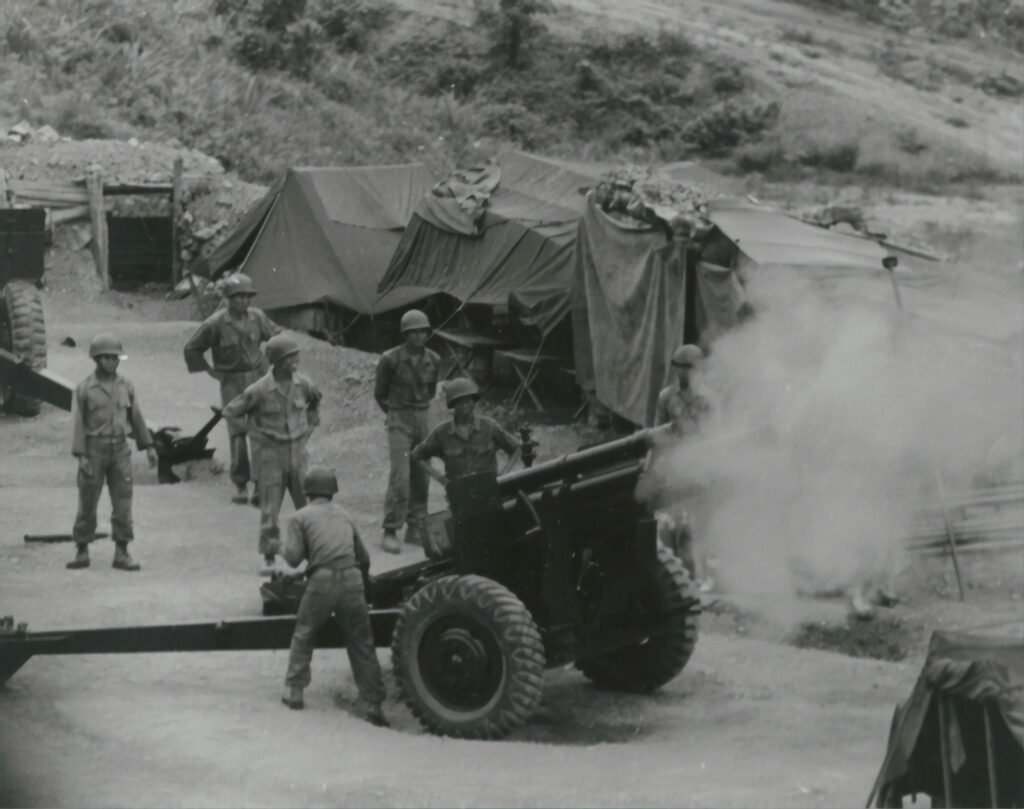
Textbooks often present the Vietnam War in a binary, oversimplified fashion, portraying the U.S. as the defender of freedom against the spread of communism. This narrative overlooks the complex geopolitical and social factors that led to the war, as well as the perspectives of the Vietnamese people themselves. The war’s devastating impact on both Vietnam and the U.S. is often reduced to a simple ideological conflict, without addressing the deep moral, human, and political questions raised by the war. Furthermore, the consequences of the war—both for Vietnam and for American society—are often minimized.
The “Wild West” Myth Overlooks the Reality of Expansion

The mythology surrounding the “Wild West” often depicted in textbooks is riddled with inaccuracies. While it’s true that American expansion across the frontier was filled with violent confrontations and lawlessness, textbooks tend to romanticize this period by focusing on the heroic efforts of settlers and cowboys. They often neglect the brutal impact of this expansion on indigenous populations, whose cultures and lands were ravaged in the name of progress. This romanticized view perpetuates the myth that American expansion was inevitable and just, ignoring the systemic violence and injustice that accompanied it.
The Great Depression and New Deal Aren’t Fully Explored
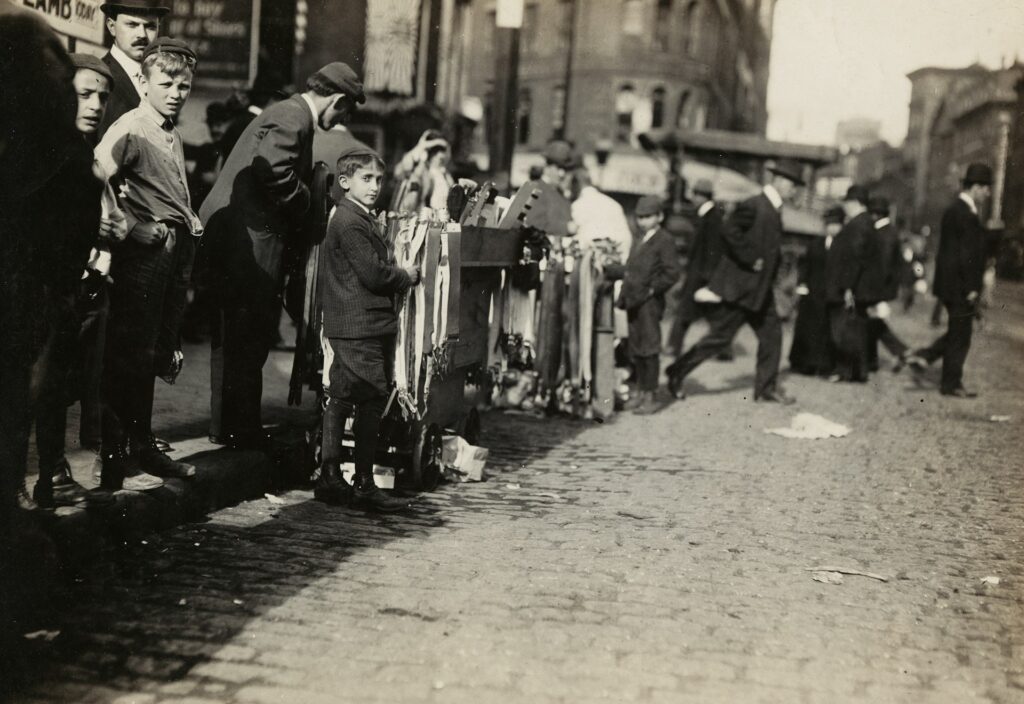
Textbooks often present the Great Depression as a period of hardship followed by the New Deal as a “cure” to the nation’s ills. While the New Deal did introduce crucial reforms, the economic recovery was uneven, and many people—particularly people of color—were excluded from the benefits. The portrayal of the Great Depression as solely a consequence of market failure also downplays the complex role that government policies, banks, and corporate interests played in the crisis. The broader social implications of the New Deal, including its racial and gender biases, are often left out of the narrative.
The Role of Labor Movements is Often Undervalued
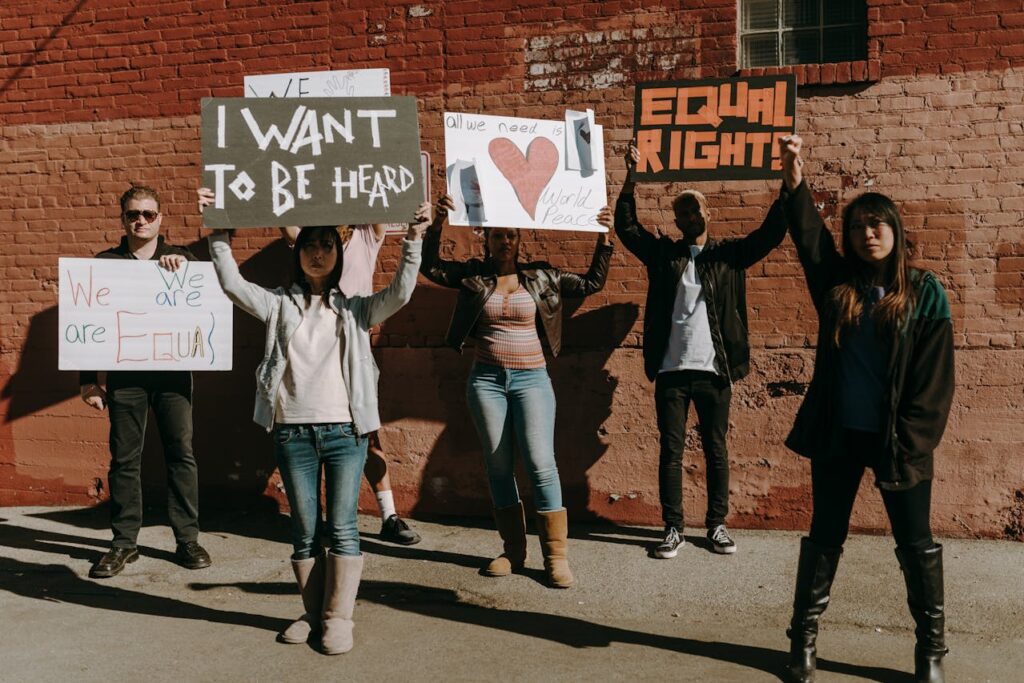
The labor movement is frequently underrepresented in American history textbooks. While industrialists and entrepreneurs are often lauded for building the nation’s economy, the contributions of labor unions and workers’ rights movements are minimized or omitted. Strikes, protests, and the fight for labor rights, including the right to organize, improve working conditions, and secure better wages, are often reduced to a few sentences or ignored entirely. Without these movements, many of the rights and freedoms workers enjoy today would not exist, but textbooks often fail to give them the credit they deserve.
The Treatment of LGBTQ+ History is Rarely Addressed
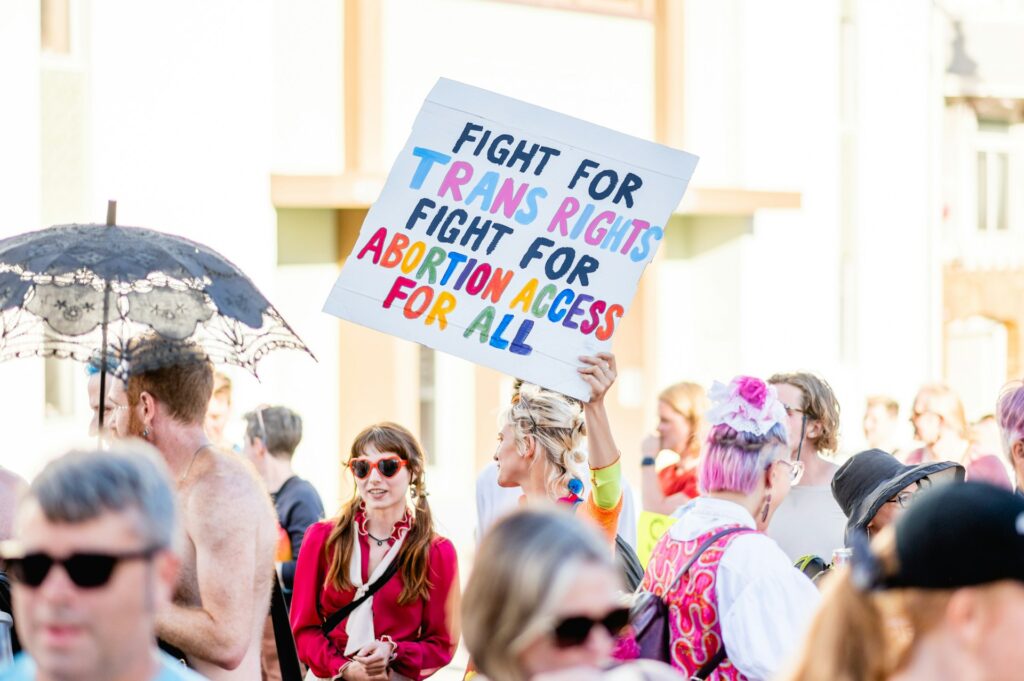
LGBTQ+ history is virtually absent from many American history textbooks, or if mentioned, it is often relegated to a few sentences in the modern era. Textbooks fail to acknowledge the long history of LGBTQ+ individuals and the social movements advocating for their rights. Events like the Stonewall Riots, the AIDS crisis, and the ongoing fight for marriage equality are often omitted or simplified, missing the broader context of LGBTQ+ activism. This omission limits our understanding of the diverse experiences and struggles that have shaped American society.
Understanding these gaps in the traditional narrative of American history is crucial. Textbooks, as authoritative as they may seem, don’t always provide the full picture. By critically engaging with these narratives, we can gain a deeper, more inclusive understanding of the United States and its past.