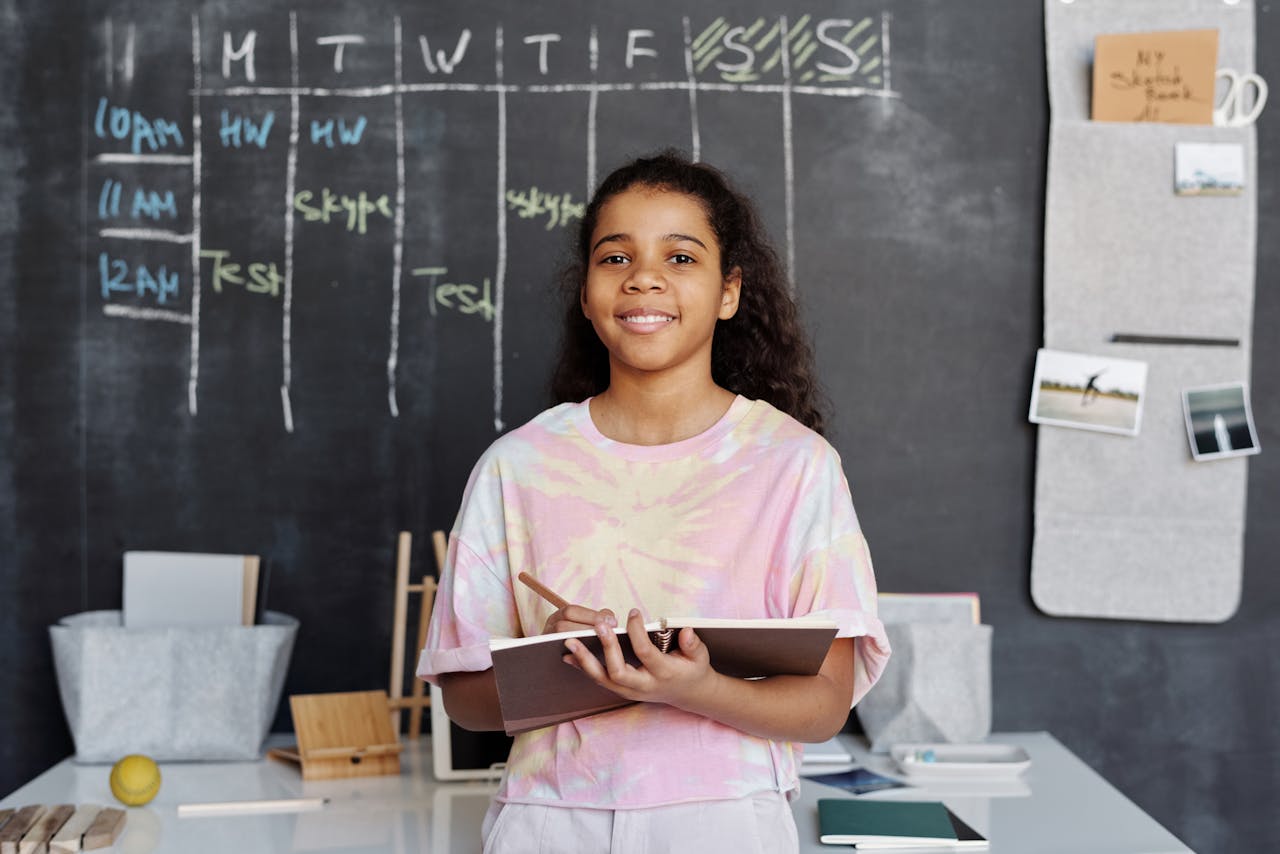
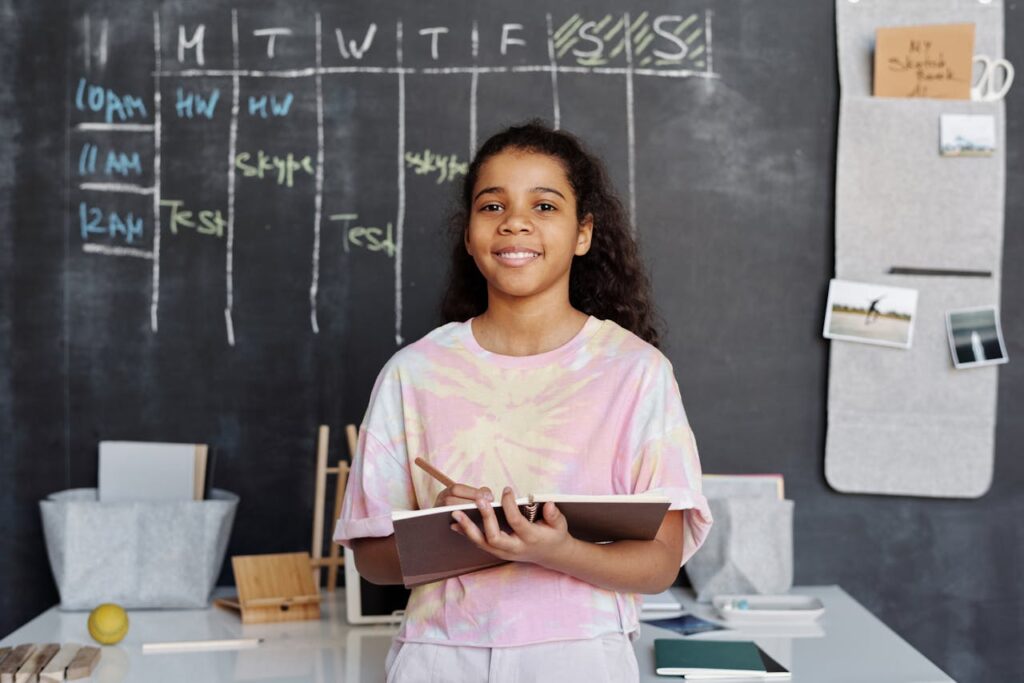
Middle school is a time of growth, change, and new challenges. As kids prepare for this transition, there are a few important life skills they should develop to help them navigate their way with confidence and independence. While not everything has to be mastered by the time they hit sixth grade, here are twelve key things kids should learn to do before they get there — because these skills will serve them well both in school and beyond.
Take Responsibility for Their Belongings
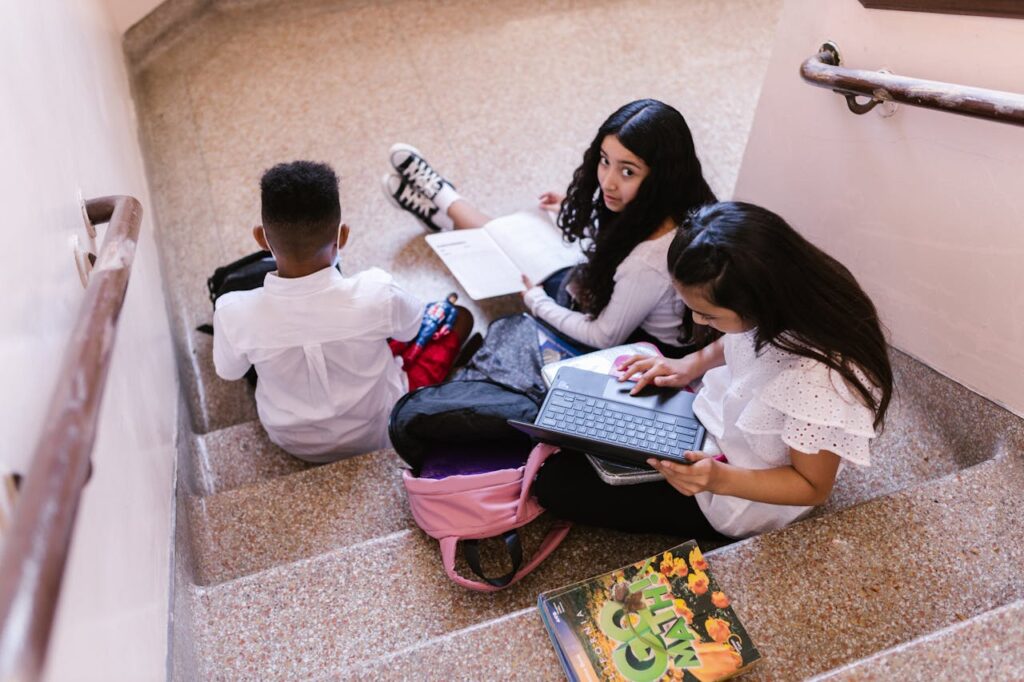
By the time kids are preparing for middle school, they should understand the importance of keeping track of their things. From school supplies to personal items, learning to take responsibility for what they own will make a big difference in helping them stay organized and independent. This includes keeping track of their backpack, lunchbox, assignments, and even personal hygiene items like combs or jackets. When kids can keep their belongings in check, it reduces stress and builds responsibility.
Manage Time Effectively

Middle school comes with a more structured schedule — multiple classes, homework assignments, and extracurricular activities. Learning to manage their time effectively is crucial. By teaching kids how to prioritize tasks, set time limits for work and play, and create simple routines, they’ll feel more in control of their day-to-day lives. A child who knows how to break down a task and work steadily through it will build strong organizational skills and a sense of accomplishment.
Take Care of Their Own Hygiene

As kids enter middle school, their bodies undergo natural changes that make hygiene more important than ever. It’s vital that they learn to take care of their personal hygiene independently, which includes regular bathing, brushing teeth, using deodorant, and washing hands. Having a solid hygiene routine not only promotes good health but also builds self-esteem. Confidence comes from feeling good about oneself, and a child who takes pride in their appearance will feel empowered to tackle the challenges ahead.
Make Healthy Food Choices
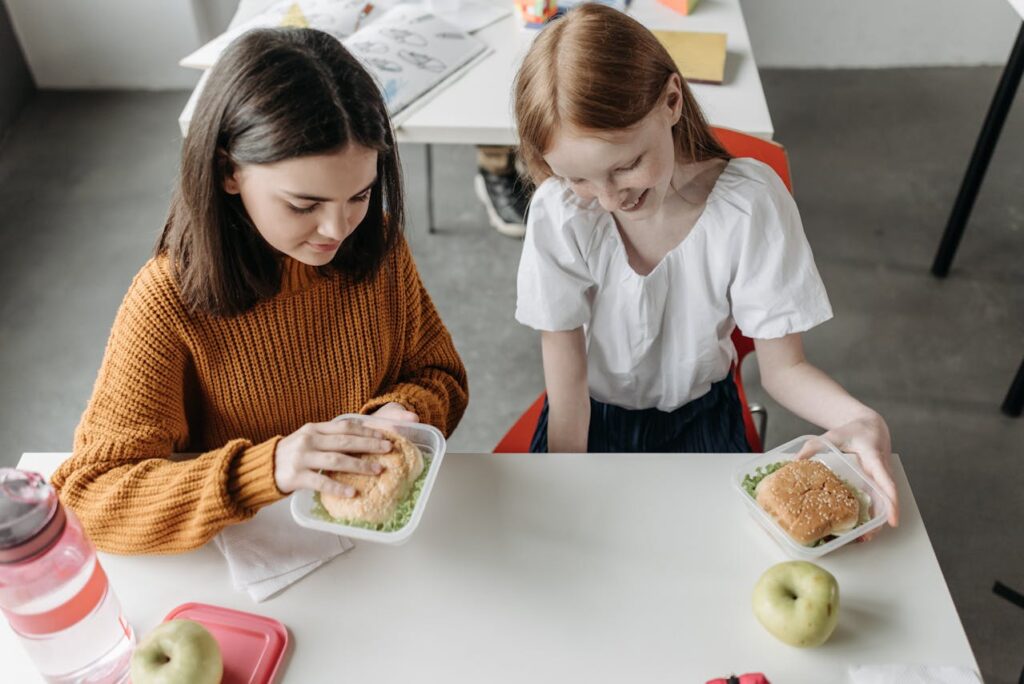
Middle school is often when kids are first exposed to the wider world of cafeteria food, vending machines, and their friends’ snacks. Teaching kids to make healthy food choices before they enter this new environment can set them up for long-term good habits. Encourage them to recognize the difference between nutritious foods and processed snacks, and help them understand the importance of a balanced diet for their energy levels, focus, and overall well-being.
Handle Conflict with Peers
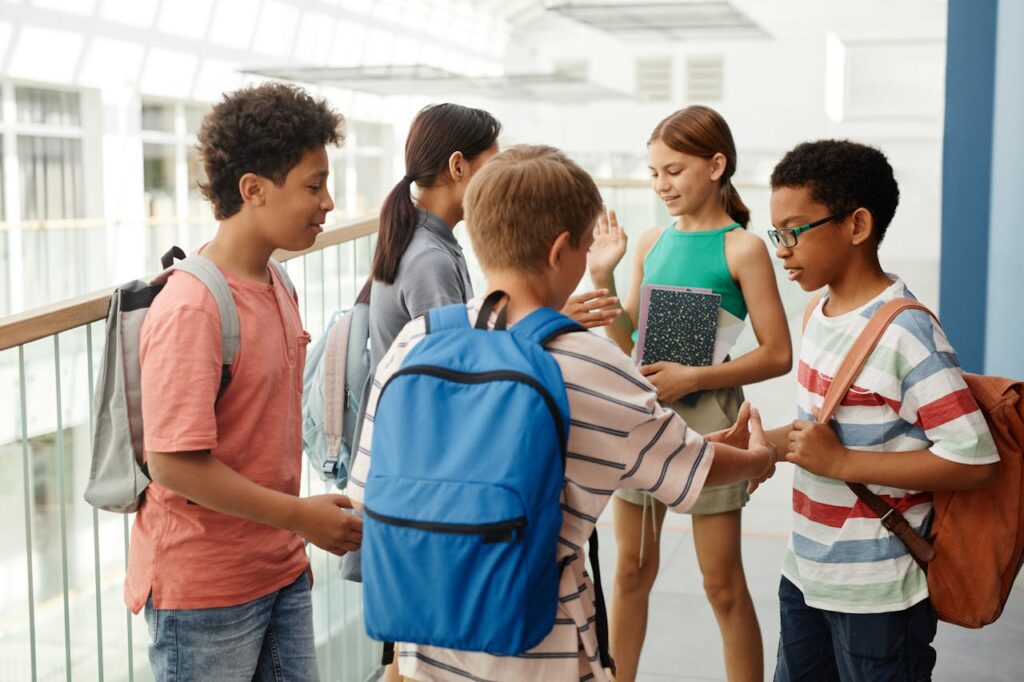
Friendships can be tricky at any age, but middle school can bring a whole new level of social complexity. Teaching kids how to navigate conflicts with peers — whether it’s dealing with a disagreement, understanding another person’s perspective, or calmly expressing their feelings — is an invaluable skill. This will not only help them in school, but also in their relationships later on. Conflict resolution promotes emotional intelligence, self-awareness, and empathy, which are key to building positive connections with others.
Speak Up for Themselves
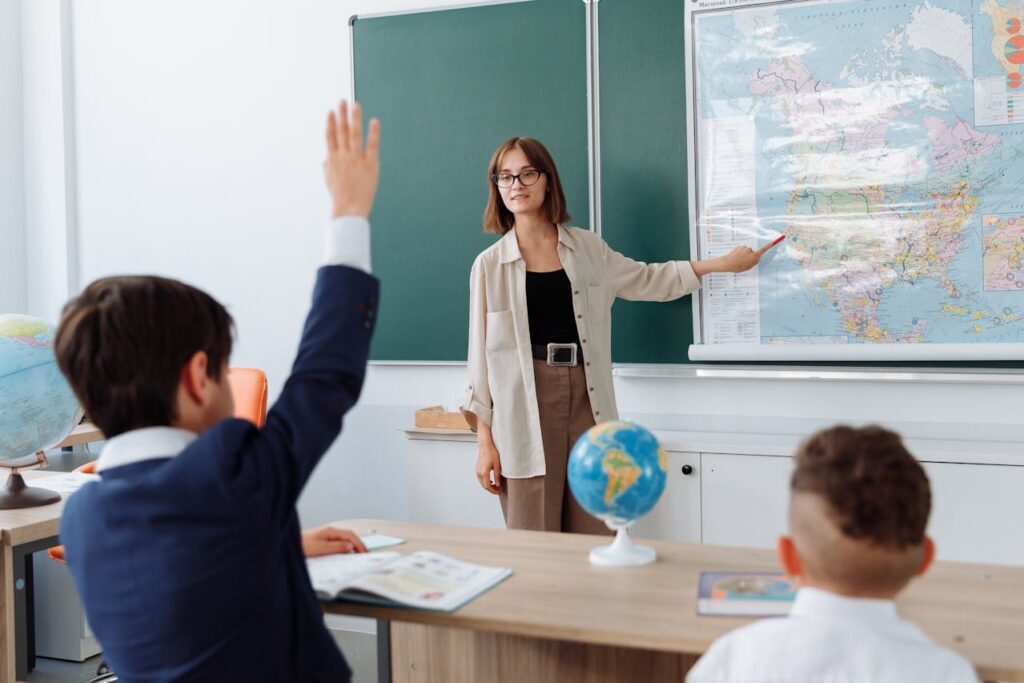
Whether it’s asking a teacher for help or speaking up when something doesn’t feel right, it’s important for kids to learn how to advocate for themselves. Middle school will likely present new challenges in terms of social dynamics, homework, and expectations from adults. Kids should feel empowered to express their needs, concerns, and boundaries in a respectful but assertive way. This boosts their confidence and ensures they know how to ask for help when necessary, making them feel more in control of their school experience.
Stay Organized
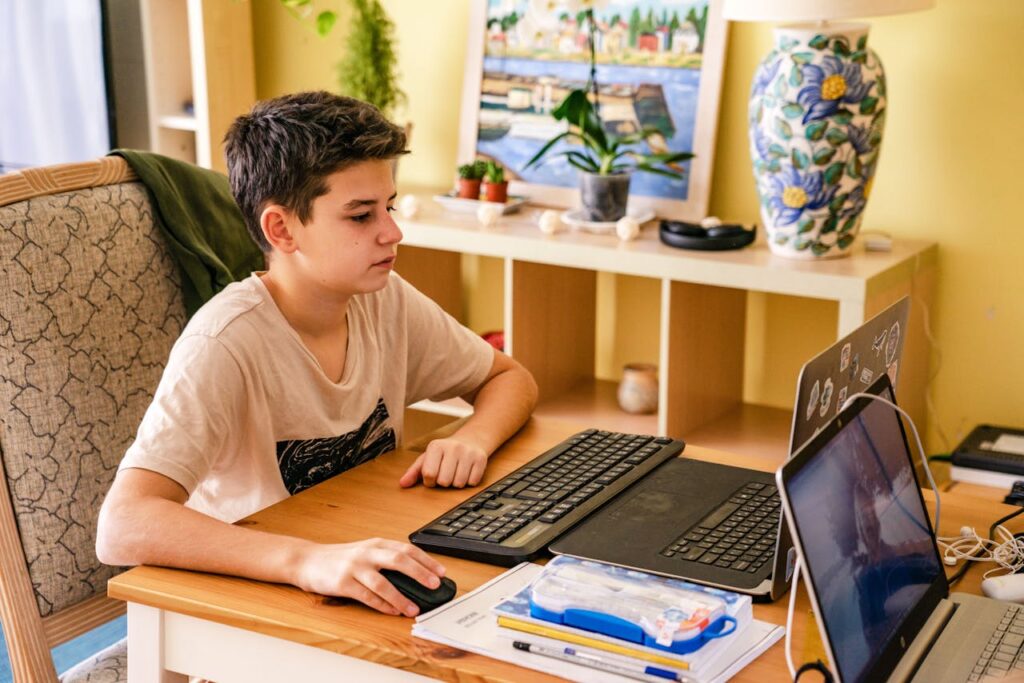
Organization is one of the cornerstones of success in middle school. Kids should learn to keep their school supplies and assignments in order. This can include using a planner to track due dates, organizing notebooks by subject, and keeping a neat backpack. When kids can stay organized, they’ll feel less overwhelmed by the daily demands of school life. Not only does this foster good habits, but it also helps them manage their time and responsibilities with more ease and confidence.
Understand the Importance of Exercise

Physical activity is a vital part of a healthy lifestyle, and by middle school, kids should understand the importance of exercise. Whether it’s playing sports, going for a walk, or participating in physical activities with friends, regular exercise promotes good health, reduces stress, and boosts mood. Teaching kids that exercise is a fun and essential part of life helps them develop habits that will contribute to their physical and mental well-being for years to come.
Manage Money (Basic Concepts)

While middle school might seem early to dive into financial management, understanding basic concepts like saving, budgeting, and spending is a great foundation. Whether they have a weekly allowance or a small job, kids should learn how to manage their money responsibly. Simple lessons like saving a portion of their allowance for something they want, understanding the concept of “wants” versus “needs,” and even making small purchases at the store can help them develop smart financial habits for the future.
Use Technology Responsibly

By the time kids reach middle school, they’re likely already familiar with smartphones, computers, and social media. Teaching them to use technology responsibly — from understanding screen time limits to knowing how to communicate respectfully online — is crucial. It’s important to set boundaries and talk openly about issues like cyberbullying, privacy, and managing distractions. This skill will help them navigate the digital world safely and with awareness, avoiding potential pitfalls and staying focused on their goals.
Develop Problem-Solving Skills
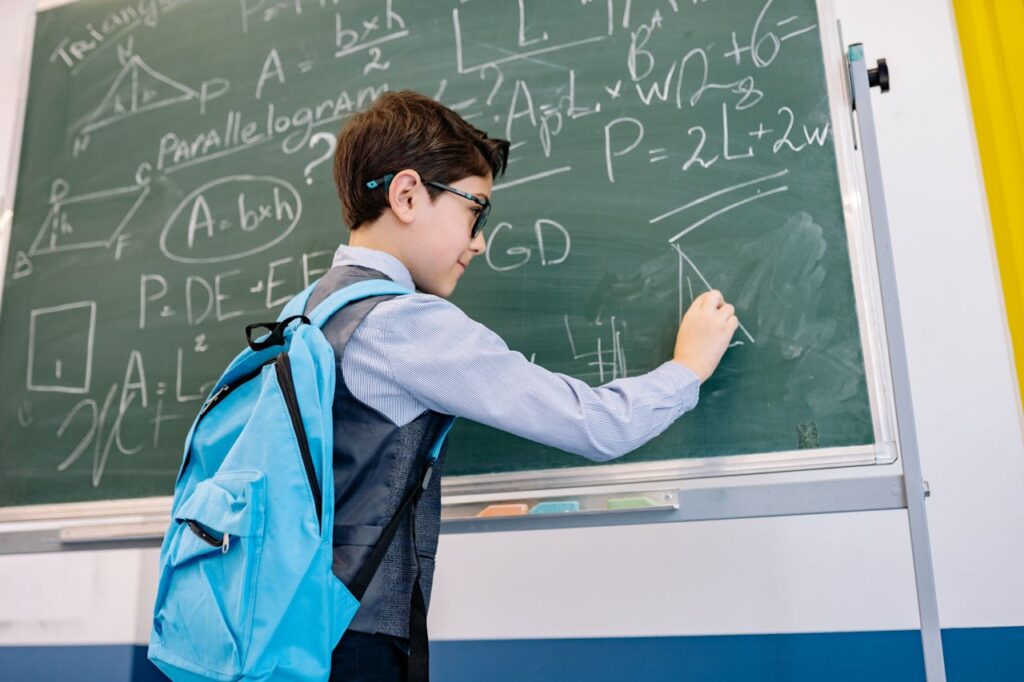
Middle school can bring a range of academic and social challenges, and problem-solving is a key skill for overcoming them. Whether it’s figuring out how to tackle a tough homework assignment or dealing with a disagreement with a friend, kids should be able to think critically and come up with solutions. Encouraging your child to break problems into smaller parts, brainstorm different options, and think through the consequences of their actions will help them develop resilience and creativity in the face of challenges.
Build Good Study Habits
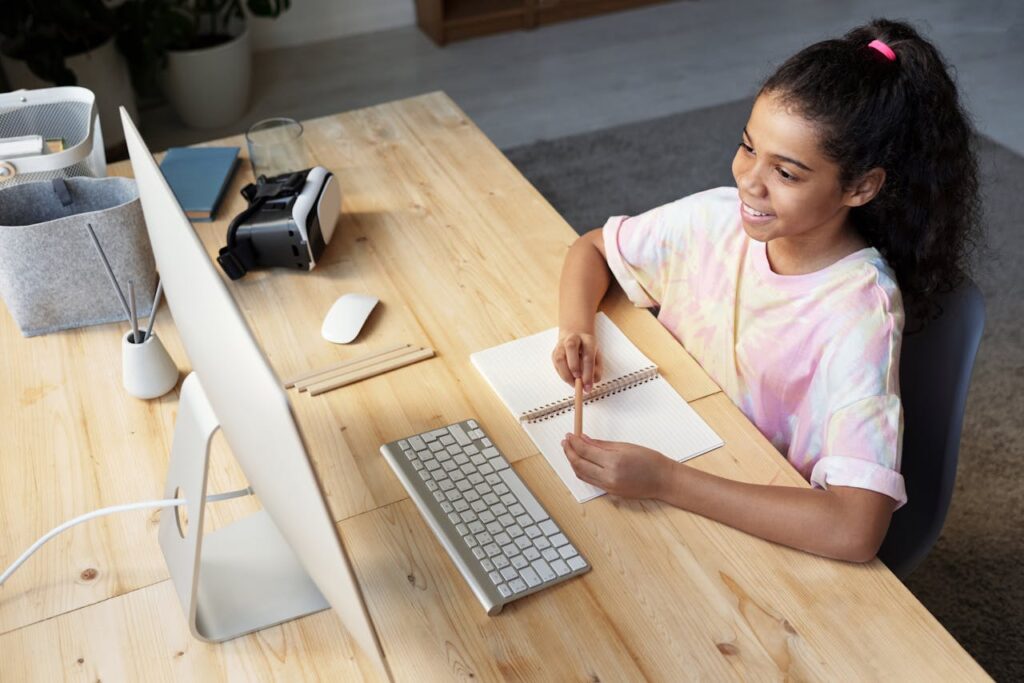
Good study habits are essential for academic success, especially as the workload increases in middle school. Kids should learn how to break down large assignments into manageable chunks, review notes regularly, and study in a quiet, distraction-free space. Developing a routine for studying and reviewing material will not only help them perform well academically but also reduce stress and procrastination. This foundation of strong study habits will set them up for success throughout their academic journey.
Middle school is a pivotal time for kids, and the skills they develop before they enter this stage can set them up for success both in and outside of school. By teaching kids responsibility, time management, self-care, and problem-solving before middle school, you’re helping them gain the confidence and independence they need to navigate the challenges ahead. It’s not just about academic success — it’s about building the tools they’ll need to thrive in every part of their life.