The world your grandparents grew up in looked—and operated—very differently than the one we know now. From unsupervised play to risky hobbies that would raise eyebrows today, their childhoods were often filled with independence, experimentation, and freedom. While many of these things may seem wild through a modern lens, they shaped resilient, hands-on generations who learned by doing. Here are twelve things your grandparents probably did that today’s kids likely wouldn’t be allowed—or even imagine—doing.
Rode in Cars Without Seatbelts or Car Seats
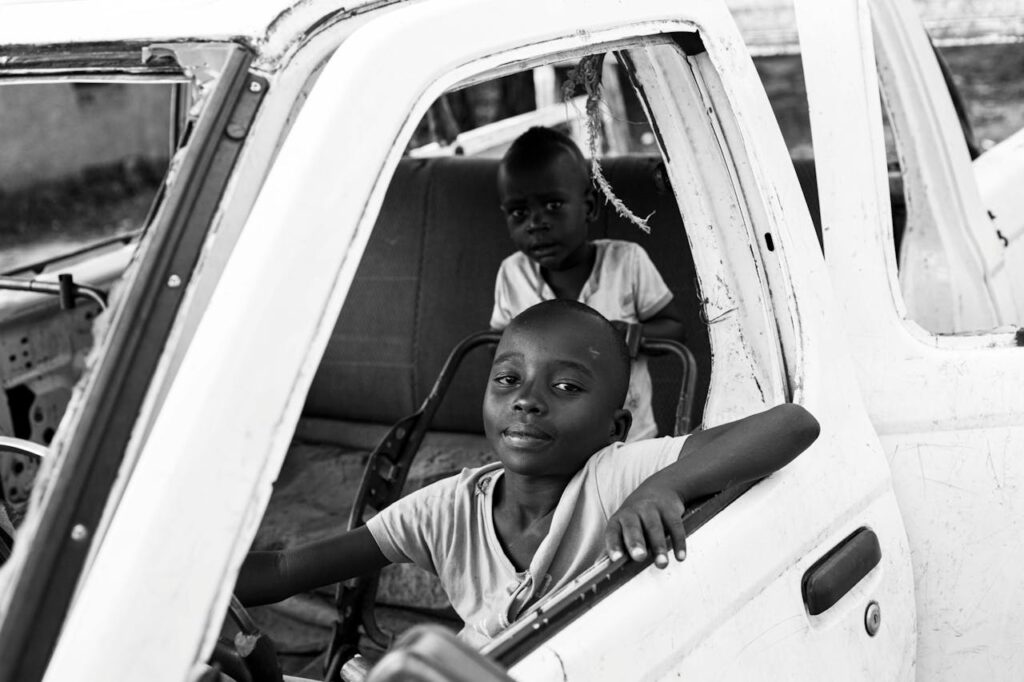
Before safety regulations became standard, kids rode in cars with no seatbelts, sometimes standing between the front seats or lying in the back window area on long trips. Car seats, if they existed at all, were more like booster chairs without restraints. It was common for multiple kids to share a seatbelt or ride in the bed of a pickup truck. This kind of casual approach to car safety seems shocking now, but back then it was normal. People simply didn’t yet understand the risks, and the regulations we know today hadn’t been invented or enforced.
Drank Water Straight from the Garden Hose

There was no bottled water or fancy filters in their day. On hot afternoons, kids would gulp water directly from the hose in the backyard without thinking twice. The hose might have been sitting in the sun all day, or dragging through dirt, but that didn’t matter. They trusted it to quench their thirst, and in most cases, it did. Today, concerns about plastics, bacteria, and contaminants would likely stop most parents from allowing it—but it was a childhood staple for older generations, especially in the summer months when outdoor play stretched all day long.
Left Home in the Morning and Returned at Sunset
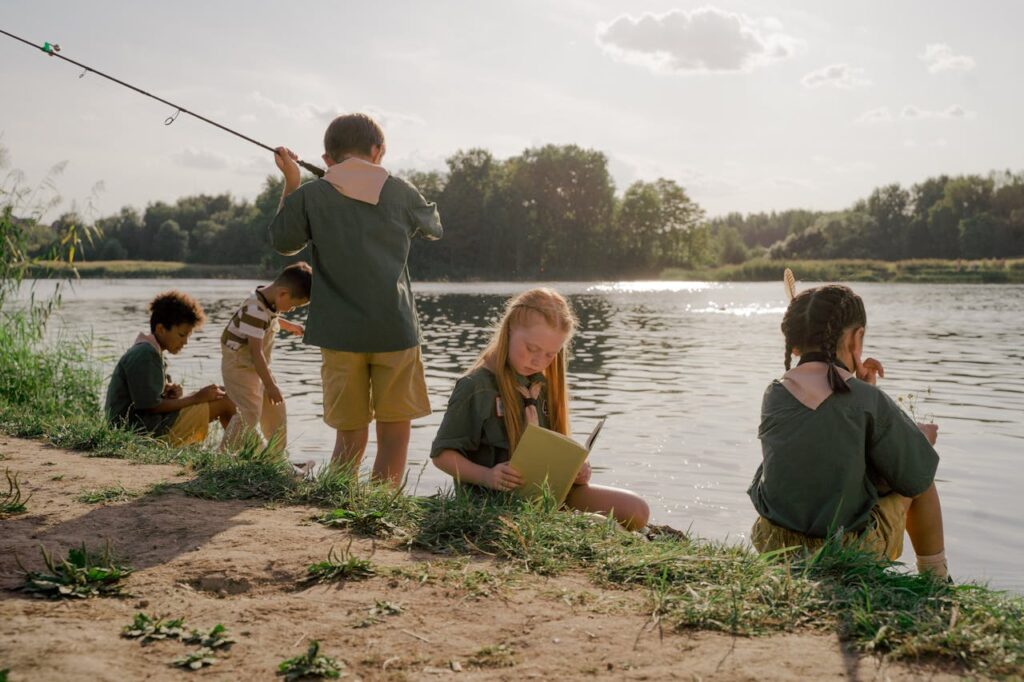
Many grandparents grew up in a world where it was normal to leave the house after breakfast and not return until dinner. Kids roamed neighborhoods, parks, fields, and creeks for hours, checking in only when hunger or curfew called them back. There were no phones to track them, and parents didn’t always know exactly where they were. The rule of thumb was simple: be back by dark. That level of freedom helped kids develop self-reliance and navigation skills, but by today’s standards, it would likely be considered neglect—or at least very risky parenting.
Lit Fireworks Without Adult Supervision
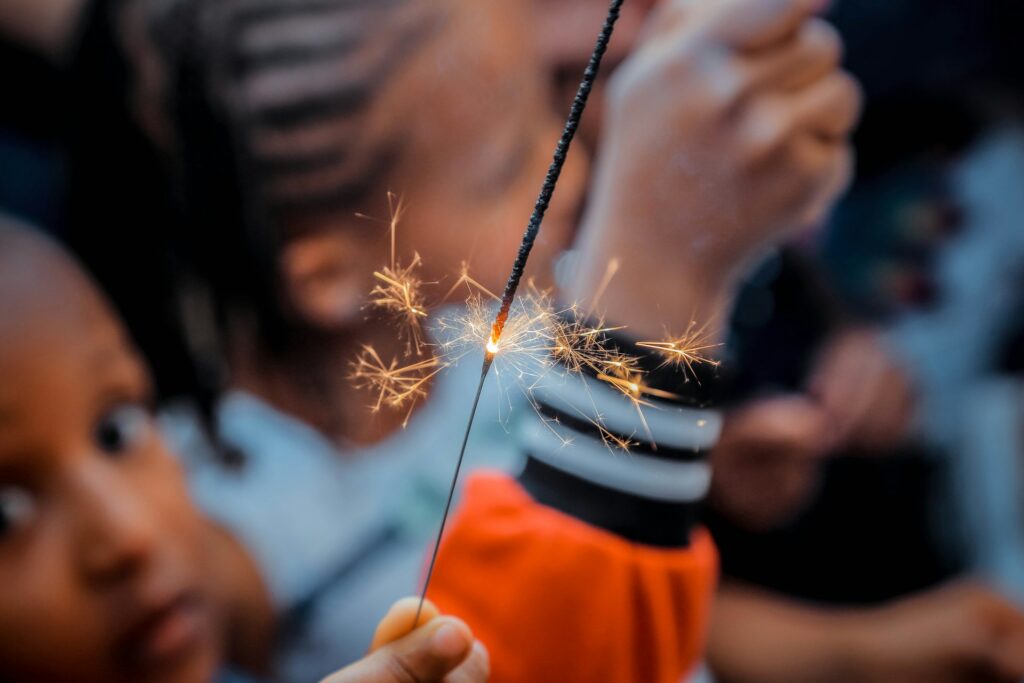
In many communities, fireworks weren’t reserved for big events or tightly controlled by adults. Kids often lit firecrackers or sparklers themselves—sometimes with matches or a cigarette lighter found around the house. In rural areas especially, it was common to see children as young as 8 or 9 lighting small rockets or bottle rockets with little concern for safety gear. While this sometimes led to accidents, it was viewed as a rite of passage for many. Today, safety laws and social expectations have changed drastically—making this kind of play nearly unthinkable for kids now.
Smoked Candy Cigarettes and Chewed Bubblegum Tobacco
Angela Loria/Unsplash
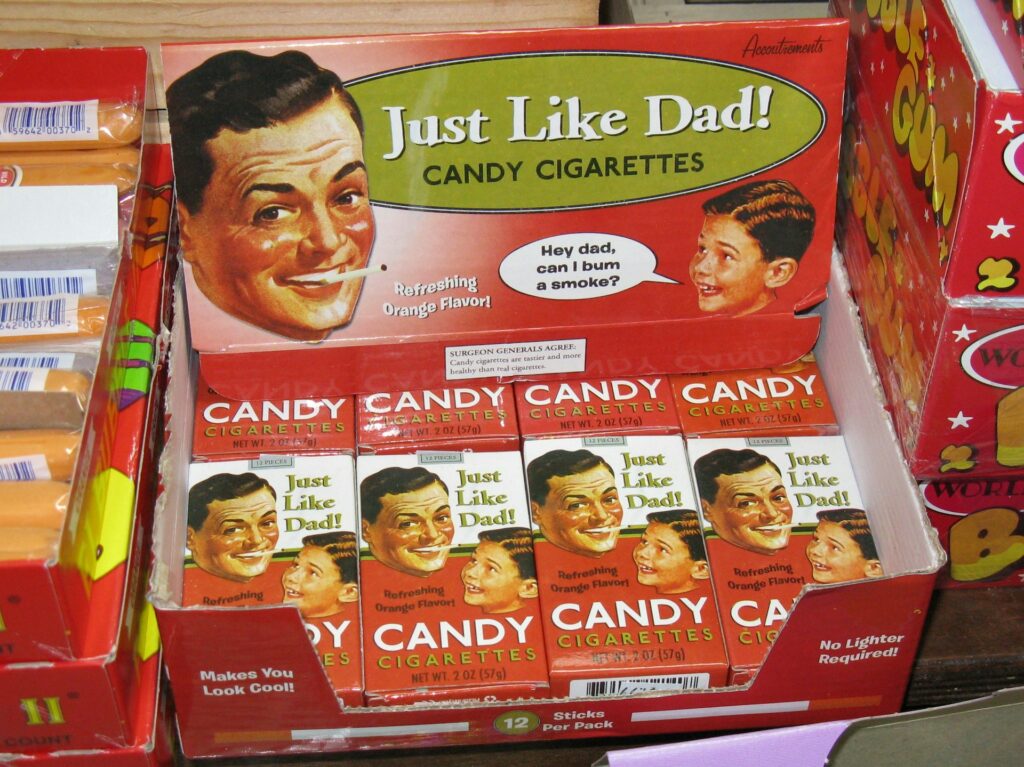
Back when smoking was widely accepted and even glamorized, it wasn’t unusual for kids to mimic the behavior with candy versions. Candy cigarettes and bubblegum shaped like chewing tobacco were marketed to children, often found at corner stores and offered as fun treats. Kids would pretend to puff clouds of sugar powder or chew on gum leaves just like the adults they saw. It was part of the culture—long before health education campaigns reshaped the public’s understanding of smoking. Today, this kind of imitation would be controversial at best and banned at worst.
Rode Bikes Without Helmets on Busy Roads
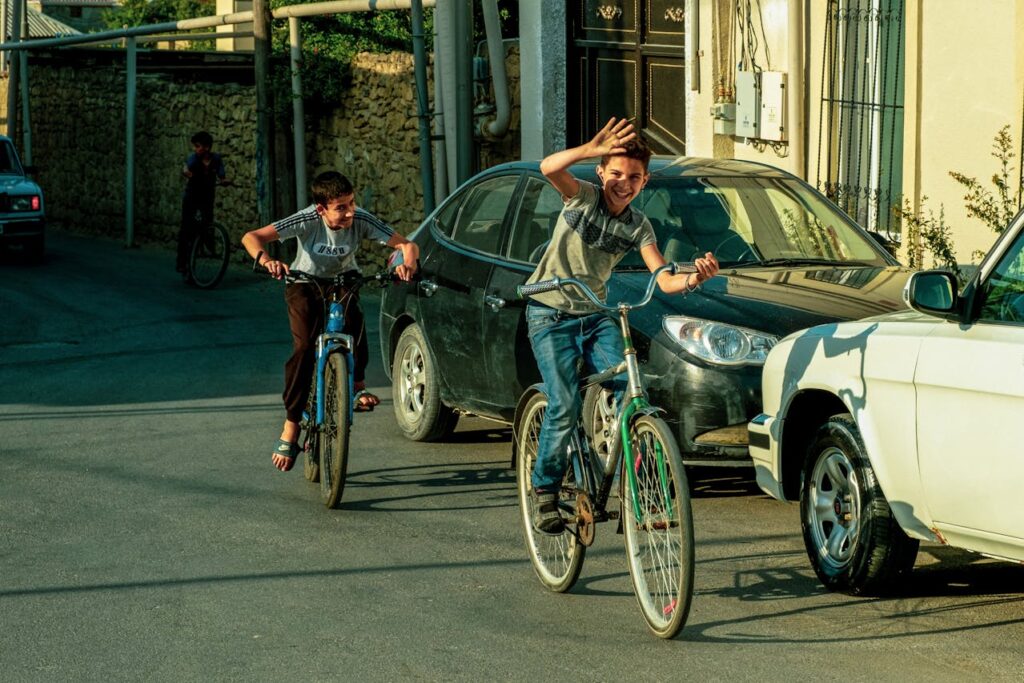
Helmets weren’t commonly worn—or even available—for most kids riding bikes in decades past. Children rode everywhere: to school, to the store, or just around town with friends, weaving through traffic and across major streets with little oversight. It wasn’t reckless by the standards of the time—it was just normal. Scraped knees and bruises were expected, and only the most serious falls resulted in a hospital visit. The emphasis on safety gear and rules seen today just didn’t exist then. Helmets, if they were worn, were usually reserved for sports, not everyday play.
Used Ovens, Knives, and Tools from a Young Age
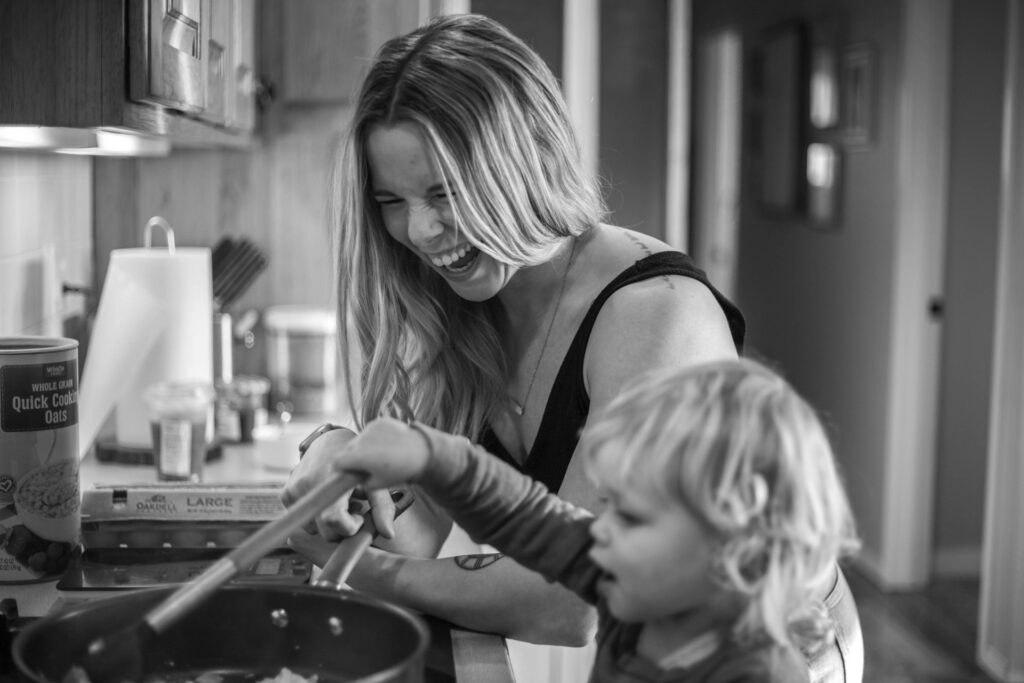
By the age of 10—or even younger—many kids were expected to help with cooking, chores, and even light construction. It wasn’t rare for children to use sharp knives to prepare vegetables, run errands involving stoves, or assist with woodworking projects. Learning to handle tools was a part of growing up. Risk wasn’t avoided—it was managed through hands-on learning. Adults believed in teaching responsibility through experience, even if it involved potential danger. Compare that with today’s emphasis on safety locks and age-restricted tools, and it feels almost rebellious in hindsight.
Watched R-Rated Movies or TV with Few Restrictions
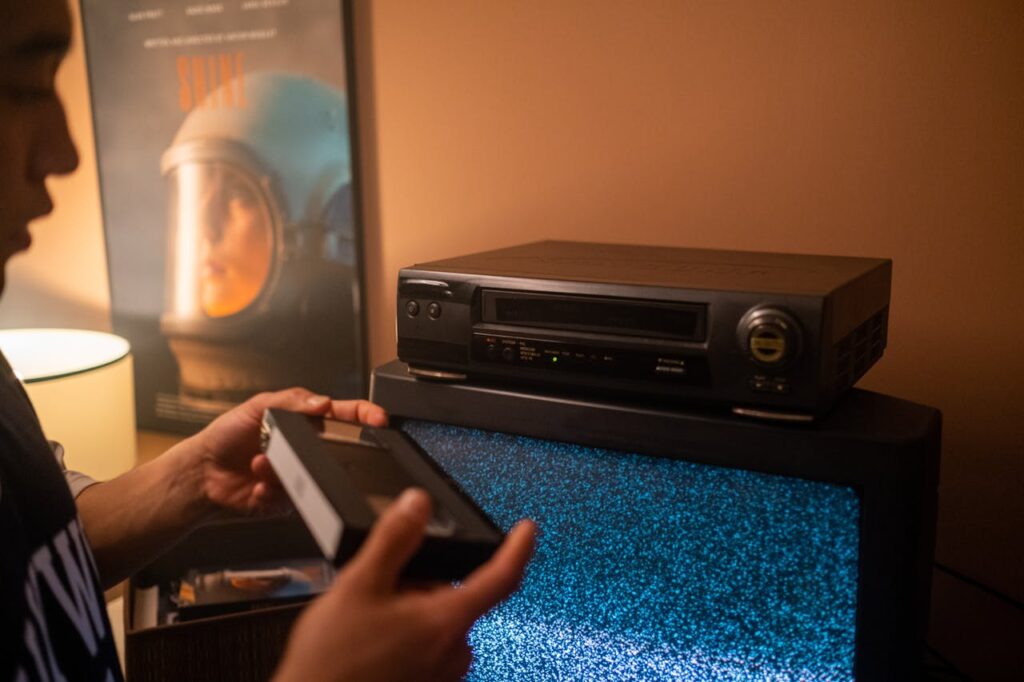
Entertainment wasn’t always filtered, and movie ratings weren’t taken nearly as seriously. Kids often sat with adults during movies featuring violence, suggestive themes, or language that would be considered inappropriate by today’s standards. Some shows aired without time delays or parental warnings. While some of the content was over kids’ heads, they absorbed it all the same. Discussions about what was appropriate for certain ages didn’t dominate the culture like they do now. As a result, exposure to mature content was far more common in a grandparent’s youth than it is for kids today.
Went Trick-or-Treating Alone Until Late at Night
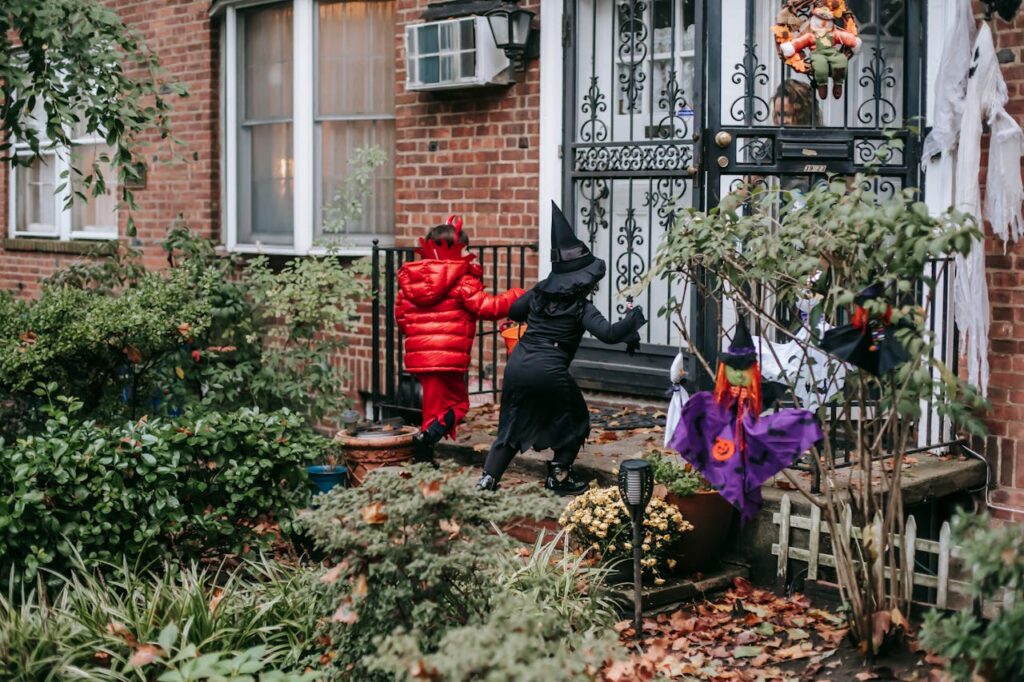
Halloween was a kid-run event. Groups of children set out after dark, going door to door—sometimes blocks away from home—with no adult in sight. Costumes were often homemade, and flashlights optional. They might be out for hours, collecting candy and exploring unfamiliar neighborhoods before making their way back. Parents didn’t accompany them or check every wrapper for tampering. There was a general feeling of safety in numbers and trust in the community. The notion of curfews, reflective tape, or organized trunk-or-treats wasn’t yet part of the Halloween experience.
Drank Soda by the Bottle and Ate Sugar Without Restrictions

Dietary rules were looser, and sugar wasn’t seen as a major threat. Kids drank full-sugar sodas regularly—sometimes even at breakfast—and no one counted grams of sugar on cereal boxes. Homemade desserts were common, and after-school snacks were loaded with corn syrup, food dyes, and candy bars. Adults didn’t micromanage meals; kids ate what was served and often made their own choices outside the house. Processed snacks were viewed as convenient rather than dangerous. Nutritional awareness simply hadn’t entered the cultural mainstream in the way it has now.
Wrestled, Fought, and Settled Arguments Without Adults
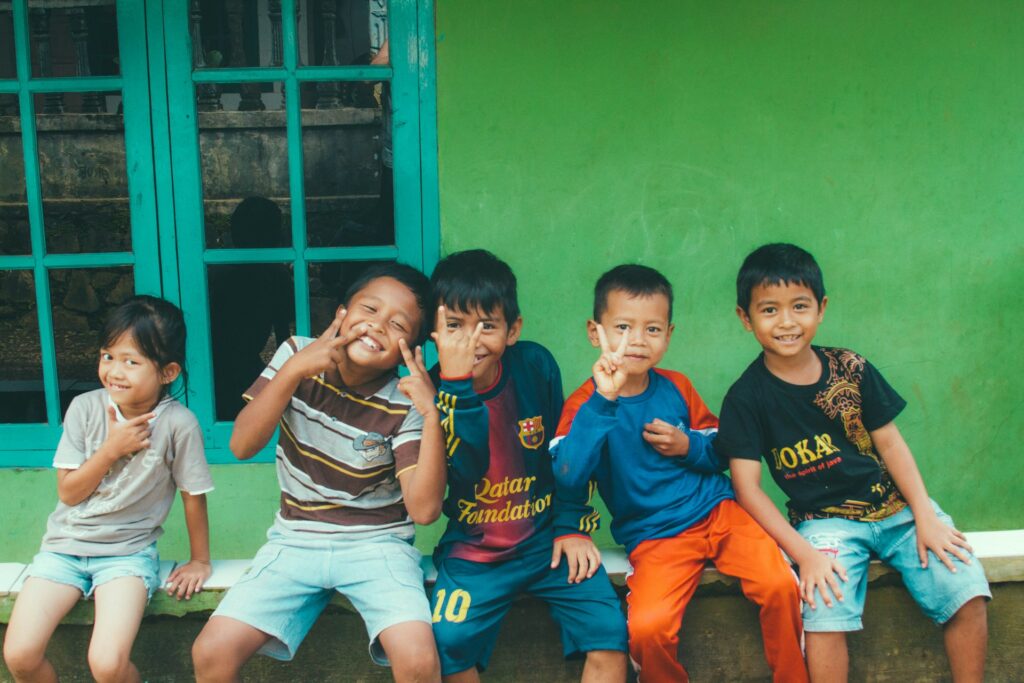
Disputes between kids weren’t always mediated by grown-ups. If an argument broke out, children often settled things on their own—whether through a shoving match, a race, or a short-lived fight in the schoolyard. While this could lead to bumps or bruises, it also taught kids how to handle confrontation, stand up for themselves, or walk away when needed. Adults generally didn’t intervene unless something was serious. This kind of peer-to-peer resolution seems risky today, but it was a foundational part of many grandparents’ social development and street-level education.
Hitchhiked or Got Rides from Strangers
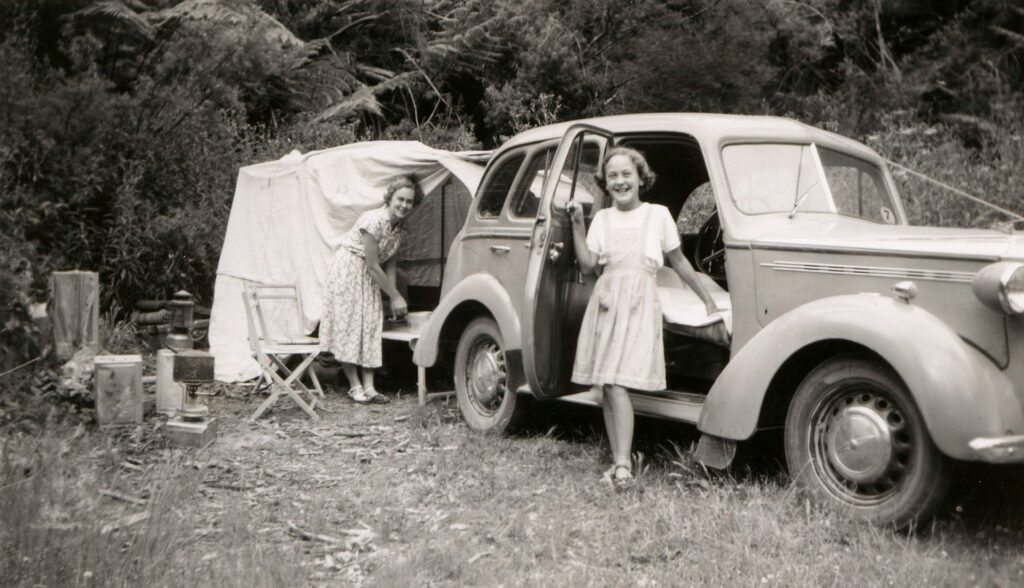
Getting into a stranger’s car wasn’t considered immediately dangerous back then. Teens and even younger kids sometimes hitchhiked short distances or accepted rides from adults they didn’t know well—especially in small towns or rural areas. The world felt more trusting, and fewer horror stories had circulated. Hitchhiking was seen as practical and even adventurous, not perilous. Today, the idea is practically unthinkable. While dangers certainly existed, the perception of community safety and the slower pace of life made it more acceptable in their youth than it would ever be now.
Looking back, these behaviors may seem wild, even reckless, to modern eyes. But they also reflect a time of greater trust, freedom, and resilience. The world may have changed, but the independence and life skills that past generations developed still matter today. By understanding what shaped their character, we can balance caution with the kind of confidence and freedom that helped them grow strong.