Schooling has transformed dramatically over the decades, reflecting changes in society, technology, and values. For Generation X, the classroom experience today is almost unrecognizable compared to what Baby Boomers once knew. The world of education has evolved beyond chalkboards and cursive writing to embrace emotional intelligence, digital literacy, and inclusivity. Here are twelve aspects of modern schooling that Boomers would find astonishing today.
Emotional Intelligence Is Now Part of Education

In modern schools, students learn not just math and grammar but also mindfulness and empathy. Emotional intelligence classes teach kids to identify feelings, handle stress, and resolve conflict. This approach helps children grow into more balanced individuals. For Boomers, who often learned to “tough it out,” the idea of emotional self-awareness being taught in school would be revolutionary.
Bullying Policies Are Taken Seriously
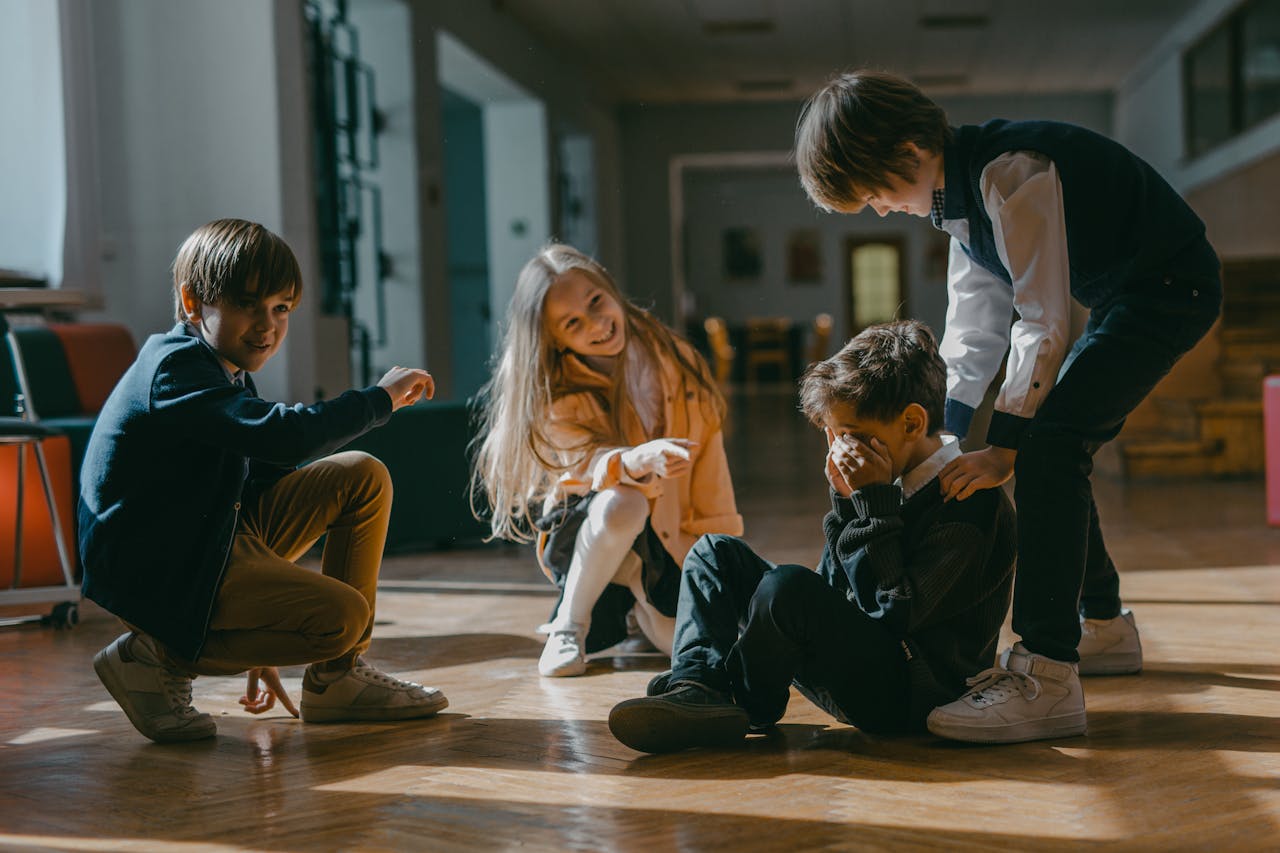
What was once brushed off as “kids being kids” is now treated with zero tolerance. Schools have detailed anti-bullying programs and counselors who intervene early. Students learn to report and prevent bullying through empathy-based education. The emotional safety of students is now a top priority, something Boomers never experienced growing up.
Classrooms Are Powered by Technology
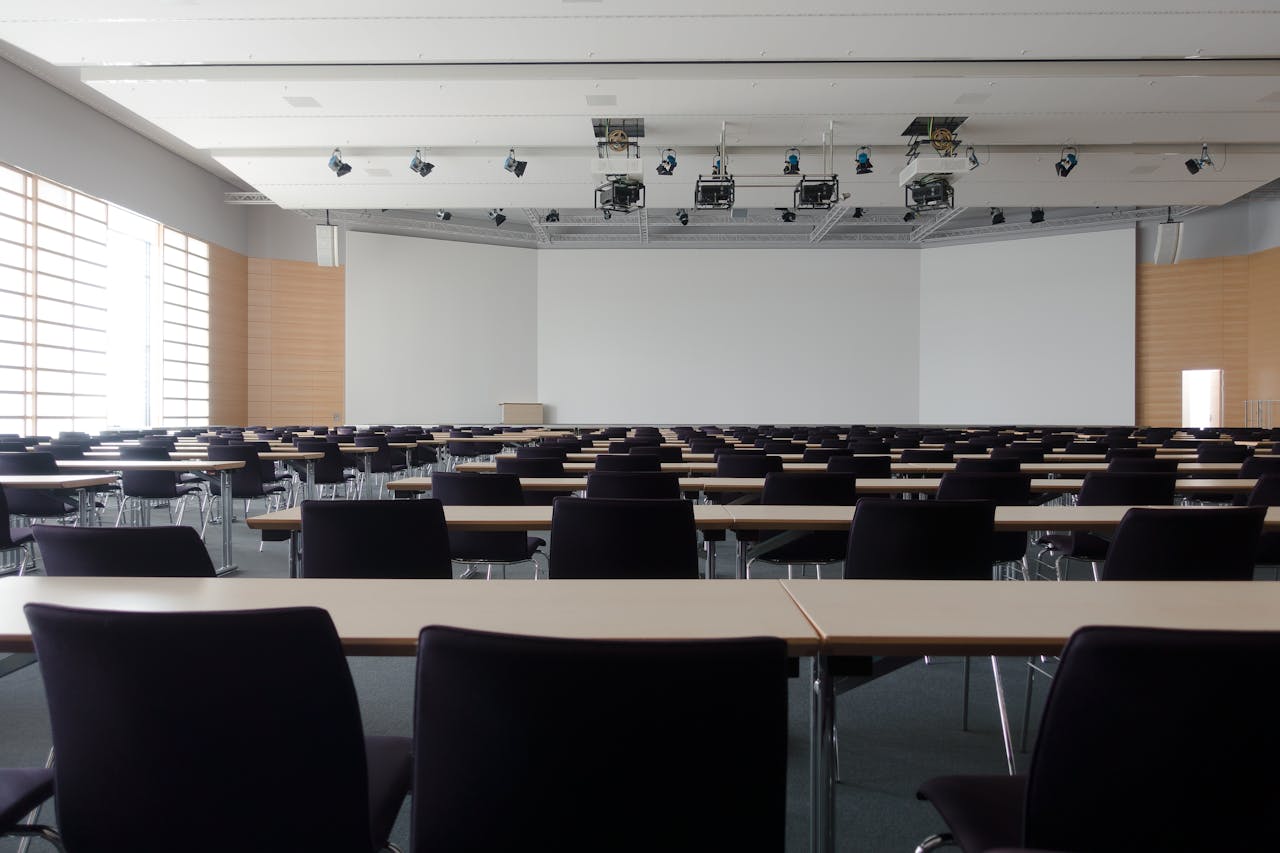
The chalkboard has given way to interactive smartboards, laptops, and tablets. Students submit work online, attend virtual lessons, and use apps for nearly every subject. For Boomers who carried heavy textbooks and wrote essays by hand, today’s tech-driven learning would seem almost futuristic.
Students Learn at Their Own Pace

Gone are the days of one-size-fits-all education. Today’s classrooms use adaptive learning software that adjusts lessons based on a student’s strengths and weaknesses. This personalized approach values creativity and curiosity over rote memorization. Boomers, used to standardized teaching, might see this as a total paradigm shift.
Collaboration Replaces Competition
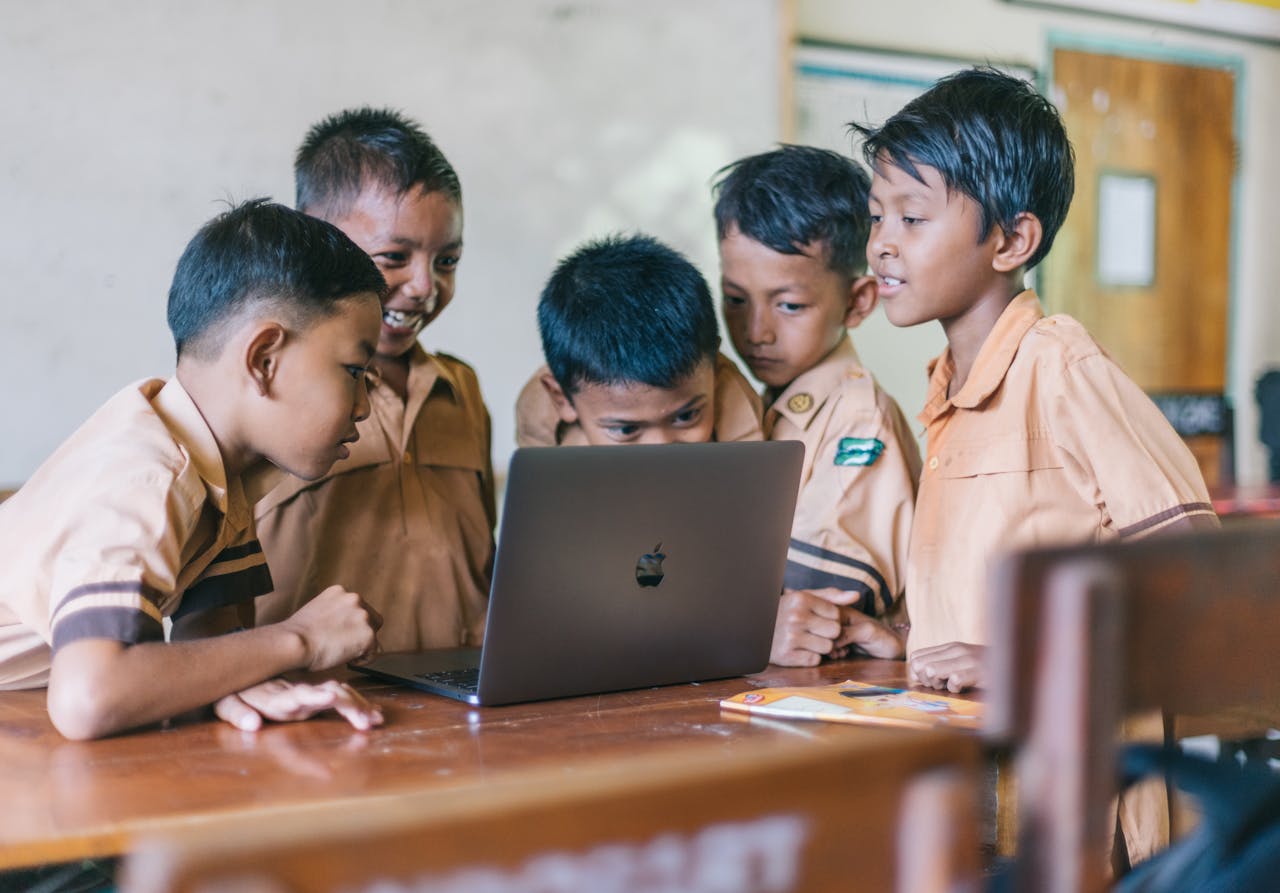
Modern students work in groups, focusing on teamwork and communication rather than outscoring their peers. Group projects, peer reviews, and brainstorming sessions teach them real-world cooperation. This emphasis on unity over rivalry might surprise Boomers, who grew up in a more competitive classroom culture.
Diversity and Inclusion Take Center Stage
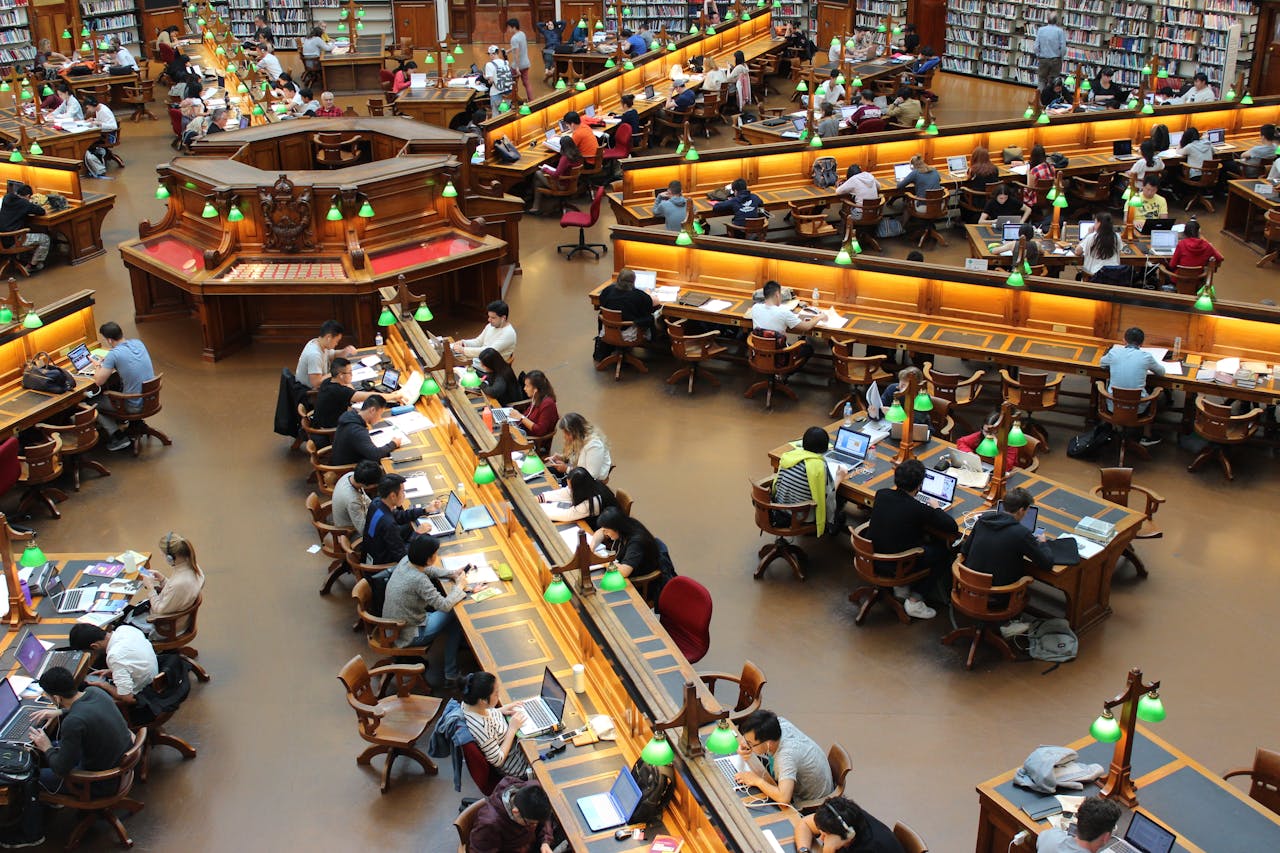
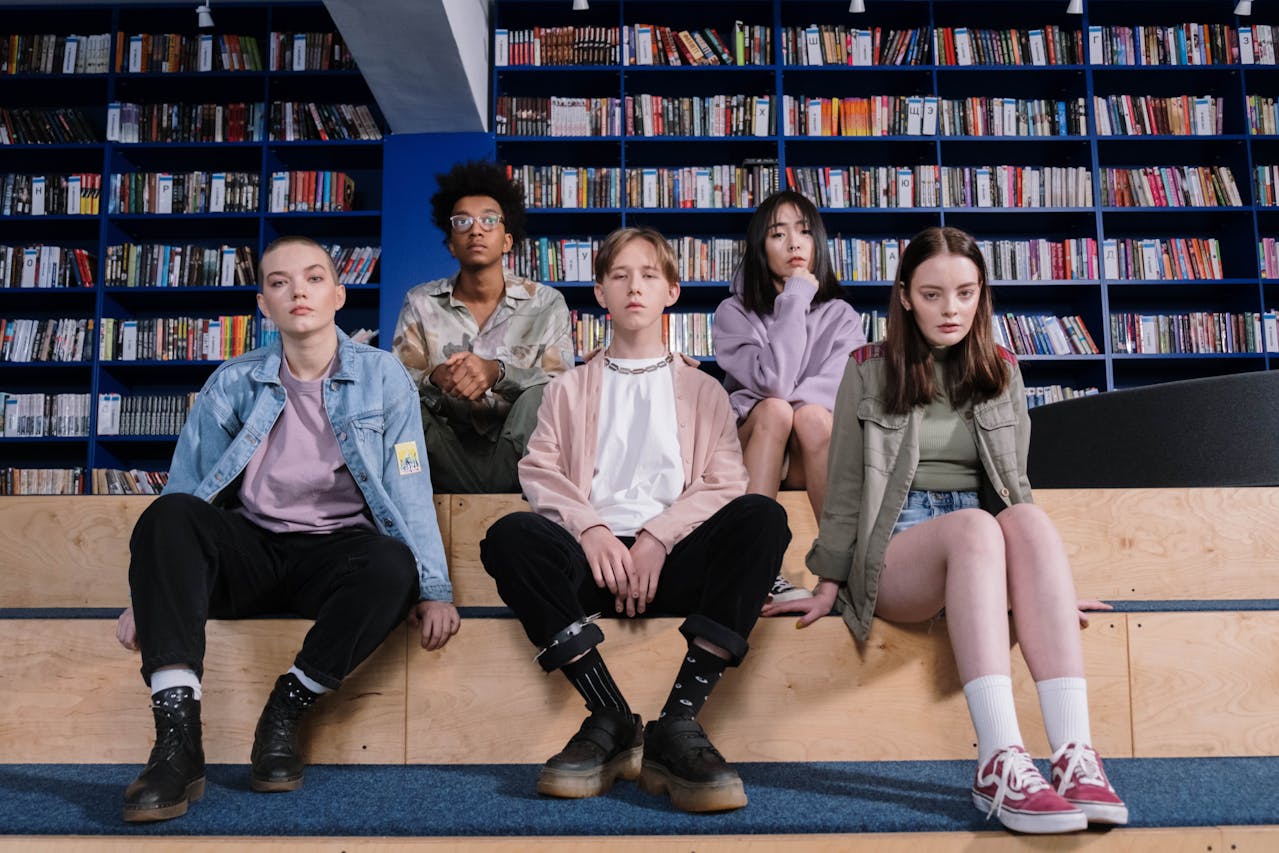
Schools today celebrate cultural and individual differences. Students learn about identity, equality, and global awareness. Lessons on inclusivity help create compassionate, socially conscious citizens. For Boomers, who experienced a more uniform classroom environment, such openness might feel strikingly progressive.
Mental Health Support Is Normalized
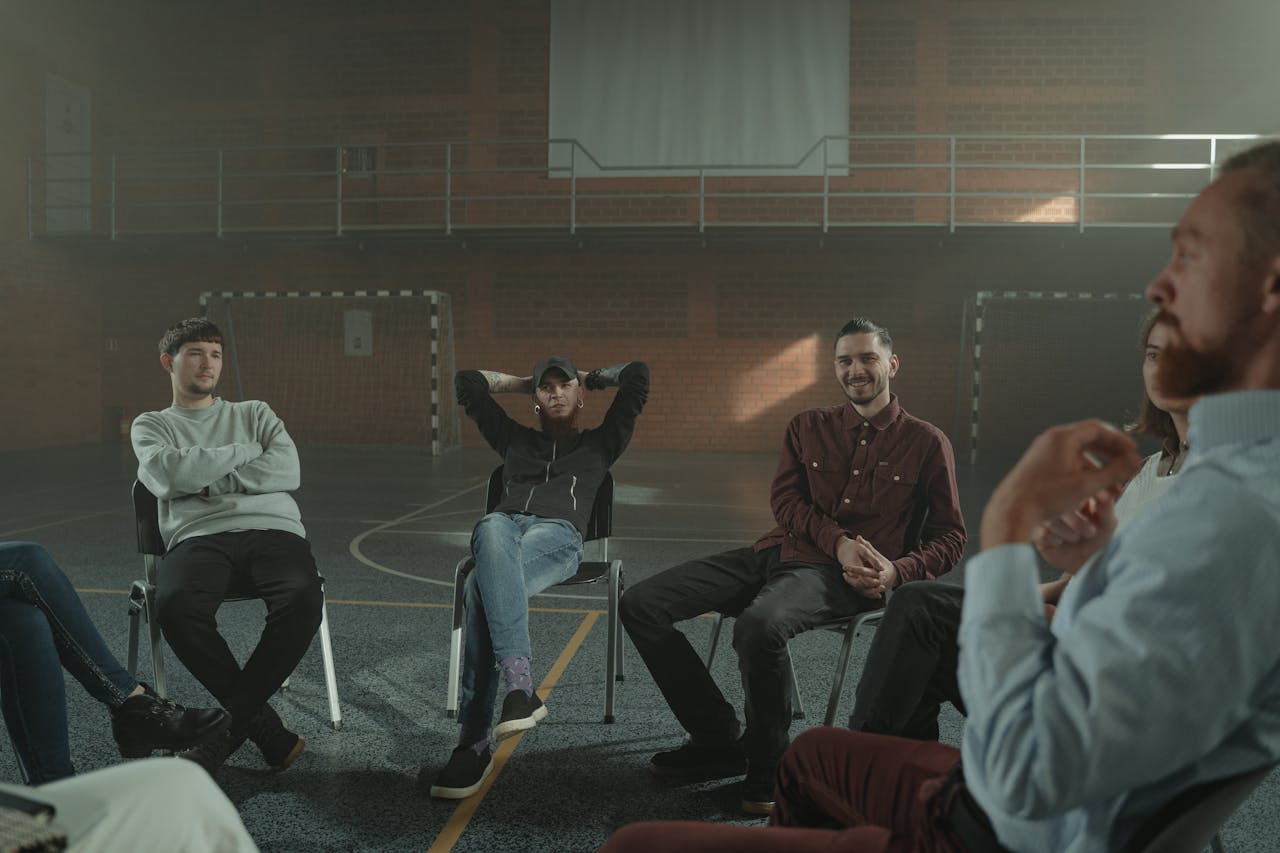
Today’s schools recognize that mental health is as vital as physical health. Counselors, therapy dogs, and mindfulness programs are common. Some districts even allow mental health days. This open acknowledgment of emotional struggles marks a major shift from the “keep calm and carry on” mentality of past generations.
Online Learning Is Commonplace

Virtual classrooms and digital courses are now part of regular schooling. Whether due to illness, travel, or weather, students can continue learning from anywhere. Boomers, who equated learning with physical attendance, would find this digital flexibility astonishing.
Handwriting Takes a Backseat

Cursive writing, once a symbol of education, is nearly obsolete. Schools now prioritize typing, coding, and digital communication. While Boomers might mourn the loss of elegant penmanship, today’s focus prepares students for a modern, tech-centered world.
Creativity Is an Academic Strength
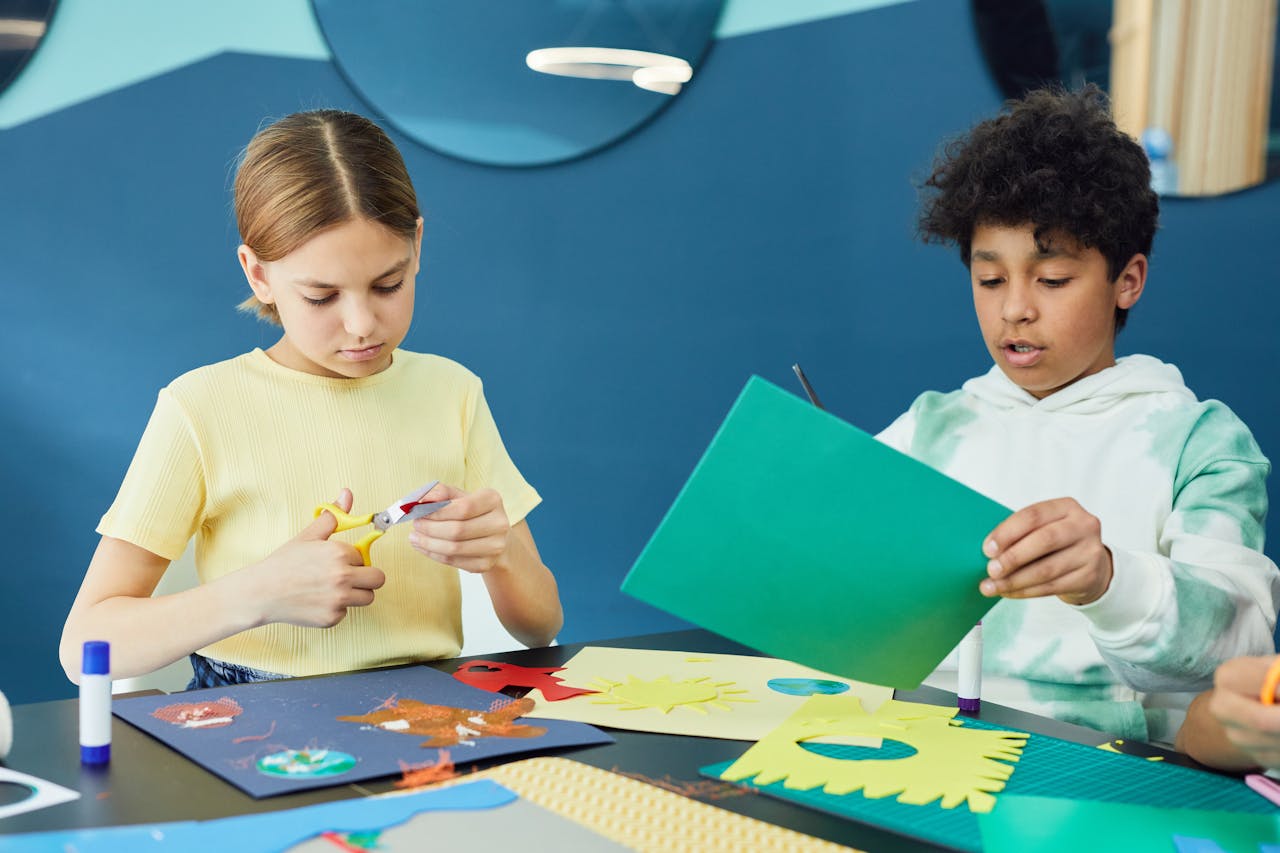
Art, design, and storytelling hold equal importance to science and math. Students are encouraged to explore creative expression in every subject. Rather than being seen as a distraction, imagination is celebrated as a critical skill. This shift reflects how innovation is valued in today’s job market.
Digital Etiquette Is a Lesson in Itself
Since students grow up online, they are taught about responsible internet behavior, privacy, and digital citizenship. Lessons on online safety and media literacy are now standard. Boomers, who never imagined social media, would likely find this a fascinating evolution in education.
Teachers Have Become Mentors

The role of the teacher has transformed from authority figure to facilitator. Modern educators guide discussions, encourage questions, and nurture critical thinking. Classrooms are no longer silent spaces but dynamic hubs of collaboration. It’s a more human, interactive approach that emphasizes understanding over memorization.