Family life in the 1960s carried a very different set of expectations than it does today. Social norms, gender roles, and cultural values influenced how families were structured, how children were raised, and what counted as “proper” behavior. Many of these practices reflected the conservative mood of the era, but looking back, they highlight how much has changed. What once was viewed as normal now sparks debate about fairness, equality, and individuality.
Rigid gender roles

Fathers were almost always the sole breadwinners, while mothers managed household duties and child-rearing. This left little room for alternative arrangements, even when women wanted careers. Society often criticized families that defied these norms. Boys and girls were also given clear roles at home, reinforcing gender expectations from an early age. Today, shared responsibilities and flexible roles are widely encouraged, reflecting changing societal values.
Obedience to authority

Children were expected to respect parents and teachers without question. Discipline was strict, and expressing dissent was often frowned upon. Many children were taught that “listening quietly” was a sign of good upbringing. Today, parents and educators encourage respectful dialogue, critical thinking, and self-expression. Children are now seen as active participants in discussions rather than passive recipients of rules.
Nuclear family ideal

The “perfect” family was often portrayed as a two-parent household with children, a home, and traditional values. Extended family involvement was less emphasized in popular culture. Families that looked different often faced social judgment or exclusion. Today, family structures are diverse, including single parents, blended families, and same-sex parents. Social acceptance of these variations has increased significantly over the decades.
Stay-at-home mothers

Working mothers were often judged as neglecting their children. Social norms reinforced the idea that a woman’s place was in the home. Women who pursued careers after marriage were sometimes stigmatized. Today, many households rely on dual incomes, and working mothers are widely accepted. Policies such as maternity leave and childcare support have also made this shift more feasible.
Strict meal traditions
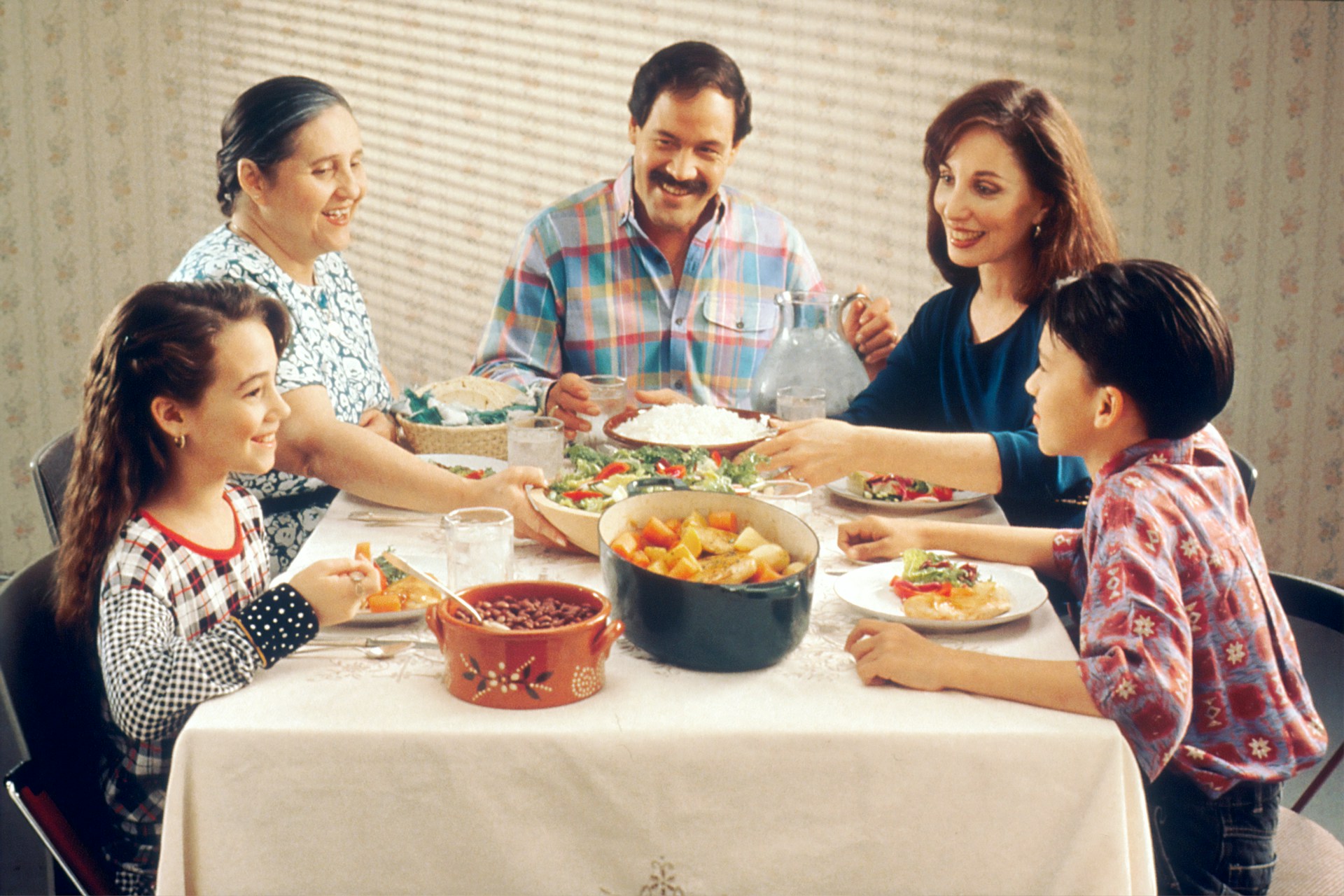
Family dinners were often formal events, with rigid expectations around manners. Children were expected to finish all food, sit upright, and avoid talking with mouths full. These meals reinforced discipline and order rather than casual family bonding. Modern families often prioritize convenience and flexibility, with meals reflecting individual schedules and preferences. The change highlights a shift from formality to comfort and inclusivity in family life.
Corporal punishment

Spanking or other physical discipline was widely accepted as a normal parenting tool. Parents believed it built respect and obedience. Schools often employed similar strategies, making physical discipline a part of daily life. Today, research has shown the harmful effects of corporal punishment on children’s development. Most parents now use verbal guidance and other non-physical strategies to teach discipline.
Limited emotional openness
Families rarely discussed mental health or emotional struggles openly. Stoicism was valued, and emotional expression was often discouraged. Children were expected to “tough it out” or keep feelings to themselves. Modern parenting emphasizes empathy, emotional intelligence, and open communication. Counseling and mental health support are also much more accessible and socially accepted today.
Large families

Families often had three or more children, influenced by cultural, religious, and economic factors. Larger families were associated with social respectability and responsibility. Parents often relied heavily on older children to help care for younger siblings. Today, economic pressures and lifestyle preferences have led to smaller families being more common. The societal value placed on having many children has decreased significantly.
Religious conformity

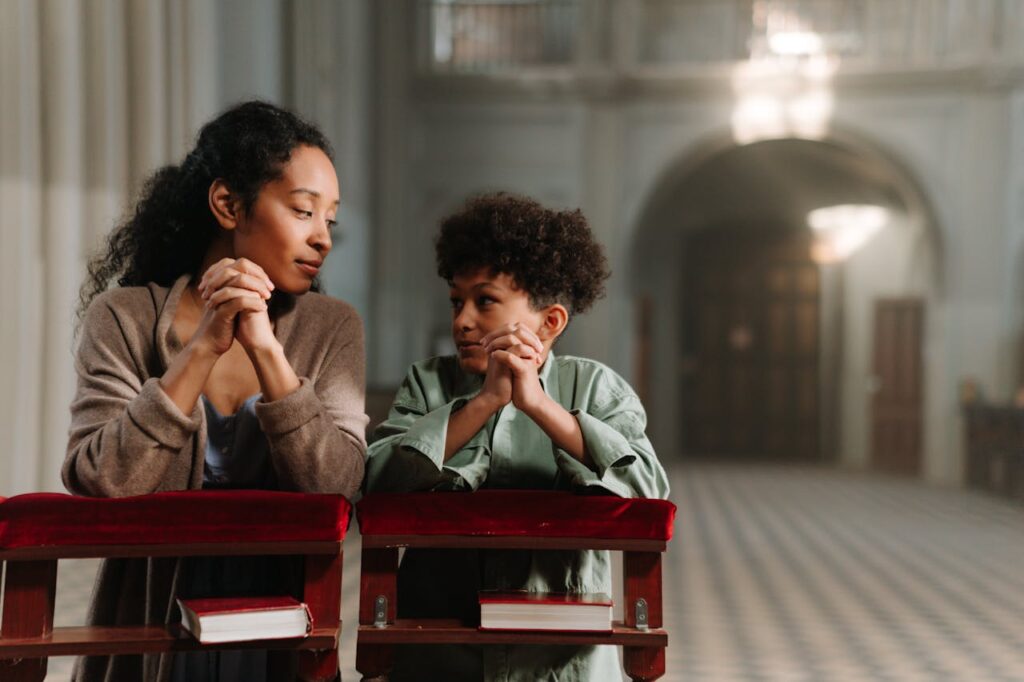
Families were often expected to attend church regularly and follow strict moral codes. Religious education was considered essential for good upbringing. Families that skipped services or held different beliefs often faced community judgment. Today, religious participation is optional and varied, reflecting wider cultural acceptance of secular and diverse spiritual paths. Family values are now more individualized rather than strictly dictated by religion.
Gendered chores for kids

Boys were assigned outdoor chores like lawn work and maintenance, while girls handled domestic tasks such as cooking and cleaning. These early responsibilities reinforced lifelong gender roles. Girls were rarely encouraged to learn trades or skills considered “male,” limiting career possibilities. Today, many families aim for equal distribution of chores regardless of gender. Children are encouraged to develop a broad skill set without stereotypes.
Limited youth freedom

Teenagers had little autonomy and were expected to follow family rules closely. Curfews were strict, and social activities were closely monitored. Peer influence was often discouraged if it conflicted with parental expectations. Today, teenagers enjoy greater independence, with parents guiding rather than controlling. The cultural shift acknowledges adolescence as a developmental stage requiring trust and decision-making.
Focus on appearances

Families placed a high value on appearances, from well-dressed children to tidy homes. Manners, grooming, and social etiquette were heavily emphasized. This emphasis often prioritized outward presentation over individual comfort or personality. Today, authenticity and self-expression are encouraged, and many families adopt a more relaxed approach to appearances. Comfort, individuality, and diversity are increasingly valued over conformity.