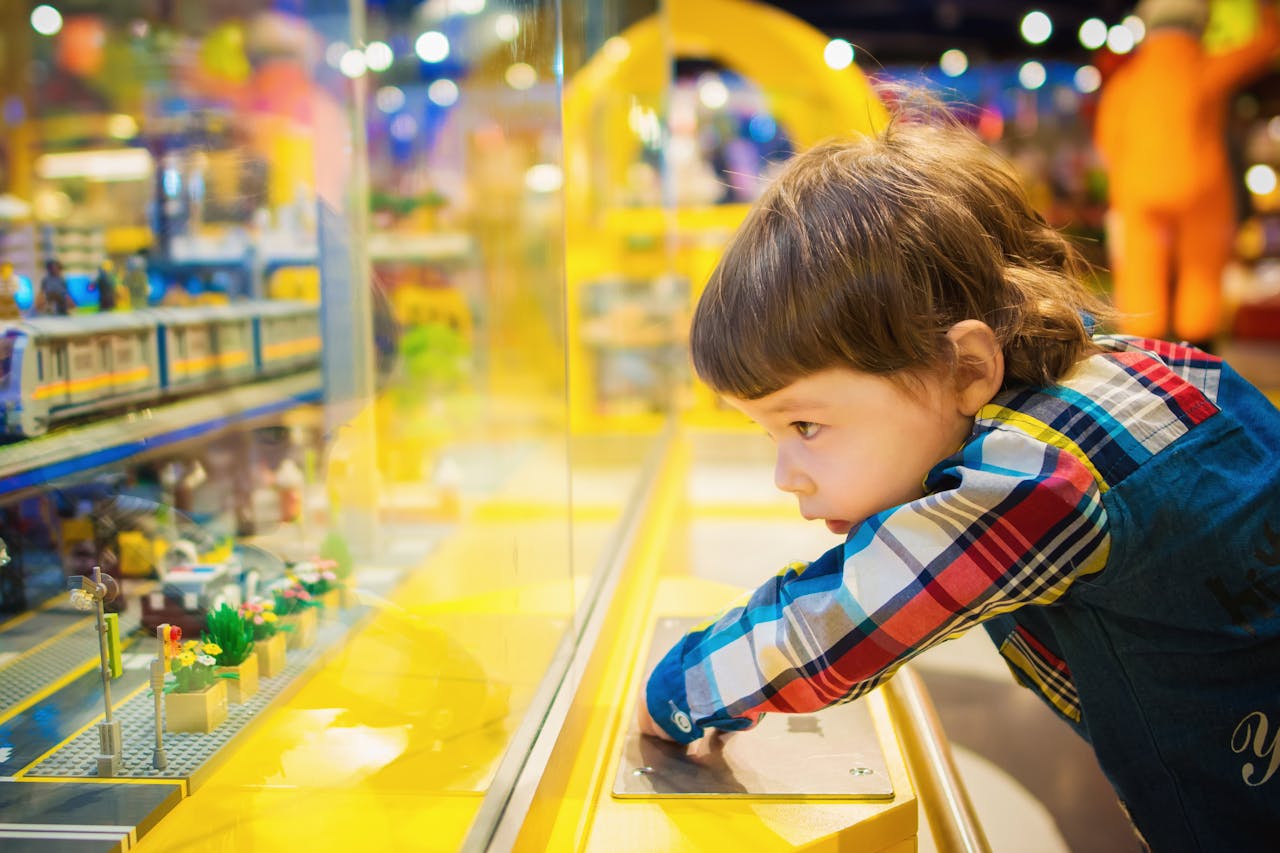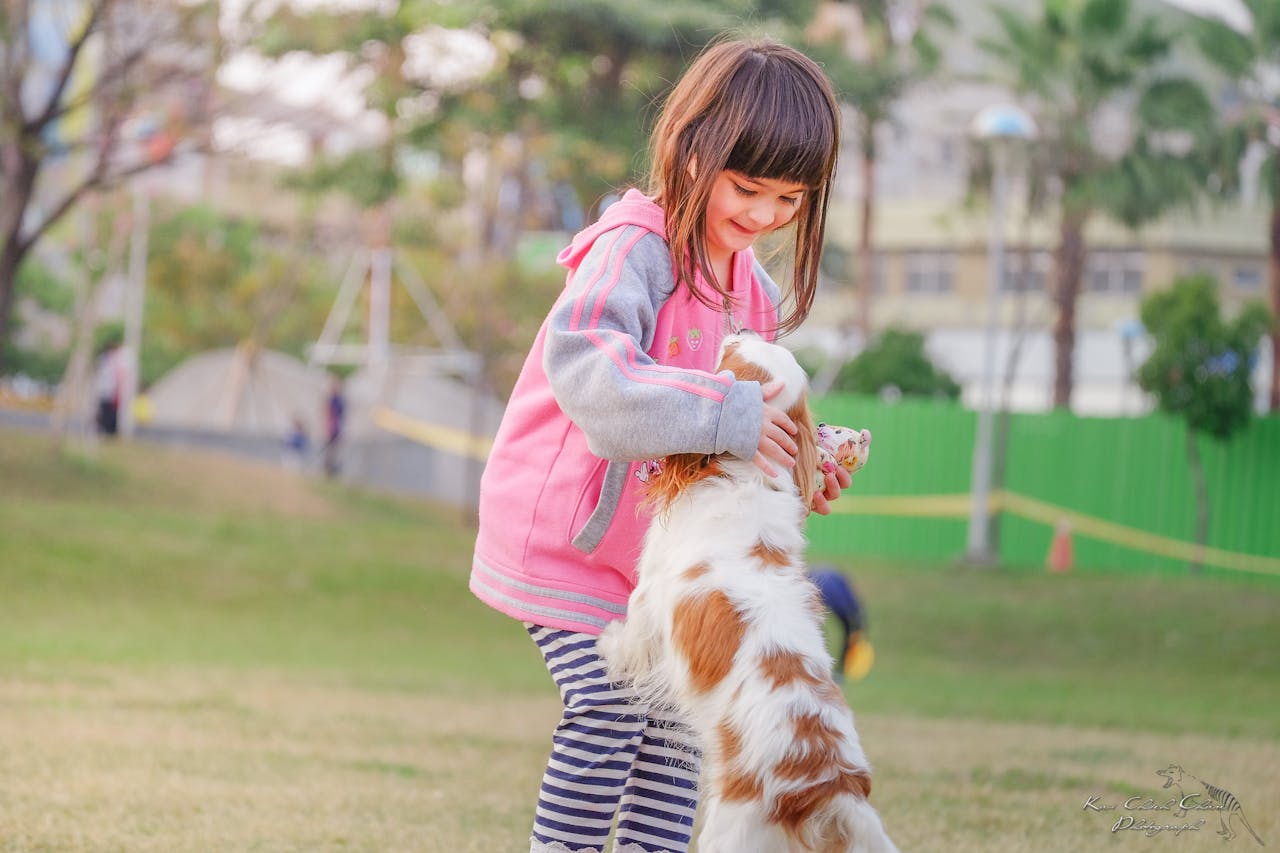
Dogs have a remarkable way of connecting with children. Through their natural behaviors and daily interactions, dogs often teach lessons that even the most well-meaning adult explanations can’t quite match. These lessons go far beyond simple commands or pet care—they touch on emotional intelligence, social responsibility, and personal growth. Having a dog in the home can shape a child’s character in ways that last a lifetime.
Unconditional Love

Dogs offer unwavering love no matter what, teaching children that love isn’t earned—it’s given freely. This constant affection helps children develop secure emotional bonds and understand the power of acceptance. Even after a bad day or a mistake, a dog’s loyalty never wavers. It reassures kids that they are valued for who they are. This sets a foundation for self-worth and resilience.
Responsibility
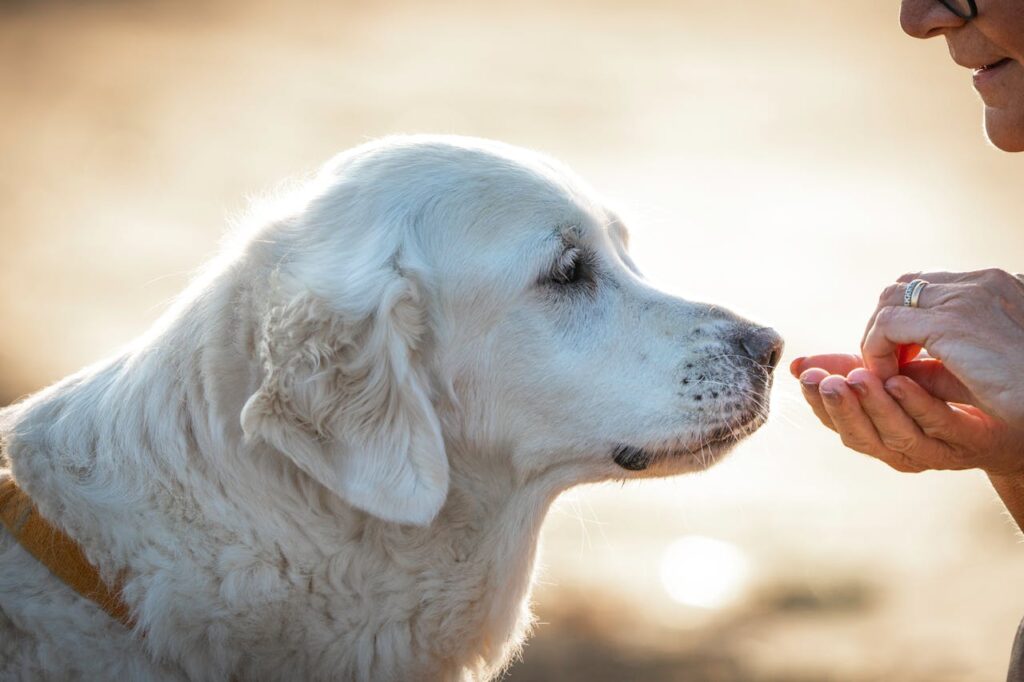
Taking care of a dog instills a strong sense of responsibility in children. Feeding, grooming, and walking a dog requires consistency and discipline. Unlike chores that can be postponed, a pet’s needs are immediate and ongoing. This helps kids understand commitment and accountability. They learn that being reliable impacts another living being’s well-being.
Empathy

Observing and responding to a dog’s emotions fosters empathy. When a dog is scared during a thunderstorm or excited when their leash comes out, children begin to interpret non-verbal cues. This awareness helps them tune into others’ feelings beyond words. By nurturing their pet, kids practice compassion and develop a deeper understanding of emotional nuance.
Patience

Training and interacting with dogs takes time, especially when teaching commands or house rules. Children learn that results don’t happen instantly and that progress is worth waiting for. This patience transfers into other areas of life, like schoolwork and social relationships. Instead of frustration, kids are more likely to show perseverance. It becomes a natural part of their character.
Forgiveness
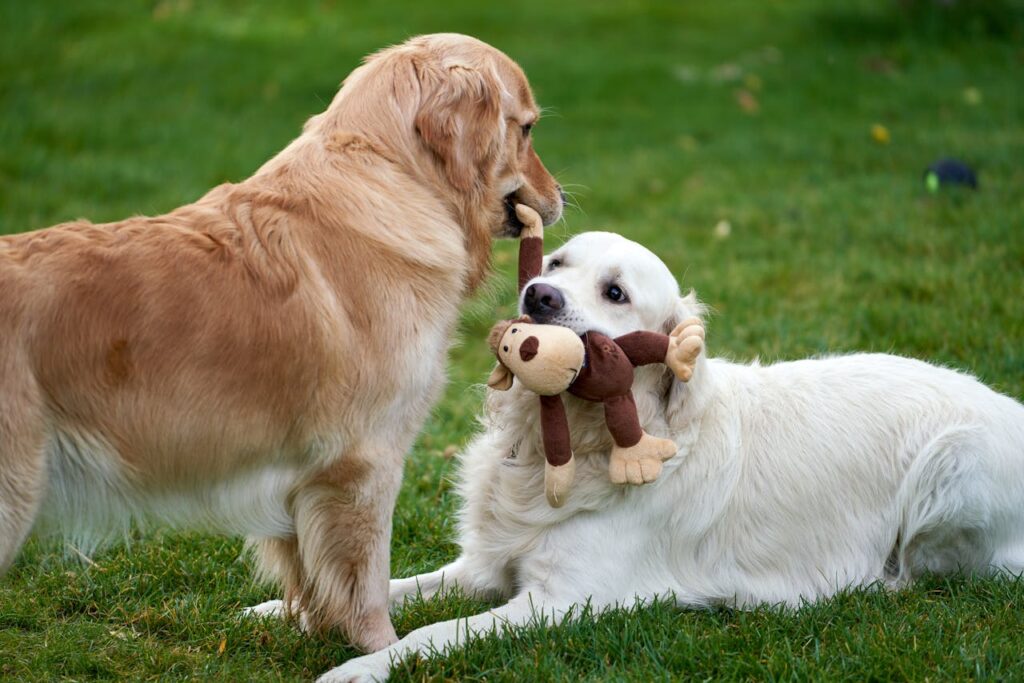
Dogs are incredibly forgiving—they don’t hold grudges or dwell on missteps. When kids accidentally step on a paw or forget to fill a water bowl, a dog’s affection remains unchanged. This models a healthy way to handle conflict and errors. Kids internalize that mistakes can be moved past and that relationships don’t have to be perfect to be loving.
Routine and Structure
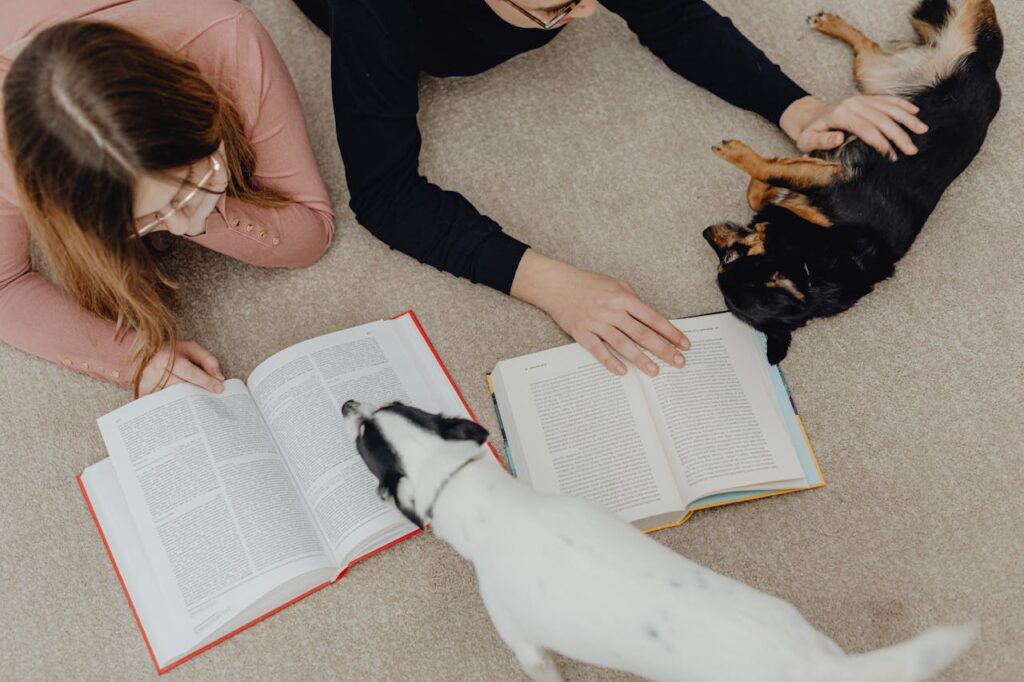
Dogs thrive on routines, and their schedules create structure in a household. Kids benefit from this regularity, as it offers predictability and a sense of control. Whether it’s morning walks or bedtime feeding, these routines reinforce time management. Children become more organized in their day-to-day lives. It gives them a gentle introduction to planning and follow-through.
Active Lifestyle
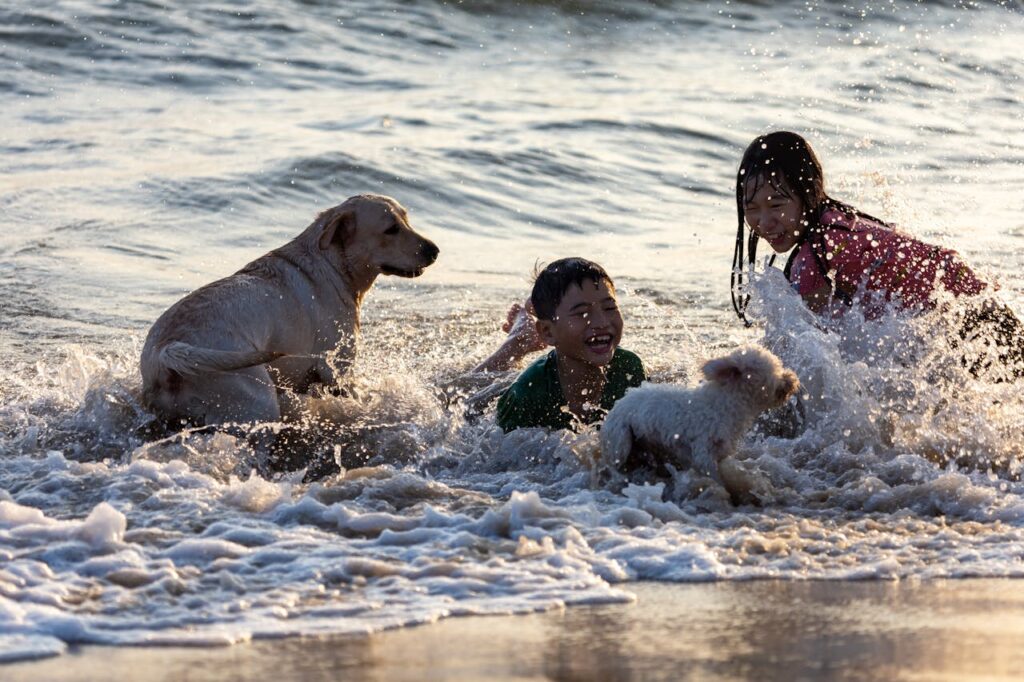
Dogs naturally encourage more physical activity. Playing fetch, walking in the park, or even running in the yard all promote movement. This makes kids less sedentary and more likely to enjoy the outdoors. They associate fun with fitness instead of screens. It plants the seed for lifelong healthy habits.
Communication Skills
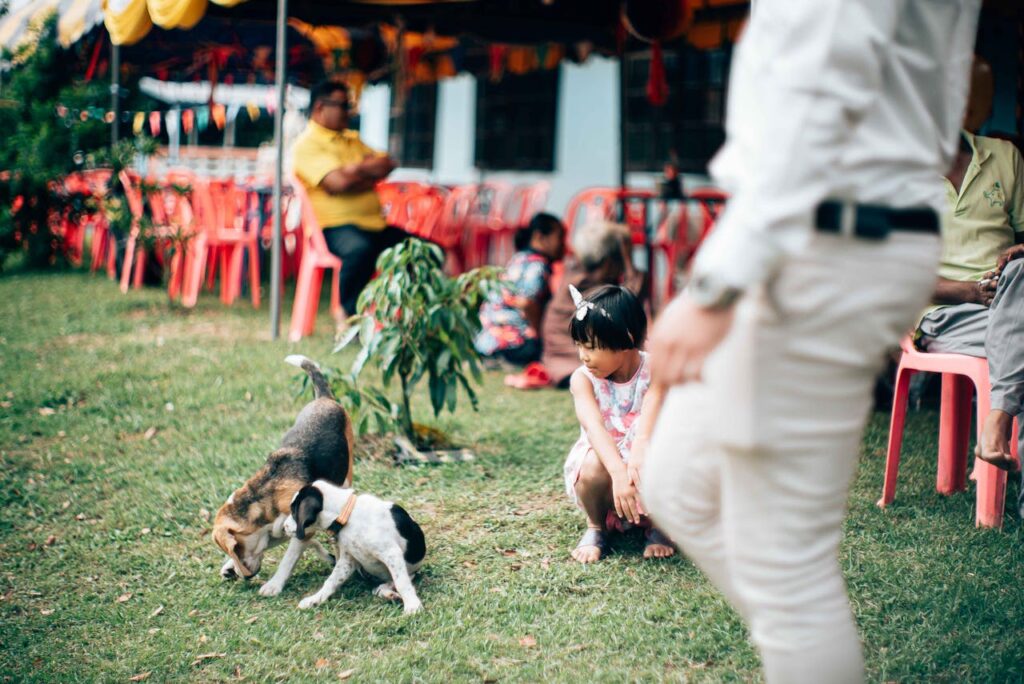
Interacting with dogs improves a child’s ability to communicate clearly. Giving commands, using consistent tones, and understanding body language builds a bridge between verbal and non-verbal communication. Kids learn how to express themselves more effectively. It’s a foundational skill that benefits them in school and friendships.
Coping with Loss

The life span of a dog is often shorter than a child’s upbringing, and eventually, kids may experience the heartbreak of loss. As difficult as it is, this moment teaches them about grief, love, and the cycle of life. It provides a real, yet manageable experience of mourning. With support, this lesson fosters emotional maturity. It deepens their understanding of life’s impermanence.
Trust
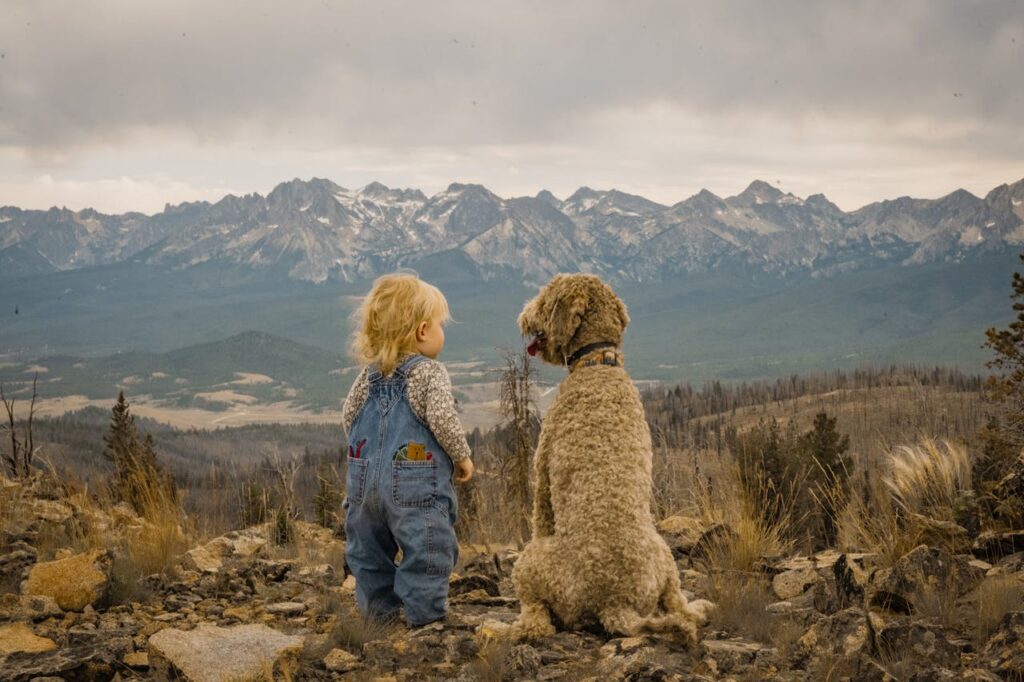
Dogs offer a safe space for children to build trust. They’re reliable, non-judgmental, and always willing to listen. This helps children develop emotional security. Knowing they can confide in their pet builds a foundation for trusting others. It’s a subtle but powerful influence.
Joy in Simplicity
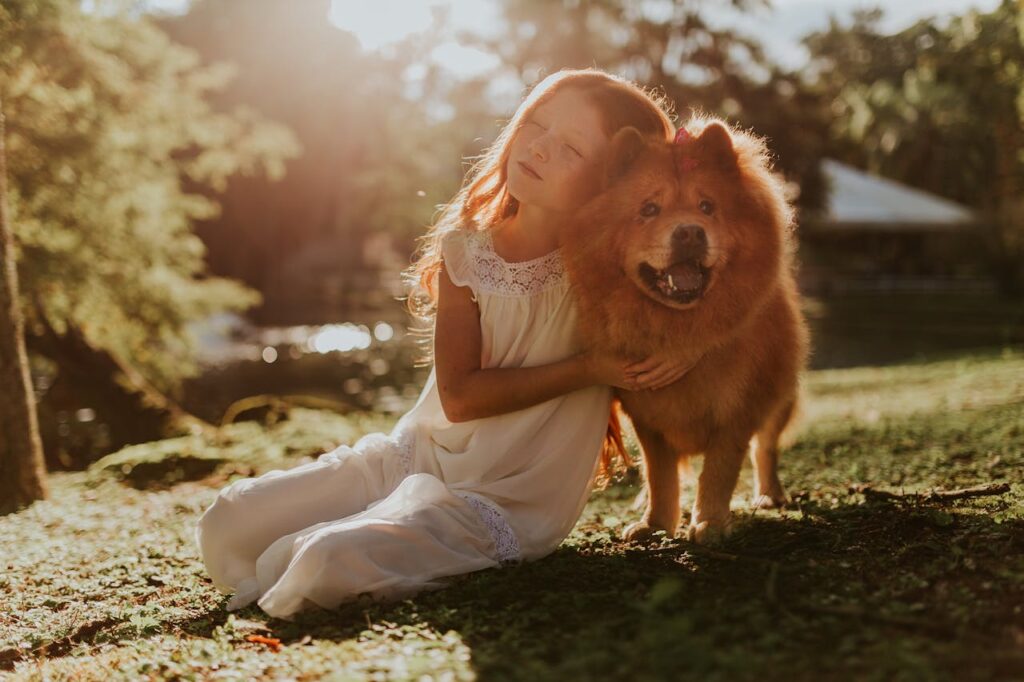
Dogs find happiness in the smallest things—a walk, a treat, or a belly rub. Children absorb this lesson of finding joy in everyday moments. It shifts focus from material wants to present-moment appreciation. This gratitude enhances their emotional well-being. They learn that fulfillment doesn’t always come from more, but from enough.
Loyalty
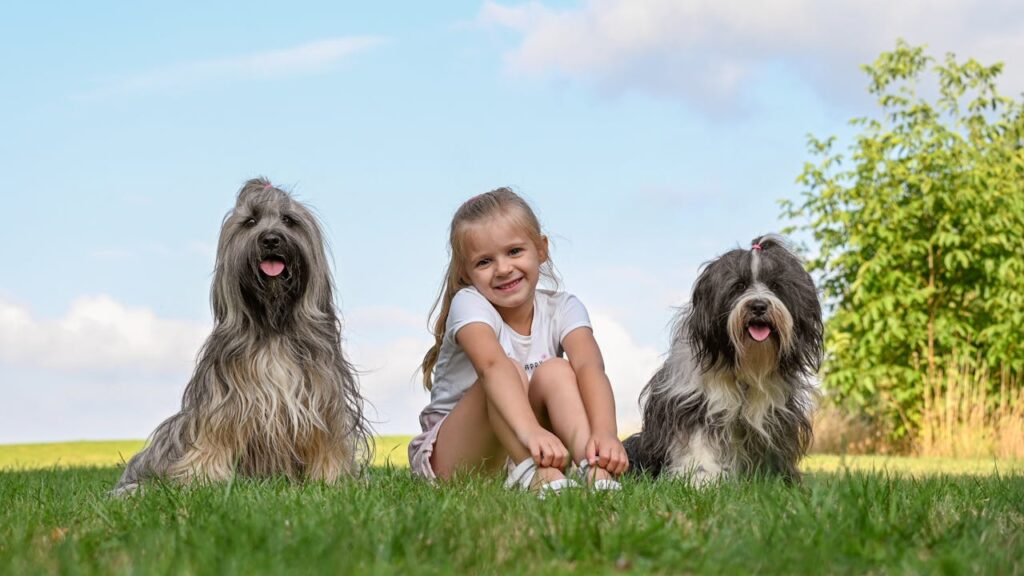
The loyalty of a dog is unshakable, and this devotion teaches children about sticking by those they care about. Through thick and thin, a dog remains constant. Kids witness how meaningful it is to show up for others. Loyalty becomes a principle rather than just a word. It’s a lifelong value that starts with a wagging tail.