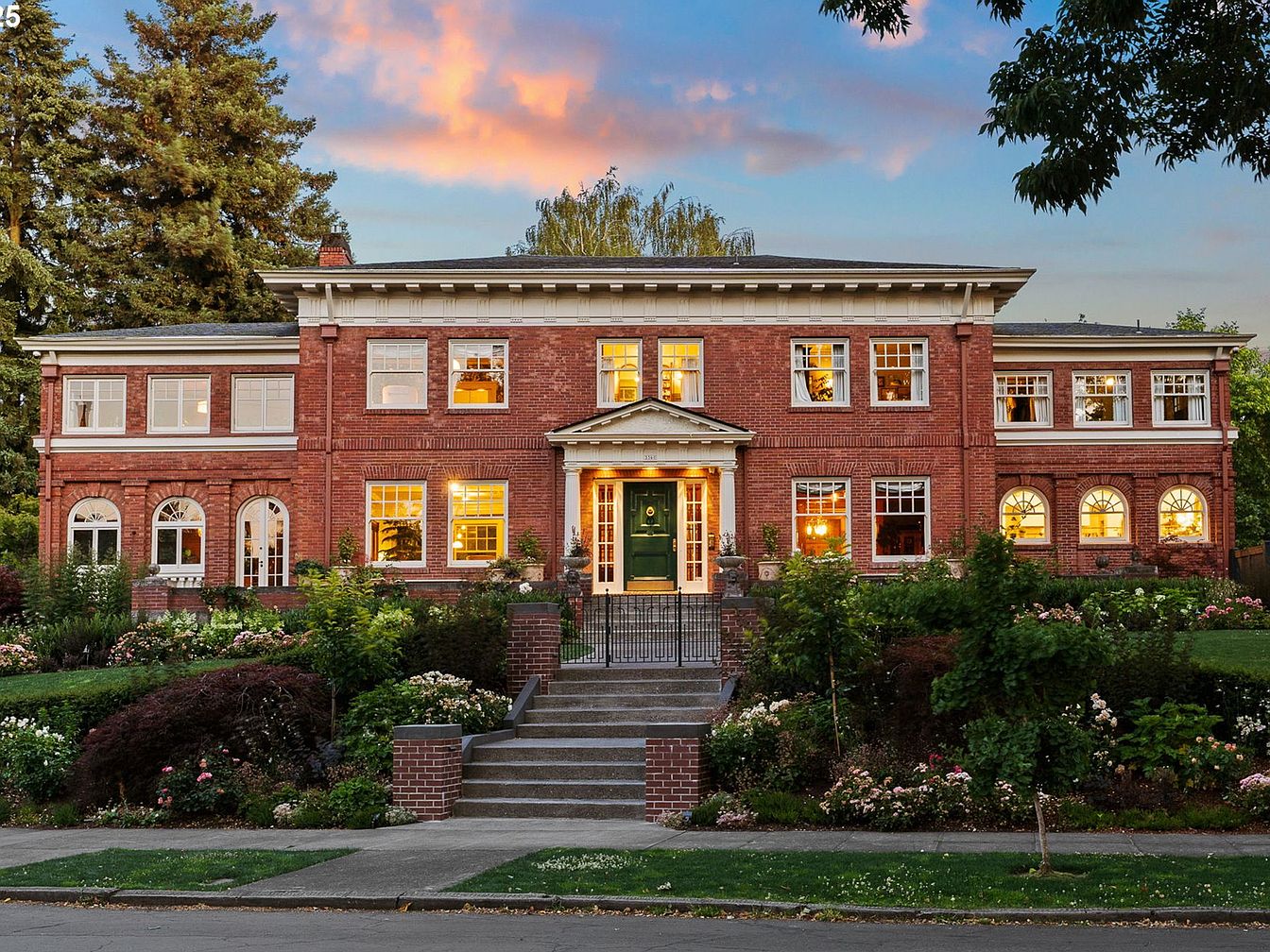
A home can feel outdated without a single renovation gone wrong. Small decorating choices often signal age more loudly than old furniture or worn flooring. Americans want modern, welcoming homes, yet habits inherited from past trends linger in rooms unnoticed. These subtle missteps break visual flow, dull natural light, and make even freshly painted walls seem tired. Understanding these design traps helps homeowners refresh spaces without major expense. Sometimes the quickest path to a modern home is not adding new items but removing the small details that accidentally age a room.
1. Heavy Drapes That Block Natural Light
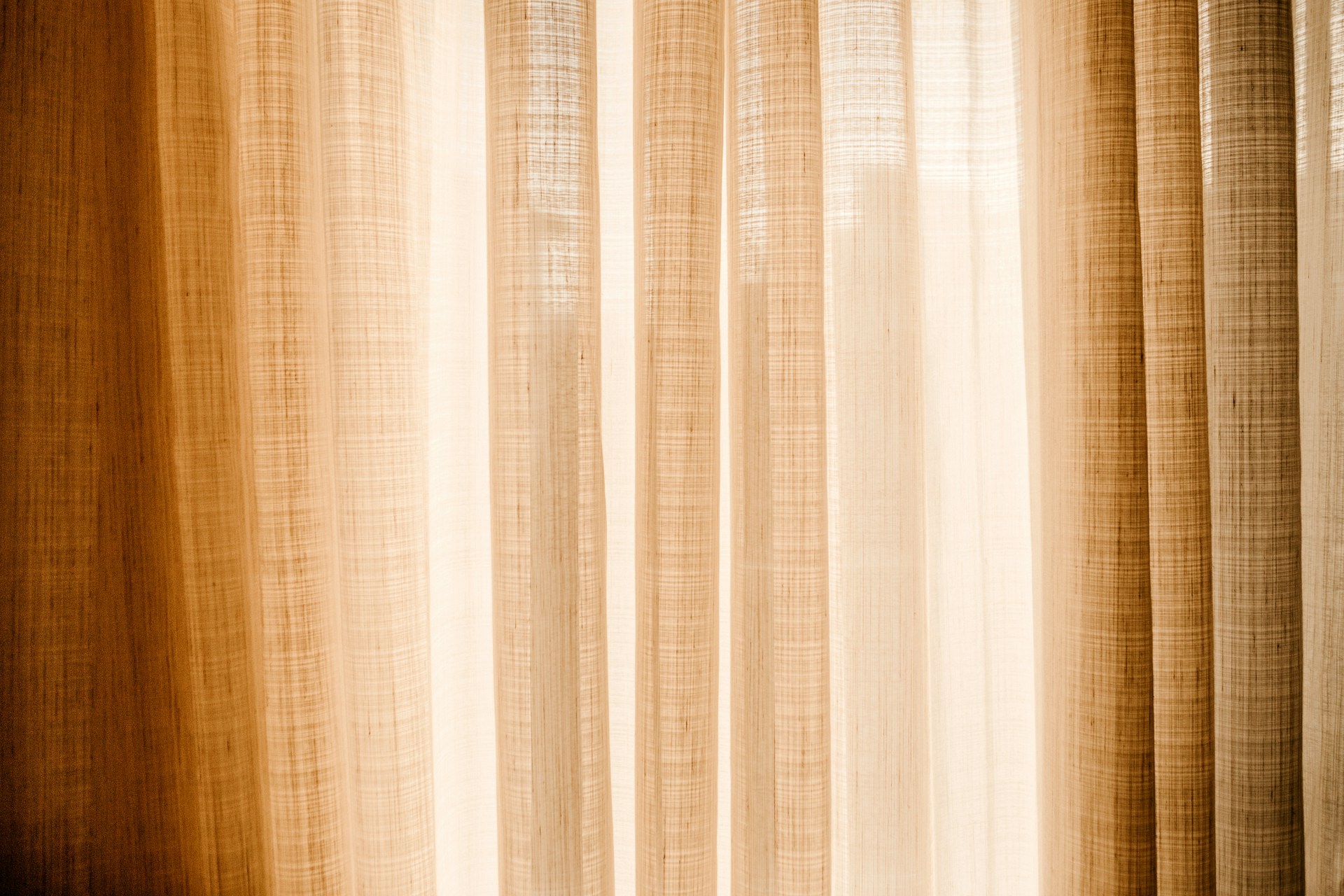
Thick drapes once signaled elegance, but today they darken rooms and hide the natural light that makes spaces feel open. Blocking windows creates shadows that make wall colors look dull and outdated. Replacing heavy fabrics with lighter curtains or shades allows sunlight to brighten furniture, highlight colors, and create an airy mood. Modern homes prioritize openness, and natural light remains the easiest way to update a space without buying anything. Heavy drapes add years to a room’s appearance and make even stylish décor feel stuck in another era.
2. Outdated Wall Colors Like Beige And Muddy Taupe
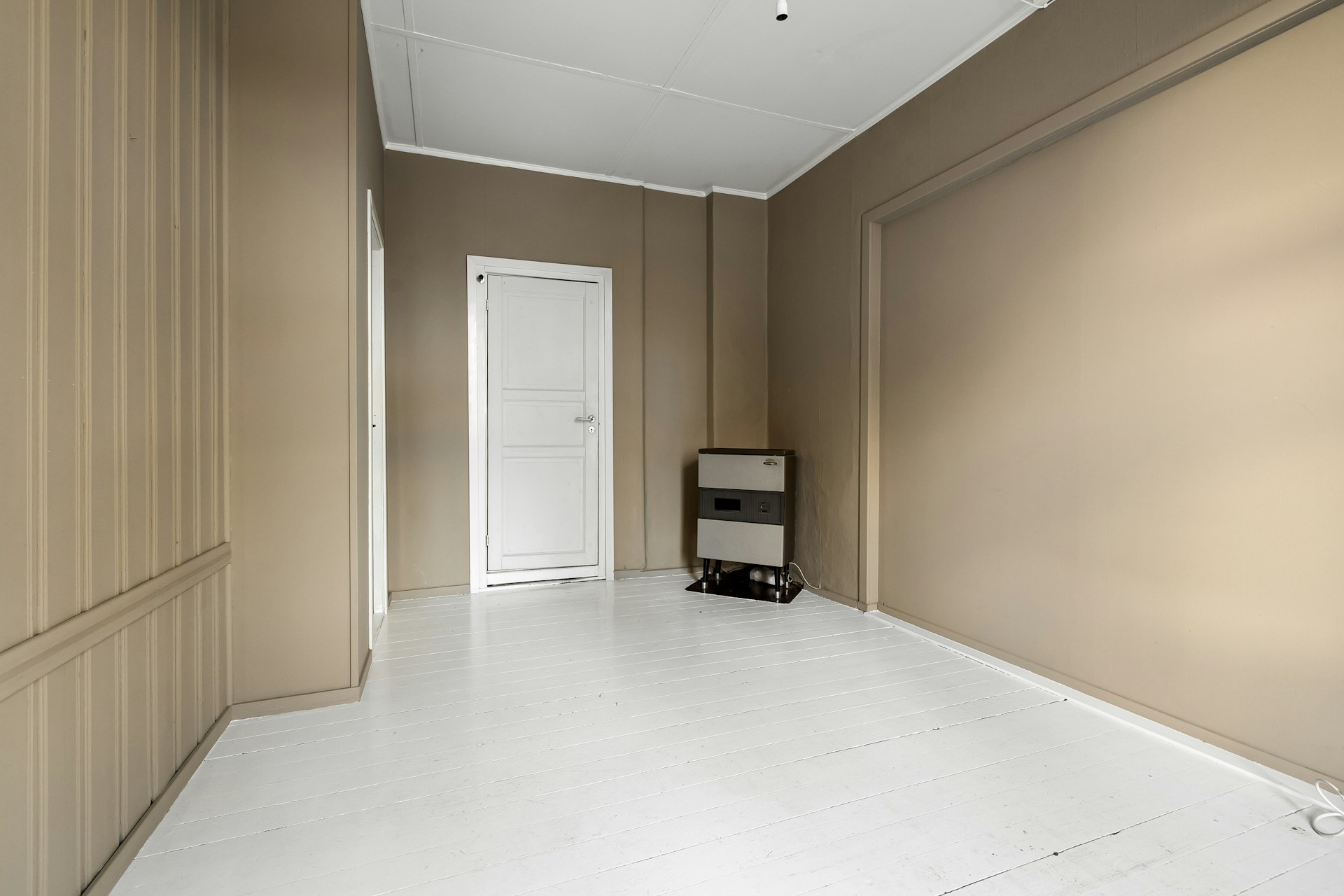
Wall colors quietly date a home faster than most people realize. Shades once considered safe now make rooms feel tired and flat. Beige and muddy taupe lack the crispness found in modern palettes. They absorb light and dull furniture, making even new pieces appear worn. Updated tones like soft whites, muted greens, and airy neutrals instantly refresh a room. Color sets the emotional tone, and outdated hues anchor spaces in the past. Changing paint feels small, yet it delivers a powerful transformation that influences how every item in a room is perceived.
3. Overstuffed Sofas That Lack Clean Lines
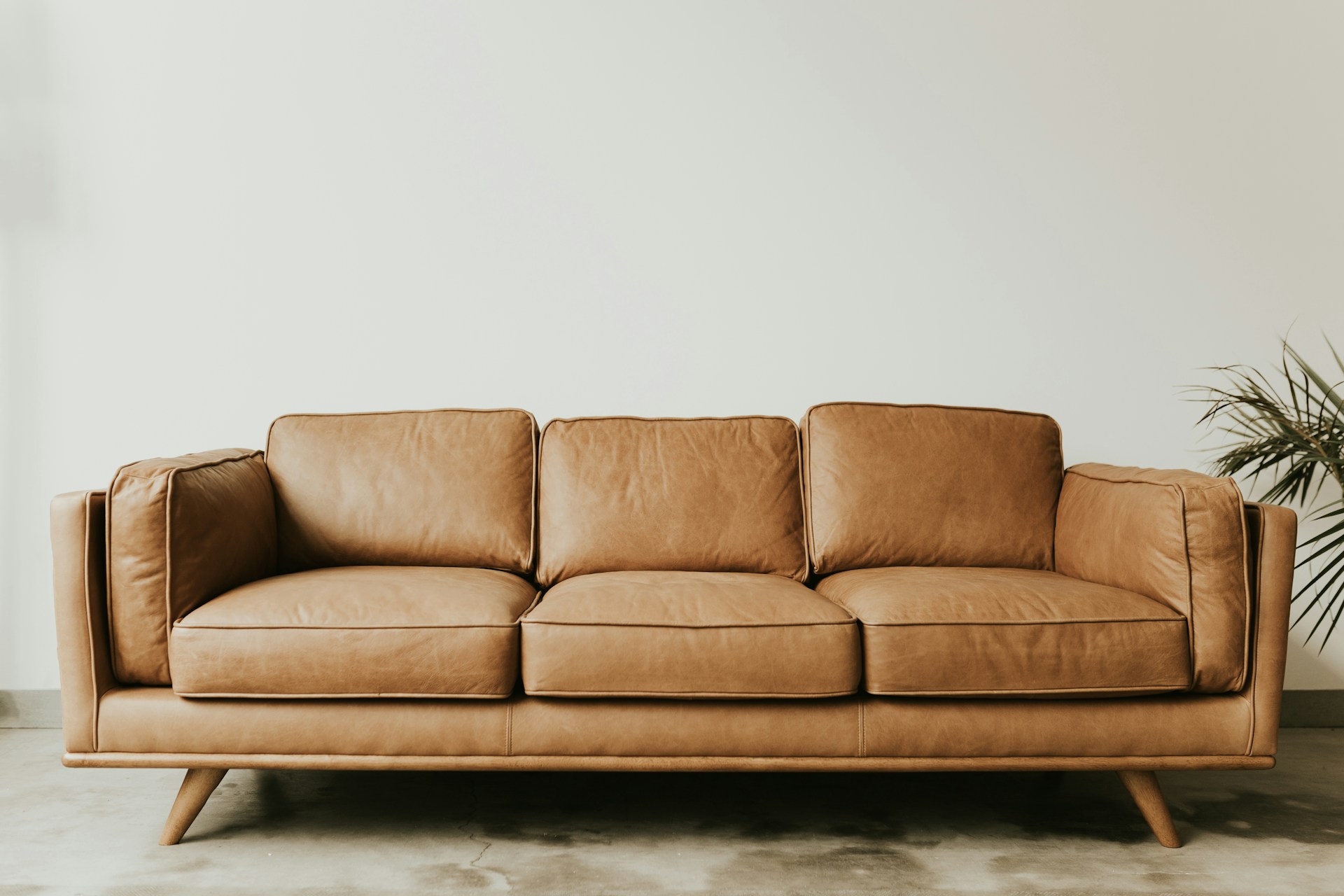
Furniture that overwhelms a room makes spaces feel dated, no matter how comfortable it is. Overstuffed sofas take up visual and physical space, causing rooms to feel cramped and older. Homes today favor lighter shapes and cleaner silhouettes that create openness. A bulky sofa distracts from décor and prevents movement from feeling natural. Replacing or repositioning large pieces instantly refreshes a room and highlights other details. Seating that matches the scale of the space makes everything else look more intentional, proving that comfort does not need to overpower good design.
4. Cluttered Mantels And Shelves Filled With Tiny Décor
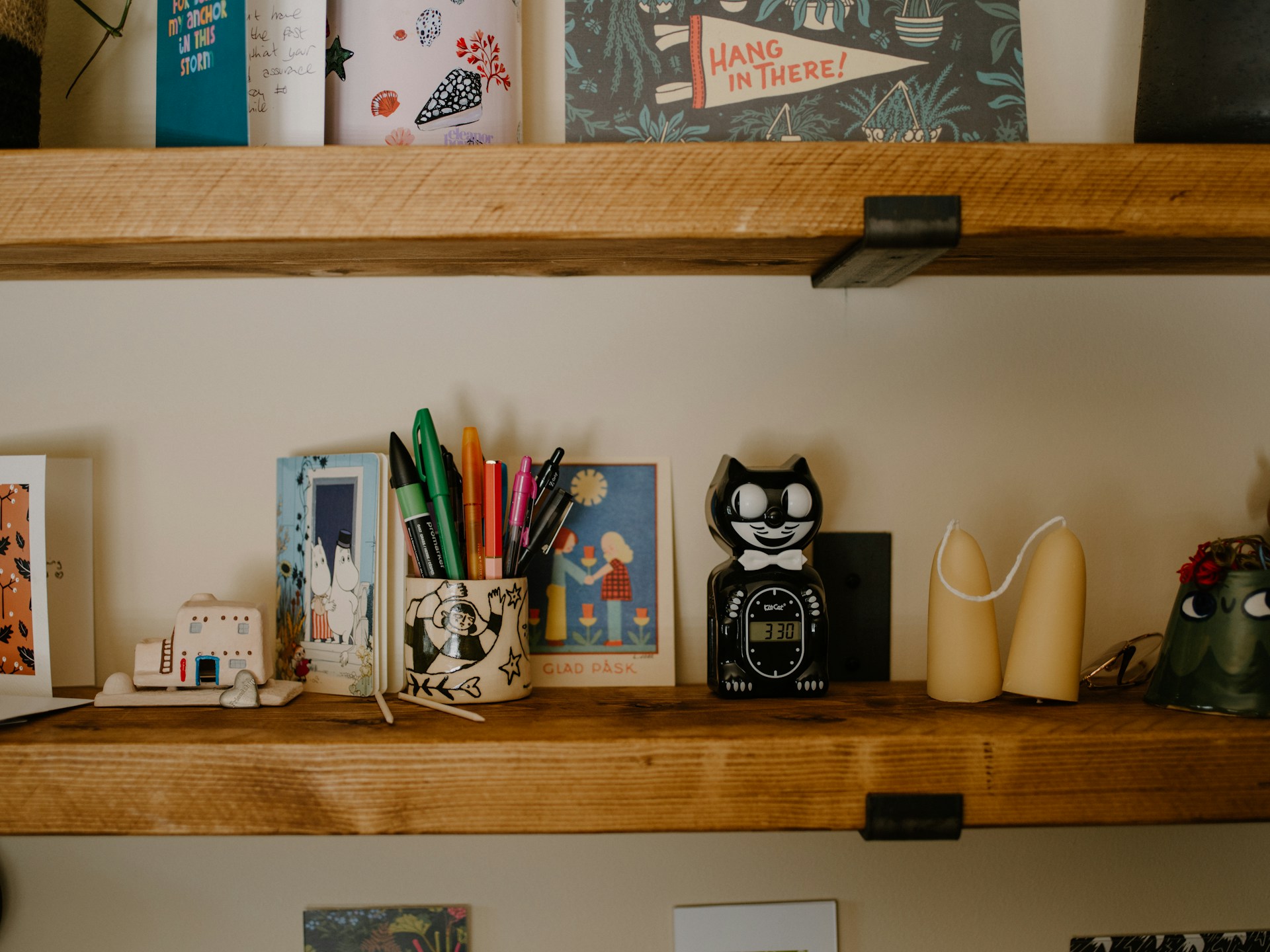
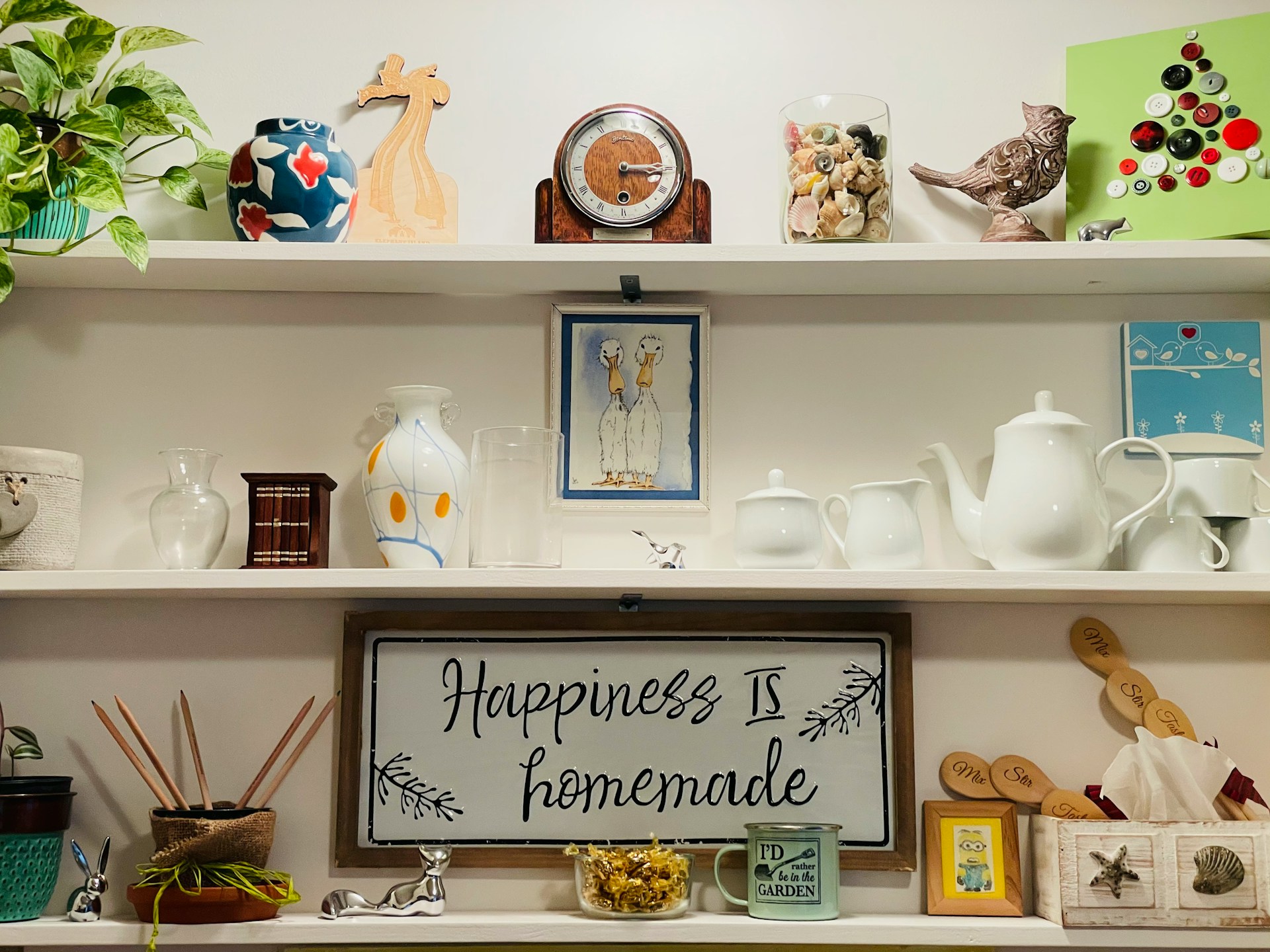
Small decorative items seem harmless, yet too many of them create visual noise that ages a room. Mantels and shelves become museums of trinkets rather than purposeful displays. When objects compete for attention, nothing stands out, and the space appears busy rather than curated. Modern décor prefers fewer, larger pieces that add personality without chaos. Editing down items creates breathing room and allows important elements to shine. Reducing clutter transforms a space without buying anything new, giving rooms a cleaner and more contemporary feel.
5. Old Patterned Rugs That Clash With Modern Flooring
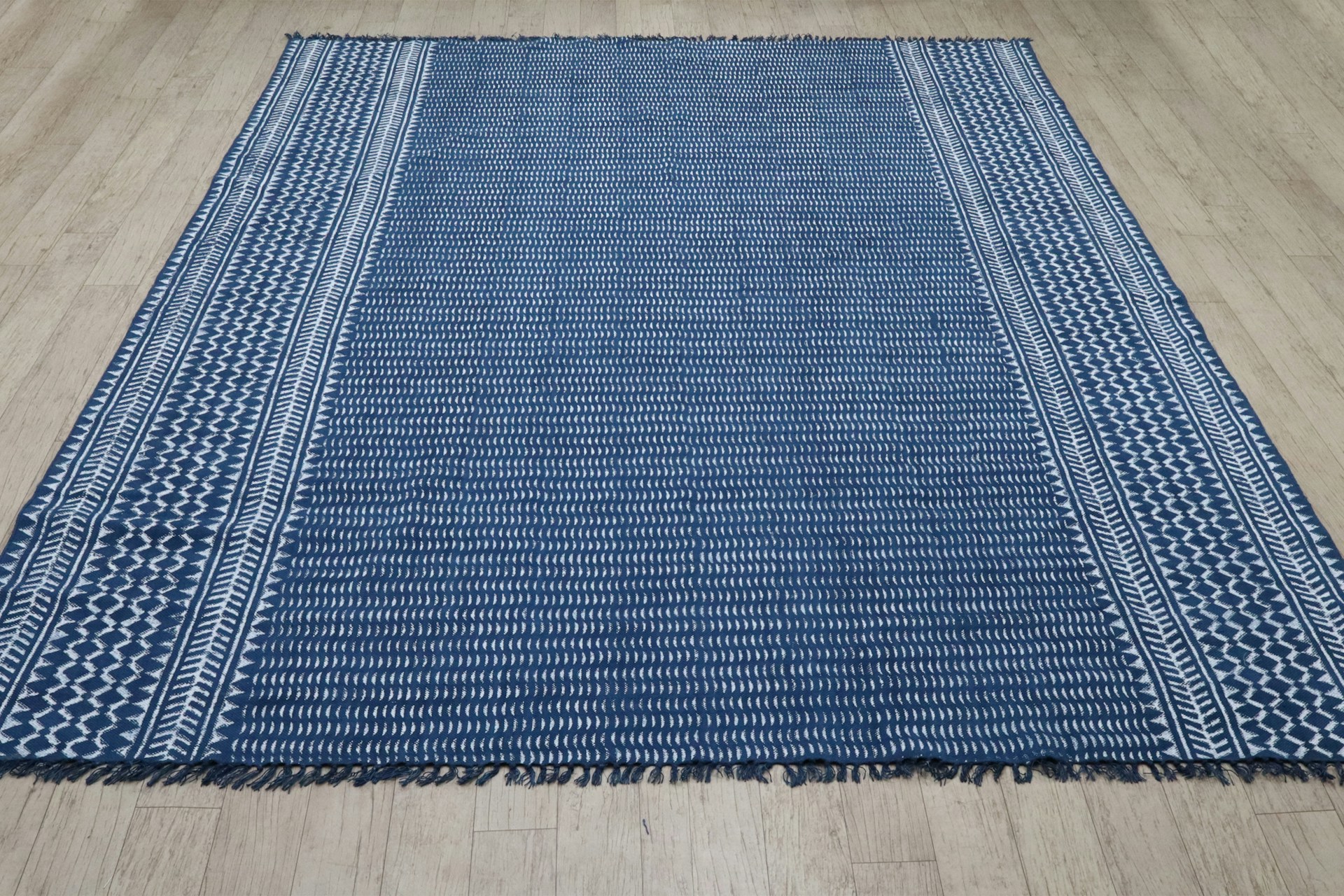
Rugs serve as foundations for furniture, yet outdated patterns pull attention away from a room’s best features. Busy designs, harsh colors, and worn textures instantly reveal age. When rugs clash with newer flooring or furniture, they create a disconnect that makes a home feel layered with leftovers. Replacing or removing patterned rugs simplifies visual space and highlights modern surfaces. A neutral or subtle rug grounds décor rather than competing with it, making rooms feel updated and cohesive without a full redesign.
6. Excessive Decorative Pillows With Outdated Prints
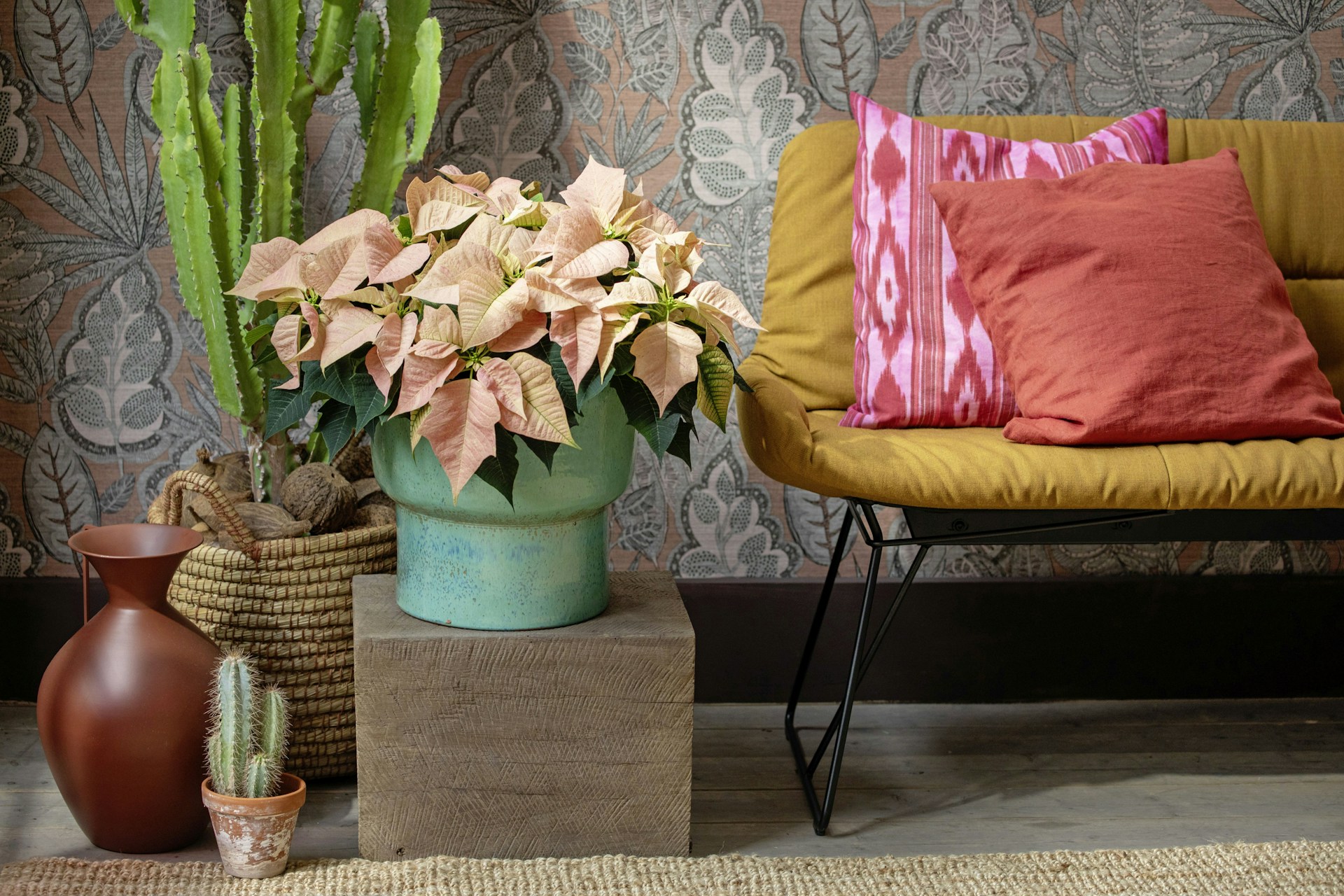
Pillows are intended to add comfort, yet too many of them quickly signal an older decorating style. Outdated prints, tassels, and mismatched patterns clutter seating and distract from room design. Modern spaces favor fewer pillows with simple textures or cohesive colors. Removing excess pillows reveals clean lines and makes couches feel more inviting. This small adjustment lightens the room, making everything feel fresher. Pillows may be inexpensive, but their impact is noticeable. Outdated cushions unintentionally age spaces even when everything else looks updated.
7. Glossy Furniture Finishes That Feel Overly Formal
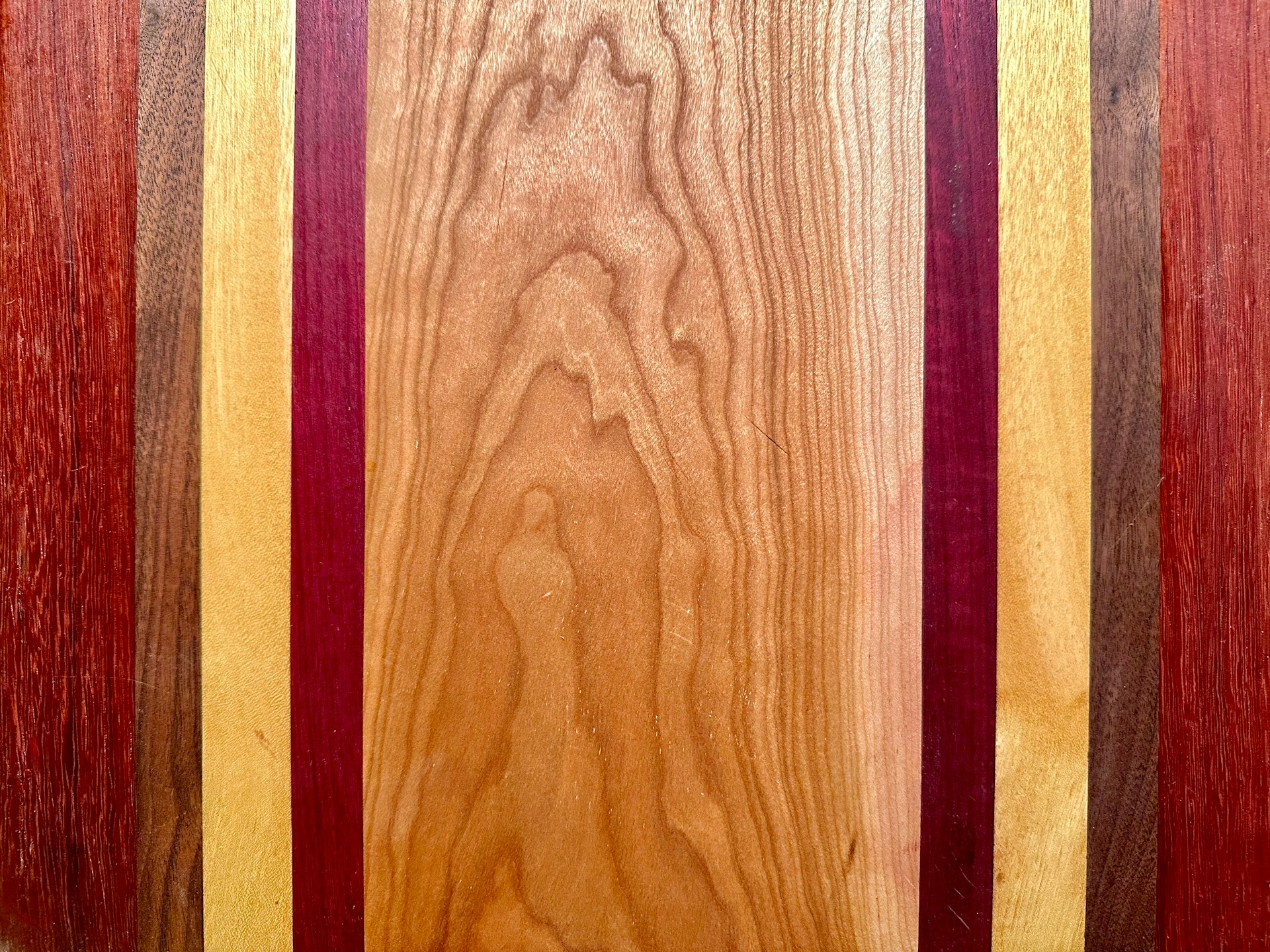
Shiny finishes once suggested sophistication, but today they make furniture seem heavy and dated. High gloss surfaces reflect light harshly and compete with décor. Modern design trends favor matte textures, natural grains, and soft finishes that create warmth. Glossy furniture can overpower other pieces and freeze a room in a style no longer popular. Swapping finishes or adding textiles helps soften the effect. Homes feel more relaxed when surfaces are subtle rather than showy, proving that tone and texture matter just as much as shape.
8. Heavy Tablecloths Hiding Nice Surfaces
Covering tables with thick fabrics was once common, but now it hides the lines and finishes that make spaces feel current. Heavy tablecloths add weight and visual clutter, making rooms seem older than they are. Exposing natural materials like wood or stone modernizes a dining area instantly. Light runners or placemats offer warmth without burying surfaces. Removing layers reveals texture, character, and craftsmanship. When tables are allowed to breathe, rooms feel open and intentional. A simple fabric change can update an entire dining room.
9. Plastic Storage Bins Visible In Living Spaces

Storage is essential, yet leaving plastic bins in shared areas instantly ages a room and makes it feel temporary. These containers suggest transition rather than permanence. Their colors and textures clash with furniture and disrupt visual continuity. Hiding or replacing visible bins with woven baskets or closed cabinetry creates a cleaner aesthetic. Functional spaces can be organized without sacrificing style. When storage feels intentional, rooms appear finished rather than makeshift, and the home feels more welcoming and mature.
10. Faux Flowers That Never Change Or Update
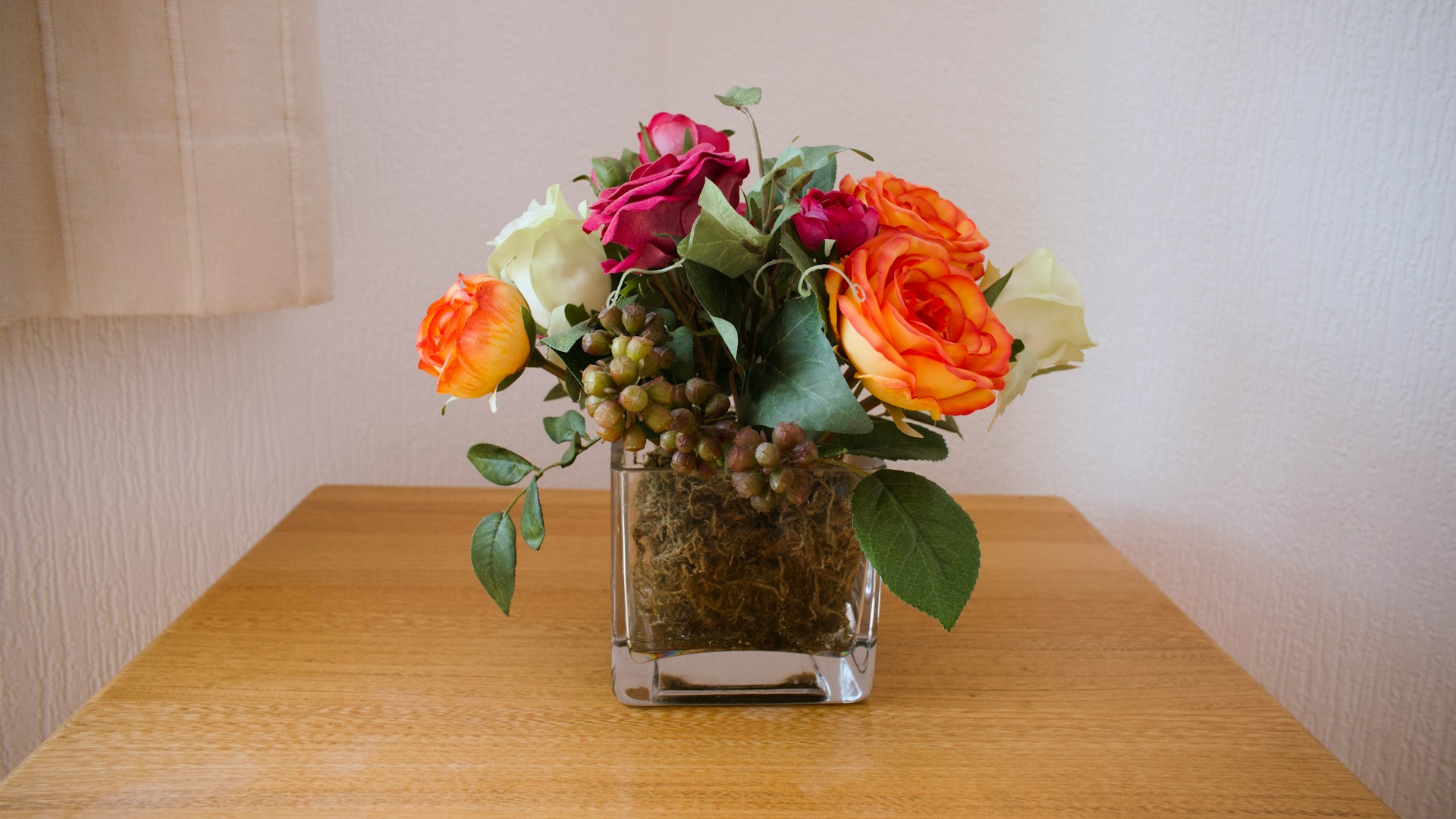
Artificial plants promise convenience, yet outdated faux flowers can drag a room backward. Their colors often fade, and their textures rarely match real greenery. They become static, signaling neglect rather than design intent. Swapping them for live plants or updated artificial options adds movement and freshness. A single modern vase or simple greenery transforms a corner and softens harsh lines. Homes feel livelier when décor evolves rather than freezes time, proving that even small changes influence how current a room appears.
11. Too Many Knickknacks Competing For Attention
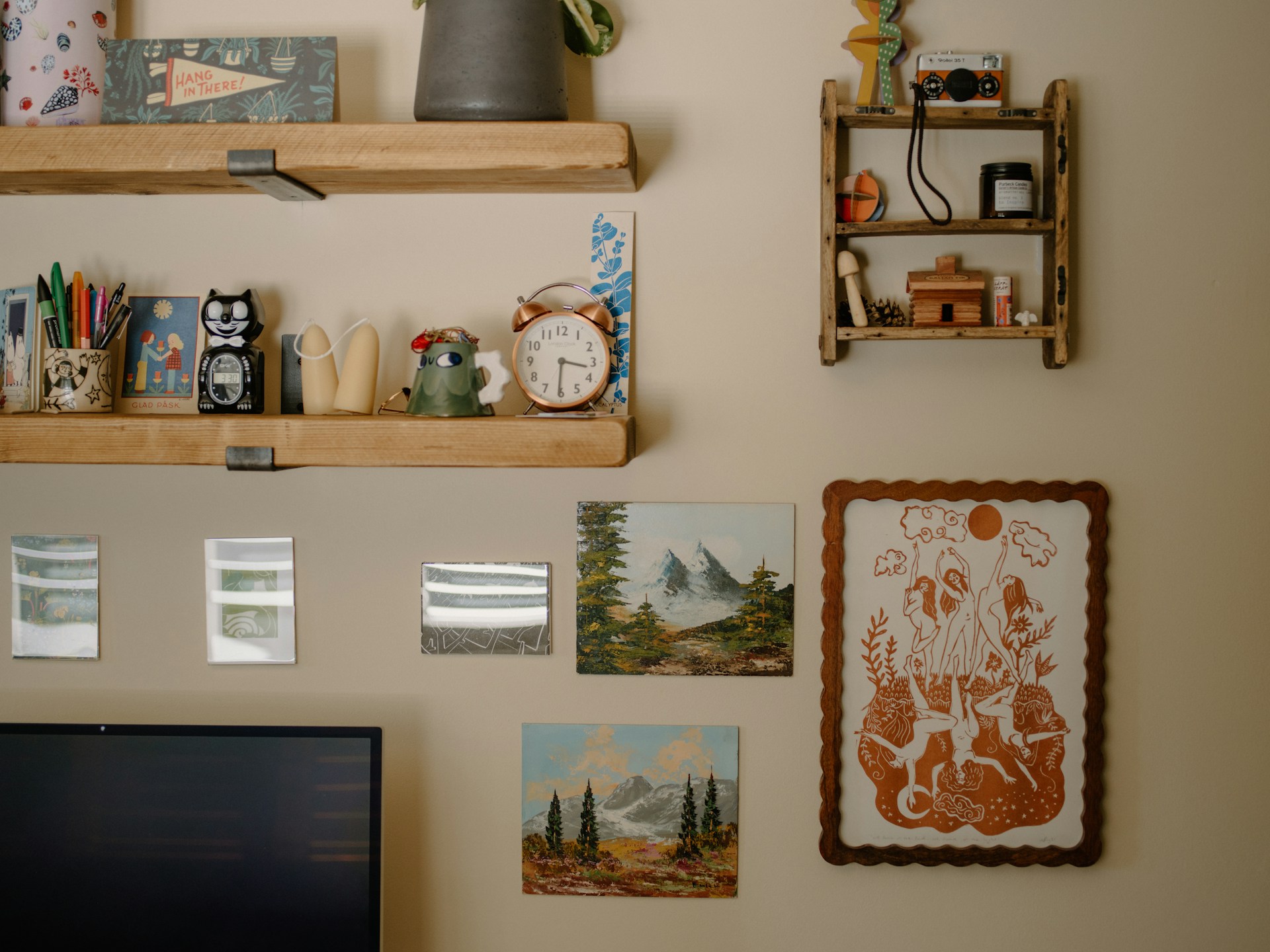
Sentimental objects accumulate quickly, yet too many displayed at once make homes feel older and visually overwhelming. When every surface holds stacks of collectibles, the eye has no place to rest. Editing belongings does not mean abandoning memories, only choosing what deserves attention. Displaying fewer items elevates their meaning and creates calm. Modern design values purpose, not volume. Removing excess knickknacks gives rooms clarity and prevents them from feeling like storerooms of past decades.
12. Outdated Electrical Switch Plates And Yellowed Outlets
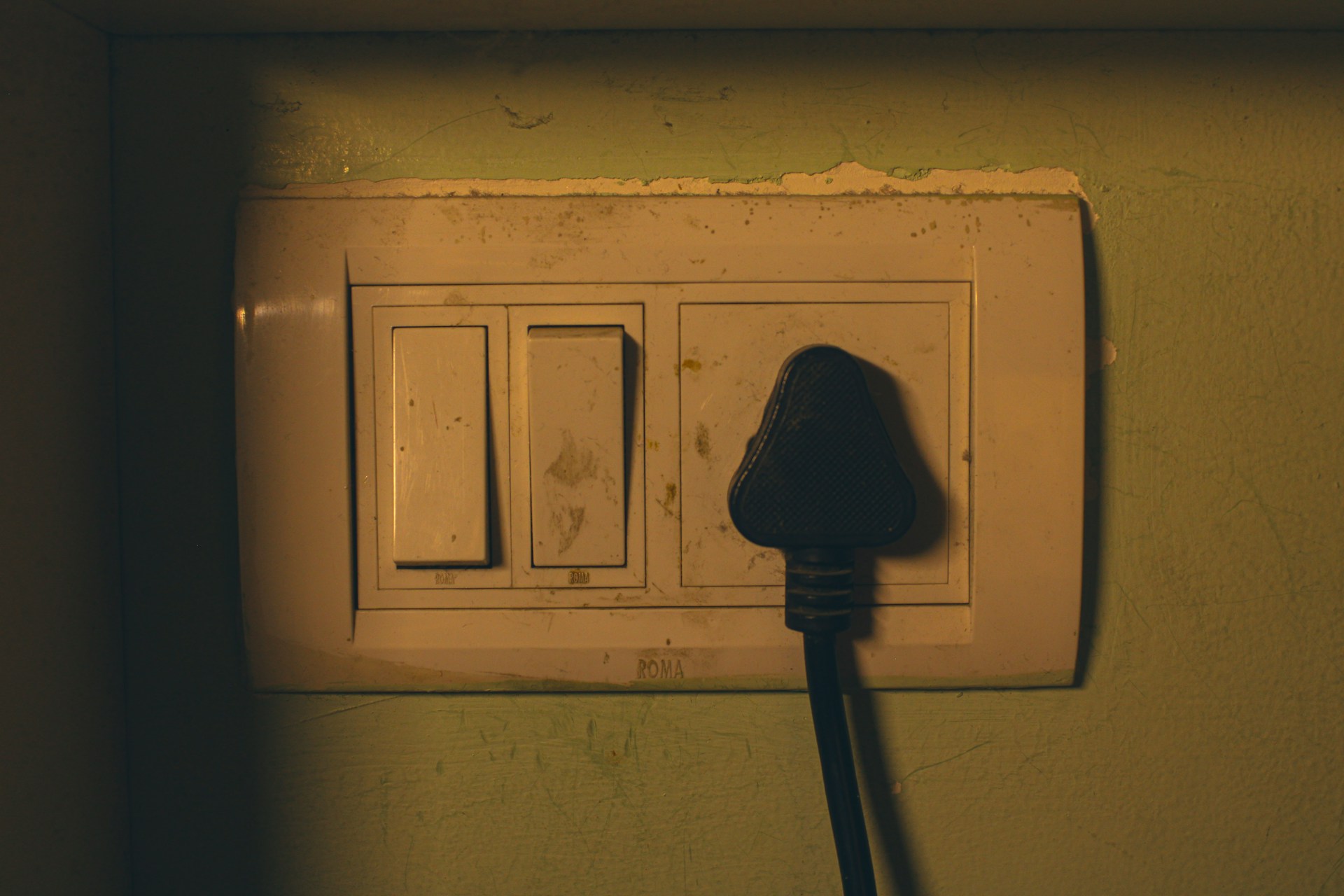
Few homeowners notice switch plates and outlets, yet these tiny elements can quietly age a room. Yellowed covers, old shapes, and outdated screws make walls appear older and dirtier than they are. Replacing them with clean, modern versions is inexpensive and instantly refreshing. These small details blend into the background, yet their condition affects how polished a home looks. Updated hardware signals care and modernity, proving that transformation does not always require major renovation. Sometimes the smallest details speak the loudest.
Refreshing a home does not always involve remodeling or replacing furniture. The most aging features are often overlooked details that accumulate over time. By removing visual weight, simplifying accessories, and updating subtle elements, homeowners modernize spaces without breaking budgets. The difference between old and current design lies in intention. Homes that evolve feel energized and welcoming, reminding families that thoughtful choices keep rooms timeless while honoring personal style.