
American history is packed with quirky, oddball inventions that sound ridiculous on paper but ended up being surprisingly useful. Some of these creations became everyday items, while others faded away after their short burst of popularity. Either way, they prove that American inventors have never been afraid to think outside the box, even if the results raised a few eyebrows. Here are 12 strange inventions from the past that actually worked in their own weird way.
The Corn Flake

Invented by Dr. John Harvey Kellogg and his brother Will in the late 1800s, corn flakes were originally intended as a health food for patients at a sanitarium. The brothers believed bland diets could promote wellness and prevent vice. While the original purpose might seem unusual today, the idea of toasting corn into a crisp cereal was practical, tasty, and quickly gained popularity. What started as a strange dietary experiment became one of America’s most iconic breakfast staples still found in kitchens today.
The Electric Toaster
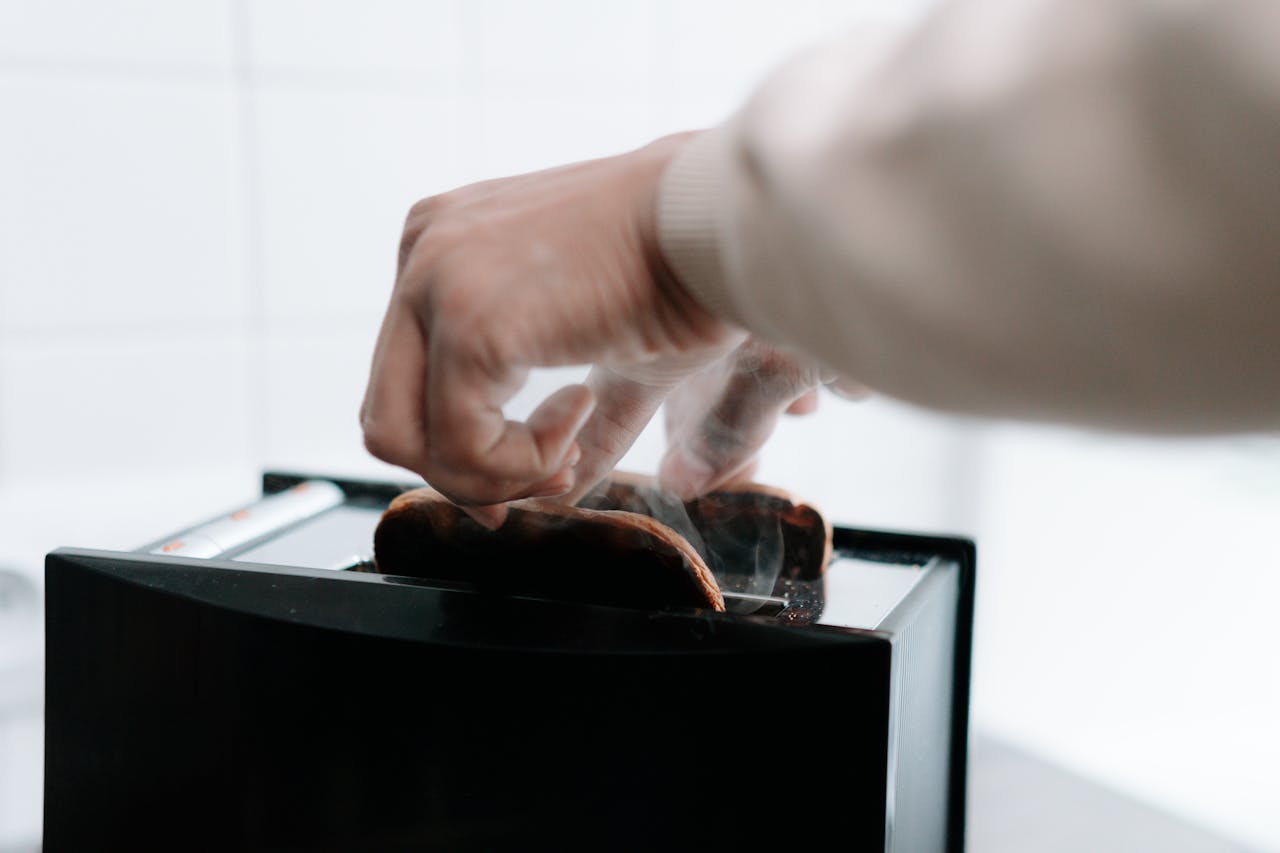
Early versions of the electric toaster from the early 1900s looked more like dangerous science projects than kitchen appliances. Open wires glowed red, bread needed constant flipping, and safety was questionable at best. But despite its crude design, the electric toaster worked, turning bread golden brown without an open flame. This simple convenience changed breakfast forever and paved the way for the modern toasters we rely on today, proving that even strange-looking inventions can spark a household revolution.
The Vibrating Belt Machine
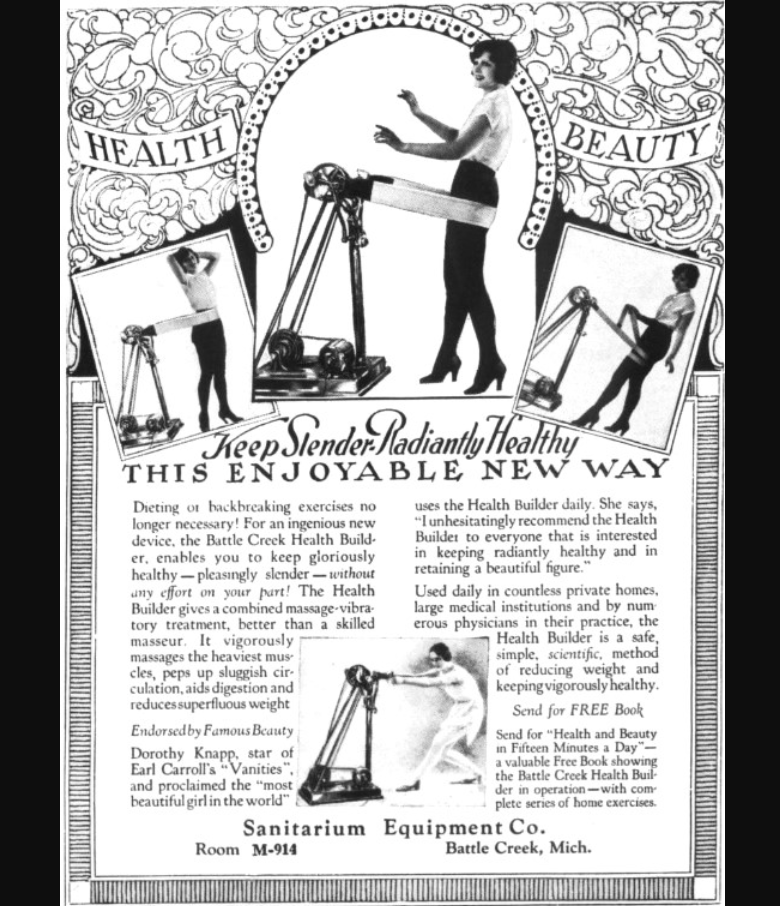
In the early 20th century, gyms and spas across America advertised the vibrating belt machine as a miracle fat-busting device. Users strapped a wide belt around their waist or hips, and the motorized machine would jiggle their bodies as if shaking off the pounds. It sounds bizarre today, but thousands of people used them, and they became symbols of vintage fitness culture. While they didn’t actually burn fat, they did offer muscle relaxation and circulation benefits, which made them somewhat effective.
The Beer Can Hat

Originally a gag item from the 1960s, the beer can hat quickly became a beloved accessory at sporting events and backyard barbecues. With two drink holders attached to a helmet and plastic tubes leading to the wearer’s mouth, it looked absolutely ridiculous but worked perfectly. Hands-free sipping made it practical for parties, and the novelty factor made it unforgettable. Though it started as a joke, the beer can hat proved so effective that it is still sold and worn today as a classic piece of American fun.
The Cyclomer – The Bike That Could Ride on Water
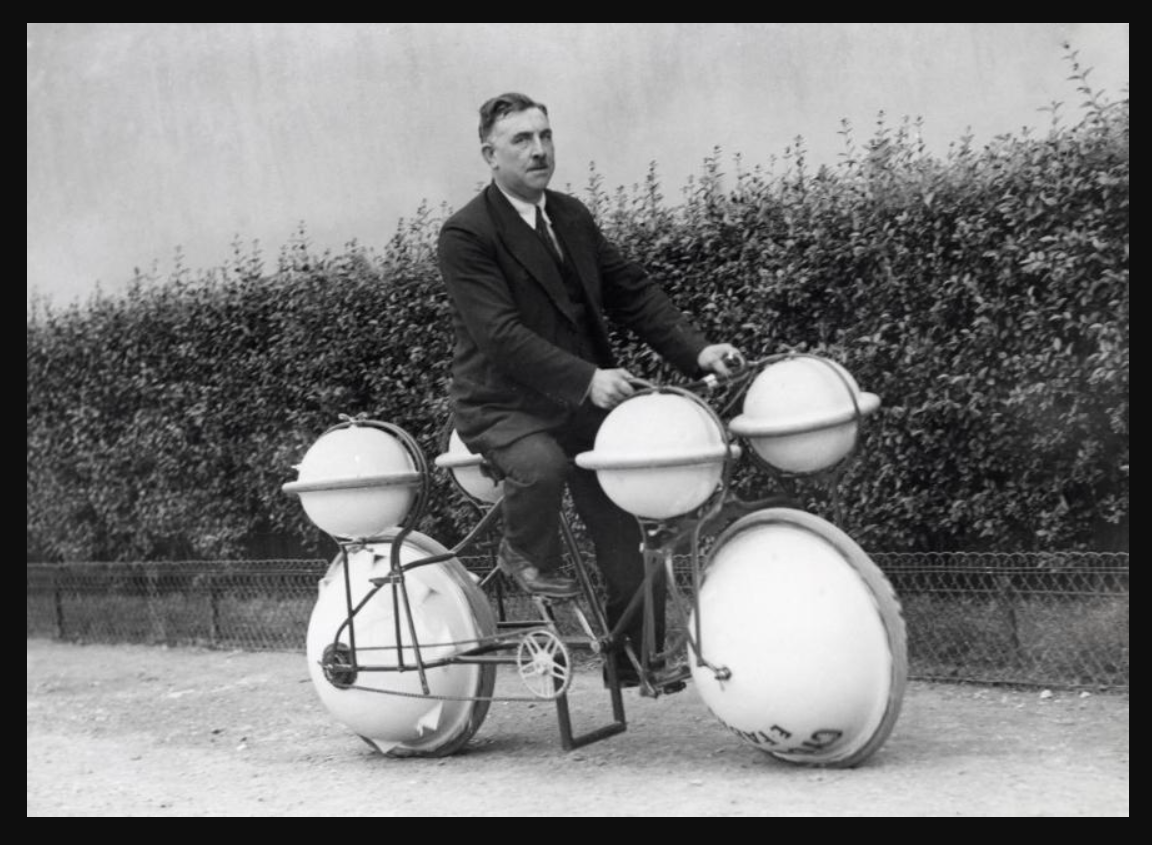
Back in the 1930s, inventors were obsessed with creating vehicles that could conquer both land and water, and the Cyclomer was one of the strangest results. Imagine pedaling your bicycle straight off the road and into a lake without sinking. This amphibious contraption used hollow pontoons for flotation and paddles powered by the bike’s pedals to move across water. It actually worked, though not very fast, and looked more like a carnival ride than a practical invention. Still, it captured the era’s wild optimism for hybrid machines that could do it all.
The Segway
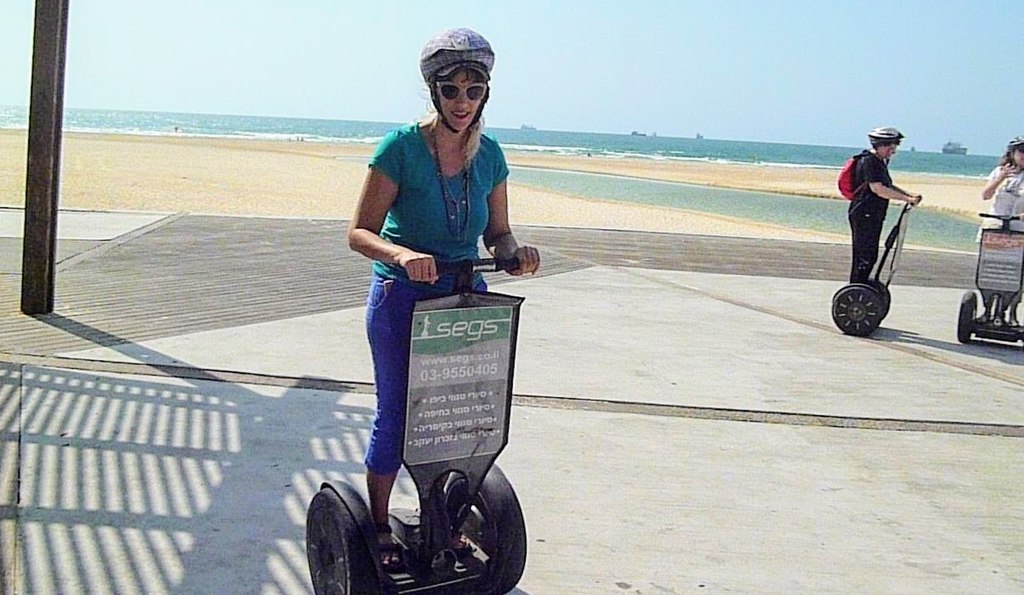
Launched in 2001, the Segway was hyped as the future of personal transportation, though it looked like a cross between a scooter and a robot. While critics mocked its clunky design and limited appeal, the Segway worked exactly as intended, using gyroscopic technology to balance riders with little effort. It became popular for tours, large campuses, and security patrols. Though it never replaced cars as some predicted, the Segway inspired new forms of mobility tech, proving a strange idea could still roll forward successfully.
The Flowbee

First sold in the 1980s, the Flowbee combined a vacuum cleaner with hair clippers, promising an easy, mess-free haircut at home. The sight of someone attaching a suction hose to their head seemed ridiculous, but the gadget worked surprisingly well, trimming and cleaning up at the same time. It developed a cult following among thrifty families and even saw a revival during the pandemic when barbershops were closed. Strange as it looked, the Flowbee proved that practical and odd can go hand in hand.
The Pet Rock
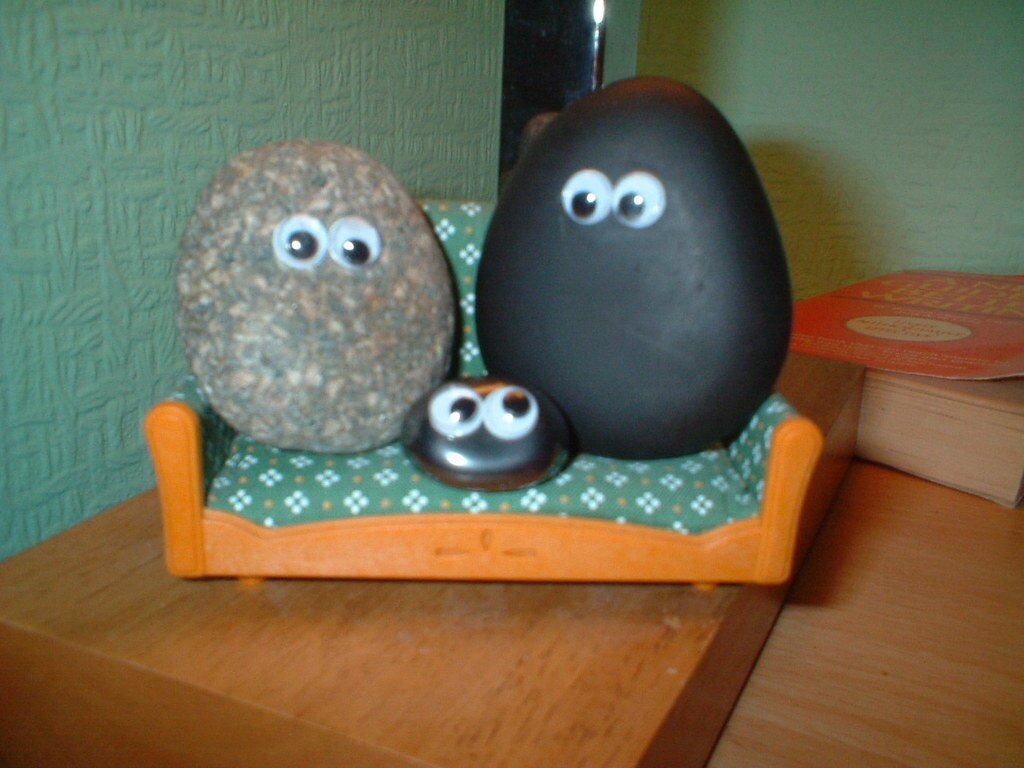
In 1975, entrepreneur Gary Dahl turned a joke into a multimillion-dollar fad by selling rocks in little boxes as pets. It might sound absurd, but people loved the low-maintenance appeal of a pet that required no feeding, walking, or grooming. Complete with an instruction manual, the Pet Rock became a short-lived cultural sensation. While it was never meant to be serious, the idea worked brilliantly as a business venture and remains one of the strangest yet most successful novelty inventions in American history.
The Clapper

“Clap on, clap off” became a household phrase in the 1980s with the invention of the Clapper, a sound-activated switch that let people control lamps or appliances by simply clapping their hands. While some mocked its cheesy ads, the device worked exactly as advertised and made life easier for people with mobility issues. It was simple, funny, and genuinely useful. The Clapper’s success proved that even an oddball idea can become a staple in homes across America when it works as promised.
The Slinky
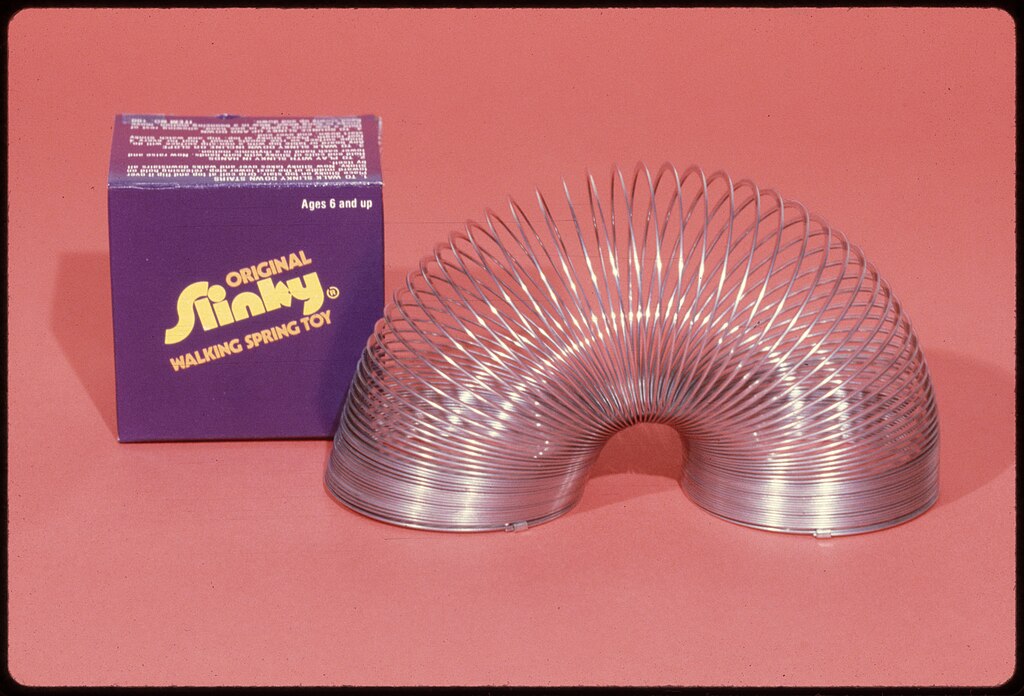
Created in the 1940s by accident when a naval engineer dropped a spring, the Slinky became one of the most enduring toys in American history. Watching the coiled spring walk down stairs or flip through hands was mesmerizing, and kids everywhere loved it. The toy looked strange compared to dolls or model trains, but it worked perfectly as both a science demo and a playful distraction. Its simplicity and odd charm turned it into a cultural icon that still delights children and adults today.
The Odometer for Wagons
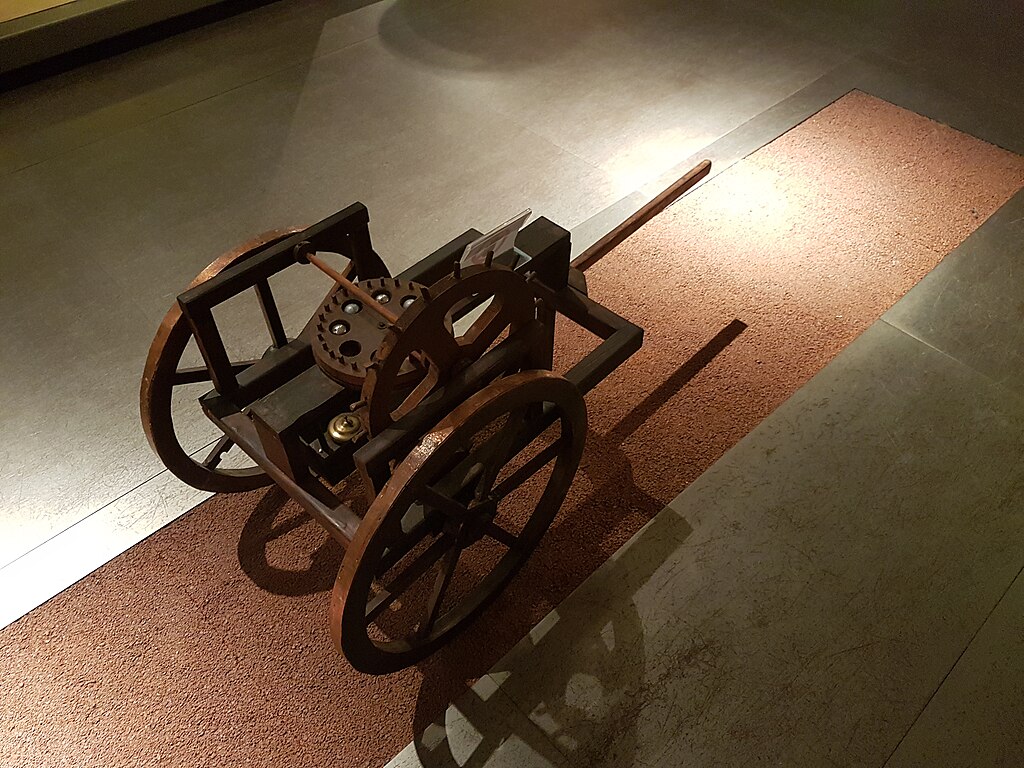
In the 1800s, pioneers and travelers needed ways to measure distances, so inventors developed mechanical odometers for wagons. Attached to the wheels, these contraptions clicked away to track mileage as settlers crossed the frontier. The devices looked odd and bulky, but they worked well enough to guide people across long journeys. Though overshadowed by modern car odometers, these early gadgets were practical and effective tools that show how Americans found strange but smart solutions to everyday challenges.
The Icebox
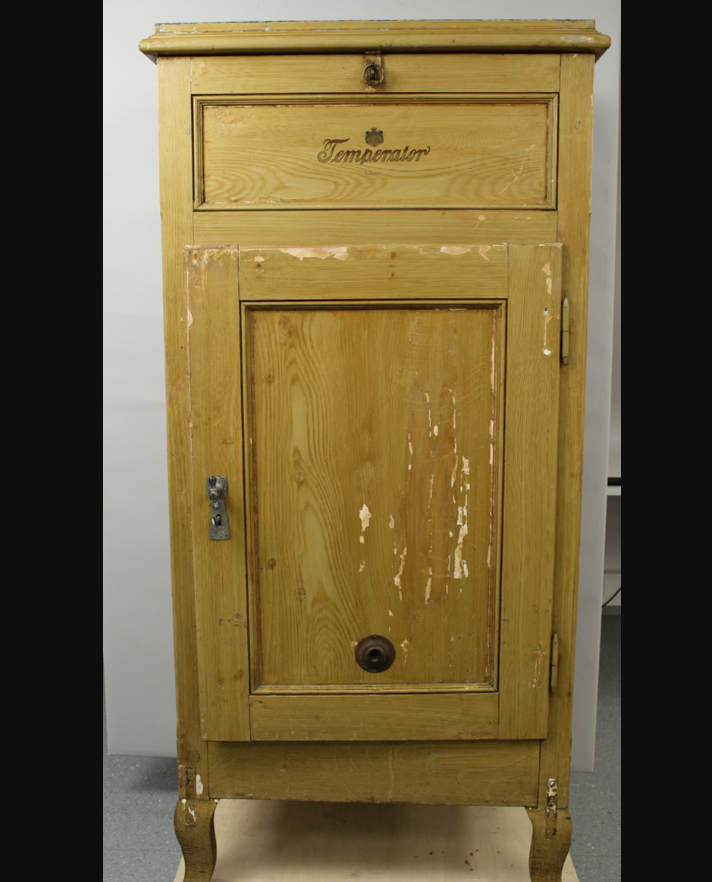
Before refrigerators, American households used iceboxes to keep food cold. These wooden cabinets held large blocks of ice delivered by the iceman and relied on insulation to preserve perishables. It may seem strange now to build your food storage around melting ice, but the system worked surprisingly well for generations. Families adapted their routines around ice delivery, and the icebox remained essential until electric refrigeration became widespread. This quirky yet practical invention was the backbone of food storage in the 19th and early 20th centuries.
From cereal experiments to rocks in boxes, these unusual inventions show that America’s history of innovation is not only about groundbreaking science but also about playful creativity and unexpected success. Strange as some of them were, they worked, and in doing so, they left a lasting mark on culture, technology, and everyday life.