Frugality is not just about saving money; it is a lifestyle that emphasizes thoughtful spending, resourcefulness, and long-term planning. Frugal individuals carefully consider what they bring into their homes, prioritizing items that offer versatility, durability, and efficiency. By keeping essential tools and resources on hand, they reduce waste, avoid unnecessary expenses, and maintain a sense of preparedness. These items are not only practical but also support a sustainable lifestyle and financial stability. Understanding what frugal people keep at home offers valuable insights for anyone seeking to manage their resources wisely.
A Quality Crockpot
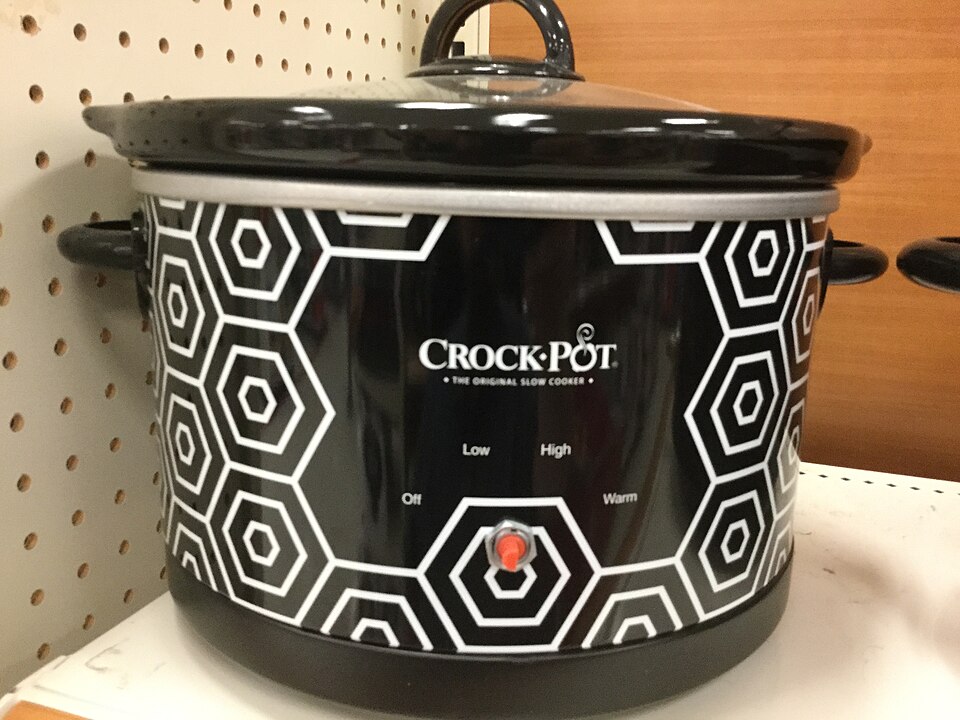
Frugal individuals often invest in a reliable crockpot for preparing meals efficiently and economically. Slow cookers allow them to use inexpensive ingredients and tougher cuts of meat, transforming them into hearty, nutritious meals. Preparing meals in bulk also saves time and energy throughout the week. By relying on a crockpot, frugal households reduce the temptation to order takeout or rely on processed foods. The versatility of this appliance makes it a cornerstone of practical meal planning.
Reusable Cloths and Rags
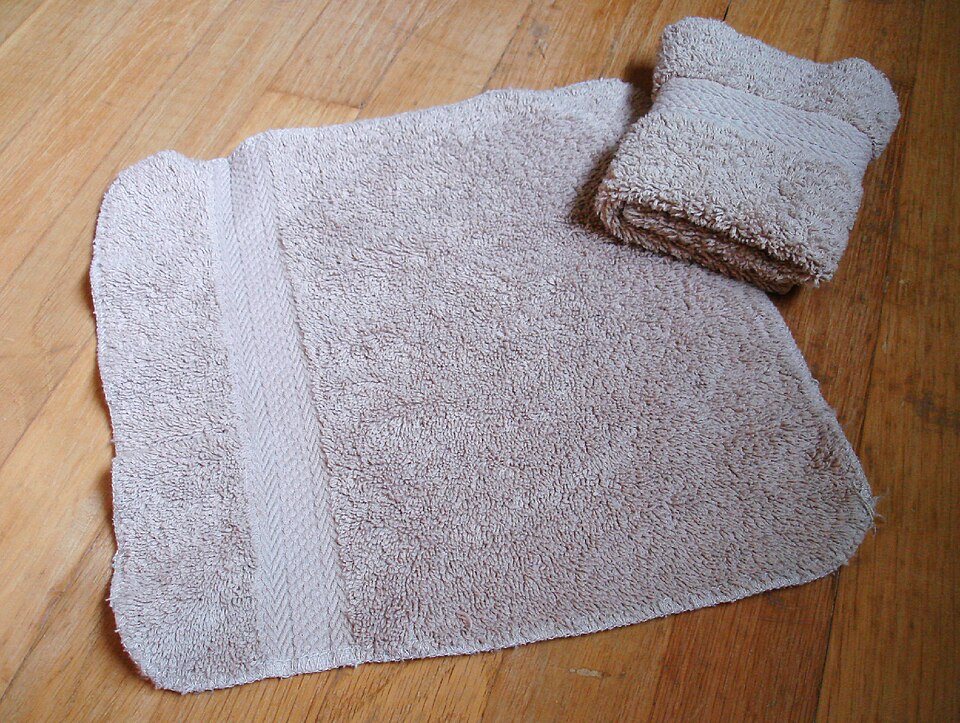
Disposable paper towels and wipes can quickly become expensive. Frugal people opt for reusable cloths and rags, which are durable, versatile, and environmentally friendly. These items serve multiple cleaning purposes around the home, from wiping surfaces to drying dishes. They are easy to wash and maintain, offering long-term savings compared to disposable alternatives. Over time, this small habit significantly reduces household expenses and waste.
Sewing Kit
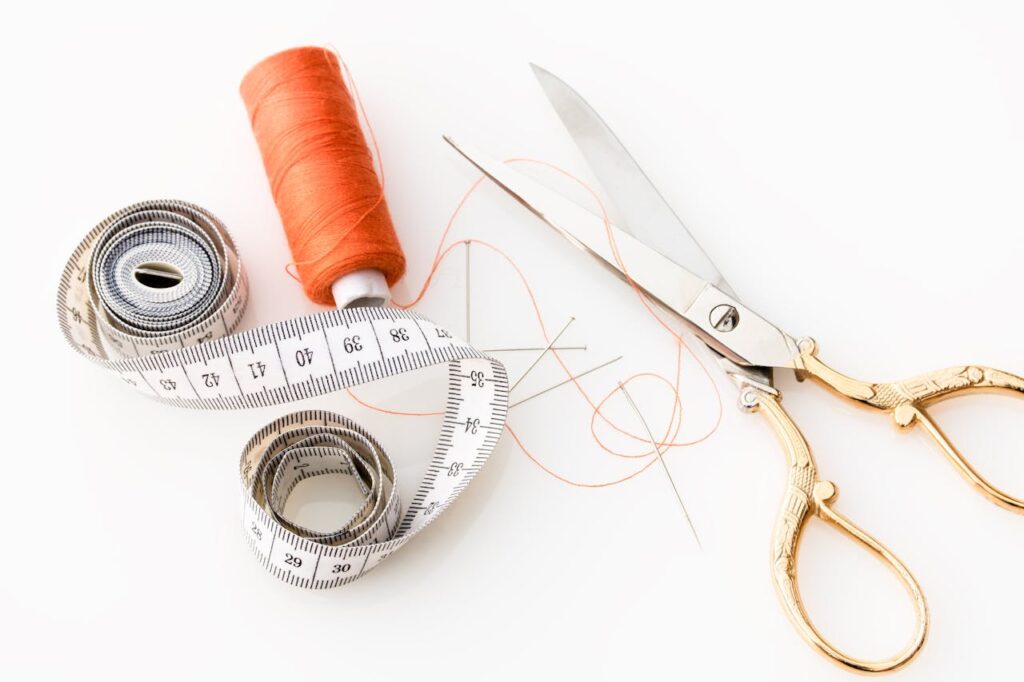
A well-stocked sewing kit is indispensable for frugal households. Small tears or damaged clothing can be repaired quickly, extending the life of garments. This reduces the need to constantly purchase new clothing and promotes self-sufficiency. Sewing also encourages creativity, allowing individuals to modify or repurpose existing items. By keeping a sewing kit handy, frugal people save money while maintaining their wardrobe and household textiles.
Multi-Use Furniture

Furniture that serves multiple purposes is a staple in frugal homes. Items such as a sofa bed, storage ottoman, or coffee table with built-in storage maximize both space and functionality. These versatile pieces adapt to changing needs without requiring additional purchases. Investing in multi-use furniture reduces clutter and prevents unnecessary spending. Frugal individuals prioritize practicality and efficiency when selecting home furnishings.
Basic Tool Kit
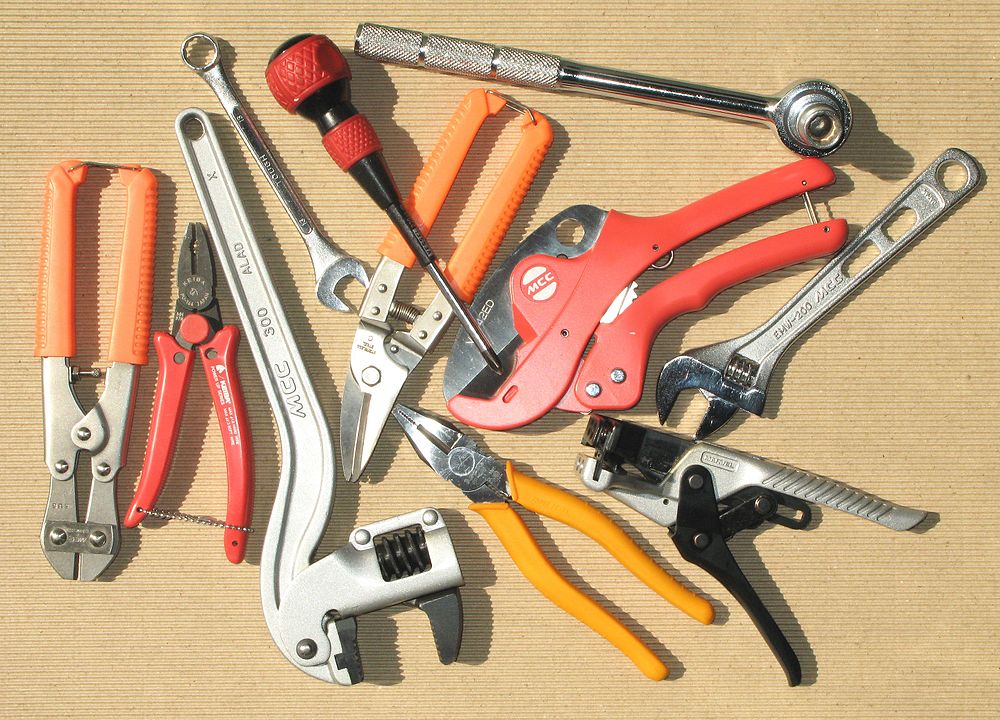
A comprehensive tool kit is essential for handling small repairs and maintenance tasks at home. Frugal people avoid paying for minor repairs that they can do themselves with the right tools. From tightening loose screws to fixing leaky faucets, a basic toolkit ensures independence and cost savings. Being able to address problems promptly also prevents more expensive damage over time. This item is a practical investment that pays off repeatedly.
Reusable Bags and Containers
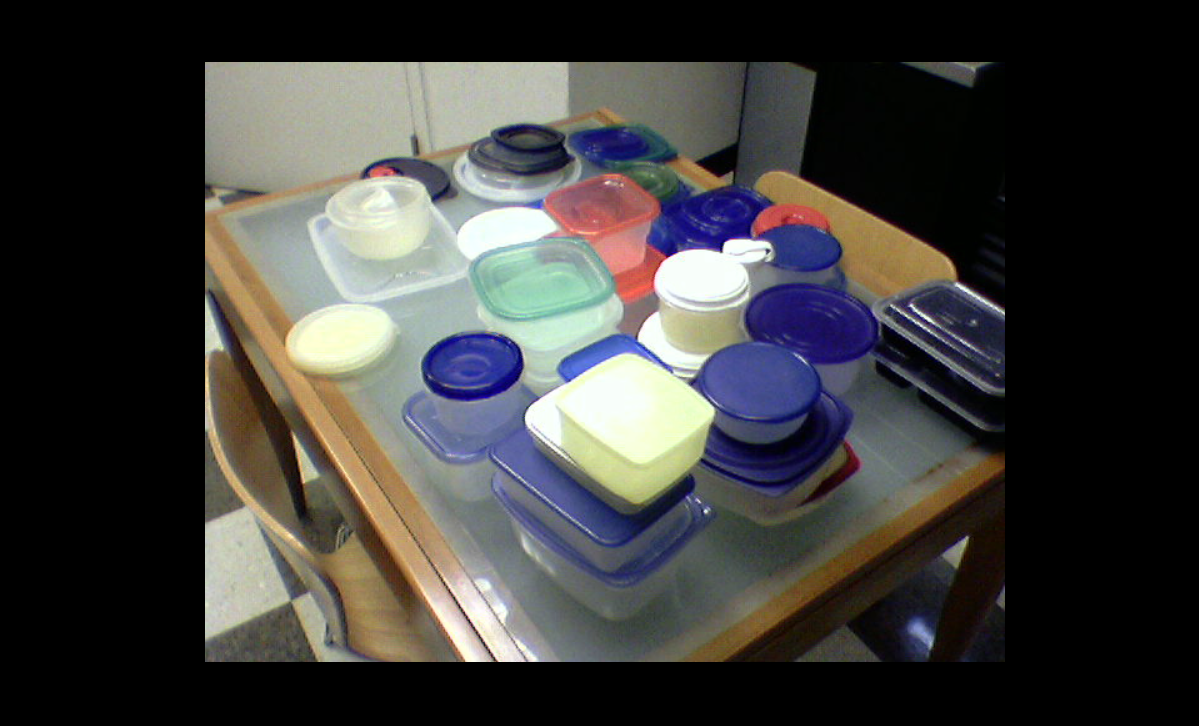
Reusable bags and containers are both economical and environmentally friendly. Frugal households use these items for grocery shopping, food storage, and organization. They reduce reliance on single-use plastics and limit unnecessary spending on disposable items. By incorporating reusable containers, frugal individuals maintain order in their homes while making sustainable choices. These items also help in planning and portioning meals efficiently.
Slow Cooker
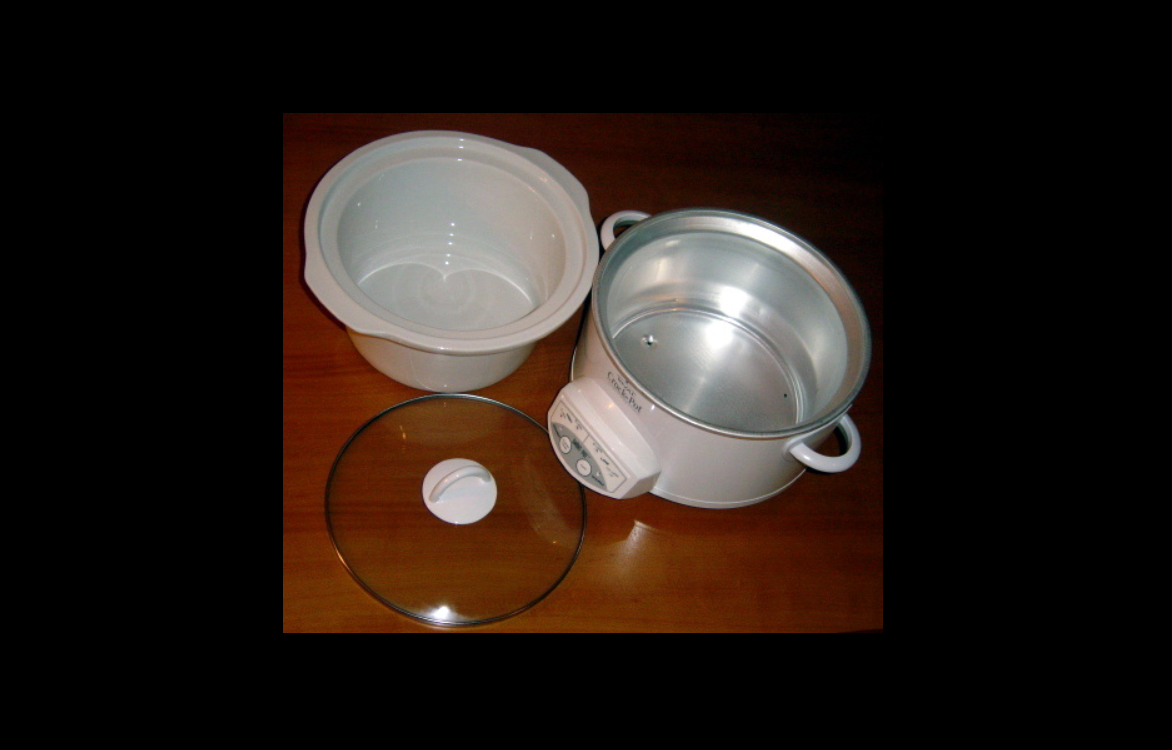
Beyond its utility as a crockpot, a slow cooker is particularly valuable for cooking large quantities of food over extended periods. Frugal people use it to create affordable, filling meals with minimal effort. It is ideal for preparing beans, stews, soups, and other cost-effective dishes. Using a slow cooker saves time and energy, reduces utility costs, and enhances the flavor of simple ingredients. Its convenience makes it a cornerstone of frugal meal planning.
Pressure Cooker
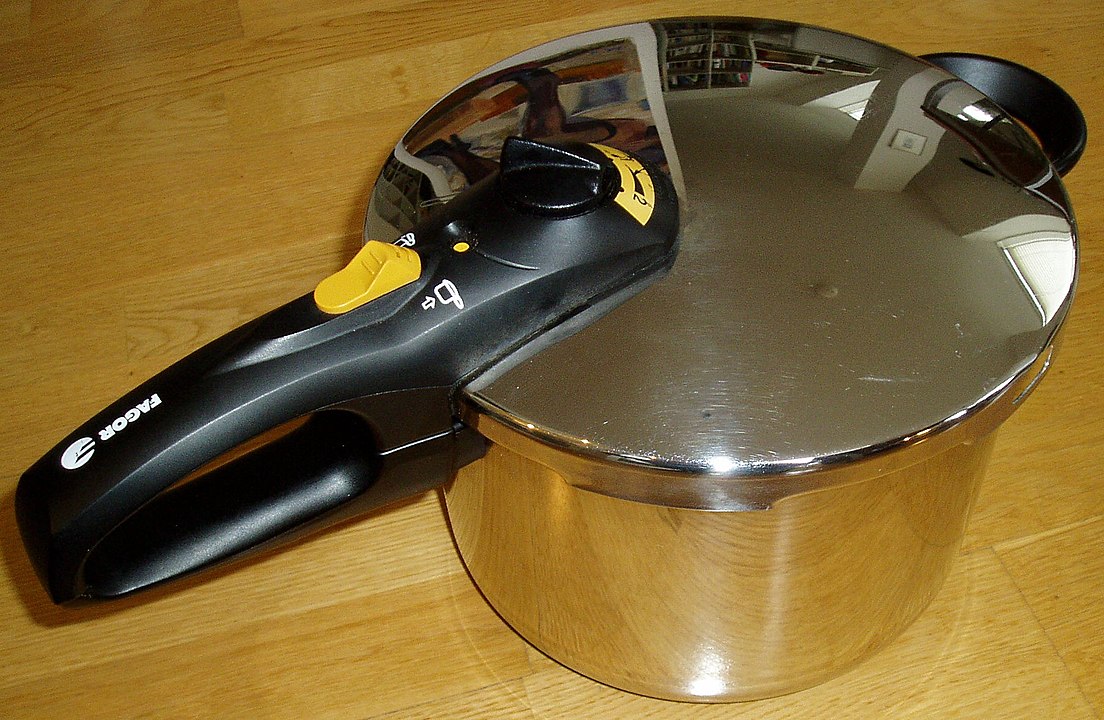
A pressure cooker complements a slow cooker by reducing cooking time while conserving energy. Frugal households use it to cook beans, grains, and tougher cuts of meat quickly and efficiently. By using less gas or electricity, it lowers household utility expenses. The speed and versatility of a pressure cooker make it an indispensable tool for budget-conscious individuals. It allows them to prepare nutritious meals while saving both time and money.
Compost Bin
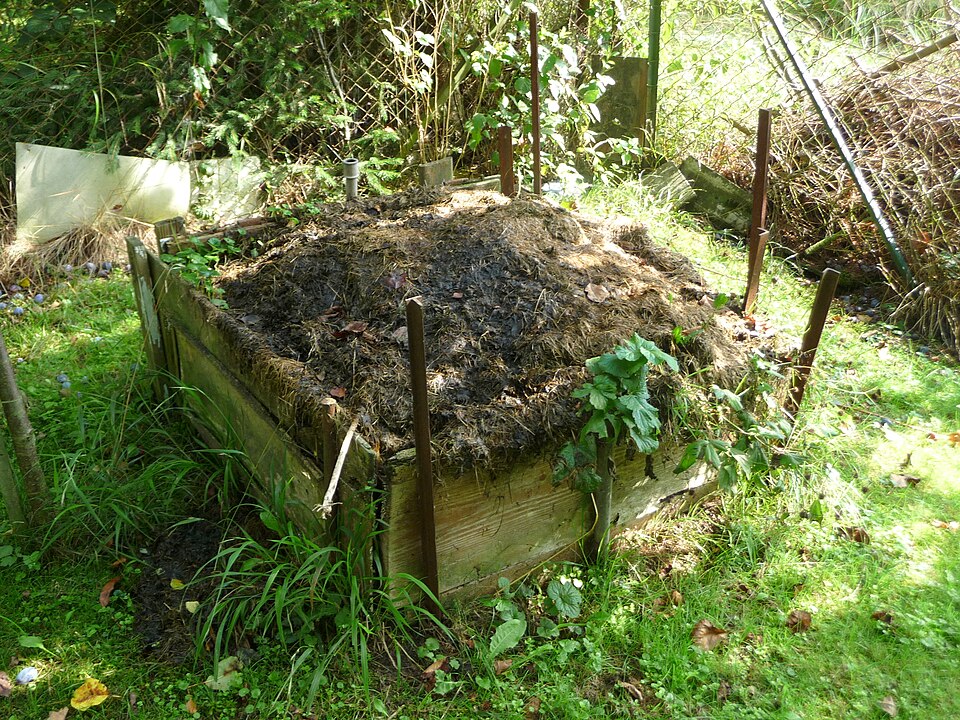
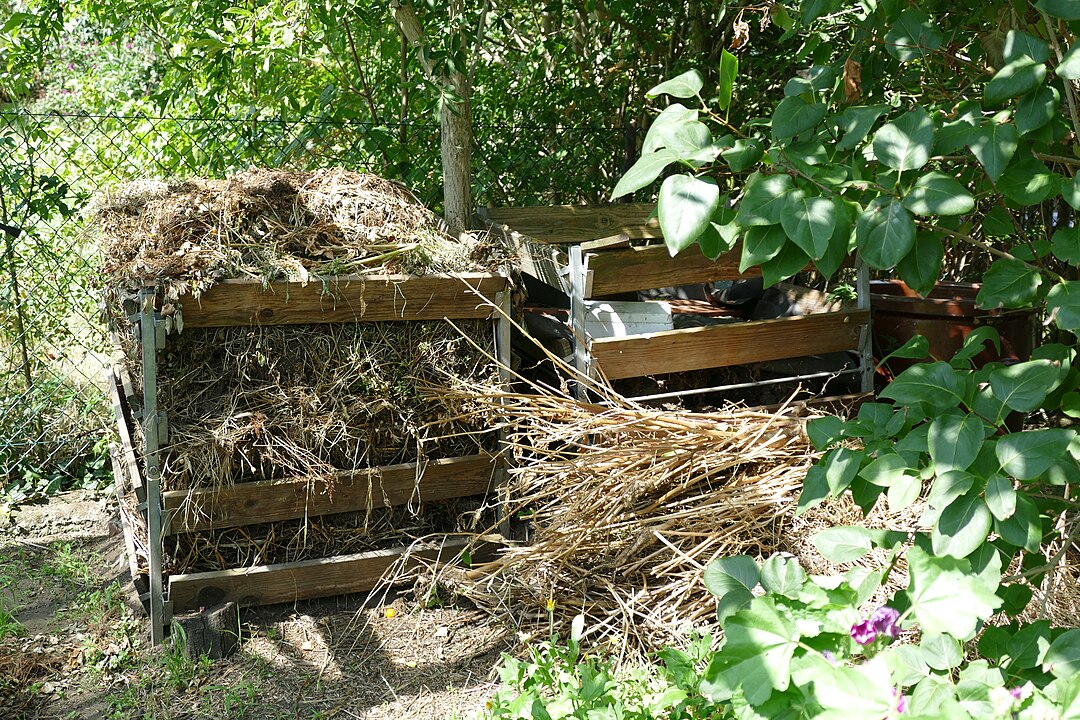
A compost bin is an essential item for frugal households that aim to reduce waste and promote sustainability. Organic kitchen scraps can be turned into nutrient-rich compost for gardens. This reduces the need for store-bought fertilizers and minimizes trash output. Composting also encourages mindful consumption and environmental responsibility. For frugal people, it is both an economical and eco-friendly practice.
Clothesline or Drying Rack
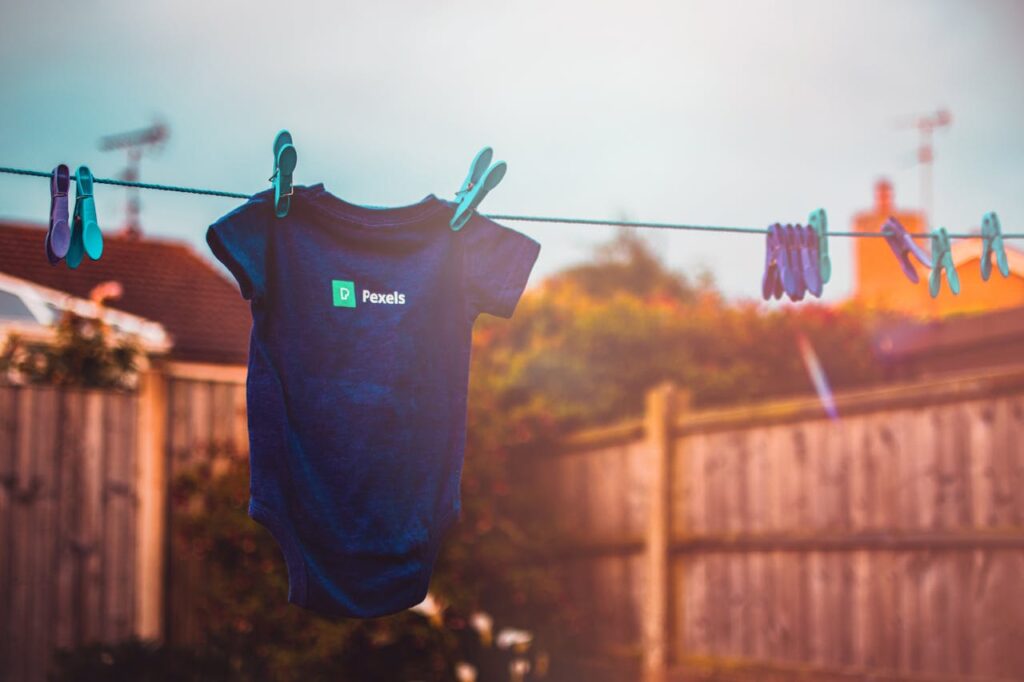
Frugal individuals often prefer air-drying clothes using a clothesline or drying rack. This practice reduces electricity consumption from dryers, saving money on utility bills. It also extends the life of clothing by reducing wear and tear caused by machine drying. Air-drying is particularly useful for delicate fabrics and large households with frequent laundry needs. The simple act of drying clothes naturally is a small yet significant saving habit.
Library of Books

Frugal households invest in a collection of books that provide knowledge and entertainment without ongoing costs. Cookbooks, DIY guides, and educational materials offer inspiration for meals, home repairs, and personal growth. By relying on books, frugal individuals reduce the need for costly classes, subscriptions, or external services. A well-curated library is an investment that keeps providing value over time.
Well-Organized Pantry
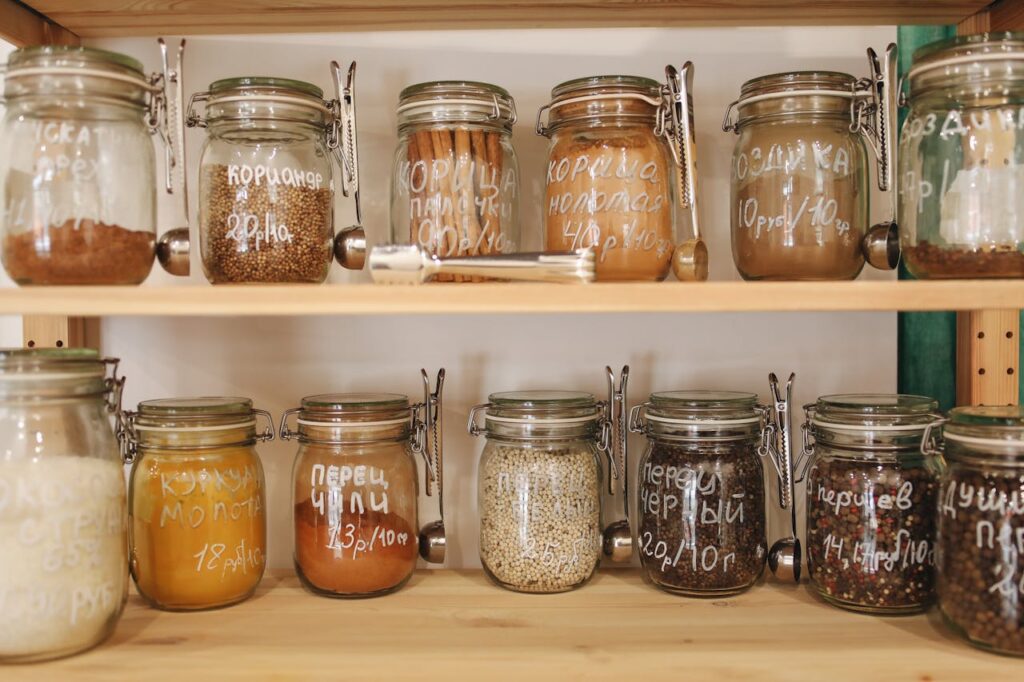
A fully stocked pantry is crucial for frugal living. Staples such as rice, beans, canned goods, and spices allow households to plan meals, reduce last-minute shopping, and avoid unnecessary expenses. Frugal people organize their pantry to track supplies efficiently, prevent food waste, and prepare for emergencies. This preparedness ensures consistent savings and promotes mindful consumption. A stocked and orderly pantry supports both financial and nutritional stability.