
As parents grow older, their needs often become simpler, but more meaningful. It’s not always grand gestures or expensive gifts that matter most. Instead, it’s the small, consistent acts of love and attention that truly make a difference.
Many elderly parents don’t ask for much. What they value most is feeling remembered, respected, and included. These small gestures may seem minor in the moment, but to them, they can mean everything.
At the heart of all these gestures is one simple idea: presence. Elderly parents don’t expect perfection, they just want to feel seen, heard, and appreciated. These small acts of kindness build emotional security and remind them that they are not alone.
You don’t need grand gestures to show love to aging parents. Often, it’s the smallest actions that leave the biggest impact. A call, a visit, a moment of patience—these are the things they remember, and in many ways, these simple gestures become the moments that matter most.
Here are 12 thoughtful ways to show care that can have a lasting impact.
1. Calling Just to Check In
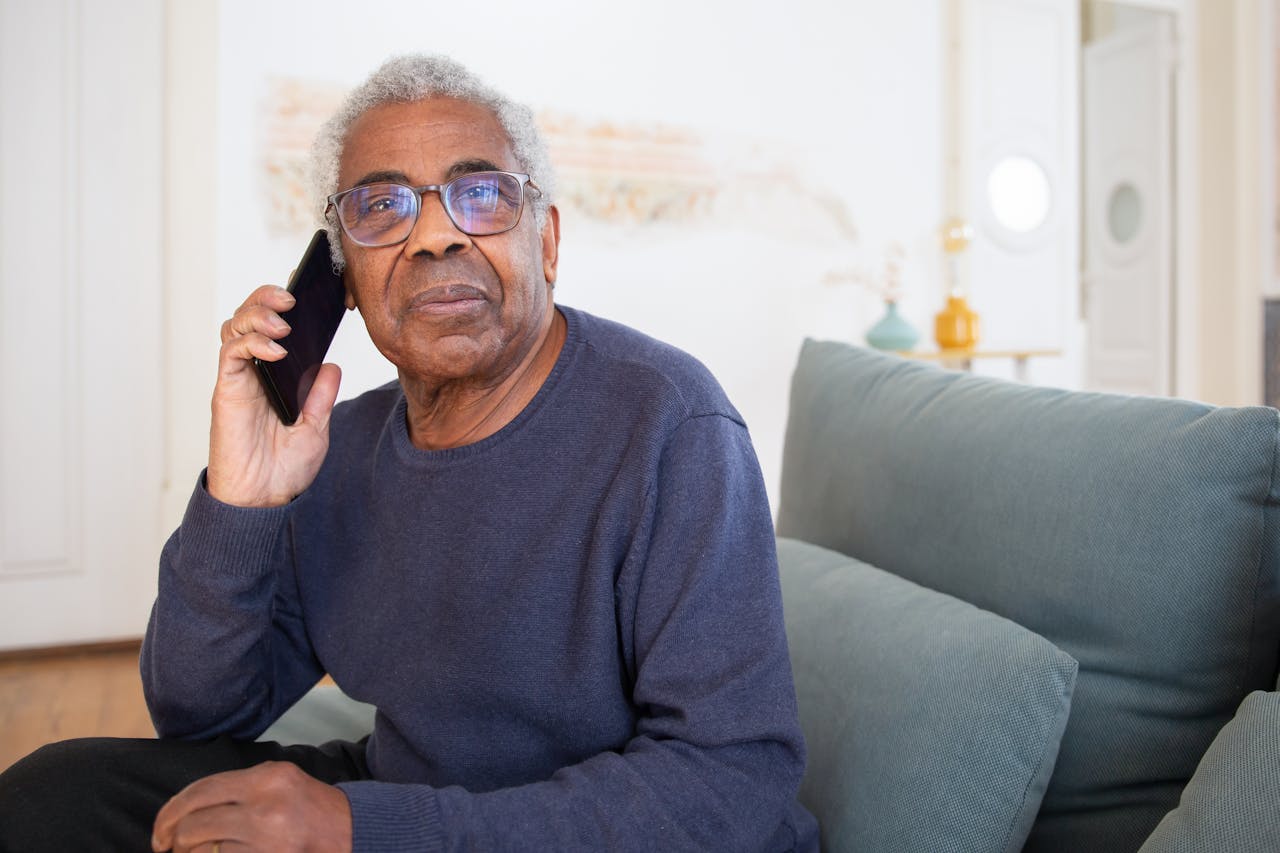
A simple phone call can brighten their entire day. It doesn’t have to be long or detailed, just hearing your voice can bring comfort and reassurance. Many elderly parents spend a lot of time alone, so regular check-ins help them feel connected. It reminds them that they are still an important part of your daily life. Even a quick “How are you today?” can go a long way in making them feel valued and remembered. It also gives them something to look forward to, especially if calls become part of a routine, and over time, these small check-ins create a strong sense of emotional security.
2. Listening Without Rushing

Sometimes, what they need most is someone to truly listen. Not to fix things or offer advice, just to be present. Let them tell their stories, even if you’ve heard them before, because these moments give them a chance to feel heard and respected. Taking the time to listen patiently shows that their thoughts and memories still matter deeply. It also strengthens your bond in a quiet but meaningful way, and for them, being listened to is often more valuable than being helped.
3. Visiting Without a Special Occasion

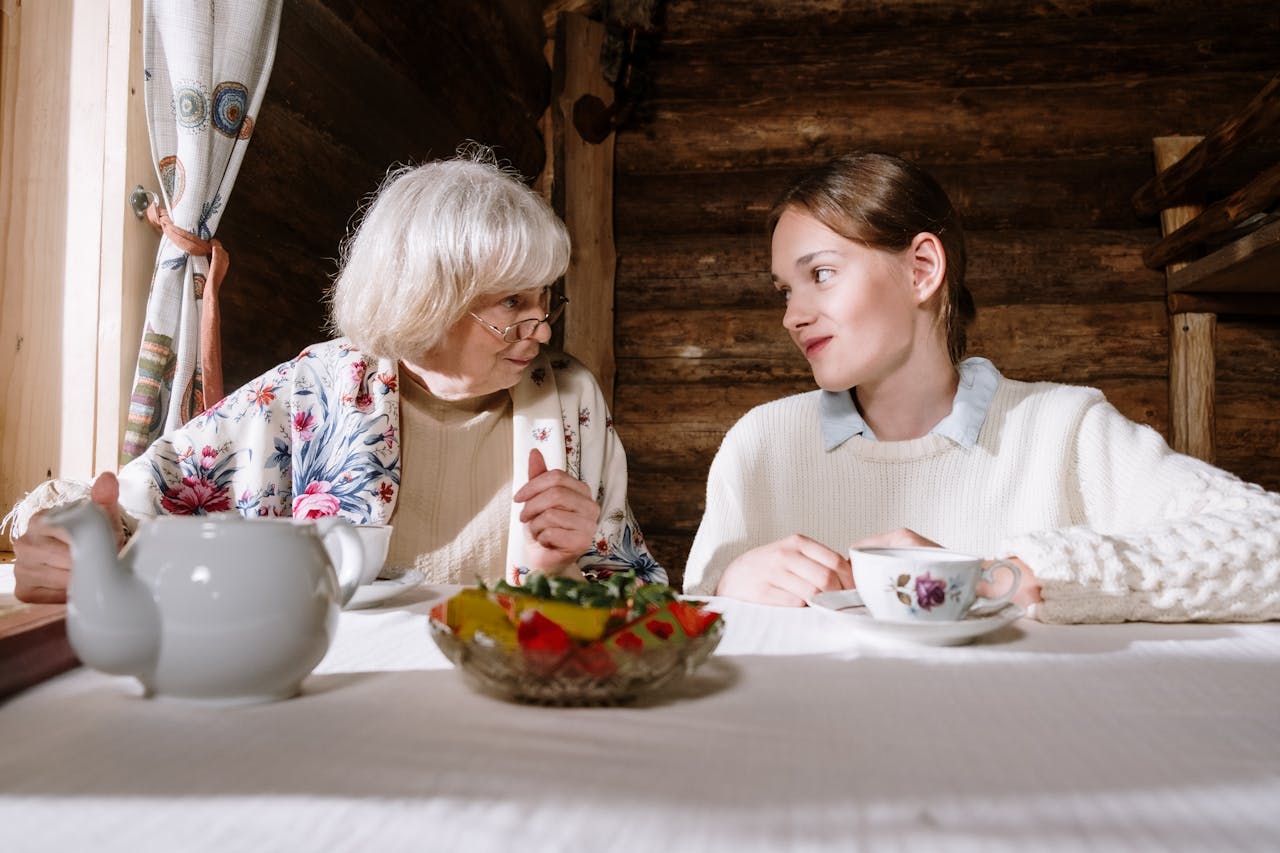
You don’t need a holiday or event to stop by. Unplanned visits often mean the most because they feel genuine and spontaneous. Just sitting together, sharing tea, or talking about everyday life can create meaningful moments. Your presence alone can lift their mood and make their day feel special. It breaks the monotony of routine and adds warmth to their environment, and even short visits can leave a lasting emotional impact.
4. Helping With Small Daily Tasks
Simple things like fixing something around the house, organizing items, or helping with groceries can make life easier for them. These tasks may seem small to you, but they can become challenging with age. Offering help without being asked shows care, respect, and attentiveness to their needs. It also reduces stress they may not openly talk about, and over time, these acts build trust and a sense of reliability.
5. Including Them in Decisions

As parents age, they sometimes feel left out of important family matters. Including them in decisions, even small ones, helps them feel valued. Ask for their opinions and genuinely consider their input. This reinforces that their voice still matters and that they remain an important part of the family. It also boosts their confidence and sense of belonging, reminding them they are still needed and respected.
6. Sharing Meals Together
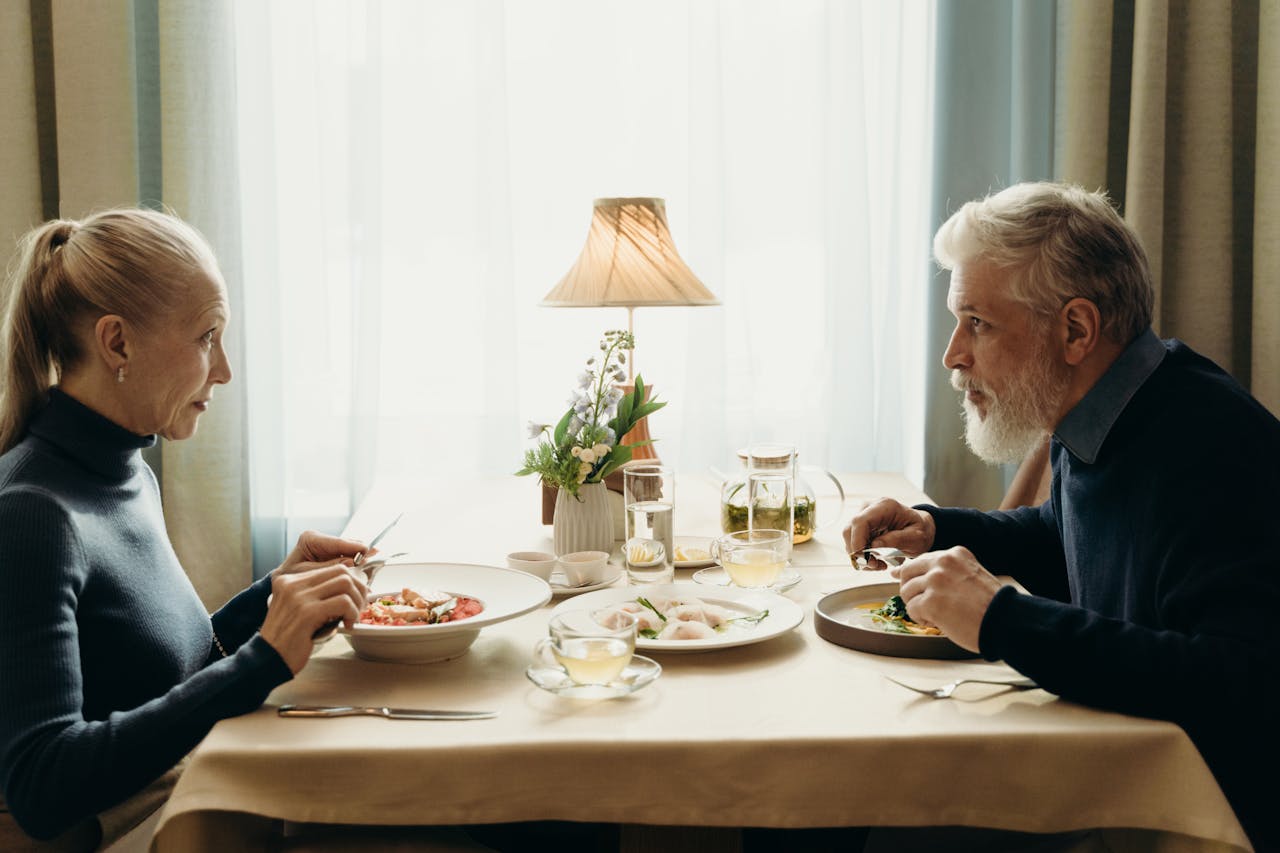
Eating together is one of the simplest yet most meaningful ways to connect. Whether it’s a home-cooked meal or takeout, the act of sitting down and sharing food creates warmth and familiarity. It also gives them something to look forward to and strengthens family bonds. Conversations during meals often feel more relaxed and natural, and these shared moments can become cherished routines over time.
7. Showing Physical Affection

A hug, holding their hand, or a gentle pat on the shoulder can communicate love without words. As people age, physical affection often becomes less frequent, but it remains deeply meaningful. These small gestures provide comfort, reassurance, and emotional connection. They can ease feelings of loneliness or anxiety, and even the simplest touch can make them feel safe and cared for.
8. Being Patient With Them

Aging can bring changes in memory, mobility, and communication. Patience becomes one of the greatest gifts you can offer. Allow them the time they need to express themselves or complete tasks. Your patience shows respect and understanding, which means more than you may realize. It also helps preserve their dignity during vulnerable moments, and responding calmly can make them feel supported rather than rushed.
9. Celebrating Small Moments

You don’t need big events to celebrate. A small achievement, a good day, or even a shared laugh can be worth acknowledging. Recognizing these moments adds joy to their daily life. It reminds them that happiness can still be found in simple things. Celebrations don’t have to be elaborate to feel meaningful, and even a kind word or smile can turn an ordinary day into something special.
10. Helping Them Stay Connected

Technology can sometimes feel overwhelming for elderly parents. Helping them use phones, video calls, or messaging apps can open up new ways for them to stay in touch. This allows them to connect with friends, family, and even grandchildren more easily. It reduces feelings of isolation and keeps them engaged with the world around them. You’re also giving them tools to maintain independence in communication, which can greatly improve their emotional well-being.
11. Respecting Their Independence

While support is important, so is allowing them to maintain their independence. Encourage them to do what they can on their own while being available when needed. Balancing help with respect gives them confidence and preserves their sense of dignity. It shows that you trust their abilities and judgment, and maintaining independence helps them feel in control of their lives.
12. Simply Saying “I Love You”

It may seem obvious, but these words carry immense weight. Many elderly parents don’t hear it as often as they should. Saying “I love you” regularly reassures them of your care and strengthens your emotional bond. It creates a sense of comfort that stays with them long after the moment passes, and these words often become the ones they remember most.