
Parenting in 2025 blends modern tech with timeless patience, creating a unique environment for raising kids. Small habits, when practiced consistently, can dramatically reduce stress and create a smoother household rhythm. These daily routines aren’t overwhelming, they’re simple adjustments that bring big results. With a little intention, parents can create a calmer, more structured family life.
Starting the Day with a Five-Minute Check-In

A short morning check-in gives kids emotional grounding before school. Parents can ask quick questions about how they feel or what they’re excited about. This builds communication and reduces morning chaos. It’s a small habit that strengthens long-term trust.
Preparing Outfits and School Items the Night Before

A few minutes of preparation in the evening prevents frantic mornings. Kids learn responsibility by helping set out clothes and packing bags. This reduces forgotten items and minimizes stress for both parents and children. It also creates smoother routines throughout the week.
Using Quick Digital Meal Planners

Modern meal planning apps simplify grocery lists and weekly scheduling. Parents can plan balanced meals without spending hours brainstorming. This reduces daily decision fatigue and encourages healthier eating. It’s an easy habit that keeps families organized.
Setting a Daily 15-Minute Tidy Timer

Instead of long cleaning sessions, families benefit from short bursts of tidying. Kids learn to take responsibility for their spaces, and parents avoid feeling overwhelmed. Twenty minutes is enough to reset cluttered rooms. This daily reset brings more household peace.
Reading Together Before Bed

Reading as a nightly ritual strengthens family bonds and improves literacy. Kids enjoy the cozy routine, and parents get a moment of calm connection. It also signals the brain to wind down. Even ten minutes makes a difference.
Encouraging Kids to Make Simple Choices

Allowing children to choose snacks, clothes, or activities fosters independence. Parents reduce power struggles by giving controlled options. This builds confidence and teaches decision-making. It’s a small habit with lasting developmental benefits.
Using Short Screen-Free Breaks
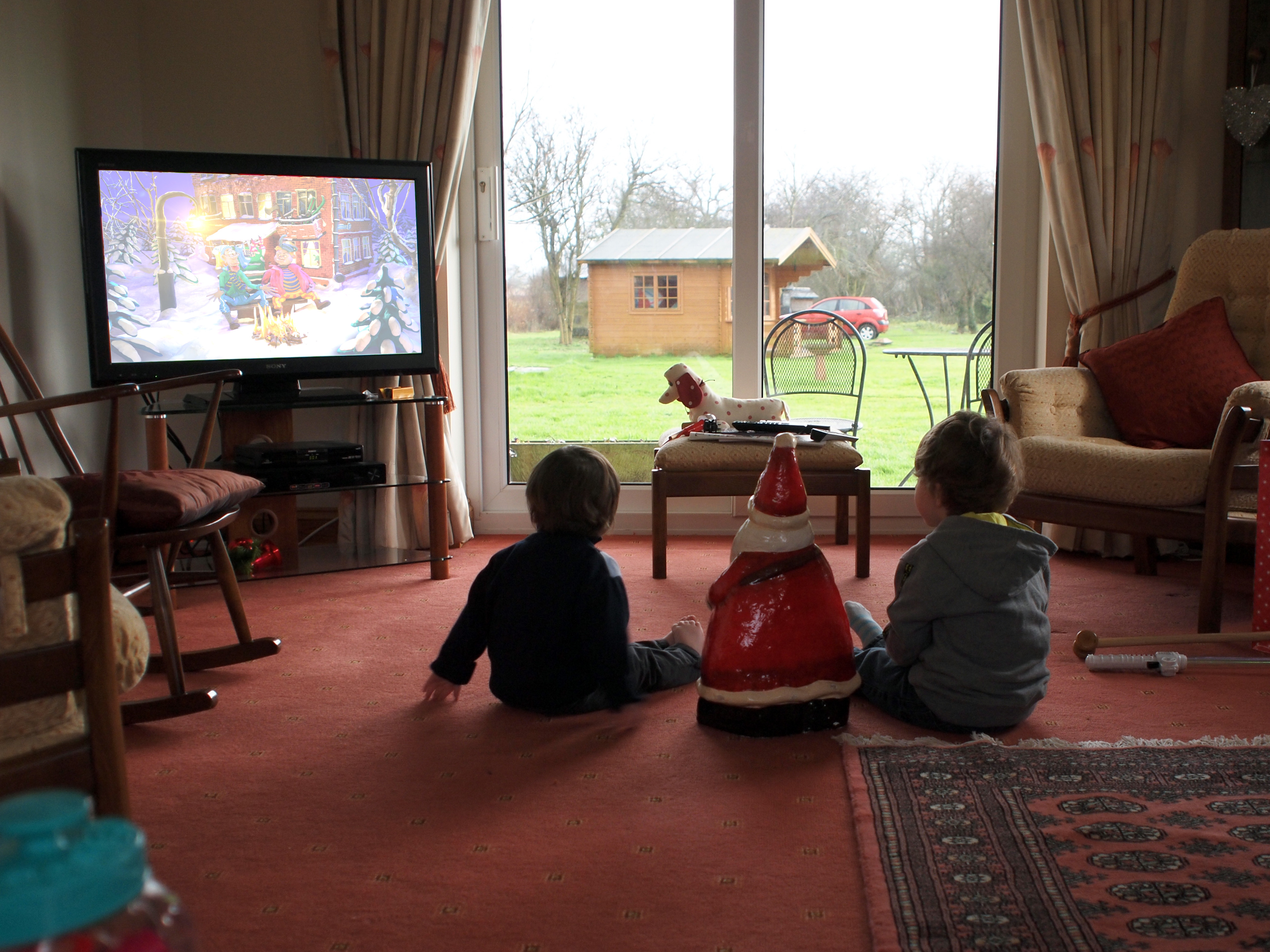
Instead of banning screens, families introduce brief digital pauses. Kids learn moderation without conflict, and parents model healthy habits. These moments encourage creativity and real-world engagement. It keeps screen time balanced throughout the day.
Scheduling One-on-One Time with Each Child

Even five minutes of focused attention matters. Kids feel seen and valued when parents engage without distractions. This reduces behavior issues and strengthens emotional connections. Over time, it becomes a treasured routine.
Practicing Gratitude at Dinner

Sharing a simple gratitude moment fosters positivity. Kids learn to appreciate daily joys and develop an optimistic mindset. Families bond through heartfelt conversations. This habit brings warmth to everyday meals.
Using Smart Home Reminders

Parents can rely on digital reminders for chores, appointments, and routines. Kids respond well to friendly automated prompts. This reduces mental load and keeps everyone on track. Technology becomes a helpful partner rather than a distraction.
Keeping a Calm-Down Corner

A designated quiet space teaches emotional regulation. Kids learn to manage big feelings without punishment. Parents benefit from fewer meltdowns and smoother transitions. Over time, children become more self-aware.
Setting a Consistent Sleep Routine

Regular sleep schedules improve mood, behavior, and school performance. Parents use calming cues like dim lights and soft music. Kids thrive on predictable routines. This daily habit supports healthier family dynamics.