
Modern parenting often feels like navigating a maze of endless tasks, emotional demands, and digital distractions. Many parents are searching for simple, manageable practices that bring more calm into daily routines without requiring major lifestyle changes. Small habits, when done consistently, can dramatically reduce stress and create a more harmonious home environment. These little rituals help parents reclaim mental space, stay organized, and feel more grounded amid the constant activity. Here are some of the most impactful daily habits modern parents use to make life feel less overwhelming.
Preparing for the Day the Night Before

One of the most effective habits parents use is completing small tasks in the evening to ease the next morning’s rush. Setting out clothes, prepping lunches, and organizing backpacks reduces the chaos that often begins the day. This habit also helps children learn responsibility by involving them in managing their own items. Even a ten-minute nightly reset can dramatically change a family’s morning mood. Parents often find that calmer mornings lead to smoother days overall.
Setting Micro Routines Instead of Big Schedules

Instead of rigid daily schedules, many parents rely on micro routines that offer structure without pressure. These routines include simple anchor moments—like a consistent breakfast time, afternoon quiet period, or evening wind-down ritual. Children respond well to predictability, and knowing what happens next reduces emotional friction. Micro routines allow flexibility on busy days while still providing a sense of order. Parents find them easier to maintain than strict schedules, which helps prevent burnout.
Five-Minute Decluttering Sessions
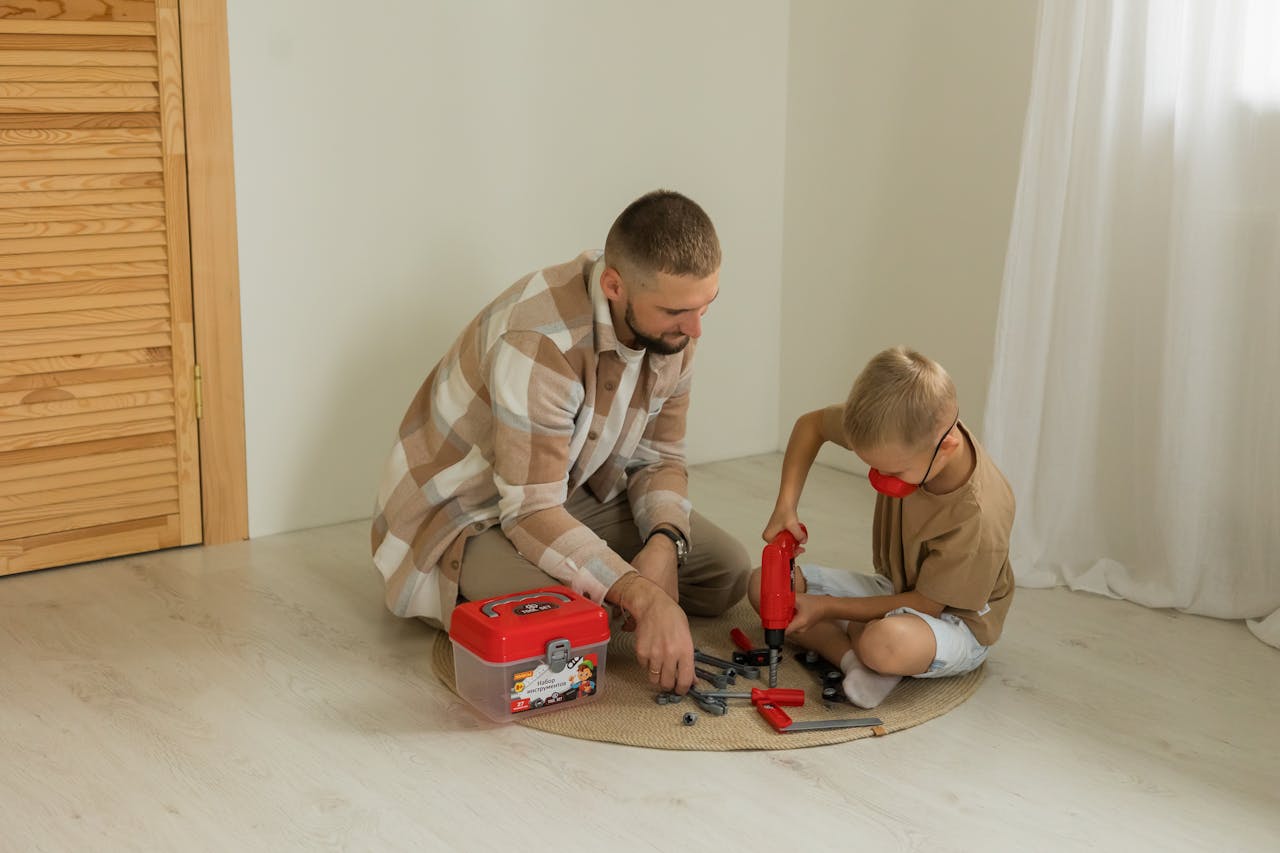
A brief daily decluttering session helps prevent messes from becoming overwhelming projects. Parents often set a timer and involve their children in picking up toys, folding blankets, or returning items to their proper places. These tiny bursts of effort keep the house manageable even during stressful weeks. Because the time commitment is low, the habit is easy to stick with long-term. The visual calm created by regular tidying contributes significantly to reduced stress.
Using Digital Boundaries for Mental Clarity

Many parents have adopted intentional digital boundaries to protect their mental space. This often includes turning off non-essential notifications, limiting news consumption, or setting phone-free periods during the day. These boundaries help reduce the mental overload caused by constant alerts and information. Children also benefit from seeing healthy tech habits modeled in the home. In turn, parents feel more present and less pulled in multiple directions.
Keeping a Family Command Center

A family command center—often just a simple wall space with a calendar, notes, and schedules—keeps everyone on the same page. This central hub helps reduce forgotten appointments, last-minute stress, and repeated questions about the day’s plans. Parents can update it quickly each evening or morning to maintain clarity. When children see the family’s schedule, it helps them anticipate responsibilities. This shared structure offers stability amid busy modern routines.
Practicing a Daily Moment of Stillness

Even a brief pause during the day can help parents reset mentally. Some take a moment in the car before heading inside, while others sit quietly with a cup of tea after the kids go to bed. These intentional pauses allow the nervous system to settle. Parents often report feeling more grounded when they consistently create these small pockets of calm. The habit supports emotional resilience, which benefits the entire household.
Preparing Simple, Repeatable Meals

Parents increasingly embrace meal simplicity to reduce decision fatigue and evening stress. Rather than creating new recipes every night, many rely on rotating “theme nights” or a small set of family favorites. This reduces meal planning time and makes grocery shopping more predictable. Children also find comfort in knowing what to expect at dinner. By minimizing food-related decisions, parents free up mental energy for more important areas of life.
Offering Children Small Daily Responsibilities

Giving children age-appropriate responsibilities teaches life skills while lightening parents’ workload. These tasks might include feeding pets, organizing shoes, or helping set the table. Children often feel proud when they play a meaningful role in the household. This habit also reinforces teamwork and shared accountability. Over time, small responsibilities build independence and confidence in kids.
Creating Mini Breaks Throughout the Day

Parents are learning to incorporate short breaks into their daily routines instead of waiting for long stretches of downtime. A two-minute stretch, a quick breath outdoors, or a short walk can refresh mental energy. These small pauses prevent stress from accumulating throughout the day. Parents who practice mini breaks often feel more patient and emotionally balanced. Even brief resets can make busy days feel more manageable.
Simplifying Wardrobes for Easier Mornings
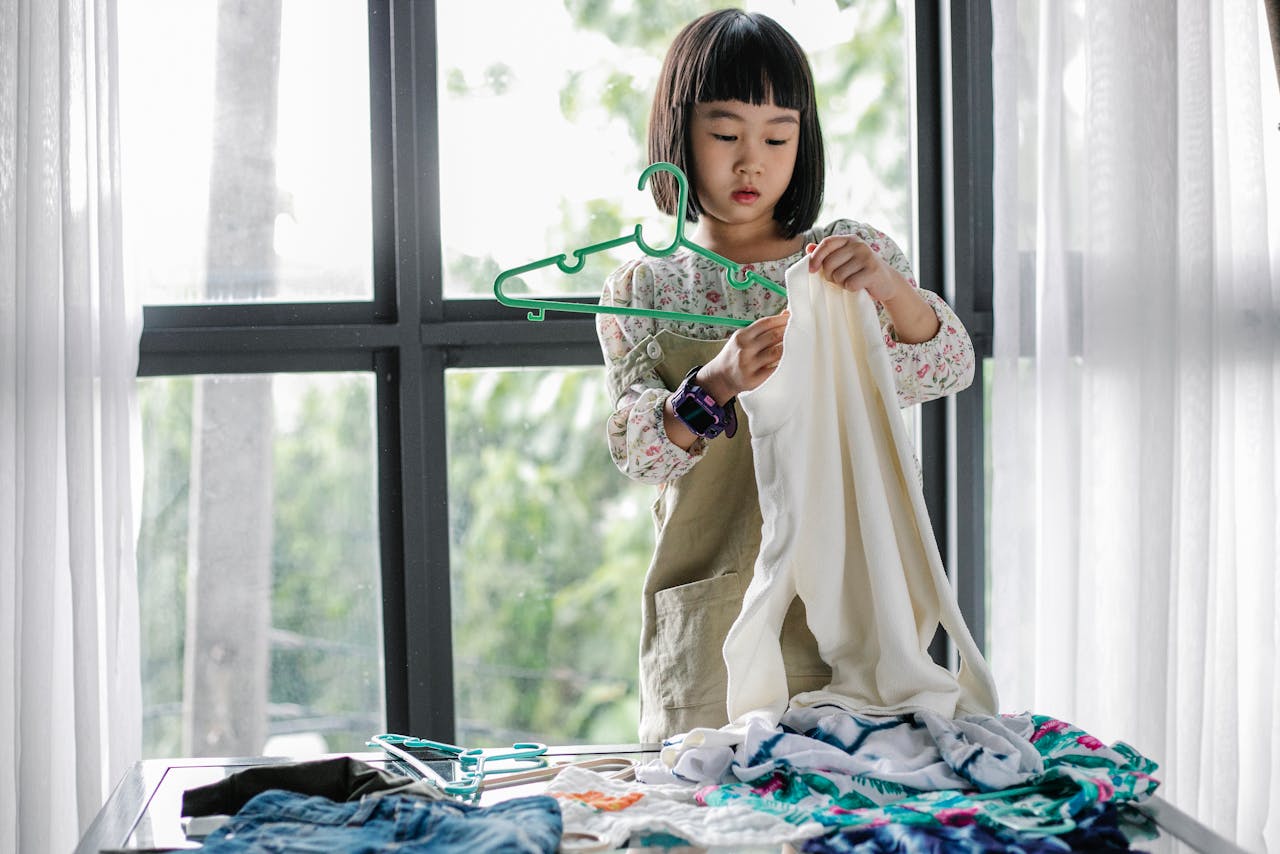
Capsule wardrobes are becoming popular among parents who want to eliminate morning clothing battles. With fewer, more versatile pieces, getting dressed becomes quick and stress-free. This habit also reduces laundry loads and clutter. Children benefit by having clearer choices and developing their own sense of routine. Parents appreciate how much smoother mornings become with less decision-making.
Practicing Positive Framing in Conversation

Many parents are adopting subtle shifts in language to create calmer interactions with their children. Instead of focusing on what not to do, they reframe instructions positively, which helps reduce conflict. Positive framing also encourages cooperation and builds trust. Over time, this communication style improves emotional connection between parent and child. Parents find that a slight shift in tone can significantly change daily dynamics.
Ending the Day with a Consistent Ritual

Whether it’s reading a book, sharing a short conversation, or simply dimming the lights at the same time each night, end-of-day rituals create closure. These rituals signal to children that the day is winding down, helping them transition to sleep more smoothly. Parents benefit from the predictability and emotional connection these moments provide. Ending the day intentionally reduces lingering stress and promotes better rest. The cumulative effect of this nightly habit supports a more peaceful household.