
The early 2000s quietly reshaped family life in ways that only became obvious years later. Moms adjusted routines not through big declarations, but through small, practical decisions made day after day. These changes reflected shifting work demands, new technology, and evolving ideas about childhood and balance. What felt like simple problem solving at the time slowly transformed how families communicated, organized, and connected. Looking back, many of these choices became the foundation of modern family life, even though they began as modest, everyday adjustments.
Letting Kids Choose Their Own Clothes
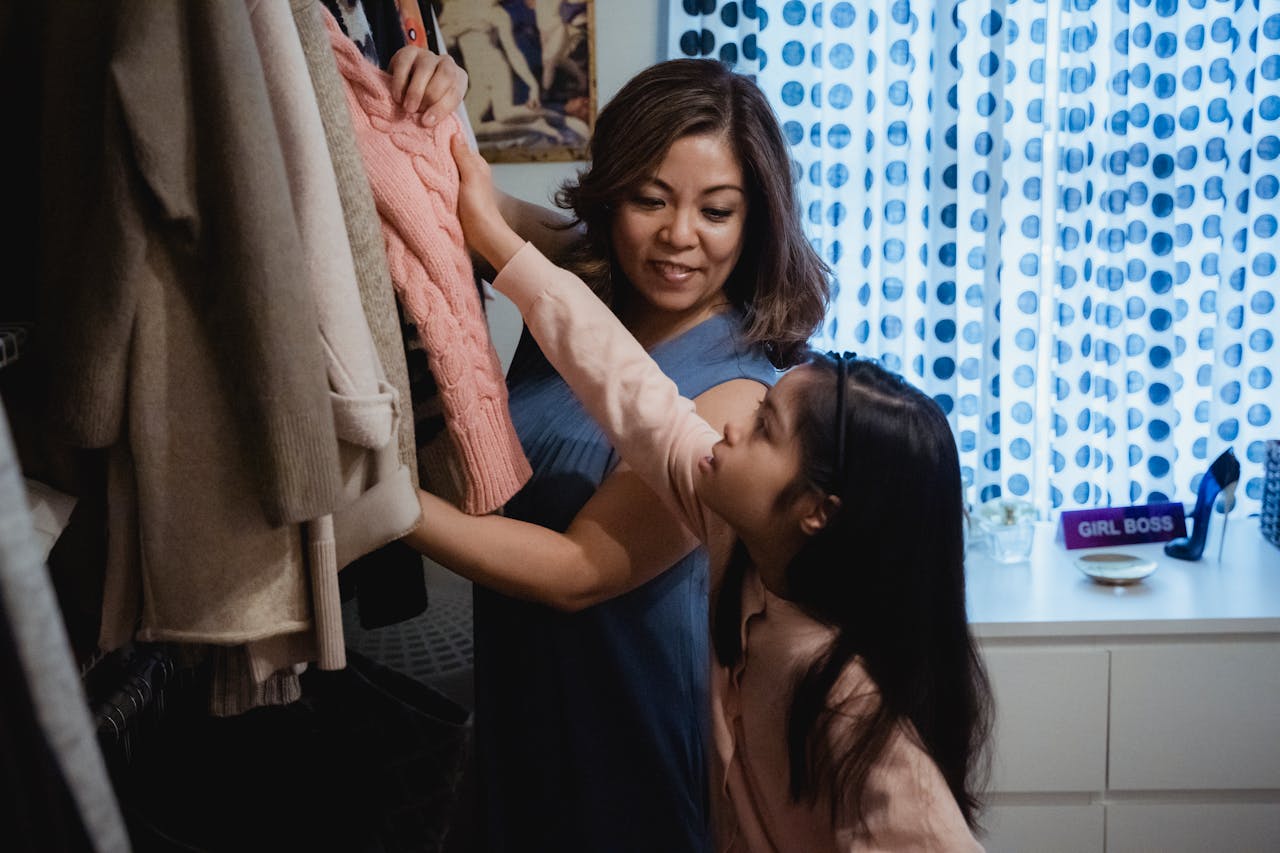
Allowing children to pick their own clothes was a small shift that carried emotional weight. Mismatched outfits and bold color choices replaced strict presentation rules. Mornings became calmer as power struggles eased. Kids learned self expression through low pressure decisions, while moms learned to release control without sacrificing care. This habit encouraged independence early and reframed appearance as personal rather than performative. Over time, it helped children feel ownership over identity, making daily routines more cooperative and emotionally lighter.
Moving from Free Roaming to Scheduled Playdates

As neighborhoods changed, moms increasingly replaced unsupervised outdoor play with scheduled playdates. This shift added structure to children’s social lives while strengthening parent communication. Calendars replaced spontaneous door knocking, and living rooms replaced sidewalks. While some freedom was lost, safety and predictability increased. Moms built informal support networks through coordination and shared responsibility. Childhood became more planned, but also more socially supported, quietly reshaping how families balanced independence with protection.
Using Central Family Calendars

Family calendars became visual anchors in kitchens and hallways during the 2000s. Moms used them to track school events, appointments, activities, and work schedules in one shared place. This reduced confusion and last minute stress. Children learned time awareness and responsibility early by seeing commitments laid out clearly. The calendar turned planning into a shared family habit rather than a mental burden carried by one person. This small organizational change brought structure and transparency to busy households.
Normalizing Packed School Lunches

Packing school lunches became more intentional in the 2000s as moms balanced nutrition, comfort, and convenience. Familiar foods provided emotional reassurance during long school days. Notes, favorite snacks, and predictable meals helped children feel connected to home even while apart. This routine reflected growing awareness of food choices and health. Lunchboxes became quiet symbols of care. What seemed ordinary helped strengthen emotional continuity between home and school.
Switching School Communication to Email and Text

Moms were among the first to shift school communication from paper notices to emails and text messages. This change reduced missed information and increased parental involvement. Updates became faster and more frequent, blurring boundaries between school and home. While this added mental load, it also improved awareness and responsiveness. Parents felt more connected to daily school life. This shift reshaped how families stayed informed and engaged in their children’s education.
Allowing Screen Time with Clear Rules

Instead of banning screens entirely, many moms adopted structured screen time during the 2000s. Rules around duration, content, and timing created balance. Screens became tools rather than threats. Shared viewing and family movie nights emerged as new rituals. Children learned moderation through guidance instead of restriction. This approach laid the groundwork for ongoing conversations about technology and boundaries. The change reflected adaptability rather than fear, shaping healthier relationships with screens.
Encouraging After School Activities
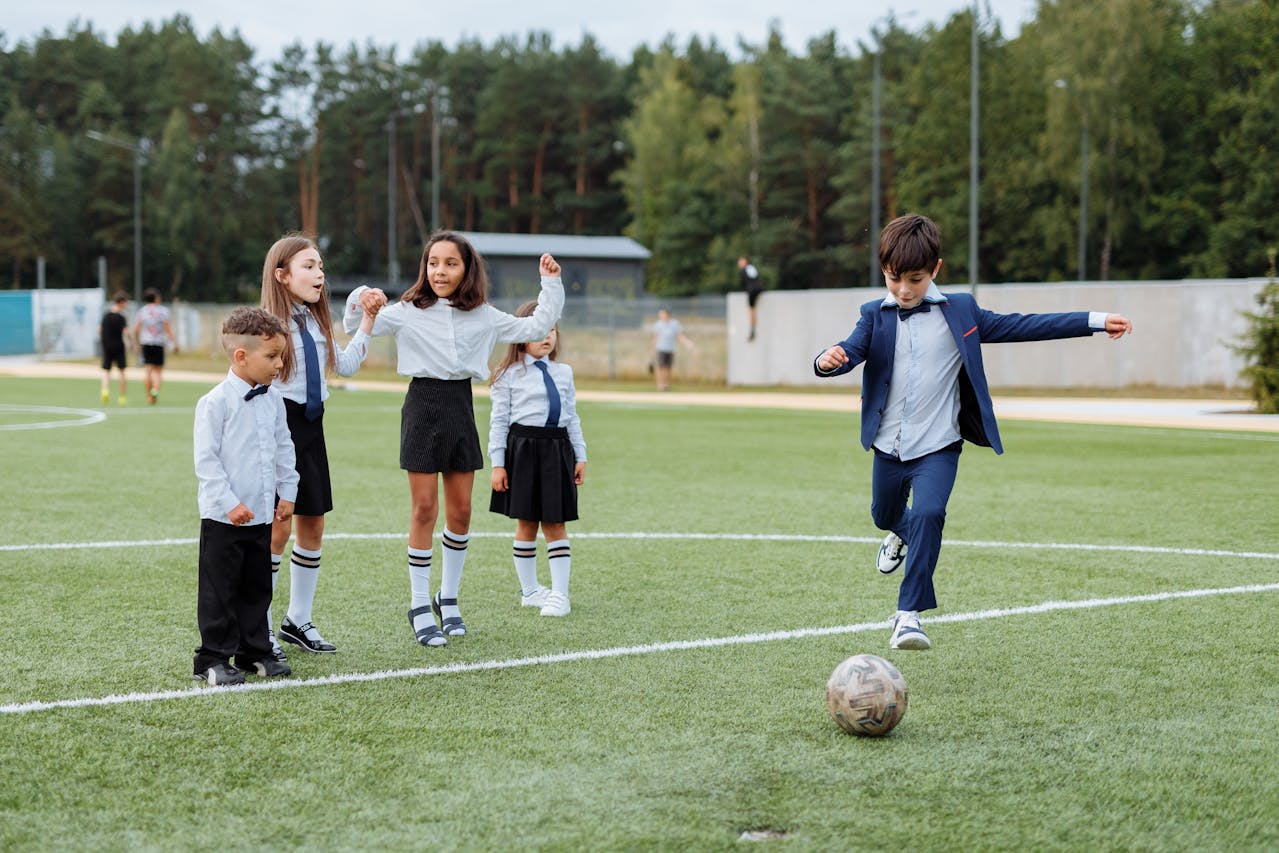
The rise of organized after school activities reshaped family schedules. Moms coordinated sports, music lessons, and clubs, integrating them into weekly routines. These activities supported confidence, discipline, and social growth. They also required logistical effort through carpools and planning. While downtime decreased, structure increased. Families adapted together, prioritizing development beyond academics. This shift expanded childhood experiences while redefining how families spent time and energy.
Sharing Household Responsibilities

More moms began assigning age appropriate chores, shifting homes toward shared responsibility. Children learned contribution over perfection. Small tasks built routine and accountability. This change reduced parental burnout while teaching teamwork. Homes felt more collaborative and less service based. Kids gained confidence by participating in daily upkeep. This quiet adjustment reshaped expectations around effort, support, and family roles without formal conversations.
Talking Openly About Feelings
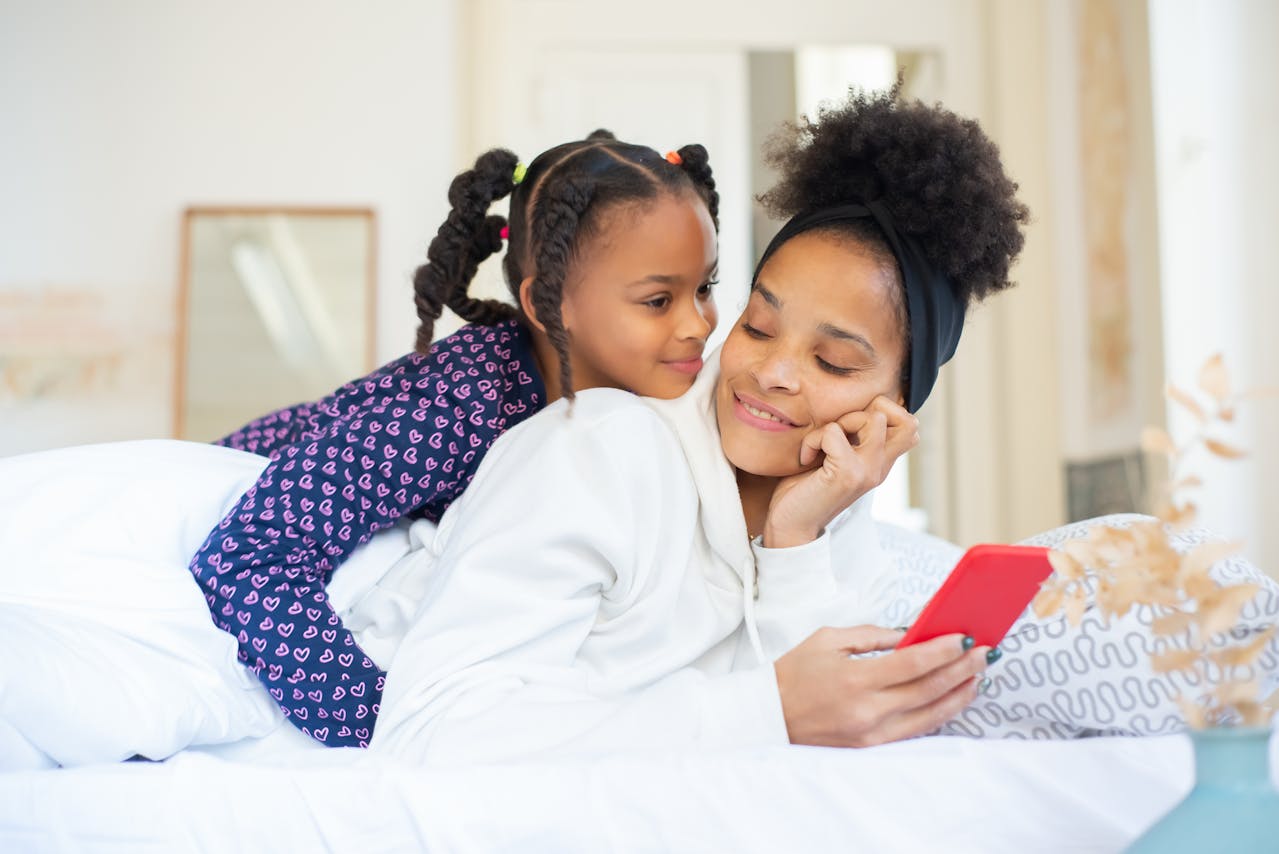
The 2000s marked a move toward emotional openness in families. Moms encouraged children to name feelings and talk through challenges. Conversations replaced silence and avoidance. Emotional awareness became part of everyday parenting. This shift strengthened trust and communication. Children learned emotions were manageable rather than shameful. Families developed healthier conflict resolution through dialogue. This change quietly transformed how households handled stress and connection.
Making Work Life Visible to Kids

As more moms worked outside the home, they began explaining work demands openly. Children saw multitasking, deadlines, and prioritization firsthand. Family schedules adjusted to shared responsibility. Conversations about time and energy became normal. This transparency helped kids understand effort, compromise, and balance. It reshaped expectations around roles and presence. Work became part of family narrative rather than something hidden.
Protecting Family Dinners When Possible

Despite busy schedules, many moms protected family dinner time during the 2000s. Even a few shared meals each week became intentional. Conversation mattered more than perfect meals. These moments offered grounding and predictability. Family dinners became emotional anchors where stories were shared and routines reinforced. This habit strengthened communication and memory making, providing stability amid increasingly busy lives.
Choosing Practical Parenting Over Perfection

Perhaps the most impactful shift was letting go of perfection. Moms chose what worked rather than what looked ideal. Flexibility replaced rigidity. Guilt softened into realism. This mindset allowed families to adapt with less stress. Parenting became sustainable rather than performative. Small allowances added up to healthier dynamics. This change quietly reshaped expectations and reduced pressure across family life.
The changes moms made in the 2000s were rarely dramatic, but their impact was lasting. By adjusting routines, communication, and expectations, they reshaped family life from the inside out. These choices created more connection, flexibility, and emotional awareness. What once felt like small decisions now form the backbone of modern family dynamics. Their influence continues, woven quietly into everyday life.