
Gratitude is more than just saying “thank you”—it’s a mindset, an appreciation for the little things that often go unnoticed. Teaching children (and ourselves) to practice gratitude is one of the most valuable life lessons we can impart. But how do we do that in the middle of the hustle and bustle of daily life? The answer lies in small, simple practices that integrate gratitude into our routines. Here are 12 ways to teach gratitude in everyday moments.
Start the Day with a Gratitude List
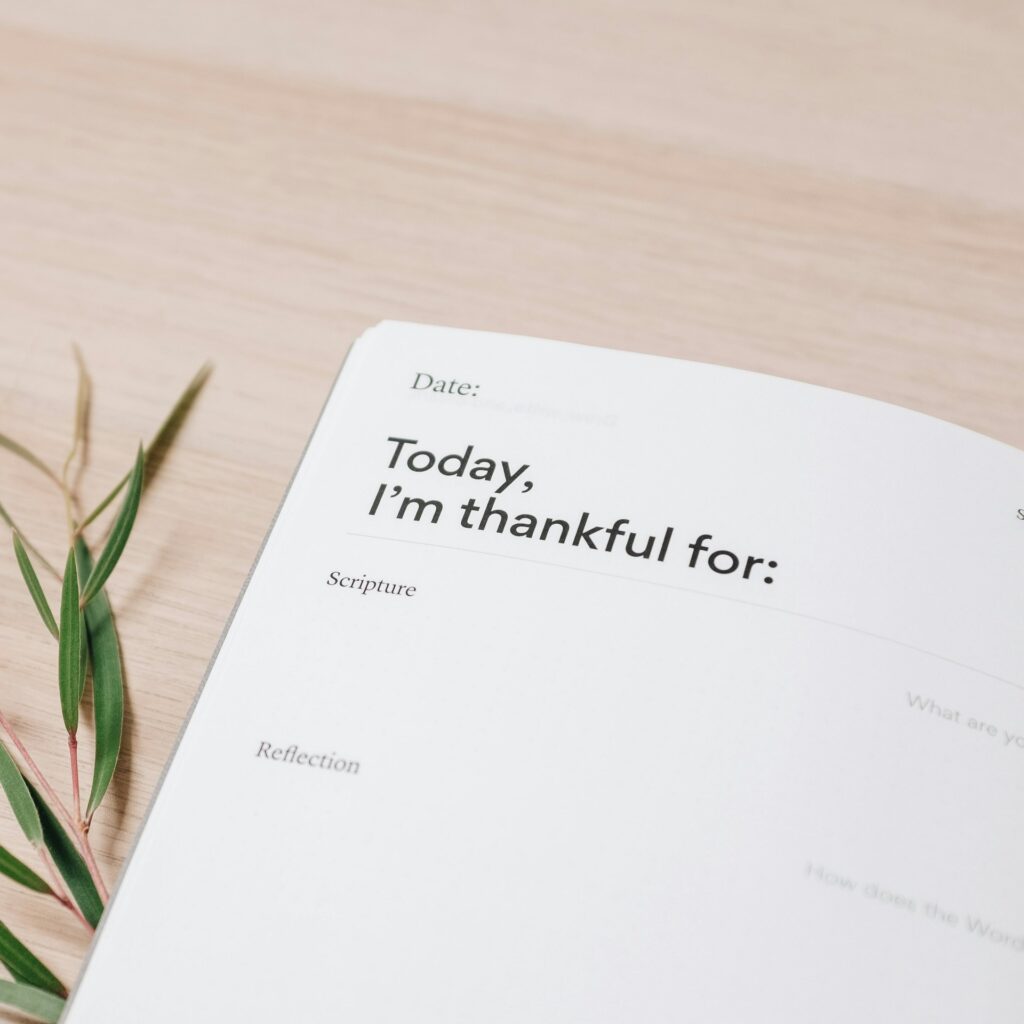
One of the easiest ways to begin a gratitude practice is to start each day by listing a few things you’re grateful for. Whether it’s the smell of fresh coffee or the warmth of the sun peeking through the curtains, taking a moment to reflect on these little things sets a positive tone for the day. Encourage your kids to join in, too. It could become a family ritual where everyone shares one thing they’re thankful for before breakfast. This simple act helps shift focus from what’s lacking to what’s already present.
Use Gratitude Journals

A gratitude journal is an easy and effective way to help kids (and adults) reflect on the positive aspects of their day. Encourage everyone to write down at least one thing they’re thankful for each day. This could be something small, like “I’m grateful for my new sneakers,” or something bigger, like “I’m thankful for my family’s support.” Over time, these journals will not only help cultivate a habit of gratitude but also serve as a reminder of all the wonderful things that often go unnoticed.
Make Thank You Notes a Habit

In the fast-paced digital world, handwritten thank-you notes have become a rare but meaningful gesture. Encourage your children to write thank-you notes whenever they receive a gift or experience kindness, whether it’s from a friend, teacher, or family member. Writing a thank-you note isn’t just about the recipient—it’s also a chance for the writer to pause and reflect on the thoughtful gesture. This habit teaches kids the importance of showing appreciation, and it’s a simple way to make someone’s day.
Show Appreciation for Everyday Acts

Gratitude isn’t just about big gifts or major gestures. It’s also about appreciating the everyday actions that make life easier, like someone holding the door open for you or your partner making coffee in the morning. By modeling gratitude for these small acts, you teach your kids that every kindness matters, no matter how small. Praise others for the little things, and it’ll become a natural part of their behavior, too. Teaching appreciation for the daily moments builds a foundation for lasting gratitude.
Model Grateful Behavior
Children are always watching and learning from the adults in their lives. If you want to teach them gratitude, you have to model it. Show appreciation for both big and small things, whether it’s saying thank you to a cashier, complimenting a friend, or simply expressing your gratitude out loud for a beautiful day. The more they see you practicing gratitude, the more they will start to do it themselves. In moments of frustration, try reframing challenges by focusing on what you’re thankful for in that moment.
Gratitude Circle at the End of the Day
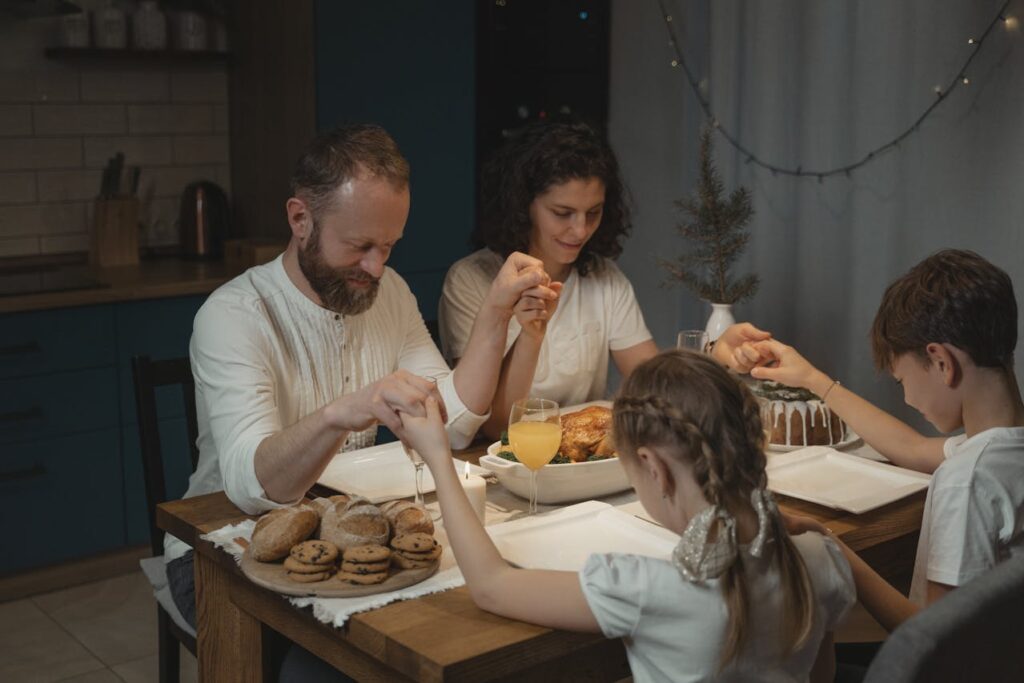
Instead of a jar, gather everyone for a quick gratitude circle at the end of each day. Before bed or at dinner, take a few minutes for each family member to share something they’re thankful for that day. It can be as simple as “I’m grateful for a sunny day” or “I’m thankful for the help I got with my homework.” This practice not only helps focus on the positives but also brings the family closer by encouraging open sharing and reflection on the day’s moments.
Encourage Acts of Kindness

One of the best ways to teach gratitude is through kindness. When children engage in acts of kindness—like helping a sibling, assisting a neighbor, or volunteering—they experience firsthand how good it feels to make someone else’s day better. By encouraging these acts, you help kids recognize the value of their actions and teach them that showing appreciation through kindness is one of the most powerful ways to practice gratitude. Plus, acts of kindness often lead to feeling more thankful for the kindness shown to them.
Turn Complaints into Gratitude Opportunities
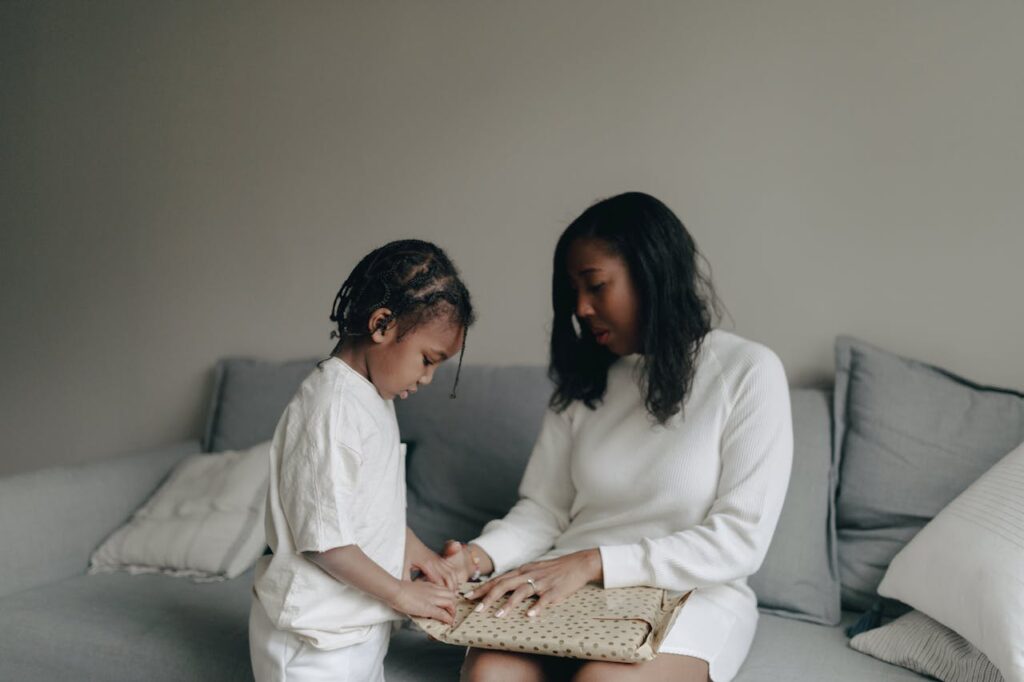
Children often get caught up in complaining, especially when things don’t go their way. Use these moments to teach them how to reframe the situation with gratitude. For example, if they complain about homework, encourage them to focus on the opportunity to learn. Or, if they’re upset about a canceled playdate, remind them that they can use the time for something fun at home. Reframing negative thoughts into positive ones helps children develop a more grateful mindset, even in challenging circumstances.
Celebrate the Small Wins
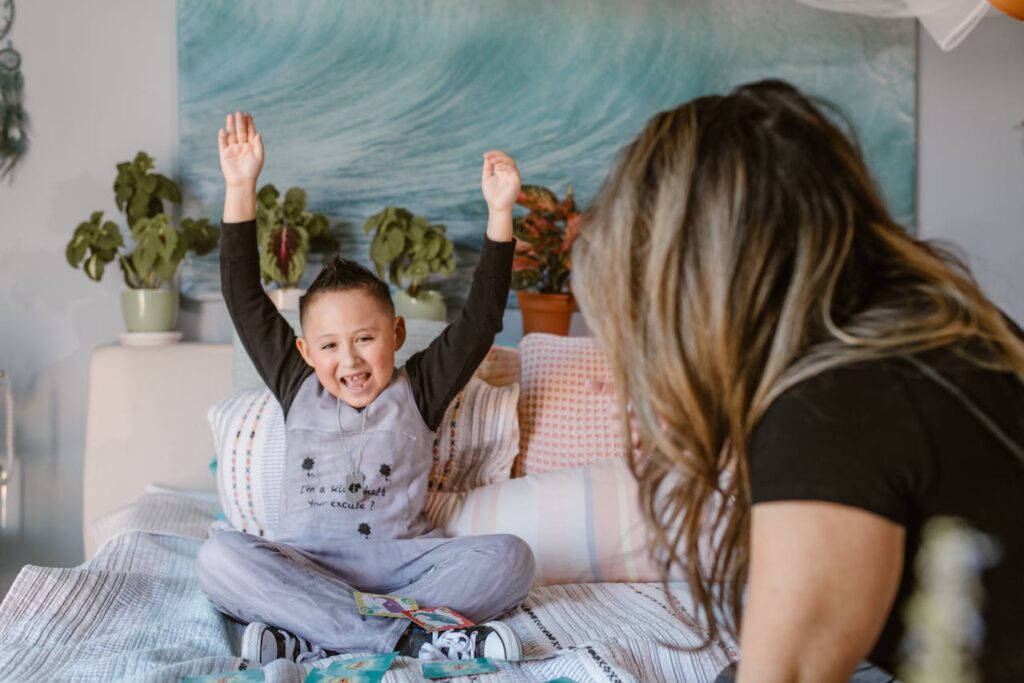
Not every moment of gratitude has to be about big accomplishments. Celebrate the small victories, too. Did your child clean up without being asked? Did they share with a sibling? Did they manage a new task on their own? Celebrate these moments! By pointing out and appreciating these little wins, you’re teaching your child that it’s important to recognize progress and effort. This shifts the focus from always seeking big achievements to appreciating the ongoing effort that makes daily life run smoothly.
Make Family Meals a Gratitude Time

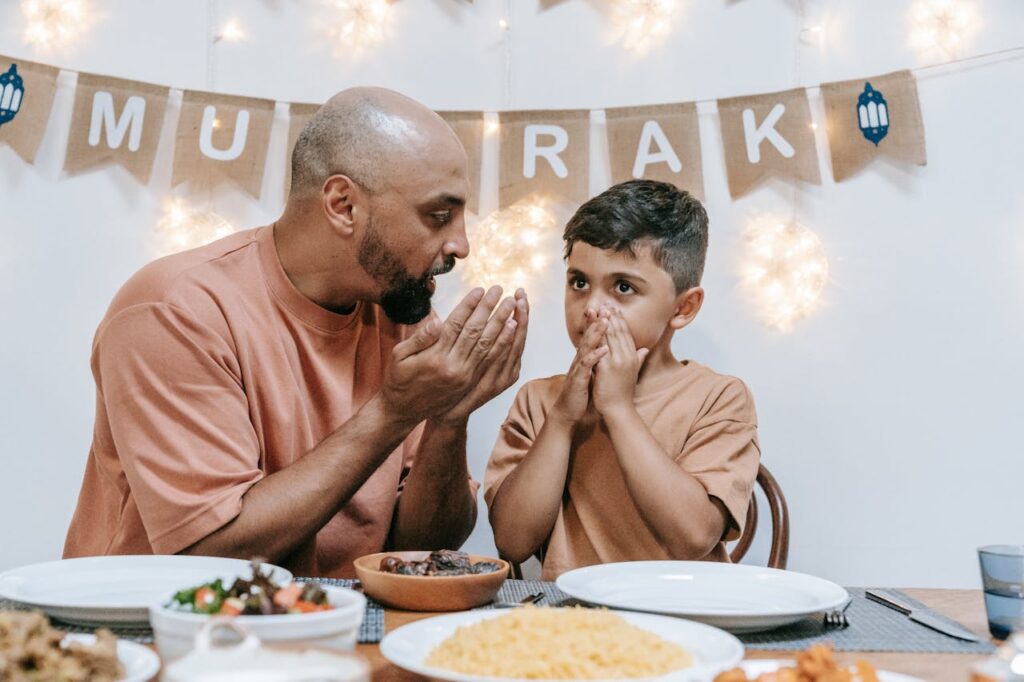
Family meals provide the perfect opportunity to slow down and connect. Before you begin eating, take a moment to go around the table and have everyone share one thing they’re grateful for. It can be something simple, like “I’m grateful for this meal” or “I’m thankful for our time together.” This tradition creates a ritual of gratitude, helping everyone to pause, reflect, and appreciate the meal and each other. It’s a way to bring the family together and start or end the day on a positive note.
Gratitude through Shared Stories

Instead of a physical project, focus on the power of storytelling to cultivate gratitude. Gratitude through Shared Stories is about taking time to share moments of appreciation and thankfulness from your own experiences. It could be during family gatherings, at the dinner table, or while winding down at night. You can share a time when someone’s kindness made a difference in your life or recall a memory that made you appreciate what you have. This creates a bond and reinforces gratitude, showing that even the simple, everyday moments are worth celebrating.
Reframe Negative Situations with Gratitude
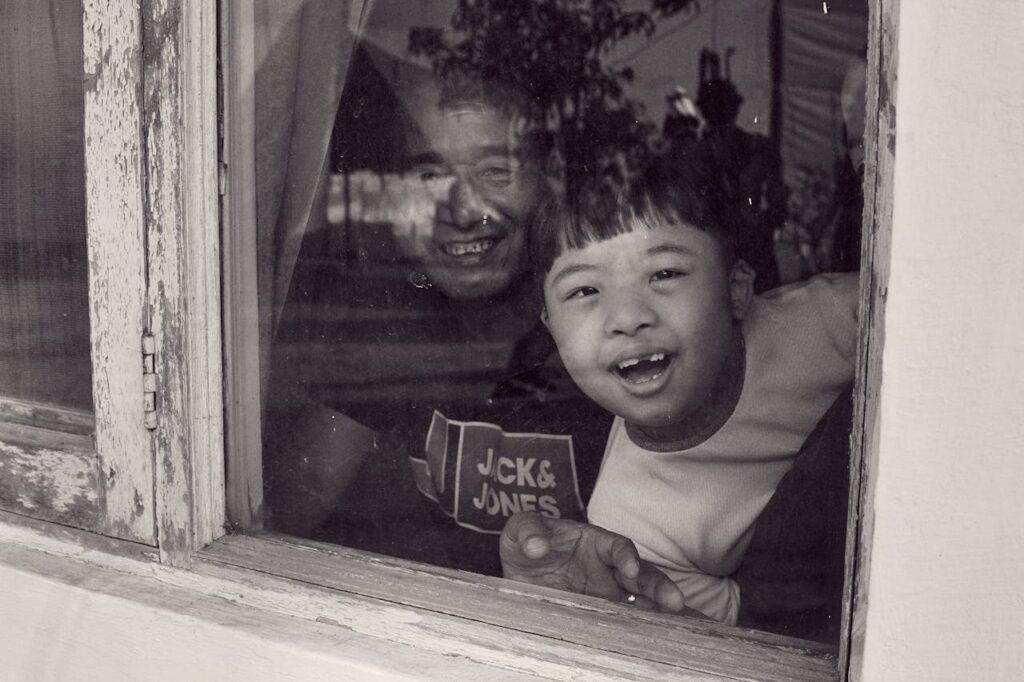
Life is full of challenges, but even in tough situations, we can find something to be grateful for. When things don’t go as planned, take a moment to reflect on what positive aspect might be hidden within the setback. If it’s raining on a planned outing, focus on the opportunity to do something different, like indoor activities. By teaching your children to reframe negative experiences with gratitude, you’re helping them develop resilience and a more positive outlook on life.
Gratitude isn’t something that happens overnight—it’s a habit that grows with consistent practice. By introducing these small, everyday acts of appreciation, you’ll be helping yourself and your children build a mindset that focuses on what’s good in life. With time, this mindset becomes second nature, creating a ripple effect that brings more positivity, joy, and connection into every day.