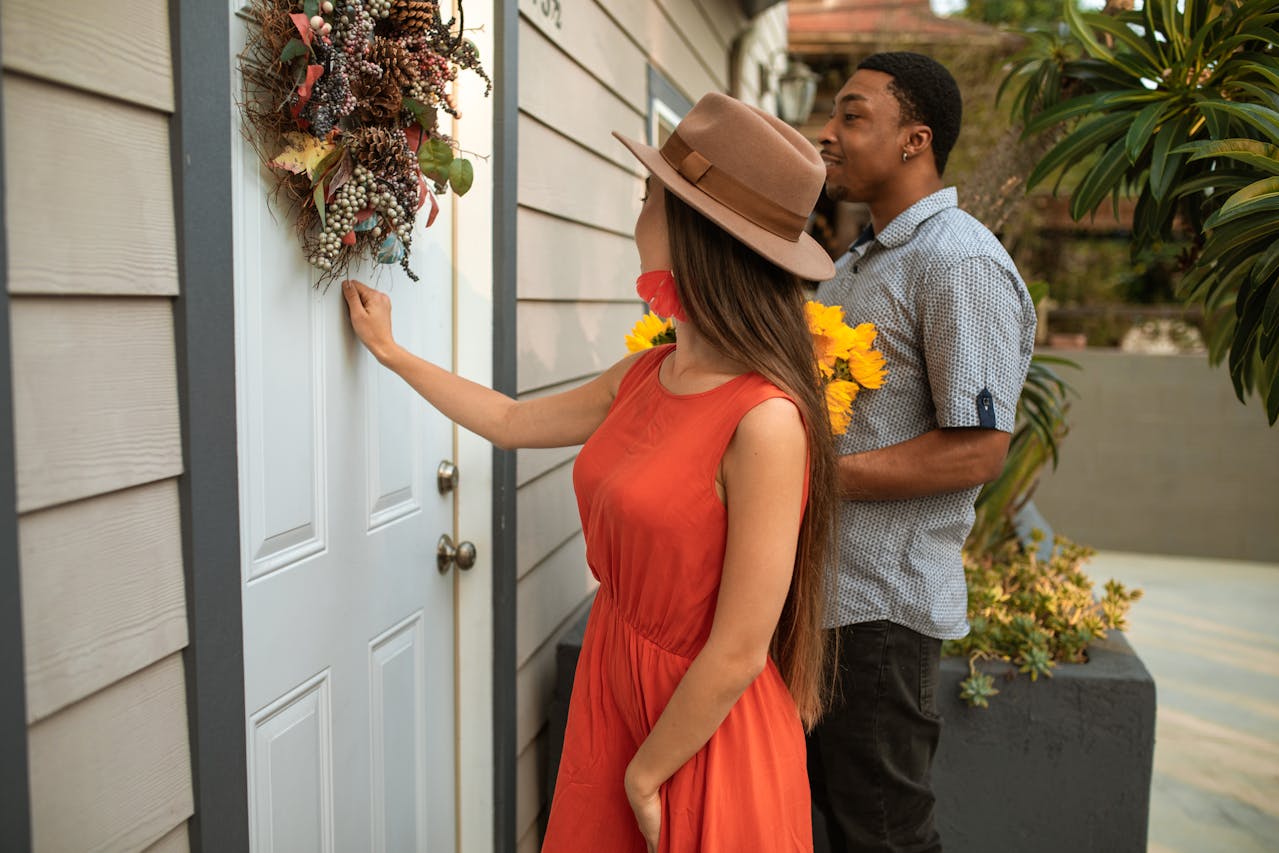
Hospitality isn’t just about offering food and a place to sit; it’s about creating an environment where people feel at ease. Sometimes, little habits we overlook can make visitors uneasy, even if we never intended it. These small details often shape whether guests feel welcomed or hesitant to come back. By paying attention to these common pitfalls, you can ensure your home leaves a warm and lasting impression.
1. Not Greeting Guests Properly
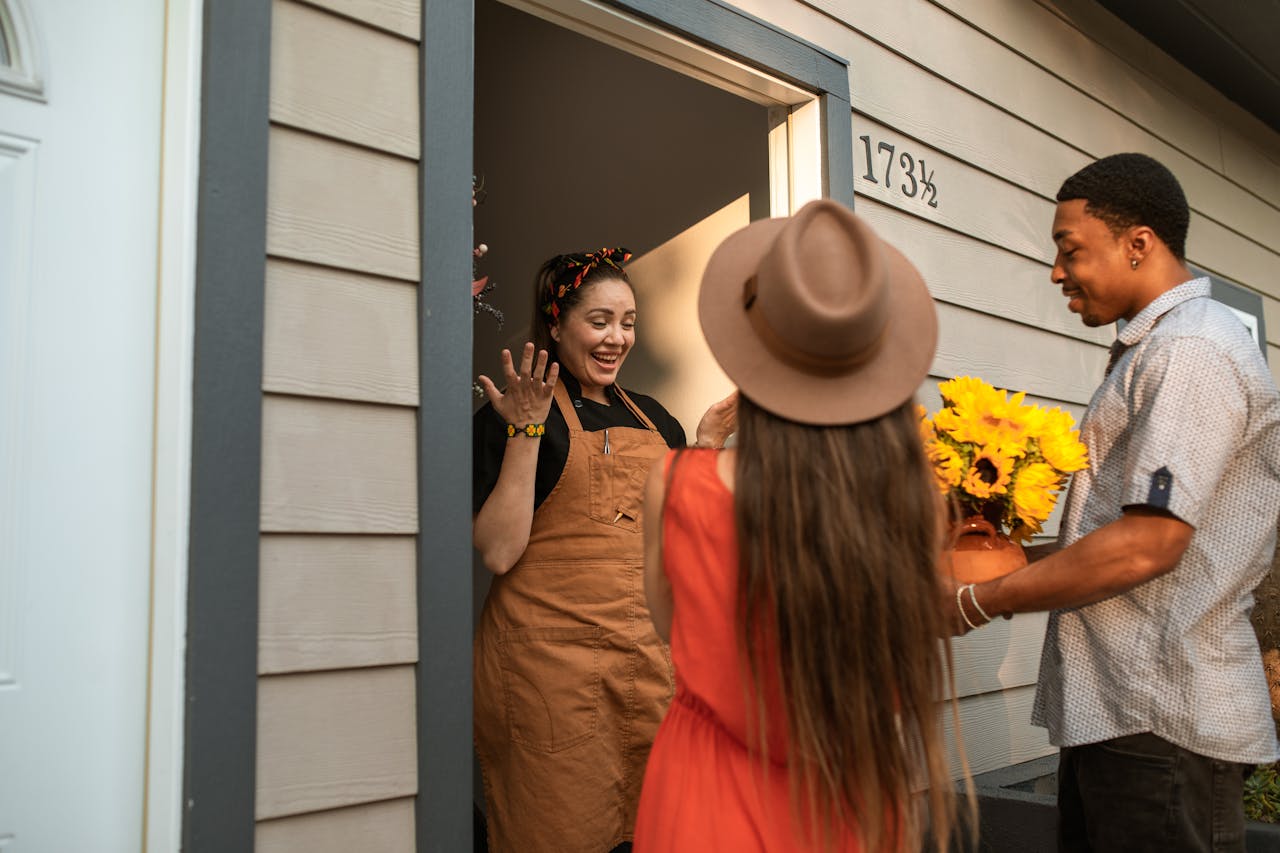
When guests arrive and you don’t take the time to greet them warmly, they may feel unimportant or overlooked. A quick nod or distracted hello sets the wrong tone and leaves visitors unsure of how welcome they really are. Even if you’re busy, stopping for a moment to make eye contact and smile goes a long way. A genuine greeting reassures them that you’re happy to have them there and sets the stage for a comfortable visit. Simple acknowledgments can make all the difference.
2. Leaving Shoes and Clutter at the Entrance
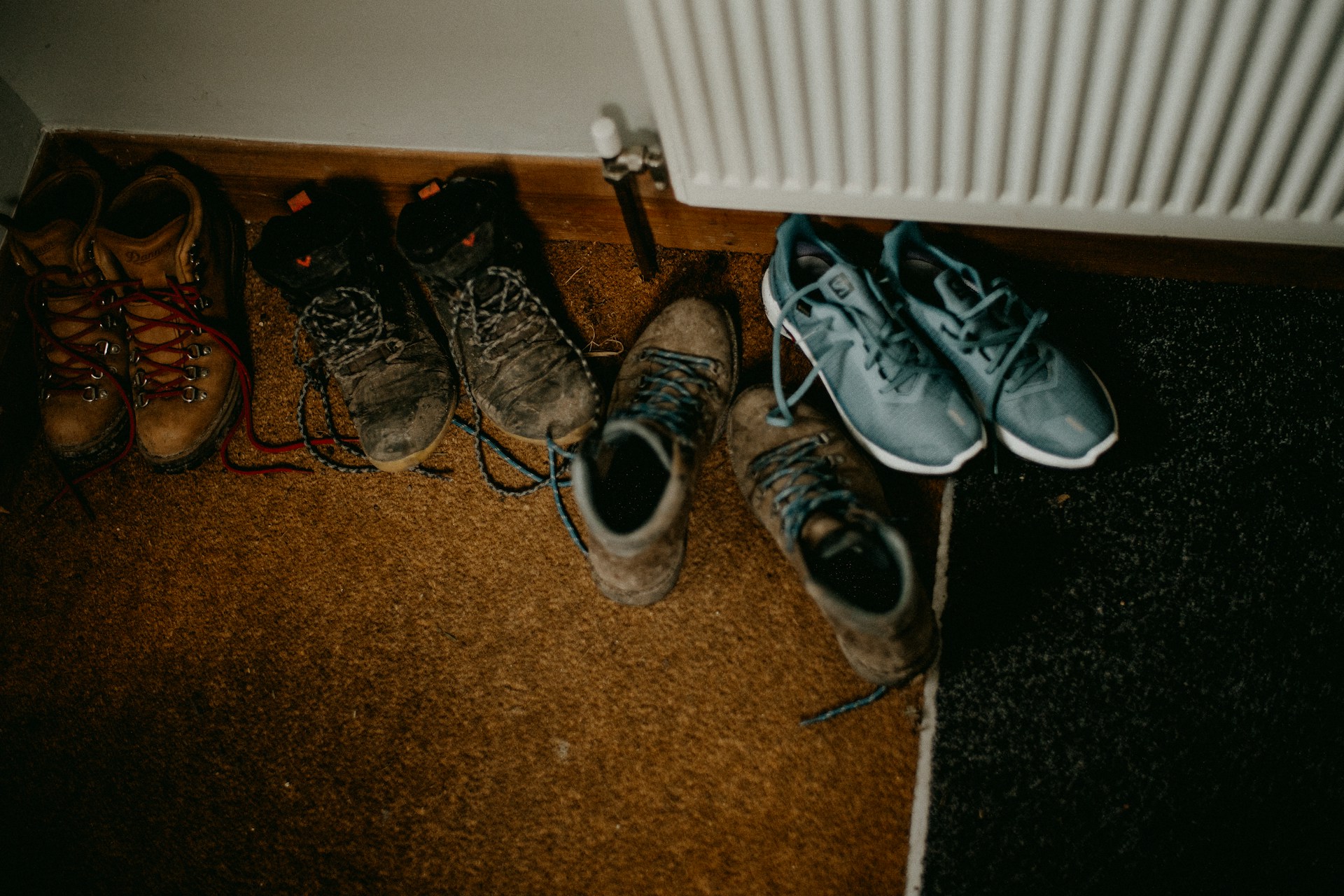
When guests walk into a cluttered entryway filled with shoes, bags, or boxes, they may feel awkward about where to stand or what to do with their own belongings. A messy first impression can also make them think your home isn’t prepared for visitors. Even if the rest of the house is neat, this small area sets the mood. Keeping it clear and organized ensures they step in with ease and don’t feel like they’re intruding into chaos.
3. Not Offering a Place to Sit Right Away
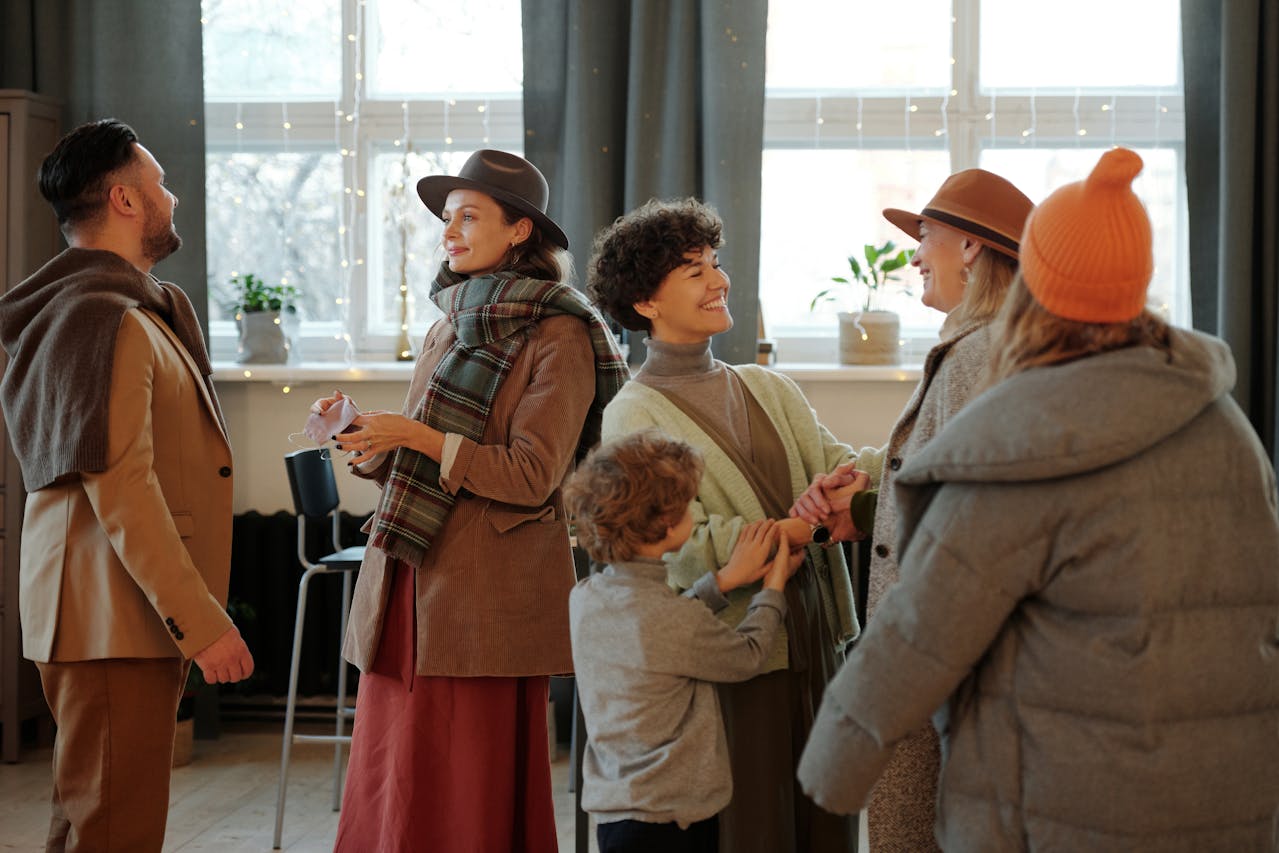
If guests walk in and aren’t guided toward a comfortable seat, they may feel like they’re left hanging in limbo. Standing around awkwardly while you finish something can make them unsure of how to settle in. Offering a clear, inviting spot signals that you’ve thought about their comfort. It shows that you want them to relax and feel part of the space immediately. Even a simple gesture of pulling out a chair makes a big difference.
4. Ignoring Temperature Comfort

A room that feels too hot, too cold, or stuffy can quickly make guests restless. While you might be used to your preferred temperature, visitors may hesitate to say anything. Checking in and adjusting the thermostat or opening a window shows attentiveness. A comfortable atmosphere makes it easier for people to focus on enjoying the moment. It signals that their presence matters enough for you to notice the small things.
5. Not Offering Refreshments

When guests visit and you don’t offer even a glass of water, it can make them feel like an afterthought. While not every gathering calls for snacks or elaborate drinks, a simple gesture goes a long way. People often feel uncomfortable asking for something to drink themselves. Providing it up front removes that awkwardness. It’s less about the beverage and more about showing basic care for their comfort and needs.
6. Over-Apologizing for Messes
Guests usually understand that homes aren’t always perfect, but constantly pointing out flaws or apologizing for clutter draws attention to it. This can make visitors uncomfortable, as they may feel pressured to reassure you or pretend not to notice. Instead, focus on making them feel welcome regardless of small imperfections. A relaxed attitude signals that you value their company more than appearances. Most people care more about how they’re treated than spotless counters.
7. Distracting Yourself with Your Phone

Checking texts or scrolling while guests are in your home makes them feel unimportant. Even brief glances can signal disinterest and create distance. Visitors notice when they don’t have your full attention, and it can make conversation feel strained. Putting your phone aside shows you value their time. It sets the stage for genuine interaction and reassures them they’re the priority in that moment. Presence often matters more than anything else you offer.
8. Talking Too Much About Household Rules
Explaining every house rule, from coasters to shoe policies, can overwhelm guests and make them feel like they’re walking on eggshells. While a little guidance is fine, overdoing it creates tension and formality. Visitors should feel like they can relax without constantly worrying about breaking something. A balance of clear but gentle communication keeps things light. The goal is to make them comfortable, not anxious about missteps.
9. Not Introducing Household Members
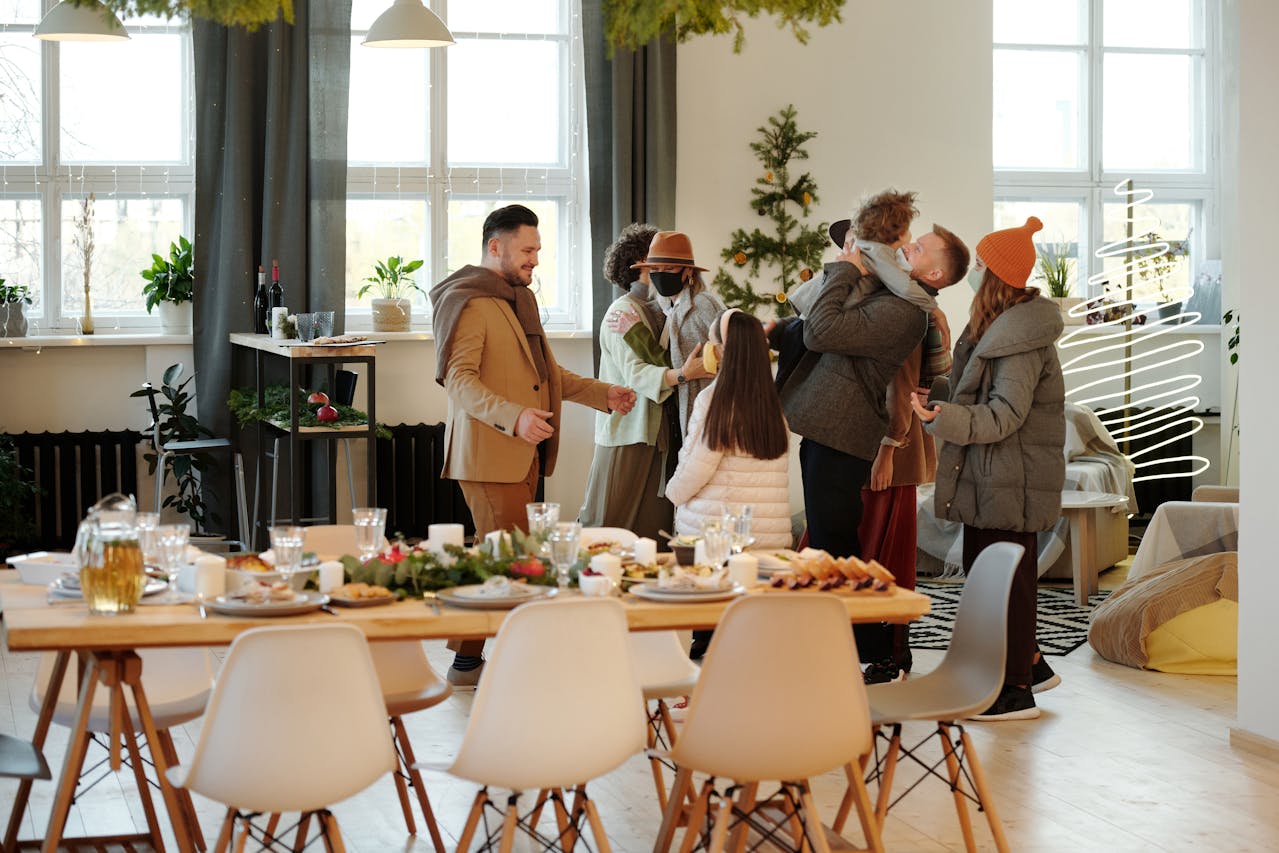
When guests encounter family members, roommates, or even pets without introductions, it can create awkwardness. People feel more at ease when they know who else is around. A quick introduction breaks the ice and helps everyone settle. It shows you’ve thought about their comfort and want them to feel part of the environment. Skipping this step can leave guests unsure of their place and hesitant to interact naturally.
10. Neglecting Bathroom Basics
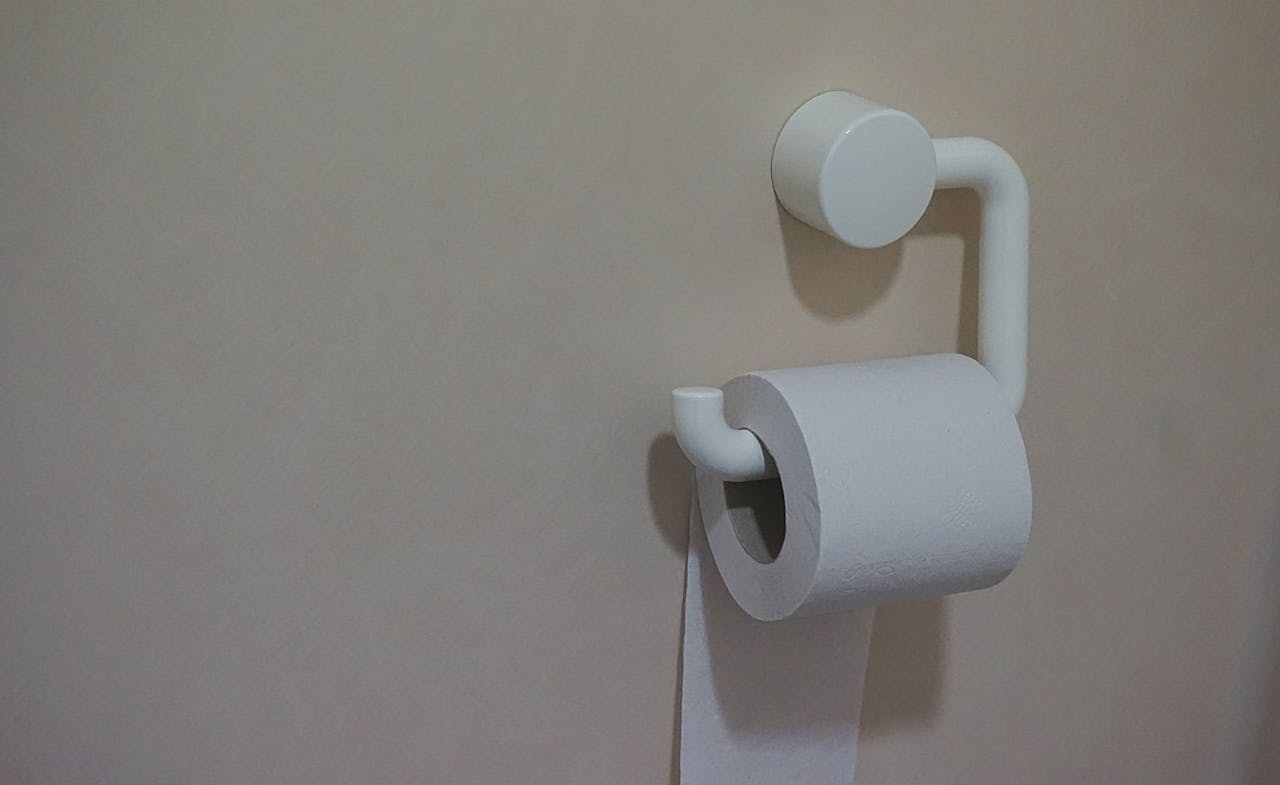
Few things make guests more uneasy than using a bathroom without essentials like soap, hand towels, or extra toilet paper. It signals that their needs weren’t anticipated. A simple check before visitors arrive avoids embarrassment and ensures they don’t have to ask. Stocking basics shows care and consideration. Guests will appreciate the effort, even if they don’t say so, and it makes the visit more comfortable overall.
11. Over-Highlighting House Upgrades
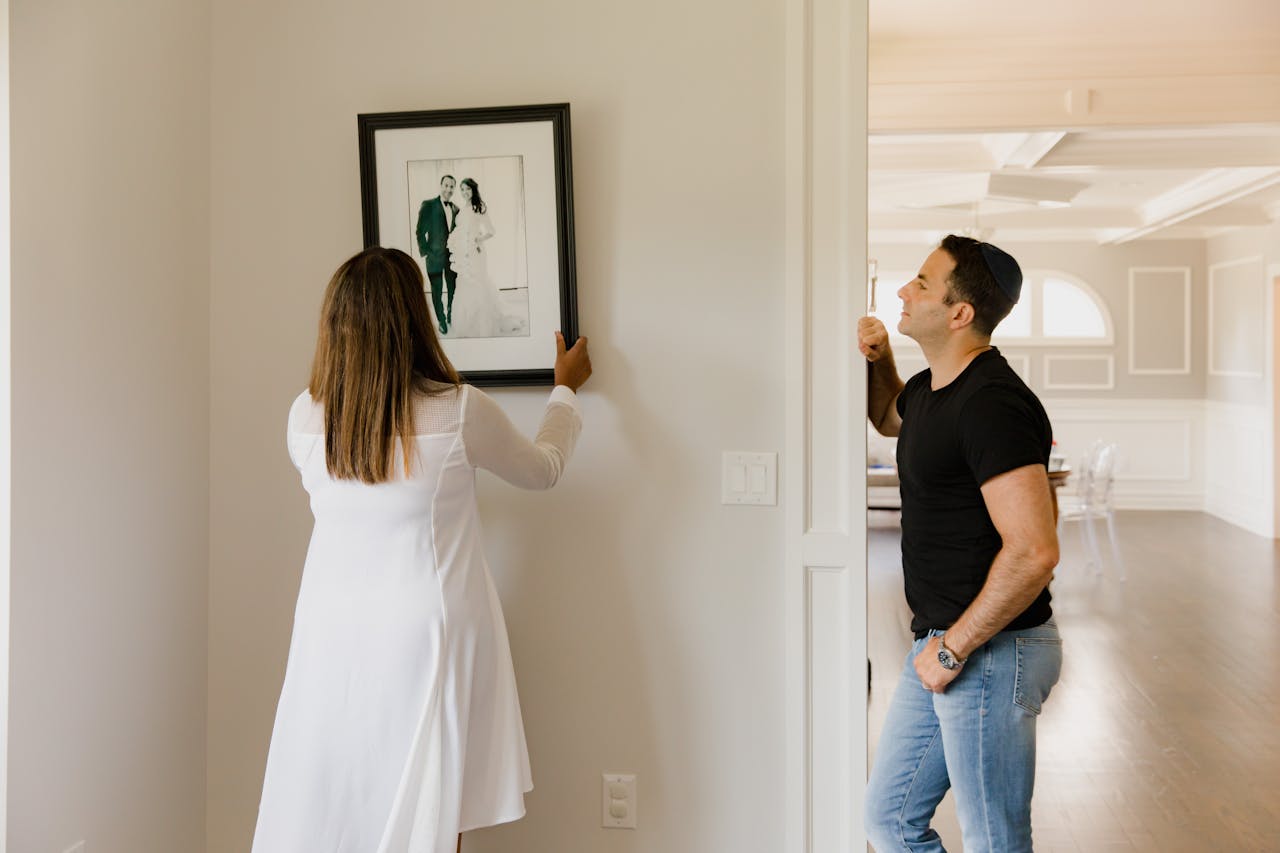
Constantly pointing out new furniture, décor, or renovations can make guests feel like they’re being compared to your home or lifestyle. While it’s natural to share excitement, too much emphasis can come off as showing off. Visitors want to feel connected, not like they’re part of a tour. Keeping the focus on shared moments rather than material updates makes everyone more comfortable. Humility always fosters warmth.
12. Forgetting to Say Goodbye Warmly
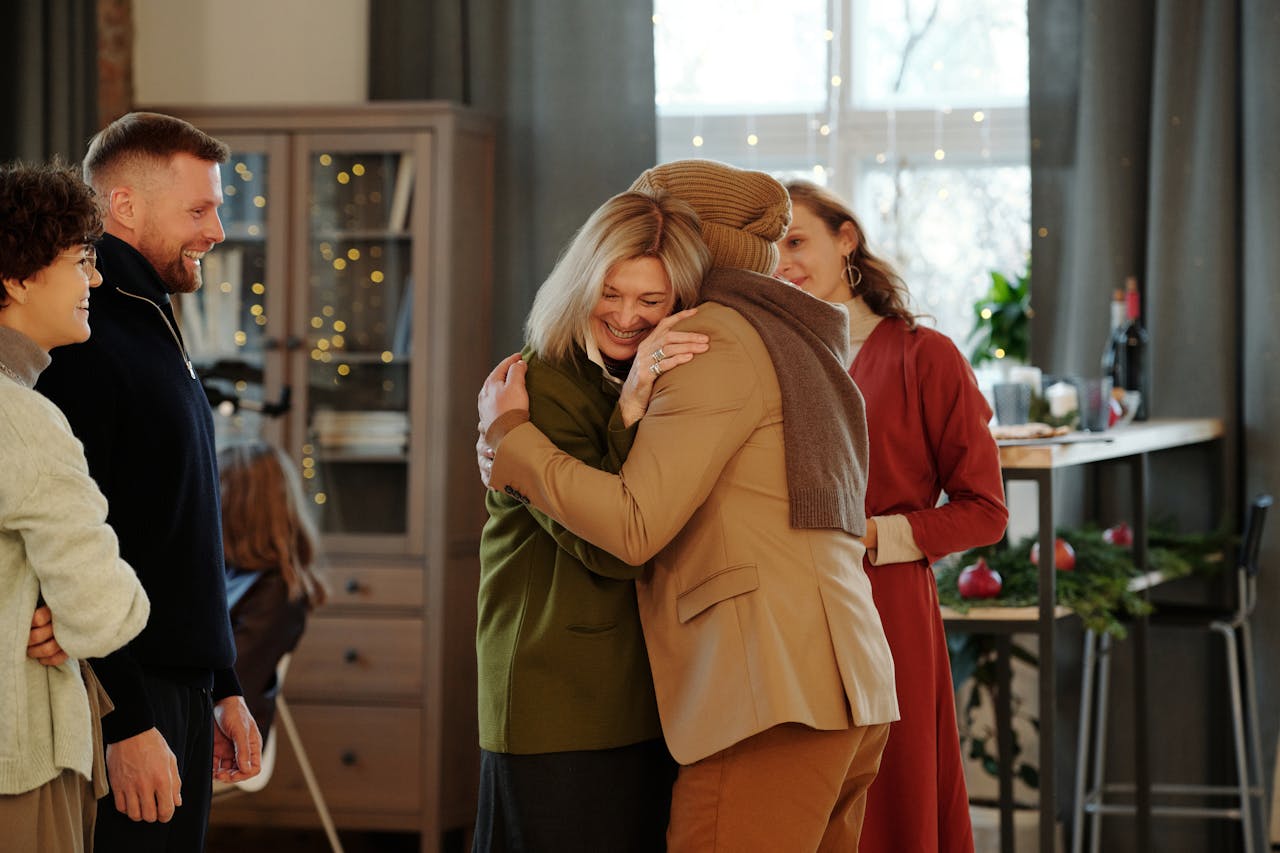
Just as greetings set the tone, farewells leave the final impression. A rushed or distracted goodbye can make guests feel dismissed. Taking a moment to walk them to the door, thank them for coming, and wish them well creates closure. It reassures them that you valued their presence. A thoughtful farewell often lingers in memory as much as the visit itself and encourages future connection.
Making your guests comfortable doesn’t require perfection, just attentiveness and care. By avoiding these simple but common habits, you can turn your home into a place people love to return to. Hospitality is more about warmth than effort, and small gestures often leave the biggest mark.