The 1970s were a very different era in American schools. Rules were more relaxed in some ways, yet discipline could be surprisingly harsh compared to today. Students were often given freedoms that would shock modern parents while also enduring restrictions and punishments now considered unacceptable. These traditions defined the school culture of the time but would never be tolerated by kids today.
Smoking Areas for Students

In the 1970s, many high schools had designated smoking areas for students and staff. Teenagers could be seen gathering outside during breaks, puffing cigarettes with little objection from teachers. Today, such a practice would be unthinkable due to strict anti-smoking laws and awareness of health risks. The casual acceptance of smoking at school highlights how differently health was viewed at the time.
Corporal Punishment as Discipline

Physical punishment was still widely used in schools during the 70s, with paddles, rulers, or even hands employed to discipline students. Many teachers saw this as a natural part of maintaining order in the classroom. Today, corporal punishment has been banned in most schools and is considered damaging to a child’s development. The shift reflects a broader cultural move toward positive reinforcement and psychological understanding of children.
Strict Dress Codes and Gender Rules

Though styles like bell-bottoms and long hair were popular, schools often enforced strict dress codes, especially targeting girls. Hemlines, skirt lengths, and even hairstyles were monitored closely, with violations leading to discipline. Today, most schools allow students far more freedom of expression, and gender-based rules would be challenged. The rigid enforcement of appearance shows how schools once prioritized conformity over individuality.
Limited Access to Technology

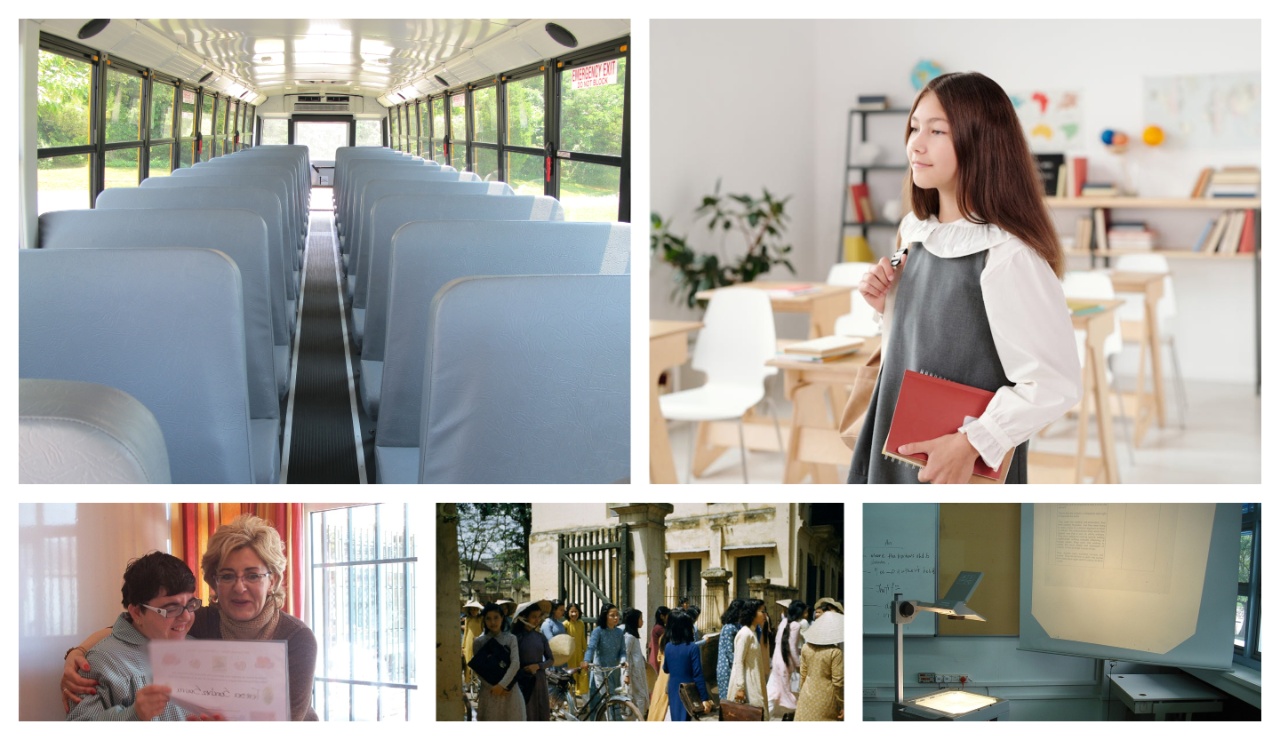
In the 70s, classrooms had no personal computers, cell phones, or digital aids. Students relied solely on chalkboards, textbooks, and handwritten notes. Research meant long hours at the library rather than quick searches online. Today’s students, accustomed to instant access to information, would find such limitations frustrating and even unimaginable.
Riding Bikes Without Helmets to School

Many students in the 1970s rode their bikes to school, often without helmets or other protective gear. Safety regulations were minimal, and the focus was on independence rather than caution. Modern parents would not accept such risks, and schools today often enforce strict safety guidelines. This tradition reflected a time when personal freedom outweighed structured safety measures.
Leaving Campus During Lunch
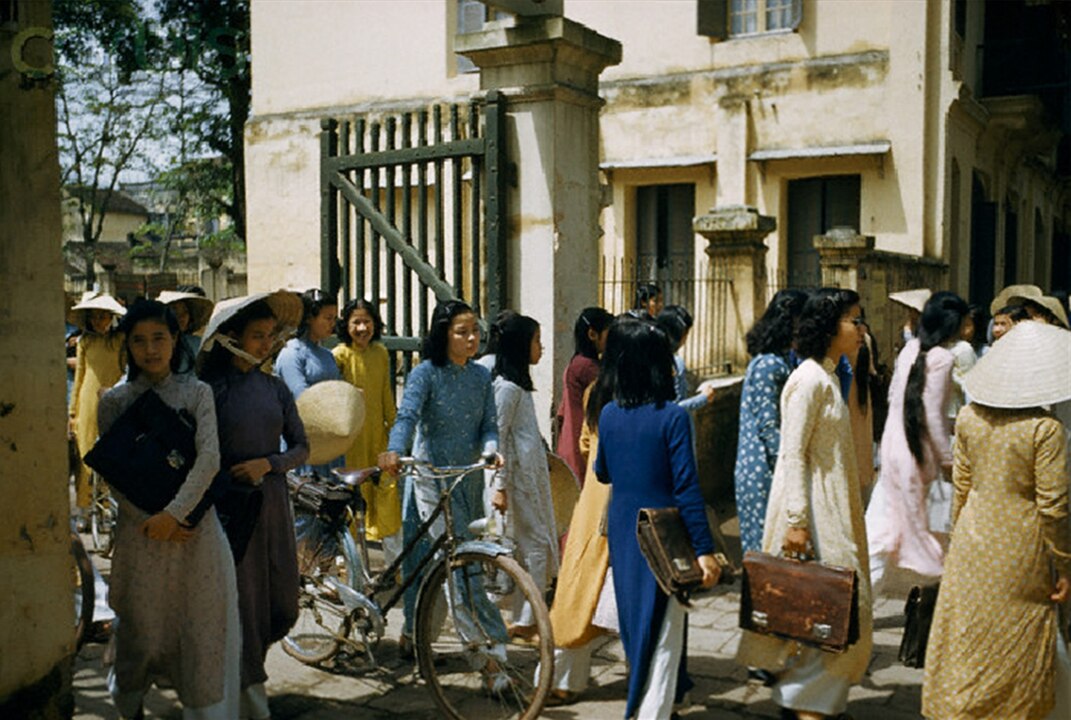
At many schools, students were allowed to leave campus during lunch to buy food at nearby diners or stores. The practice was seen as a privilege for older students, but it lacked the supervision expected today. Modern schools typically keep students on campus to ensure safety and accountability. Allowing teenagers to wander unsupervised would likely meet resistance from today’s parents and administrators.
Sharing Supplies and Drinks
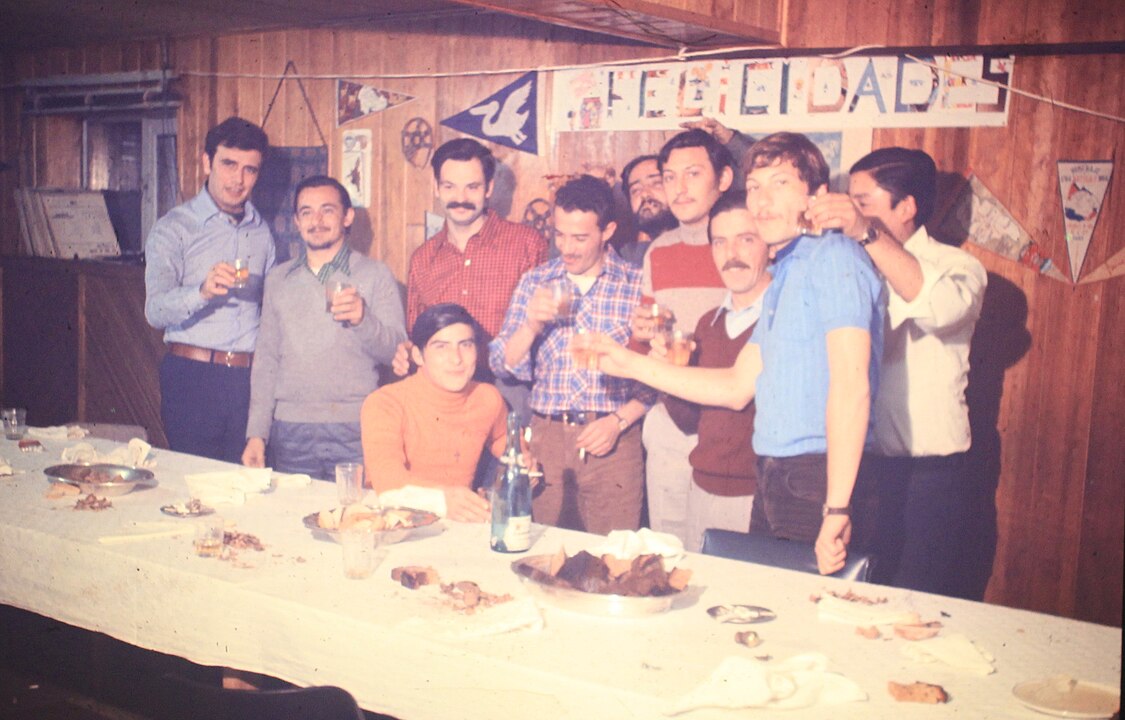
It was common in the 70s for students to share pens, food, and even drinks without concern. Hygiene was not as heavily emphasized, and hand sanitizer was unheard of. Today, with greater awareness of germs and the lingering effects of global health concerns, this casual sharing would raise alarm. The carefree attitude of the past contrasts sharply with modern health-conscious classrooms.
Chalk Dust and Overhead Projectors
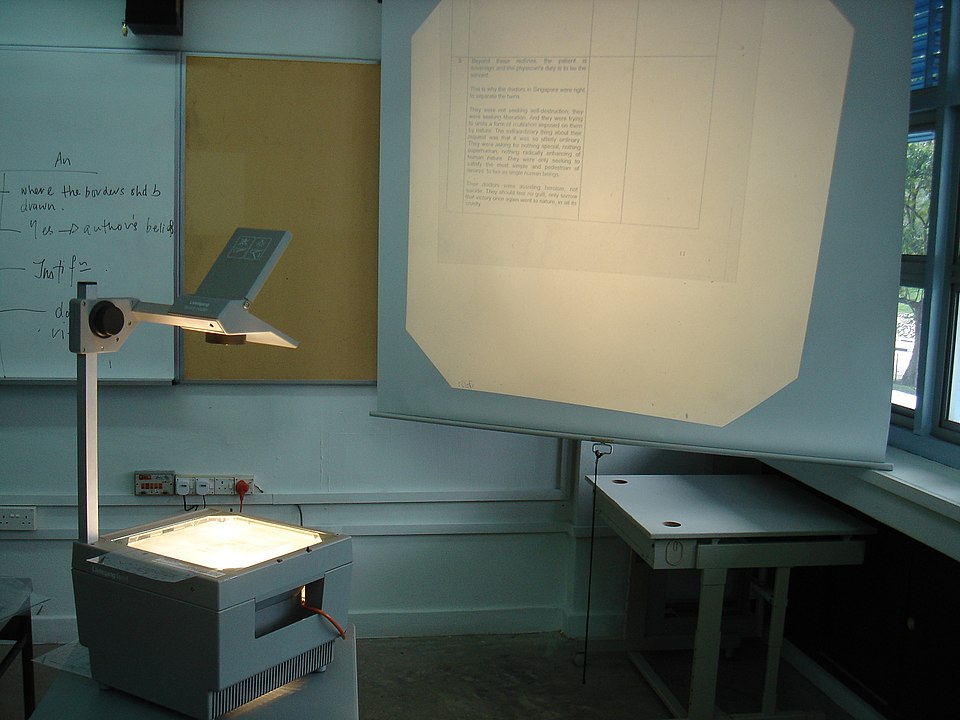
Every classroom in the 70s was dominated by chalkboards, with students and teachers breathing in clouds of chalk dust daily. Overhead projectors with transparent sheets were considered advanced technology. Today’s interactive whiteboards and digital projectors have made such tools obsolete. Kids used to touchscreens would balk at erasing chalkboards as part of their daily routine.
Tracking and Segregated Classes
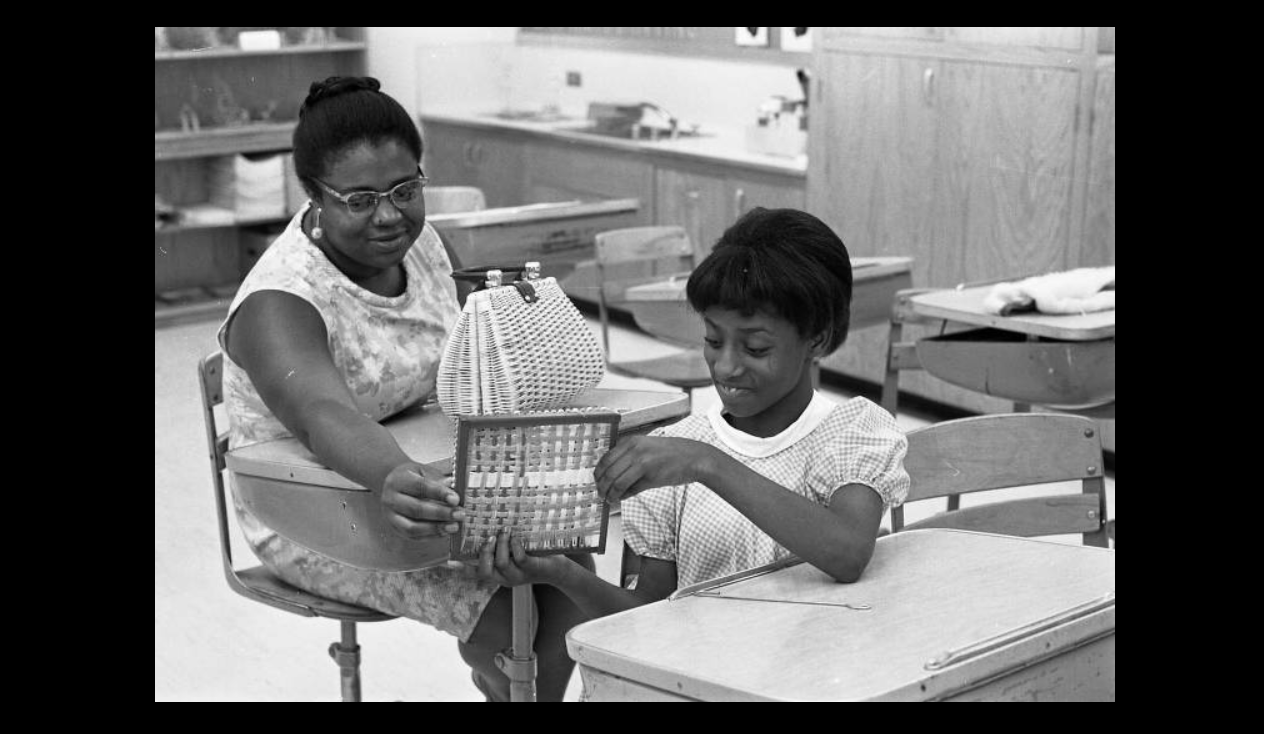
Schools in the 70s often used tracking systems to divide students into academic levels. While it was intended to tailor instruction, it sometimes led to unfair segregation and limited opportunities for advancement. Today, there is greater emphasis on inclusive classrooms and differentiated learning. The rigid categorization of the past would be heavily criticized today.
Minimal Attention to Special Education
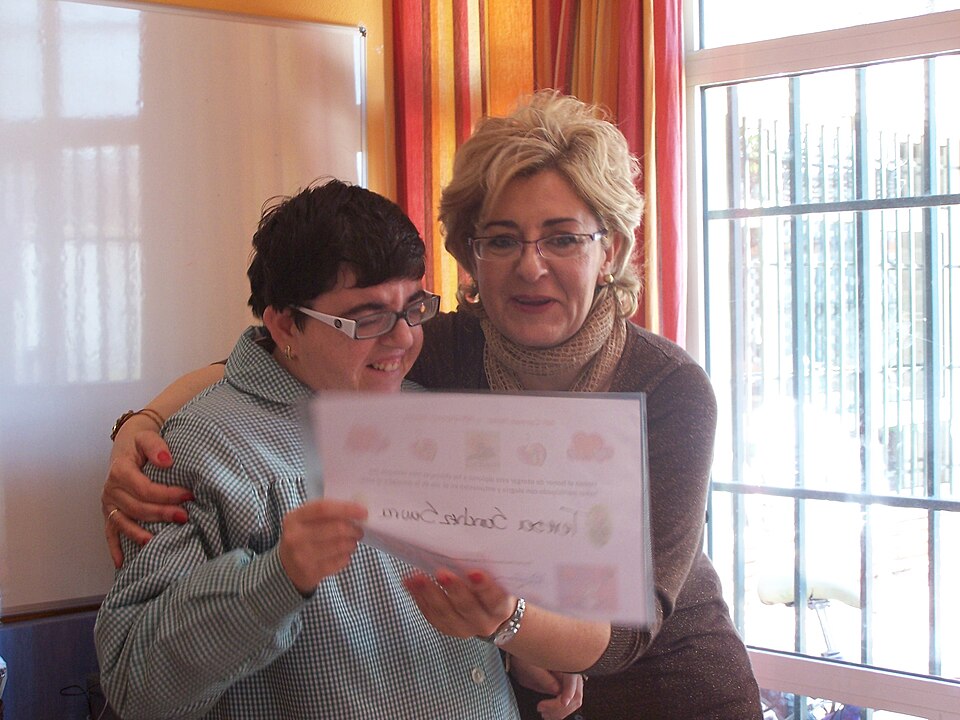
Special education was only beginning to gain attention in the 70s, and many students with learning differences were overlooked or underserved. Resources were minimal, and awareness of diverse learning needs was far less developed. Today, schools offer specialized programs, individualized education plans, and broader support. The neglect of these students in the past would be considered unacceptable today.
Limited Extracurricular Options

Extracurricular activities in the 70s were often limited to traditional sports, band, or a handful of clubs. Opportunities for creative arts, cultural organizations, or niche interests were scarce. Today’s schools offer a wide variety of activities to meet diverse student passions. Kids now would find the lack of options from the past frustrating and restrictive.
School Buses Without Seatbelts
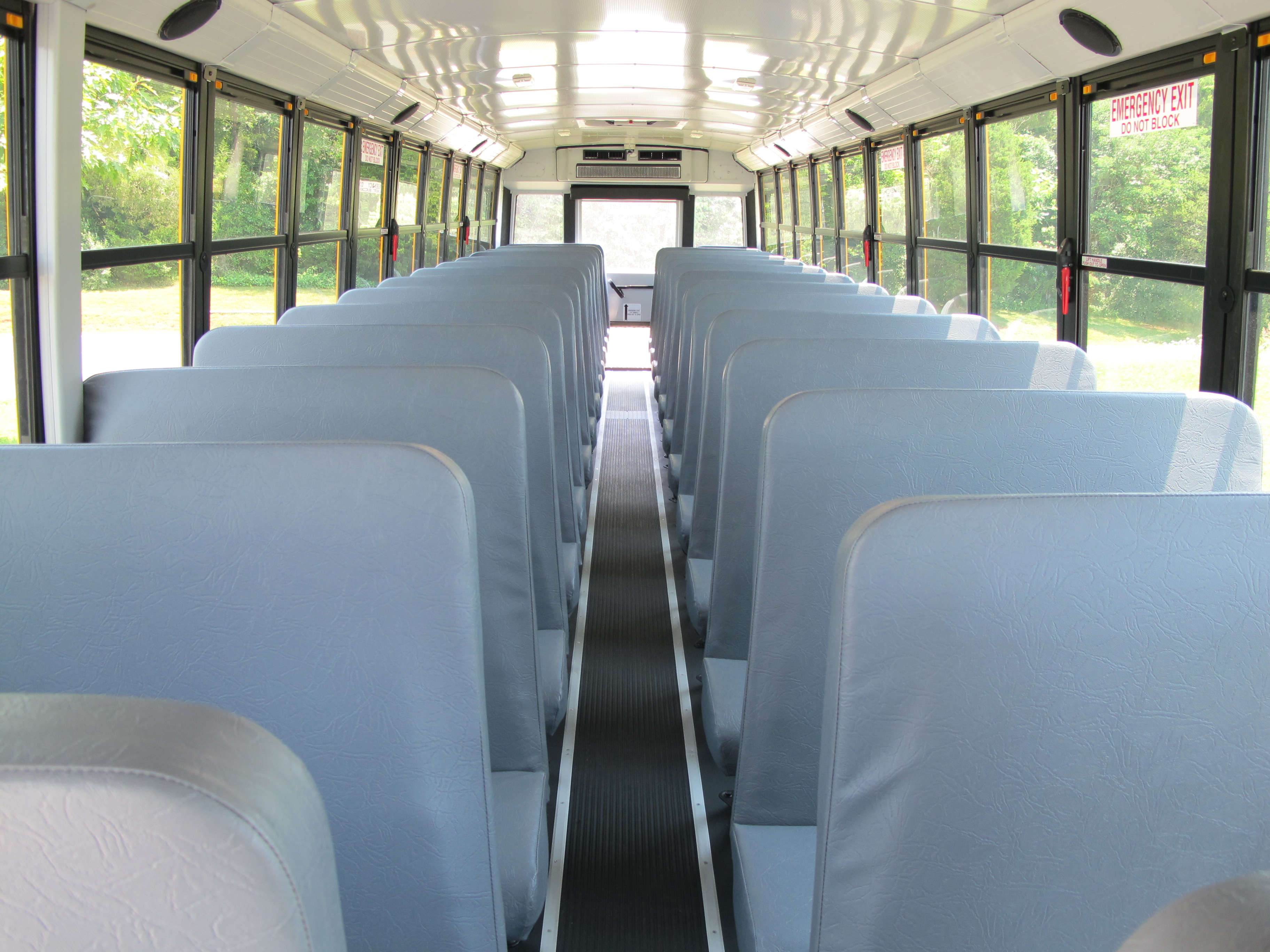
School buses in the 70s often had no seatbelts, and safety standards were not as stringent as they are today. Children frequently stood, moved around, or sat with multiple kids crammed into one seat. Today, school transportation is strictly regulated, with seatbelts and reinforced safety measures. The casual approach to bus safety in the 70s would never be tolerated now.