School supplies from the 1950s reflect a world far simpler than today’s digital classrooms. Children relied on sturdy, practical tools built to last the entire school year, many of which have since vanished from modern education. These items were born from post-war frugality, handwritten learning, and a culture that valued neat penmanship, personal responsibility, and durability. For today’s students raised on tablets, smartboards, and mechanical pencils, the everyday objects of 1950s classrooms feel almost foreign. Here are some of the most memorable school supplies from the era that kids today will never encounter again.
Metal Lunch Boxes with Matching Thermoses
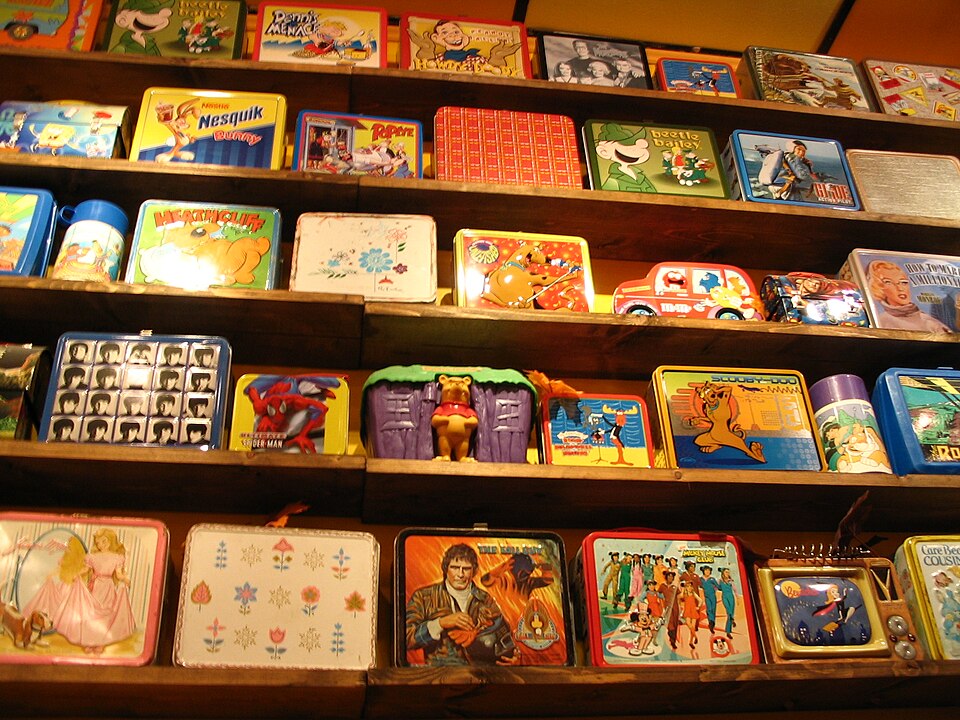
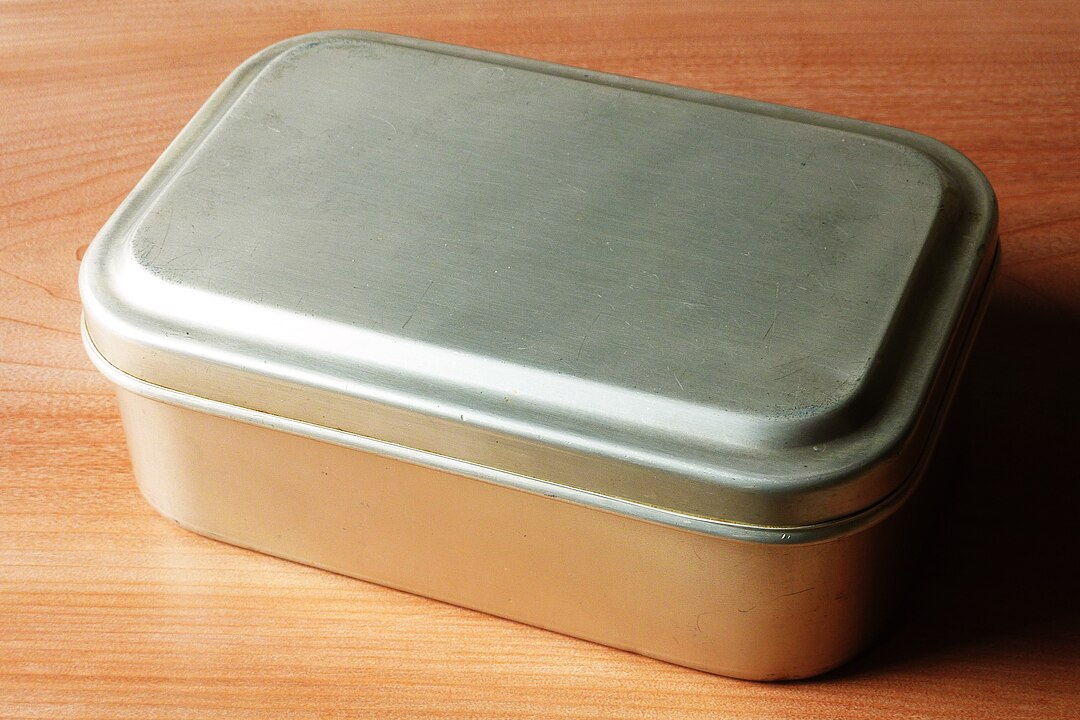
In the 1950s, metal lunch boxes were not just containers, they were childhood companions decorated with cowboy heroes, space explorers, and cartoon characters. These sturdy boxes often came with a glass-lined thermos that kept soup warm or milk cold. Although beloved, the thermoses were fragile and prone to breaking when dropped, something children learned the hard way. Today, insulated plastic and stainless steel alternatives have taken their place, offering safer and lighter options. The charm and collectability of these classic lunch boxes still live on, but they rarely appear in classrooms.
Fountain Pens for Everyday Writing
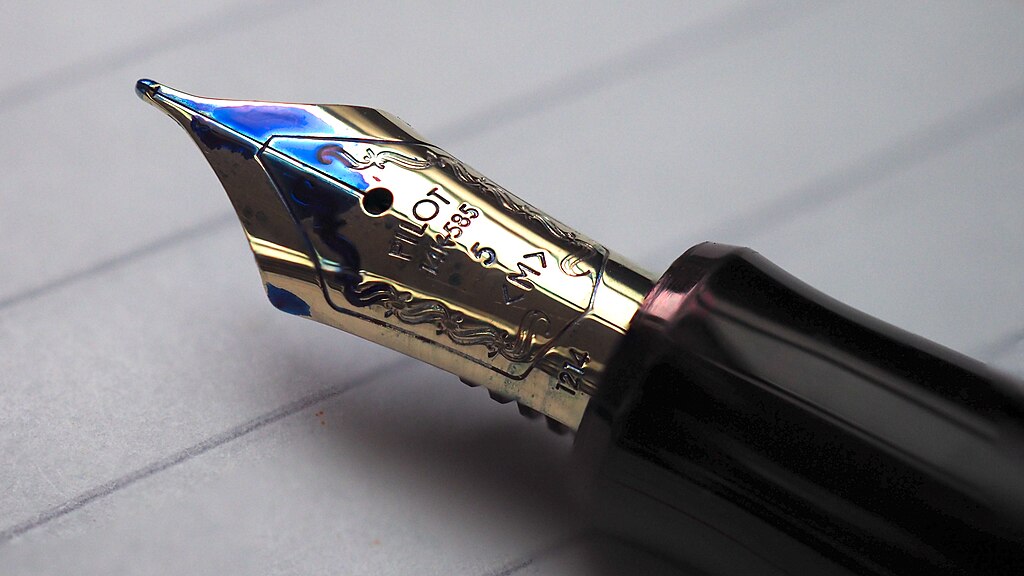
Before disposable pens became mainstream, many children used fountain pens for daily schoolwork. Students filled these pens with ink from small glass bottles, requiring care, patience, and good control. Spilled ink and stained fingers were common, but the pens encouraged neat cursive writing and long-lasting craftsmanship. Today’s classrooms rely on ballpoints, gel pens, and digital writing tools that require little maintenance. The ritual of filling and cleaning a fountain pen has become a lost art for modern students.
Big Chief Writing Tablets
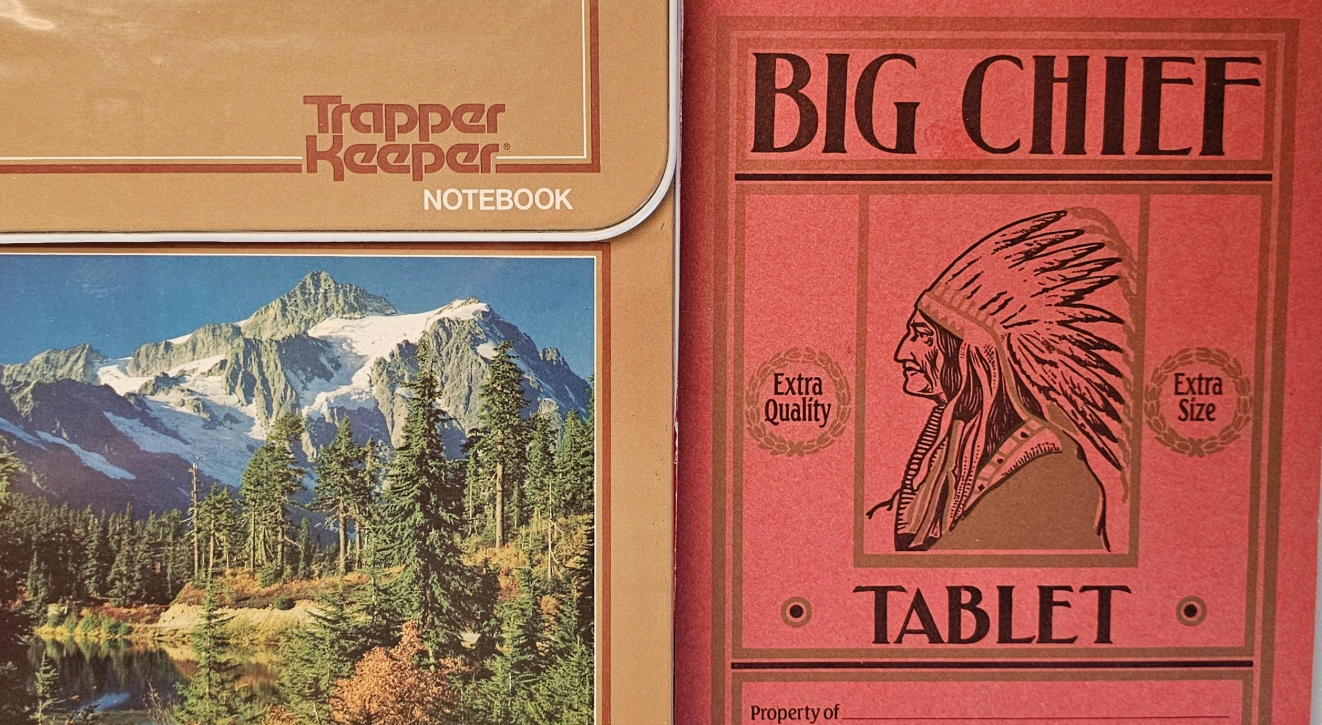
The Big Chief tablet was a staple in every elementary classroom, instantly recognizable by its bright red cover. Its wide-ruled pages helped children practice handwriting, spelling, and arithmetic. The thick, soft paper often tore easily, but its simplicity made it perfect for early learners. As notebooks evolved and paper quality improved, these iconic tablets faded from store shelves. Today’s students might never experience their nostalgic feel.
Slide Rules for Math and Science
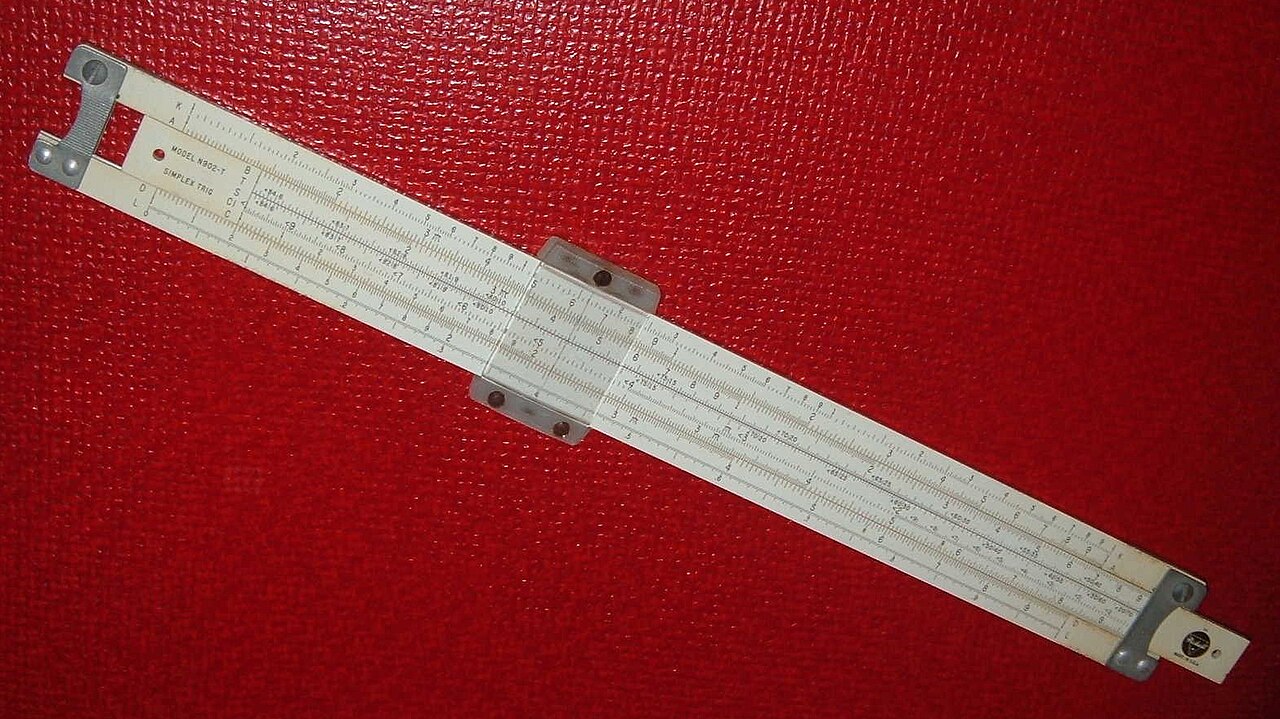
Long before calculators were affordable, slide rules served as essential calculation tools for older students. They allowed users to multiply, divide, and solve complex functions with surprising accuracy. Mastering the slide rule required practice, making it a rite of passage for many teenagers headed into technical fields. Once electronic calculators became inexpensive and portable, slide rules vanished almost overnight. Today, most students would struggle to identify one, let alone use it.
Ink Erasers with Brush Tips
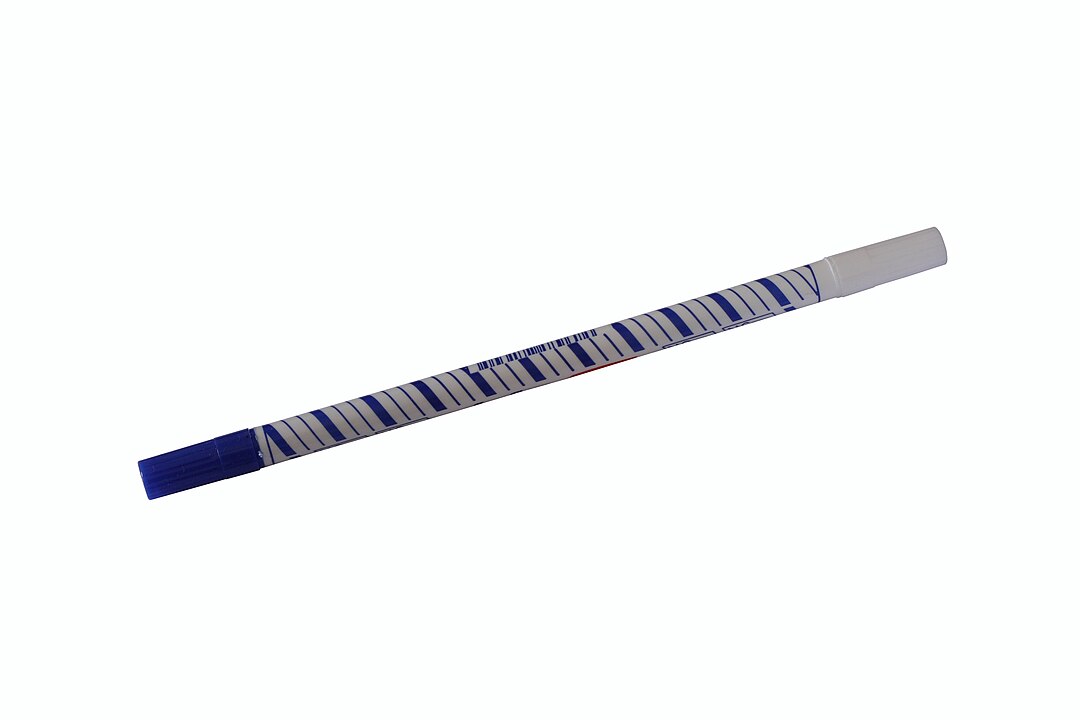
Mistakes in penmanship class were corrected using special ink erasers made from abrasive rubber. These erasers removed ink by scraping away a thin layer of paper, leaving behind rough patches. The attached brush swept away crumbs and fibers, helping tidy the page after correction. While effective, they could damage notebooks if used too aggressively. Modern correction tools like erasable pens and correction tape have made these erasers obsolete.
Pencil Boxes Made of Metal
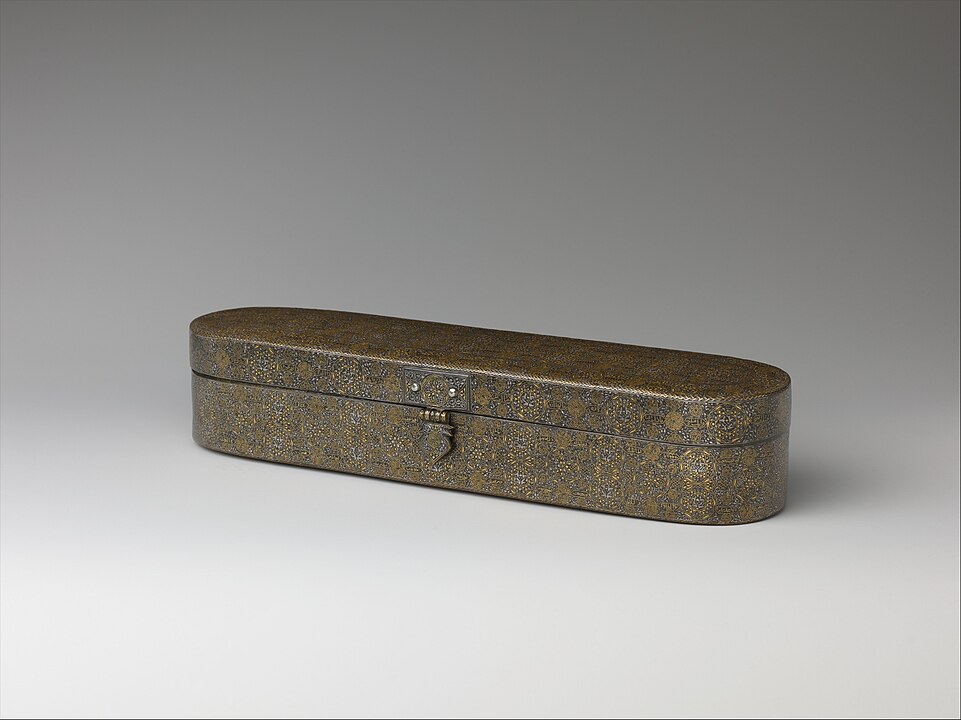
Metal pencil boxes were common in the 1950s, often decorated with embossed designs or simple utilitarian finishes. They kept pencils, sharpeners, and erasers neatly organized, though they dented easily and made noise when dropped. Wooden versions also existed, sliding open with satisfying precision. Today’s pencil cases are usually made of fabric, silicone, or plastic for lighter weight and more flexible storage. The rigid, metallic pencil box has become a relic of another time.
Composition Books with Marbled Covers
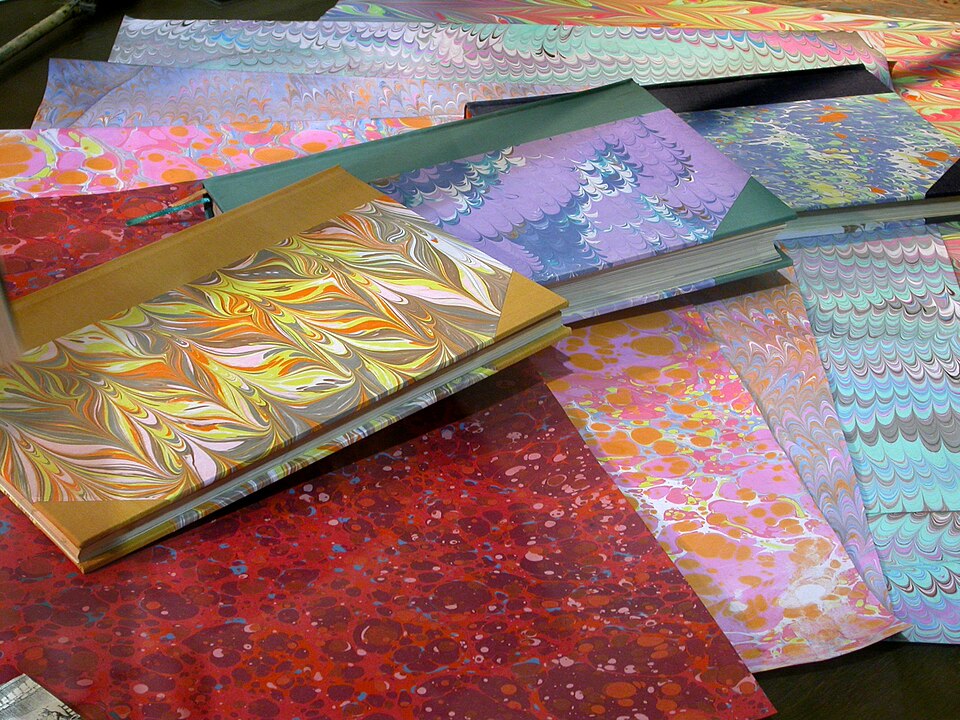
While composition books still exist, the 1950s versions featured heavier paper, sewn bindings, and distinctive marbled covers that rarely appear today. Students used them for spelling tests, essays, and penmanship practice. Their durability made them ideal for subjects requiring long-term notes. Modern versions are lighter and cheaper but often lack the sturdiness of their mid-century counterparts. The original classic design has largely disappeared from everyday use.
Chalkboard Slates for Individual Work
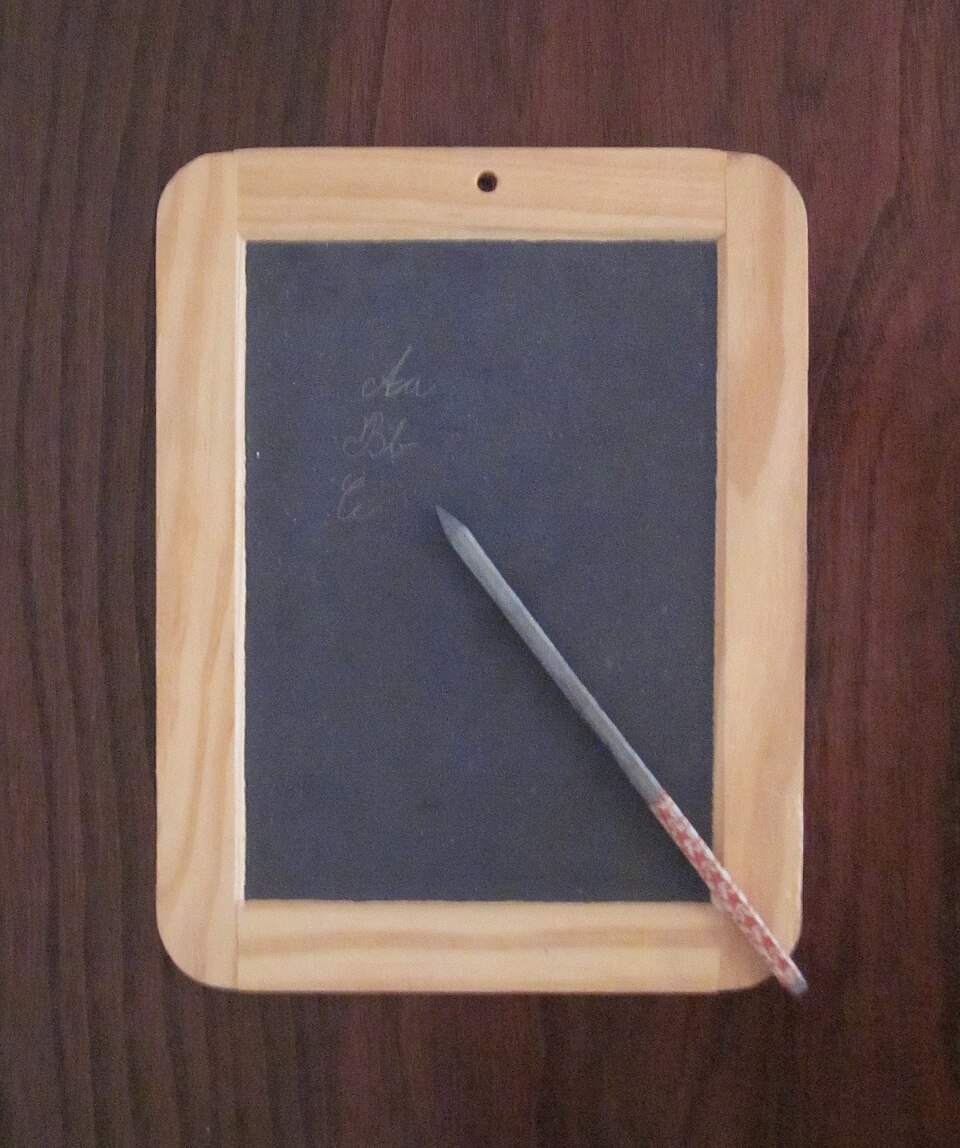
Individual chalkboard slates allowed students to practice math problems and writing before transferring final answers to paper. They were reusable and cost-effective, making them perfect for classrooms with limited supplies. Children carried small pieces of chalk and erasers, often made from felt or cloth scraps. Whiteboards and digital tablets have entirely replaced this hands-on learning tool. The dusty charm of personal slates is all but forgotten.
Crayon Sharpeners with Metal Blades
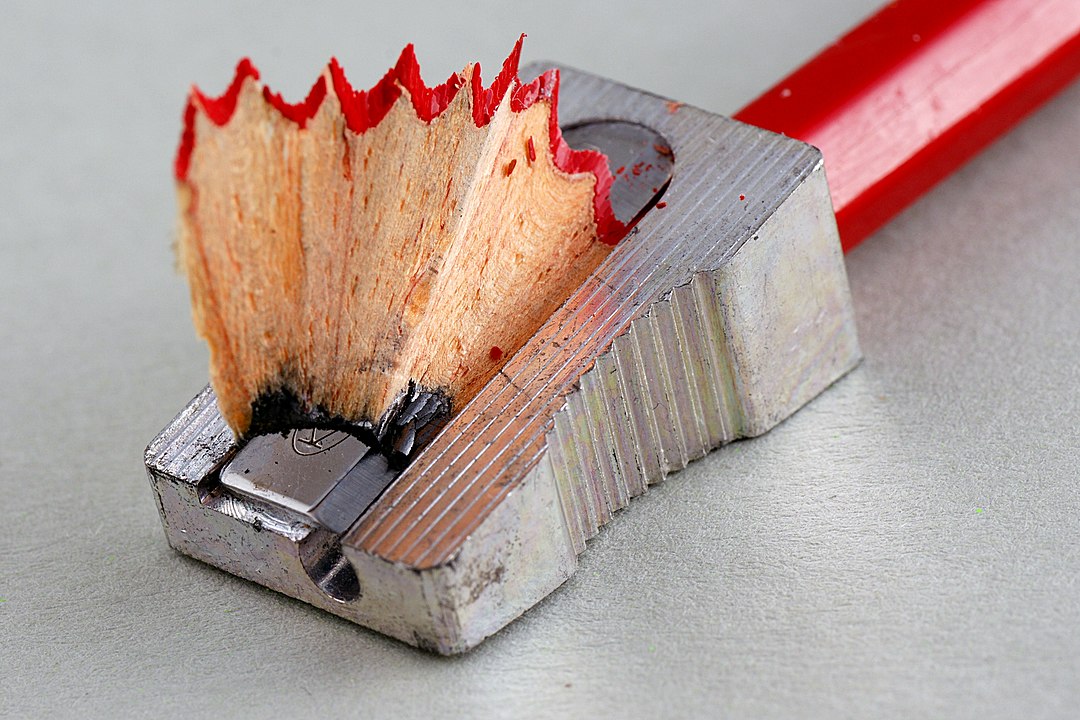
In the 1950s, many crayon boxes came with built-in metal sharpeners that helped kids maintain a perfect point. While helpful, these sharpeners sometimes broke crayons or created messes of colorful shavings. Today’s crayons are designed to be used without sharpening, emphasizing durability and chunkier shapes for younger students. Standalone sharpeners have largely disappeared from classrooms. This small but memorable item is rarely seen today.
Paste Pots with Wooden Sticks
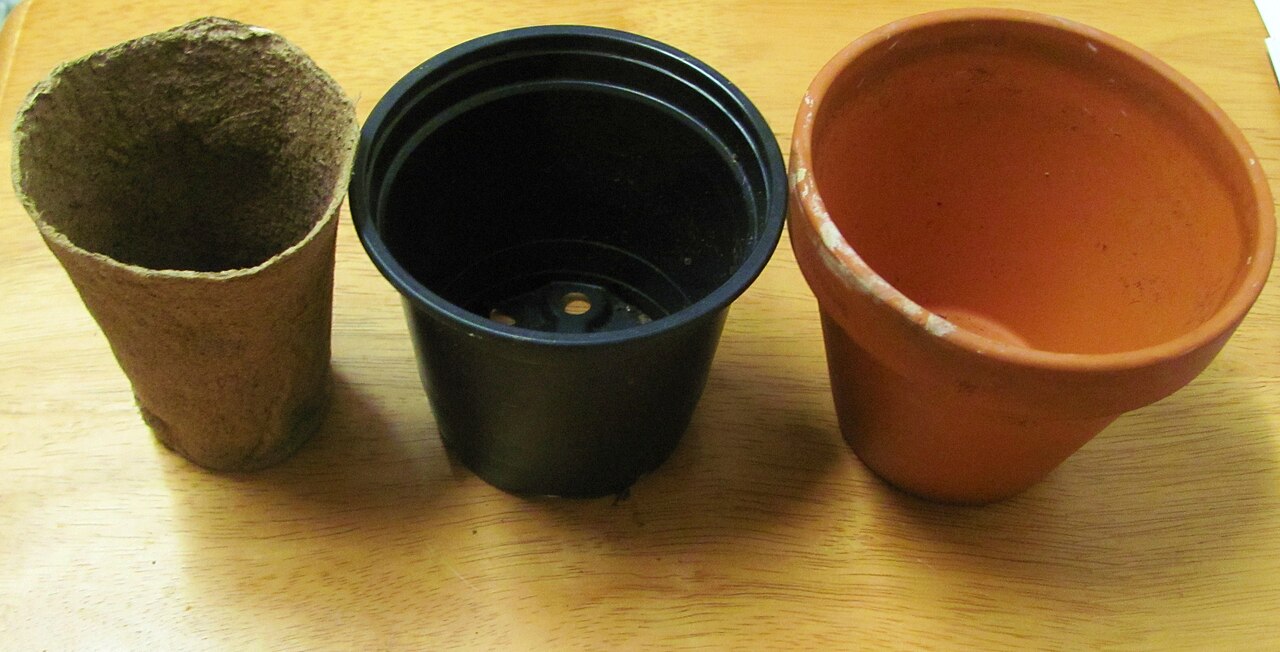
Before glue sticks and squeeze bottles became standard, children used paste pots filled with thick, sticky paste. Each jar came with a wooden applicator or brush attached to the lid. The paste had a distinctive smell and texture that older generations remember vividly. These jars were prone to drying out or turning gummy, making them less practical over time. Modern adhesives have eliminated the need for this messy classic.
Heavy Wooden Rulers with Metal Edges
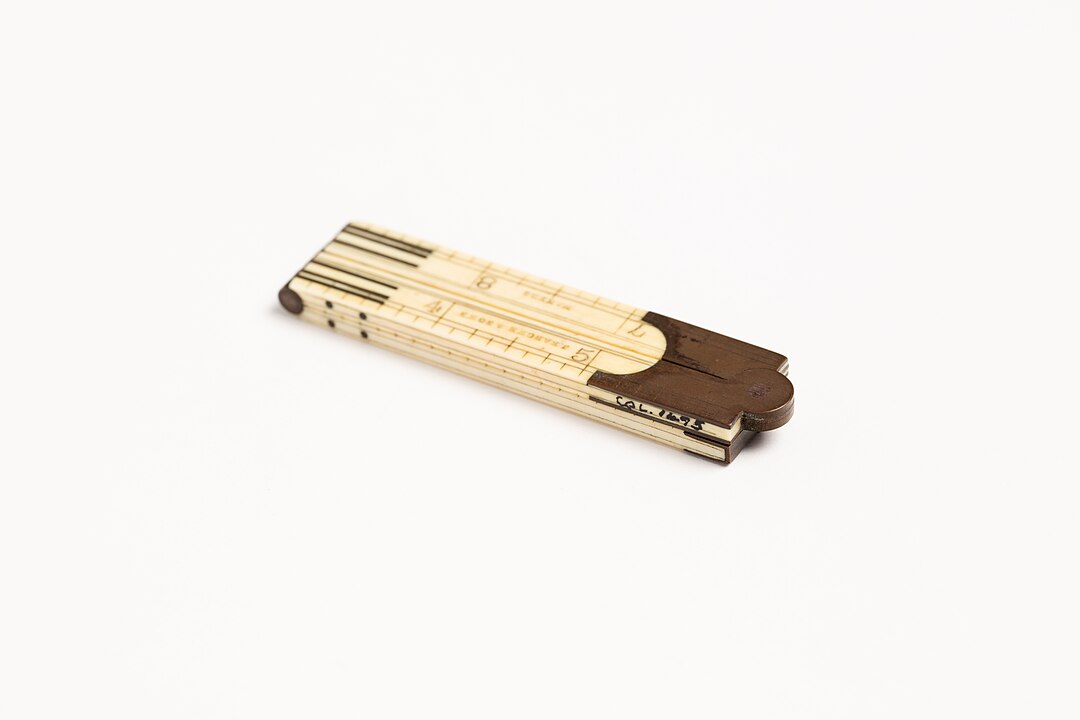
Sturdy wooden rulers were common in classrooms, reinforced with metal edges to prevent wear and bending. These rulers lasted for years and doubled as straightedges for drawing lines. While functional, they also had a reputation for being used by strict teachers as disciplinary tools in some schools. Today’s rulers are lighter and usually made of plastic to improve safety and reduce cost. The traditional wooden ruler with a metal strip has mostly vanished.
Cloth Book Bags Without Zippers
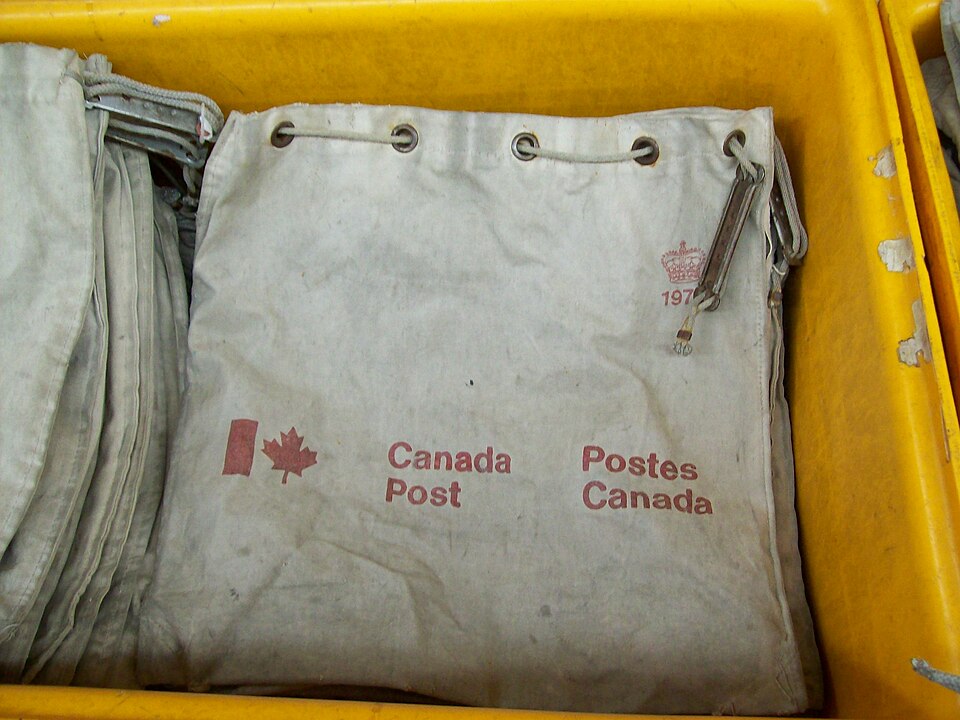
Before backpacks became mainstream, children carried their books in simple cloth or canvas book bags. These bags had no zippers and often closed with drawstrings or flaps. They were lightweight but offered little protection against rain or heavy loads. As textbooks grew larger and students carried more supplies, sturdier backpacks replaced these soft bags. Modern students rarely encounter these simple carryalls.