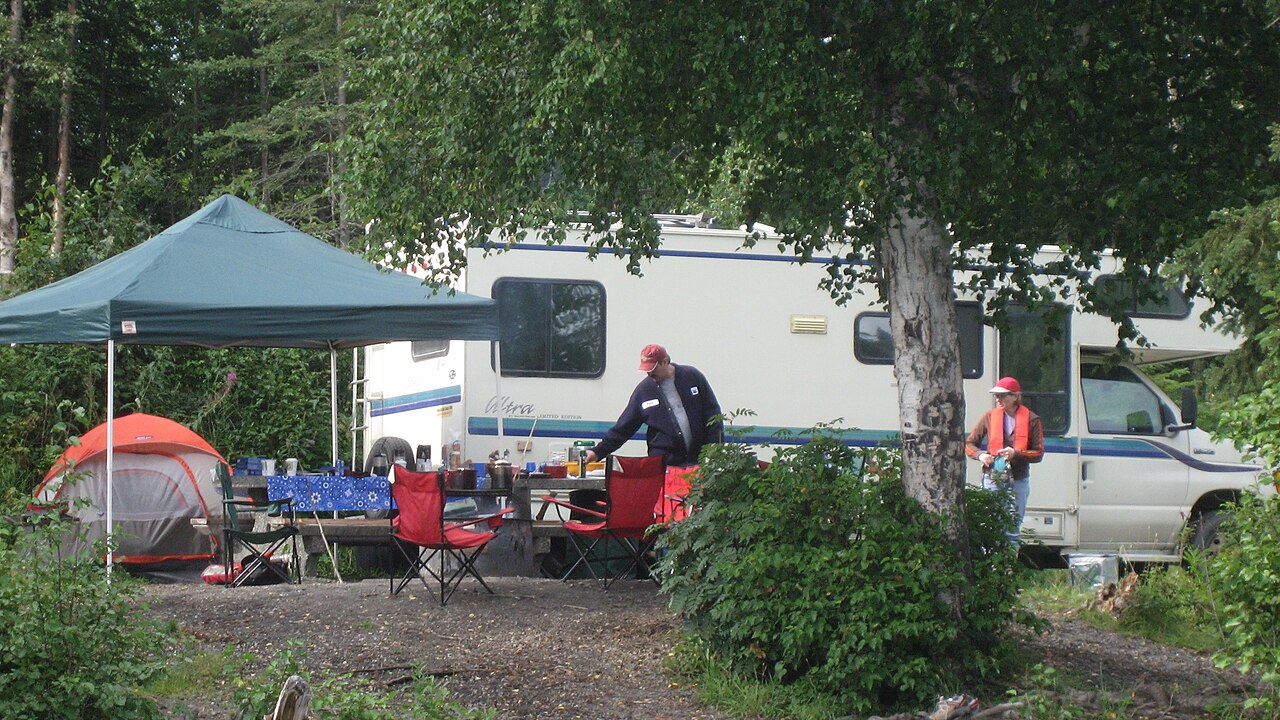
Traveling in an RV is a fantastic way to explore the country with your family, but it comes with more regulations than many people realize. From obscure campground rules to state highway laws, RVing requires more than just packing up and hitting the road. Breaking these little-known rules—sometimes unknowingly—can lead to fines or being turned away from campgrounds. Before your next family adventure, make sure you’re not accidentally breaking any of these surprising RV rules. A smoother, safer trip starts with awareness.
Overnight Parking Isn’t Always Allowed
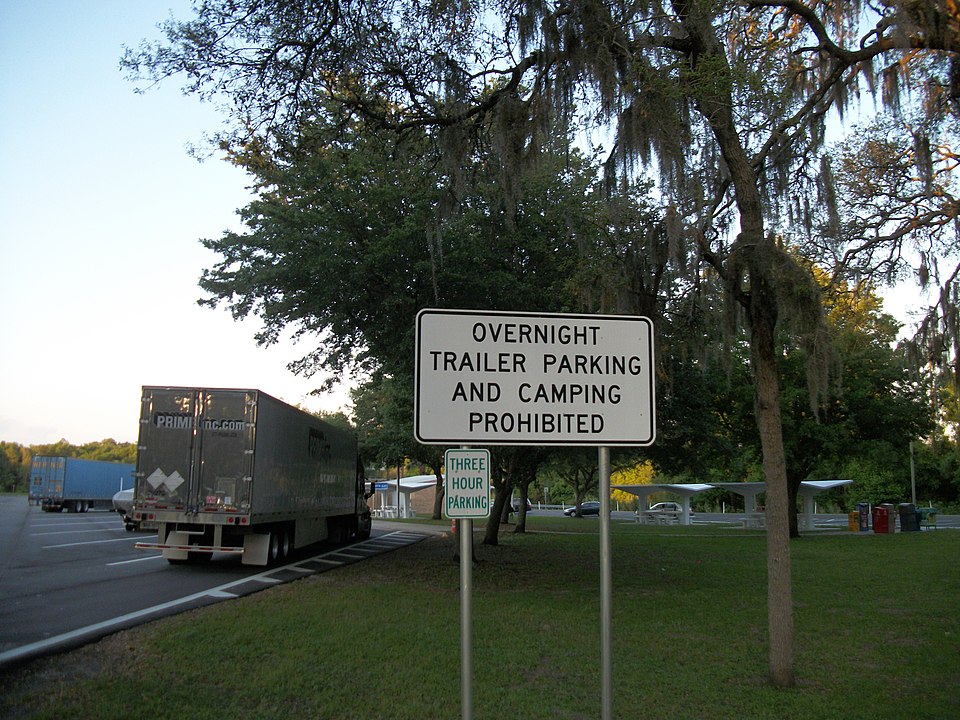
Many RV travelers assume they can park overnight in any store or rest area lot. While some Walmarts and truck stops allow this, many local ordinances prohibit overnight stays. Ignoring these rules can lead to citations or being asked to leave. Always call ahead or check signs before settling in for the night. It’s best to treat overnight parking as a backup, not a plan.
Campfires Might Be Banned
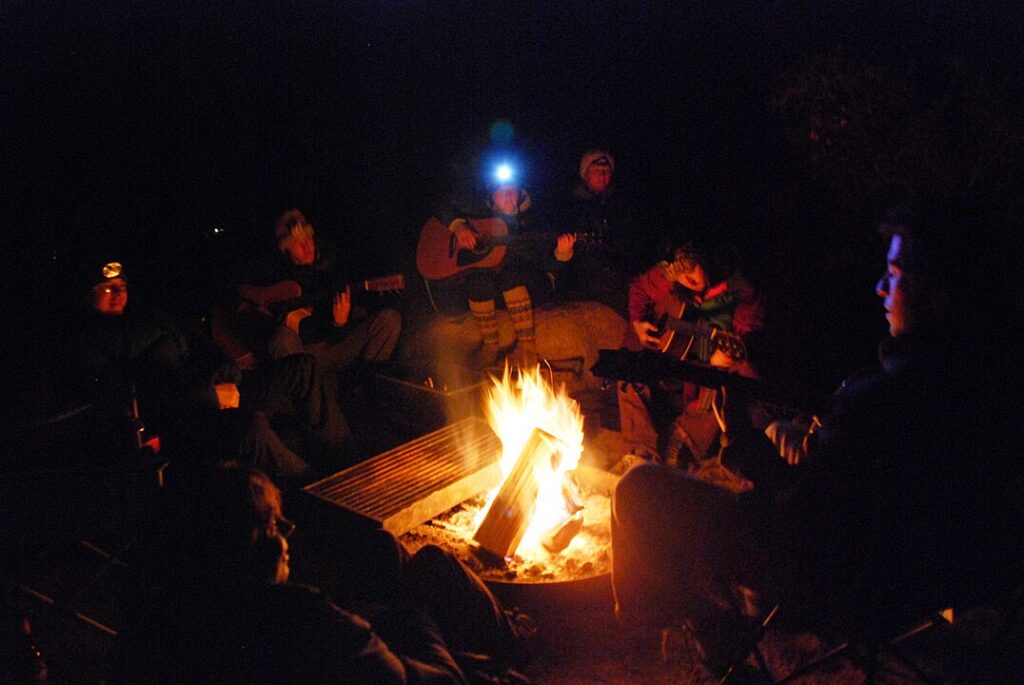
Just because your campsite has a fire ring doesn’t mean fires are allowed. Many states implement seasonal fire bans, even in developed campgrounds. Violating these bans can result in serious fines or worse, dangerous wildfires. Always check local fire conditions and posted notices. It’s your responsibility to stay informed and fire-safe.
Weight Limits Apply to Your RV
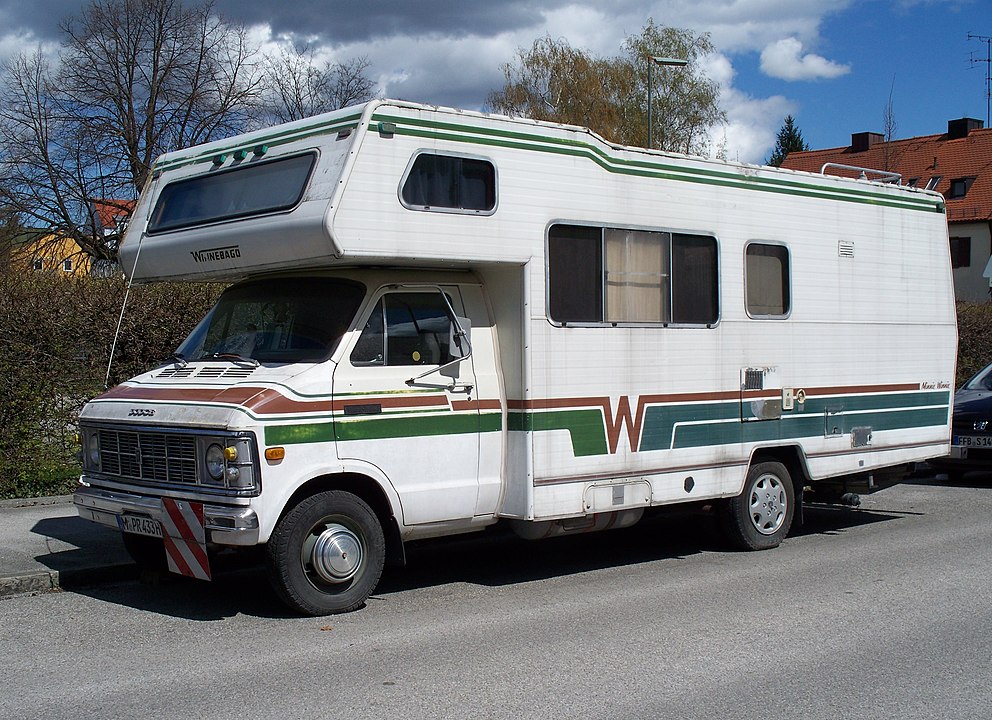
Overloading your RV beyond its gross vehicle weight rating (GVWR) isn’t just unsafe—it’s also illegal in many areas. Exceeding these limits can lead to breakdowns, void warranties, and get you fined during inspections. Make sure you understand your vehicle’s weight capacity and weigh it after loading. Staying within limits keeps everyone safer on the road.
Dumping Waste Improperly Is Illegal
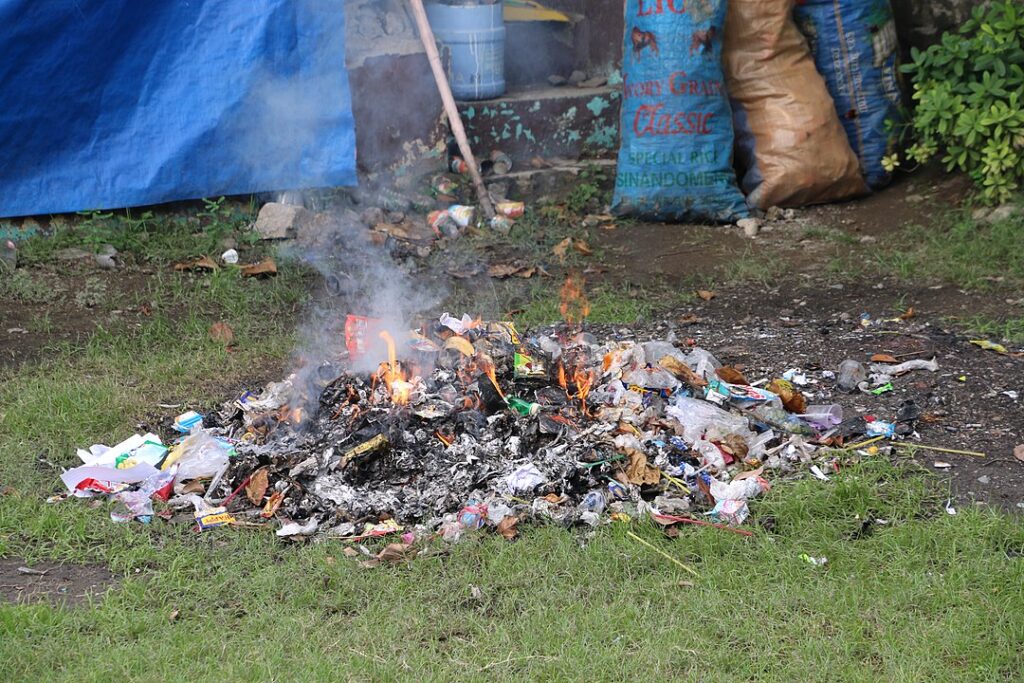
Some RV owners are surprised to learn how strict waste disposal laws are. Dumping gray or black water in unauthorized locations is illegal and heavily fined. Always use designated dump stations and follow proper procedures. Even biodegradable soaps and food waste can damage natural areas. Responsible dumping protects both the environment and your RV reputation.
Not All Roads Allow RVs
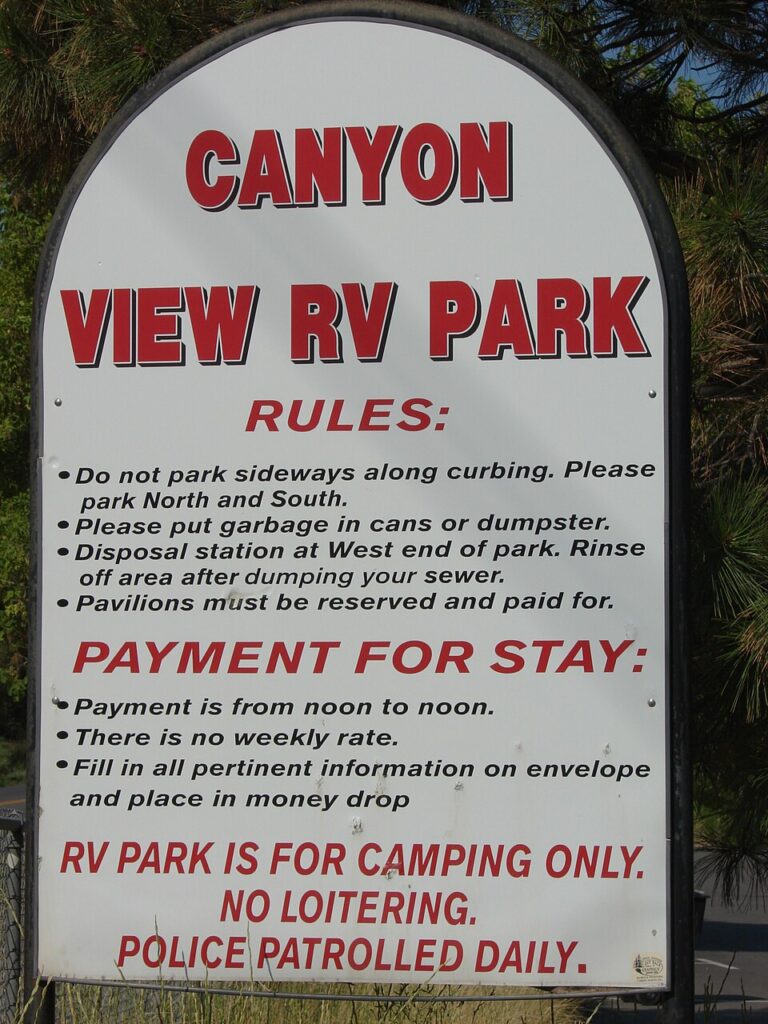
Certain scenic or historic routes ban RVs due to low bridges, sharp turns, or weight restrictions. Ignoring these limits can damage your vehicle or get you stuck. Use RV-specific GPS apps that flag restricted routes and provide safe alternatives. Knowing where your RV can legally go prevents stressful detours and citations. Plan ahead before you drive unfamiliar roads.
Campground Quiet Hours Are Strict
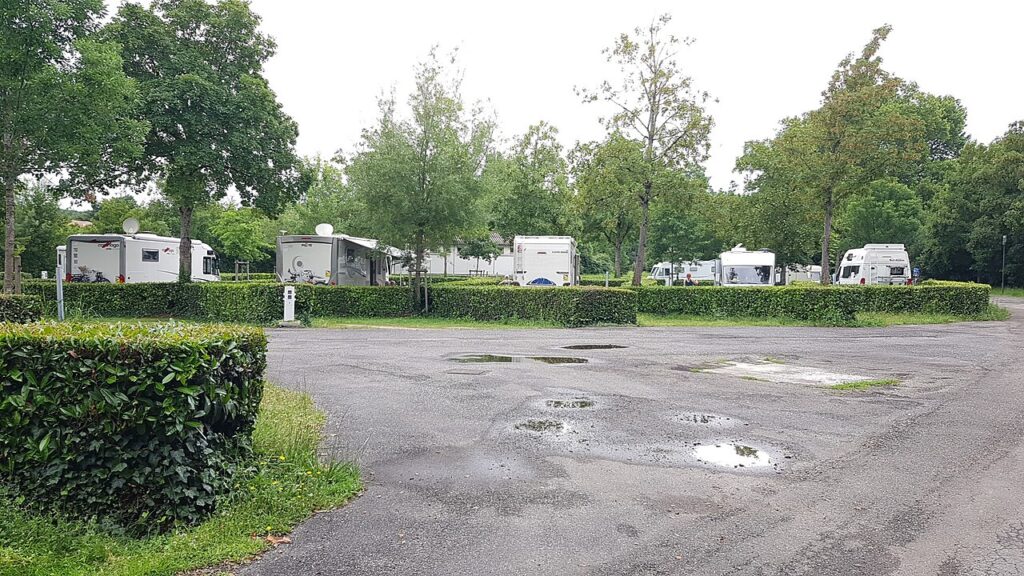
Most campgrounds enforce strict quiet hours, usually between 10 p.m. and 6 a.m. Running a generator or playing music during these hours can quickly get you into trouble. Respecting these rules keeps the camping environment enjoyable for everyone. Some parks will fine or evict those who disturb the peace. It’s always best to wind down early and keep noise to a minimum.
Pets Must Be Leashed at All Times
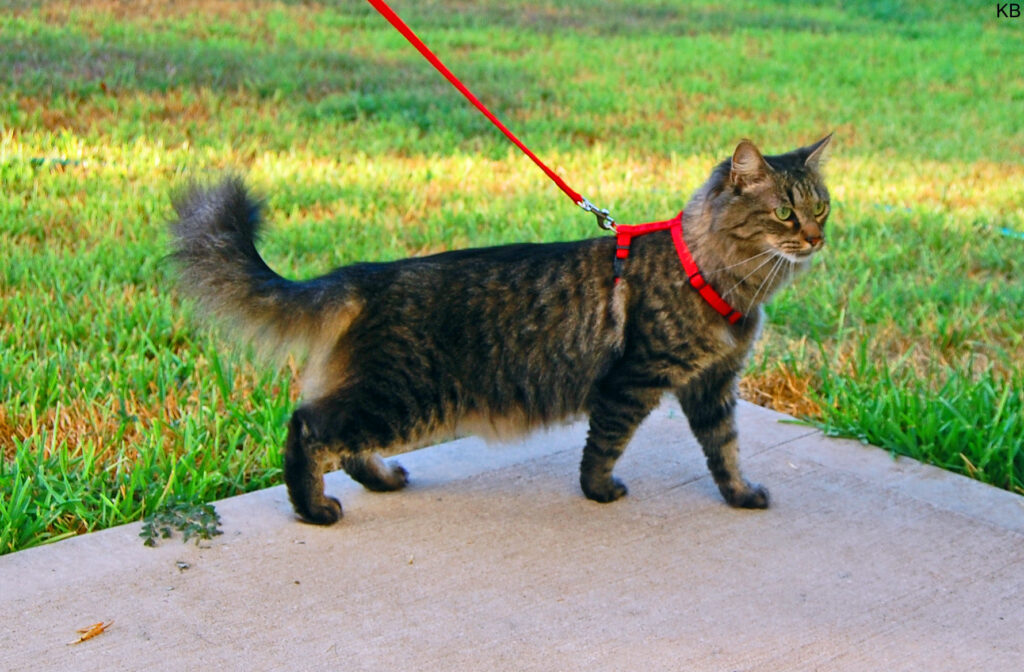
Even if your dog is friendly and well-trained, RV parks and public lands typically require leashing at all times. This protects other campers, wildlife, and your pet from accidents or confrontations. Fines and complaints are common when this rule is ignored. Some places also require proof of vaccinations. Always bring a leash and pet waste bags to stay compliant.
Parking in Reverse Isn’t Always Allowed
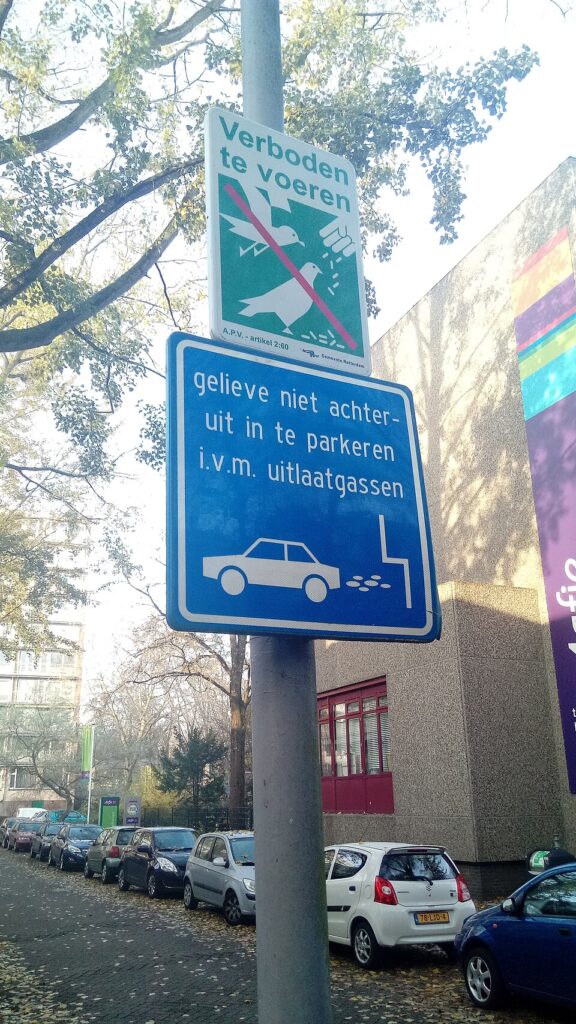
At some campgrounds, parking your RV backward—even if it fits—violates the rules. Electrical hookups, sewer access, and fire codes are designed for specific orientations. Reversing into a site incorrectly can create safety hazards or block others. When in doubt, follow campground signage or ask a host. It’s a small detail that can make a big difference.
Washing Your RV May Be Prohibited
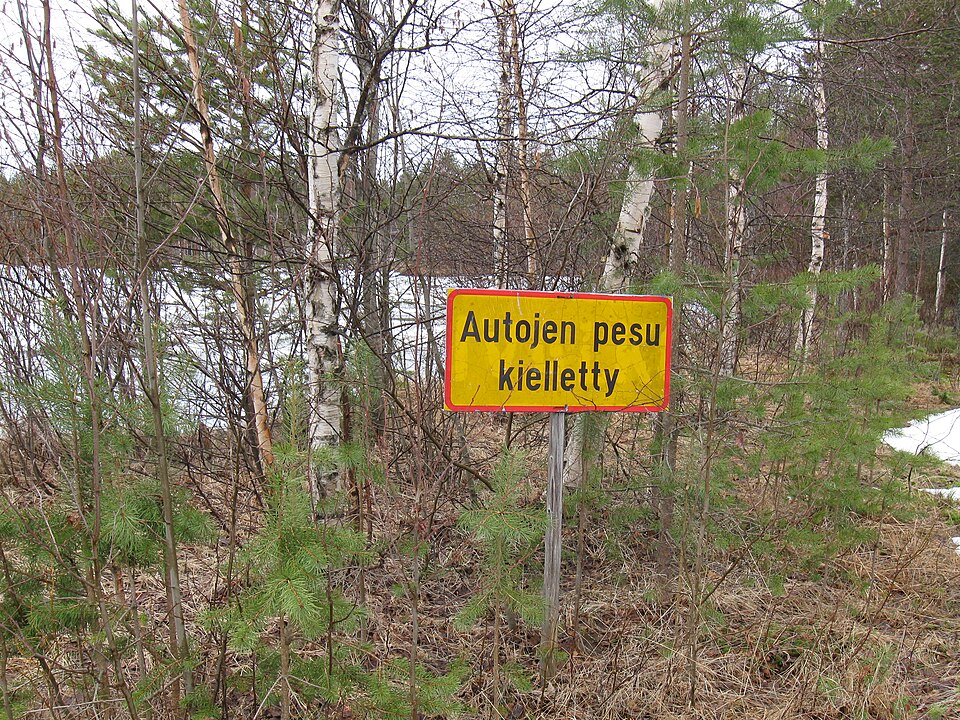
Not all campgrounds allow you to wash your RV on-site due to water restrictions or environmental concerns. Using large amounts of water or soap can harm nearby plants or contaminate drainage areas. Check with management before getting out your hose and bucket. Many parks offer designated washing areas for a small fee instead.
You Might Need a Special Driver’s License
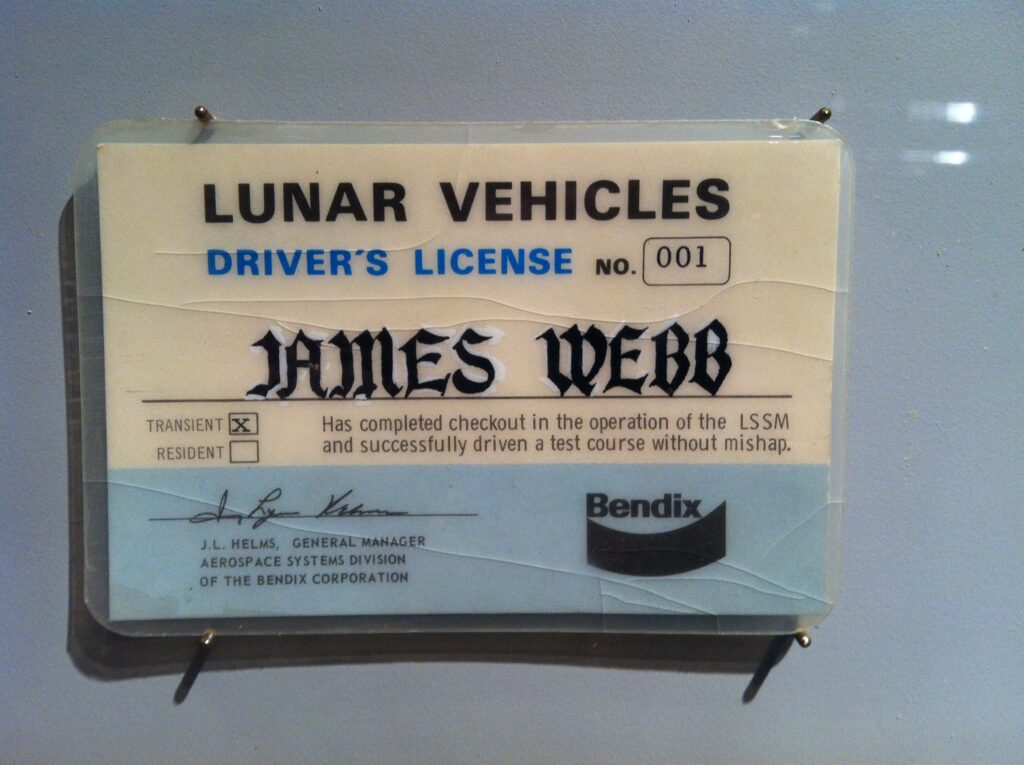
In some states, driving a large RV or towing a heavy trailer requires a non-commercial special license. These laws vary by weight and length, and not knowing them can get you ticketed. If your RV exceeds 26,000 pounds or has air brakes, double-check local DMV requirements. It’s not just about safety—it’s also about legality.
Leaving Food Out Violates Wildlife Rules

Even in RVs, leaving food or trash unsecured outside can attract bears, raccoons, or rodents. Many campgrounds in national and state parks have strict rules about food storage. Failing to follow them can lead to warnings or eviction. Always keep food locked away and clean up after every meal. You’ll protect wildlife and your family’s safety in the process.
Running a Generator Too Often
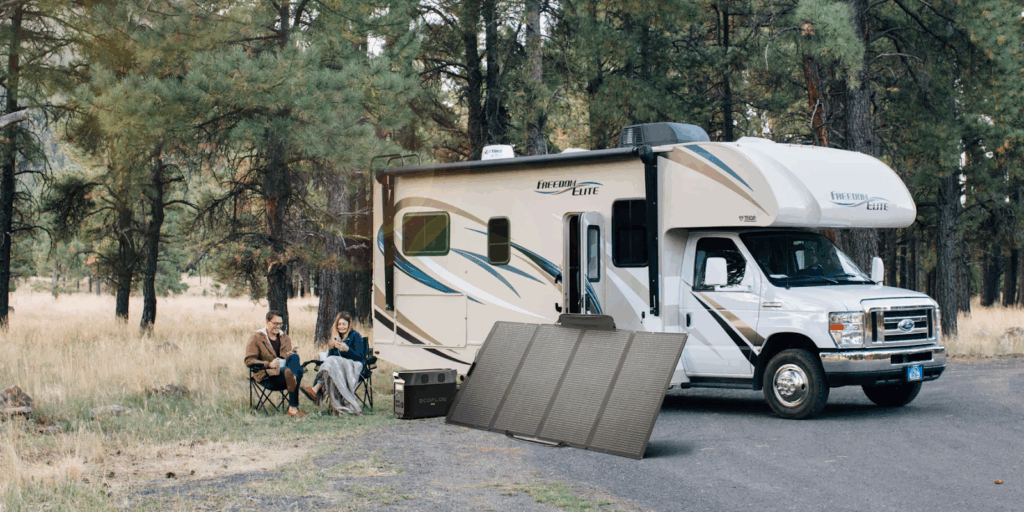
Generator use is tightly regulated in many campgrounds due to noise and emissions. Running your generator for hours at a time can violate quiet hours or annoy neighbors. Some sites have designated hours or limits per day. Be mindful and considerate, using battery backups when possible. Silent alternatives like solar panels are great for keeping the peace.