Many of America’s most cherished Christmas stories did not emerge purely from imagination. They were shaped by real people, personal struggles, and historical moments that resonated deeply with audiences. Over time, these true inspirations were softened, dramatized, or romanticized, becoming timeless holiday classics. Understanding the real life origins behind these tales adds emotional depth and cultural context. These stories reveal how hardship, generosity, and hope were transformed into narratives that continue to shape how Americans understand the spirit of Christmas.
A Christmas Carol
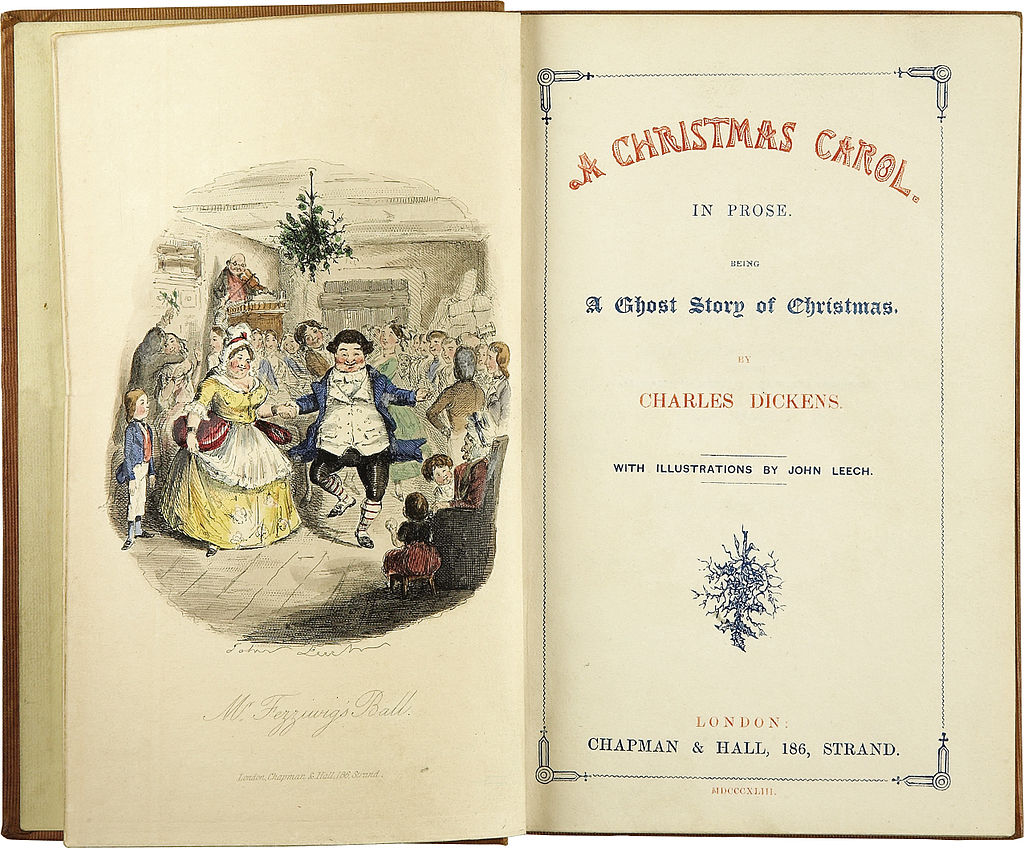
Charles Dickens was inspired to write A Christmas Carol after witnessing severe poverty and child labor in Victorian England. His visits to factories and conversations with struggling families deeply affected him. The character of Scrooge reflected real attitudes of indifference Dickens observed among the wealthy. The story became a moral response to social injustice rather than simple fiction. Its success helped reshape public attitudes toward charity and responsibility, influencing how Christmas came to be associated with compassion and generosity in America.
It’s a Wonderful Life
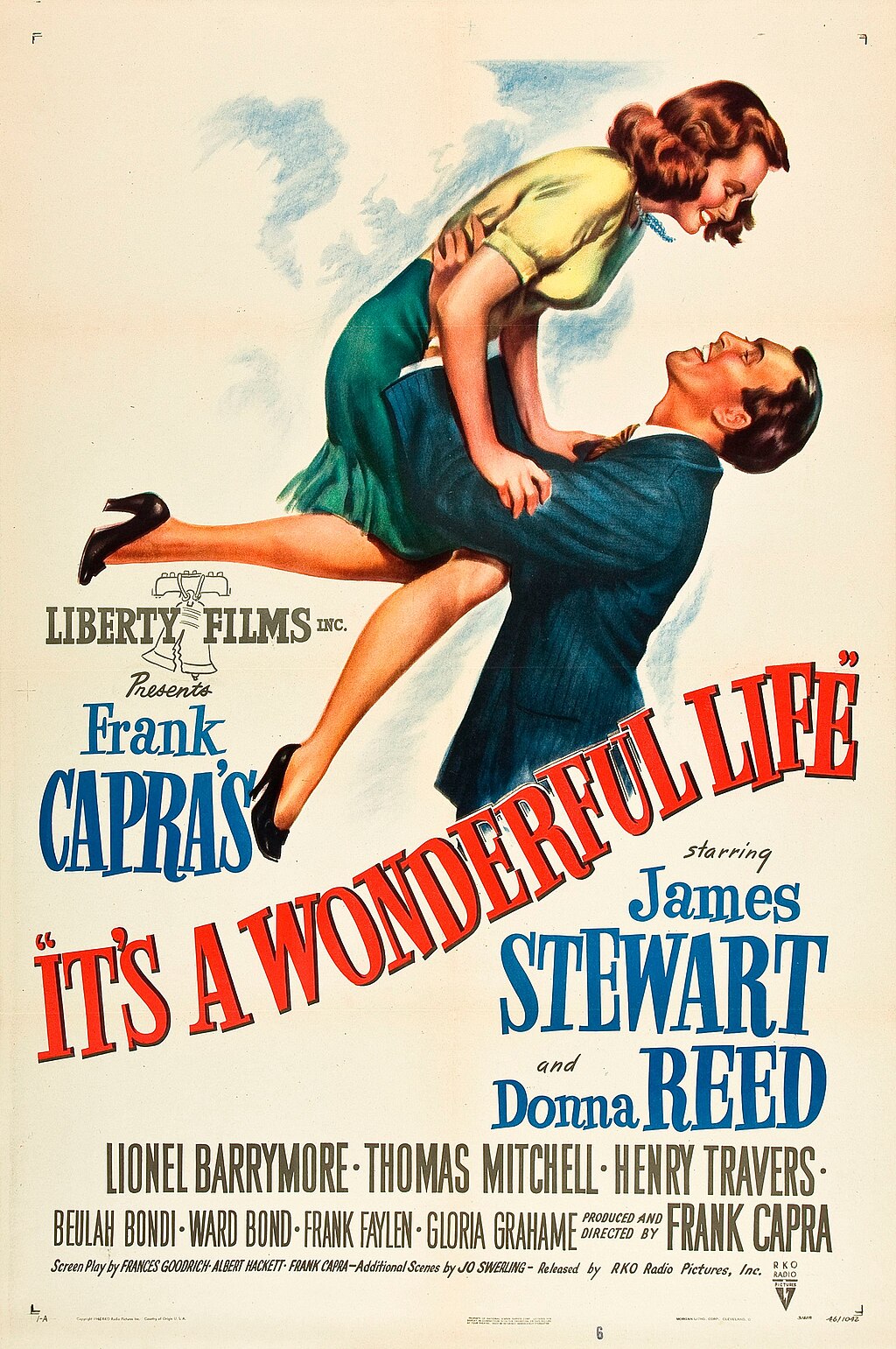
The story behind It’s a Wonderful Life traces back to Philip Van Doren Stern’s short story, written after personal financial struggles. Stern reflected on feelings of failure and doubt common during the postwar era. The idea that ordinary lives have profound impact resonated with American audiences facing economic uncertainty. The film’s themes mirrored real emotional fatigue and quiet resilience, helping it grow into a beloved reminder that unseen contributions matter deeply.
Rudolph the Red-Nosed Reindeer
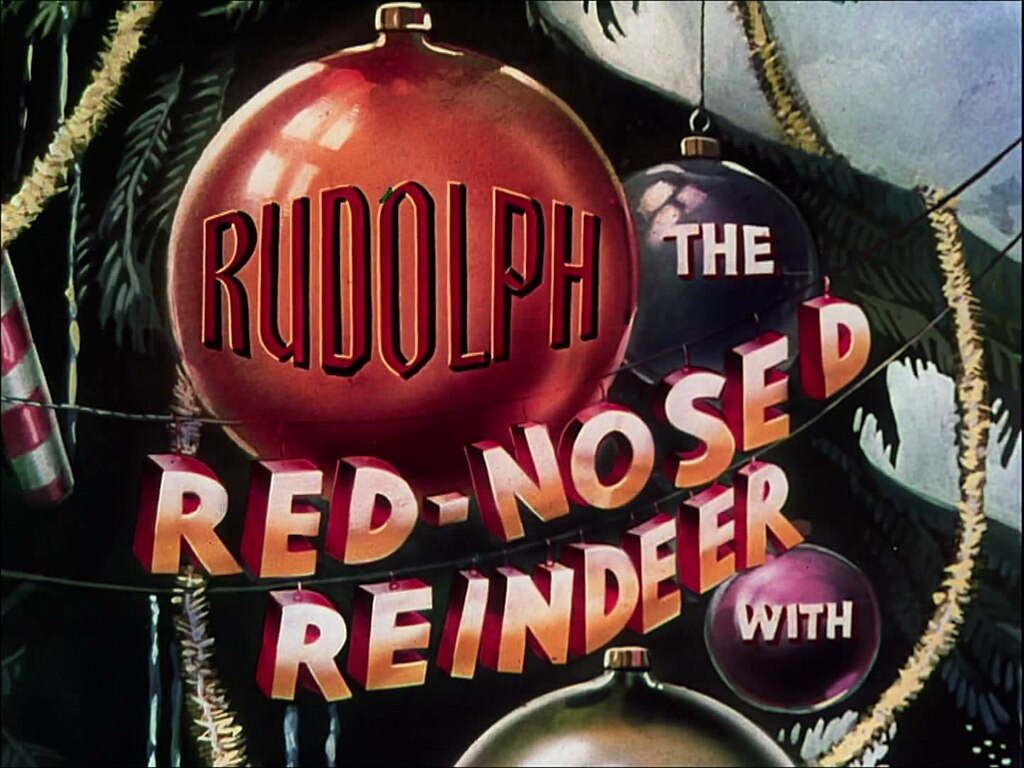
Rudolph was created by Robert L. May while working as a copywriter during the Great Depression. The character reflected May’s own experiences of feeling different and excluded. Written to comfort his daughter during a difficult time, the story emphasized acceptance over conformity. Its popularity transformed a promotional booklet into a national icon. Rudolph’s journey resonated with Americans who had experienced hardship, turning a personal story into a cultural symbol of belonging.
The Night Before Christmas
The famous poem commonly attributed to Clement Clarke Moore drew inspiration from Moore’s family life and early nineteenth century Christmas traditions. The imagery of Santa, reindeer, and domestic warmth helped standardize the American vision of Christmas Eve. Though the poem’s authorship has been debated, its influence is unquestioned. It transformed regional customs into a shared national ritual, shaping how generations of American families imagine the night before Christmas.
Miracle on 34th Street
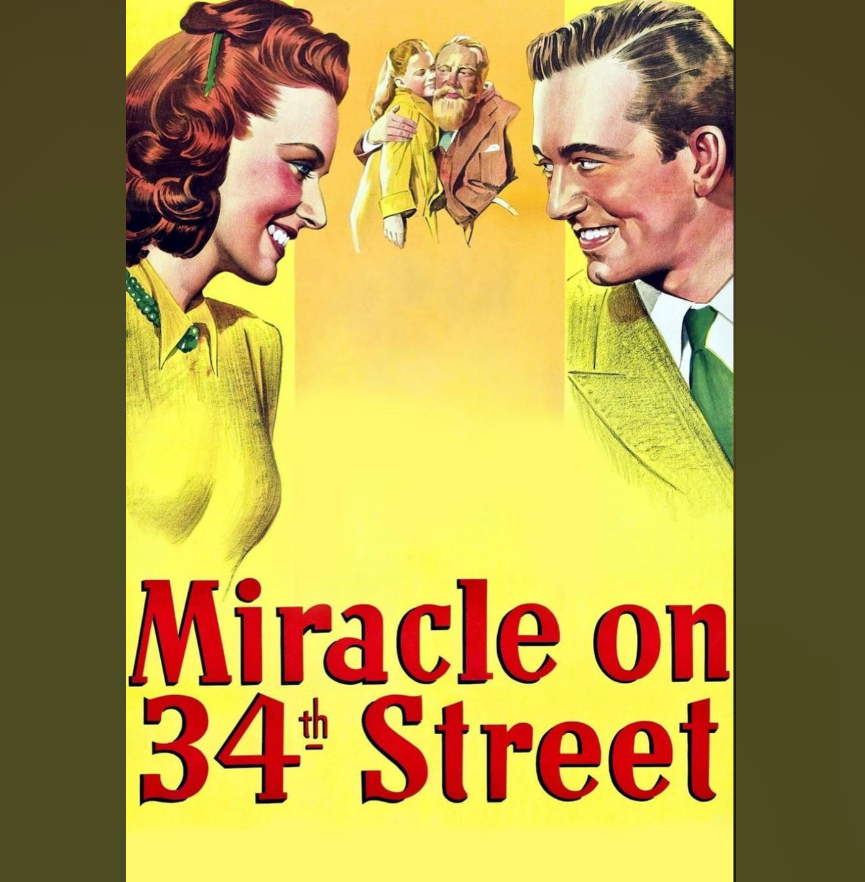
Miracle on 34th Street was inspired by debates surrounding commercialism and belief in postwar America. The story reflected concerns that holiday spirit was being overshadowed by consumer culture. The courtroom defense of Santa Claus symbolized a deeper argument about faith, innocence, and trust. The film resonated with families navigating modern pressures, reinforcing the idea that belief itself holds value even in a skeptical world.
Frosty the Snowman

Frosty emerged from the success of novelty Christmas songs in the mid twentieth century. Inspired by childhood winter play and simple imagination, the character reflected nostalgia for uncomplicated joy. The story emphasized fleeting happiness and seasonal magic. Its enduring appeal lies in how it mirrors real childhood experiences rather than fantasy worlds. Frosty became a symbol of innocence and temporary wonder during cold American winters.
The Polar Express
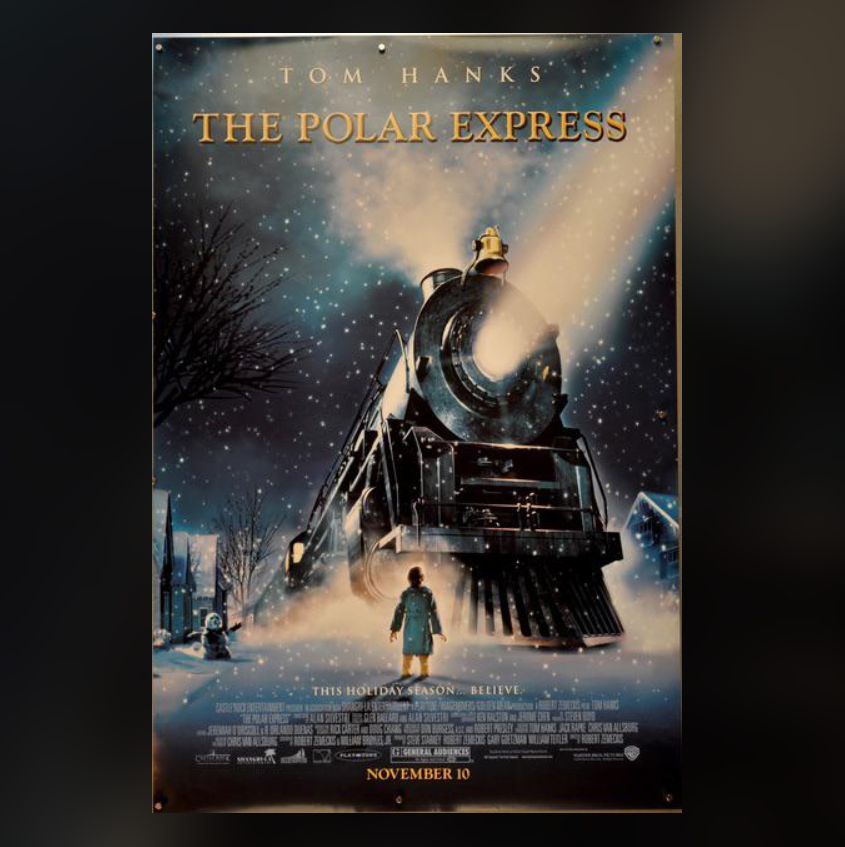
Chris Van Allsburg drew inspiration from his own childhood memories of anticipation and belief. The story reflects emotional distance between adults and children regarding faith and imagination. The journey represents internal doubt rather than physical travel. Its quiet tone and reflective pacing set it apart from louder holiday tales. The book resonated with families navigating belief in a more skeptical era, turning introspection into Christmas magic.
How the Grinch Stole Christmas

Dr. Seuss reportedly drew inspiration from his own feelings of cynicism and exhaustion during the holidays. The Grinch reflected emotional burnout rather than evil intent. The story critiqued materialism while emphasizing connection. Its transformation arc mirrored real experiences of rediscovering meaning. The tale resonated deeply with American audiences struggling between obligation and joy, making it a perennial favorite.
Little Women
Louisa May Alcott based Little Women heavily on her own family life and financial hardship. The novel’s Christmas scenes emphasized generosity despite scarcity. Alcott’s portrayal of sacrifice and moral growth reflected real experiences of nineteenth century American families. The story’s grounding in realism helped redefine holiday values around character rather than abundance. It remains influential in shaping literary depictions of family centered Christmases.
A Charlie Brown Christmas

Charles Schulz infused A Charlie Brown Christmas with his own spiritual questioning and discomfort with commercialization. The special’s quiet pacing and overt religious message were controversial at the time. Schulz insisted on authenticity over popularity. The result resonated with viewers who felt disconnected from glossy holiday portrayals. Its success demonstrated that sincerity could triumph over spectacle in American Christmas storytelling.
Yes, Virginia, There Is a Santa Claus

This famous editorial was inspired by a real letter written by a young girl seeking clarity about Santa’s existence. The response reframed Santa as a symbol of generosity and love rather than a literal figure. Published during a period of social change, it reassured readers of enduring values. The story became a cultural touchstone, reinforcing belief through meaning rather than myth.
The Gift of the Magi
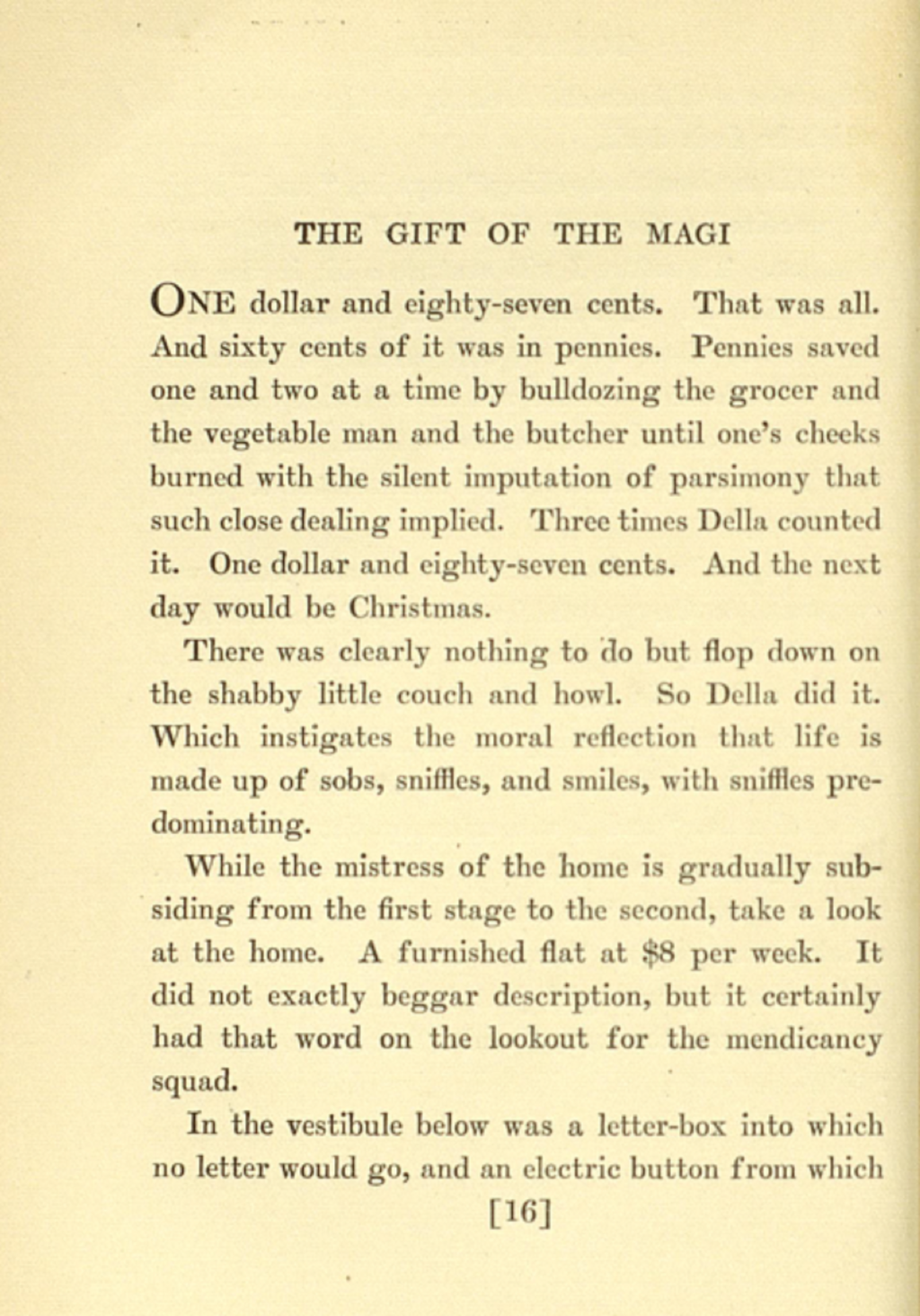
O. Henry wrote The Gift of the Magi while living in modest circumstances, drawing from personal financial strain. The story highlighted selfless love through everyday sacrifice. Its simple setting and relatable characters made it accessible and enduring. The narrative captured a universal truth about generosity that transcended time. It became one of America’s most quoted holiday stories because it reflected real emotional choices faced by ordinary people.
America’s most beloved Christmas tales endure because they are rooted in real human experiences. Behind the magic and nostalgia lie stories of hardship, doubt, and generosity. These true inspirations give depth to familiar narratives, reminding audiences that the spirit of Christmas was shaped by lived realities. Understanding these origins makes the stories richer, more human, and timeless in their ability to connect generations.