

Walking through a home during a showing can be exciting—especially when you think you’ve found “the one.” But in the midst of beautiful staging, fresh paint, and the scent of cookies, many buyers overlook key warning signs that could spell trouble later. These red flags may not be obvious at first glance, but catching them early can save you from costly repairs or buyer’s remorse down the road. Here are 12 important red flags to watch for during your next home tour.
1. Overwhelming Air Fresheners or Scented Candles

If a home is filled with strong fragrances, it could be masking unpleasant odors like mold, smoke, or pet damage. Sellers sometimes use overpowering scents to distract from hidden issues. Instead of admiring the smell, open closets, check for damp areas, and use your nose in less scented corners. A home should smell clean—not overly perfumed.
2. Fresh Paint in Just One Area
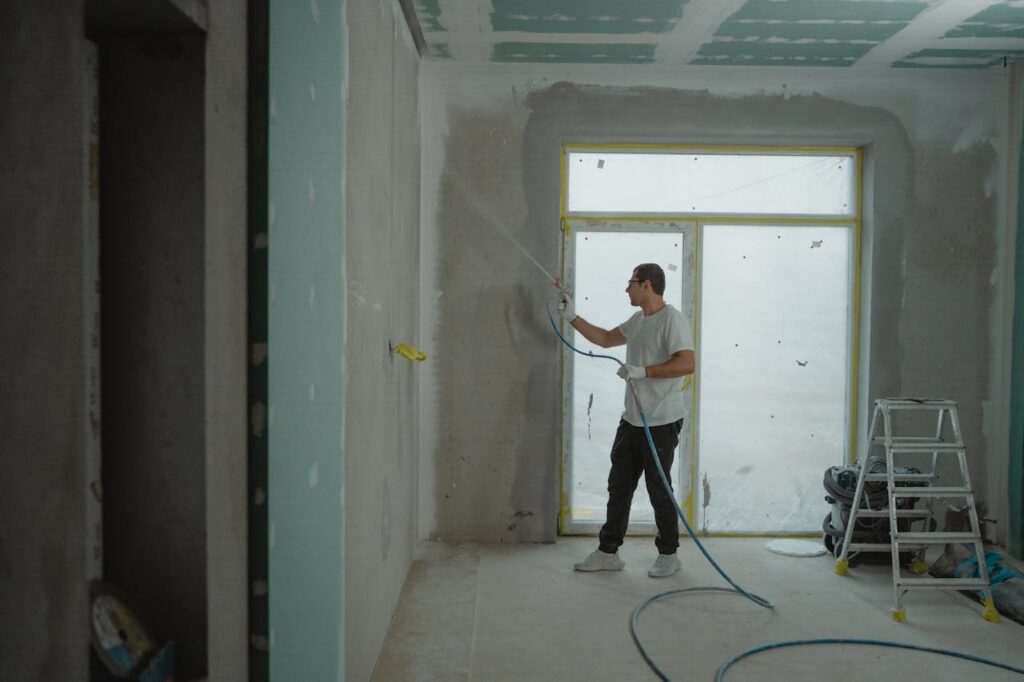
A fresh coat of paint isn’t necessarily bad, but if only one wall or ceiling patch is freshly painted, it might be hiding stains or water damage. Look closely for uneven texture, mismatched paint, or bubbling. Ask if there were any repairs made recently and why. Subtle paint touch-ups can be signs of bigger issues behind the surface.
3. Sloping Floors or Cracks in Walls
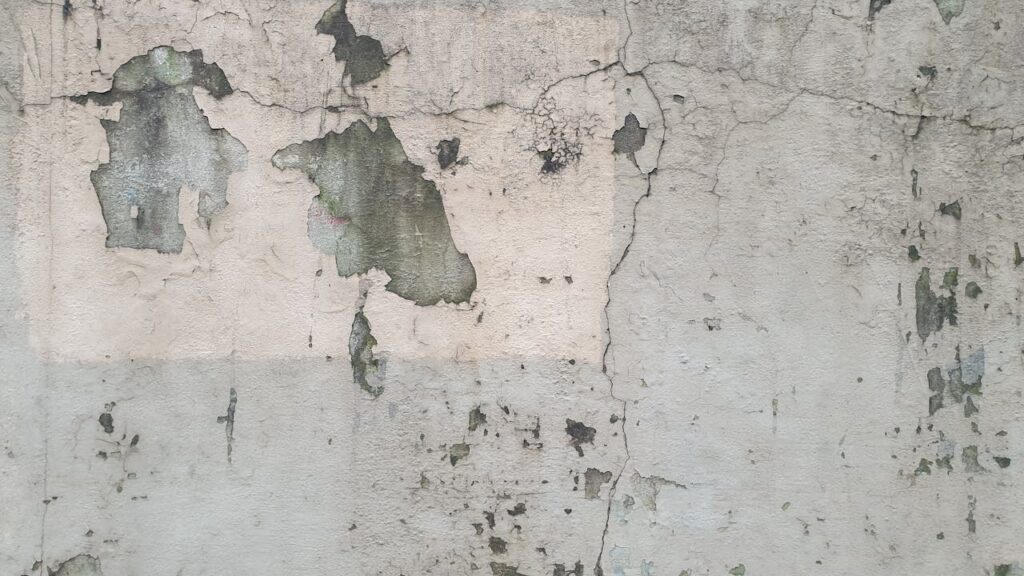
While some hairline cracks can be harmless, wide cracks or sloping floors may indicate foundation problems. Bring a small ball or marble to see if it rolls on the floor. Look near door frames for gaps or uneven doors that stick. Foundation repairs are costly, so any structural red flags should be taken seriously.
4. Water Stains or Warped Baseboards
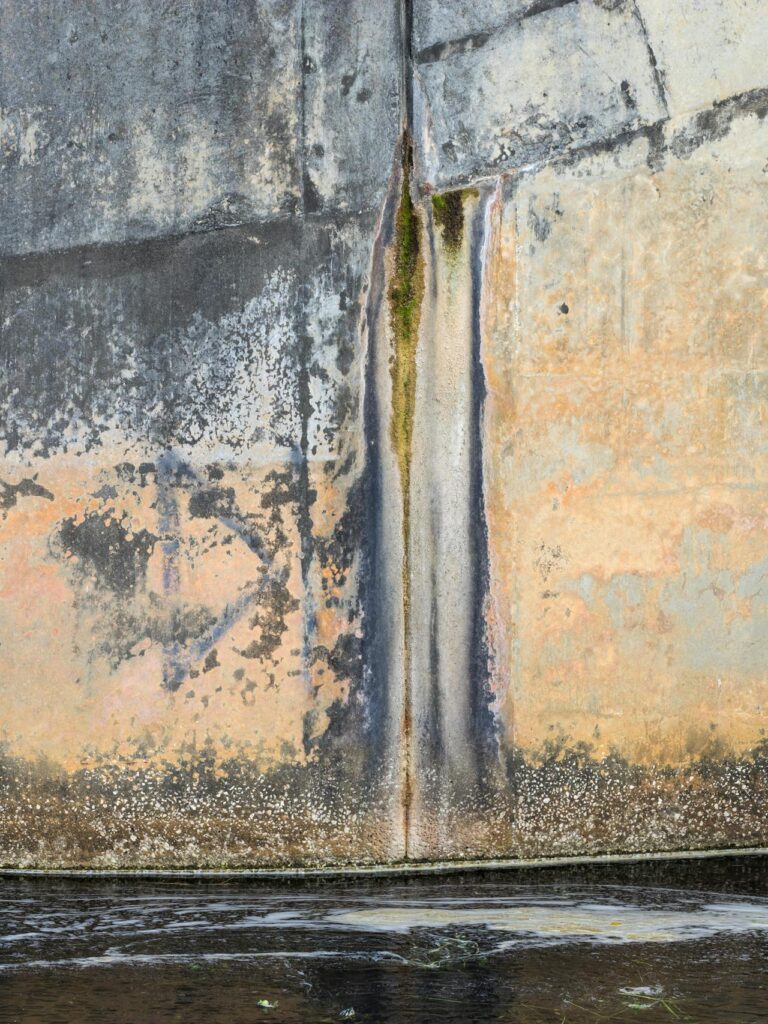
Check ceilings and baseboards for signs of water damage, especially in bathrooms, basements, and under sinks. Even small stains or warping could signal active leaks or poor drainage. Ask if plumbing was recently updated and check for musty smells. Water damage often leads to mold if left unaddressed.
5. Moldy or Musty Smells
A lingering musty odor, particularly in basements or bathrooms, may point to mold or poor ventilation. Don’t ignore it—even if the home looks clean. Mold can cause health issues and be expensive to remove. Open cabinets and look under sinks or behind stored items for visible signs of mold growth.
6. Old or Poorly Maintained HVAC Systems

Check the age and condition of heating and cooling systems. A system over 15 years old may need replacing soon. Ask to see service records or the last maintenance date. If vents are dusty or airflow seems weak, the system may not be functioning properly. HVAC issues can mean major repair costs.
7. Windows That Won’t Open or Close Smoothly
Sticky windows might seem minor, but they can signal poor installation, frame warping, or foundational shifts. Try opening and closing several windows in the home to test them. Drafty or fogged-up windows could also mean insulation problems or moisture between panes. Window replacements are costly and time-consuming.
8. Limited Natural Light Despite Big Windows
If a home has large windows but still feels dark, it might be due to poor orientation, overgrown landscaping, or nearby buildings blocking light. Take note of how much sunlight enters different rooms during your showing. Dark spaces may require more artificial lighting, which affects your utility bills. Bright, naturally lit homes tend to feel more inviting and spacious.
9. Strange Patching on Walls or Ceilings
Random patches or uneven textures on walls and ceilings may be covering up previous damage. Look closely for mismatched paint, poorly done repairs, or bulging areas. Ask if any recent repairs were made and why. A solid home shouldn’t require patching unless there was an underlying issue.
10. Electrical Issues or Flickering Lights

Try light switches, outlets, and ceiling fans during your visit. Flickering lights or warm outlets may indicate outdated wiring. Homes with knob-and-tube or aluminum wiring may not be up to code and could be a fire hazard. Electrical upgrades can be expensive, especially in older homes.
11. Signs of Pest Infestation

Look for droppings, chew marks, or small holes near baseboards and in cabinets. Check for traps or bait stations hidden under sinks or in corners. A home with pests may have structural damage or health concerns. If you see one sign, assume there could be more behind the walls.
12. Poor Drainage Around the Property
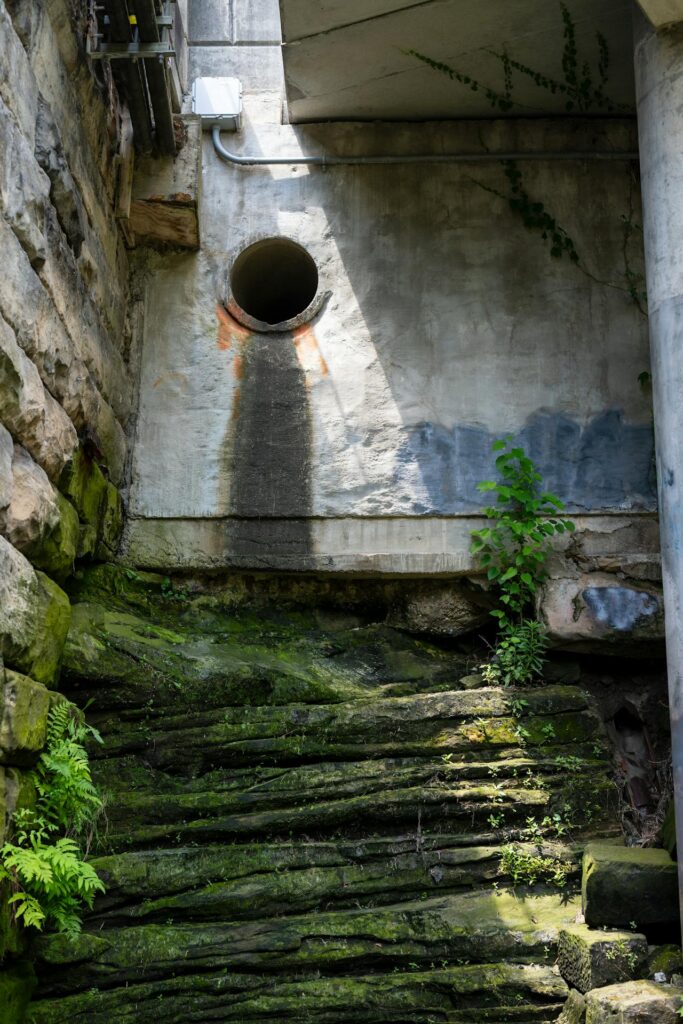
Walk around the home’s exterior and look for pooling water, eroded soil, or sloped grading toward the foundation. These signs can lead to basement leaks or foundation damage. Also check the condition of gutters and downspouts. Good drainage is essential to keeping a home structurally sound and dry.