
Parenting in the 1950s looked very different from what we see today. It was a time shaped by post-war optimism, strict cultural expectations, and advice from so-called experts who often encouraged discipline over affection. Moms and dads raised children in a world without modern parenting research, internet forums, or widespread psychological insights. While many families of that era had warm and loving households, the rules that guided parenting often emphasized conformity and control over individuality and nurturing. Looking back, many of these practices would leave modern moms in disbelief.
Strict Bedtimes and Early Nights

In the 1950s, strict bedtime routines were non-negotiable. Children were often in bed by 7 or 8 p.m., even if it was still light outside in the summer months. Parents believed that maintaining rigid sleep schedules built strong habits and ensured children grew up disciplined. Unlike today, where flexibility is common and parents often accommodate after-school activities, kids in the ’50s had little say in their nighttime routine. For modern moms who value balance and open dialogue, such early curfews feel unnecessarily strict.
Seen and Not Heard at the Dinner Table

Family meals were central to daily life, but children were expected to eat quietly while adults carried on the conversation. It was considered rude for kids to interrupt or speak unless directly spoken to. This rule reflected broader cultural norms where children were to be obedient rather than expressive. Today, family dinners often revolve around giving children space to share their thoughts, strengthening bonds through conversation. The “seen and not heard” approach would be unthinkable to moms who encourage open communication.
Physical Discipline as a Standard Practice

Spankings, paddles, and other forms of physical punishment were widely accepted in the home and at school. Parents believed this form of discipline taught respect and ensured children grew up responsible. Many boomers remember a paddle hanging on the classroom wall as a warning. While intended to correct behavior, this often created fear more than respect. Modern research on child psychology has shown the negative effects of corporal punishment, leaving today’s moms shocked by how normal it once was.
Limited Affection to Avoid “Spoiling”

Parenting advice in the 1950s often discouraged showing too much affection. Hugging, kissing, or praising children too often was believed to risk “spoiling” them. Experts claimed children needed to develop independence by not being coddled. Modern moms, however, understand the importance of affection for emotional development and security. The idea of withholding love to toughen up a child is almost unthinkable today.
Gender-Specific Roles Enforced from Birth
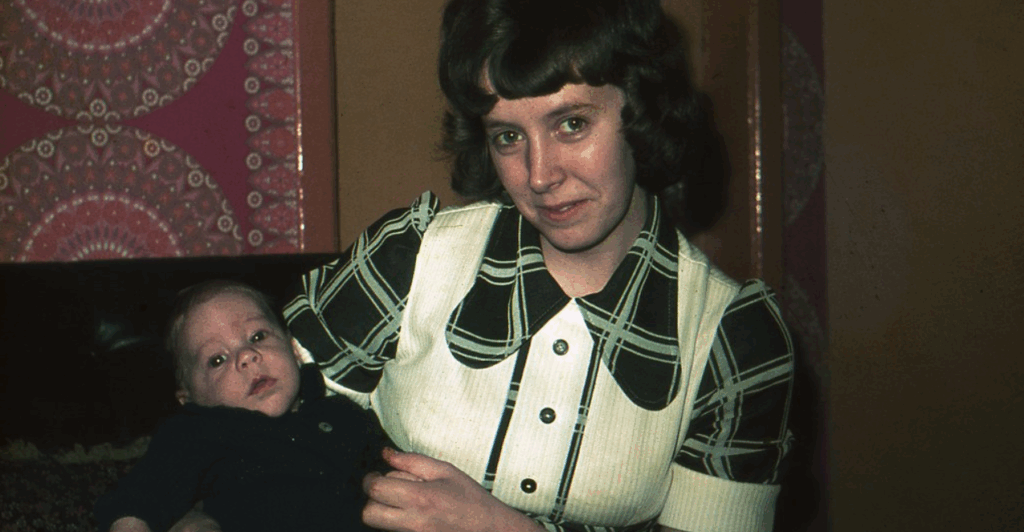
From birth, children in the ’50s were raised to conform to strict gender expectations. Boys were given toy guns, trains, and building sets, while girls received dolls, tea sets, and miniature kitchen toys. Even chores reflected these roles—boys mowed lawns while girls washed dishes. Modern parents increasingly allow children to explore their interests without labels, making the old rigidity feel outdated and unfair.
Obedience Without Question

Authority was central to 1950s parenting. Children were expected to follow instructions instantly, and “talking back” was considered one of the worst offenses. Parents rarely explained their decisions, believing blind obedience was the foundation of respect. Today’s moms often encourage discussion, negotiation, and reasoning to build mutual understanding. The unquestioned obedience of the past would shock parents who see value in children’s voices.
No Privacy for Kids

Children’s personal space was not a priority. Parents often entered bedrooms without asking, inspected belongings, and read notes or diaries. This was done in the name of oversight and safety, but it left little room for independence. In contrast, modern moms often respect privacy as part of building trust and responsibility. What was once normal would now be seen as overbearing.
Chores as Daily Responsibility

Daily chores were a cornerstone of family life. Children were expected to contribute significantly—washing dishes, folding laundry, babysitting younger siblings, or helping with outdoor work. The goal was to prepare them for adult responsibilities. While chores remain common today, the level of daily responsibility would surprise modern moms, many of whom balance chores with extracurricular activities and academics.
Limited Choices in Food

Dinner was served, and children were expected to eat without complaint. Parents rarely catered to picky eaters, and refusing food was considered disrespectful. Leftovers often reappeared at the next meal until finished. Today’s moms are more flexible, accommodating food preferences or allergies while teaching balanced nutrition. The no-choice meal rule feels rigid and even harsh compared to modern standards.
Respect for All Adults—No Exceptions

Children were expected to treat all adults with unquestioned respect, regardless of whether the adult was kind or even appropriate in behavior. Elders were never to be challenged. Modern moms, however, are more protective, teaching children the importance of boundaries and that respect must be mutual. The 1950s rule of automatic respect would be alarming today.
Play Without Supervision

Children in the ’50s were free to roam neighborhoods, ride bikes until dark, and spend hours unsupervised. Parents trusted that communities were safe and neighbors would look out for one another. Today’s moms are more cautious, concerned about safety risks and preferring structured activities. The lack of oversight would shock modern parents who worry about dangers that weren’t widely considered then.
Education Above Creativity

School performance and discipline often took precedence over creative exploration. Parents expected high marks in core subjects, while artistic pursuits were seen as hobbies rather than priorities. Children who strayed from academic expectations were often discouraged. Today’s moms tend to support a balance of academics, arts, and personal development. The strict focus on achievement feels narrow compared to modern parenting ideals.