

Parenting is an ever-evolving journey, and in 2025, changes in societal expectations, technological advancements, and evolving family dynamics are reshaping how we raise our children. From more flexible work-life balances to rethinking traditional gender roles, these shifts reflect broader societal transformations that prioritize children’s well-being, individuality, and mental health. Here are 12 parenting norms that are shifting in 2025, showing that the modern approach to raising children is more inclusive, flexible, and focused on understanding than ever before.
Flexible Work Schedules Over Traditional 9-to-5

In 2025, the rigid 9-to-5 workday is becoming a thing of the past for many parents. With the rise of remote work and hybrid models, more parents are finding flexibility in how they structure their workday. This shift allows parents to spend more time with their children, adjusting their hours to accommodate school pickups, extracurriculars, or simply more family time. Many employers are embracing the need for work-life balance, which benefits not only parents but children as well, as they grow up with more engaged and present caregivers. This trend is likely to continue, as businesses realize the importance of flexibility in retaining talent.
Increased Focus on Mental Health Education

As mental health awareness continues to grow, parents in 2025 are prioritizing their children’s emotional well-being just as much as their physical health. Schools and parents are becoming more attuned to recognizing and addressing mental health concerns at a young age. Parents are being proactive, introducing kids to age-appropriate mental health education, teaching coping mechanisms, and encouraging open conversations about emotions. Therapy and counseling are no longer seen as stigmas, but as essential tools for self-care, making it easier for children to understand the importance of seeking help when needed.
Emphasis on Empathy and Emotional Intelligence

Raising emotionally intelligent children is a growing priority in 2025. Parents are increasingly recognizing the value of empathy and emotional intelligence in their children’s development. Instead of focusing solely on academic achievement, parents are nurturing skills like empathy, compassion, and emotional resilience. This includes teaching kids how to understand their feelings, navigate conflicts, and express themselves in healthy ways. With emotional intelligence being directly linked to better social relationships and mental well-being, parents are prioritizing it as an essential part of their child’s development.
Gender-Neutral Parenting
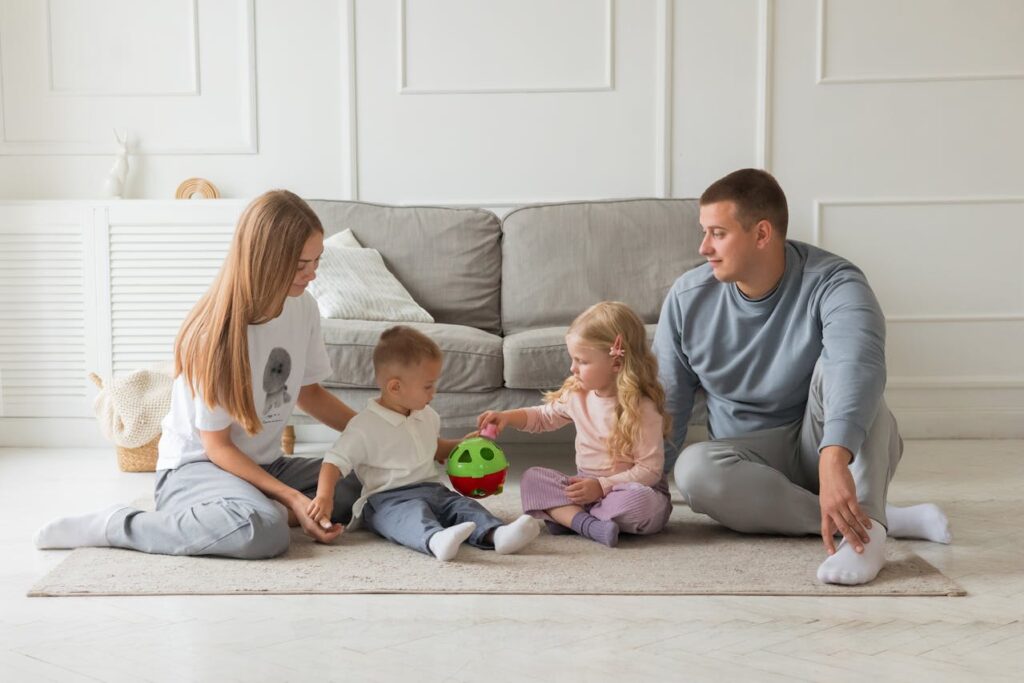
In 2025, gender-neutral parenting is gaining more acceptance as a way to provide children with more freedom to express themselves outside of traditional gender roles. Parents are increasingly choosing gender-neutral clothing, toys, and even language when interacting with their children, allowing them to explore interests and identities without societal constraints. By not imposing rigid gender expectations, parents are helping their children develop into their authentic selves, promoting self-expression, and reducing pressure to conform to outdated norms.
Personalized Learning Over One-Size-Fits-All
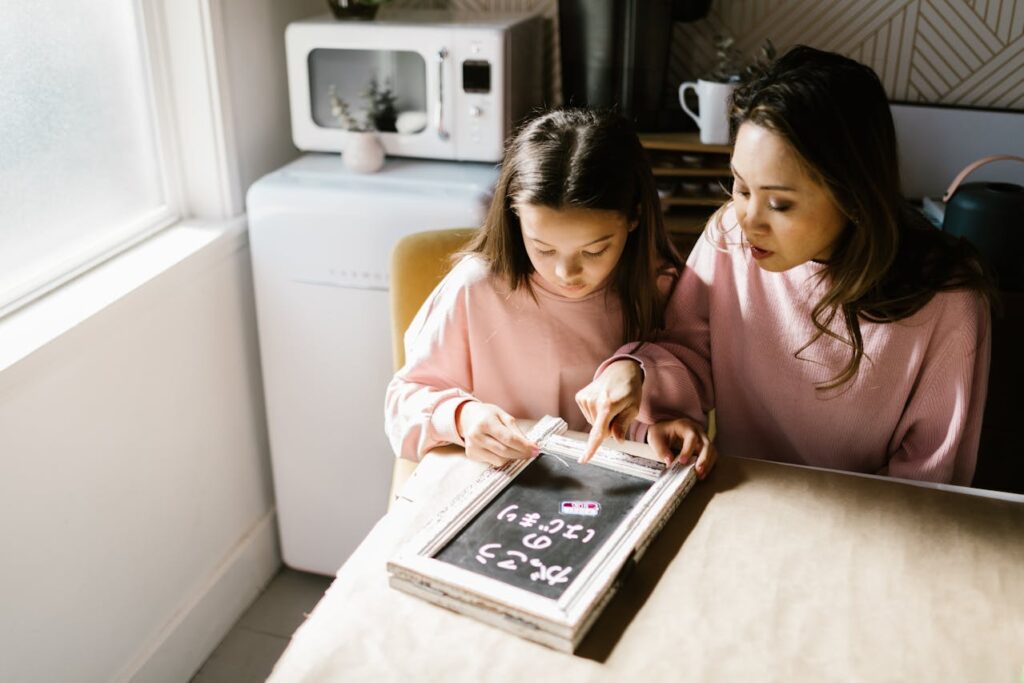
The traditional one-size-fits-all approach to education is being replaced with more personalized learning experiences in 2025. Parents are advocating for educational models that cater to their child’s unique learning style, interests, and pace. Technology is enabling tailored lesson plans, interactive learning apps, and platforms that offer individualized feedback. This shift is empowering children to pursue subjects they are passionate about, encouraging creativity, and allowing them to take charge of their education. Parents are more involved in shaping their child’s learning experience, ensuring it is both meaningful and effective.
Fewer Extracurriculars, More Free Play

While structured extracurricular activities have long been a staple of parenting, 2025 sees a shift toward valuing free play over scheduled activities. Parents are increasingly recognizing the importance of unstructured playtime in fostering creativity, problem-solving, and independent thinking. Instead of overloading their children’s schedules with activities like dance, soccer, and music lessons, more parents are prioritizing downtime where kids can explore their interests and imagination on their own terms. This shift is helping children develop essential life skills like self-regulation and adaptability in an organic, less pressured way.
Technology as a Tool, Not a Distraction

Rather than banning technology altogether, parents in 2025 are focusing on teaching their children to use technology mindfully. Screen time is being treated as a tool for learning and creativity, with parents incorporating apps and online resources that enhance education, foster hobbies, and encourage communication. This shift is moving away from the idea that technology is inherently bad for children, and instead, parents are creating healthy boundaries and teaching their children how to use tech responsibly. This approach fosters a balanced relationship with technology, helping kids navigate the digital world with awareness and purpose.
Focus on Environmental Responsibility

Climate change and environmental awareness are top priorities for many parents in 2025. Teaching kids about sustainability and the importance of environmental responsibility is becoming an integral part of modern parenting. Parents are involving their children in activities like recycling, reducing waste, and adopting eco-friendly habits like plant-based eating and energy conservation. By instilling these values early, parents are raising a generation of kids who are not only environmentally conscious but actively engaged in protecting the planet for the future.
Fluid Family Structures
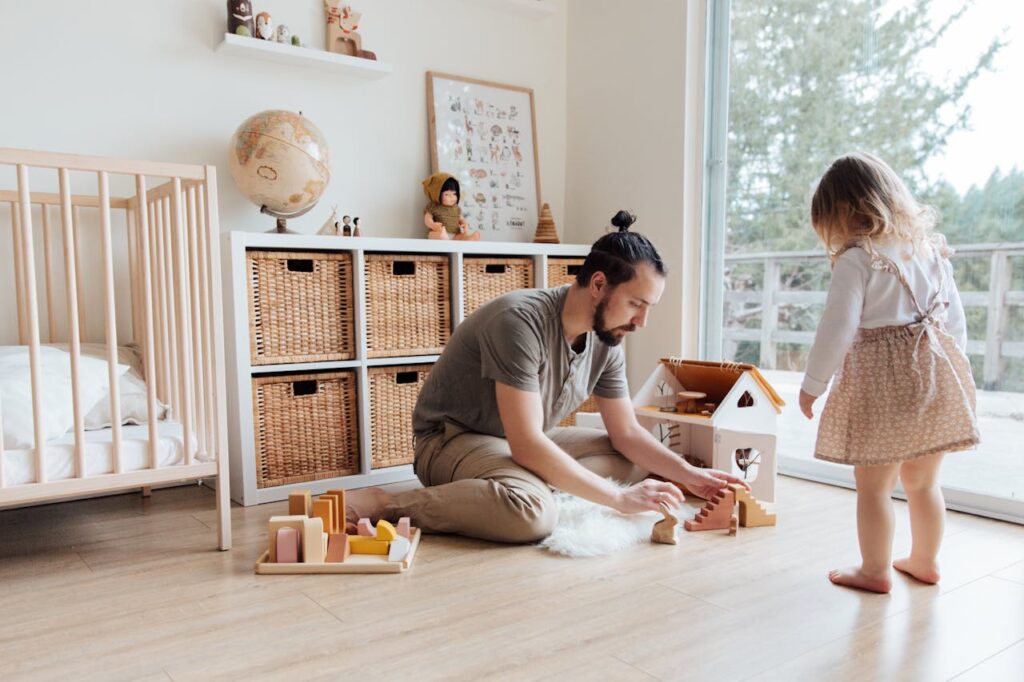
The concept of family in 2025 is more fluid and diverse than ever before. Non-traditional family structures, such as single-parent households, blended families, and multi-generational living arrangements, are being celebrated and normalized. Parents are increasingly open to different definitions of family, focusing on love and support rather than traditional norms. This shift is helping children grow up in environments where they are taught to appreciate diversity, whether in family composition, race, or culture. The idea that a family is defined by the strength of its bonds rather than societal expectations is becoming more mainstream.
Collaborative Parenting

In 2025, parenting is becoming less of a solitary job and more of a shared responsibility. Collaborative parenting, where both parents, caregivers, and extended family members work together as a team, is on the rise. This approach acknowledges the importance of having multiple positive role models in a child’s life. Whether it’s shared duties between parents or relying on extended family and friends for support, collaborative parenting helps alleviate stress and fosters a healthier, more supportive environment for children to grow up in. It also teaches children the value of teamwork, cooperation, and the importance of community.
Healthy Boundaries Around Social Media

With social media being a significant part of modern life, parents in 2025 are setting clear, healthy boundaries for their children’s online presence. Instead of completely restricting access, many parents are educating their children about the potential dangers and benefits of social media, while ensuring they engage with it in a healthy way. Conversations about online etiquette, cyberbullying, and privacy are becoming more frequent, and many parents are using parental controls and monitoring apps to ensure their kids’ safety while fostering responsible online behavior. This approach helps children build a positive and mindful relationship with social media as they grow older.
Emphasis on Mindfulness and Wellness

In 2025, the practice of mindfulness and self-care is becoming a vital component of parenting. Parents are focusing on teaching their children to manage stress, practice gratitude, and prioritize their emotional well-being. Activities like yoga, meditation, and journaling are being incorporated into daily routines, helping children develop a sense of inner peace and self-awareness from a young age. With increasing stress levels among young people, parents are making wellness a priority to equip their children with the tools they need to navigate life’s challenges with calm and confidence.
Parenting in 2025 is all about embracing change and adapting to new perspectives on well-being, education, and social dynamics. From the rise of flexible work schedules to fostering emotional intelligence and environmental responsibility, modern parents are prioritizing their children’s overall growth and happiness in a more holistic way. The focus is on balance—whether it’s with technology, family dynamics, or personal wellness. As we move forward, these shifts will continue to reshape the way we nurture and guide the next generation, ensuring they grow up in environments that are supportive, inclusive, and full of opportunities to thrive.