

Parenting is filled with good intentions. Every mom and dad wants to do what’s best for their child, often going above and beyond to support, protect, and guide them. But sometimes, even well-meaning actions can backfire. What feels like helpful parenting might actually create stress, dependency, or confusion for your child. Here are 12 common parenting habits that seem helpful—but may do more harm than good in the long run.
Doing Everything for Your Child

Helping your child with every task—zipping jackets, tying shoes, or cleaning up toys—may feel like love in action. But doing too much robs them of independence and problem-solving skills. Kids build confidence by learning to do things on their own. Allowing them space to try and fail helps them grow. It may take longer, but the payoff is worth it.
Constantly Praising Everything

Telling your child “good job” every time they blink may seem like a confidence boost. But constant, vague praise can actually reduce motivation over time. Instead, try specific feedback like “I noticed how carefully you colored inside the lines.” This helps them value effort, not just approval. Too much praise can also lead kids to seek validation instead of self-worth.
Solving Every Problem for Them
When kids face social conflicts or small frustrations, it’s tempting to jump in and fix things right away. But stepping in too quickly keeps them from developing coping skills. Instead, guide them with questions like, “What do you think you could do?” Over time, they learn to resolve issues and build resilience. Struggles are part of growing stronger.
Over-Scheduling Their Days

Enrolling kids in back-to-back activities may seem like a way to help them thrive. But too much structure can lead to burnout and anxiety. Kids need downtime to rest, play freely, and use their imagination. Unscheduled time actually supports creativity and emotional regulation. Balance is key, not constant stimulation.
Shielding Them from All Disappointment

It’s natural to want to protect your child from failure or sadness. But avoiding disappointment keeps them from learning how to cope with real-life emotions. Letting them lose a game or not get the part in the play teaches important lessons in resilience. Support them emotionally, but don’t remove all obstacles. Life skills grow through experience, not perfection.
Micromanaging Homework
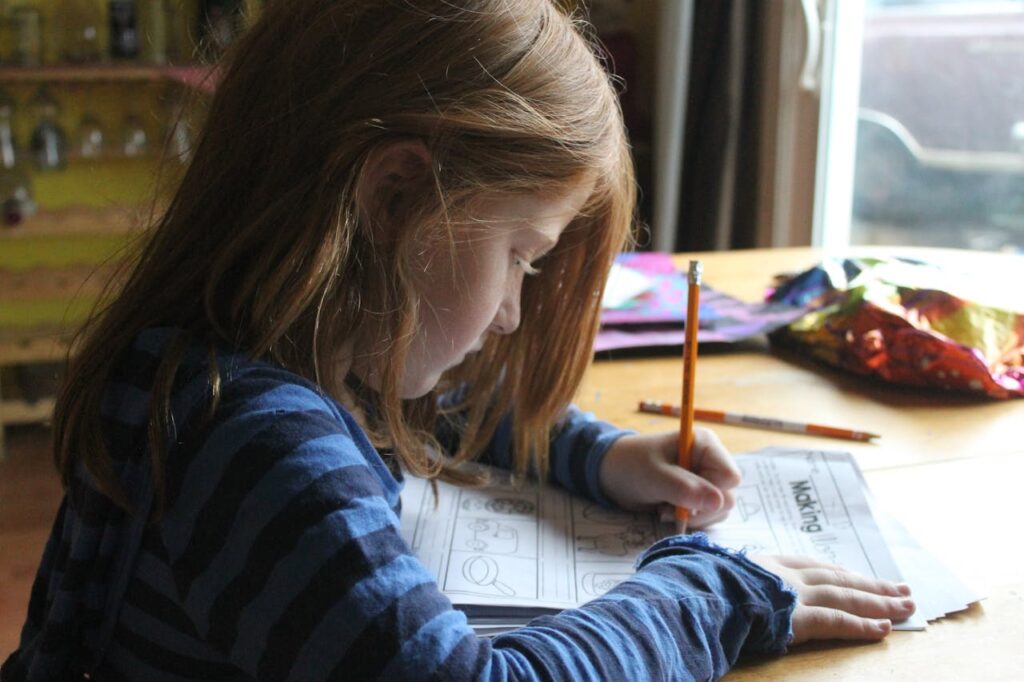
Sitting beside your child every night correcting every answer might feel like support. But it can lead to dependency and stress. Homework is meant to teach responsibility and critical thinking. Step back and let them take the lead, offering guidance only when needed. Trust in their ability to learn from mistakes.
Letting Them Always Win

It may feel kind to let your child win every board game or race. But doing so can set unrealistic expectations. Losing builds character, teaches sportsmanship, and encourages effort. Kids need to learn how to handle both success and setbacks. Fair play helps them become more grounded and gracious.
Overusing Rewards

Reward charts and treats can be useful in moderation, but over-reliance turns motivation into a transaction. Kids may start behaving only for a prize, not because it’s the right thing to do. Internal motivation matters more in the long term. Use praise, connection, and natural consequences to shape behavior. Save rewards for truly special efforts.
Never Saying No

Saying “yes” to every request might feel like you’re being a fun, flexible parent. But without boundaries, kids feel unsure and unsafe. Limits provide structure, and saying “no” teaches delayed gratification and respect. It’s okay to disappoint your child sometimes—it teaches them how to manage emotions. Kindness and firmness can go hand in hand.
Avoiding All Conflict

Trying to keep the peace by never disagreeing or setting limits may seem gentle, but it teaches avoidance. Conflict handled respectfully helps children learn how to navigate emotions, communicate clearly, and solve problems. It also models how to disagree without fear. Healthy families don’t avoid conflict—they learn how to work through it.
Talking Too Much During Discipline
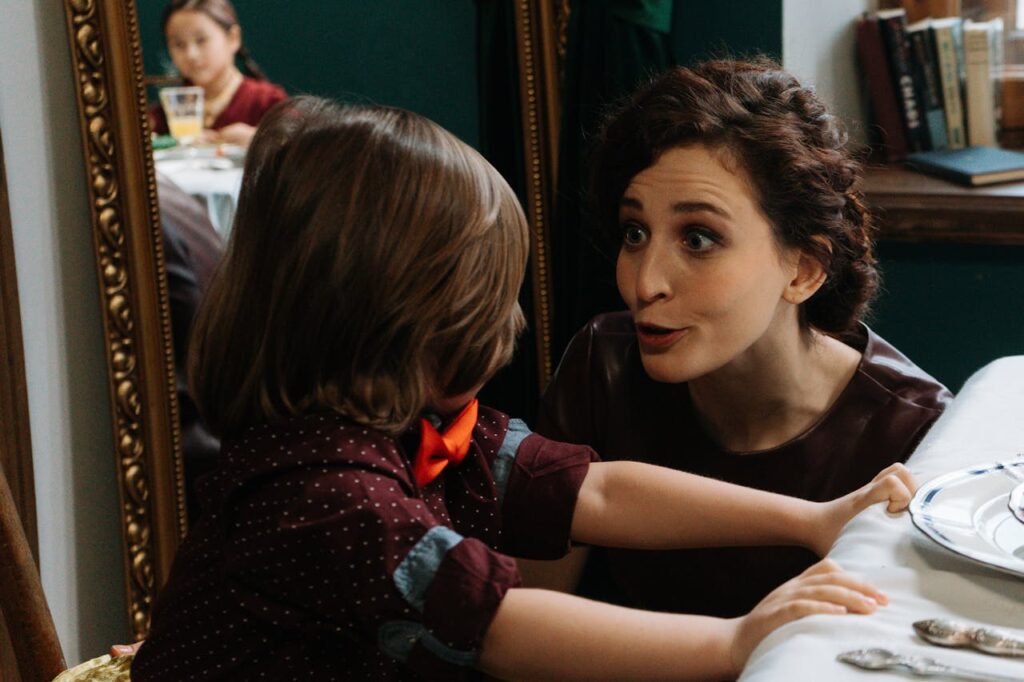
Explaining behavior and expectations is important—but over-talking can overwhelm or confuse kids. Long lectures usually tune them out. Keep discipline calm, clear, and age-appropriate. Let actions (like consequences) speak louder than words. Short and meaningful conversations are far more effective than lengthy monologues.
Always Stepping In to Entertain

Feeling like you have to constantly entertain your child may come from love, but it hinders creativity and self-direction. Boredom is not a problem—it’s an opportunity. When kids get bored, they learn to think creatively and explore on their own. Let them have unstructured time to daydream, build, or play independently. You’re not their cruise director—you’re their guide.