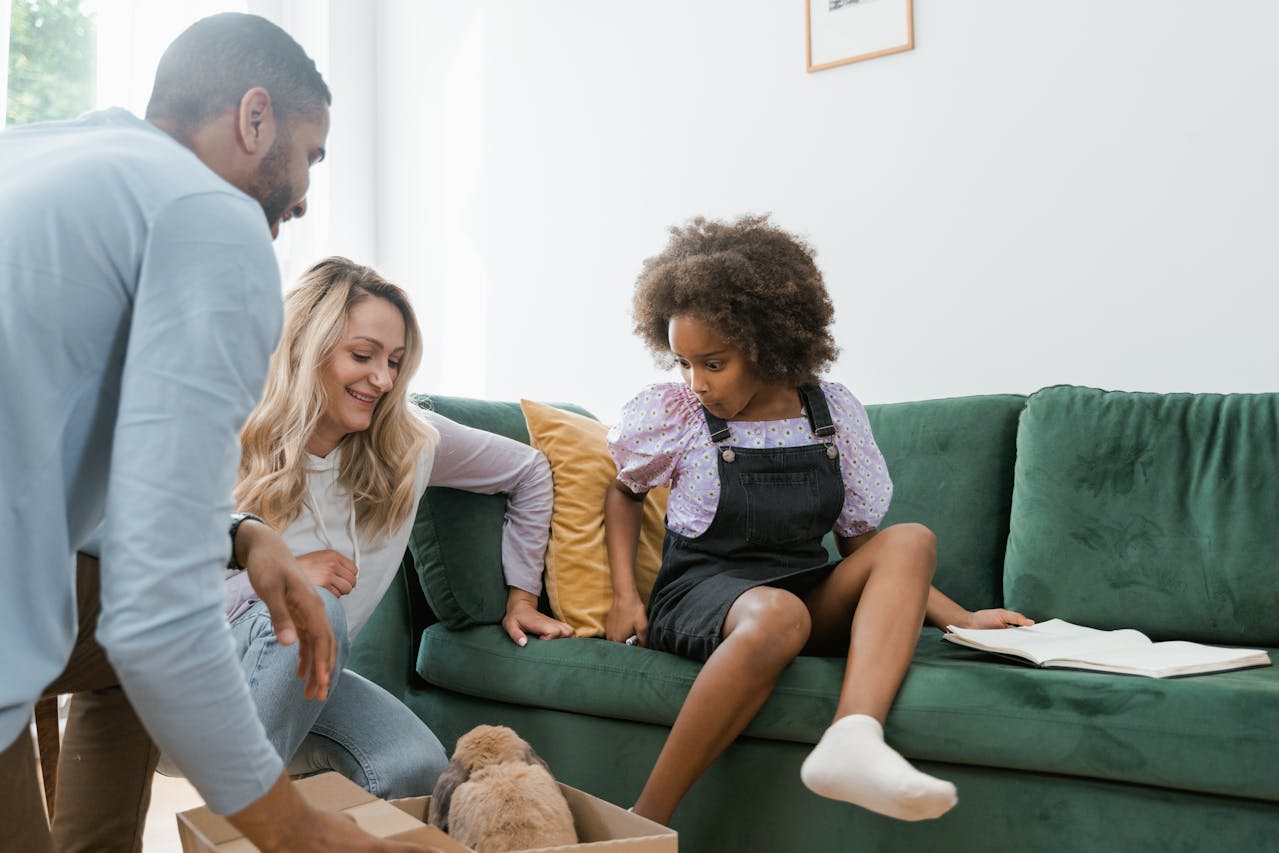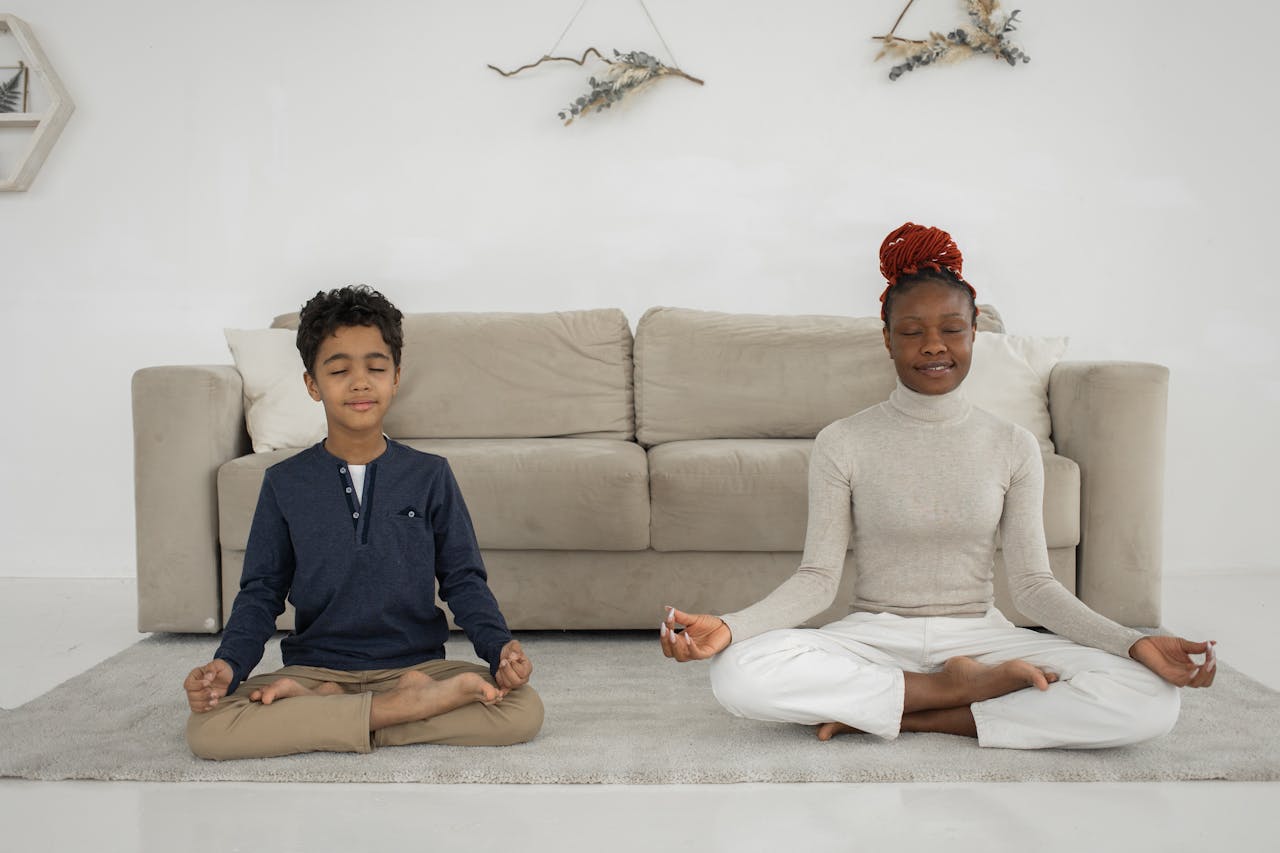
Parenting in America is shifting again as families rethink what children really need to thrive. Parents are balancing old values with modern pressures and digital life. The habits emerging now are shaped by technology, mental health awareness, and a desire for calmer routines. These trends do not feel like fads. They feel like adjustments that fit how families live, work, and communicate today. What parents are doing differently in 2026 reflects a broader cultural shift toward raising kids who can think clearly, handle emotions, and grow with confidence in a world that constantly changes.
Teaching Kids How To Identify Misinformation Online
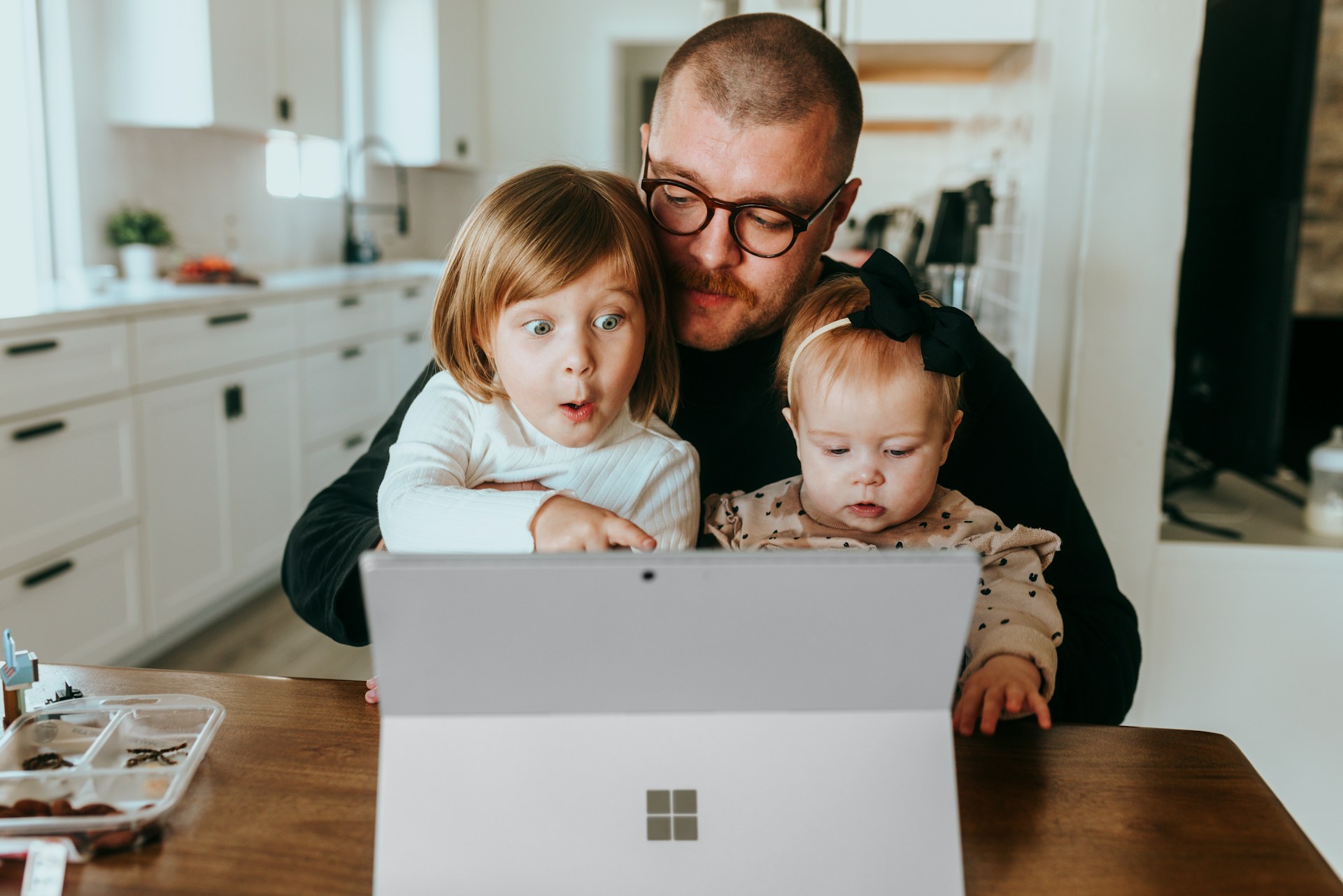
The internet is where kids learn, talk, and form opinions. Parents are finally realizing that shielding children from online content is impossible, but teaching them to separate facts from lies is essential. Families discuss sources, search results, and viral claims instead of assuming schools will cover it. Children learn to check credibility, ask questions, and avoid believing every dramatic headline. This habit may shape the next generation of thinkers who are comfortable using technology without falling into traps. It teaches kids that truth requires curiosity, not just scrolling and tapping.
Using AI Tutors To Personalize Learning
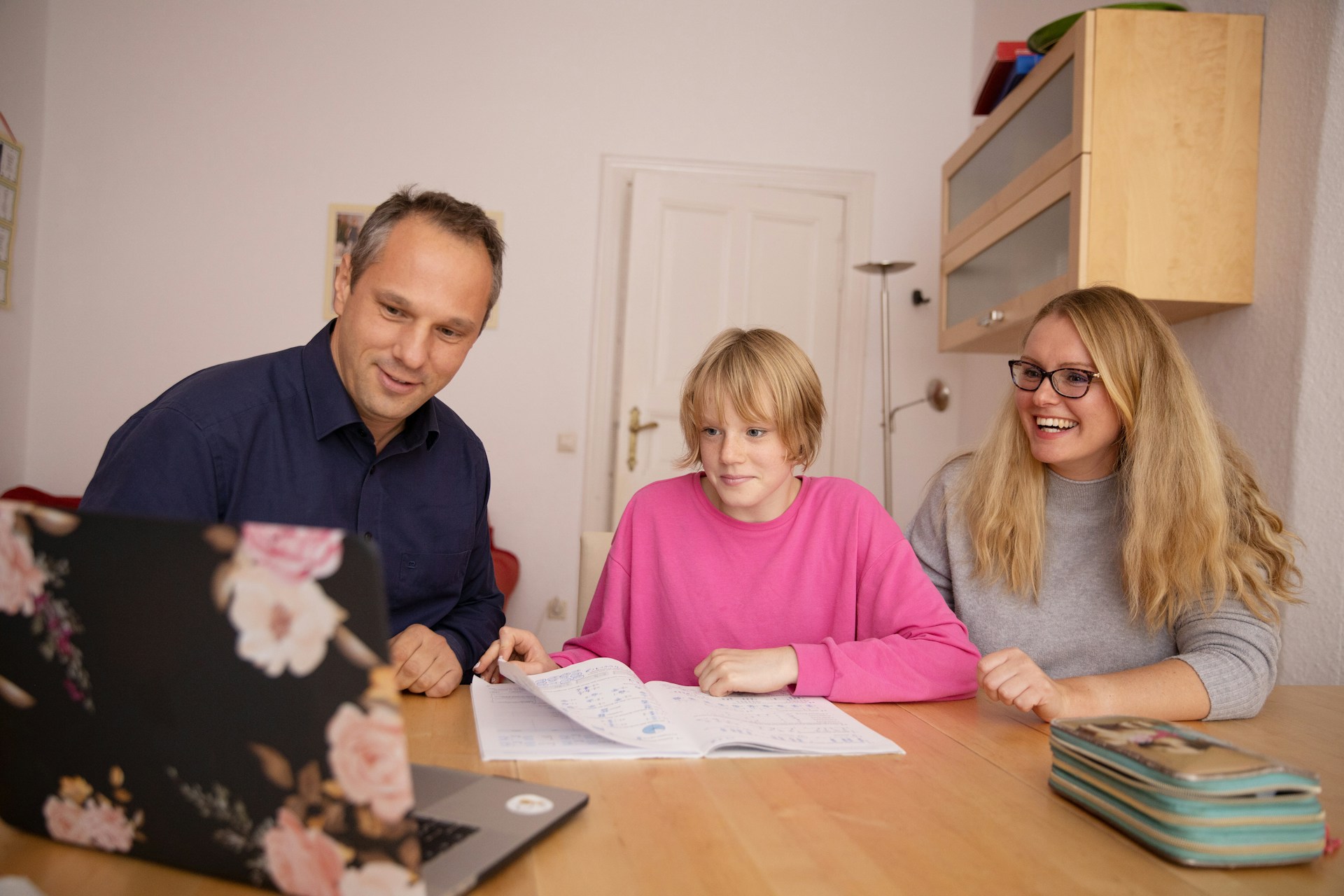
Parents are turning to AI based learning apps to fill gaps that traditional classrooms cannot always reach. These digital tools help kids practice reading, math, coding, and even languages at their own pace. Instead of parents hovering over homework, technology steps in with exercises, instant feedback, and encouragement. This helps children move forward without frustration and frees parents from nightly academic battles. AI tutors are not replacing teachers. They are becoming extra support systems that customize learning and give kids confidence by meeting them where they are.
Teaching Financial Literacy From Early Grades
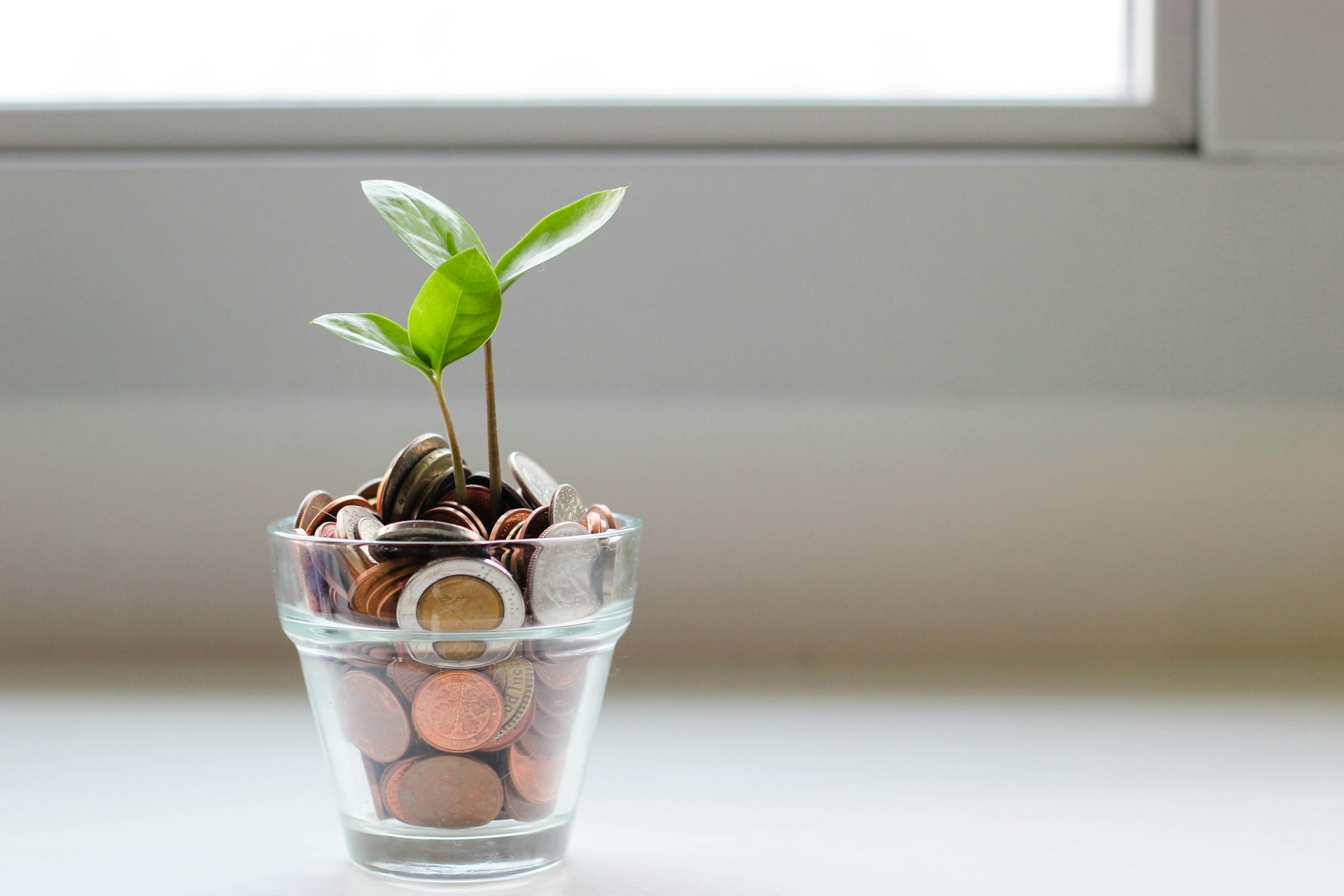
Money lessons were once reserved for adulthood, but parents now want kids to understand budgeting, savings, and real world decisions before college. Allowances turn into mini lessons about spending wisely. Parents use apps to track saving goals or discuss needs versus wants at the store. Kids grow up recognizing that financial health is a lifelong skill. This habit prepares children to avoid debt traps and make choices that align with their goals. Families are treating financial knowledge like reading or math, something essential for independence rather than a skill to stumble upon later.
Prioritizing Mental Health Check Ins At Home
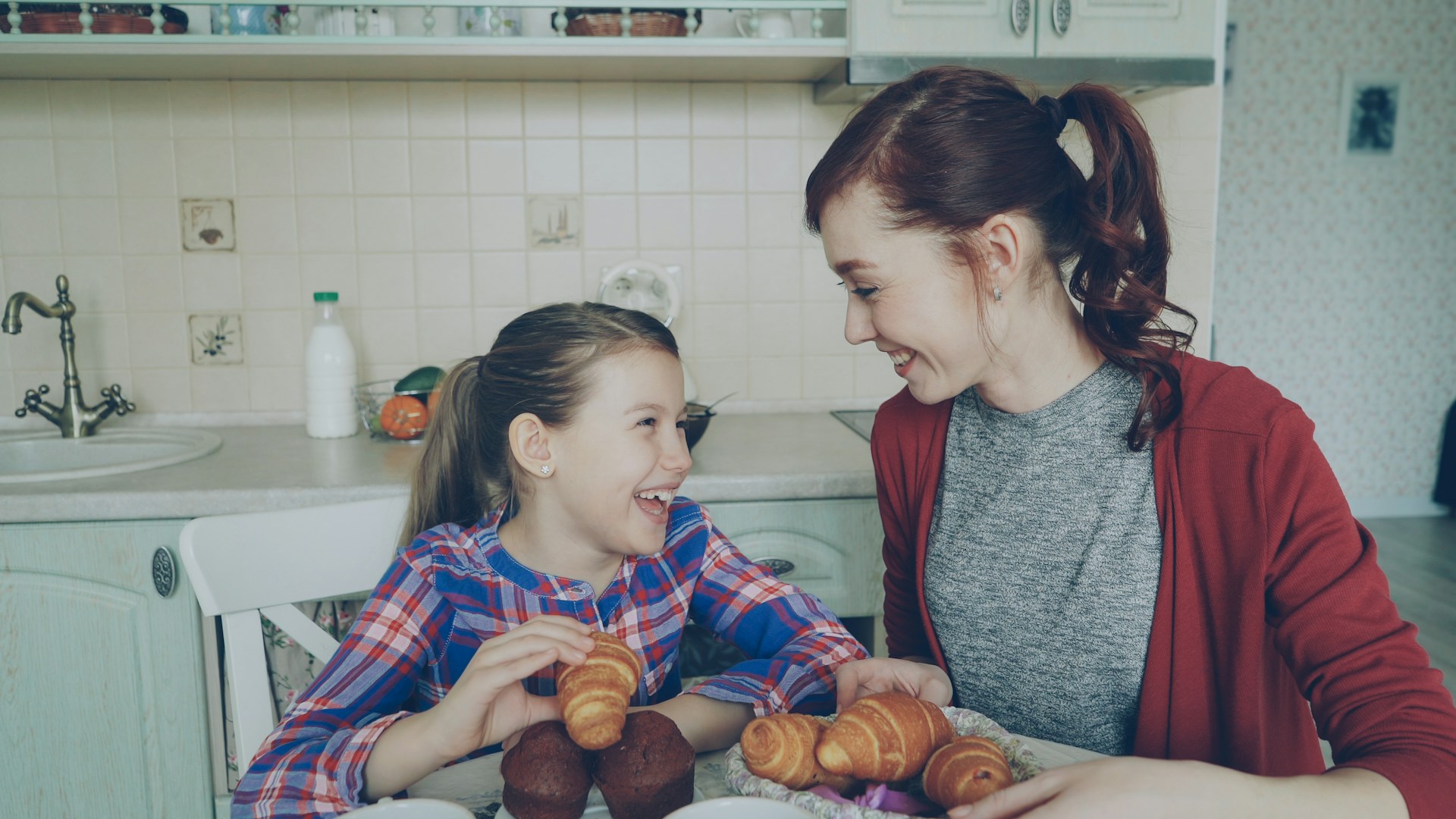
Parents are focusing on emotional safety as much as physical safety. Instead of waiting for problems to surface, families set aside time to talk about feelings. Kids learn to name emotions, ask for help, and understand stress before it overwhelms them. Parents model calm tone and patience, making emotional conversations normal rather than dramatic. These check ins help children build resilience and self awareness. Over time, they learn that feelings are not secrets but signals. This habit has grown from necessity into a proactive practice that shapes healthier relationships.
Treating Chores As Skill Building Instead Of Punishment
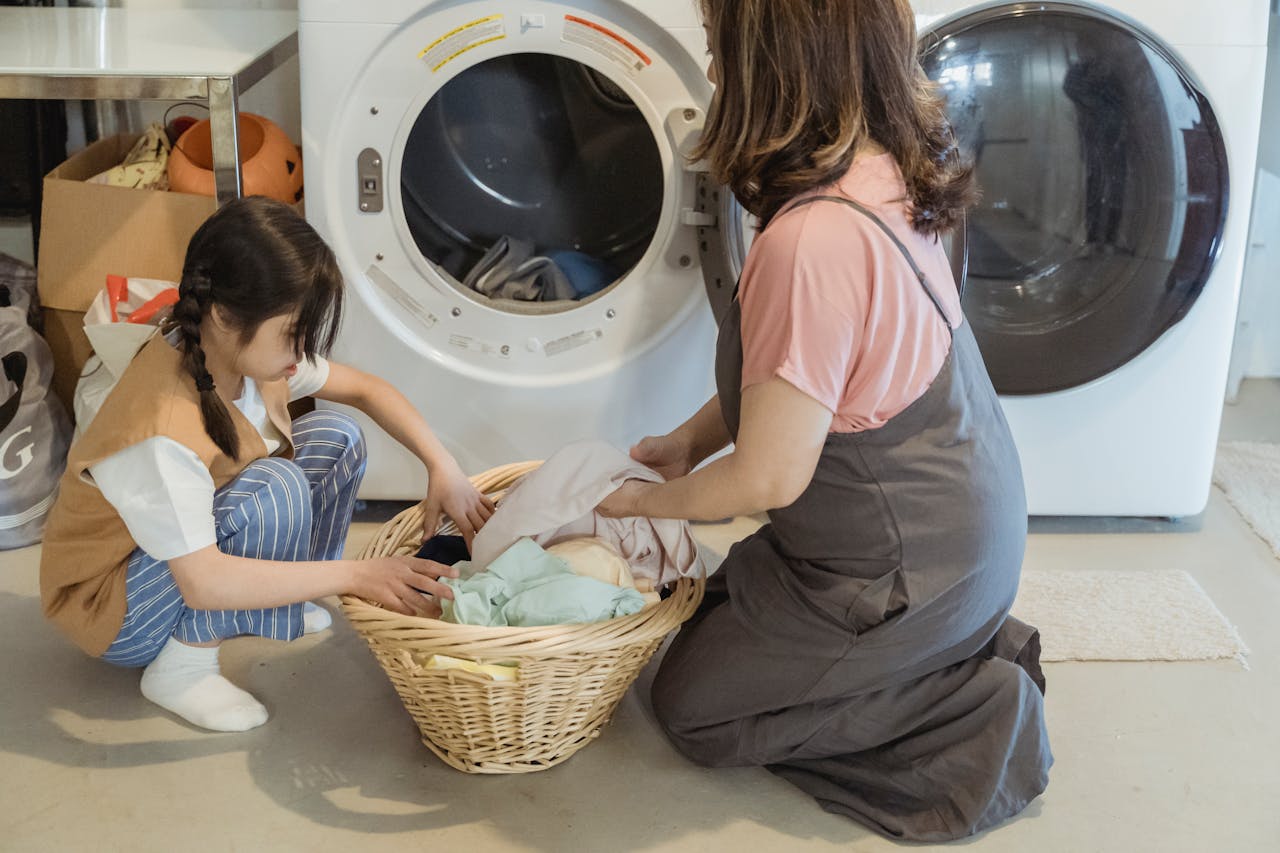
Chores are shifting from dreaded tasks into valuable life lessons. Parents explain how cleaning, folding laundry, or cooking builds independence and teamwork. Children understand chores not as punishment but as contributions to family success. This mindset makes responsibility feel rewarding, not forced. Kids learn time management, planning, and attention to detail. Parents benefit from fewer power struggles, and children leave home feeling capable rather than confused about everyday tasks. Chores become not just work but training for adulthood, making the household feel like a team.
Practicing Calm Conflict Resolution Without Raised Voices

Yelling was once common in stressful homes. Now parents are practicing steady tone, eye contact, and calm pauses during disagreements. Families are learning that shouting may stop a behavior but never solves a problem. Modern conflict resolution teaches kids how to explain, listen, and compromise. This habit helps children manage friendships, school challenges, and future relationships. It also reduces guilt and tension at home. By modeling problem solving, parents create a space where mistakes are addressed without fear. Kids grow up understanding that strength comes from clarity, not volume.
Involving Kids In Family Decision Making And Planning

Parents once made all household rules alone. Now children are included in discussions about schedules, chores, and choices that affect everyone. Kids learn the value of contributing ideas, negotiating, and understanding consequences. This builds confidence and communication skills. Children feel respected and become more cooperative because their input matters. The habit also prepares kids for adulthood, where decisions rarely come without discussion. Families operate more like small teams, and that shift reduces rebellion because rules are shared rather than imposed without explanation.
Tracking Health And Habits Using Smart Home Devices

Parents are using smart watches, apps, and sensors to monitor steps, sleep patterns, and water intake. These devices give kids a sense of control over their health. Tracking turns well being into a game rather than a lecture. Families compare progress, set goals, and celebrate improvements together. This habit normalizes healthy choices while reducing nagging. Kids learn responsibility by observing habits instead of hearing about them repeatedly. Technology becomes a partner in parenting rather than a distraction that pulls kids away from real life.
Focusing On Nutrition Through Simple Meal Prepping
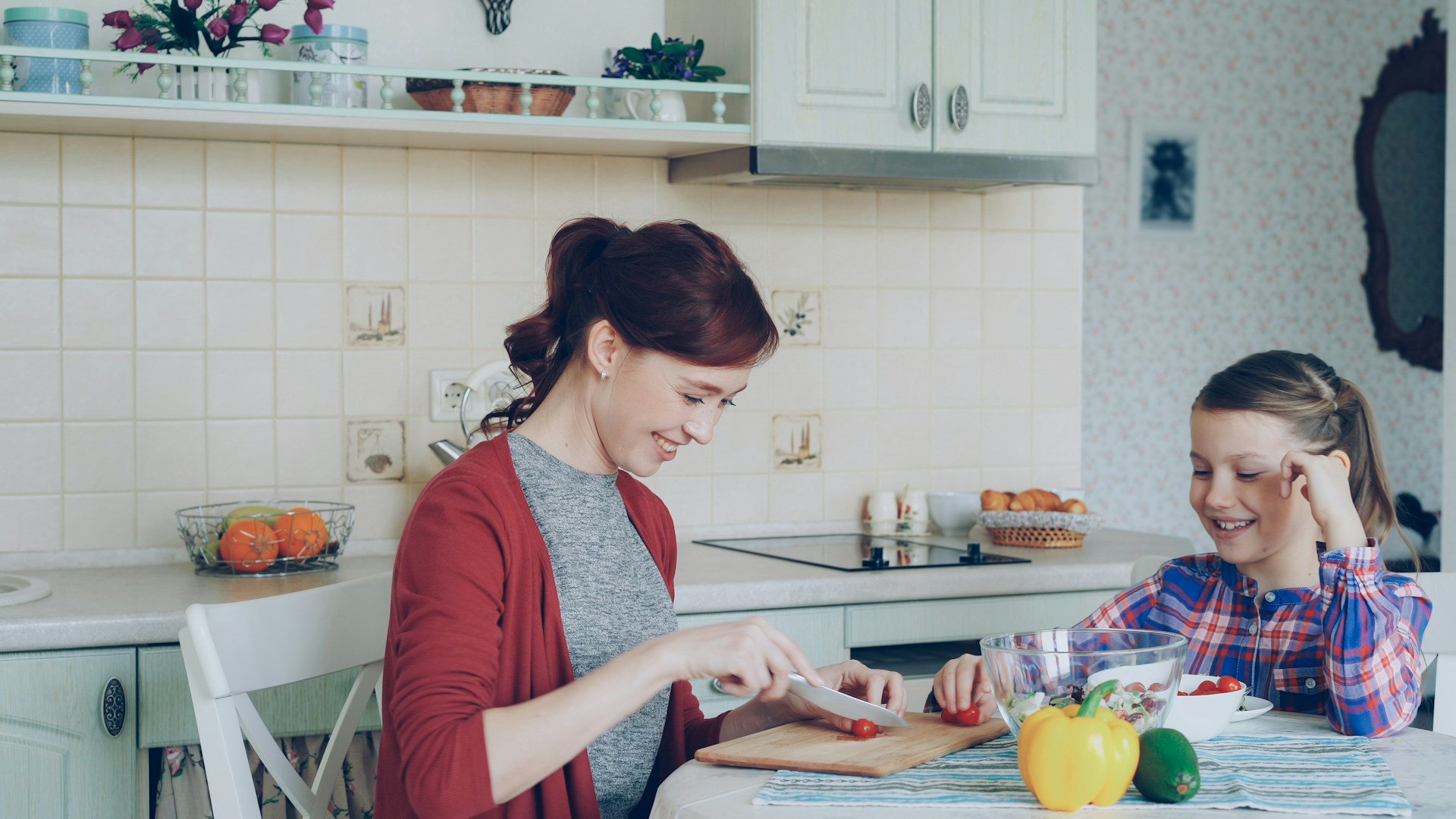
Parents are moving away from fast food habits and planning meals at home for the week. Children help chop vegetables, pack lunches, or assemble snacks. Meal prepping turns nutrition into a shared project instead of a lecture about eating healthy. It encourages families to look at ingredients, save money, and eat consistently. Kids gain confidence in the kitchen and enjoy food more because they helped create it. Parents appreciate the organization and calm it brings to evenings. This habit replaces rushed dinners with intentional routines that support healthier lifestyles.
Teaching Kids Mindfulness And Emotional Vocabulary
Parents are embracing mindfulness practices that help children understand emotions. Breathing exercises, reflection, and self calming strategies reduce anxiety and help kids reset after stressful moments. Teaching emotional vocabulary allows children to express feelings clearly rather than acting out. These habits prepare kids to face challenges with awareness instead of panic. Homes that practice mindfulness see fewer meltdowns and more connection. It teaches children that emotions are part of life, not battles to avoid. The result is calmer households where communication comes easier.
Rewarding Effort And Consistency Rather Than Outcomes

Parents are shifting praise from results to effort. Kids are encouraged to try, practice, and persist rather than chase perfection. This habit reduces fear of failure and builds confidence. Instead of praising grades alone, parents recognize practice, patience, and growth. Children understand that success is a journey, not a single moment. Over time, effort becomes part of identity. This builds resilience and motivation because children learn that improvement is within their control. The focus moves from comparison to personal progress, helping kids find pride in their work.
Encouraging Kids To Earn Money Through Micro Entrepreneurship
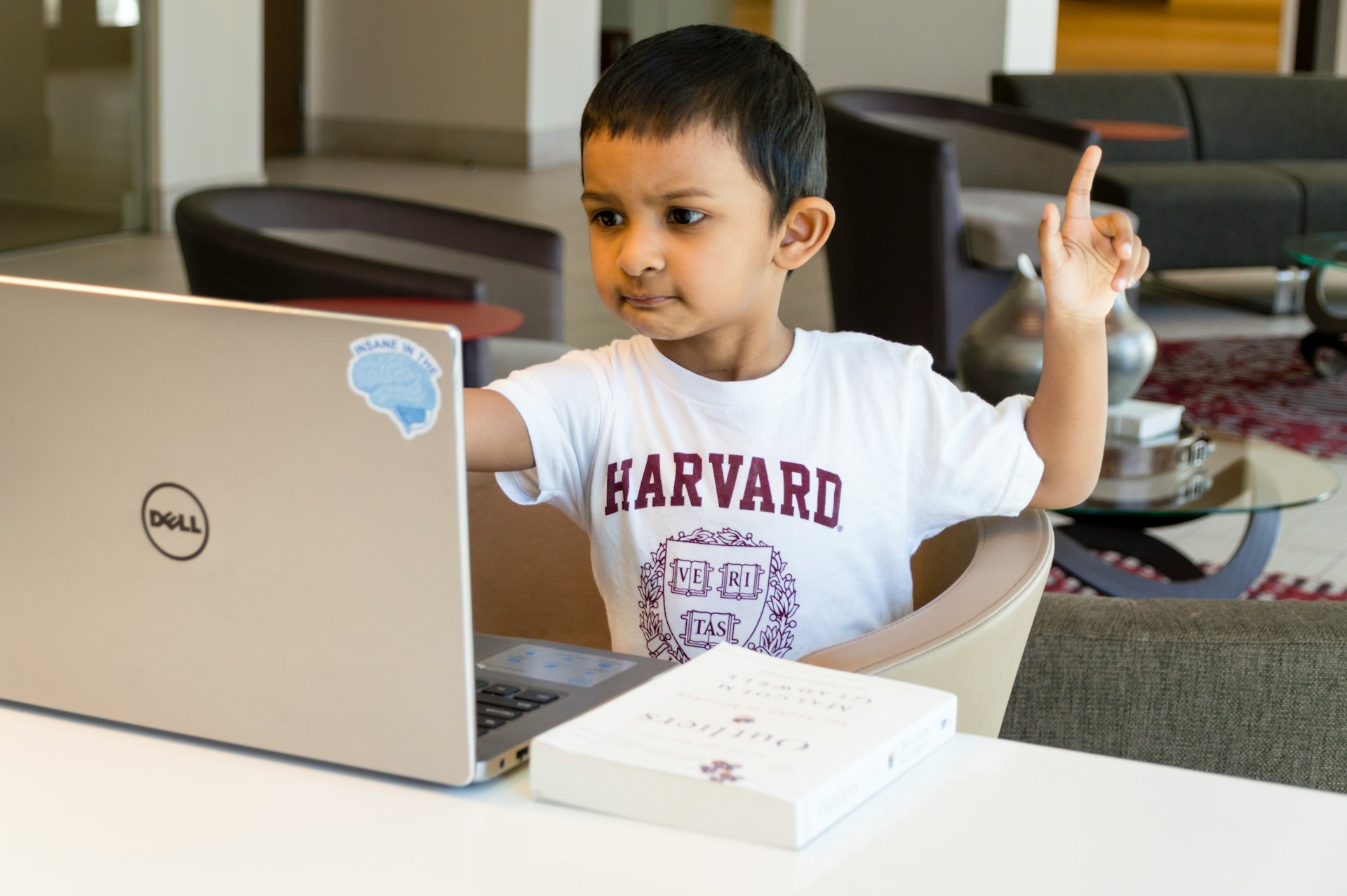
Kids are selling crafts, digital art, baked goods, or small services like pet sitting. Parents support these ventures as safe introductions to real world economics. Children learn communication, pricing, and responsibility. Selling something they created teaches value beyond allowance. Micro entrepreneurship helps kids see money as a tool rather than a mystery. This habit continues because it blends creativity, confidence, and practical skills. It shows children they can build something meaningful from their ideas. The lesson is not about profit. It is about ownership, identity, and possibility.
Parenting in 2026 is evolving because families want calmer homes, confident kids, and habits that prepare children for a shifting world. These trends trade perfection for presence and competition for growth. They do not reject rules. They reshape them. Parents no longer aim to control every moment. Instead, they guide children toward independence, awareness, and balance. These habits may look modern, but they reflect timeless values: connection, responsibility, and curiosity. If these patterns continue, the next generation will enter adulthood more prepared, thoughtful, and ready for change.