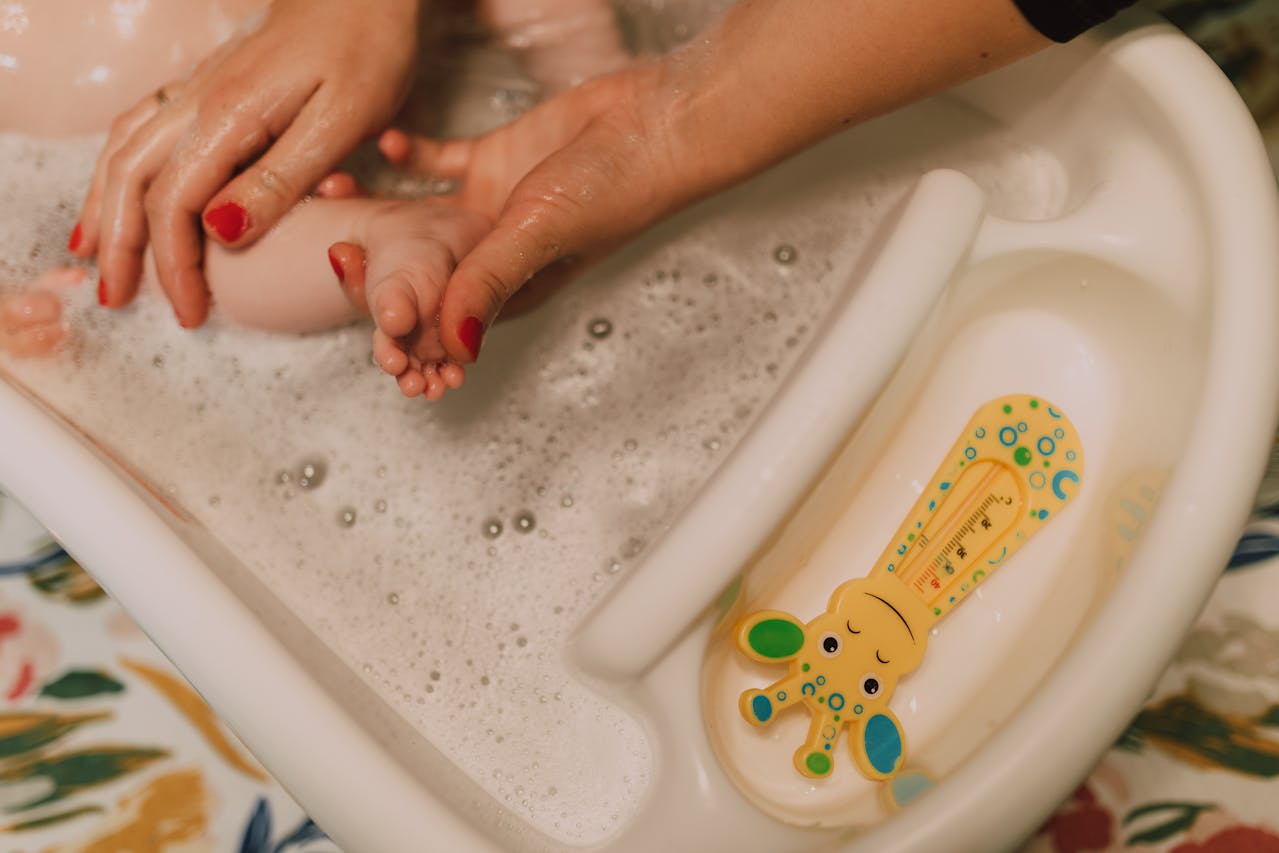

Parenting is a journey full of moments that shape a child’s growth, from their first steps to the development of their own personalities and values. One of the most important aspects of being a parent is building a strong and lasting bond with your child. These relationships are the foundation of their emotional well-being and play a significant role in how they perceive the world and interact with others. Here are 12 parenting habits that can help build a stronger, more meaningful connection with your child over time.
Spend Quality Time Together

The foundation of a strong parent-child relationship is built through shared experiences. It’s not about how much time you spend together, but the quality of that time. Whether it’s having a conversation, playing a game, or simply sitting together without distractions, it’s important to be present. When you engage in activities that allow both of you to focus on each other, you create lasting memories and foster an environment where your child feels valued. These moments of attention and connection encourage open communication and trust, and they are a powerful way to strengthen your bond.
Practice Active Listening

One of the most impactful habits you can develop as a parent is active listening. It’s essential to not only hear what your child is saying but to truly listen, understand, and validate their feelings. This means giving them your full attention, maintaining eye contact, and reflecting on what they say before responding. By listening with empathy, you show your child that their thoughts and emotions matter. This deepens their trust in you and makes them feel safe to share openly, which strengthens the relationship over time.
Encourage Open Communication

Creating an environment where open and honest communication is encouraged is crucial for building a strong parent-child bond. Encourage your child to express their feelings, thoughts, and concerns without fear of judgment. This means creating a safe space where mistakes are seen as learning opportunities rather than failures. By showing that you value their input and are willing to listen without criticism, your child learns that communication is a tool for resolving problems and deepening relationships. This habit builds trust and ensures a smoother flow of communication as they grow.
Be Consistent with Boundaries

While it’s important to show love and affection, consistency in setting boundaries is equally crucial. Children thrive on routines and predictability, and clear expectations help them feel secure. When parents consistently enforce rules and follow through with consequences, it teaches respect, responsibility, and accountability. Consistency also provides a sense of safety, as children know what to expect from their parents and can navigate the world with more confidence. Maintaining a balance of warmth and structure in your approach fosters mutual respect and strengthens the bond over time.
Show Unconditional Love

Unconditional love is the cornerstone of any healthy relationship, and this is especially true between parents and children. Demonstrating that your love doesn’t depend on achievements, behavior, or performance helps to foster a secure emotional foundation. It’s important to show your child that no matter what happens, they are always loved and accepted. This constant assurance builds a child’s self-esteem and helps them feel supported, regardless of life’s ups and downs. By consistently showing affection and care, you create an environment where they feel emotionally safe and valued.
Foster Independence

While it’s tempting to protect your child from every difficulty, fostering their independence is vital for their growth and the strength of your bond. By allowing them to take on responsibilities, make choices, and solve problems on their own, you demonstrate trust in their abilities. Supporting your child as they navigate challenges builds their confidence, while also empowering them to develop their skills and decision-making capabilities. This kind of encouragement helps them become more self-reliant while reinforcing the trust you share.
Practice Patience

Parenting is a test of patience, and the ability to remain calm in challenging situations is an invaluable habit. Children often push boundaries, make mistakes, or act impulsively, and how you respond to these moments can make a significant difference. Responding with patience and understanding, rather than frustration, helps to maintain a strong connection. When your child sees you reacting thoughtfully, it models emotional regulation and resilience, which strengthens your relationship over time.
Celebrate Their Successes

Celebrating your child’s achievements, big or small, reinforces their sense of self-worth and lets them know that their efforts are appreciated. Celebrations don’t have to be grand gestures; a simple acknowledgment or heartfelt praise can go a long way in making them feel valued. When you celebrate their successes, you show that you recognize their hard work and accomplishments. This positive reinforcement nurtures their confidence and provides them with the motivation to continue striving for their goals.
Be Empathetic

Empathy is an essential tool in parenting, as it allows you to understand your child’s emotions and experiences from their perspective. By being empathetic, you help your child navigate their feelings in a healthy way and show them that it’s okay to experience a wide range of emotions. Rather than dismissing their concerns, listen attentively, acknowledge their feelings, and offer guidance in a supportive manner. This empathy cultivates a deep emotional connection, fostering a relationship based on understanding and mutual respect.
Prioritize Family Traditions

Family traditions, whether they are weekly rituals or annual events, provide an anchor in the ever-changing world around us. These traditions create opportunities for bonding and help children feel a sense of continuity and belonging. Whether it’s a regular game night, cooking a family meal together, or taking annual vacations, these shared experiences become a foundation for creating lasting memories. Over time, these traditions help reinforce the importance of family unity, making them feel more connected to their parents and siblings.
Stay Engaged with Their Interests

Taking an active interest in your child’s hobbies and passions demonstrates your support and investment in their individual growth. Whether they’re into sports, art, music, or a specific hobby, showing curiosity about what excites them helps to build a connection based on respect for their interests. When you take time to engage with these activities, even if they’re not your personal interests, your child feels seen and valued. This habit fosters a sense of shared experiences, creating a bond that goes beyond the parent-child dynamic.
Be Flexible and Adaptable

Children are constantly growing and changing, which means parenting strategies that worked in the past may not be as effective as they mature. Being flexible and willing to adapt your approach as your child ages and faces new challenges is crucial. This means being open to trying new methods of communication, adjusting boundaries, and offering more autonomy as they develop. When you’re adaptable, it shows your child that you respect their evolving needs and are committed to being a supportive and responsive parent.
Incorporating these habits into your parenting style over time will not only strengthen your bond with your child but also create a foundation of trust, respect, and love. While there’s no one-size-fits-all approach to parenting, the habits listed here can help foster a healthy relationship where both you and your child thrive. These bonds last a lifetime, influencing your child’s emotional development, self-esteem, and ability to build strong relationships of their own.