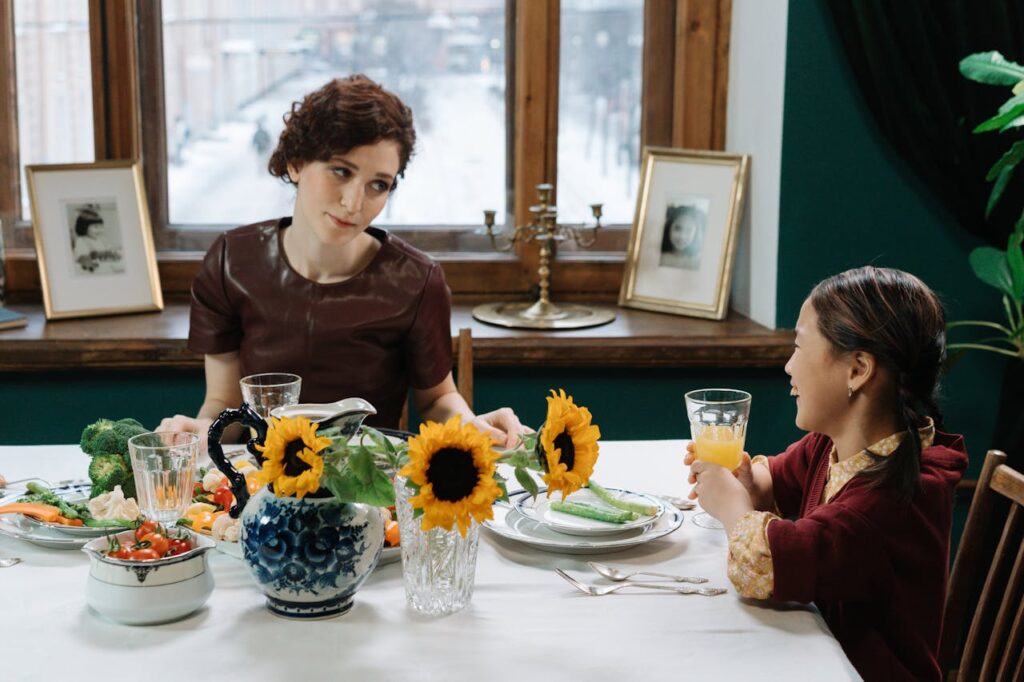
Parenting has evolved dramatically over the years, with many rules once considered essential now seen as unnecessary or even harmful. Modern moms are discarding outdated advice that limited flexibility, stressed both parent and child, or ignored individuality. Today’s approaches prioritize understanding, empathy, and realistic expectations, recognizing that each child is unique. Here are twelve old-fashioned parenting rules that moms are leaving behind in favor of smarter, kinder, and more effective strategies for raising happy and resilient kids.
1. Always let children finish their plate

Parents once insisted children clean their plates at every meal. Modern moms understand that forcing kids to eat can lead to unhealthy habits and food anxiety. Children are encouraged to listen to their bodies and stop when full. This approach fosters a healthy relationship with food and respects natural hunger cues. Skipping this outdated rule helps families create a more relaxed, positive mealtime environment where nutrition matters more than rigid expectations.
2. Strictly scheduled nap times

Rigid nap schedules were once considered crucial, but modern parenting recognizes that flexibility benefits both parent and child. Kids’ needs vary by age and temperament. Forcing a strict routine can create unnecessary stress. Moms now focus on observing cues and allowing rest when needed. This change improves sleep quality and family harmony. Letting children nap naturally encourages better overall health and reduces friction during the day.
3. Limited screen time for all ages

Old rules often banned all screens for children, but today’s moms understand the value of moderation and context. Educational programs and interactive learning tools can support development when used wisely. Completely prohibiting technology can hinder social learning and adaptation. Modern approaches teach kids to balance screen time responsibly while embracing useful digital resources. Thoughtful screen exposure fosters learning, creativity, and skill development in a controlled manner.
4. No talking back ever

Past parenting stressed absolute obedience, with talking back seen as disrespect. Today, moms recognize that respectful dialogue encourages communication, critical thinking, and emotional growth. Children are allowed to express opinions and ask questions in safe, structured ways. This approach builds confidence and problem-solving skills. Limiting harsh punishment for minor expressions of dissent fosters stronger parent-child relationships and helps kids develop their own voice responsibly.
5. Avoid letting children make mistakes

Parents used to shield kids from all failure, but mistakes are now seen as essential for learning. Modern moms encourage risk-taking and independence in age-appropriate ways. Allowing children to face consequences teaches resilience and problem-solving. Shielding kids from failure can prevent confidence growth. Letting them navigate minor setbacks prepares them for real-world challenges while maintaining safety and guidance, building stronger coping mechanisms for life.
6. Mandatory playdates

Old advice suggested organizing playdates constantly to socialize children. Today, moms understand that spontaneous interactions or independent play are equally valuable. Forced socialization can create stress for introverted children. Allowing kids to choose activities promotes self-expression, autonomy, and natural relationship-building. Modern parenting respects personality differences while still supporting social growth, creating balance between structured social time and free exploration.
7. Children must behave perfectly in public

Perfection in public was once non-negotiable, with mistakes seen as parental failure. Modern moms embrace patience, humor, and realistic expectations when out and about. Accepting that children are learning helps reduce stress for both parents and kids. Public moments become opportunities for teaching rather than judgment. This shift promotes positive family dynamics and allows children to explore social environments with guidance instead of fear of harsh correction.
8. Gendered chores

Traditional rules often assigned household tasks based on gender. Modern parenting encourages equal participation regardless of sex, teaching fairness, responsibility, and independence. Girls and boys learn essential life skills, including cooking, cleaning, and organization. This change fosters respect and collaboration, preparing children for real-world expectations. Moving away from gendered chores reflects evolving societal norms and equips kids to contribute meaningfully to home and work environments.
9. Avoid letting children ask questions too often

Parents once discouraged constant questioning, fearing disruption or challenge to authority. Today, moms encourage curiosity and inquiry as vital tools for learning. Answering questions fosters critical thinking, exploration, and confidence. Children learn to problem-solve and understand the world better. Suppressing questions can stifle intellectual growth. Allowing kids to ask and explore ensures they develop knowledge, curiosity, and reasoning skills in a supportive environment.
10. Children must finish every homework assignment perfectly

Perfectionist homework rules created unnecessary pressure. Modern moms focus on effort and understanding over flawless execution. Mistakes are opportunities for growth rather than punishment. Emphasizing learning encourages engagement and reduces stress. Children learn that progress matters more than perfection. This approach supports mental health, self-esteem, and a love of learning while still maintaining academic responsibility and achievement over rigid adherence to error-free work.
11. Avoid physical affection in public
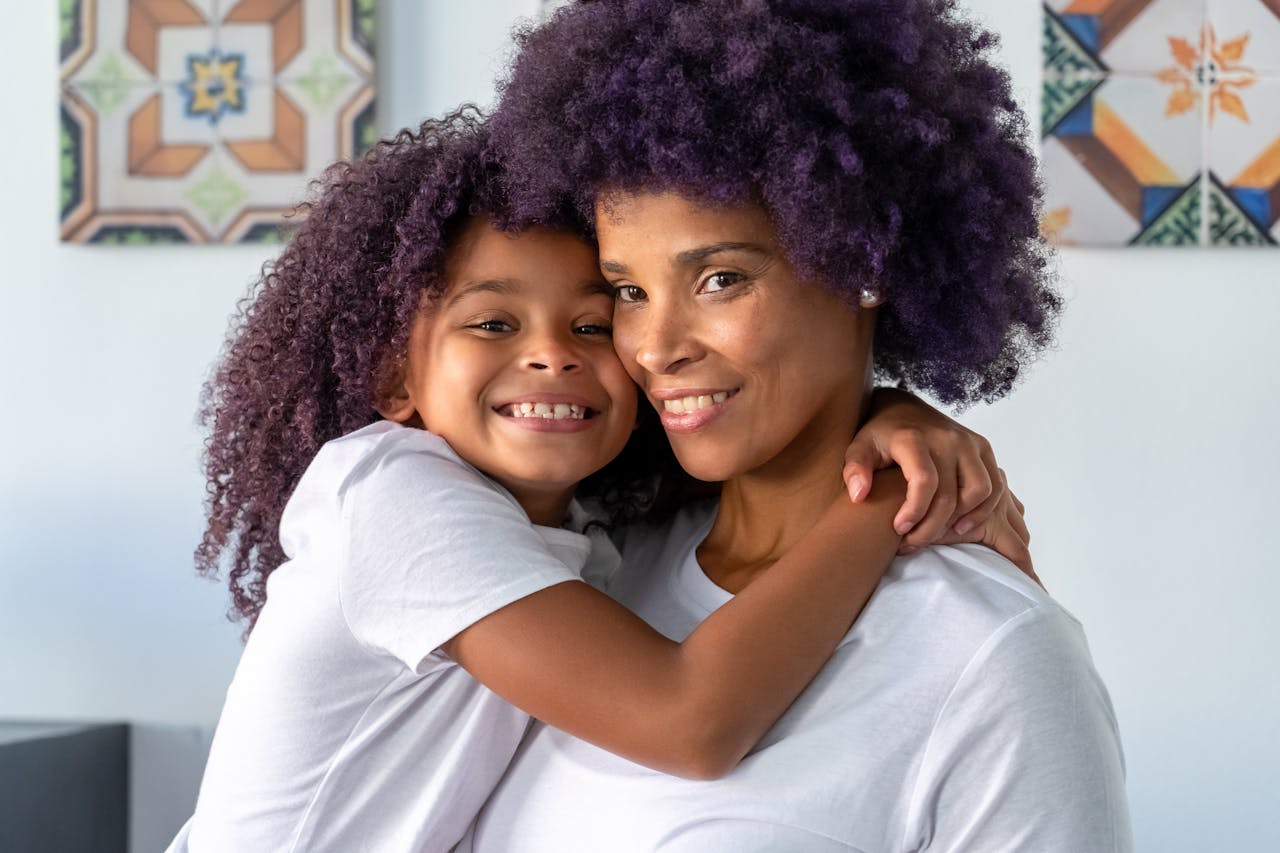
Public displays of affection for children were once frowned upon, but modern moms understand the importance of visible love. Hugs, kisses, and comforting gestures in public reinforce security and emotional bonding. Children benefit from open expressions of affection, which strengthen trust and attachment. This shift challenges outdated ideas of restraint, proving that healthy emotional connection can coexist with social norms while fostering confident, emotionally resilient children.
12. Reading only educational books

Past rules often required children to read only instructive materials, limiting imagination. Modern moms encourage both educational and entertaining reading. Stories that spark imagination support creativity, empathy, and literacy skills. Balancing fun and learning makes reading enjoyable and sustainable. Children develop a lifelong love of books and knowledge. Letting kids explore different genres cultivates curiosity and critical thinking, turning reading into both an enjoyable and enriching activity.
Parenting continues to evolve as modern moms discard outdated rules that no longer serve children’s growth. Emphasizing flexibility, curiosity, empathy, and independence promotes stronger, healthier, and happier kids. By letting go of strict or outdated traditions, parents can create supportive, nurturing environments where children thrive while learning essential life skills. Smart parenting balances guidance with freedom and teaches lessons that prepare kids for life beyond the home.