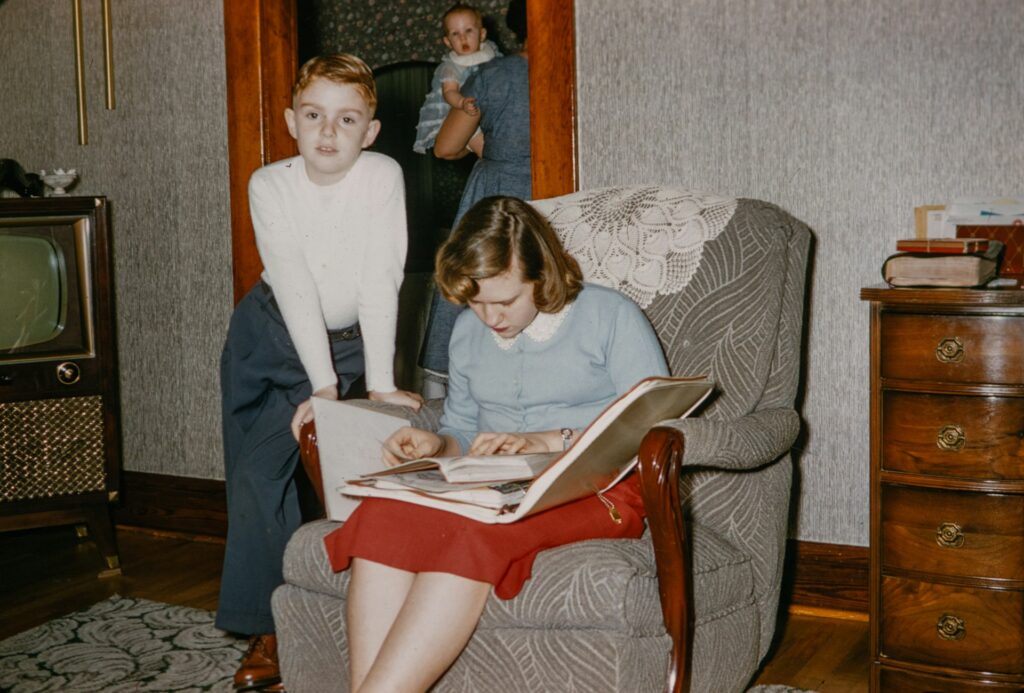

Parenting has changed a lot over time, but many old-school tips still hold true. Before smartphones and nonstop safety warnings, parents relied on practical approaches to raise strong, independent kids. These tried-and-true methods may seem outdated, but they often built character and life skills. Here are 12 old-school parenting tips that actually made sense and continue to offer valuable lessons today.
1. Letting Kids Play Outside Unsupervised

Back then, parents commonly let kids play outdoors without constant supervision. This freedom helped children develop independence and problem-solving skills by facing real-world situations on their own. Though today’s parents often worry about safety, this unsupervised play fostered creativity, risk assessment, and confidence. These traits are crucial for adulthood, making this old-school tip an important lesson in building resilience and self-reliance.
2. Encouraging Kids to Take Responsibility Early
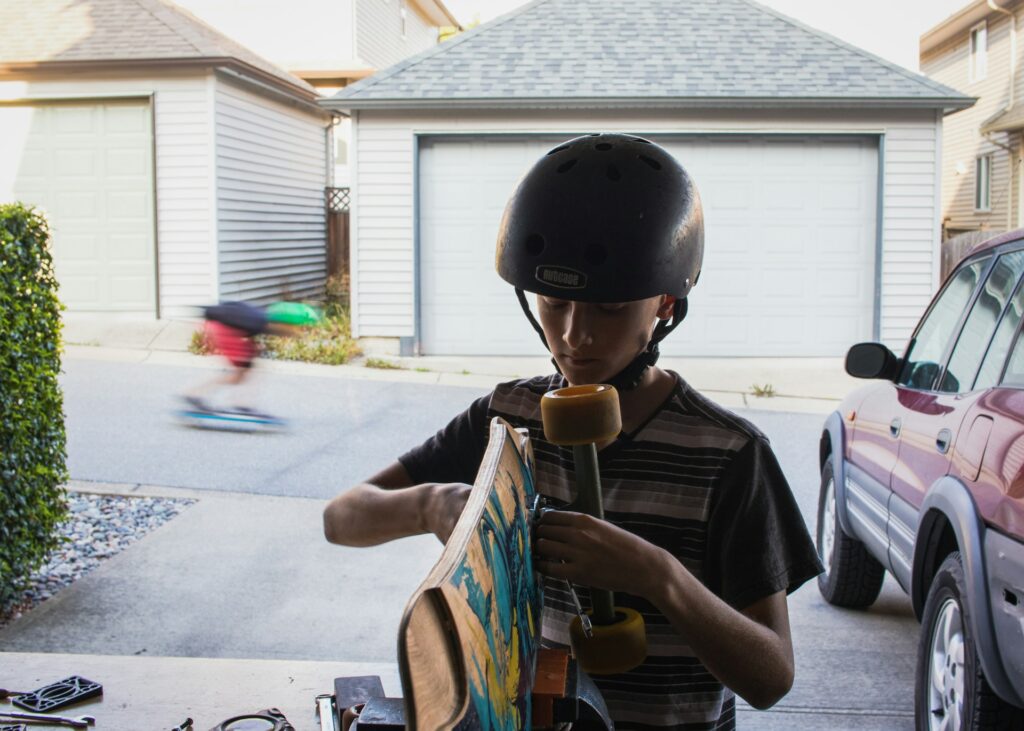
Old-school parents expected children to manage age-appropriate tasks like chores, homework, and hygiene on their own. This approach built accountability and time management from a young age. Rather than hovering or reminding, they encouraged self-discipline and pride in contributing to the family. These lessons prepared kids to handle responsibilities effectively as adults and fostered independence that still benefits many today.
3. Setting Clear but Firm Boundaries
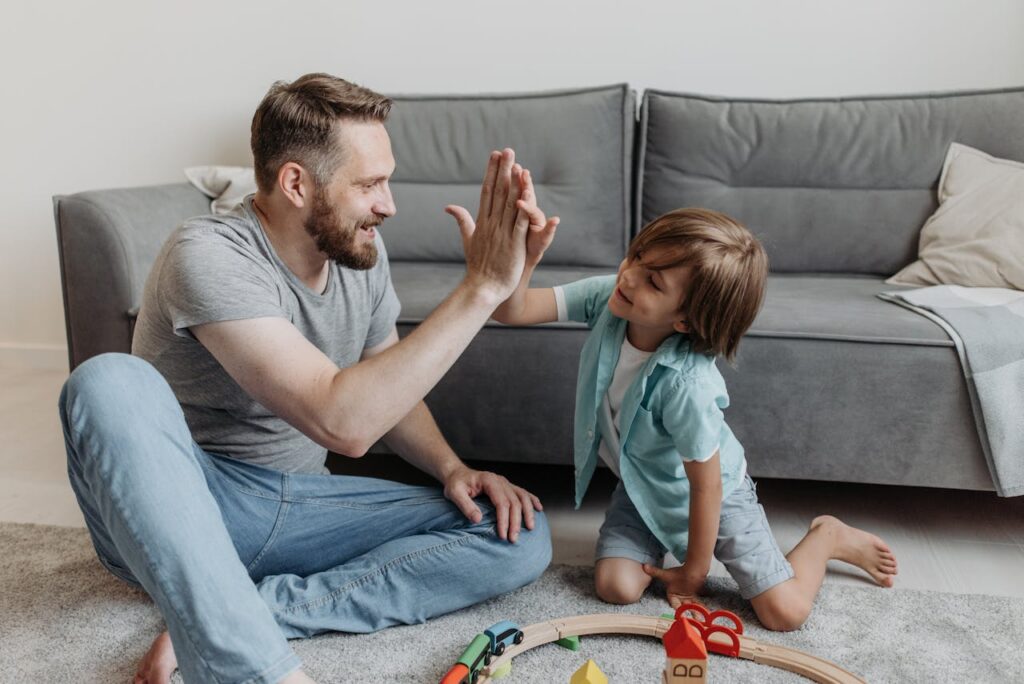
Clear rules with consistent consequences were hallmarks of old-school parenting. Boundaries helped children understand limits and respect authority while feeling secure. Firmness wasn’t harshness; it created structure and predictability, which kids need to thrive. Unlike some modern approaches that blur lines, this method balanced discipline with care, teaching self-control and respect for others—traits important throughout life.
4. Emphasizing Respect for Elders and Authority
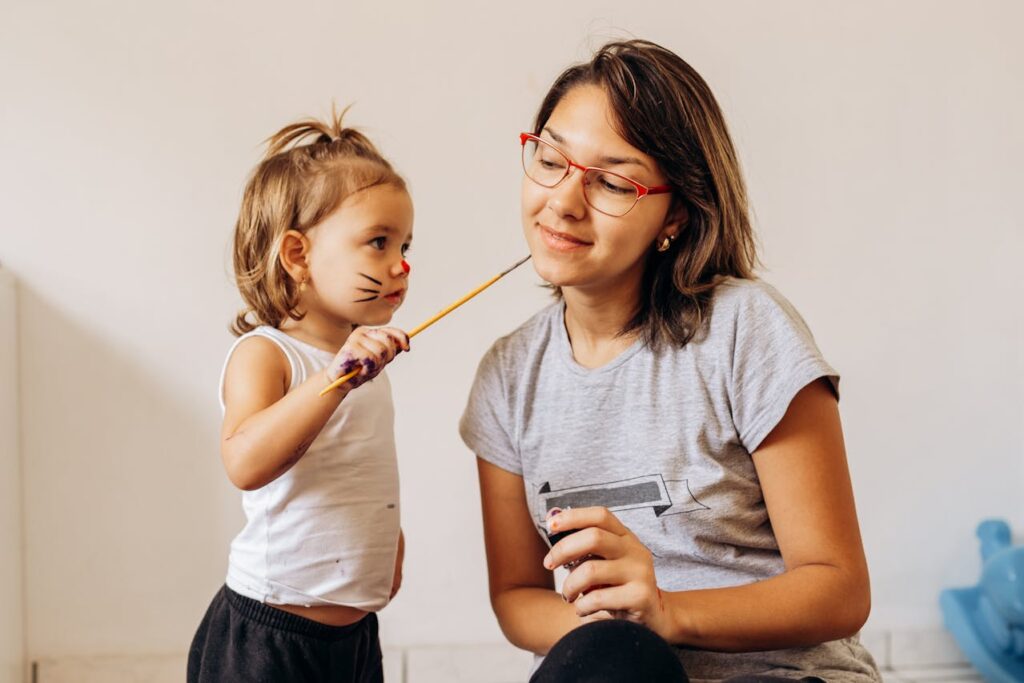
Respecting parents, teachers, and elders was a core value taught in many homes. It wasn’t about blind obedience but understanding social norms and valuing others’ experience. This helped kids develop manners and empathy, skills that are crucial for navigating society. Though modern culture sometimes questions authority, this lesson laid foundations for social harmony and respectful relationships that benefit children into adulthood.
5. Limiting Screen Time to Encourage Real Interaction
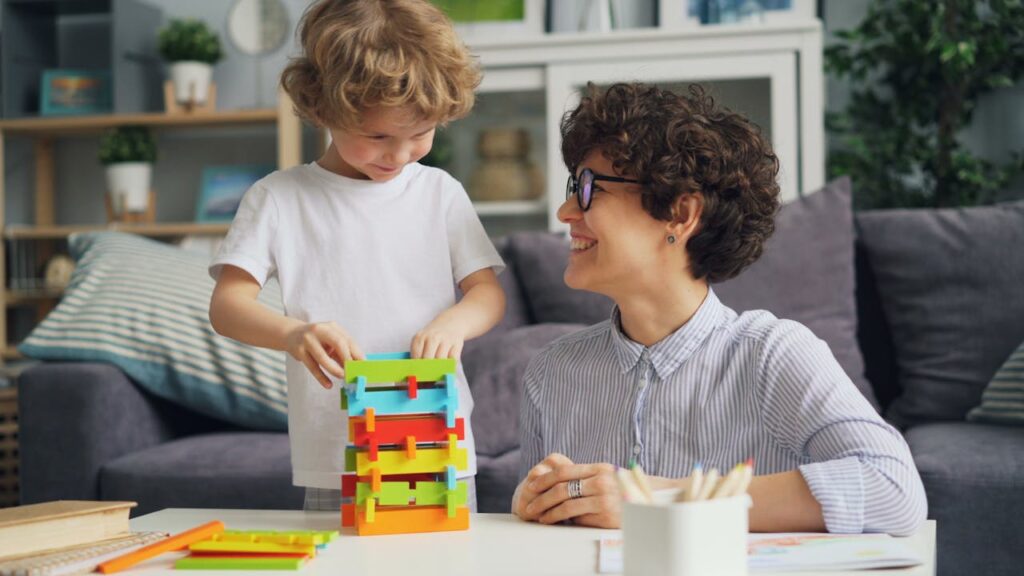
Before screens dominated, kids spent less time passively entertained and more time in face-to-face play, reading, or outdoor activities. This helped develop communication skills, imagination, and physical health. Old-school parents valued real-world interactions over digital distractions, fostering stronger social bonds and creativity—qualities often diminished by today’s excessive screen time habits.
6. Teaching Kids to Work for What They Want
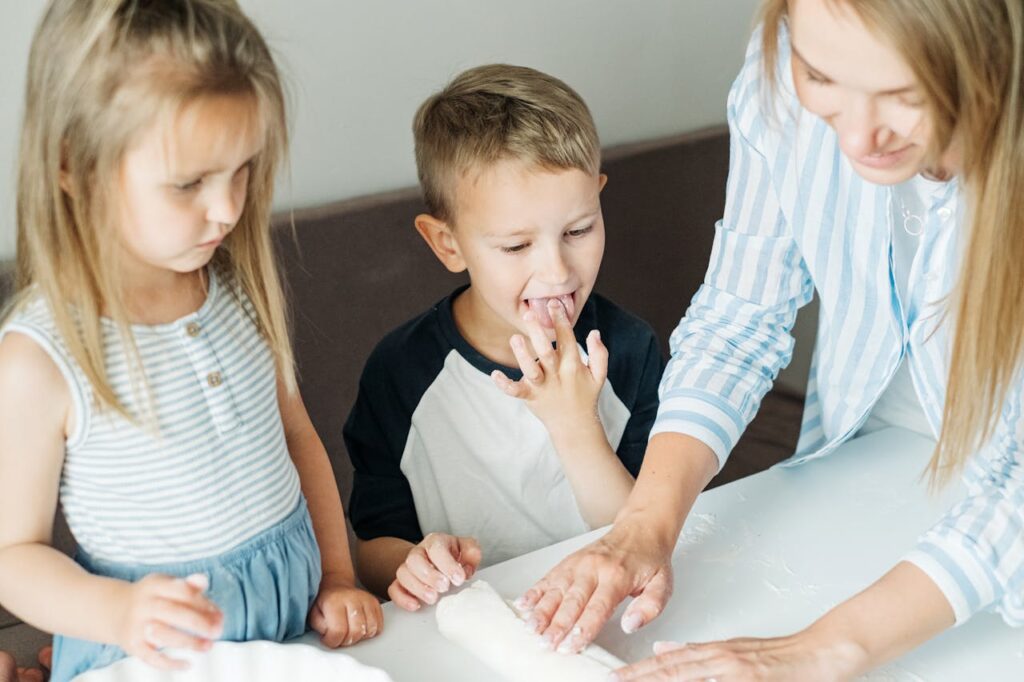
Parents often required children to earn rewards through chores, good grades, or good behavior. This instilled a strong work ethic and appreciation for effort. Instead of instant gratification, kids learned persistence and responsibility bring success. These lessons fostered motivation and resilience, qualities that have helped generations overcome challenges and succeed in different areas of life.
7. Allowing Kids to Experience Failure

Failure wasn’t something to shield kids from but a natural part of learning. Parents encouraged trying, failing, and trying again, teaching perseverance and problem-solving. Instead of rescuing kids from every mistake, old-school parenting helped build grit and independence. Learning to handle setbacks early is essential for emotional maturity and long-term achievement, making this a vital lesson.
8. Encouraging Outdoor and Physical Activities

Physical play and sports were heavily encouraged to promote health and teamwork. Kids spent hours outdoors, developing strength, coordination, and social skills. Old-school parents understood exercise was crucial for growth and well-being, reducing sedentary habits. In today’s more inactive culture, these lessons remind us how essential regular physical activity is for mental and physical health.
9. Modeling Behavior Rather Than Just Giving Advice

Old-school parents believed kids learn more from actions than words. They demonstrated honesty, kindness, and responsibility in daily life. Children absorbed these lessons by watching parents’ behavior, not just hearing instructions. This example-building created trust and organically reinforced good habits, making parenting more effective and helping children develop strong character through observation.
10. Encouraging Problem-Solving Over Immediate Help
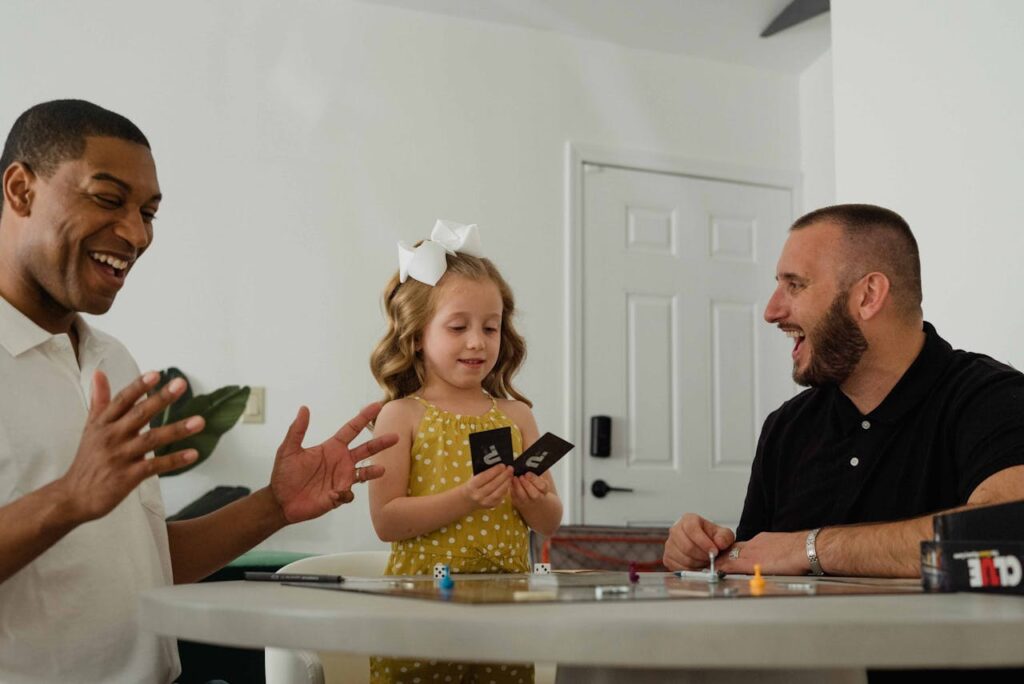
Instead of stepping in right away, parents urged kids to solve problems on their own first. This nurtured critical thinking and independence. Children learned to assess situations and find solutions before seeking assistance, boosting confidence and resilience. Old-school parenting recognized problem-solving as a key life skill, helping kids develop the ability to handle challenges effectively and independently.
11. Fostering Family Meals Without Distractions
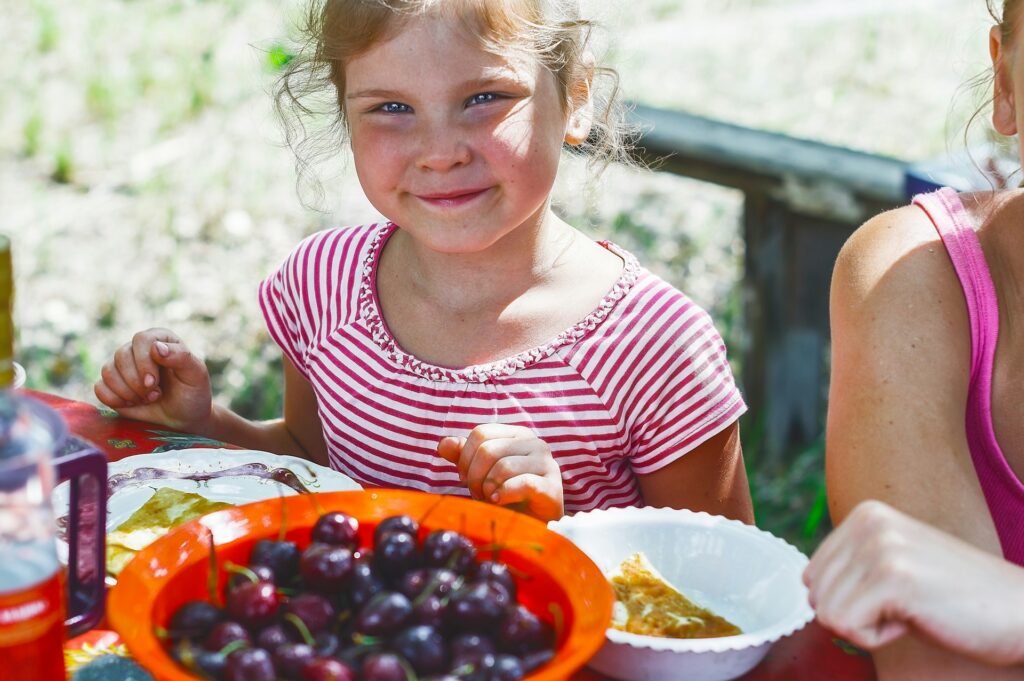
Families ate together regularly without screens or interruptions. These meals provided time to connect, share experiences, and reinforce values. Old-school parenting valued family dinners as essential for communication and emotional bonding. This routine created stability and a sense of belonging, benefits that support children’s emotional health and family relationships throughout life.
12. Teaching Gratitude and Humility

Parents stressed appreciating what kids had instead of demanding more. Gratitude was taught through conversations and expectations, encouraging humility and respect for others. This mindset fostered empathy and contentment, traits important for happiness and healthy relationships. These lessons helped children develop a balanced perspective on life and contributed to emotional well-being across generations.
Though parenting styles have evolved, many old-school tips remain relevant and valuable. Their focus on independence, responsibility, respect, and genuine connection helped raise well-rounded children ready for life’s challenges. These timeless approaches remind us that simple, consistent parenting often works best.