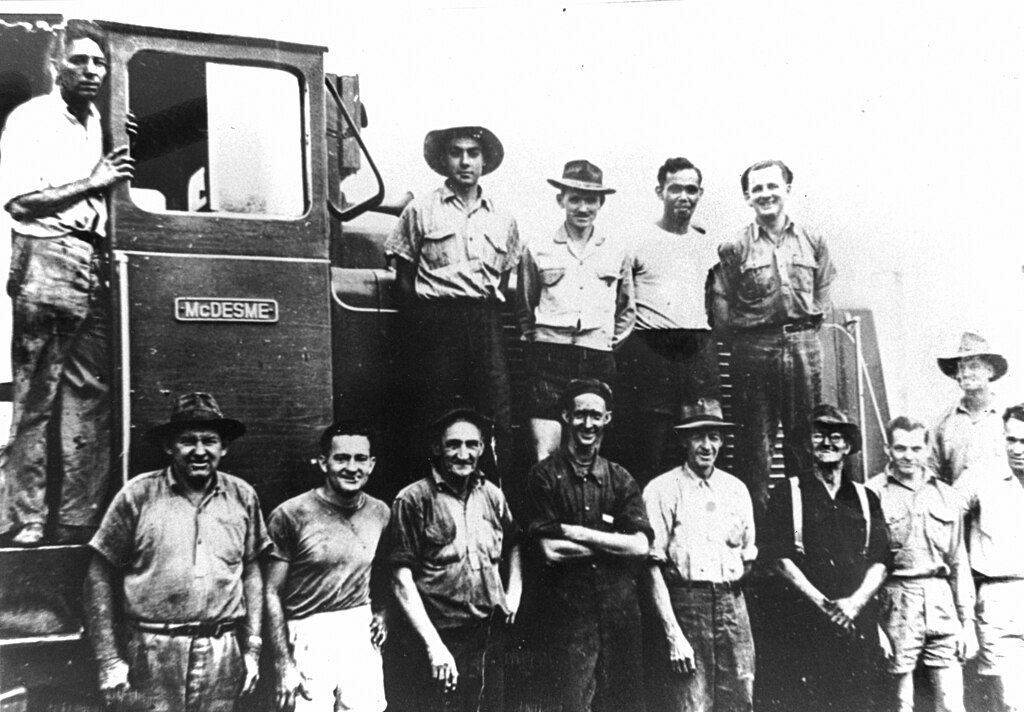
The American railroad was not just an engineering marvel but a living community that developed its own rules, rituals, and sense of pride. During the 19th and early 20th centuries, railroad workers faced brutal hours, dangerous conditions, and long separations from their families. Out of that hardship grew a unique culture filled with songs, signals, and ceremonies that reflected courage, humor, and fellowship. These old customs reveal how the railroad became a symbol of connection, endurance, and progress in a rapidly changing nation.
1. The Whistle Code
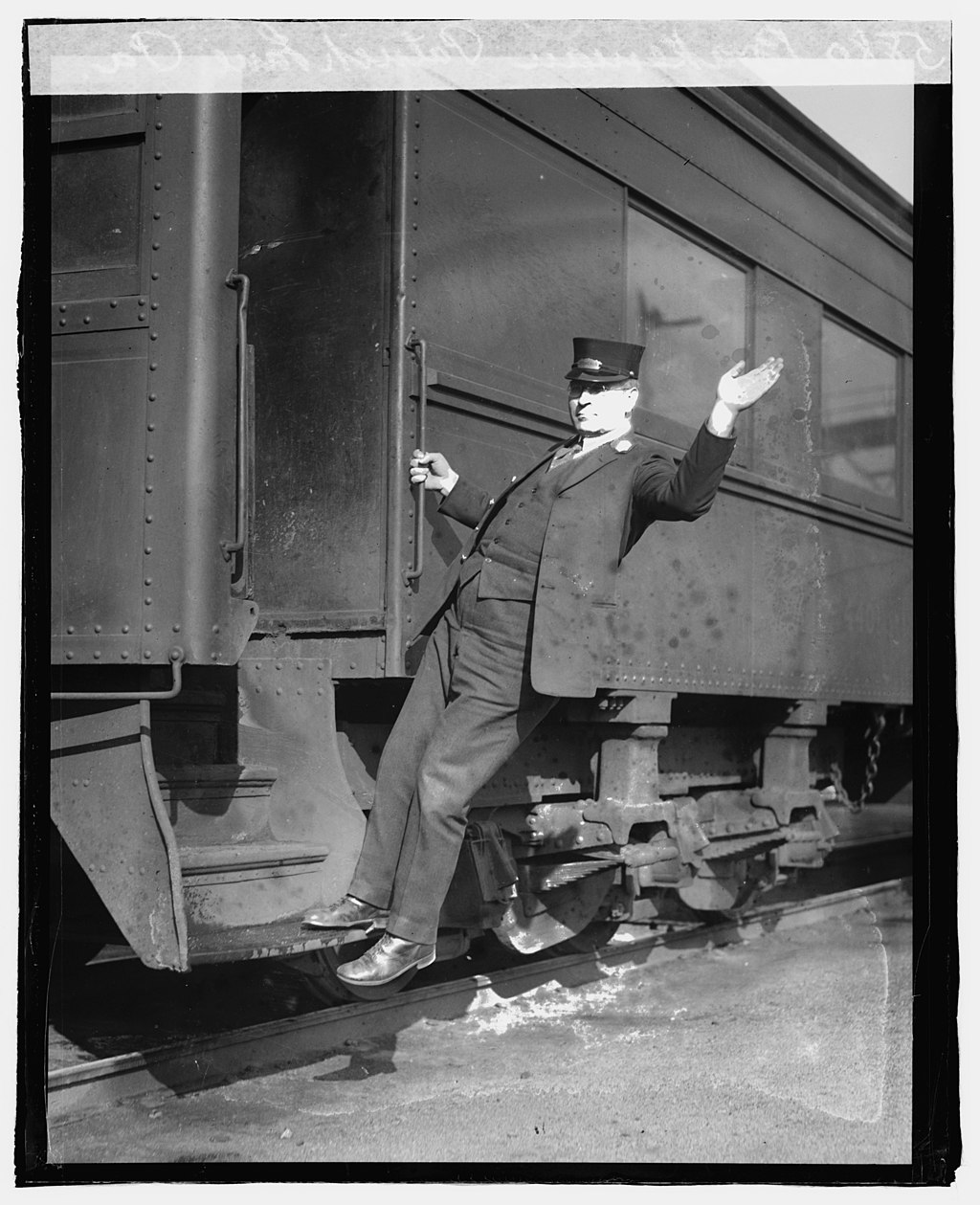
Before radios or telephones, communication on the rails depended on sound. Engineers used a system of whistle blasts to send messages across long distances, from one train to another or to the crew waiting on the tracks. Each number of short or long blasts had a specific meaning, such as calling for brakes, signaling departure, or warning of danger ahead. The patterns were learned through experience and passed along by veteran workers. The whistle language created rhythm and unity on the line and became one of the most recognized sounds in American history.
2. Lantern Signals After Dark
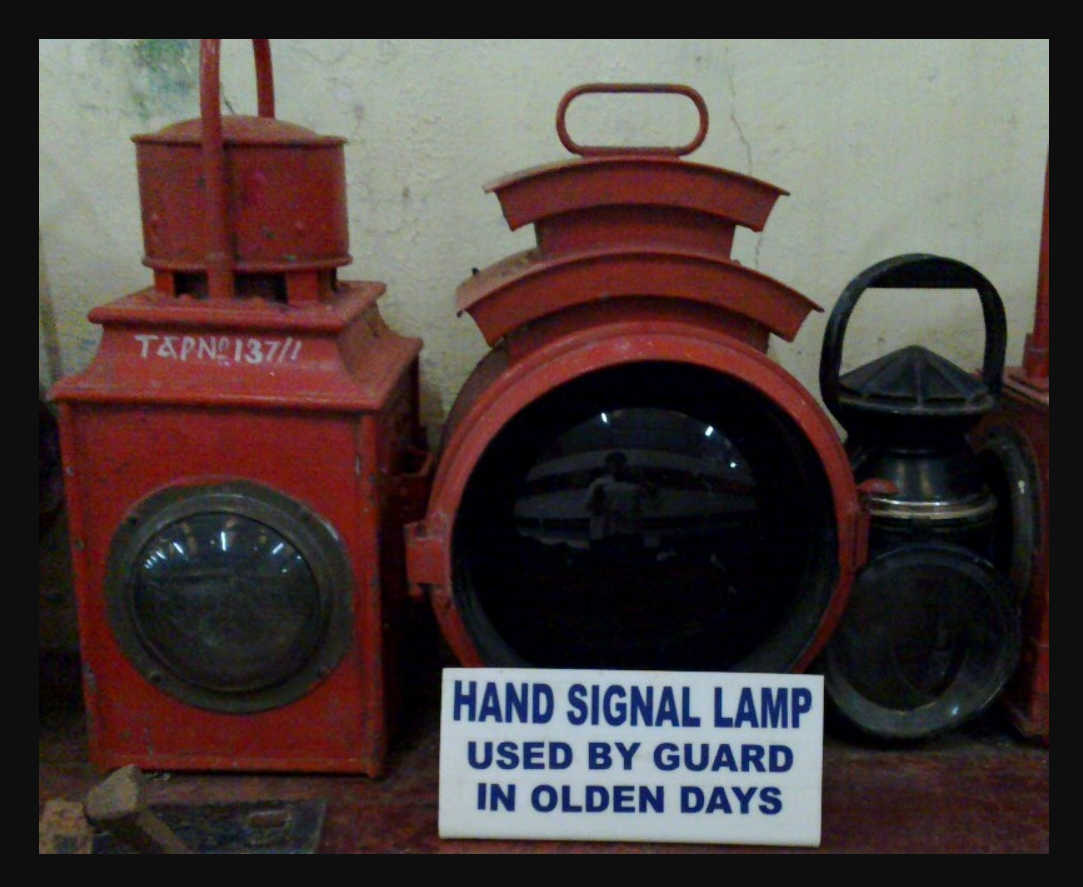
Lanterns were more than light sources at night; they were an essential communication tool. Different colors and movements meant different commands. Green told engineers the way was clear, red meant danger, and white was used for stops or track changes. Workers had to move the lanterns in practiced gestures that could be read from far away, even in fog or rain. It was almost like a silent dance in the dark. Many crews took pride in their ability to read and interpret those signals with perfect accuracy, keeping the trains moving safely through the night.
3. The Boomer Lifestyle
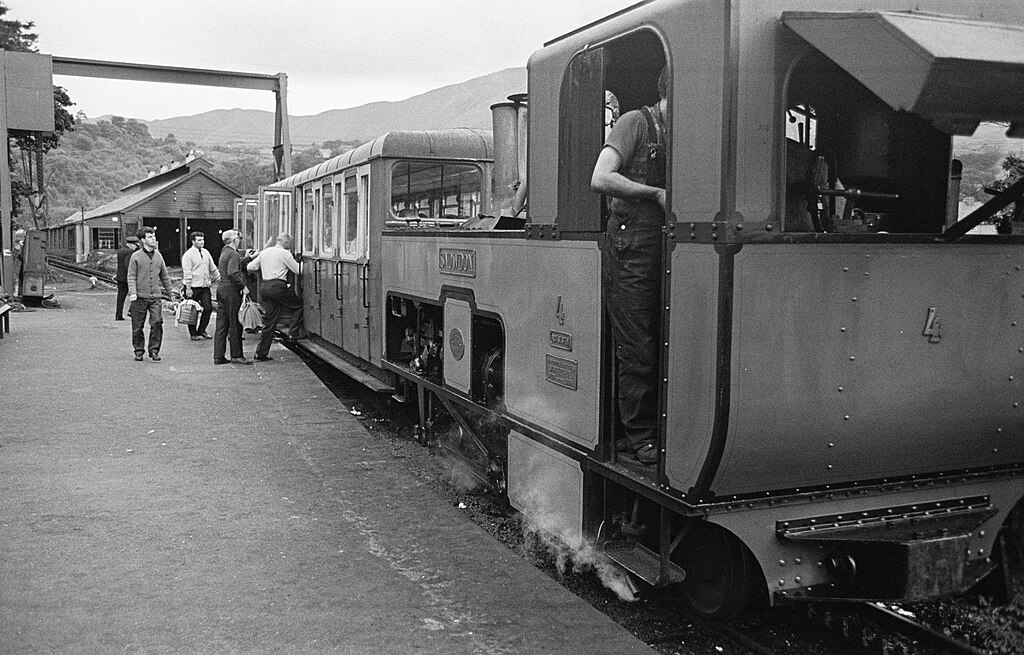
Boomers were railroad workers who moved from one company to another, following jobs wherever they appeared. They carried their own tools, lived out of bags, and were known for being skilled but restless. Their constant movement made them both admired and distrusted. Among themselves, boomers shared stories, songs, and lessons that shaped rail culture. They taught younger workers how to survive the job and how to keep their spirits up despite long hours and low pay. Their independence helped build the image of the railroad man as a symbol of freedom and resilience.
4. Chalk Marks and Secret Symbols
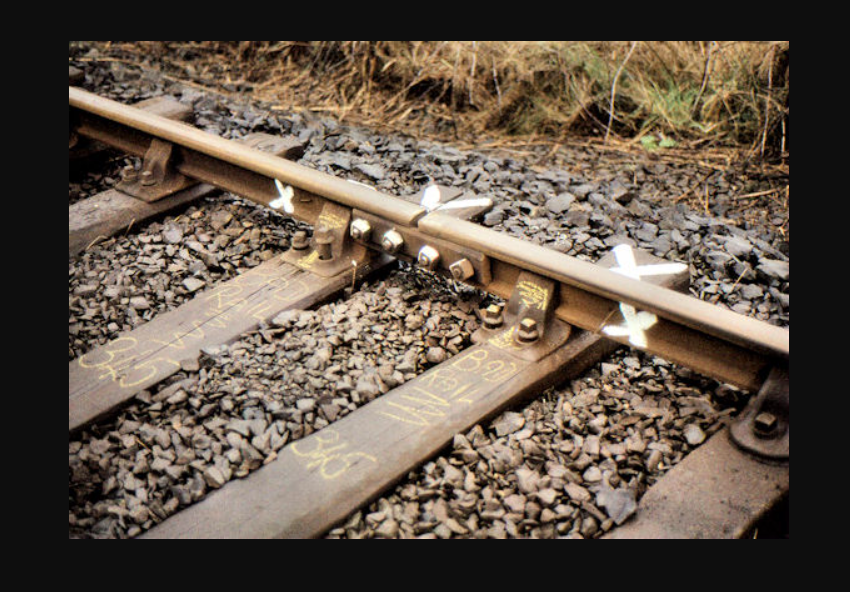
Many railroad workers developed a habit of leaving marks or initials in chalk or grease on cars, depots, or tools. These marks acted like secret notes between crews, signaling repairs, warnings, or simply claiming credit for completed work. Some were coded so outsiders could not read them. These small traditions turned into an informal record of who worked where and when, preserving a sense of identity in a massive system that often treated workers as replaceable. The marks also served as a quiet reminder that every car had a human story behind it.
5. Farewell Events and Retirement Rides
A railroad worker’s last run before retirement was always special. Crews decorated the train with ribbons or flags and organized small celebrations to honor the person leaving. Family members sometimes waited at the final stop with gifts or homemade banners. It was not just a goodbye; it was a recognition of decades spent keeping the line safe and reliable. These farewell rides strengthened community bonds and gave meaning to years of difficult work. Even today, railroaders speak with pride about colleagues who made their last runs with dignity and respect.
6. Work Songs and Ballads
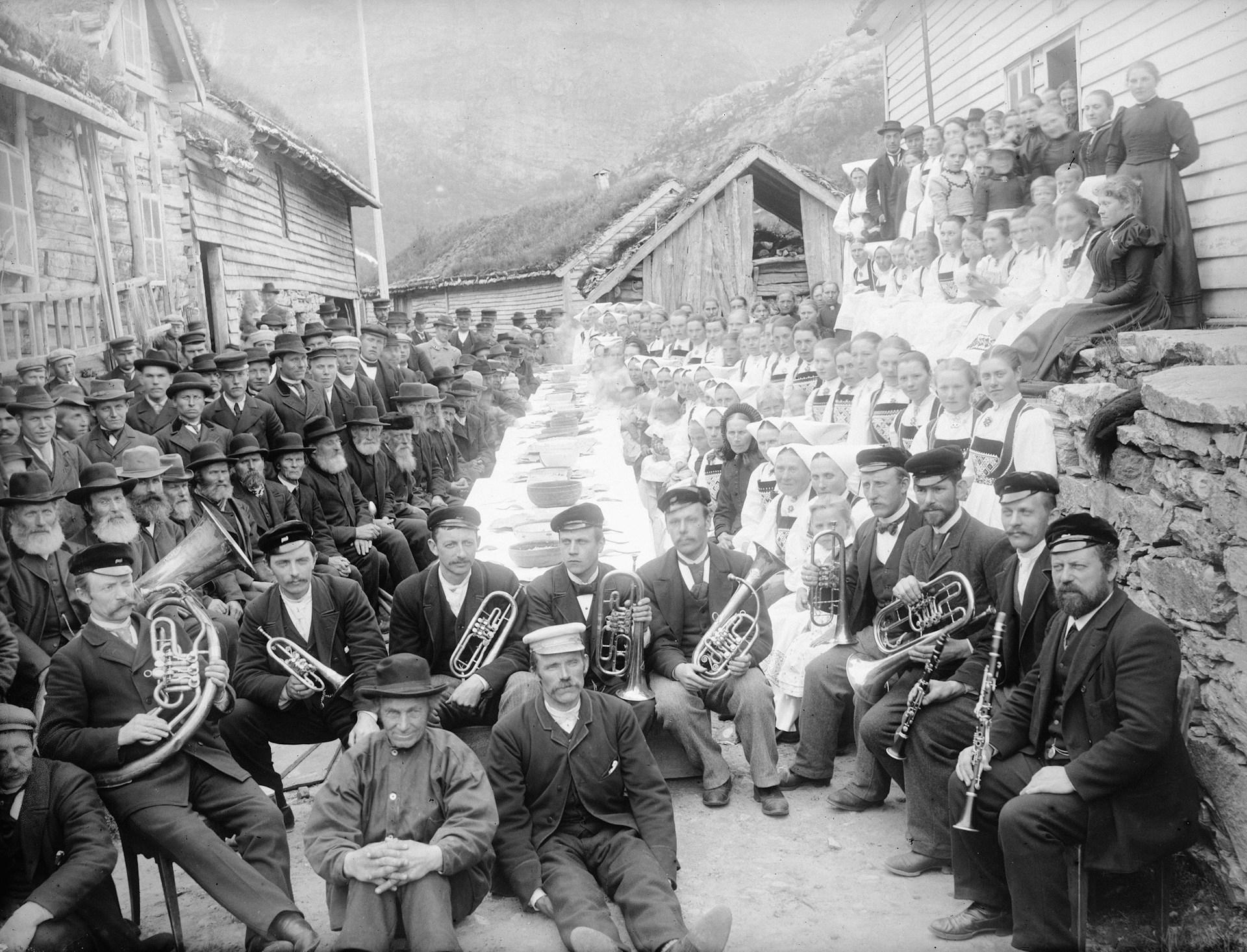
Music was a major part of railroad life. Workers sang to stay in rhythm while laying track or hammering spikes. Songs like “Drill Ye Tarriers” and “John Henry” reflected both hardship and hope. Singing helped coordinate group work, fight fatigue, and build morale. Each region had its own versions, mixing languages and local stories. Over time, these songs evolved into folk music that influenced American blues and country. The melodies carried the sound of metal, sweat, and community spirit, preserving the voices of those who built the backbone of the nation.
7. Section Gang Suppers
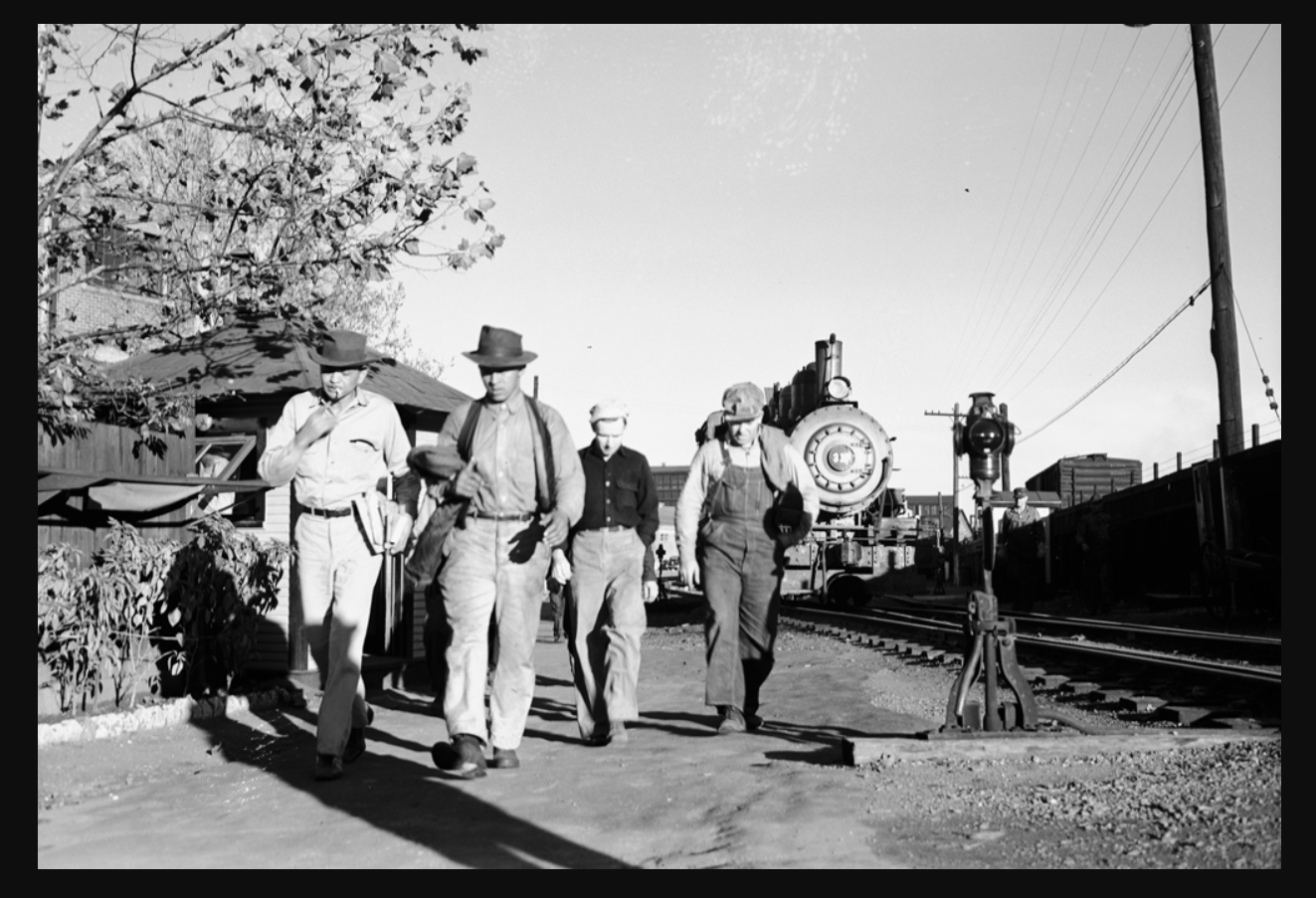
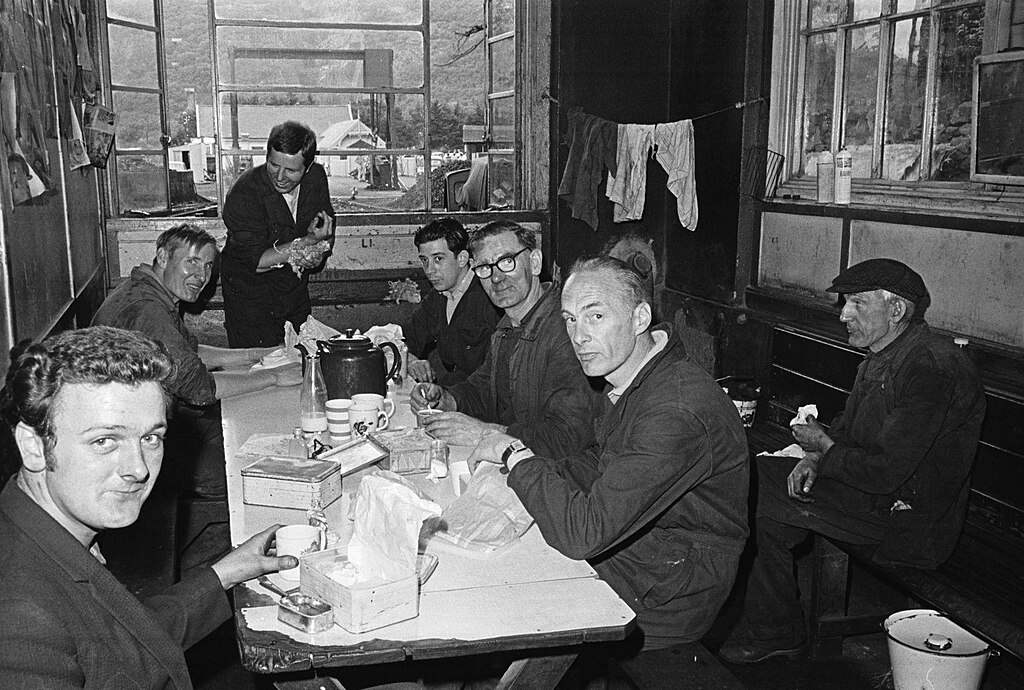
Section gangs were crews responsible for maintaining specific stretches of track. Their work was exhausting, often under scorching sun or freezing rain. When a big repair job was completed, the team celebrated with a shared meal made from whatever food they had on hand. These gatherings were small but meaningful acts of fellowship. Workers laughed, traded stories, and found comfort in one another’s company. The meals reinforced trust and loyalty within the group, proving that shared hardship could create powerful bonds that lasted far beyond the job itself.
8. Blessing the Tracks
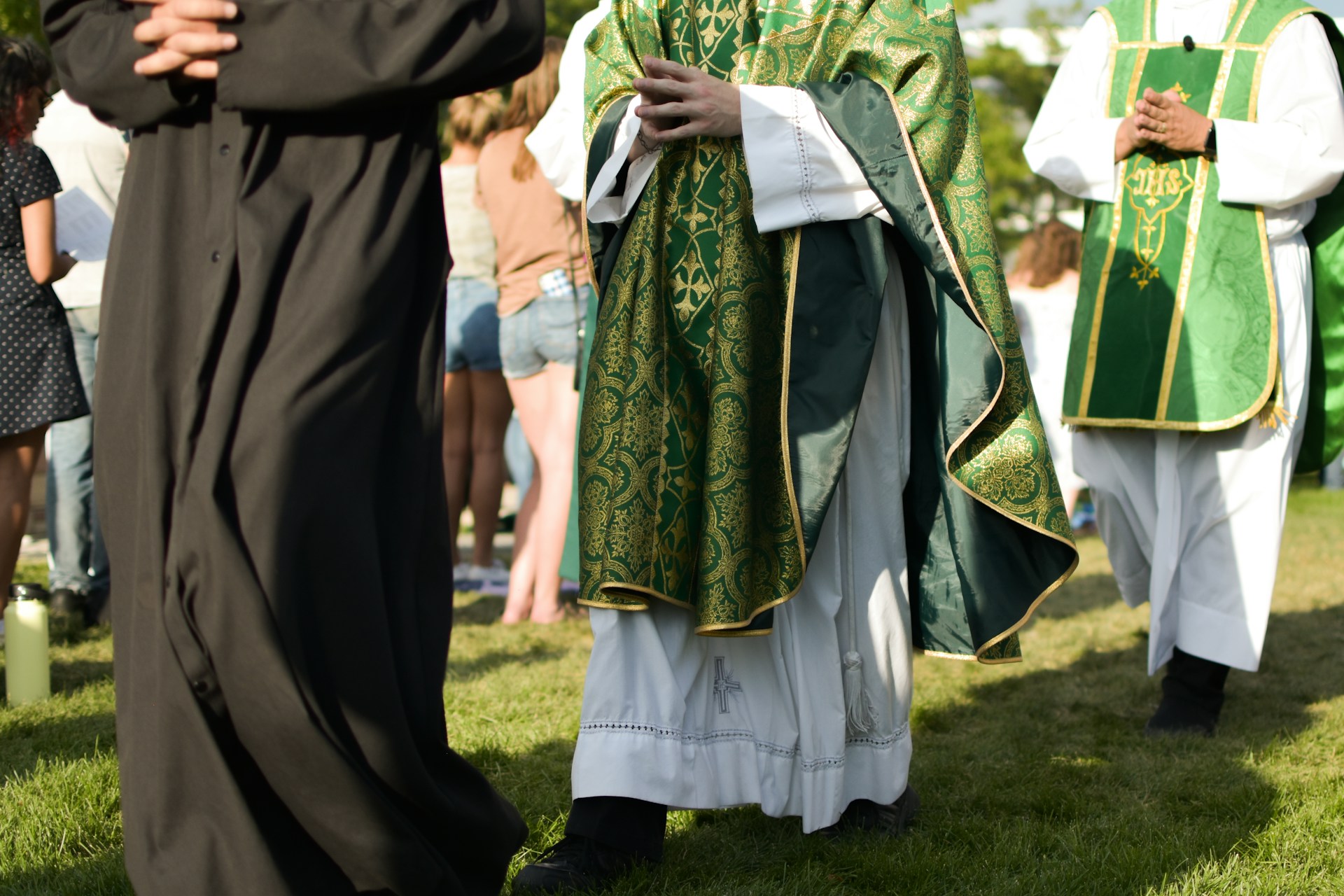
Many early railroad workers, especially immigrants from Ireland, Italy, and Eastern Europe, carried strong spiritual traditions. Before a new section of track opened, crews sometimes blessed it with holy water or poured a small drink on the rails as a gesture of good fortune. The ritual symbolized respect for the dangerous work ahead and a hope for safe travels. It also represented gratitude for the opportunity to earn a living. These small ceremonies brought a sense of faith and comfort to men who risked their lives every day on the line.
9. Coffee Can Markers
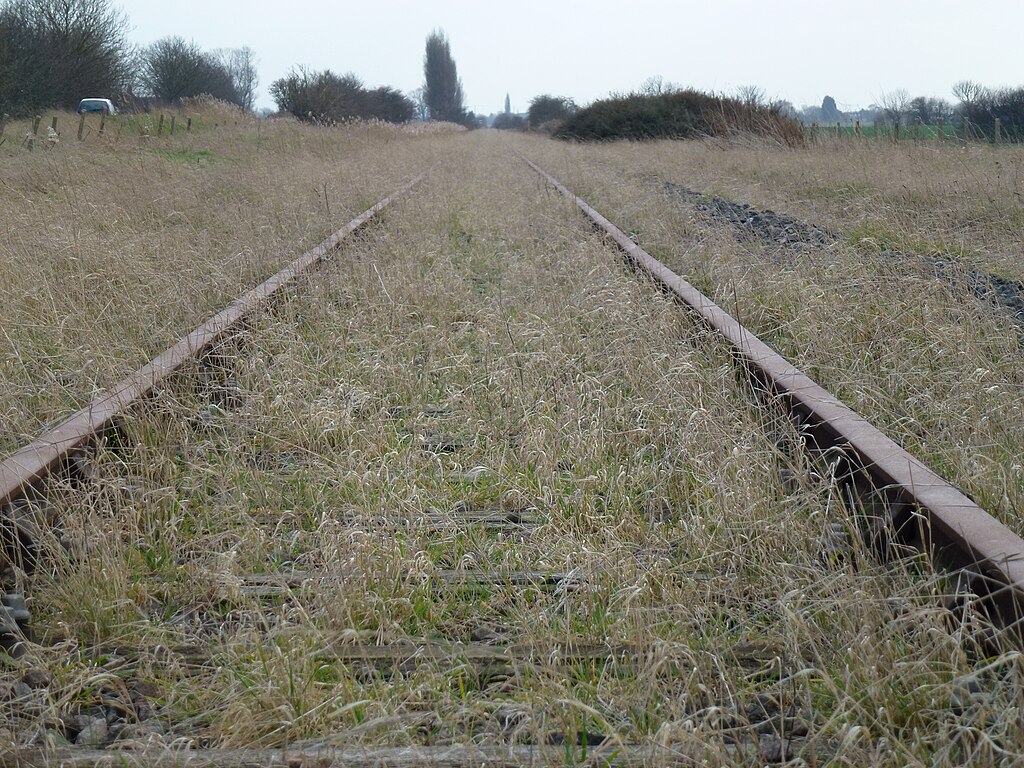
In remote areas where signals were limited, workers used creative methods to communicate. One clever solution involved placing old coffee cans filled with stones or nails near the tracks. When the wind blew, the cans rattled, alerting crews that a train was coming or that maintenance was taking place nearby. This low-cost signal system helped prevent accidents and demonstrated the ingenuity of rail workers. Even small innovations like this made a huge difference in safety, showing that experience and quick thinking often mattered more than technology.
10. Hobo Signs Along the Line
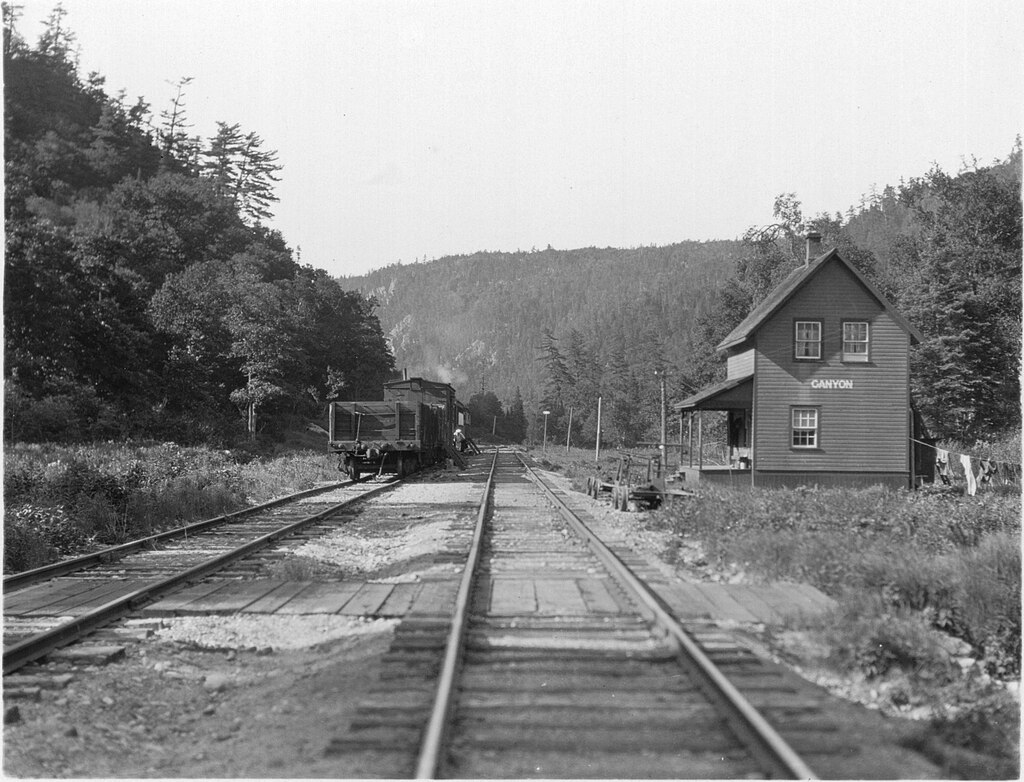
The railroad network became a lifeline for drifters and travelers during the Great Depression. These travelers created a visual language of simple symbols carved or painted near depots, bridges, or boxcars. Some marks warned of danger, while others showed kindness or safe places to rest. Railroad workers saw these signs daily and sometimes added their own marks to help others on the road. It was a system based on empathy and survival. Though informal, it reflected the shared humanity of people who depended on the rails for hope and movement.
11. Payday Gatherings
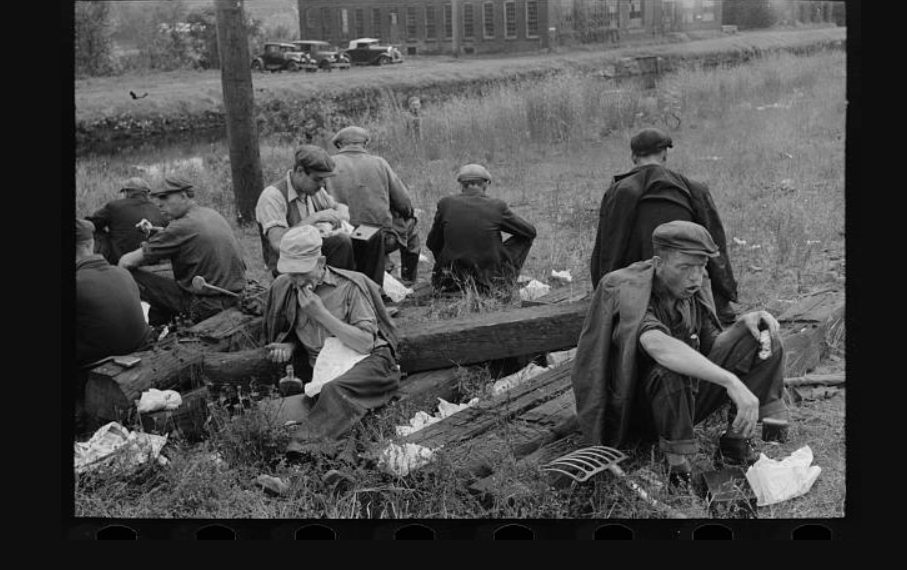
Payday was more than just receiving wages; it was a celebration of endurance. After days or weeks of grueling work, crews lined up for their pay envelopes, then headed to nearby towns to relax. Saloons, diners, and dance halls filled with laughter and music. For a brief moment, the hardship of the rails faded away. The gatherings built community spirit and offered a chance to reconnect before returning to isolation. They reminded everyone that life was not only about labor but about friendship and shared relief from the struggle.
12. Black Armbands of Mourning
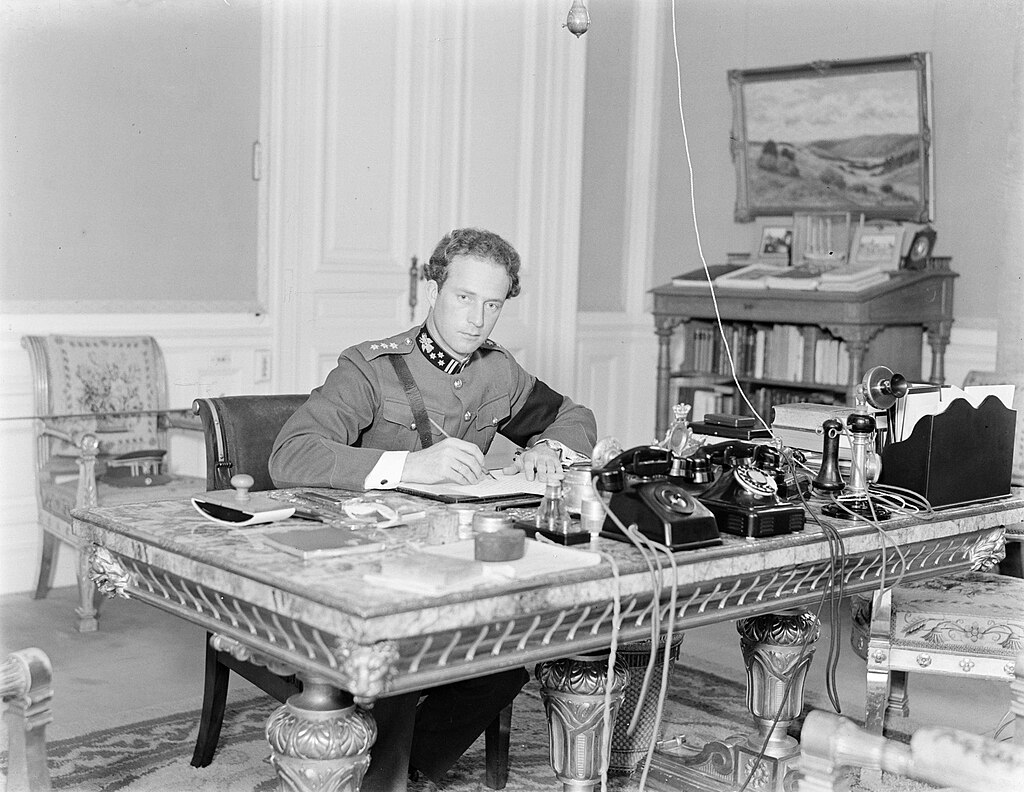
When a railroad worker died, the entire crew felt the loss deeply. Out of respect, workers wore black armbands or tied black ribbons on locomotives. Sometimes, the train whistle sounded once in tribute as it passed the site where the person had worked or fallen. These acts of mourning gave dignity to lives that were often overlooked. They showed how much loyalty and compassion existed among people who faced constant danger. The tradition was simple but powerful, honoring not just one worker but the entire spirit of the railroad family.
The traditions of early railroad workers may seem strange today, but they carried meaning and purpose that helped shape the nation’s identity. They built more than rail lines; they built communities and values rooted in courage, respect, and cooperation. Every whistle, lantern, and chalk mark told a story of determination. Though the industry has changed, those echoes remain. They remind us that progress was never just about machines, but about the human hands and hearts that kept America moving forward.