The 1970s is often remembered as a decade of bell-bottoms, disco, and lava lamps, but many of the ideas kids today have about the era are oversimplified or just plain wrong. Movies, TV shows, and social media often present a caricature of the decade, emphasizing stereotypes over reality. From cultural trends to daily life, the truth about the 1970s is far more complex. Here are twelve myths about the 1970s that younger generations often misunderstand, each explained in detail to give a clearer picture of this colorful and transformative decade.
Everyone Was at the Disco

Disco music certainly had its moment, but the idea that every person in the 1970s spent weekends dancing under mirrored balls is exaggerated. Most Americans never visited a disco, and musical tastes varied widely across regions and social groups. Rock, folk, soul, country, and emerging punk scenes were all thriving, offering alternatives to the disco craze. The image of the decade as a nonstop dance party comes mainly from movies and media, but the reality is that for many, disco was a trend observed from afar rather than a daily experience.
The 1970s Were All About Peace and Love

Although the phrase “peace and love” is strongly associated with the late 1960s, it did not define the entire 1970s. The decade faced economic challenges such as inflation, rising unemployment, and the energy crisis. Political turmoil, including the aftermath of the Vietnam War and Watergate scandal, created widespread public skepticism. While some youth continued to embrace counterculture ideals, most Americans were focused on practical concerns like work, school, and family life. The notion that the entire country lived in a communal utopia is a romanticized myth rather than an accurate portrayal.
Kids Spent All Their Time Outdoors

It is true that children in the 1970s often played outside more than kids do today, but they also spent significant time indoors. Board games, comic books, and early video games were popular forms of entertainment, and television shows, Saturday morning cartoons, and movie rentals provided indoor leisure options. The idea that children were constantly outside ignores the growing influence of media and technology. Outdoor play was only one part of their day, and families often balanced screen time, hobbies, and household responsibilities along with outdoor recreation.
Everyone Was a Hippie
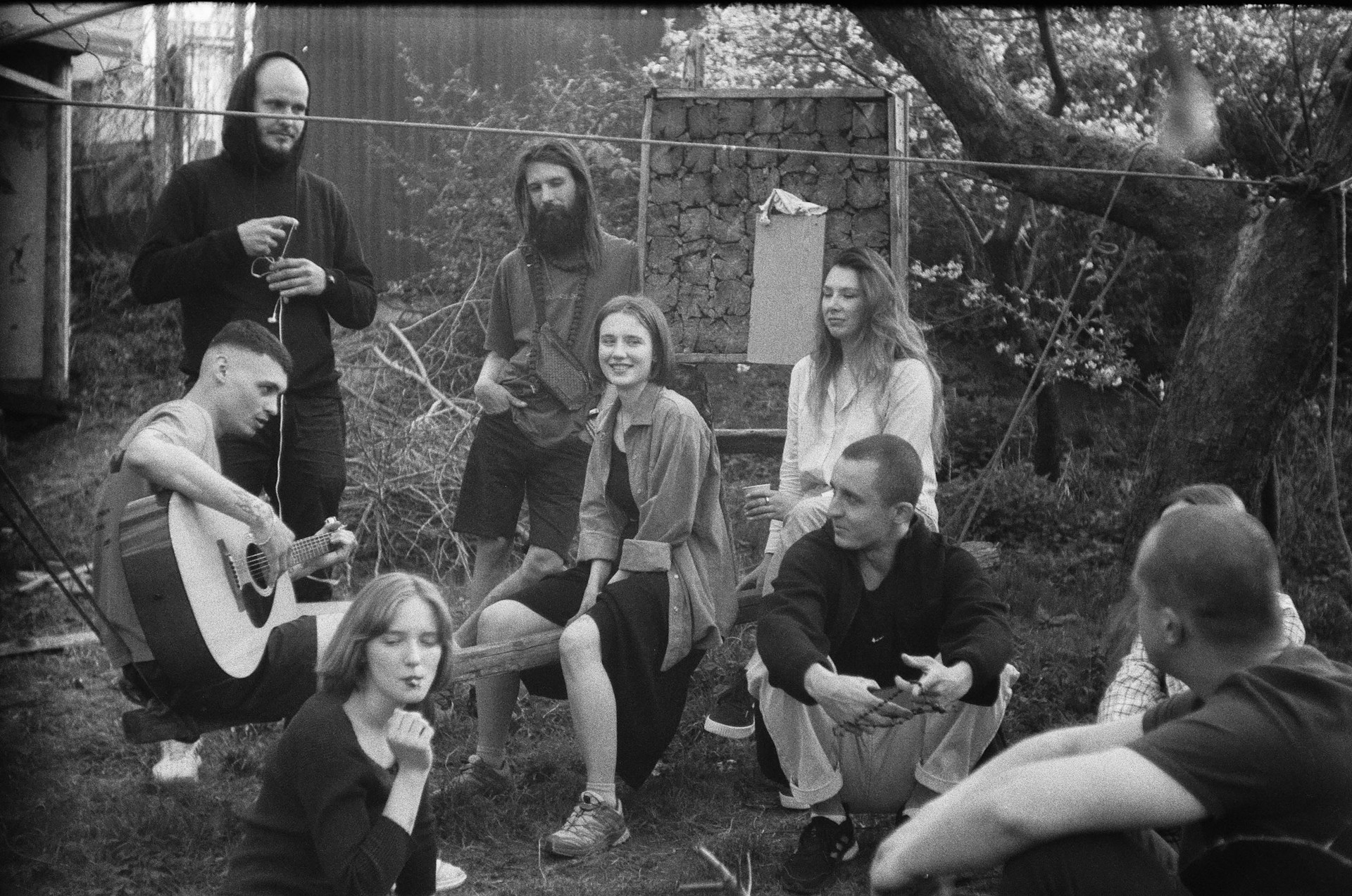
By the 1970s, the hippie movement had already peaked, and most young people were not living in communes or traveling cross-country. Many were attending school, working, or raising families. While the counterculture persisted in some areas, it represented a subset rather than the majority. The decade also saw the rise of suburban life, corporate employment, and mainstream pop culture. Movies and television sometimes exaggerate the prevalence of long-haired, tie-dye-wearing hippies, but for most Americans, everyday life was about routine, responsibilities, and adjusting to social and economic changes rather than adhering to hippie ideals.
Fashion Was Just Bell-Bottoms and Tie-Dye
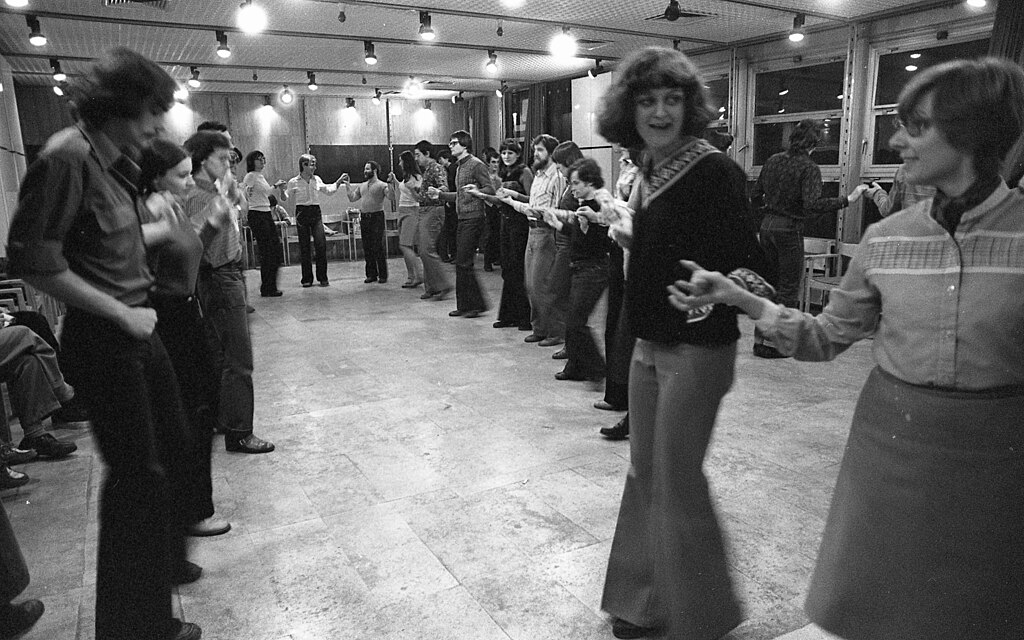
Bell-bottoms and tie-dye were iconic, but they were only part of a much broader fashion landscape. The 1970s included sharp tailored suits, wrap dresses, platform shoes, and earth-tone clothing. Regional differences, age groups, and personal tastes created a wide variety of styles. While pop culture emphasizes a few standout trends, many people dressed practically or followed more formal fashion cues. The myth that everyone wore the same types of clothing oversimplifies the decade and ignores the creativity and diversity that characterized fashion for both men and women in different parts of the country.
All Cars Were Muscle Cars
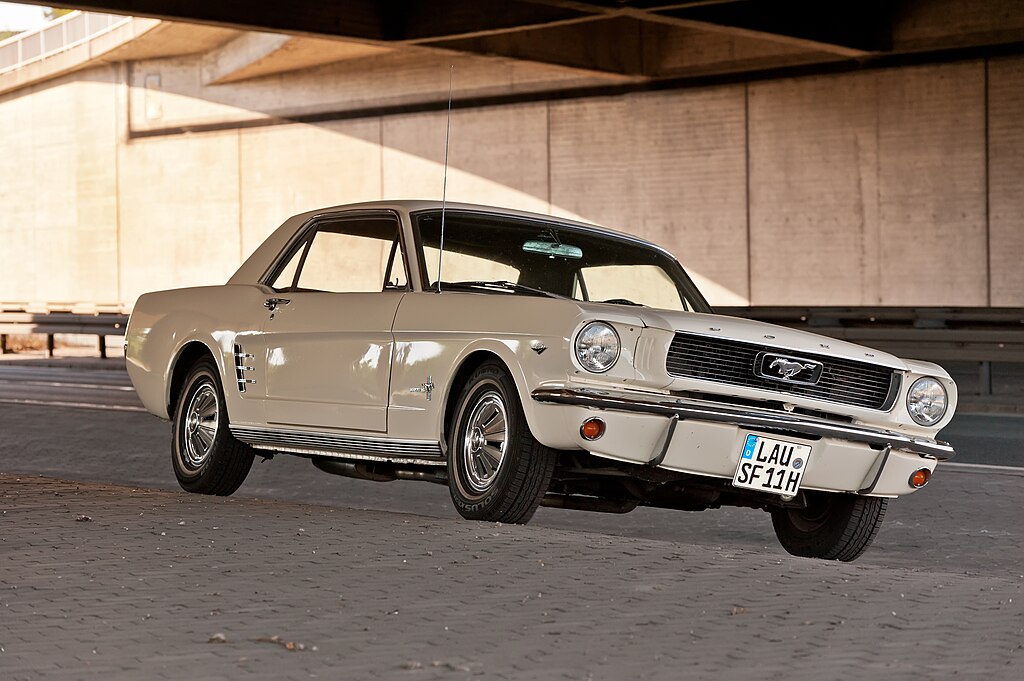
Muscle cars like Mustangs and Camaros were flashy and popular in media, but most families drove practical vehicles. Sedans, station wagons, and compact imports such as Volkswagen Beetles dominated everyday life. The 1973 oil crisis further encouraged smaller, fuel-efficient cars, reducing the prevalence of gas-guzzling muscle vehicles. Muscle cars were aspirational for many Americans rather than representative of the typical household car. While they captured attention in films and advertisements, they were far from the standard mode of transportation for the average family during the decade.
Everyone Watched the Same TV Shows
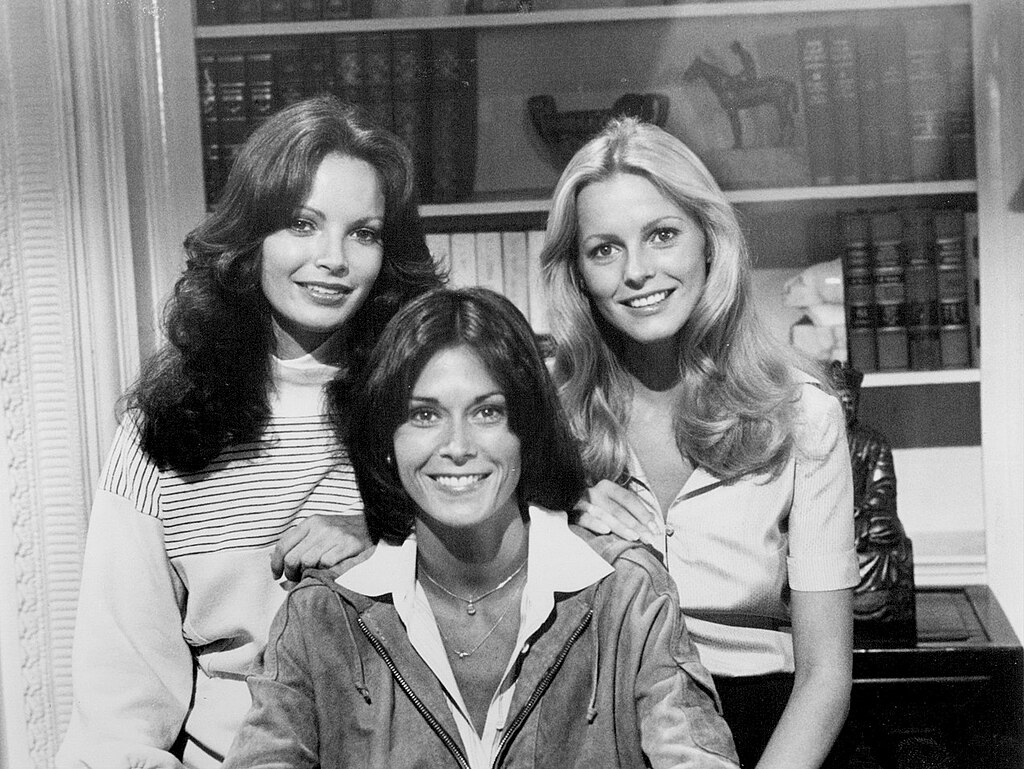
Popular shows like “Happy Days” and “Charlie’s Angels” were widely viewed, but it is a myth that all Americans watched the same programs. Television options were limited in some households, and regional stations affected what was available. Other shows such as “M*A*S*H,” “All in the Family,” and “The Mary Tyler Moore Show” also shaped public culture. Families made viewing decisions based on their preferences and schedules, meaning media consumption varied greatly. The idea that the decade had a uniform television culture overlooks the diversity of programming and how people engaged with it.
Video Games Took Over Childhood

Arcade games like Pong and Space Invaders began to appear in the 1970s, but they were not a dominant aspect of childhood. Video game consoles were expensive, and not every household had one. Board games, outdoor play, and other indoor activities remained much more common for children. Video games were emerging entertainment, not a pervasive influence on the majority of kids. While they set the stage for the digital gaming explosion of the 1980s and beyond, claiming that video games dominated childhood in the 1970s is a substantial overstatement.
The 1970s Were Only About Rebellion

Youth rebellion and counterculture did exist, including punk music and social activism, but it did not define every young person’s experience. Many embraced mainstream culture, working jobs, going to school, or enjoying suburban family life. Rebellion and conformity coexisted, with trends and behaviors overlapping in complex ways. The myth that the decade was exclusively rebellious simplifies social dynamics and ignores the variety of lifestyles that existed. Understanding the balance between experimentation and conventional living gives a clearer picture of the decade’s cultural landscape.
Everyone Listened to Rock Music
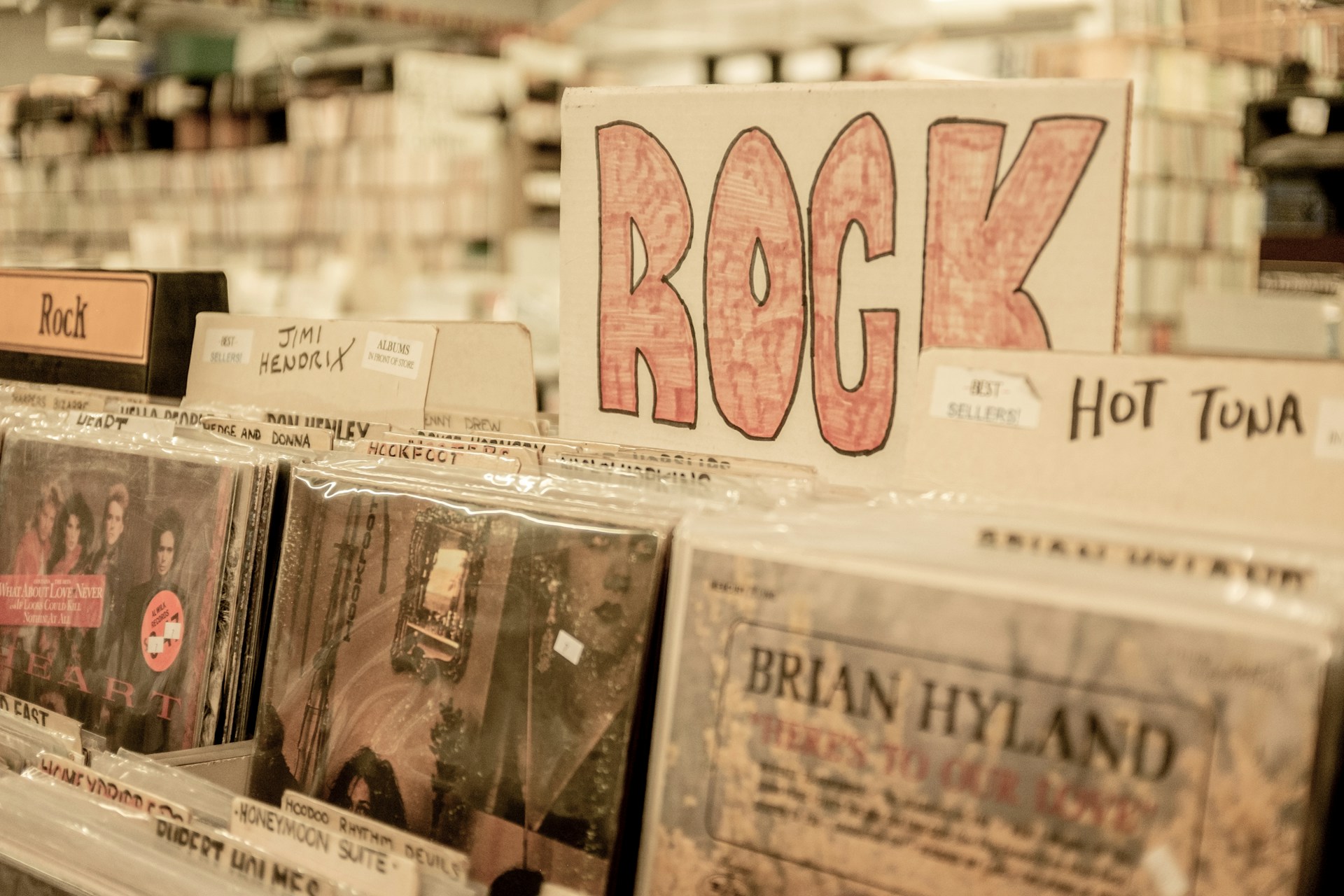
Classic rock is often highlighted as the soundtrack of the 1970s, but it was only one part of a diverse musical environment. Soul, funk, disco, country, and emerging punk scenes all flourished during the decade. Regional music preferences further diversified the listening experience. To say everyone loved rock ignores the variety of genres that defined the period. Music fans had plenty of choices depending on their tastes, meaning the decade was rich in sonic variety beyond the dominant rock bands featured in films and media representations.
Movies Were All Blockbusters

While films like “Star Wars” and “Jaws” helped launch the blockbuster era, most movies of the 1970s were smaller, character-driven stories. Iconic films such as “Taxi Driver,” “The Godfather,” and “One Flew Over the Cuckoo’s Nest” exemplify the gritty, innovative spirit of the time. Independent and experimental films also emerged, and drive-in theaters offered accessible entertainment for families and teens. The idea that every 1970s film was a massive special-effects spectacle ignores the decade’s rich cinematic creativity and variety of storytelling styles that influenced generations of filmmakers.
The 1970s Were Simpler Times

Nostalgia often portrays the 1970s as carefree and uncomplicated, but the reality was far more nuanced. Economic recessions, oil crises, political scandals, and social upheavals created challenges for everyday life. At the same time, movements like environmentalism, women’s rights, and civil rights were reshaping society. While childhood in some respects may have lacked today’s digital distractions, the decade had its own complexities and pressures. The myth of a simpler 1970s overlooks these social, political, and economic realities, giving an incomplete picture of the era.
Looking back, the 1970s was a decade of contradictions, blending rebellion with conformity, innovation with nostalgia, and challenges with creativity. Debunking these myths helps younger generations see the decade as a rich, multifaceted period, rather than a simplified collection of stereotypes. Appreciating the real 1970s provides context for understanding cultural, social, and technological changes that continue to influence life today.