
Parenting trends shift with every generation, but many families are rediscovering the wisdom of the 1970s. The decade emphasized independence, resilience, imagination, and unstructured play. As modern life becomes increasingly digital and fast-paced, parents are seeking balance by reintroducing classic approaches that encourage confidence and creativity. These returning habits reflect a desire for simpler, calmer childhoods.
Encouraging Outdoor Play

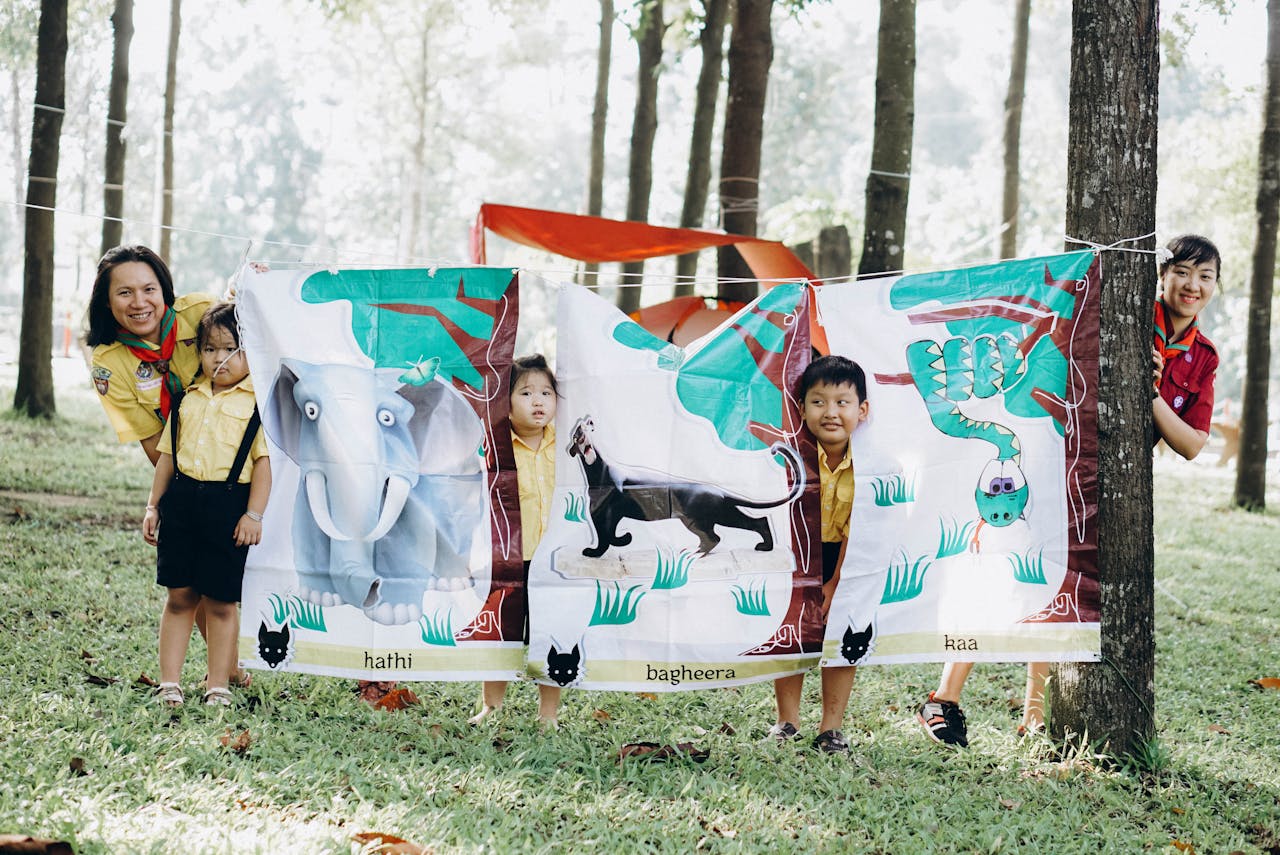
Parents today are embracing the 70s belief that children benefit from hours of outdoor exploration. Being outside fosters resilience, problem-solving, and imaginative play. Many families now prioritize nature activities over screen time. They believe that unstructured outdoor experiences help children build emotional strength. This shift echoes a return to slower, grounded childhood moments.
Allowing Age-Appropriate Independence
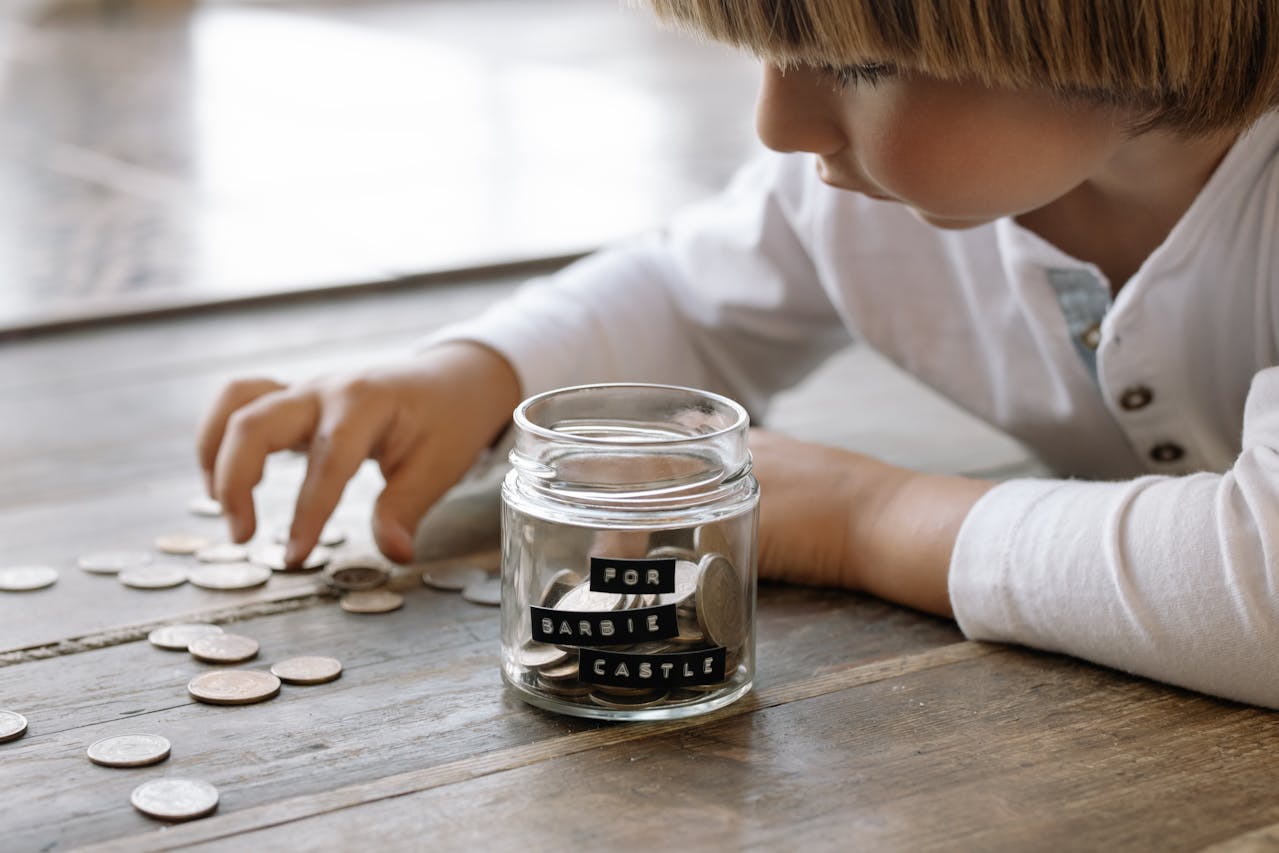
70s parents often gave children freedom to explore their surroundings responsibly. Modern parents are adopting this by encouraging kids to walk short distances, manage small tasks, and make decisions. This approach helps build self-confidence and practical life skills. It also teaches children to manage risks in healthy ways. Parents see independence as essential, not optional.
Simplifying Schedules
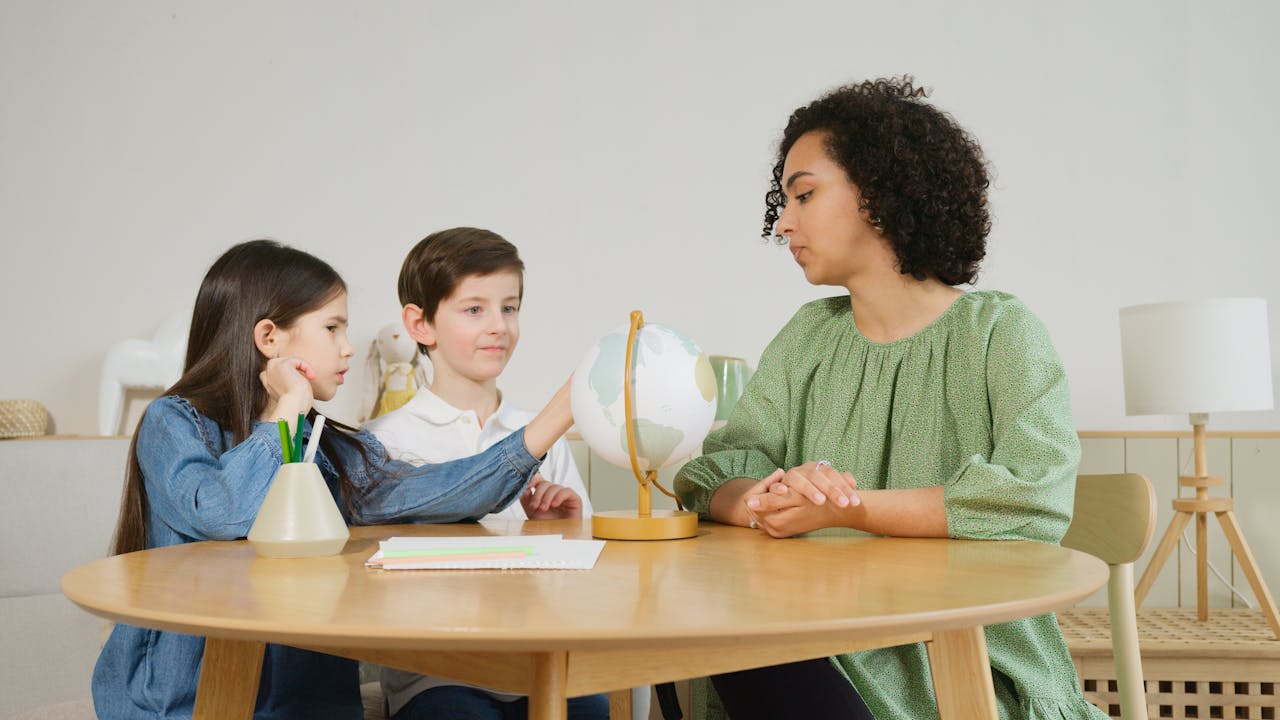
Families are moving away from excessively packed calendars filled with nonstop activities. Inspired by the 70s approach, parents are choosing fewer commitments and more downtime. They want children to experience rest, spontaneity, and boredom-driven creativity. Unstructured time strengthens imagination and reduces stress. The trend reflects a desire for balance and mental well-being.
Limiting Screen Time Naturally

Rather than relying solely on strict rules, parents are creating environments where screen time happens less frequently. They encourage hands-on activities like crafts, sports, and outdoor games. This indirect method mirrors 70s parenting, where screens existed but weren’t central to childhood. Families find that children naturally become more present and engaged. The approach promotes healthier tech boundaries.
Encouraging Chores as Life Skills
Parents are reintroducing household chores as part of children’s routine responsibilities. Chores teach accountability, teamwork, and self-sufficiency. This philosophy reflects the 70s belief that every family member contributes to the home. Children learn the importance of daily maintenance and cooperation. The practice builds personal discipline and gratitude.
Supporting Neighborhood Friendships

70s kids often made friends simply by stepping outside their homes. Today, parents are encouraging local friendships by fostering safe, supervised play within the neighborhood. These interactions help children learn social skills organically. Parents value the ease and spontaneity of local playmates. The trend strengthens community bonds.
Emphasizing Hands-On Hobbies
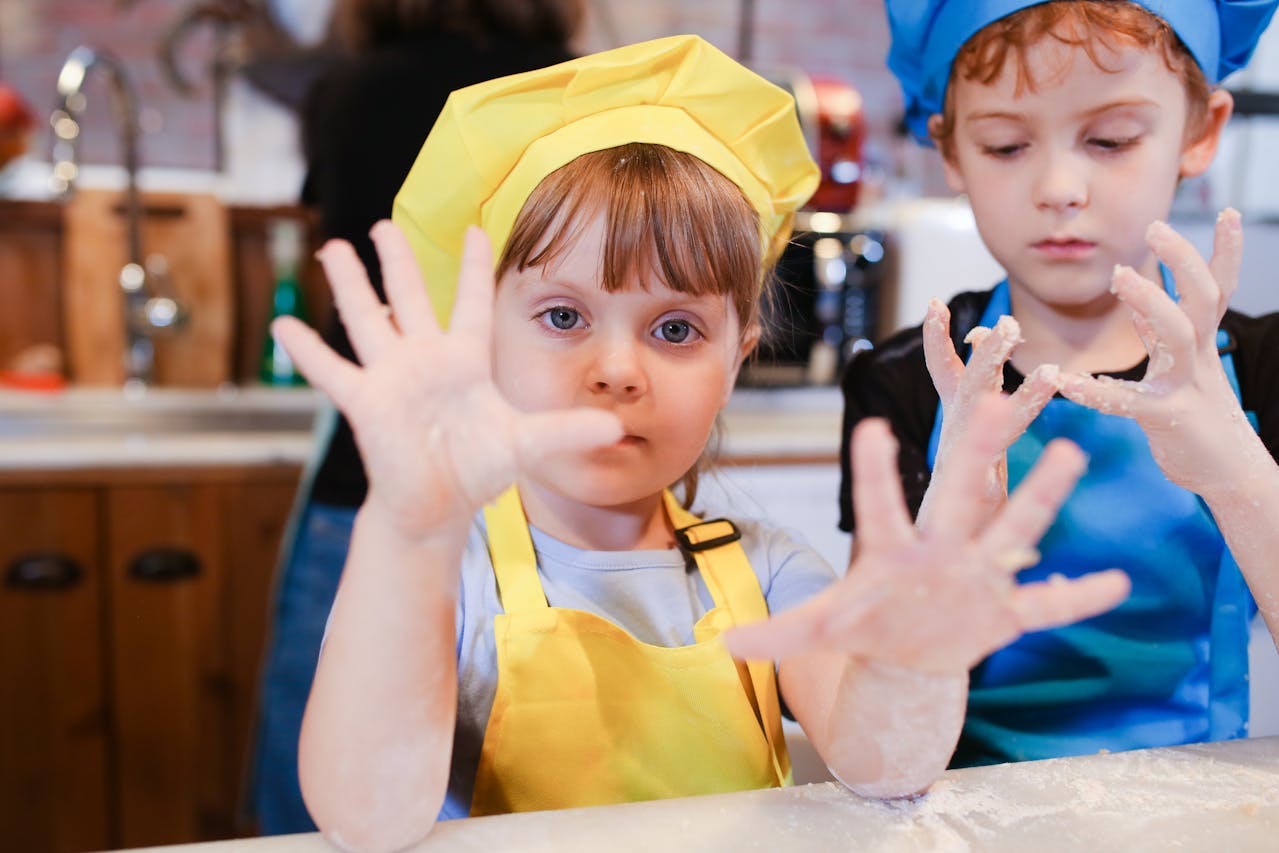
Many families are reviving hobbies like baking, gardening, crafting, and building. These hands-on activities provide sensory learning and creative satisfaction. They also create shared family memories that feel timeless. Parents appreciate how such hobbies reduce dependence on digital entertainment. This shift reflects the 70s spirit of practical creativity.
Letting Kids Solve Problems

Instead of stepping in at the first sign of difficulty, parents are allowing children to work through challenges. This approach teaches perseverance and critical thinking. It mirrors the 70s parenting style that encouraged self-reliance. Children gain confidence by learning they can handle setbacks. Parents see this as essential preparation for adulthood.
Valuing Family Meals
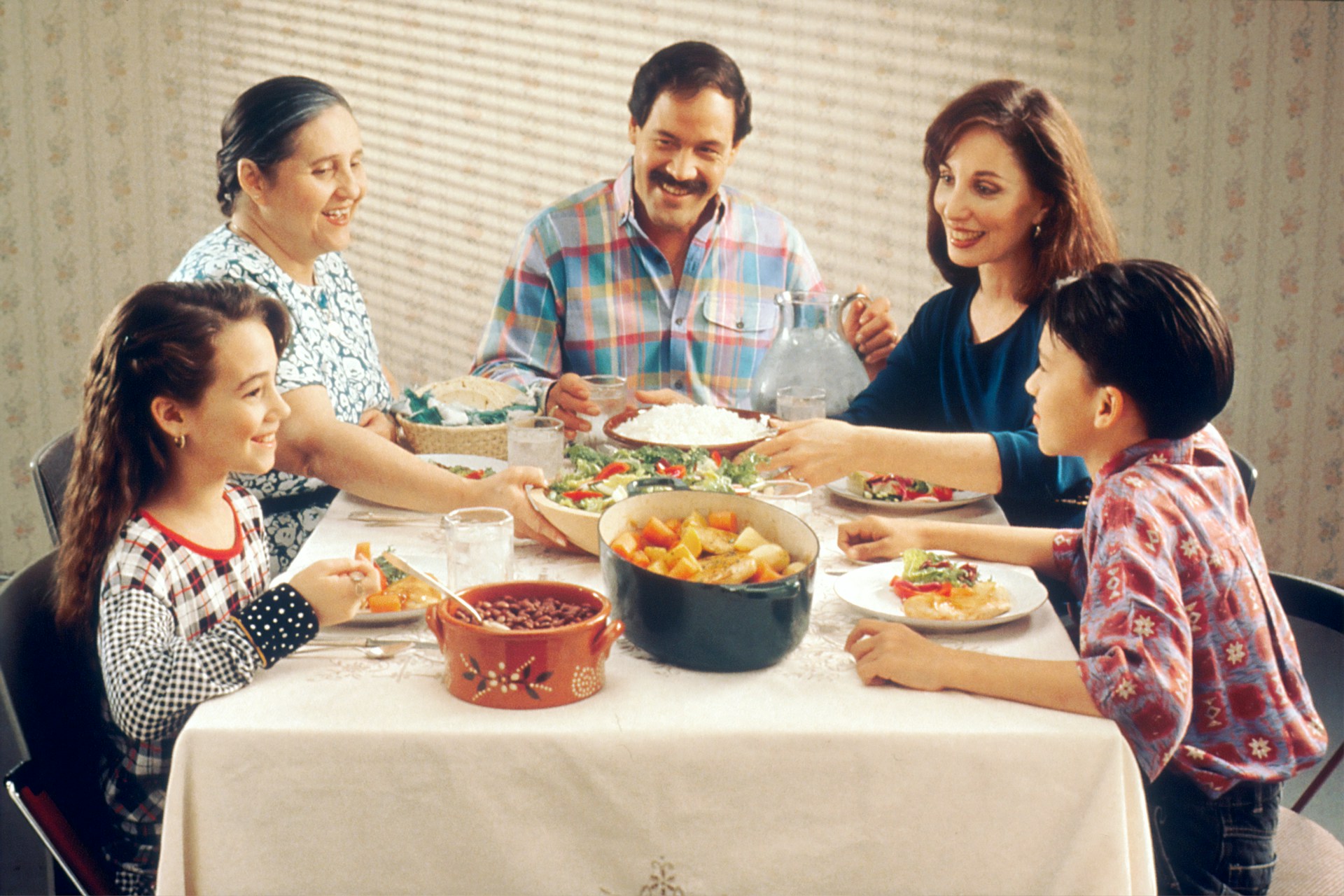
Shared meals were a cornerstone of 70s family life. In 2026, families are again prioritizing nightly dinners without distractions. These meals strengthen communication and create emotional connection. Parents find that children feel more grounded when routines are consistent. The practice reinforces a sense of belonging.
Prioritizing Sleep and Consistent Bedtimes
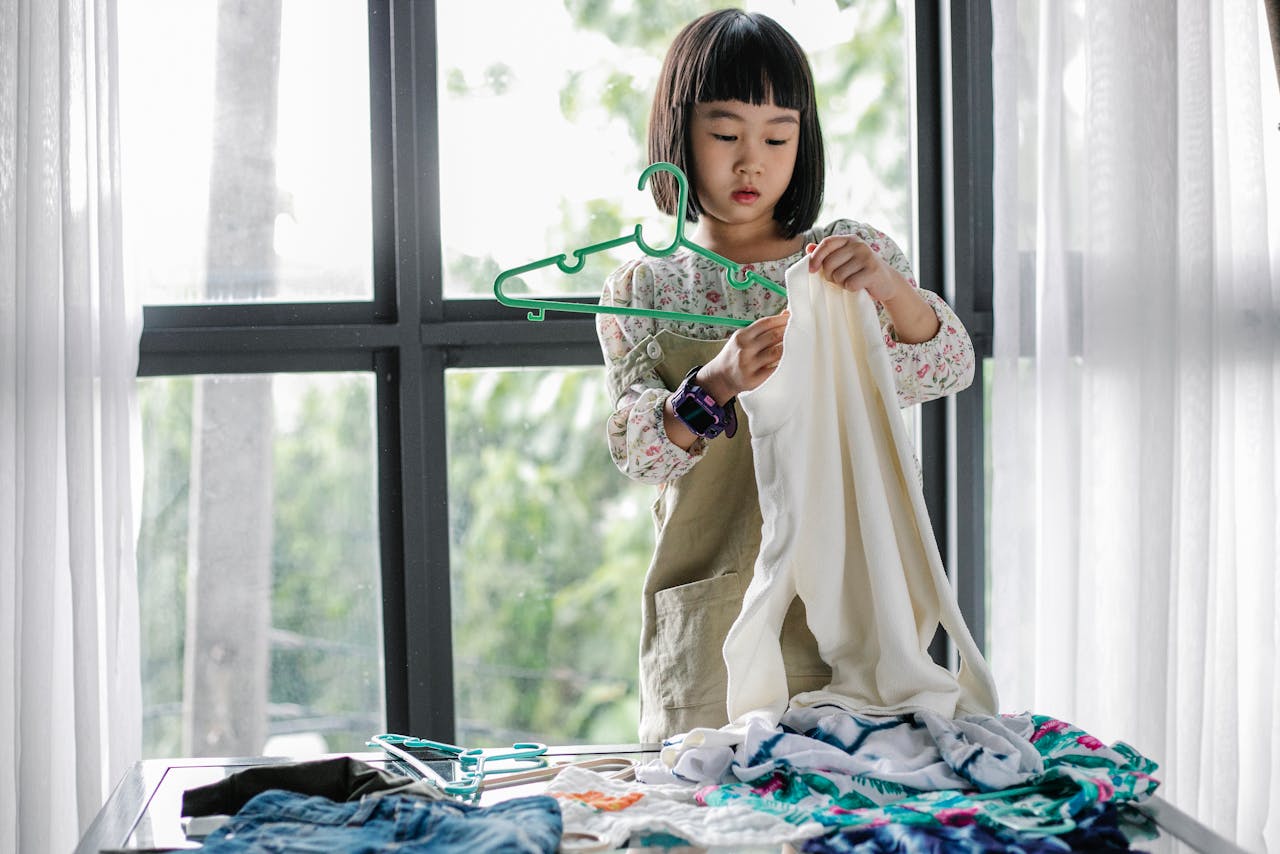
Modern parents are rediscovering the benefits of steady sleep routines. Consistent schedules support emotional regulation, academic performance, and physical health. This echoes the 70s focus on predictable household structure. Families realize that simple routines often create the biggest improvements. Sleep becomes a pillar of well-being.
Teaching Financial Awareness Early

Parents are teaching children about saving, budgeting, and responsible spending. This reflects the 70s emphasis on frugality and practicality. Kids learn how money works through real-life examples and small allowances. Early financial literacy prepares them for future responsibility. The trend helps counterbalance today’s material-driven culture.
Reducing Overreliance on Gadgets

Families are consciously choosing activities that don’t require constant electronic involvement. Parents limit convenience gadgets in favor of hands-on engagement. This encourages mindfulness and appreciation for slow living. The shift mirrors the technology-light lifestyle of the 1970s. Many households report improved family connection as a result.