Luxury upgrades may seem appealing at first, yet certain choices can make a house more difficult to resell. Features that suit personal taste rarely match what future buyers want, especially when they require high maintenance or expensive upkeep. While these additions create comfort and style for the current owner, they may limit interest from potential buyers who prefer simpler, more flexible spaces. These twelve luxury upgrades often create challenges during resale, even when they were installed with the best intentions.
1. Oversized custom closets
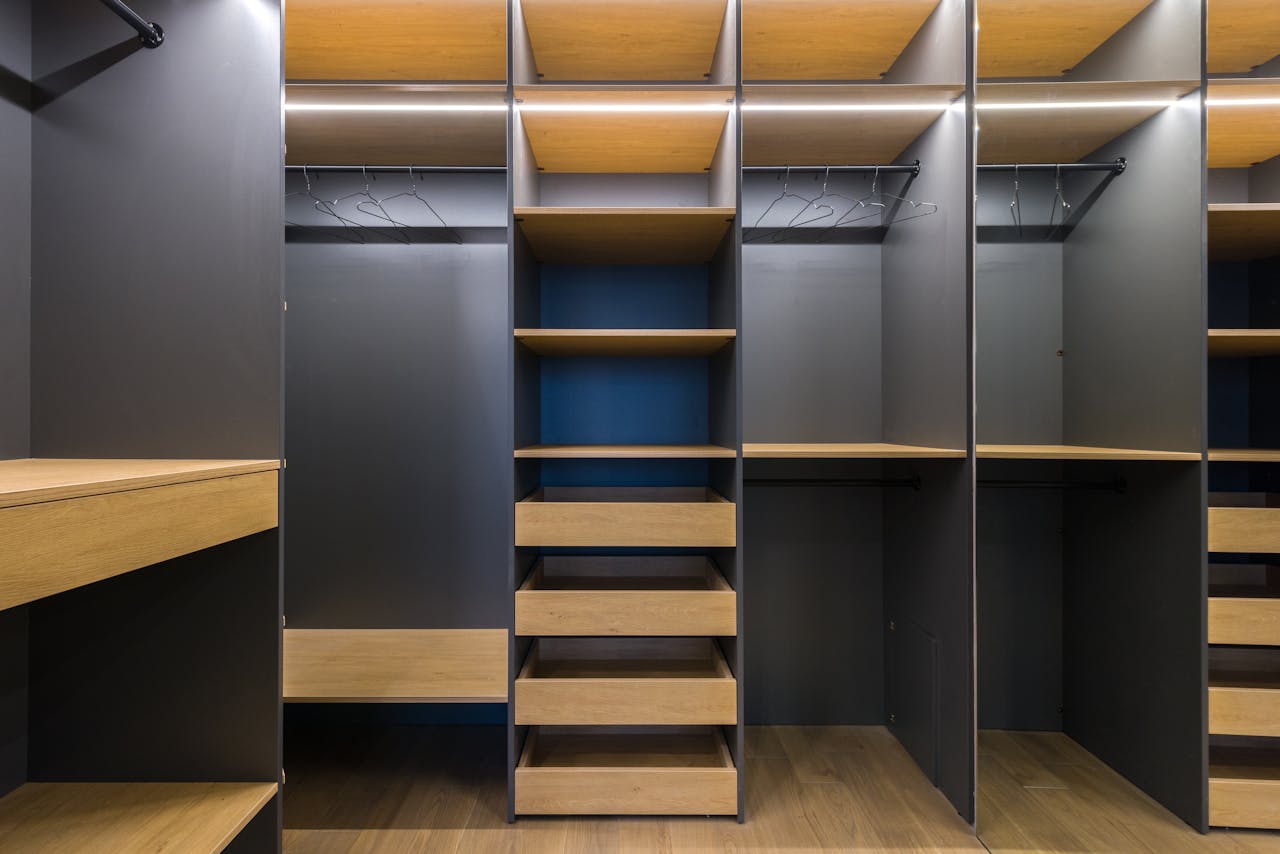
Large customized closets may feel luxurious, but they often take space away from bedrooms or living areas. Buyers might see them as wasteful or impractical, especially if the layout becomes awkward. Custom shelving and built in drawers can be expensive to remove or adapt, making the feature feel more limiting than helpful. While the closet may impress the current owner, future buyers often prefer open space or flexible storage options that match their own needs and personal lifestyle preferences.
2. High maintenance gardens

Elaborate gardens with rare plants, water features, or delicate landscaping may delight the owner but overwhelm potential buyers. Maintaining these gardens requires time, skill, and regular investment. Families looking for simple outdoor spaces often avoid properties with complex upkeep. Even small decorative ponds or specialty plant beds can become burdens rather than selling points. Buyers prefer easy to manage yards that offer freedom instead of obligation. Luxury landscaping can easily turn from asset to obstacle during resale conversations.
3. Custom themed rooms
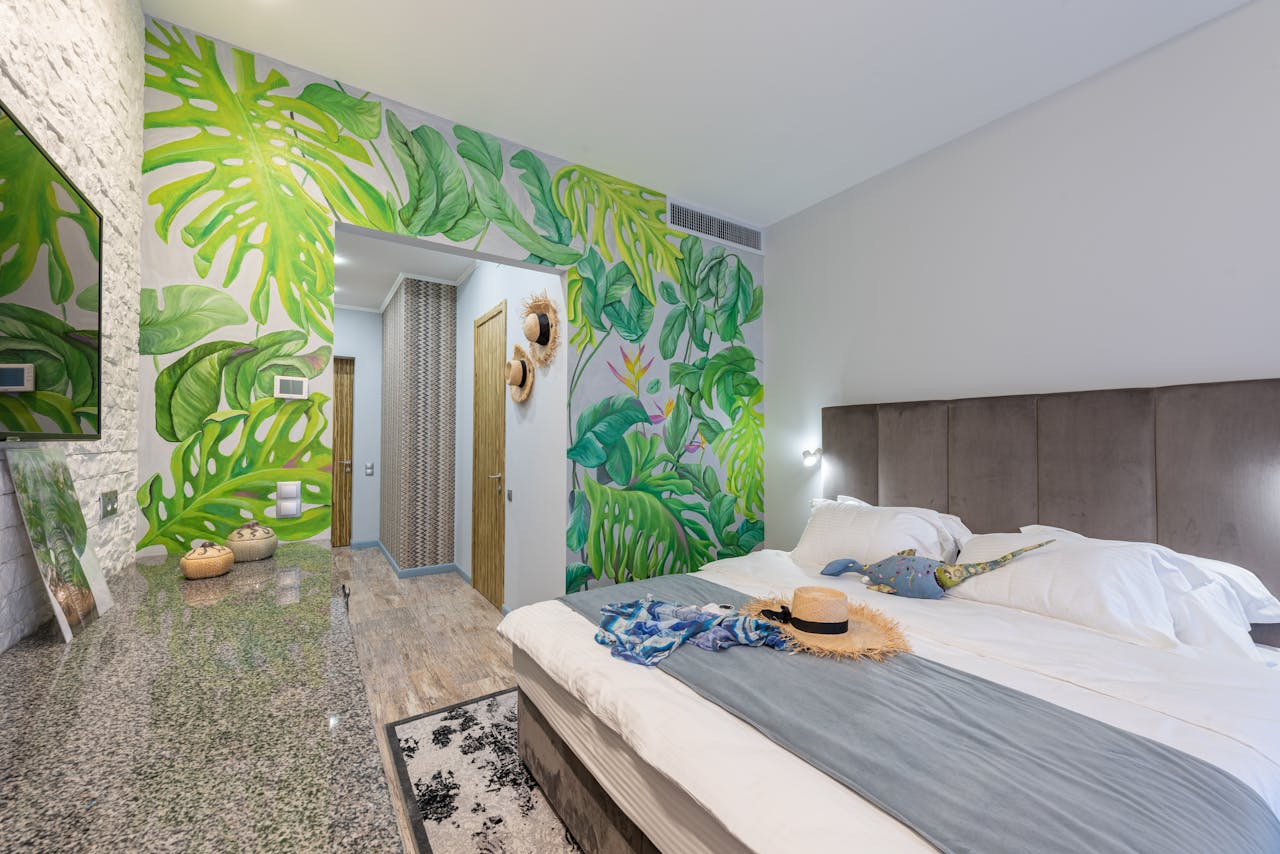
Themed rooms such as home theaters styled like old cinemas or bedrooms decorated for specific interests can feel charming to the owner yet discourage buyers who want neutral spaces. These designs often require costly changes to repaint, remove structures, or restore original layouts. While fun for daily living, themed rooms limit imagination for new residents who prefer blank canvases. Buyers may also assume additional expenses to modify the space. This makes themed rooms more challenging to sell despite the creativity behind them.
4. Built in aquariums

Large built in aquariums create striking visual appeal but require constant care, specialized equipment, and professional cleaning. Many buyers worry about leaks, electrical concerns, or the cost of maintaining fish and filtration systems. Removing a built in aquarium can also be complicated and expensive, leaving behind gaps or unfinished surfaces. While impressive, these installations feel overwhelming for buyers seeking simplicity. The responsibility often outweighs the beauty, turning a luxury feature into an unwanted project during resale discussions.
5. Heated driveways
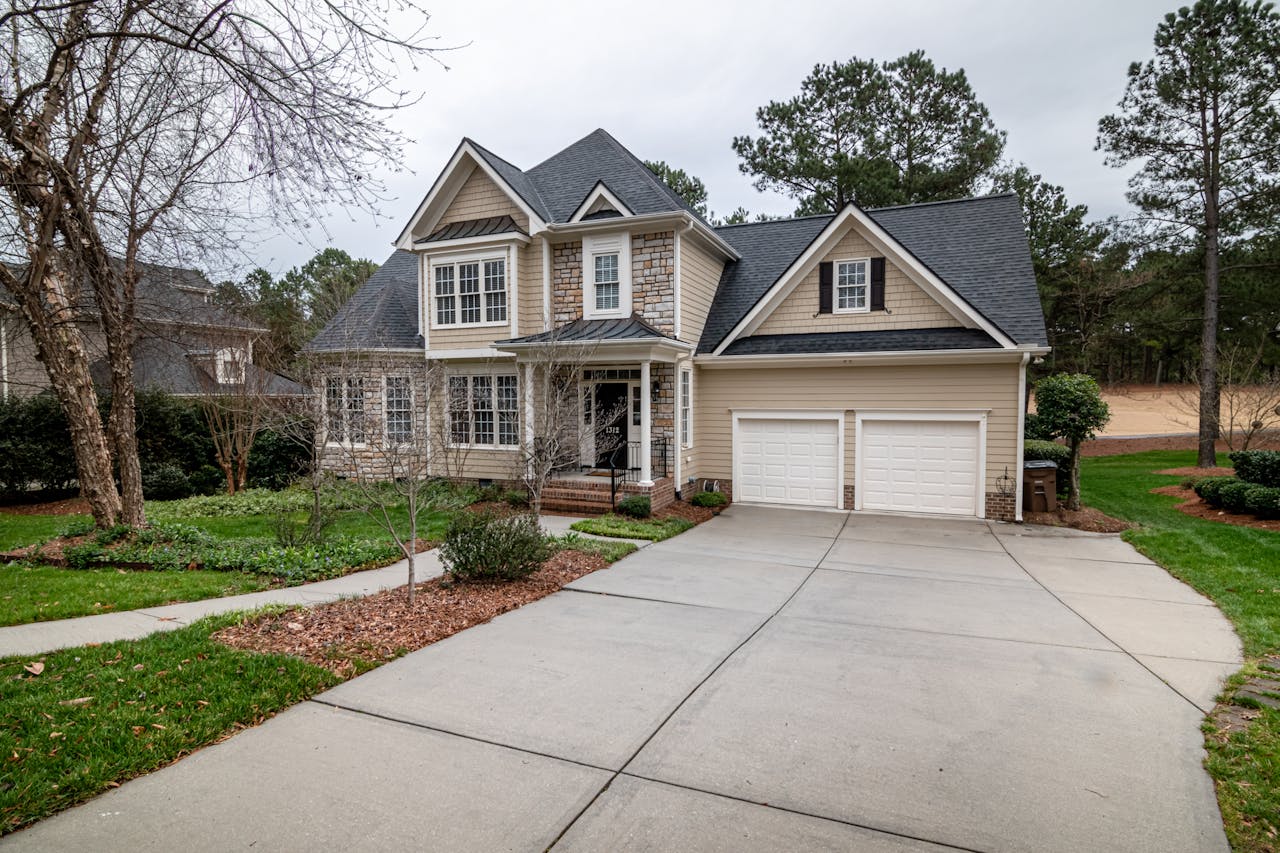
Heated driveways offer comfort during winter by melting snow automatically, yet the installation and upkeep can be costly. Buyers may fear repairs or rising energy expenses, especially in areas with harsh climates. While convenient for the current homeowner, the system’s electrical and mechanical components may intimidate others. Some buyers simply prefer traditional driveways without the risk of expensive maintenance. What seems like a thoughtful upgrade can become a point of hesitation, making resale conversations more challenging overall.
6. Wine cellars
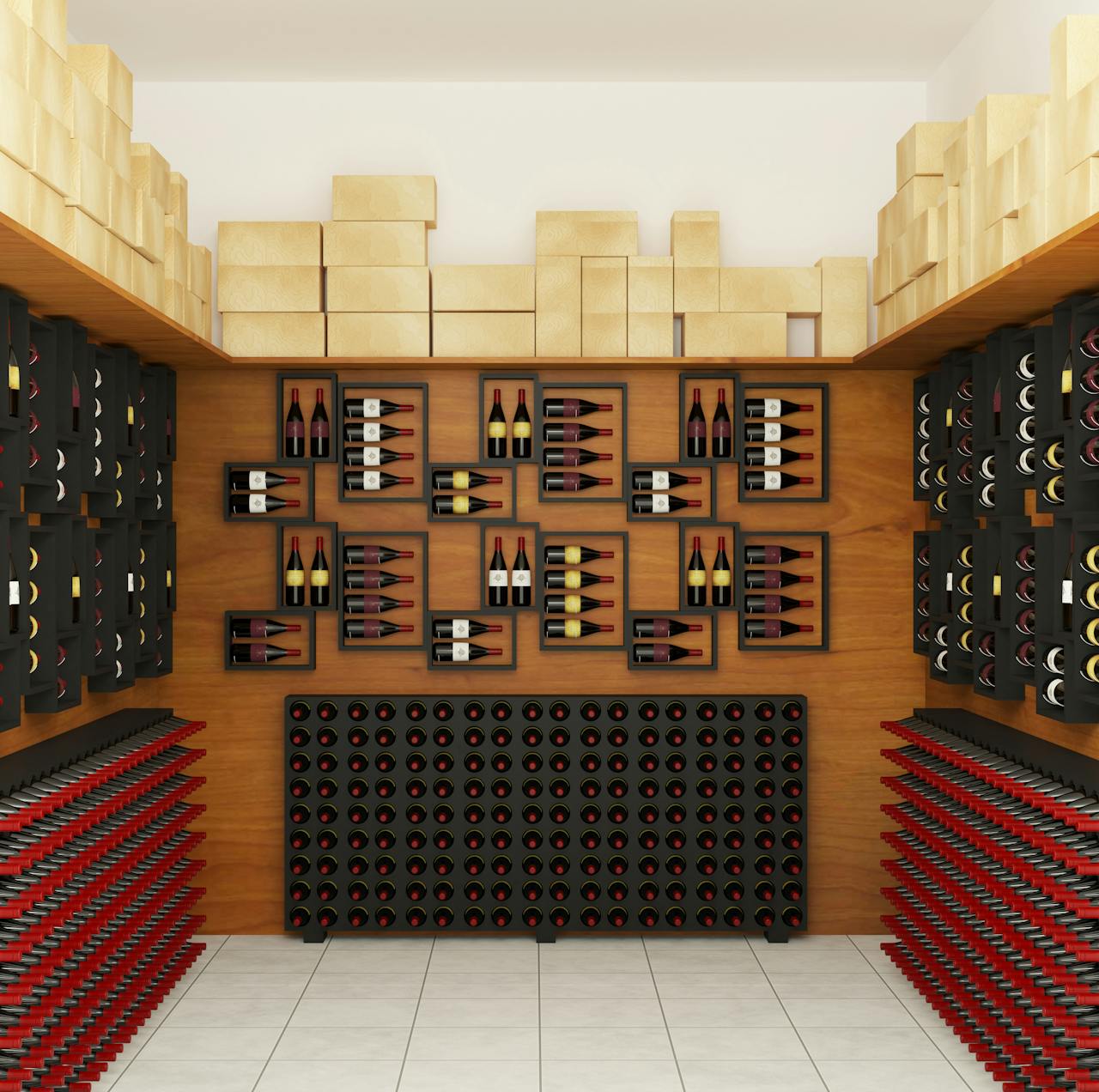
Wine cellars appeal to collectors but may hold little value for buyers who do not drink or store wine. These spaces require controlled temperature systems, special lighting, and structural reinforcement. Maintenance can become costly, and converting the room into something else might require additional work. Even smaller cellars can feel impractical for families focused on everyday living. Buyers often prioritize storage or office space instead. Although elegant, wine cellars regularly narrow the home’s audience and complicate resale efforts.
7. Indoor saunas
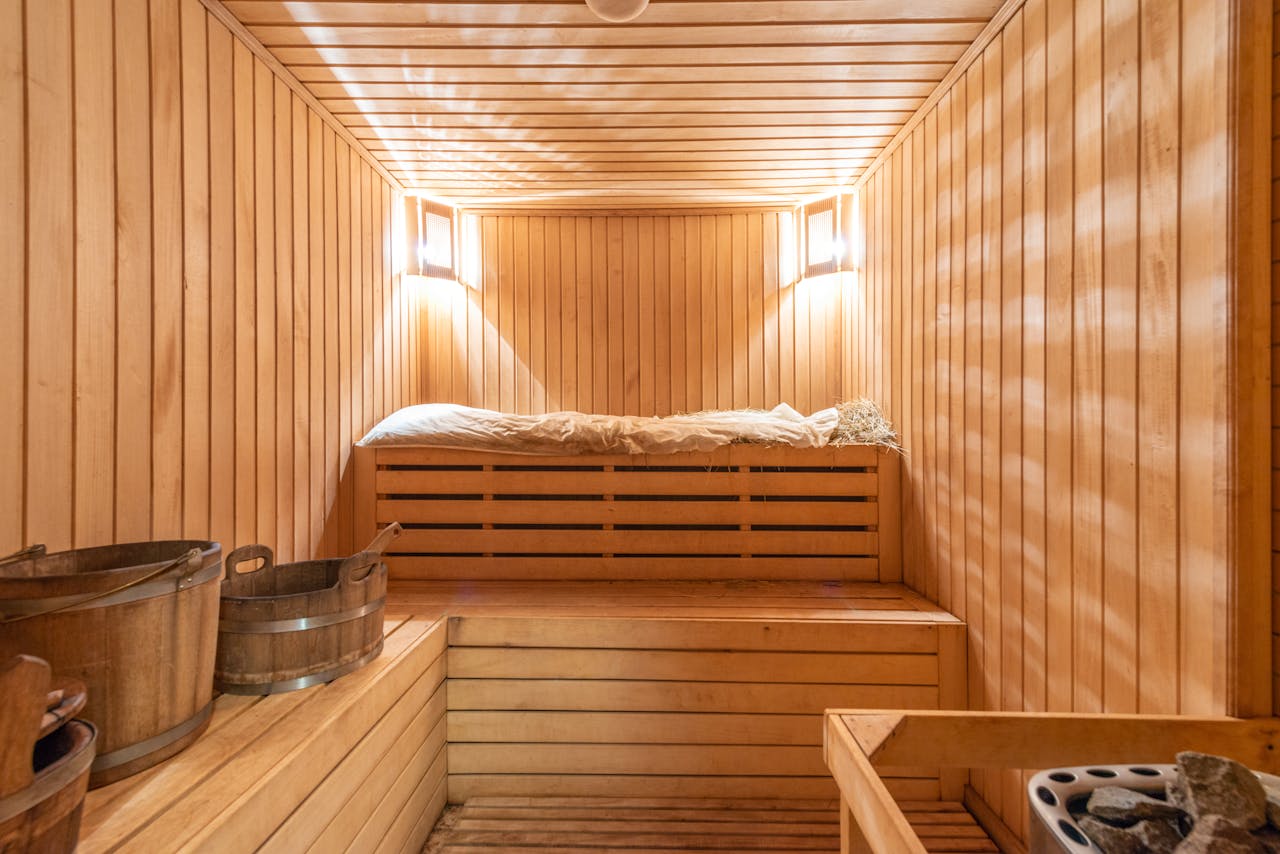
Indoor saunas offer relaxation but introduce concerns about moisture, ventilation, and long term upkeep. Potential buyers may worry about mold or the cost of maintaining specialized heating systems. Some see the space as better suited for storage or hobby use rather than daily wellness routines. Converting a sauna back to a normal room can be expensive and time consuming. While soothing for current owners, indoor saunas often feel unnecessary to buyers who prefer simpler layouts with flexible everyday functionality.
8. Chef style kitchens
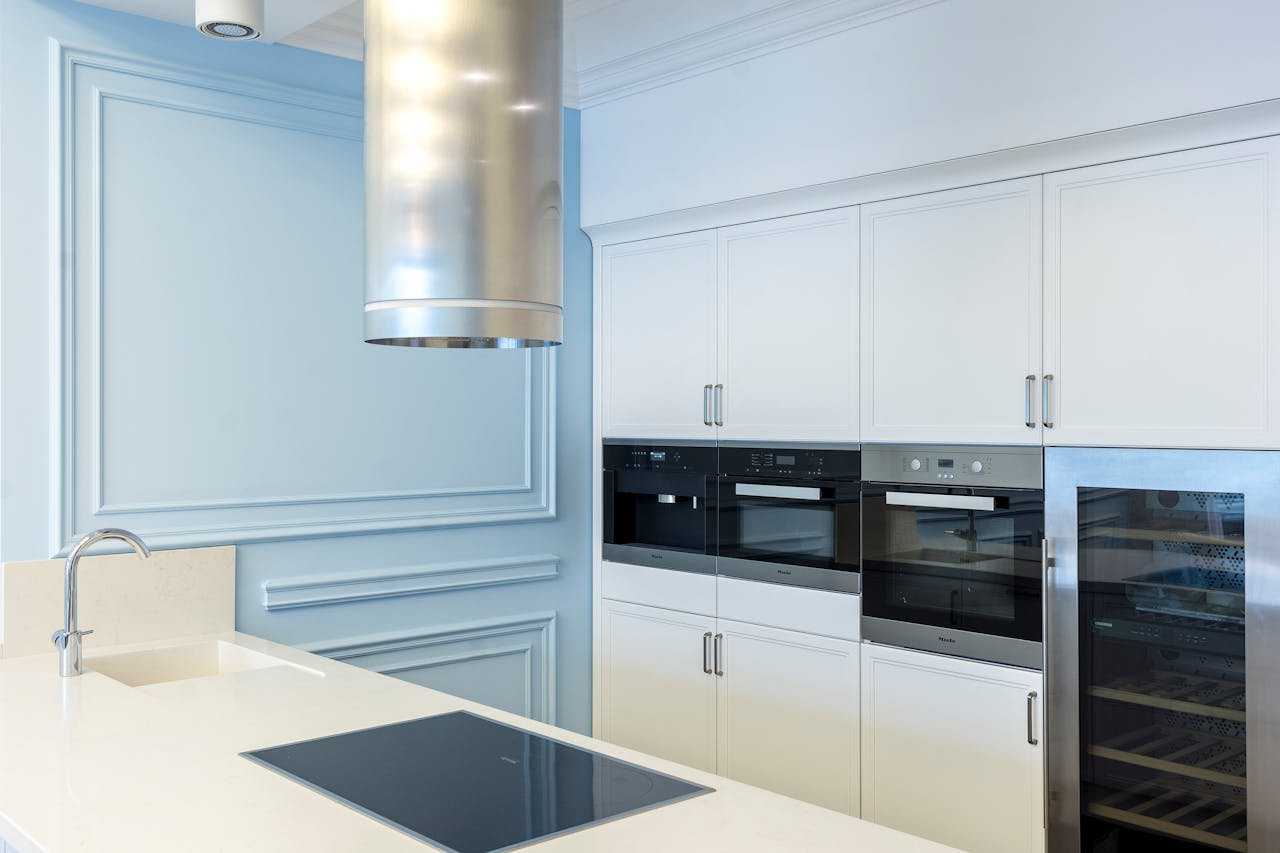
High end kitchens with professional grade appliances often appeal to cooking enthusiasts but overwhelm buyers who prefer simpler setups. Oversized ranges, specialized ventilation, and commercial equipment can drive up maintenance and repair costs. Some buyers find such kitchens unnecessarily complex or intimidating. The space may also feel too specific for families who rarely cook elaborate meals. While impressive, chef style kitchens may reduce overall appeal by focusing on luxury instead of practical functions many buyers prefer.
9. Exotic flooring materials

Rare flooring such as imported stone, specialty wood, or artistic tile adds uniqueness but discourages buyers who worry about upkeep or replacement costs. These materials often require special cleaning products or careful handling to avoid damage. They may not match common tastes, making it harder for buyers to envision their own decor. Replacing exotic floors can be expensive, leading potential buyers to reconsider the property. This makes unusual flooring a risky investment when thinking about resale value.
10. Indoor fountains

Indoor fountains create soothing sounds and stylish decor, yet they also bring concerns about leaks, mold, and maintenance. Buyers may worry about pumping systems, water quality, or long term repairs. These features take up valuable interior space that many prefer to use for storage or daily activities. While the fountain may feel relaxing to the current owner, it becomes a source of uncertainty for buyers who want low maintenance living. As a result, this upgrade often complicates resale negotiations.
11. Large home gyms
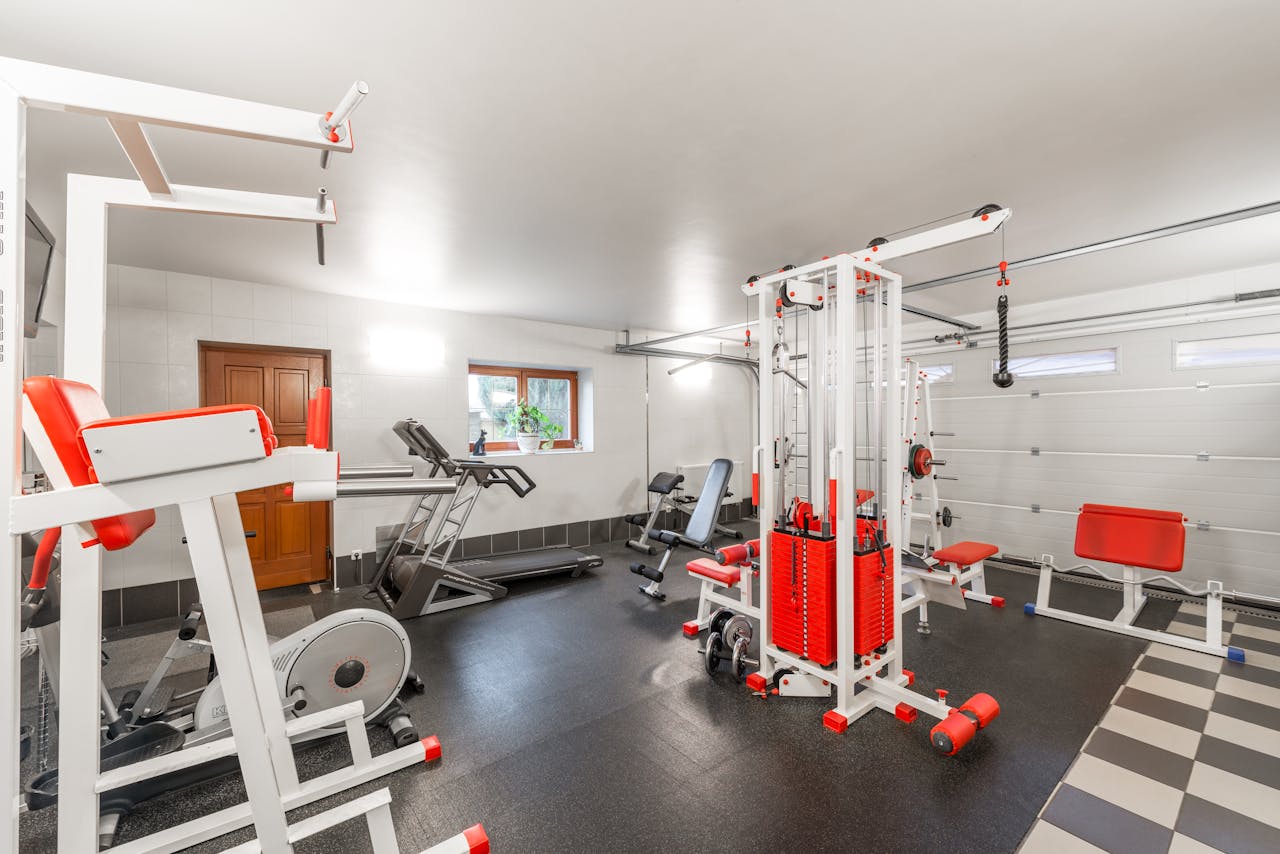
Dedicated gym rooms with built in equipment often fit the lifestyle of athletic owners but feel restrictive to buyers who do not exercise regularly. Heavy machines, reinforced floors, and mirrored walls can make the room difficult to repurpose. Buyers may see the space as limiting, preferring bedrooms, offices, or entertainment areas instead. The cost of removing or modifying gym installations adds hesitation. While useful for some, a large gym can significantly reduce the home’s appeal during resale conversations.
12. Custom bathroom spas
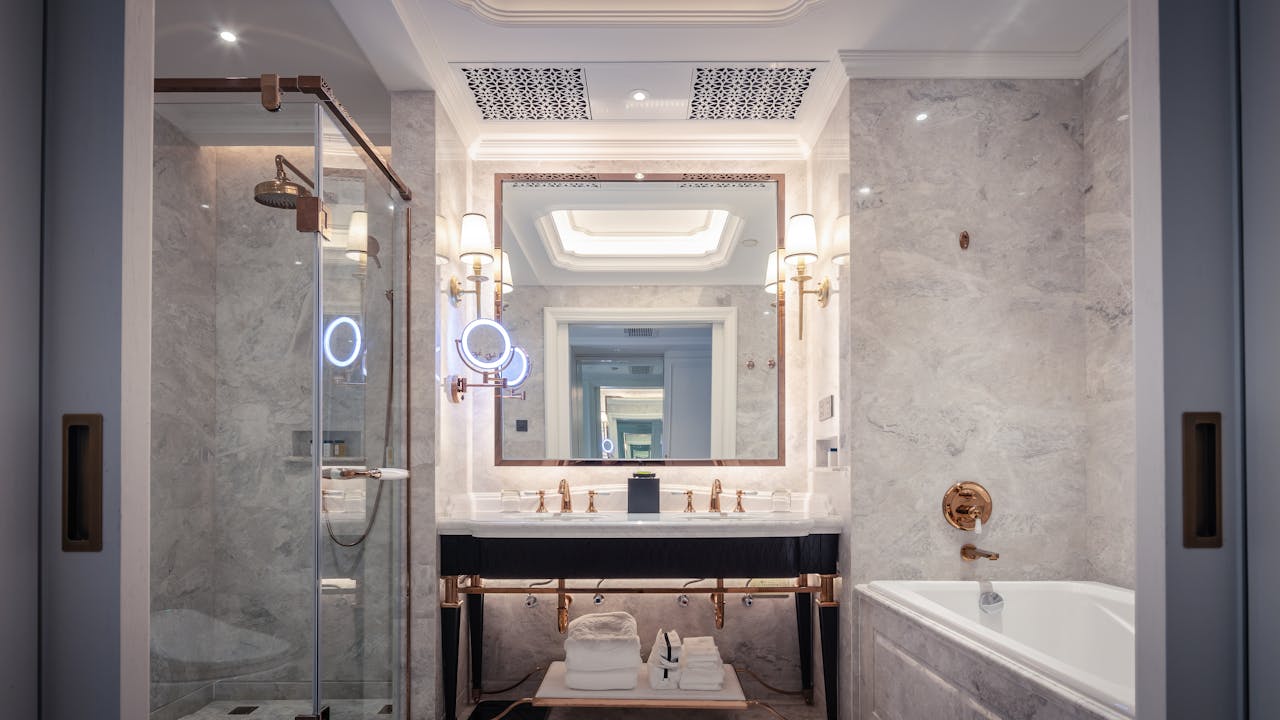
Luxurious spa bathrooms with oversized tubs, elaborate lighting, and specialized features may delight current owners but overwhelm potential buyers. These setups often require high water use, frequent cleaning, and expensive repairs. Some buyers prefer simpler bathrooms that feel easier to manage. Spa designs can also take up space better suited for storage or practical layouts. Though relaxing, these upgrades create long term obligations that many buyers wish to avoid, making resale more challenging for homes with such features.
Luxury upgrades can add comfort and personal satisfaction, yet they also narrow the pool of interested buyers. When features feel too specific or require significant upkeep, potential buyers hesitate, even if the home is otherwise appealing. Understanding how certain choices affect resale potential helps homeowners make smart decisions. These examples show that simplicity, flexibility, and practicality often matter more than extravagance when it comes to long term value and broad market appeal.